1915 Rauch & Lang J5 Double Control Coach

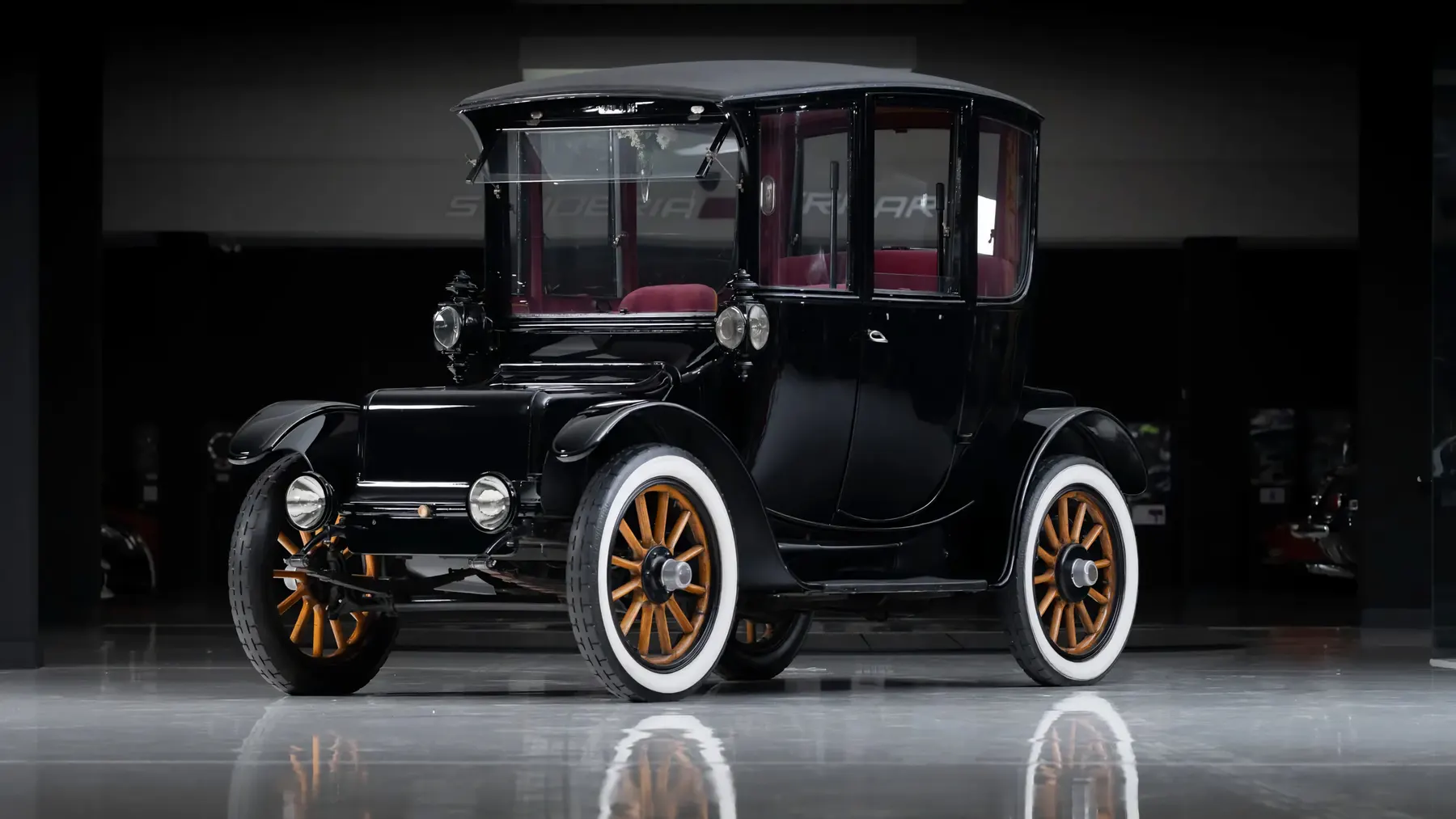
When we look back at the early days of automotive innovation, we often focus on gasoline-powered vehicles that ultimately dominated the market. Yet there was a time when electric vehicles were considered the pinnacle of luxury and refinement, particularly among wealthy urbanites. The Rauch & Lang J5 Double Control Coach stands as perhaps the most sophisticated example of early electric automotive engineering-a silent marvel that redefined luxury transportation in the 1910s.
The story of the Rauch & Lang J5 begins with two Cleveland businessmen with an eye for quality. Jacob Rauch, a skilled wagon builder, and Charles E.J. Lang, a successful real estate magnate, joined forces in 1884 to create the Rauch & Lang Carriage Company. Their partnership quickly established a reputation for producing some of the finest and most expensive carriages in the region.
As the automotive revolution began to take shape, Rauch & Lang demonstrated remarkable foresight. In 1903, they opened a dealership for Buffalo Electric vehicles, and by 1905, they had manufactured their own electric stanhope model. Their first year of automotive production yielded 50 vehicles, including stanhopes, coupes, and depot wagons.
The company’s commitment to quality control led them to acquire Hertner Electric Company in 1907, bringing motor and controller production in-house. John H. Hertner became the chief engineer for the automobile department, ensuring that every component of their electric vehicles met exacting standards. By 1908, annual production had reached 500 vehicles, with back-orders for 300 more-a testament to their growing popularity.
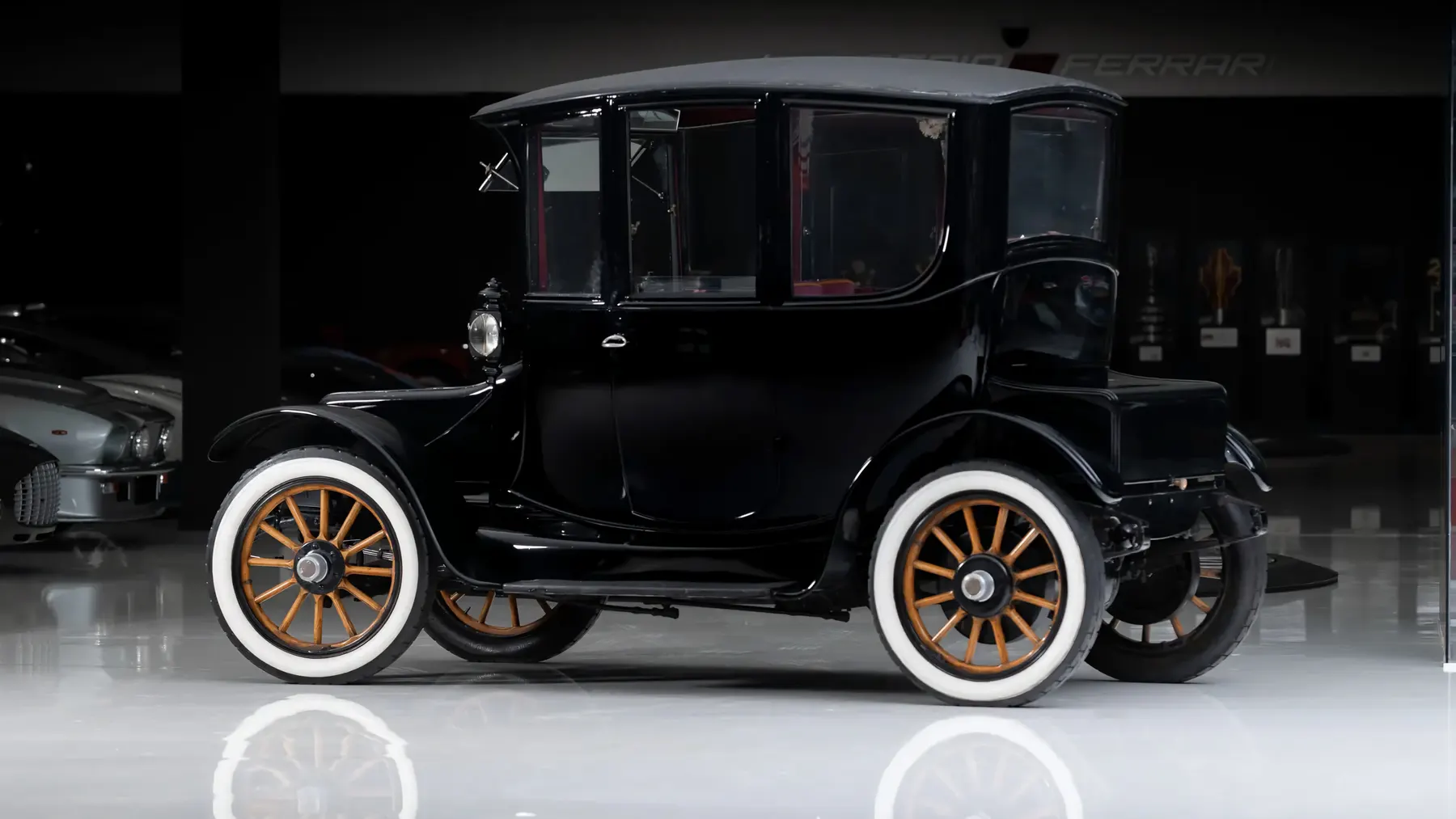
Introduced around 1913-1915, the J5 Double Control Coach represented the pinnacle of Rauch & Lang’s innovation. What made this model truly revolutionary was its dual control configuration-a feature that allowed the vehicle to be operated from either the front or rear seats. This ingenious system included two sets of controls and steering tillers that could be folded away when not in use.
The dual control system wasn’t merely a novelty but a practical feature for the social elite. It allowed a chauffeur to drive from the front when desired, but also permitted the owner to take control from the rear seat-particularly useful for women of high society who wished to maintain their privacy while still enjoying the independence of driving themselves.
Safety wasn’t overlooked in this innovative design. The J5 featured a special safety switch that deactivated the forward controls if the revolving front seat was in any position other than forward, preventing accidental operation.
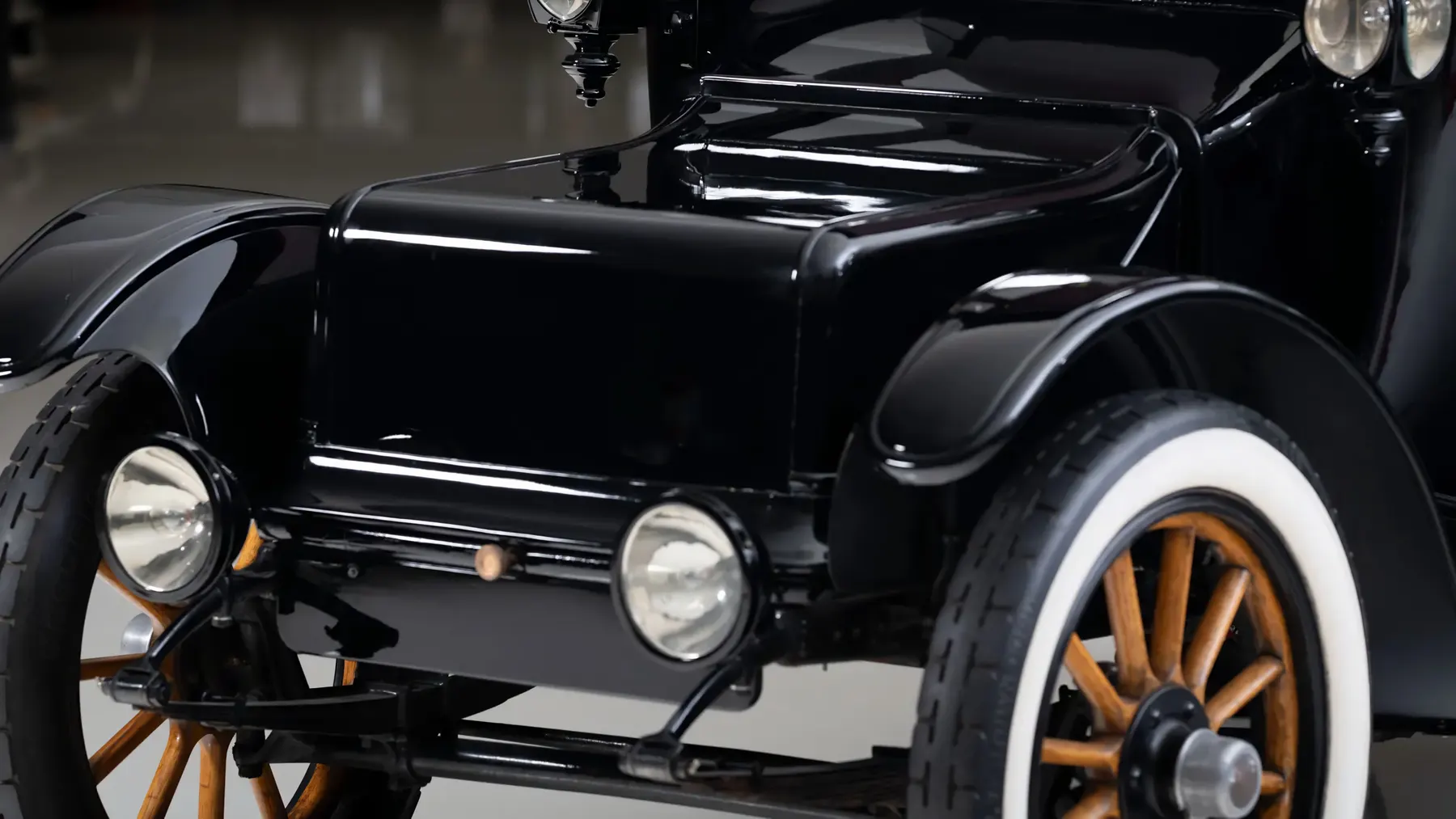
The J5 Double Control Coach was powered by an 80-volt Hertner electric motor driving the rear wheels through a worm gear transmission. This system provided smooth, near-silent operation-a quality highly prized by discerning customers seeking refinement in their motoring experience.
Original models used banks of 6-volt lead-acid batteries, though many surviving examples have been converted to modern lithium batteries for enhanced usability. With a range of approximately 40 kilometers and a top speed of about 25 km/h, the J5 wasn’t built for long-distance travel or speed records but for elegant urban transportation.
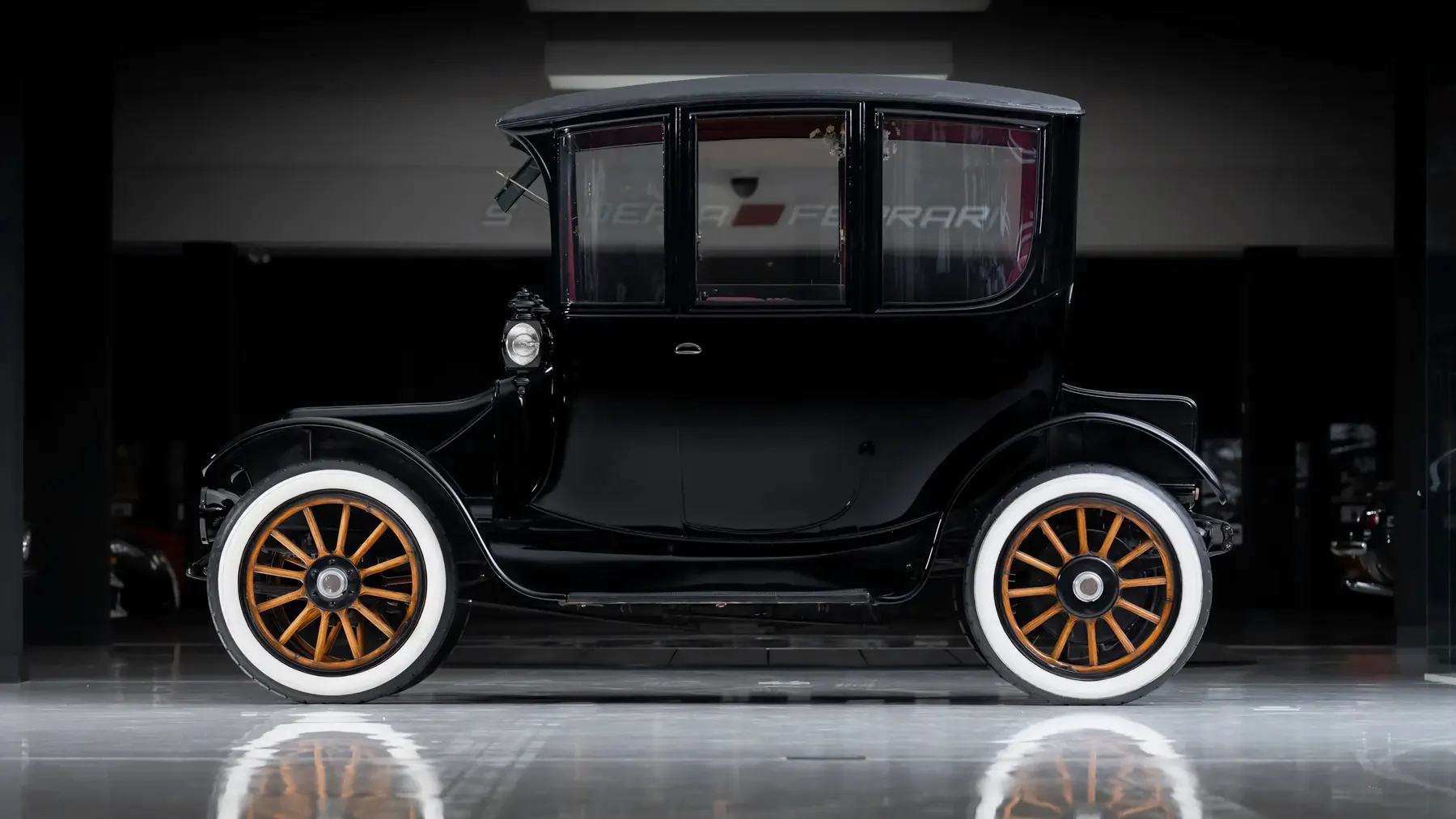
The interior showcased the company’s carriage-building heritage. Plush upholstery in fine fabrics like burgundy cloth with pleated, buttoned seats created a drawing room atmosphere. The instrumentation was equally refined, featuring an ampere-hour meter, voltmeter, ammeter, and often a stem-wind Waltham eight-day watch mounted on the front bulkhead. All windows typically included roller shades for privacy.
At a price of $3,200 in 1915 (equivalent to over $80,000 today), the J5 was among the most expensive automobiles available, reflecting both its technical sophistication and luxurious appointments.
The Rauch & Lang electric vehicles weren’t merely transportation-they were social signifiers. Ownership of a J5 Double Control Coach indicated one’s place among the urban elite. They were particularly favored by wealthy women who appreciated the vehicles’ ease of operation, cleanliness, and refined operation.
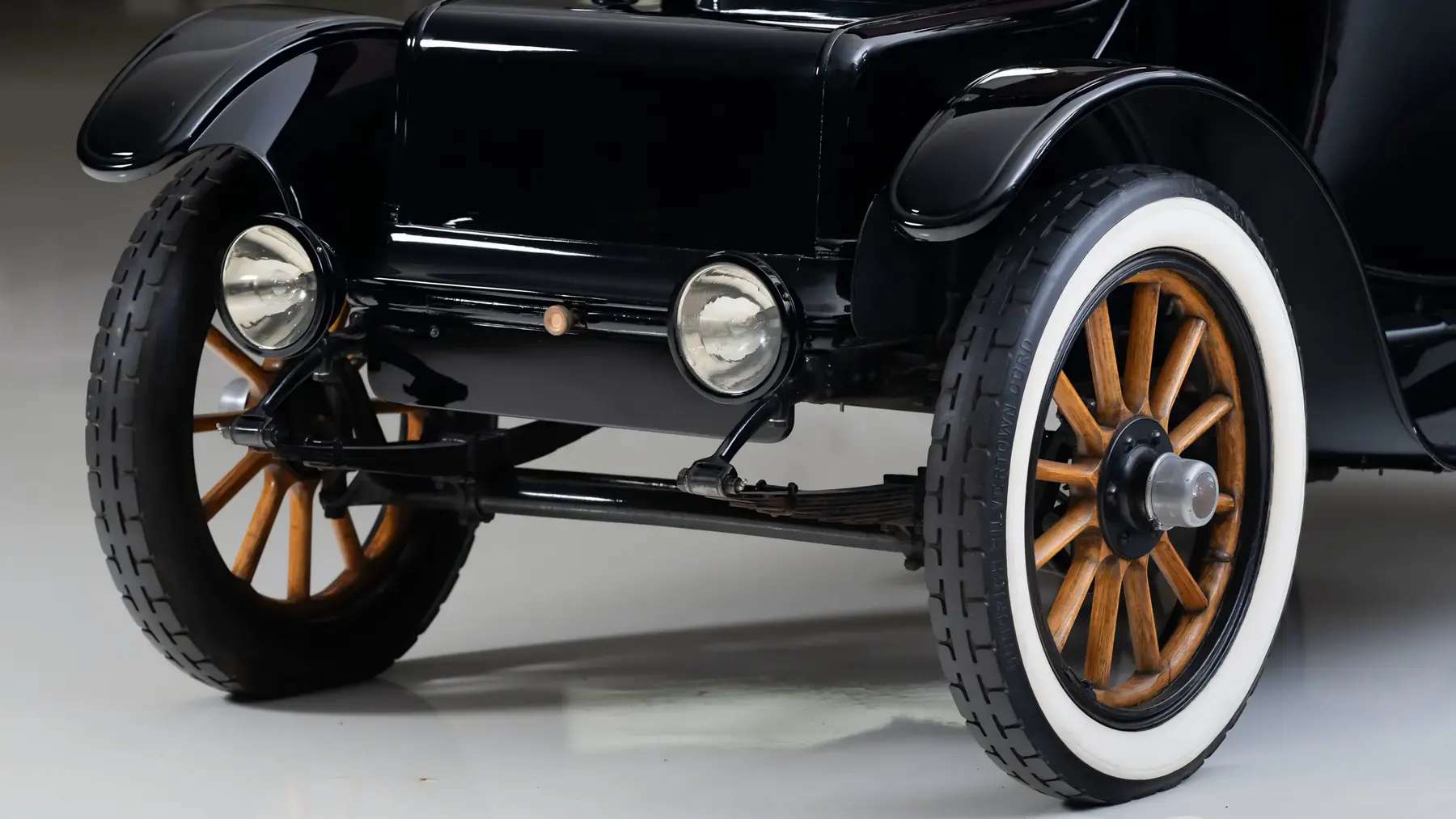
In an era when gasoline cars required significant mechanical knowledge and physical strength to operate, the electric J5 offered independence to women of means. Without the need for hand-cranking to start or complicated gear shifting, the J5 could be driven without a chauffeur-a revolutionary concept for high-society women of the 1910s.
Agnes McDonald of Spokane was one such notable owner, driving her Rauch & Lang electric around town until 1951, long after most electric vehicles had disappeared from American roads.
By 1915, with electric car sales declining nationally as gasoline vehicles improved in reliability, Rauch & Lang merged with their cross-town rival, Baker Electric Vehicle Company, forming Baker R. & L. Company. Though the merged company continued producing electric vehicles until 1920 in Cleveland and then until 1932 in Chicopee Falls, Massachusetts, the golden age of electric luxury was waning.
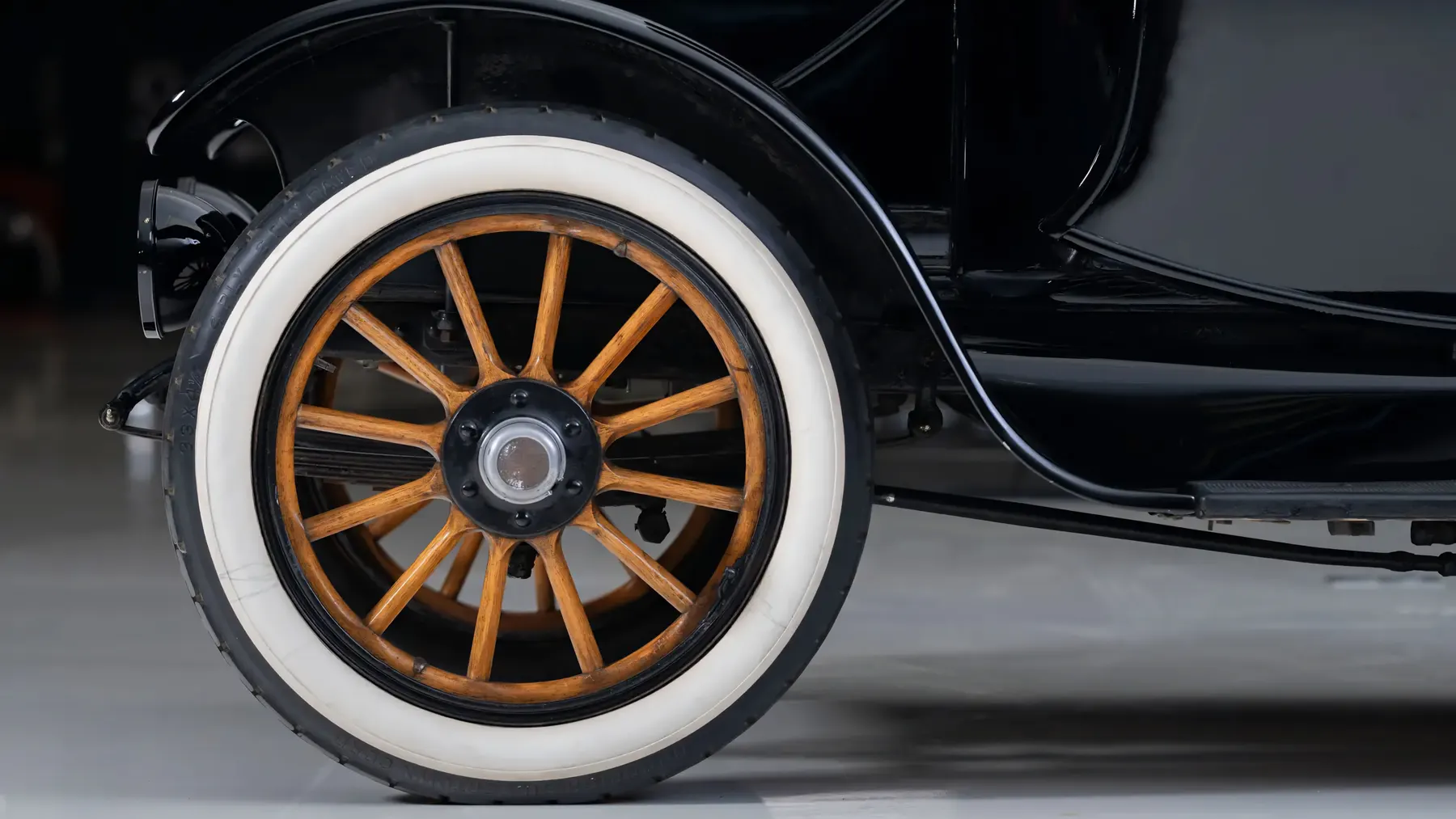
Today, surviving examples of the J5 Double Control Coach are coveted by collectors for their historical significance, engineering innovation, and unmatched craftsmanship. They represent not just an alternative path in automotive technology but a reminder that electric vehicles once represented the pinnacle of automotive luxury and refinement.
The J5’s innovative dual control system, silent operation, and exquisite craftsmanship make it more than just an antique vehicle-it’s a testament to American engineering creativity during the first flowering of automotive technology. For those fortunate enough to experience one of these magnificent machines today, the Rauch & Lang J5 remains a masterpiece of early automotive luxury that truly was ahead of its time.
**
Join the discussion
Comments
Loading comments…
Leave a comment
Share a detail, memory, or perspective. Every comment is reviewed before publication.