1926 Bugatti Type 40


In 1926, Bugatti introduced the Type 40, a model that perfectly encapsulates the brand’s philosophy of blending exceptional engineering with elegance. Though it was considered an entry-level Bugatti, the Type 40 didn’t sacrifice the craftsmanship that made the marque legendary. A replacement for the earlier Type 13, 22, and 23 models, the Type 40 brought Bugatti’s precision engineering to a broader audience, offering enthusiasts the chance to own a car with racing DNA but tailored for the road.
The Type 40 evolved from the Bugatti 8-cylinder line, which started with the Type 30 in 1922. Although its engine shared characteristics with the more powerful Type 37 and Type 35 racing models, the Type 40 offered a simplified version of that engineering brilliance. Powered by a naturally aspirated 1.5-liter inline-four engine, it was essentially half of the Type 35’s inline-8, yet still featured Bugatti’s signature smoothness and performance.

What made the Type 40 stand out wasn’t just the lineage it carried but the way it captured Bugatti’s values of driving precision. The chassis, borrowed from the Type 38, provided sharp handling and excellent braking for its era. Weighing less than Bugatti’s more expensive models, it had a nimbleness on the road that made it an exceptional tourer.
With its water-cooled, 1.5-liter inline-four engine, the Bugatti Type 40 produced 70 horsepower at 4500 rpm. While this may seem modest by today’s standards, in the late 1920s, it was enough to propel the car to a top speed of around 80 mph (128 km/h),impressive for an “entry-level” Bugatti. The engine’s 3-valve-per-cylinder configuration, coupled with a single Zenith or Solex carburetor, ensured reliable power delivery and a distinctive mechanical symphony that still delights collectors today.
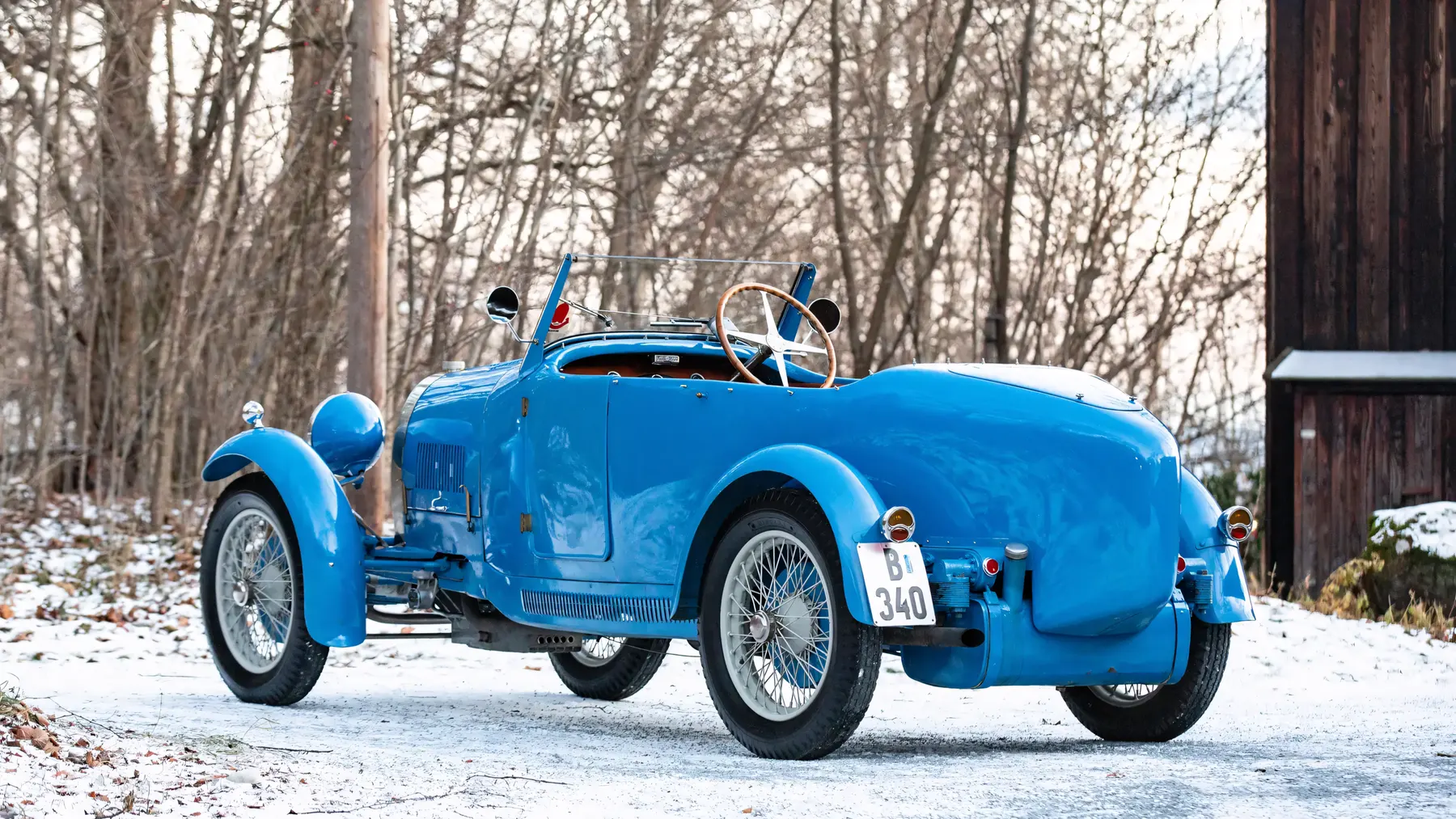
The Type 40’s appeal lay in its balance of performance and simplicity. Bugatti ensured the car’s construction was affordable without compromising its craftsmanship. The chassis design, with drum brakes all around and a wheelbase of 2400 mm, ensured the car could handle confidently at speed and offered a smooth, predictable ride. While the Type 40 was designed to be a more accessible Bugatti, its handling and engineering shared much with its Grand Prix-winning siblings.
The standard bodywork for the Type 40 was a four-seater coupe, usually in a sleek torpedo form, but many cars were fitted with custom coachwork from renowned ateliers, further highlighting the car’s flexibility and desirability. Despite its status as a more affordable Bugatti, buyers could still make their Type 40 unique with bespoke body styles, ranging from elegant tourers to sporty roadsters. The Type 40A, produced in 1930 with a slightly larger 1.6-liter engine, added another layer of exclusivity, with just 40 examples ever built.

Although some critics referred to the Type 40 as “Ettore’s Morris Cowley” due to its more restrained design, the car was nonetheless every bit a Bugatti. It combined the racing pedigree of its pricier counterparts with the practicality needed for daily use. In many ways, the Type 40 offered a pure driving experience,a car that wasn’t weighed down by excess power or extravagant features, but one that focused on delivering an engaging drive.
The Bugatti Type 40 remains an icon of understated elegance. For those who sought the prestige of a Bugatti without the price tag of a Grand Prix racer, the Type 40 was a revelation. It offered a rare blend of precision engineering, strong performance, and daily usability. Even today, it holds a special place in automotive history, celebrated for its craftsmanship, simplicity, and connection to Bugatti’s early racing success.
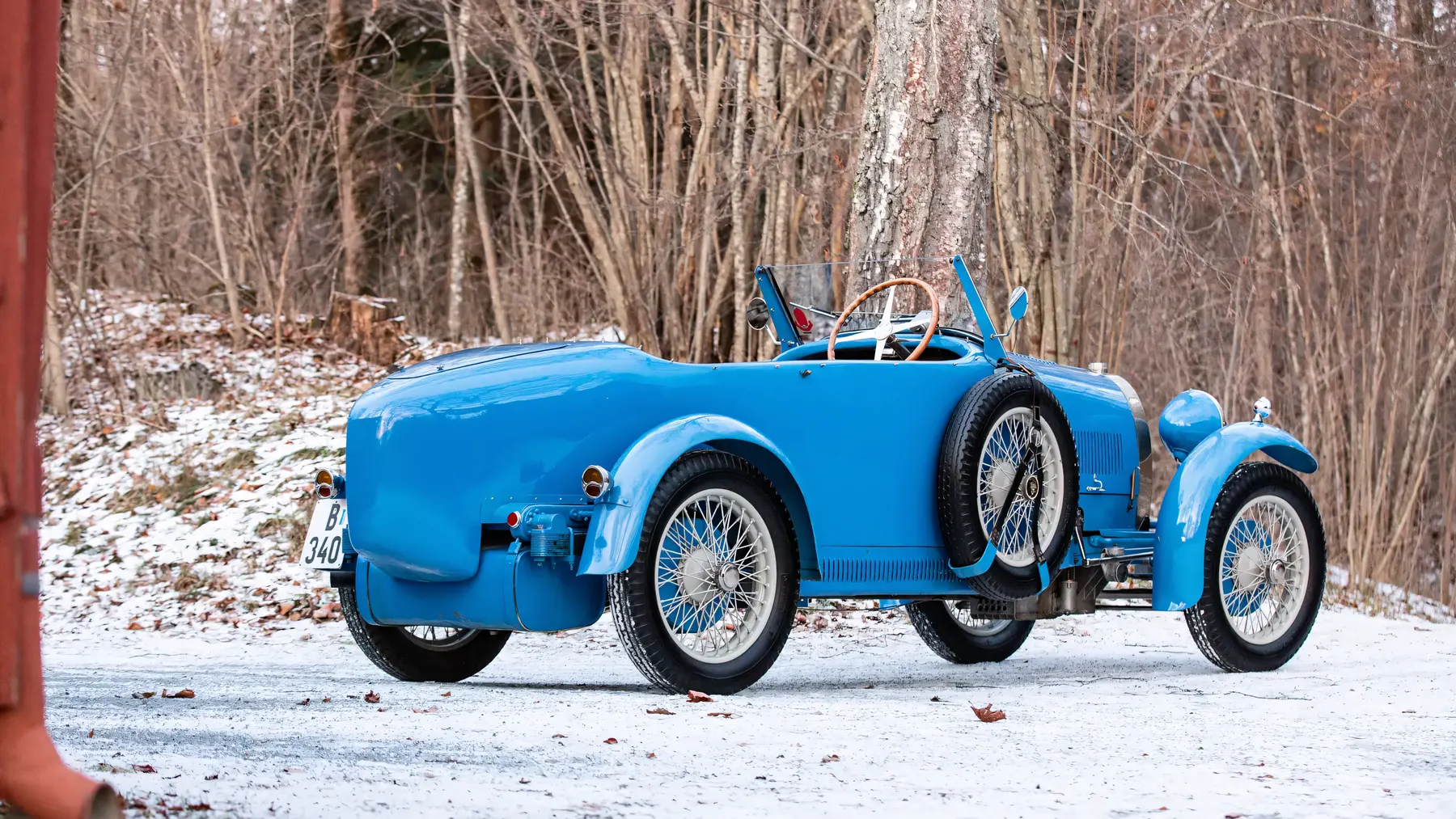
For the purist, the Type 40 is more than just a car; it’s a symbol of Ettore Bugatti’s ability to balance racing heritage with road-going refinement,proving that even an entry-level Bugatti could offer a world-class driving experience.
Join the discussion
Comments
Loading comments…
Leave a comment
Share a detail, memory, or perspective. Every comment is reviewed before publication.