1927 Amilcar C6

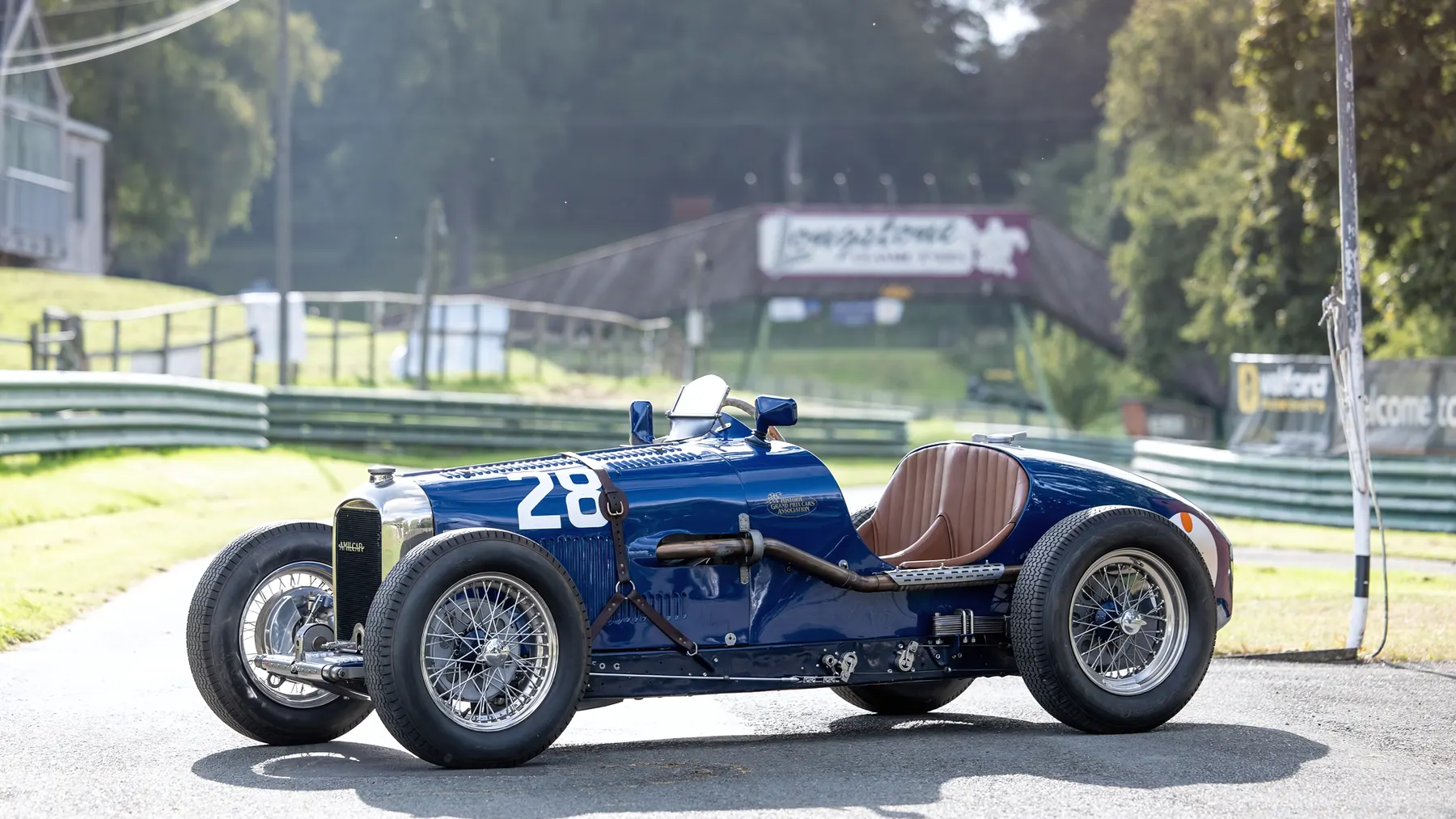
The 1927 Amilcar C6, a masterpiece from the golden era of automobiles, holds a special place in the hearts of car enthusiasts. With its racing pedigree, lightweight design, and powerful engine, the C6 is a prime example of a true sports car. In this journey through time, we’ll explore the remarkable story of the Amilcar C6, from its origins on the race track to its lasting legacy on the road.
The C6’s lineage traces back to the Amilcar CO, a successful six-cylinder race car from 1925. Gentleman drivers embraced the CO for voiturette races and hill climbs across Europe. The CO’s influence and achievements set the stage for the C6’s success.
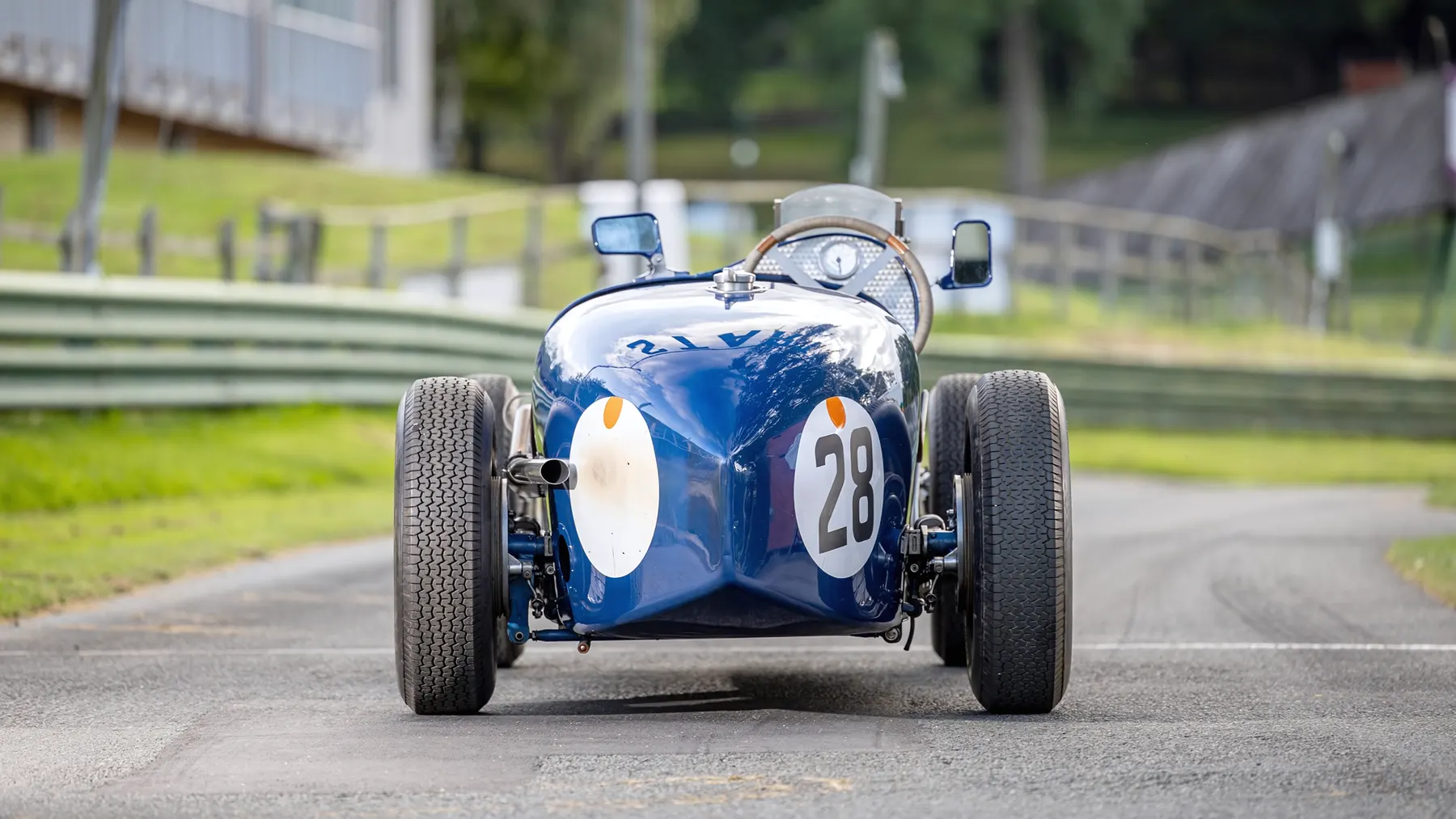
The C6’s charm lies in its lightweight design, featuring an aluminium body. A short wheelbase and small chassis add to its agility and nimbleness. The lightweight nature is a perfect match for the supercharged 1100cc engine, creating an exhilarating driving experience.
Under the hood, the C6 boasts a remarkable DOHC engine with a roots-type supercharger. Dry sump lubrication and a robust 7-main bearing crankshaft contribute to its reliability. The engine’s ability to reach speeds of 6500-7000 rpm is a testament to its performance prowess.
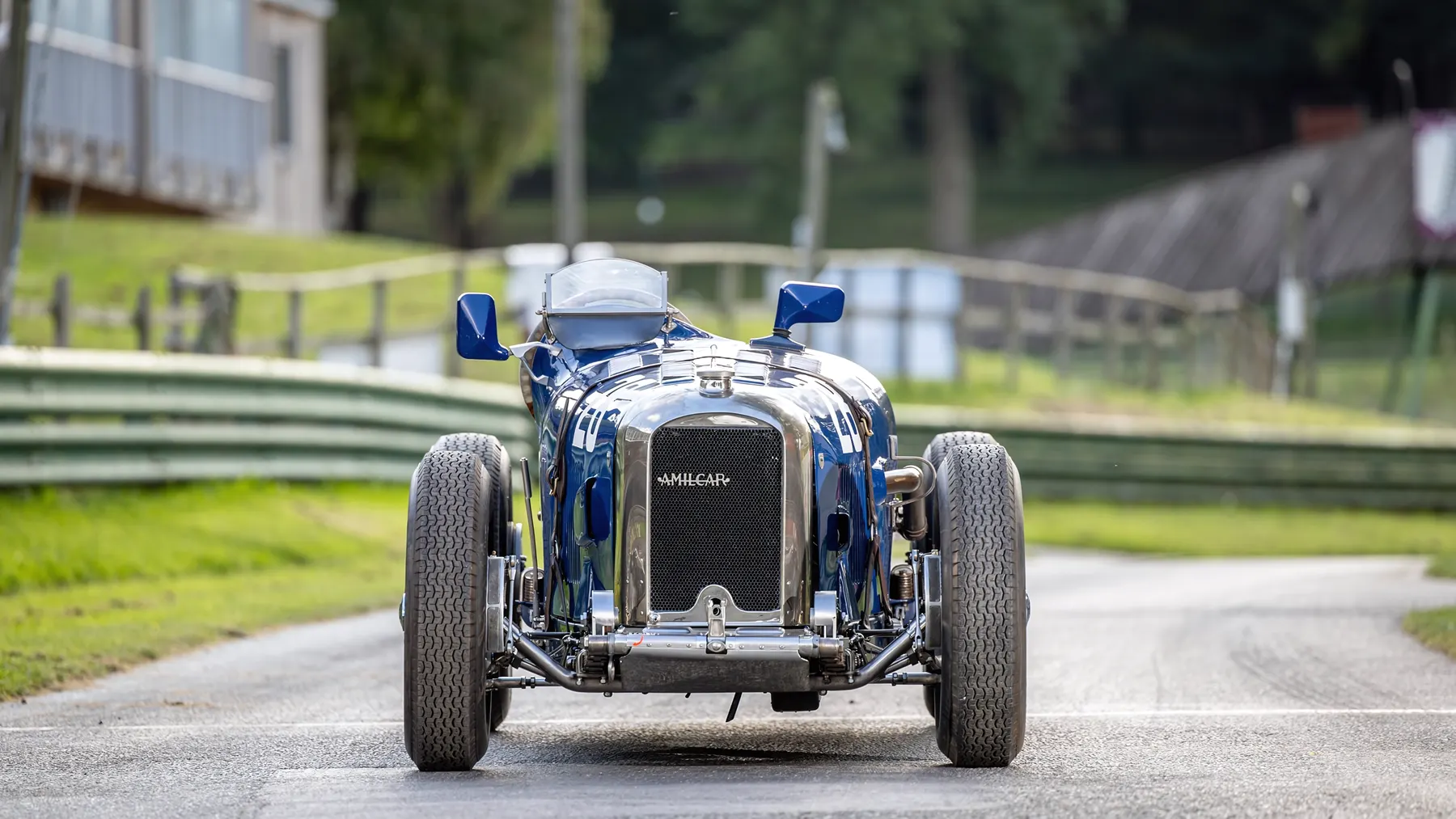
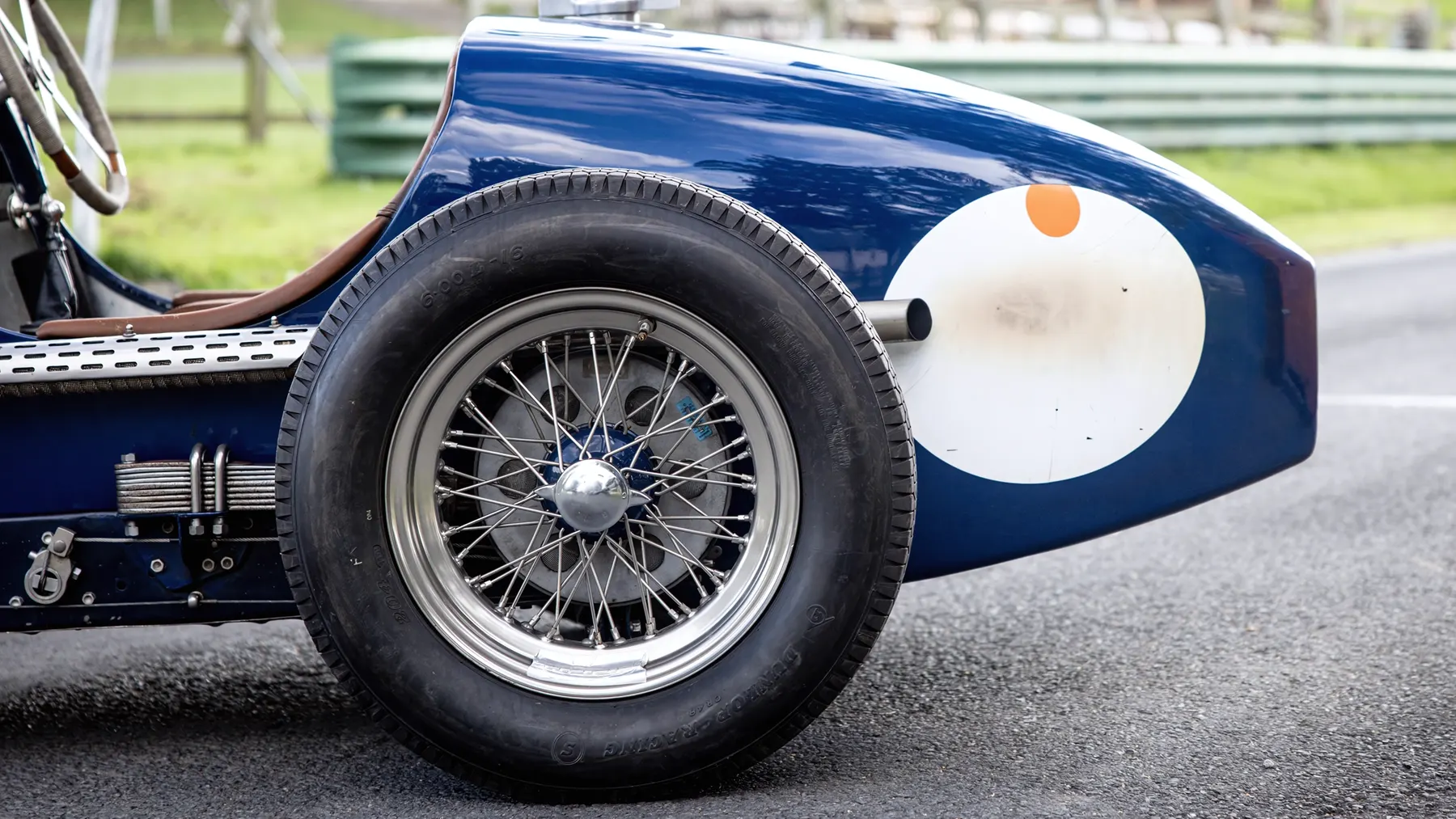
The C6 inherits its design and features from the Type CO race car, including the chassis, axles, and cable-driven drum brakes. Its distinctive design pays homage to its racing roots, making it an iconic figure on the road.
The C6 made its grand entrance at the 1926 Paris Motor Show, capturing the hearts of enthusiasts. Subsequent testing at Montléry showcased its speed and agility, coming tantalisingly close to its top speed claim.
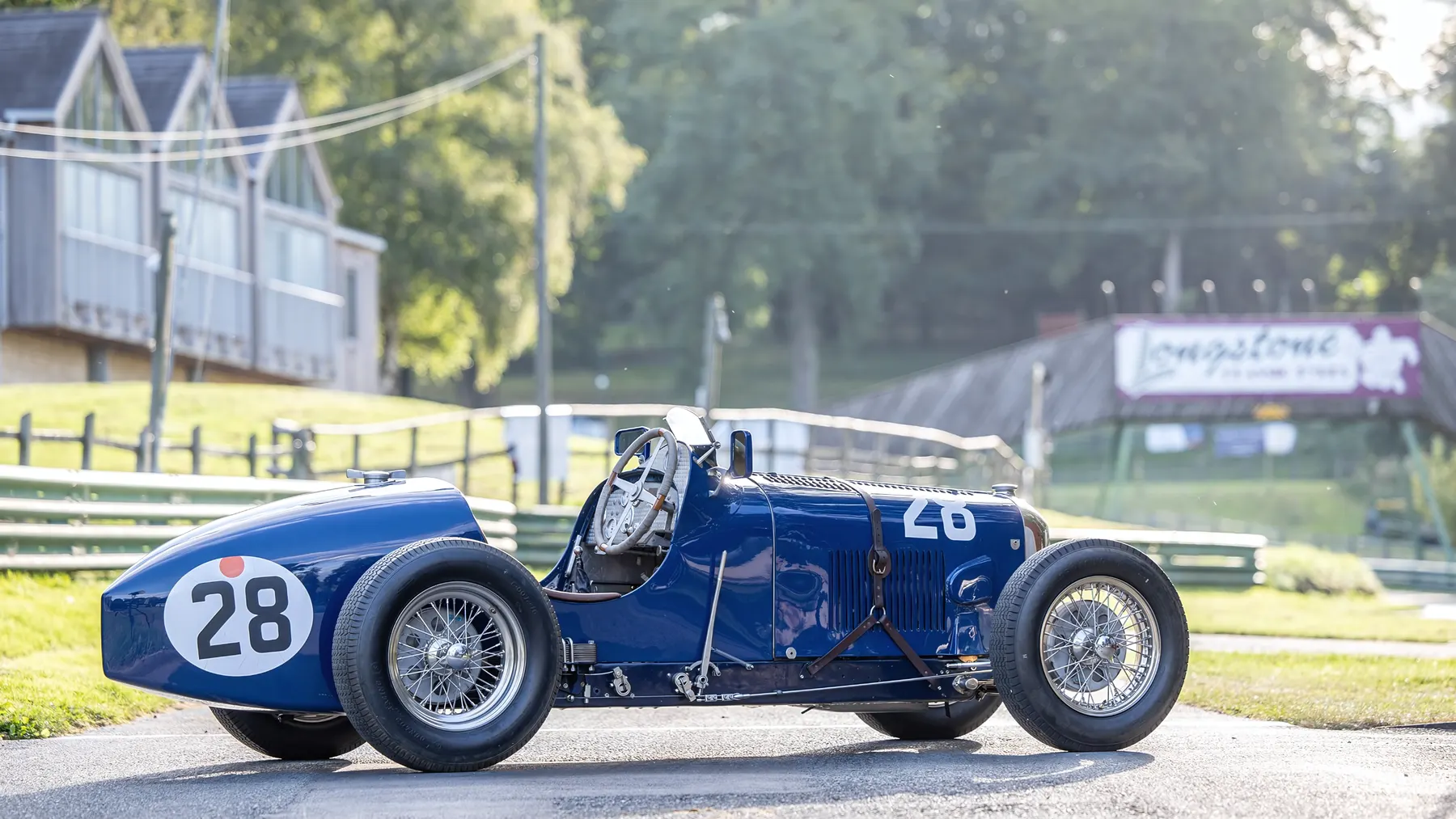
The C6 was aimed at a select group of sporting clients ready to invest in its remarkable capabilities. Buyers could personalise their C6 with optional fenders and a spare tire, while the standard version featured a well-appointed dashboard.
In the 1100cc class, the C6 was a dominant force, facing minimal competition due to its exceptional performance. Even after the war, the C6 continued to showcase its prowess, solidifying its place in automotive history.
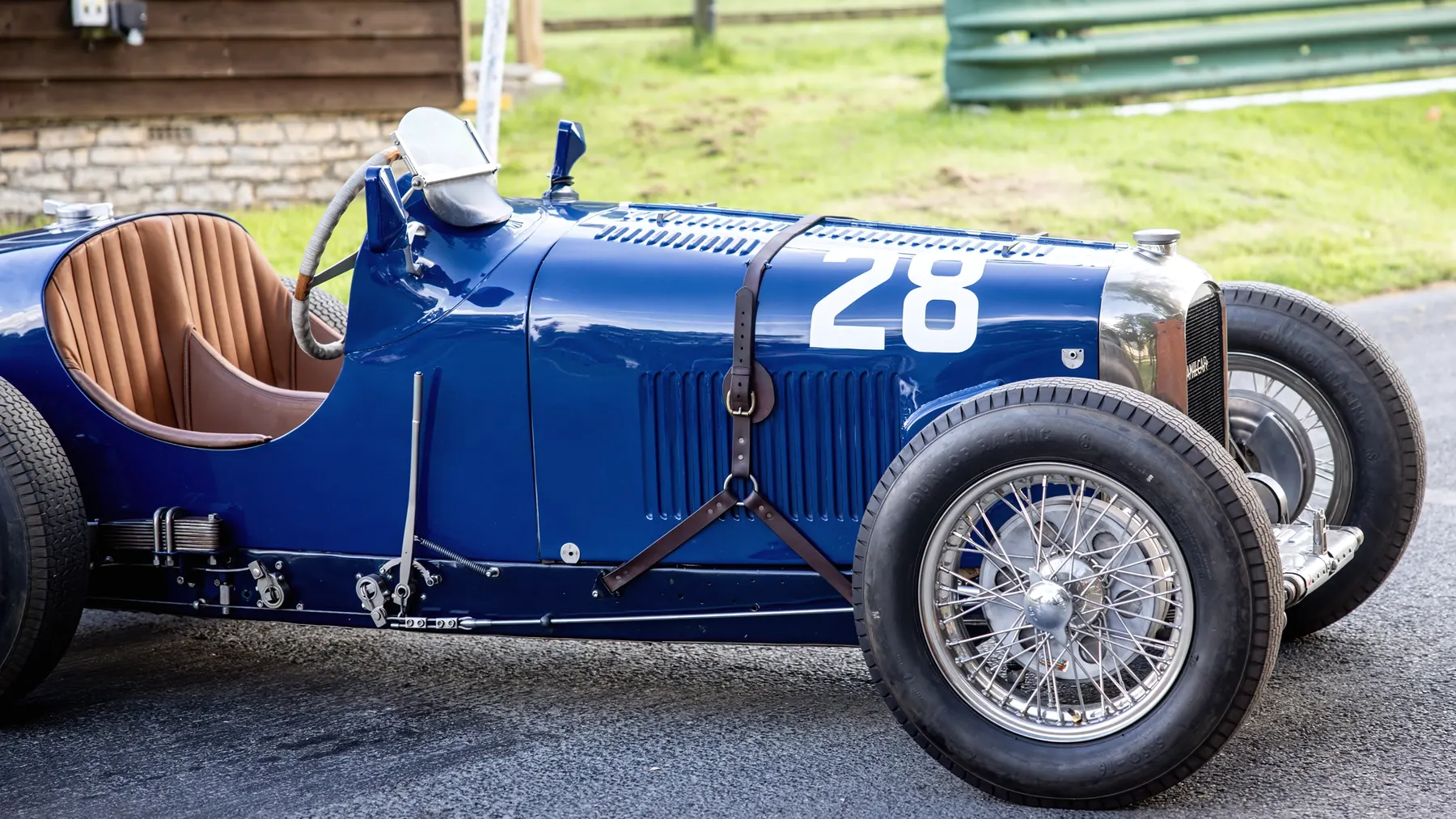
The C6’s technical specifications reveal a powerhouse with a 62 bhp inline-6 engine, dry sump lubrication, and a roots-type supercharger. Its lightweight frame contributes to a remarkable power-to-weight ratio, ensuring an unforgettable driving experience.
The C6’s robust steel frame and Rudge-Type wire wheels provide a strong foundation. Semi-elliptic leaf springs and friction dampers, coupled with a solid front axle and rigid rear axle, deliver impeccable road handling.
The C6’s performance capabilities allow it to reach a top speed of approximately 165 kph. Its fuel efficiency was ahead of its time, with around 12 L/100 km in the city and 20 L/100 km on the highway.
Only 55 units of the Amilcar C6 were produced, making it a rare and highly sought-after classic. The C6’s legacy endures as a testament to its racing success and lasting influence on sports car design and performance.
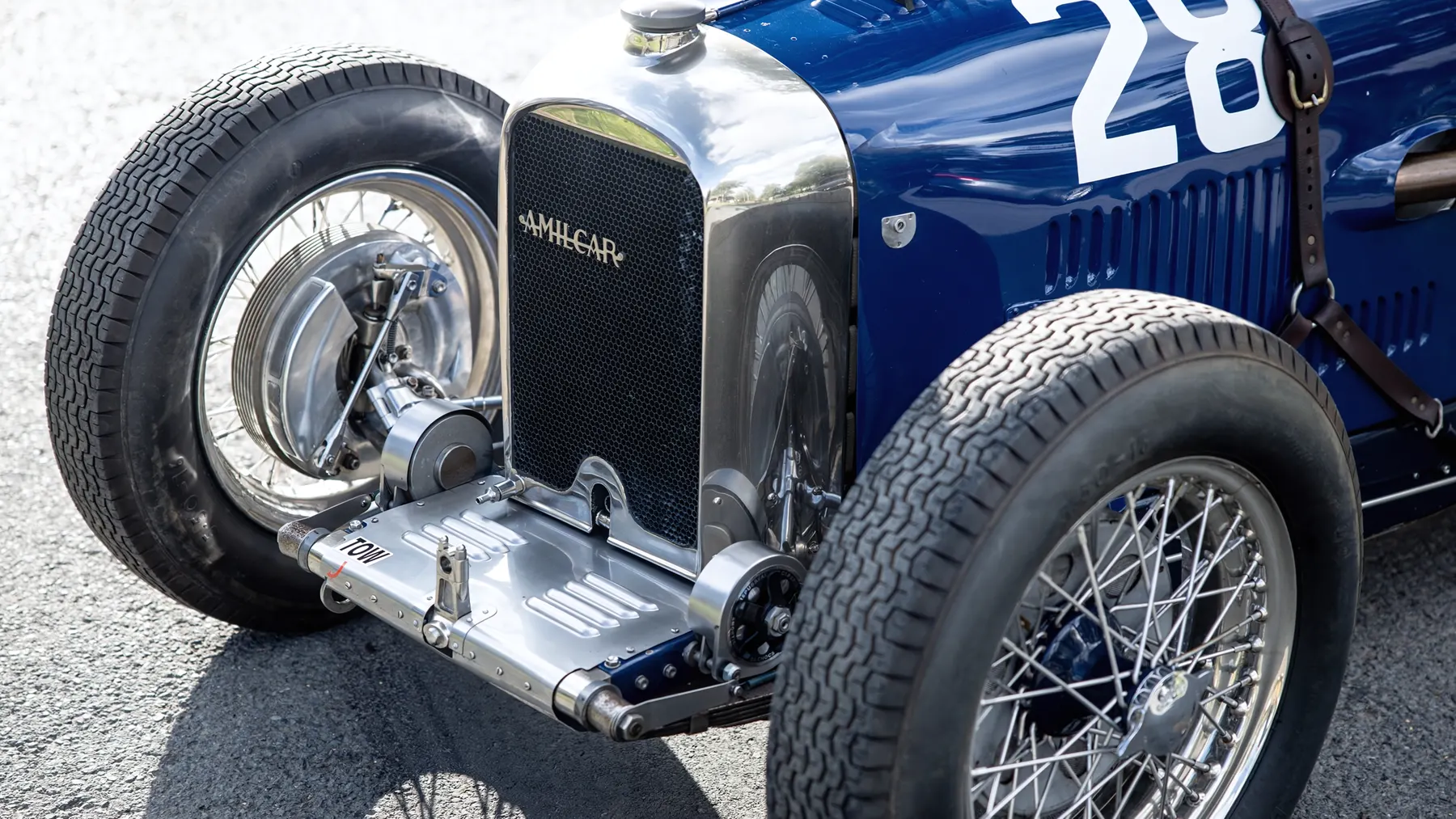
The Amilcar C6 represents the pinnacle of early automotive engineering. Its heritage from the race track, lightweight agility, and powerful engine make it a timeless classic that continues to captivate car enthusiasts. With only 55 units ever produced, the C6 remains a rare gem and a symbol of an era where innovation and passion came together to create automotive legends. As we celebrate the enduring legacy of the Amilcar C6, we’re reminded of its remarkable contribution to the world of sports cars.
Join the discussion
Comments
Loading comments…
Leave a comment
Share a detail, memory, or perspective. Every comment is reviewed before publication.