1930 Mercedes-Benz 770 K Pullman Cabriolet by Voll & Ruhrbeck

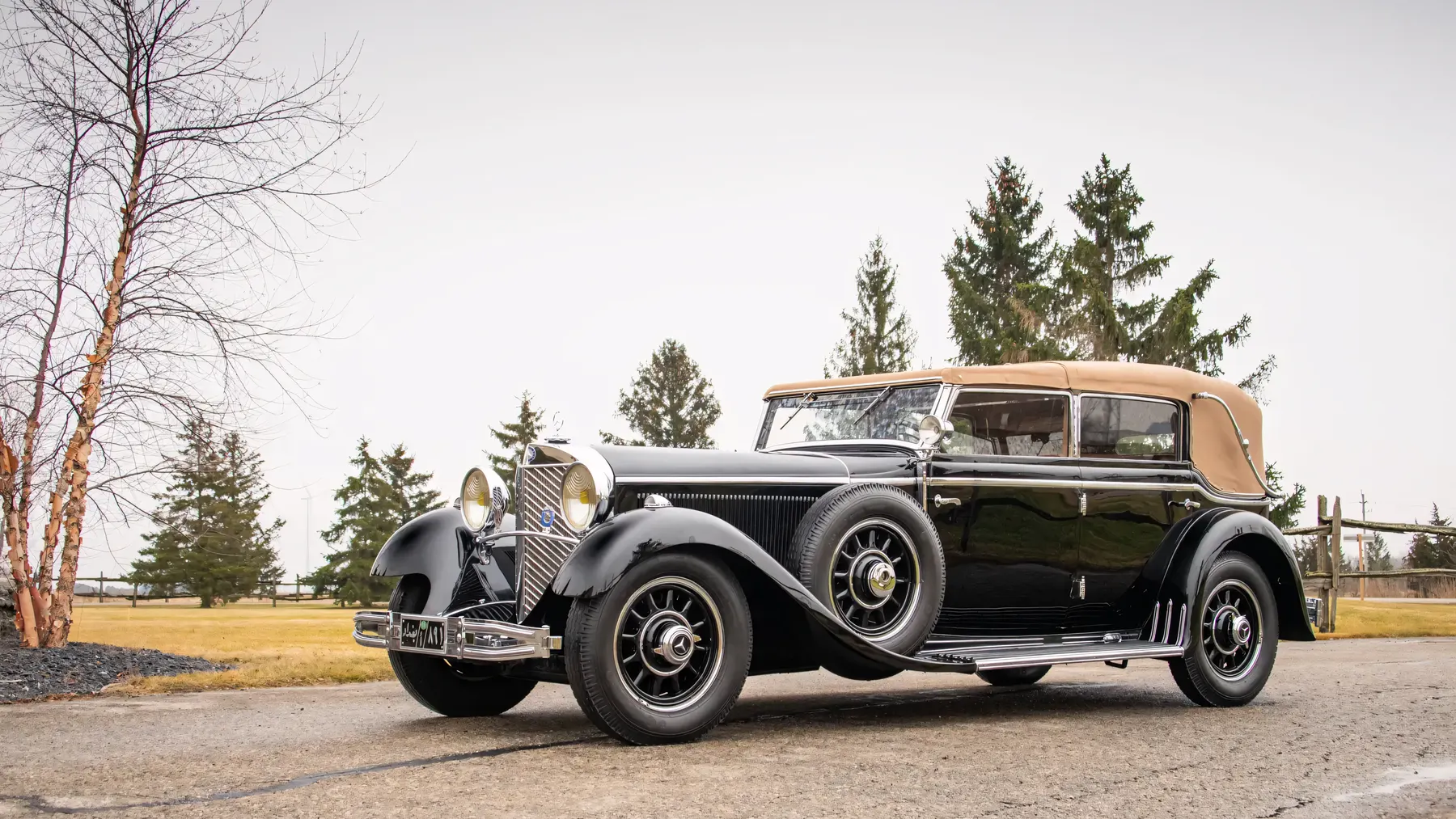
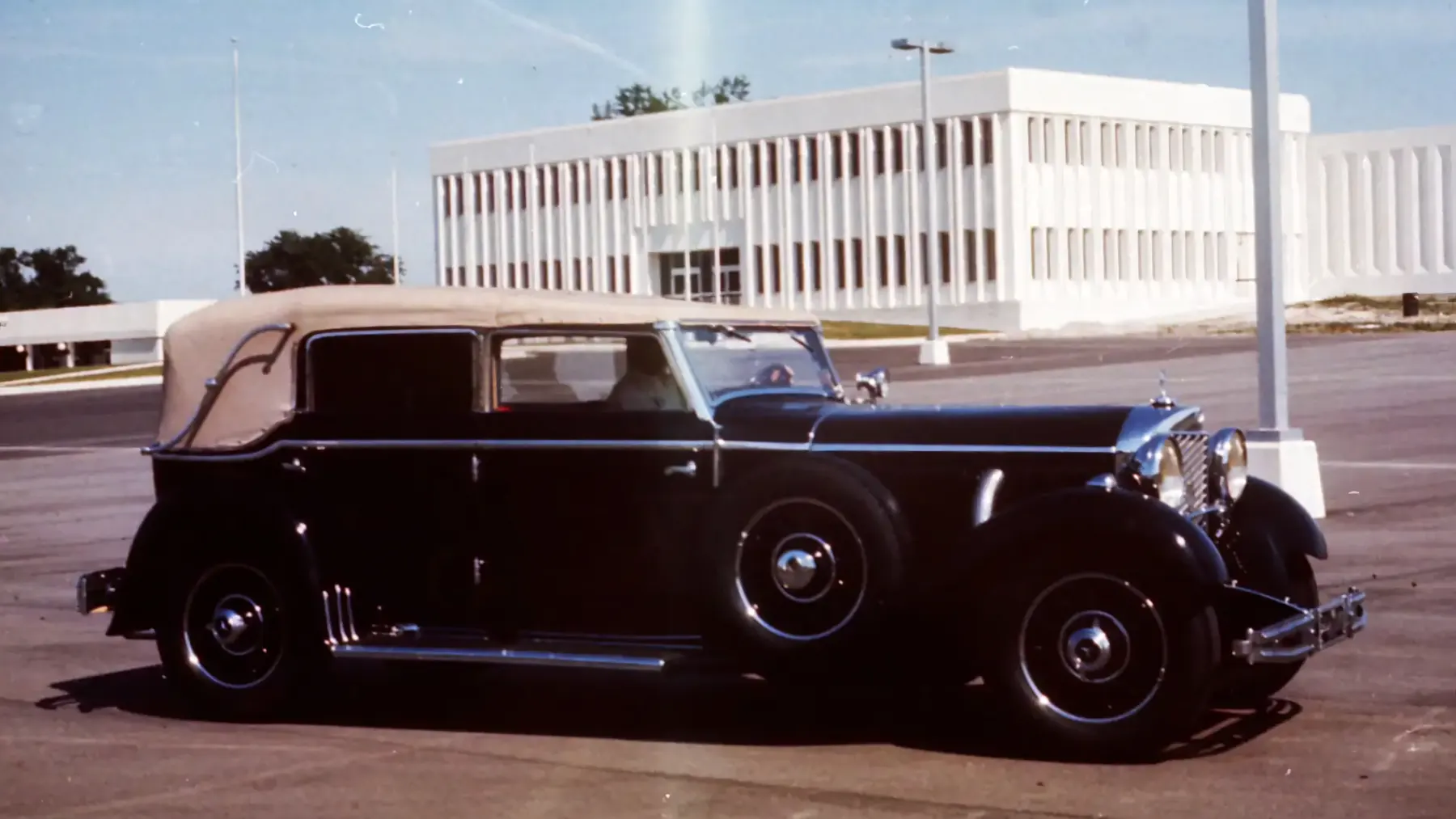
The Mercedes-Benz 770, known as the Großer Mercedes, was a statement of unrestrained luxury and power in the 1930s and 1940s. Among its variants, the Pullman Cabriolet by Voll & Ruhrbeck stands out as a pinnacle of bespoke design and craftsmanship. This car, rooted in the W07 platform, embodied cutting-edge engineering, luxurious features, and a controversial historical legacy.
The Pullman Cabriolet by Voll & Ruhrbeck was a strikingly elegant vehicle that reflected the height of custom coachbuilding in pre-war Europe. Voll & Ruhrbeck, a German coachbuilder renowned for its attention to detail and flair for the dramatic, delivered a body that was as commanding as it was refined.
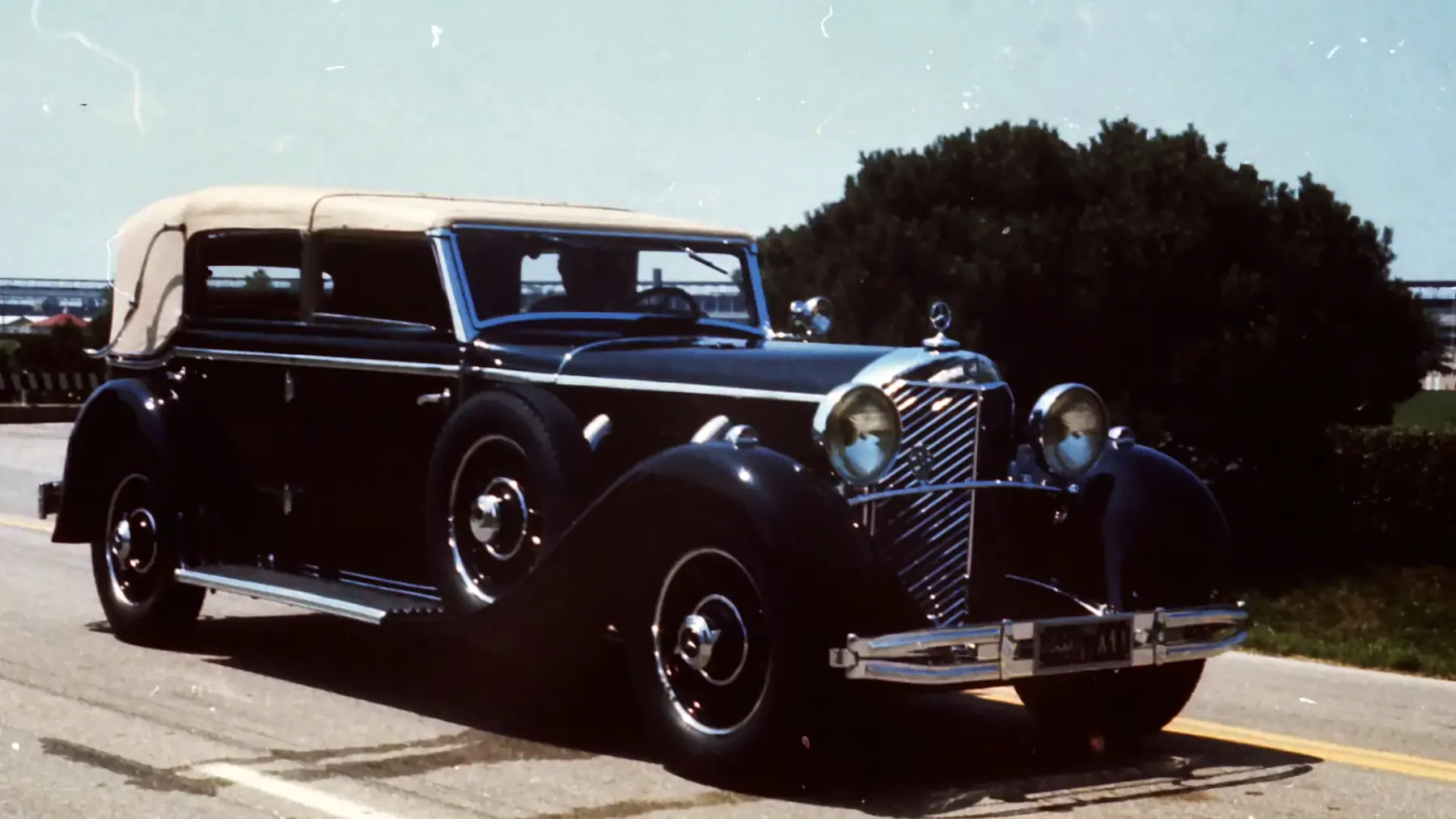
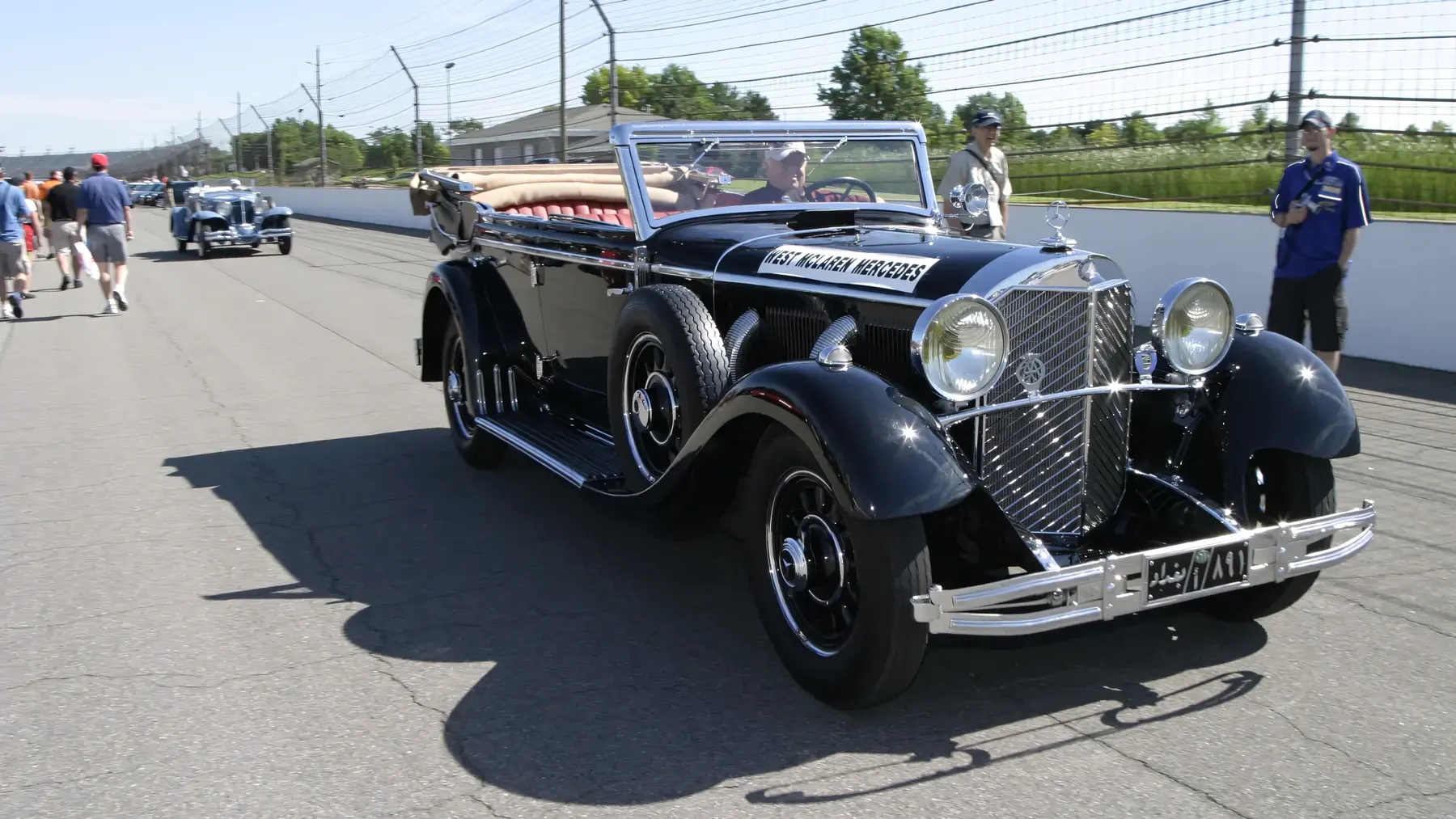
Built on the W07’s 3,750 mm (147.6 in) wheelbase, the Pullman Cabriolet featured an elongated profile with flowing fenders, a long bonnet, and a convertible roof that gave it an open-air grandeur. Its lines balanced classical proportions with Art Deco influences, creating an imposing yet graceful silhouette. Inside, the cabin was a showcase of luxury, with hand-stitched leather upholstery, fine wood trim, and state-of-the-art fittings for its time, ensuring unmatched comfort for its passengers.
Under the hood, the Mercedes-Benz 770 K (Kompressor) featured a formidable 7.7-liter inline-eight engine. In its naturally aspirated form, the engine delivered 150 bhp, but with the optional Roots-type supercharger engaged, output rose to 200 bhp. This allowed the Pullman Cabriolet to reach speeds of up to 160 km/h (99 mph), an impressive feat for such a large and heavy vehicle.
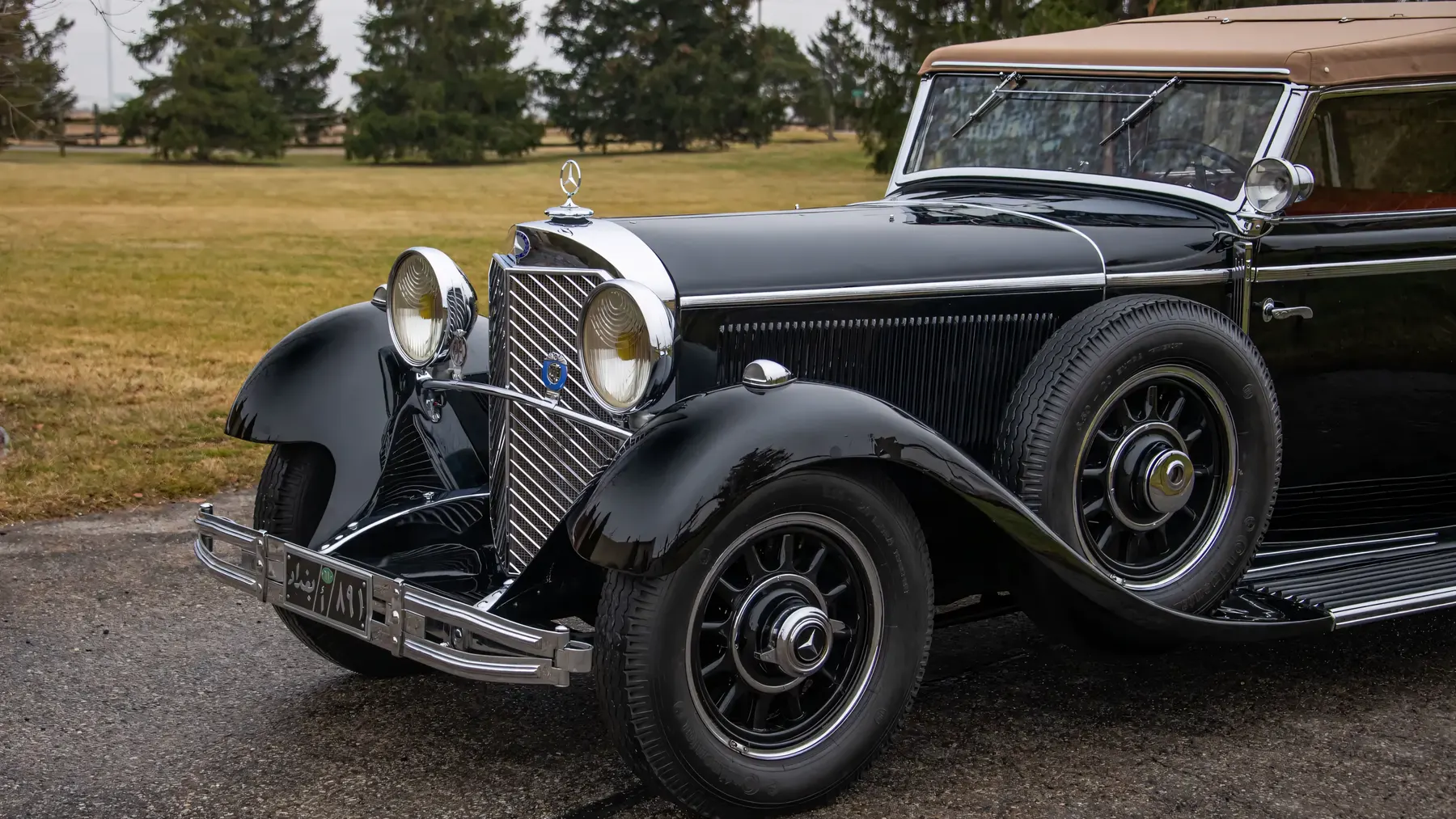
Paired with a four-speed transmission with a vacuum-operated overdrive, the car offered a smooth driving experience. Despite its substantial size and weight, the advanced suspension system, which used semi-elliptic leaf springs, provided a comfortable ride for its occupants.
The Pullman Cabriolet was a mobile fortress of luxury. Each model was tailor-made to its owner’s specifications, often featuring unique amenities such as custom luggage compartments, communication systems, or even armor plating. These features made the 770 K not only a symbol of wealth but also of power and security.
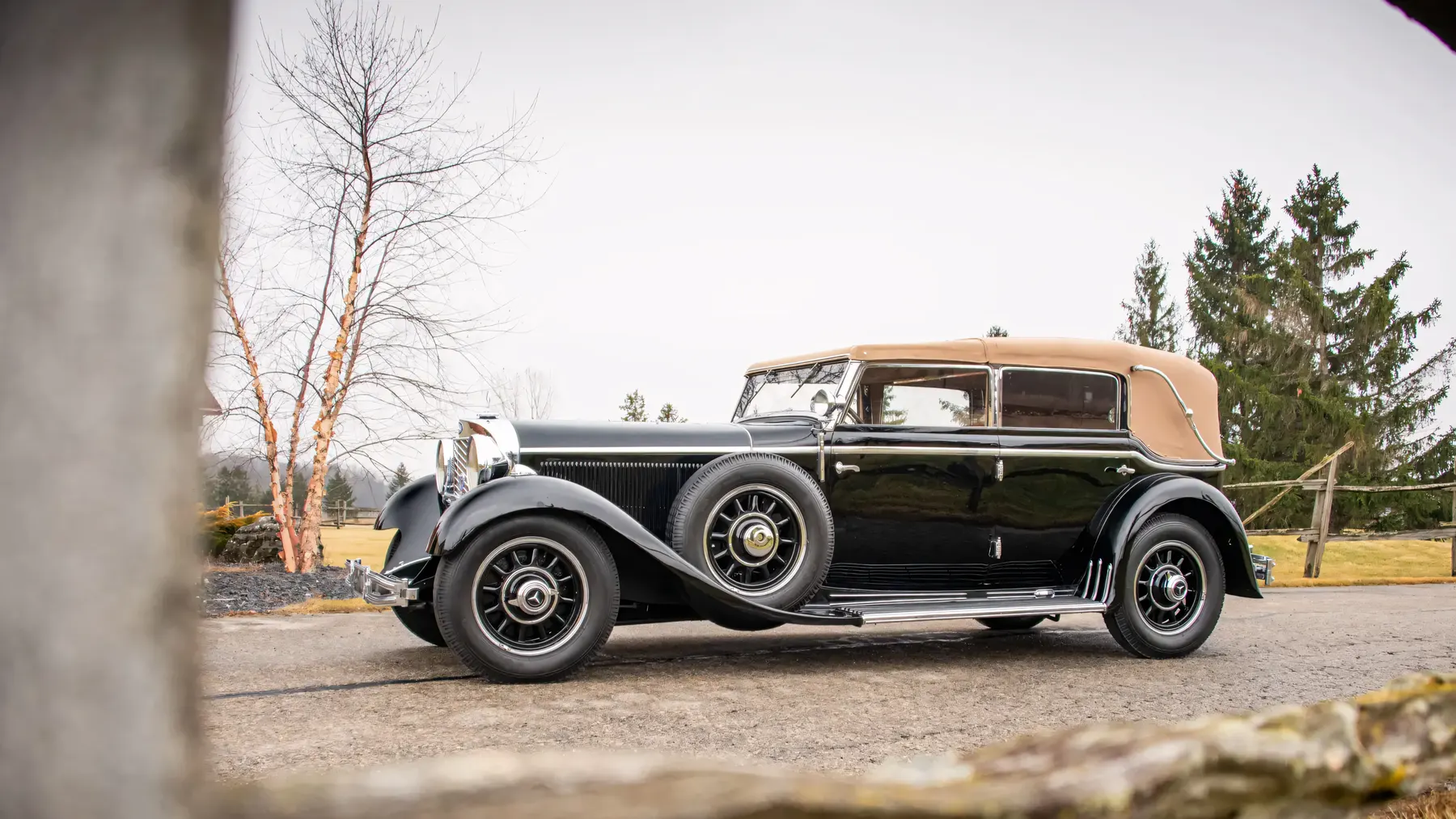
The dashboard housed precision instruments, including an advanced speedometer and fuel gauge, while the spacious interior catered to passengers with every comfort imaginable in its era. The convertible roof added versatility, allowing owners to experience open-air motoring or retreat into the privacy of the enclosed cabin.
The Mercedes-Benz 770 was often associated with the elite, serving as state vehicles for monarchs, heads of state, and high-ranking officials. Figures such as Paul von Hindenburg, Emperor Hirohito, and Pope Pius XI were among the notable owners. However, its most infamous users were members of Nazi Germany’s leadership, including Adolf Hitler, Hermann Göring, and Heinrich Himmler, who utilized these cars for public displays and propaganda.
This association with a dark chapter of history has given the 770 a controversial legacy. Despite this, its engineering and craftsmanship are widely admired, and surviving examples are cherished by collectors and museums.
When introduced, the Pullman Cabriolet by Voll & Ruhrbeck was seen as the epitome of automotive luxury and engineering. Its immense cost and exclusivity meant it was accessible only to the wealthiest individuals and state entities. Public reaction ranged from awe at its technological sophistication to criticism of its use as a tool for political power.
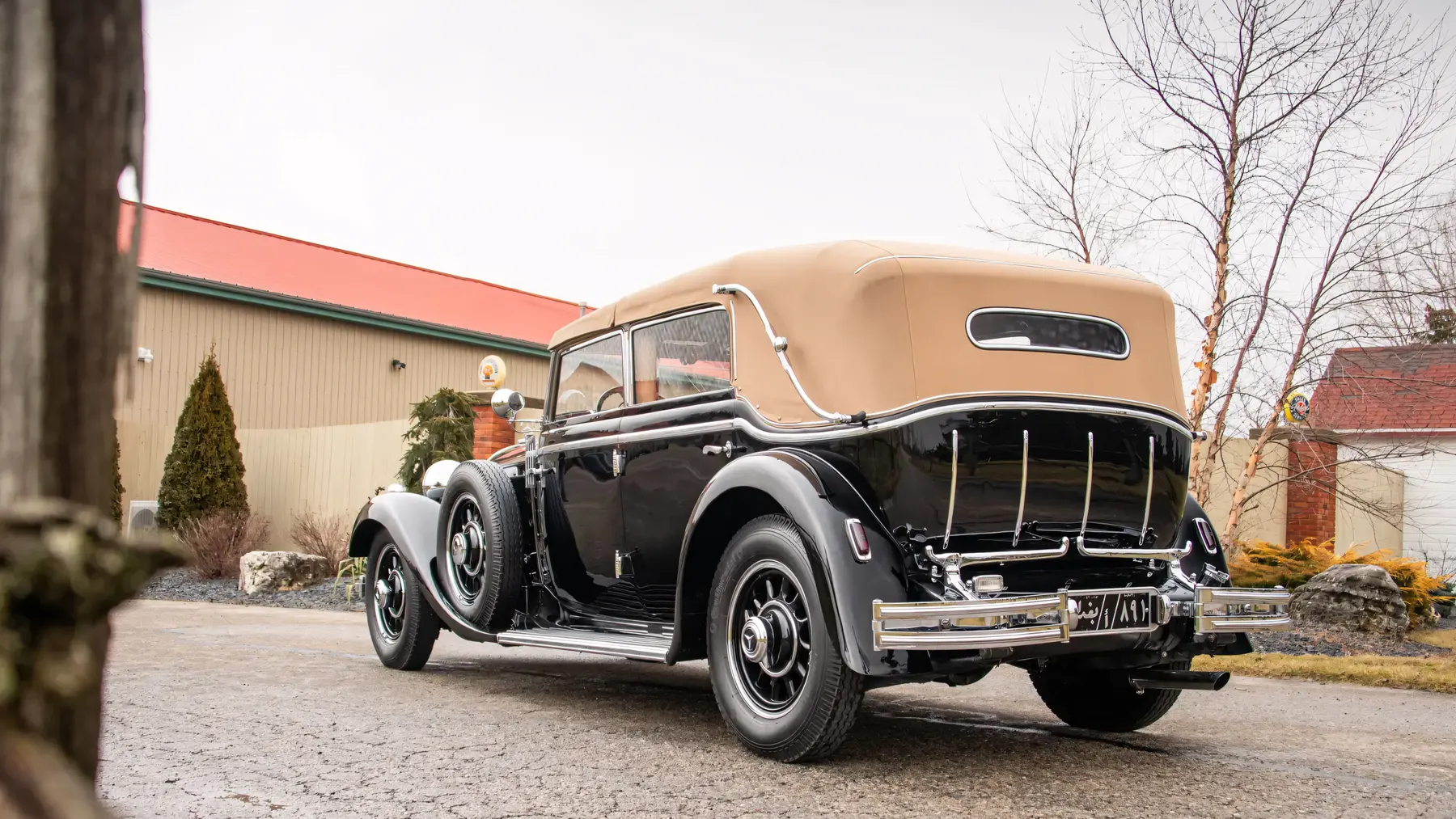
Today, the 770 K is regarded as a historical artifact, symbolizing both the height of pre-war automotive innovation and the excesses of its era. Surviving examples, such as chassis 83807, command immense interest at auctions and in museums, where they serve as reminders of the car’s unique place in history.
The Mercedes-Benz 770 K Pullman Cabriolet by Voll & Ruhrbeck remains a standout in automotive history for its bespoke design, groundbreaking performance, and luxurious features. Its combination of a supercharged engine, handcrafted bodywork, and historical significance make it one of the most iconic cars ever produced.
While its legacy is intertwined with the complexities of history, the car itself stands as a testament to the engineering and artistry of a bygone era. For collectors and historians alike, it represents the height of luxury motoring in the pre-war period, preserving its place as one of the most celebrated vehicles in automotive history.
Join the discussion
Comments
Loading comments…
Leave a comment
Share a detail, memory, or perspective. Every comment is reviewed before publication.