1930 Rolls-Royce Phantom I Riviera Town Car by J.S. Inskip

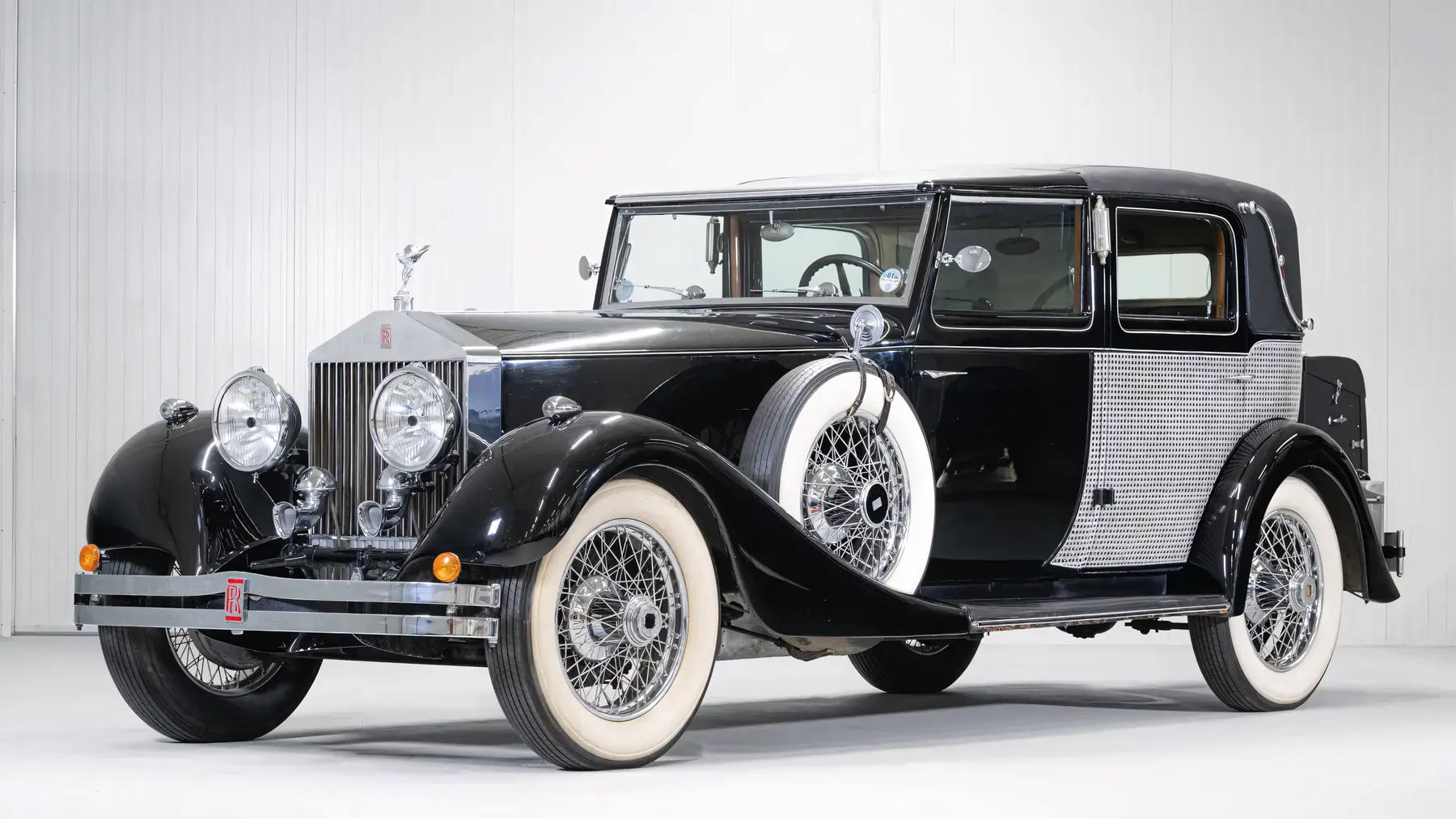
The Rolls-Royce Phantom I Riviera Town Car, customised by J.S. Inskip, represents a unique blend of old-world luxury and American flair. Rooted in the “New Phantom” platform, it is a testament to Rolls-Royce’s commitment to creating vehicles that go beyond just transportation,vehicles that embody artistry, presence, and mechanical excellence.
The Phantom I was introduced in 1925 as a successor to the legendary Silver Ghost. With its larger 7.7-liter six-cylinder engine featuring pushrod-operated overhead valves, the Phantom I provided a smooth, powerful ride that surpassed its predecessor. Designed and produced at both the Derby factory in England and the Springfield, Massachusetts facility in the United States, the Phantom I catered to the growing North American demand while maintaining Rolls-Royce’s reputation for refined craftsmanship.
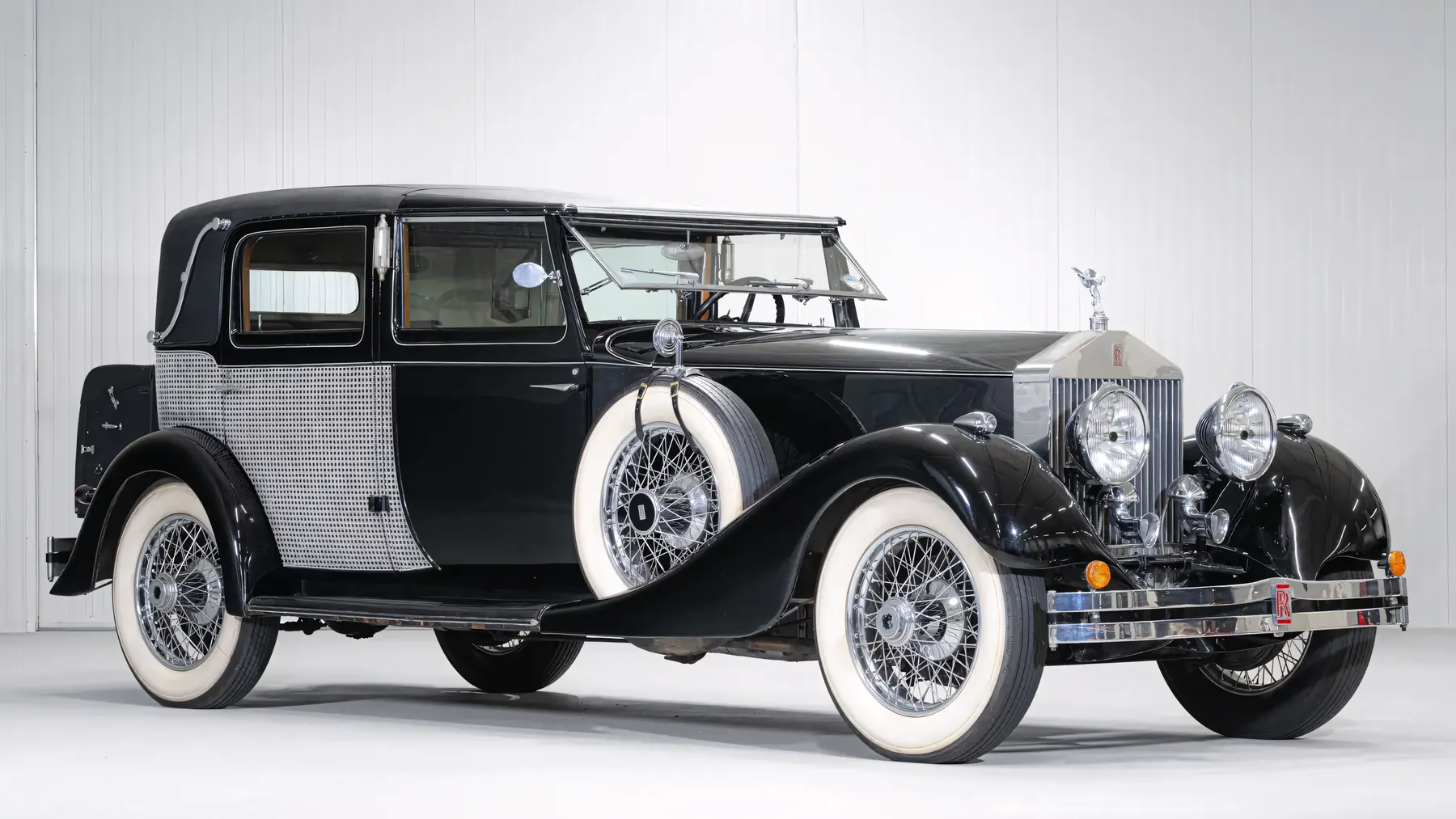
The Springfield-built Phantom I offered unique American adaptations, including a shorter wheelbase version and centralised lubrication, tailored to local tastes and practicalities. However, what truly set these cars apart was their customizable nature, where coachbuilders transformed bare chassis into bespoke works of art.
J.S. Inskip was a prominent American dealer and coachbuilder known for delivering sophisticated customizations that met the desires of discerning clients. The Riviera Town Car stands out as one of Inskip’s finest interpretations, blending European elegance with American luxury sensibilities. This vehicle showcases Inskip’s ability to merge aesthetic grandeur with functional refinement, tailored to the era’s affluent clientele.
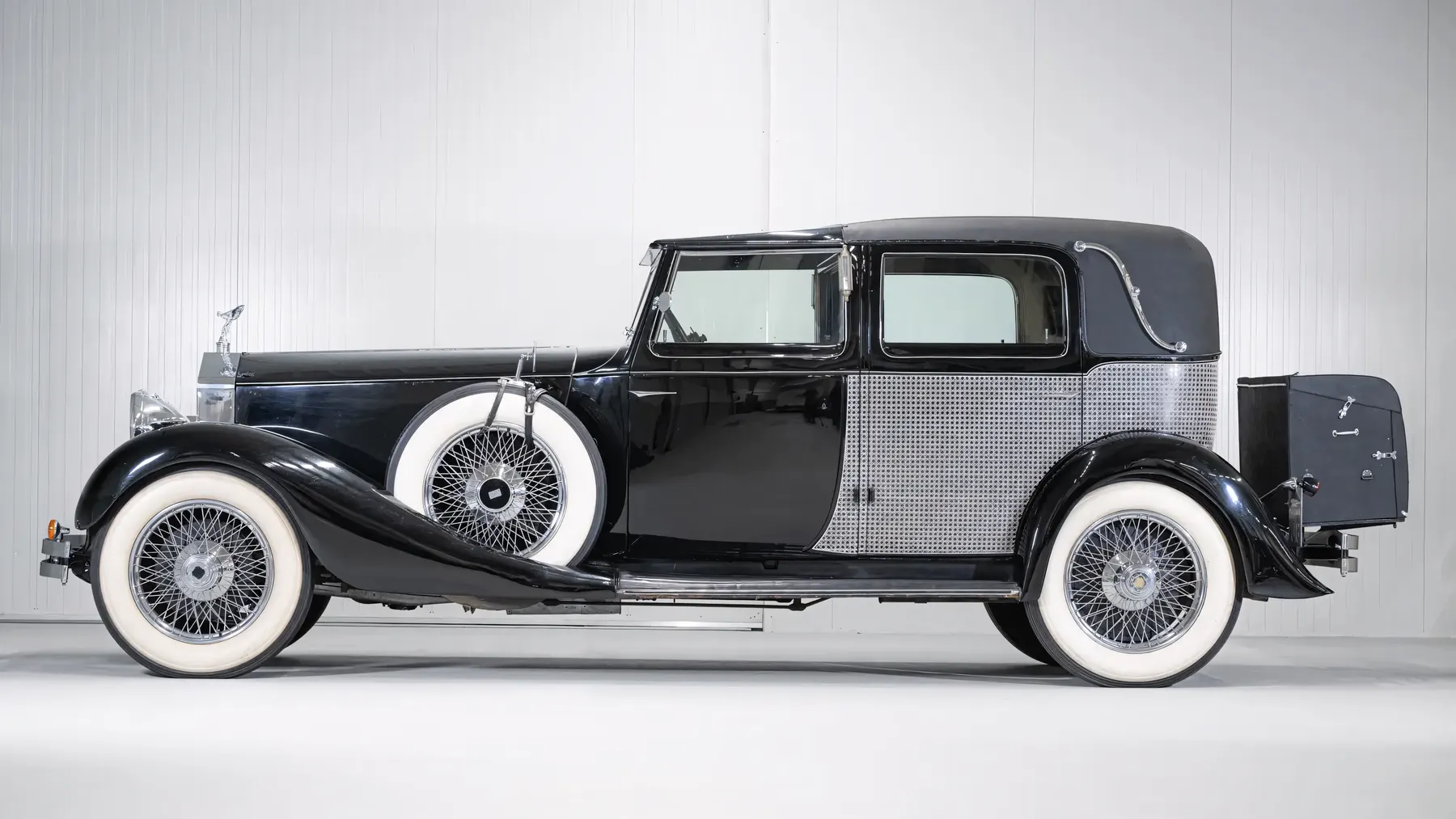
The Riviera Town Car was distinguished by its two-tone paintwork, luxurious interiors, and attention to minute details. Inskip’s design typically featured a chauffeur-driven configuration, with a lavishly appointed passenger compartment offering ample comfort and privacy. The rear section often included sumptuous leather upholstery, fine wood veneers, and state-of-the-art amenities for its time, creating a cocoon of opulence.
The bodywork exhibited timeless elegance, with sweeping fenders and a graceful silhouette. J.S. Inskip’s craftsmanship extended to intricate details such as custom chrome accents and a tailored roofline that reinforced the vehicle’s regal stature. While specifics varied based on the buyer’s preferences, every Riviera Town Car was a testament to Rolls-Royce’s promise of bespoke luxury.
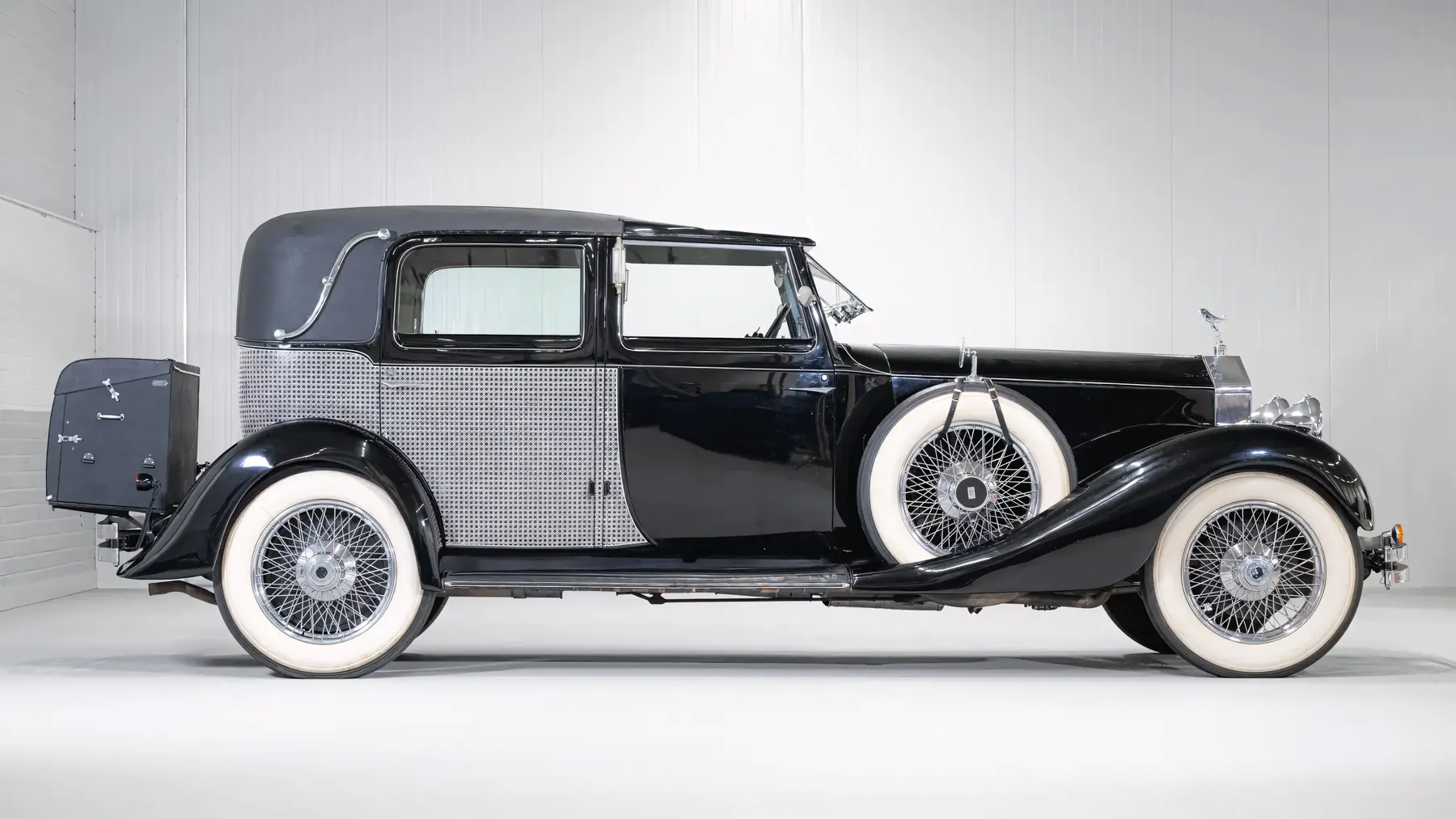
Mechanically, the Phantom I embodied Rolls-Royce’s philosophy of “sufficient” power delivered with absolute refinement. Its 7,668-cc straight-six engine was paired with a flexible coupling, providing a quiet and vibration-free drive. The Springfield version retained the advanced four-wheel braking system, licensed from Hispano-Suiza, which enhanced safety and reliability.
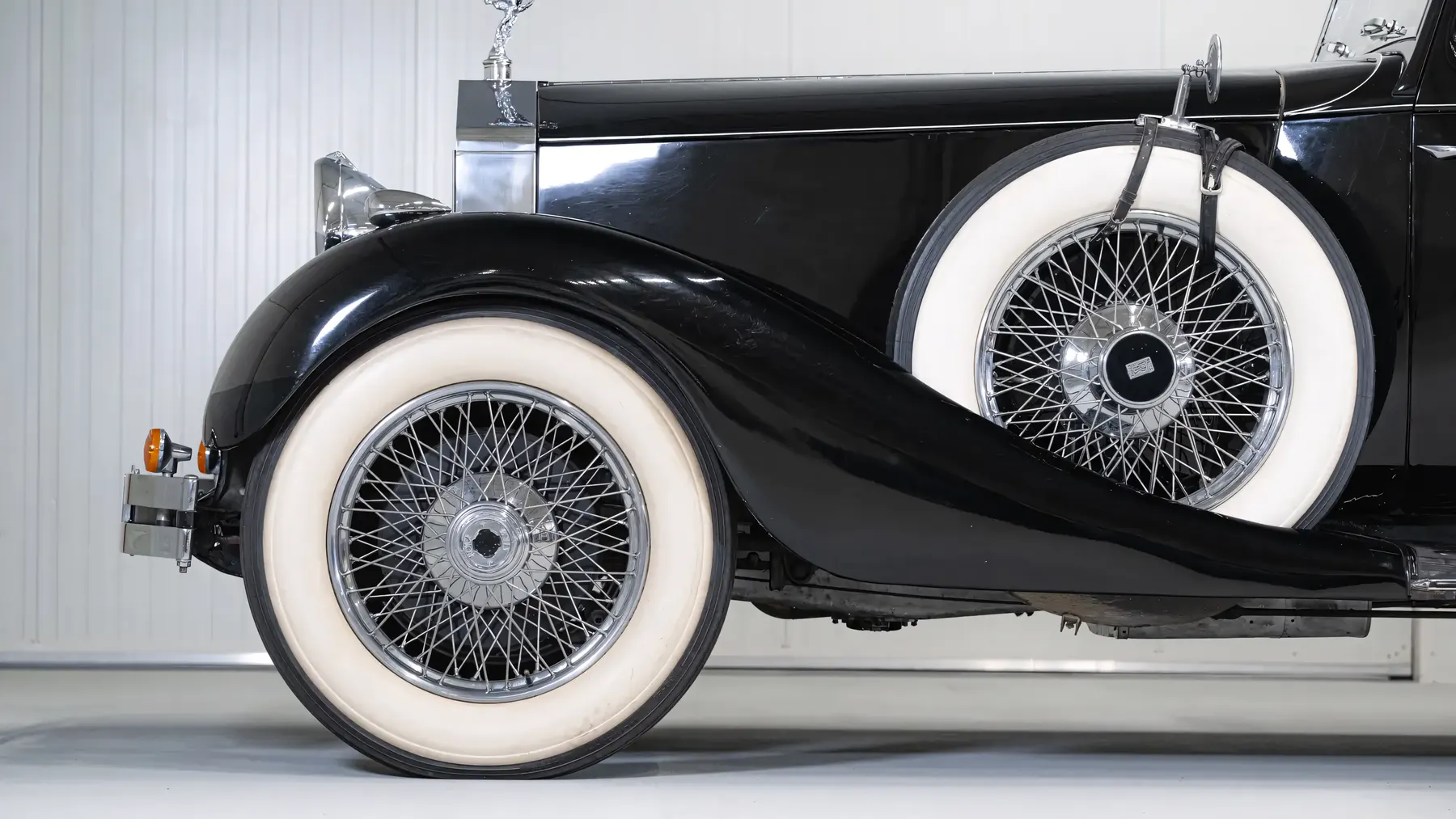
While many manufacturers focused on mass production, each Phantom I was meticulously hand-built. This exclusivity extended to the Riviera Town Car, which was made to order, ensuring no two examples were precisely alike. This approach created unparalleled cachet, further solidifying its status among collectors and enthusiasts today.
The Phantom I Riviera Town Car by J.S. Inskip represents a pinnacle of luxury from a bygone era. It stands as a reminder of a time when automobiles were more than machines,they were symbols of status, taste, and ambition. Today, surviving examples of this custom Phantom I are revered at concours events, admired for their distinctive blend of American custom coachwork and British engineering excellence.
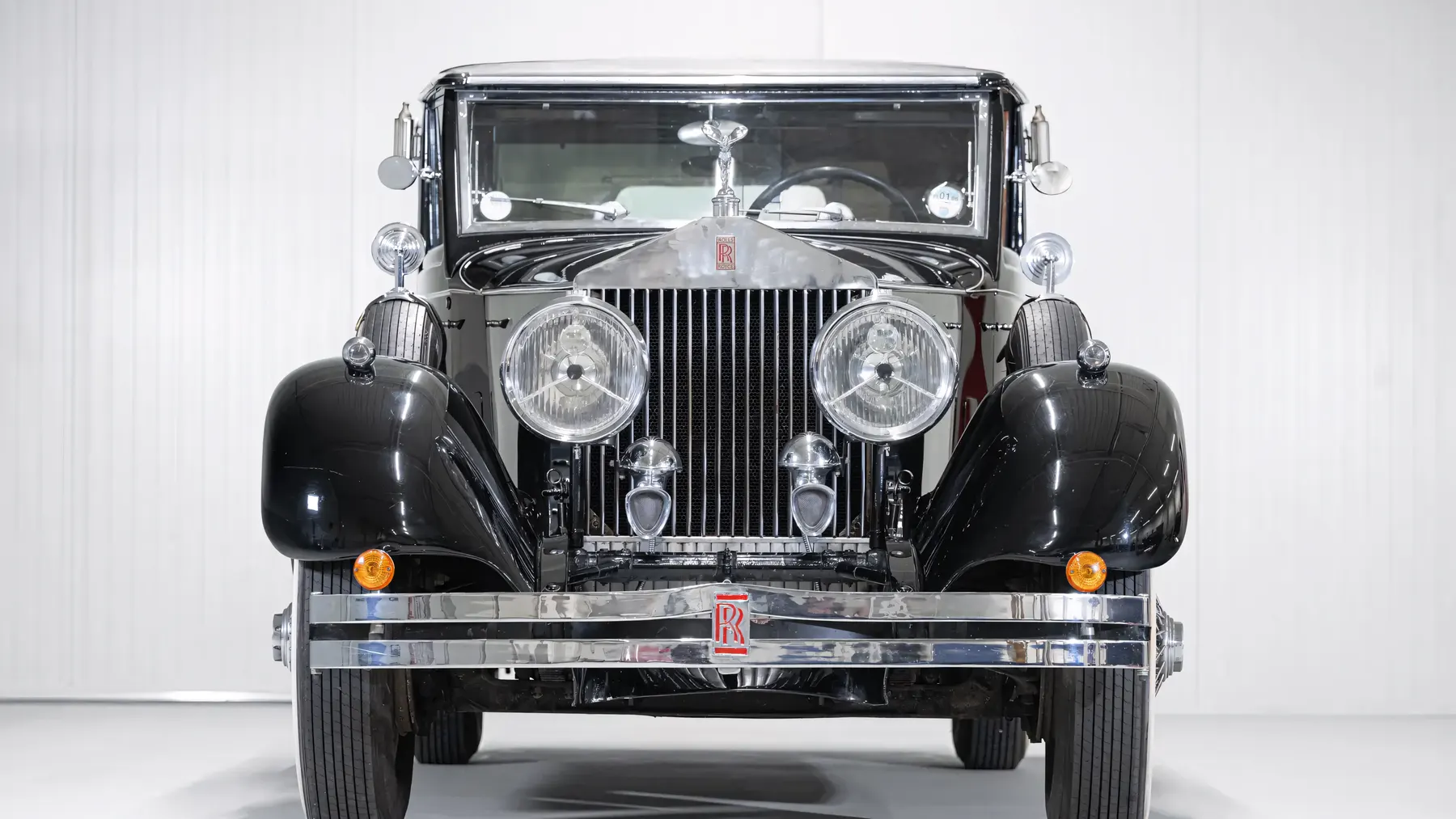
The enduring appeal of the Riviera Town Car and other Phantom I models is rooted in their rarity, craftsmanship, and historical significance. They serve as enduring reminders of Rolls-Royce’s commitment to producing the “best car in the world” and the talents of coachbuilders like J.S. Inskip, who transformed these automobiles into rolling masterpieces.
**
Join the discussion
Comments
Loading comments…
Leave a comment
Share a detail, memory, or perspective. Every comment is reviewed before publication.