1933 Rolls-Royce 20-25 Two-Door 'Faux Cabriolet' by H.J. Mulliner
1933 Rolls-Royce 20/25 Two-Door 'Faux Cabriolet' by H.J. Mulliner

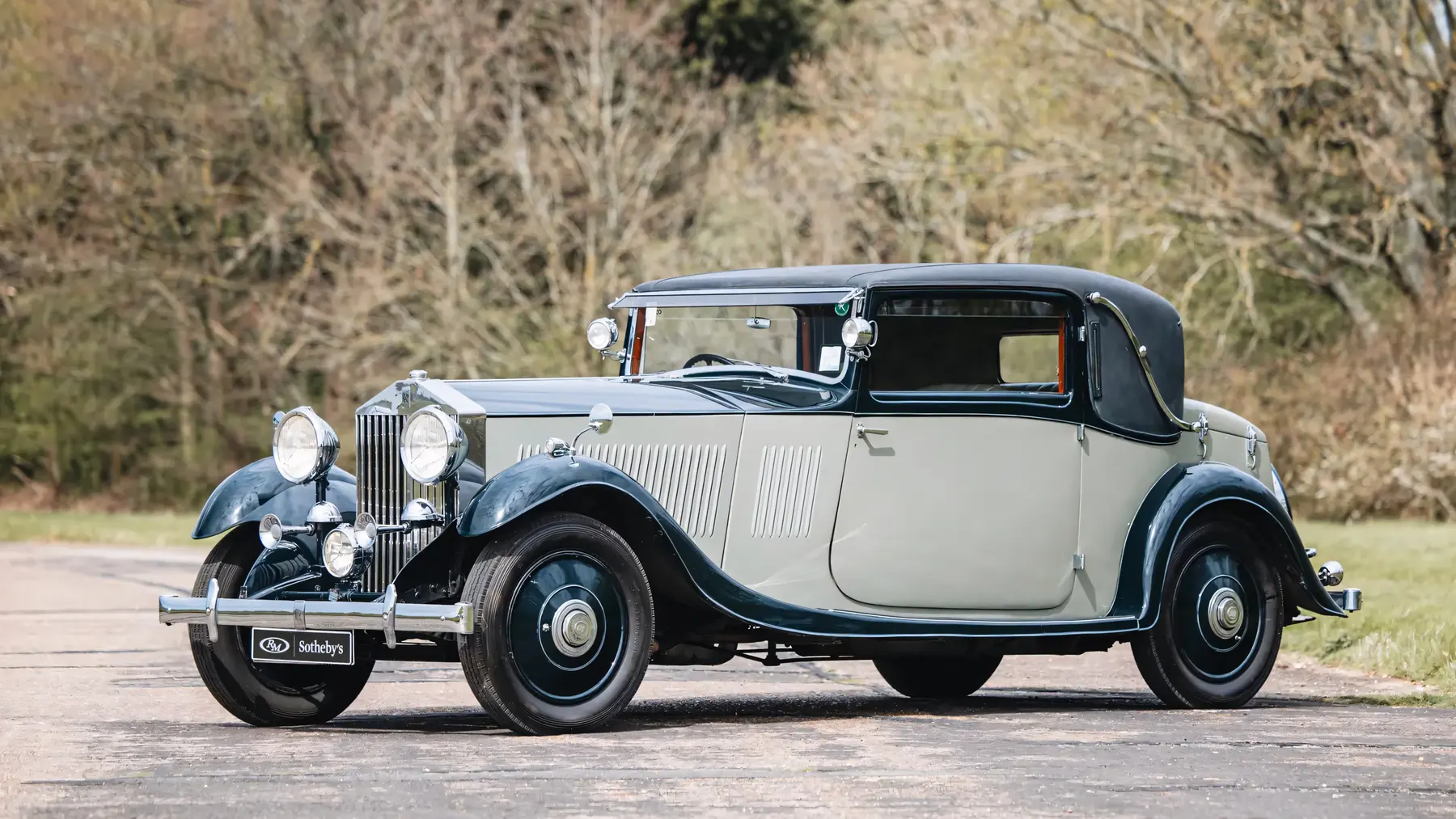
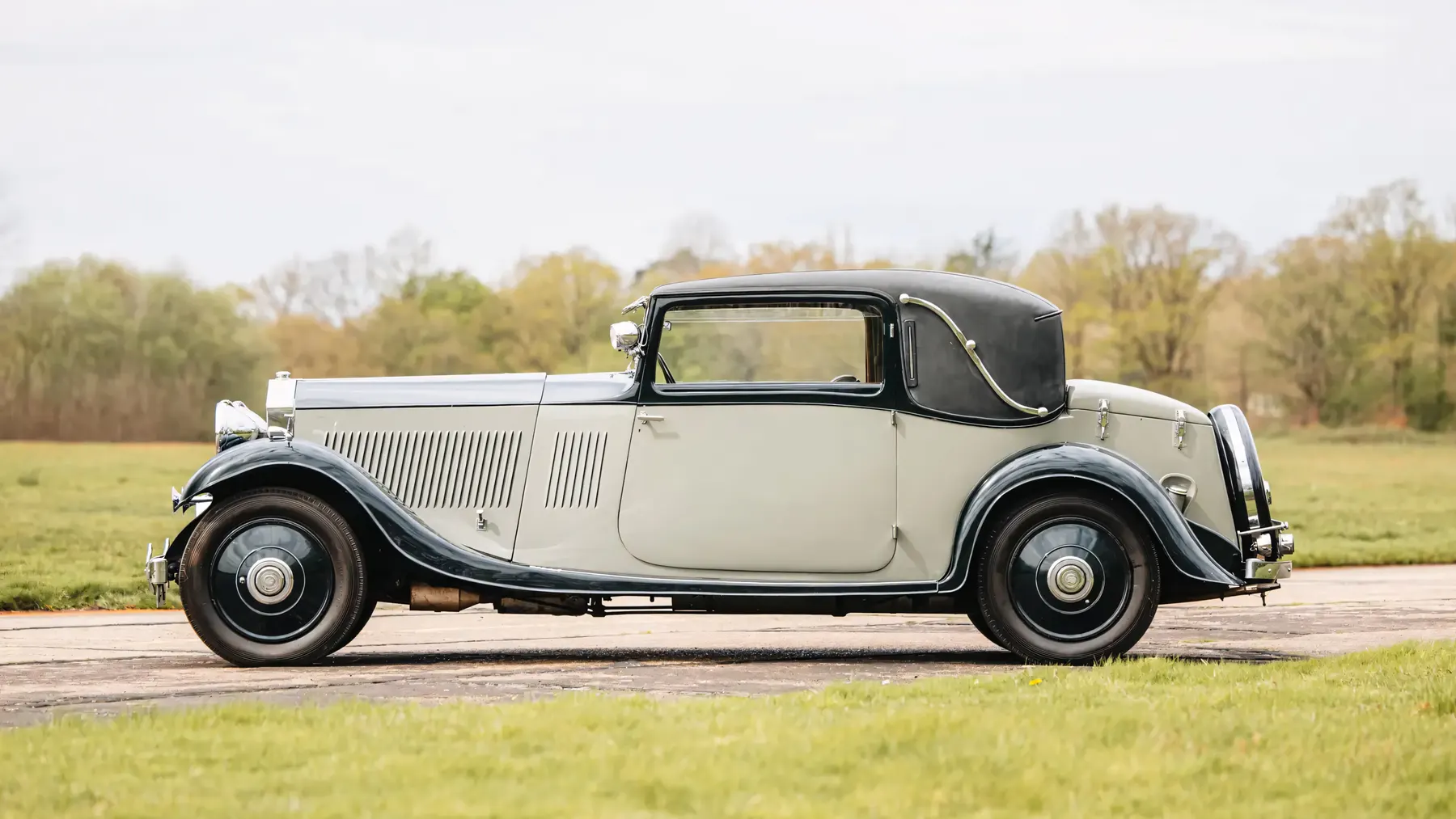
The Rolls-Royce 20/25 Two-Door ‘Faux Cabriolet’ by H.J. Mulliner is a car that radiates the spirit of its era, blending technical innovation, bespoke craftsmanship, and a kind of restrained glamour that only a pre-war Rolls-Royce can deliver. For anyone with a passion for automotive design, this model is a feast for the senses - a rolling testament to the artistry and ingenuity that defined the golden age of coachbuilding.
The 20/25 was introduced in 1929, a time when Rolls-Royce faced the daunting challenge of surviving the Great Depression. The company needed a model that could appeal to the luxury owner-driver market, offering both prestige and practicality. The 20/25 was the answer, following on from the successful Twenty and targeting those who wanted to drive their own car rather than rely on a chauffeur.
This model became the most successful inter-war Rolls-Royce, with 3,827 units produced between 1929 and 1936 - a number that not only dwarfed its larger sibling, the Phantom II, but also played a pivotal role in keeping Rolls-Royce afloat during those turbulent years. More than 70% of these cars are still in use today, a remarkable survival rate that speaks volumes about their quality and the devotion they inspire among enthusiasts.
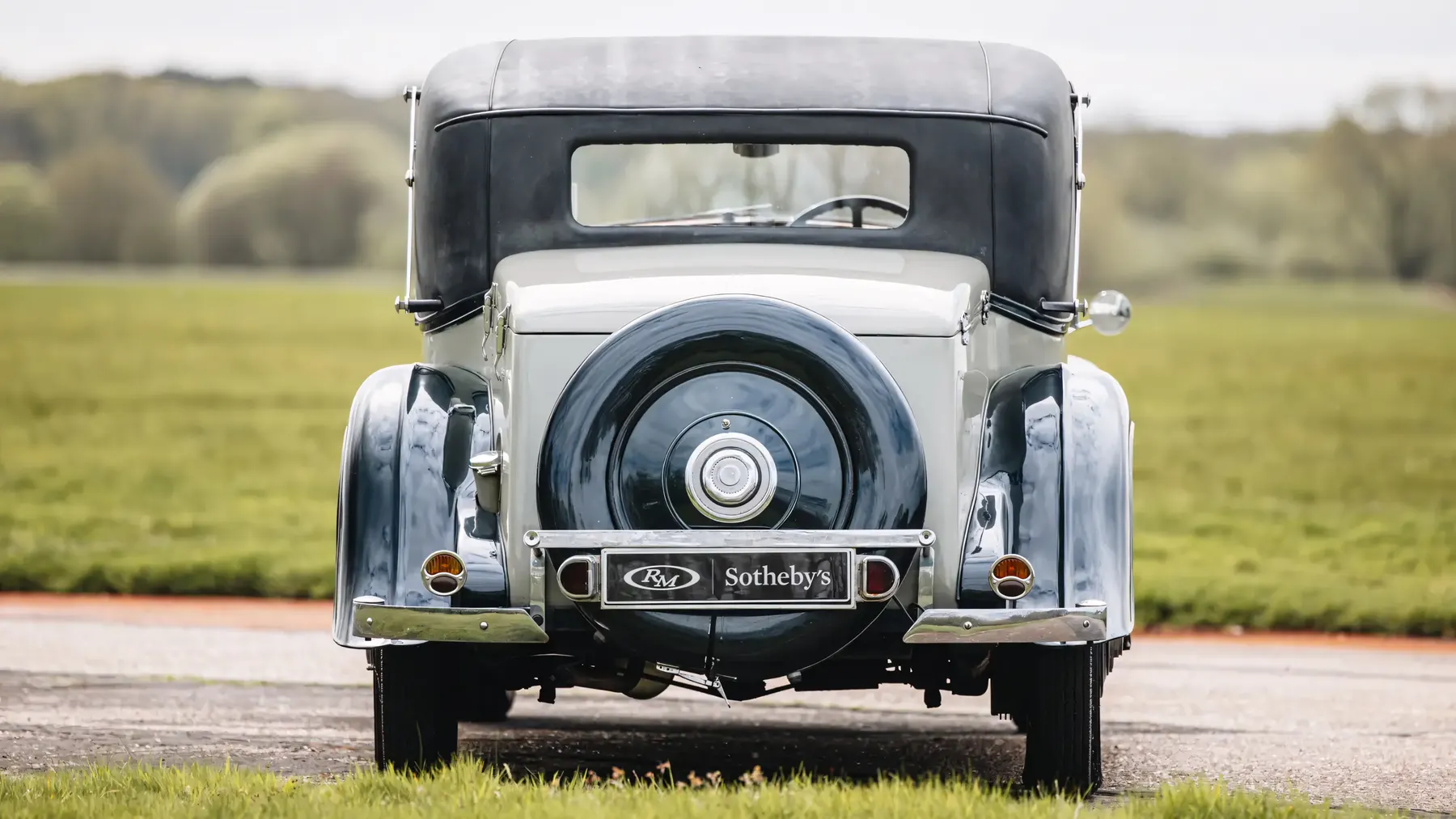
What sets the Two-Door ‘Faux Cabriolet’ apart is its unique bodywork by H.J. Mulliner, one of the most respected coachbuilders of the era. Unlike a true cabriolet, the ‘faux’ designation refers to a fixed roof styled to mimic the lines of a convertible, complete with elegant chrome accents, a gracefully sloping roofline, and subtle detailing that hints at open-air motoring without sacrificing the solidity of a closed coupé.
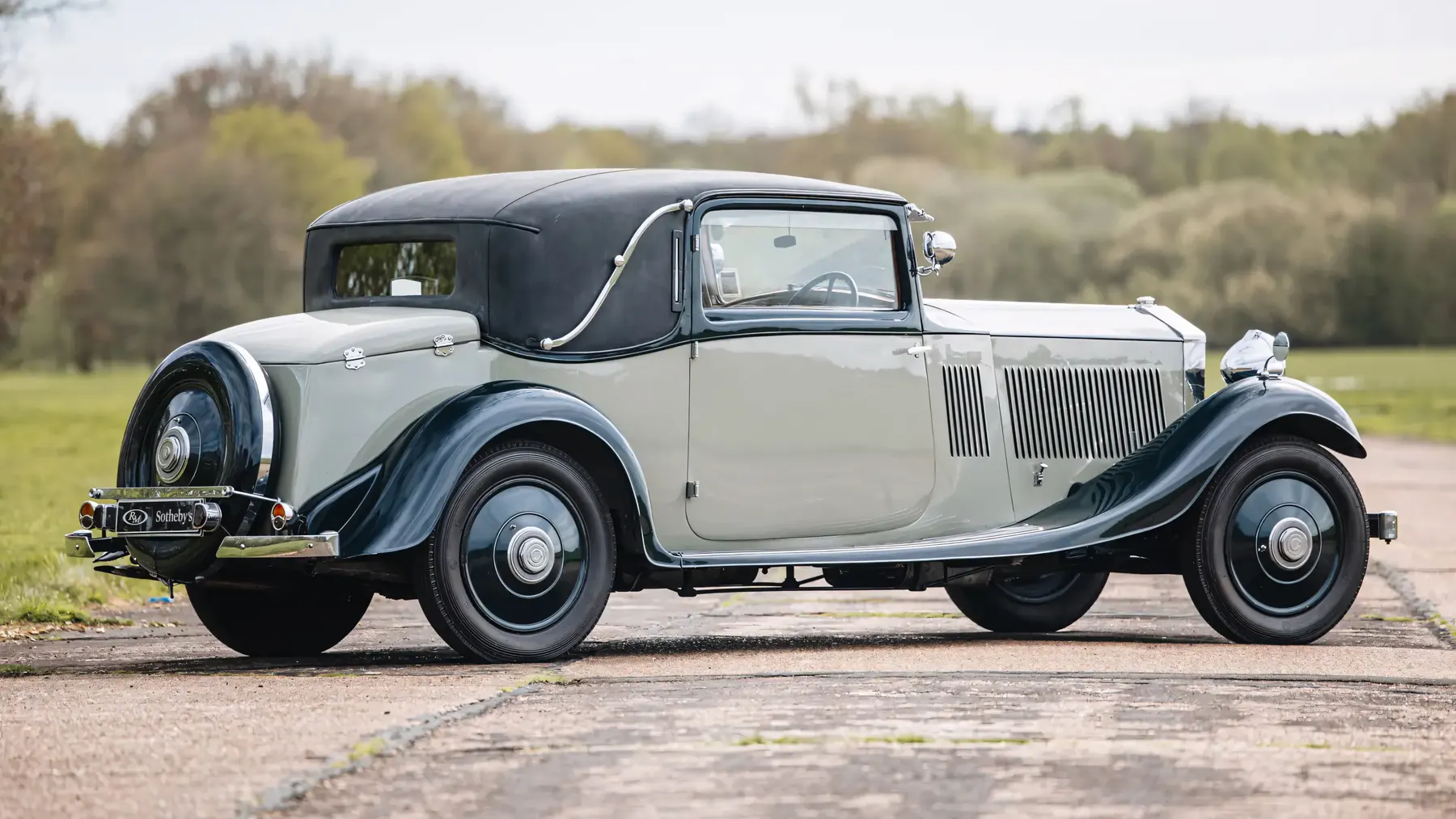
The car’s proportions are sublime: long bonnet, short rear deck, and a roofline that flows seamlessly into the rear quarters. Mulliner’s craftsmanship is evident in every panel and trim piece, from the precisely fitted doors to the intricate brightwork. The right-hand drive configuration and matching-numbers chassis and engine further enhance its authenticity and collector appeal.
Underneath that beautiful coachwork lies the mechanical heart of the 20/25 - a 3,699 cc inline six-cylinder engine. With an 82 mm bore and 114 mm stroke, the engine was designed for smoothness, reliability, and just enough power to make spirited driving possible without ever feeling strained. The car delivers 121 lb-ft of torque, which, combined with a four-speed manual gearbox (featuring synchromesh on third and top gears from 1932 onward), makes for an engaging and surprisingly modern driving experience.
The chassis is a masterpiece of inter-war engineering. Semi-elliptic leaf springs front and rear, hydraulic dampers, and a worm-and-nut steering system provide a ride that is both supple and responsive. The brakes, with internal expanding shoes on all four wheels and a mechanical servo, offer reassuring stopping power - a necessity given the car’s substantial mass and the performance on tap.
Performance figures from period tests reveal a top speed of over 120 km/h (76 mph) and acceleration from rest to 80 km/h (50 mph) in just over 21 seconds, impressive numbers for a luxury car of the early 1930s. Fuel consumption, when driven enthusiastically, hovered around 20 L/100km (14 mpg), which was more than acceptable for a car of its stature and capability.
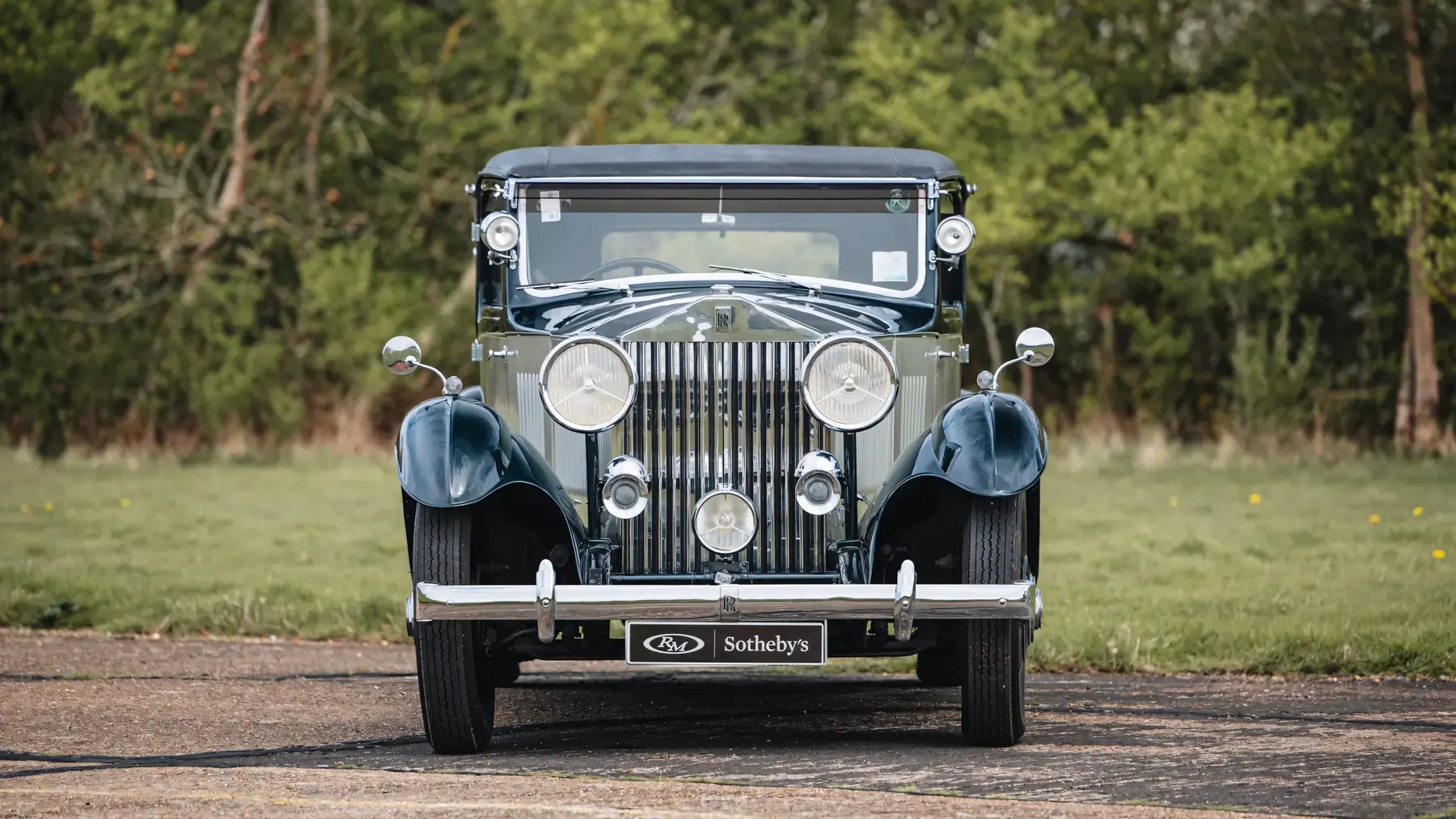
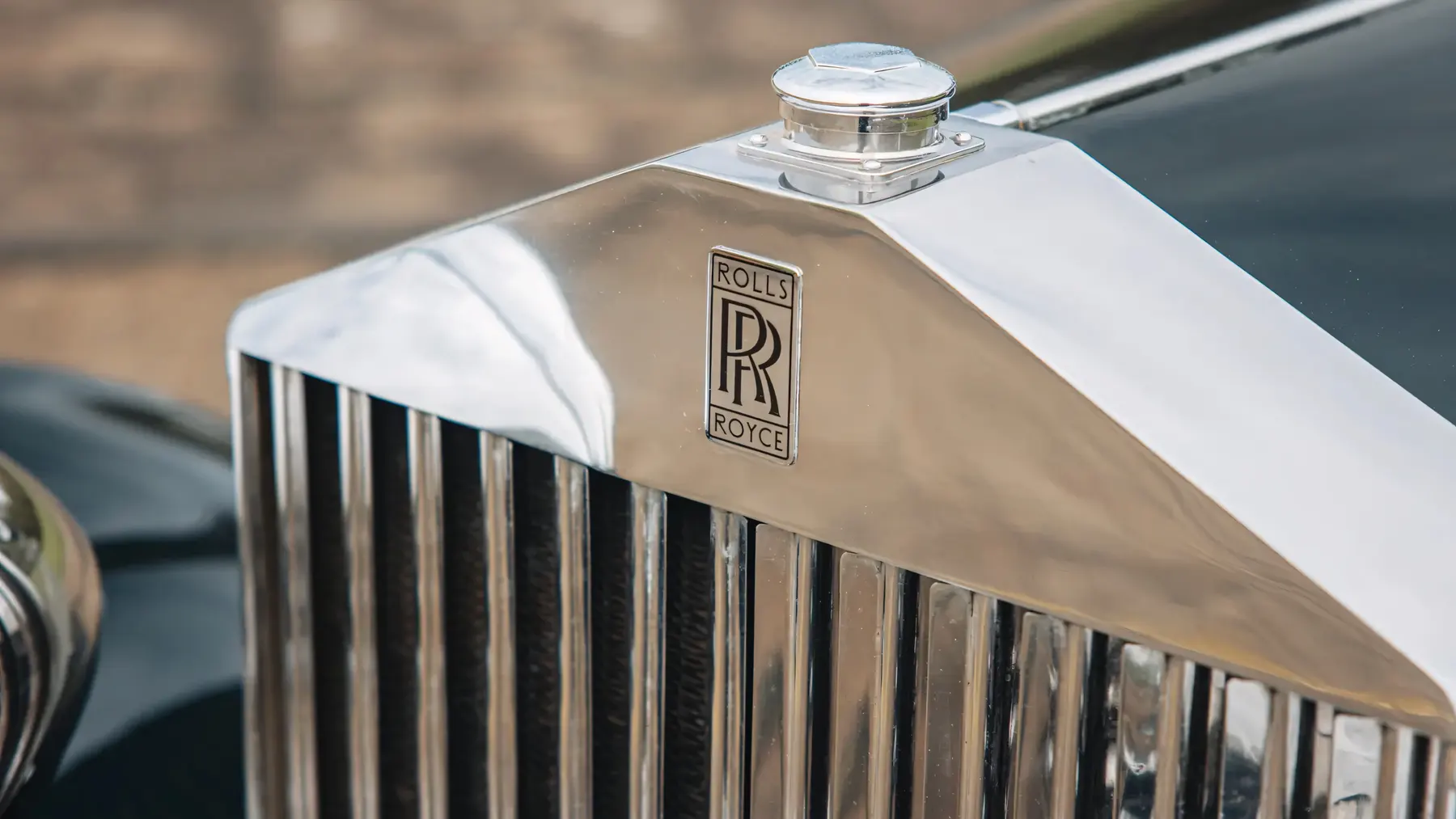
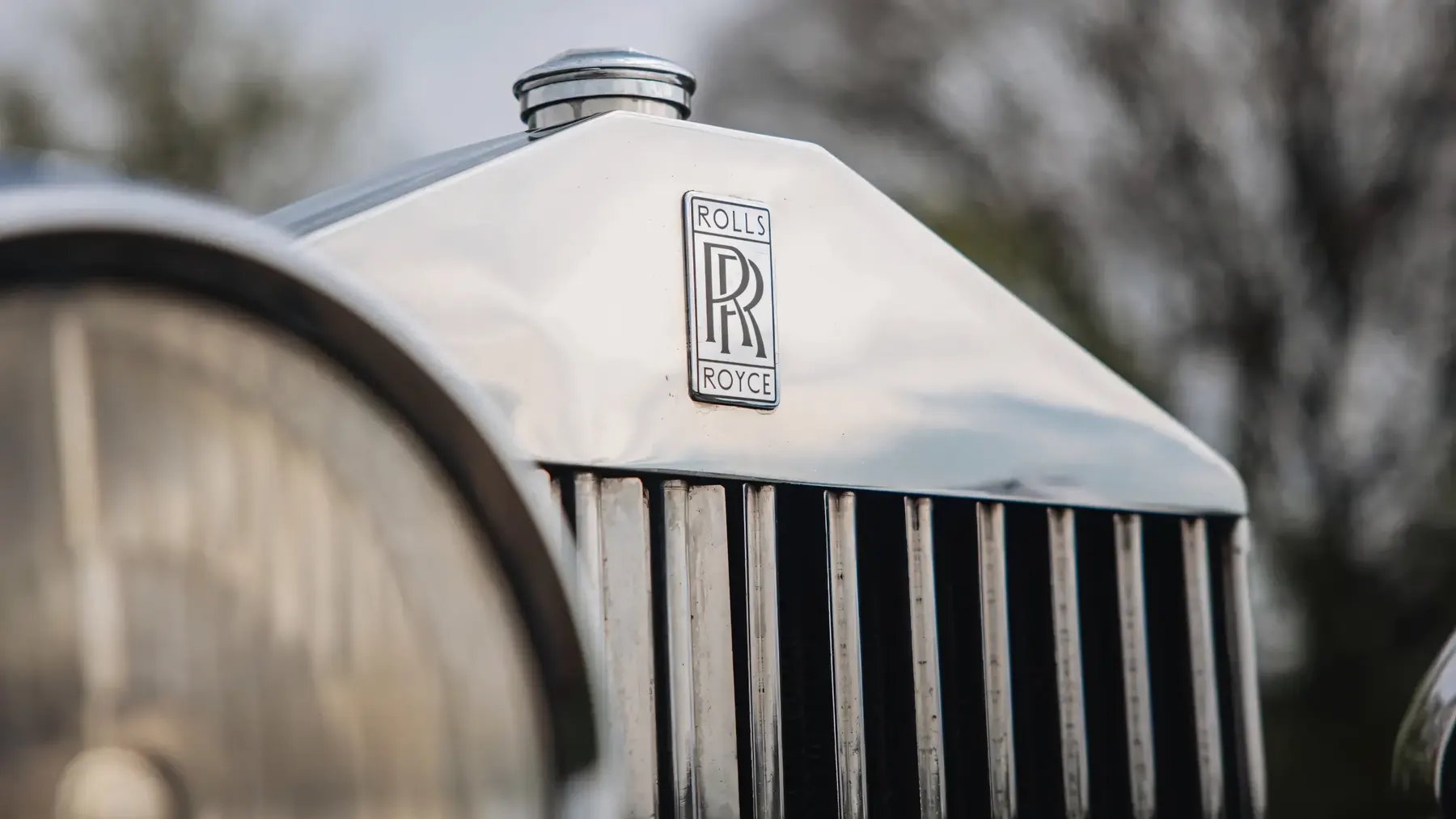
The 20/25 was not just about stately progress; it was packed with clever features that made ownership both pleasurable and practical. The radiator, with its iconic triangular top and adjustable vertical louvres, allowed the driver to regulate engine temperature manually or, from 1931 onward, via a thermostat. The centralized chassis lubrication system (introduced in 1932) made maintenance easier, while the introduction of synchromesh gears and electric fuel gauges reflected Rolls-Royce’s commitment to continuous improvement.
Inside, the Mulliner-bodied faux cabriolet would have featured sumptuous materials: polished wood, fine leather, and beautifully crafted instruments. Every detail was tailored to the owner’s wishes, ensuring no two cars were exactly alike.
From the moment it debuted at the Olympia Motor Show in 1929, the 20/25 captured the imagination of the motoring public. Its blend of refinement, reliability, and understated performance made it a favorite among discerning drivers. The faux cabriolet by H.J. Mulliner, with its rare and stylish bodywork, quickly became one of the most sought-after variants - coveted for its elegance and exclusivity.
Today, the 20/25 remains a beloved classic. It is significantly more affordable than the larger Phantom II, yet offers a driving experience that is arguably more rewarding, especially for those who want to enjoy their car on modern roads. Maintenance is relatively straightforward thanks to the robust engineering and the availability of parts, and a vibrant community of owners and restorers ensures that knowledge and enthusiasm are always close at hand.
Auction results and private sales reflect the car’s desirability, with well-preserved examples commanding strong prices and attracting collectors from around the world. The fact that so many 20/25s remain in use is a testament to their enduring quality and the affection they inspire.
The Rolls-Royce 20/25 Two-Door ‘Faux Cabriolet’ by H.J. Mulliner is more than just a car - it’s a rolling work of art, a symbol of resilience, and a celebration of the coachbuilder’s craft. For those who appreciate the finer points of automotive design and engineering, it represents a high point in the history of Rolls-Royce. Every drive is a reminder of an era when cars were built to last a lifetime, and when style, substance, and individuality were the hallmarks of true luxury.
**
Join the discussion
Comments
Loading comments…
Leave a comment
Share a detail, memory, or perspective. Every comment is reviewed before publication.