1933 Twin Coach 'Helms Bakery' Delivery Truck
1933 Twin Coach "Helms Bakery" Delivery Truck

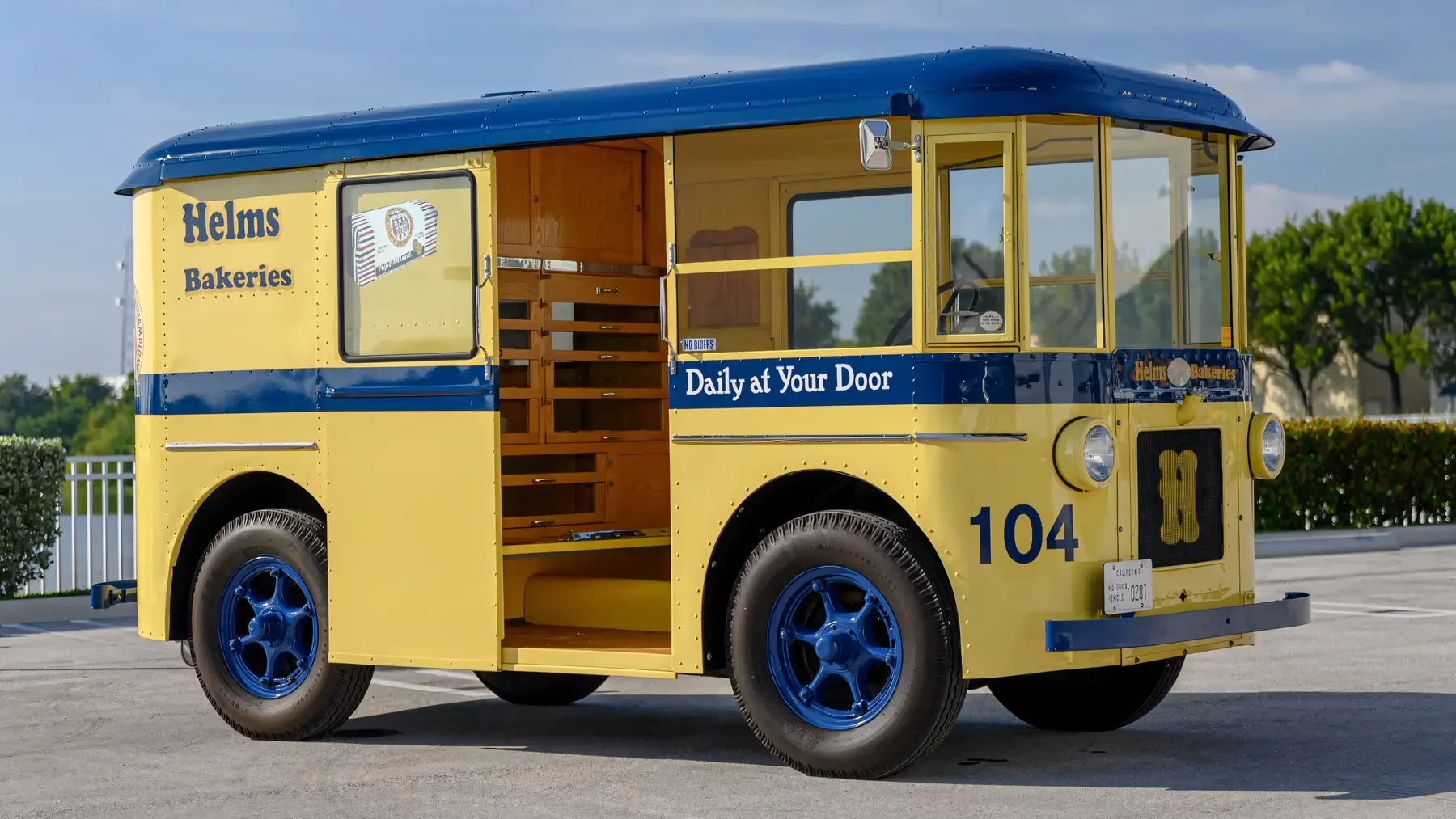
The Twin Coach “Helms Bakery” delivery truck stands as a cherished emblem of Southern California’s past, combining thoughtful design, functionality, and a unique cultural history. Originally serving as the mobile face of the Helms Bakery, these trucks became a quintessential part of mid-20th-century life in Los Angeles and beyond.
The Helms Bakery trucks were initially manufactured by Twin Coach of Kent, Ohio, blending utility with aesthetic appeal. Their flat-nosed, streamlined design, reminiscent of Chrysler’s Art Deco-inspired Airflow models, captured the spirit of the era. Painted in a two-tone color scheme, they exuded charm and professionalism.
Each truck featured wooden cabinetry meticulously crafted to house an array of baked goods, from fresh bread to sweet treats. The cabinets were designed for both display and preservation, ensuring customers had access to visually appealing and fresh options. With their snub-nosed profile, these vehicles were smaller than the buses Twin Coach was known for, but they maintained the same sense of industrial elegance.
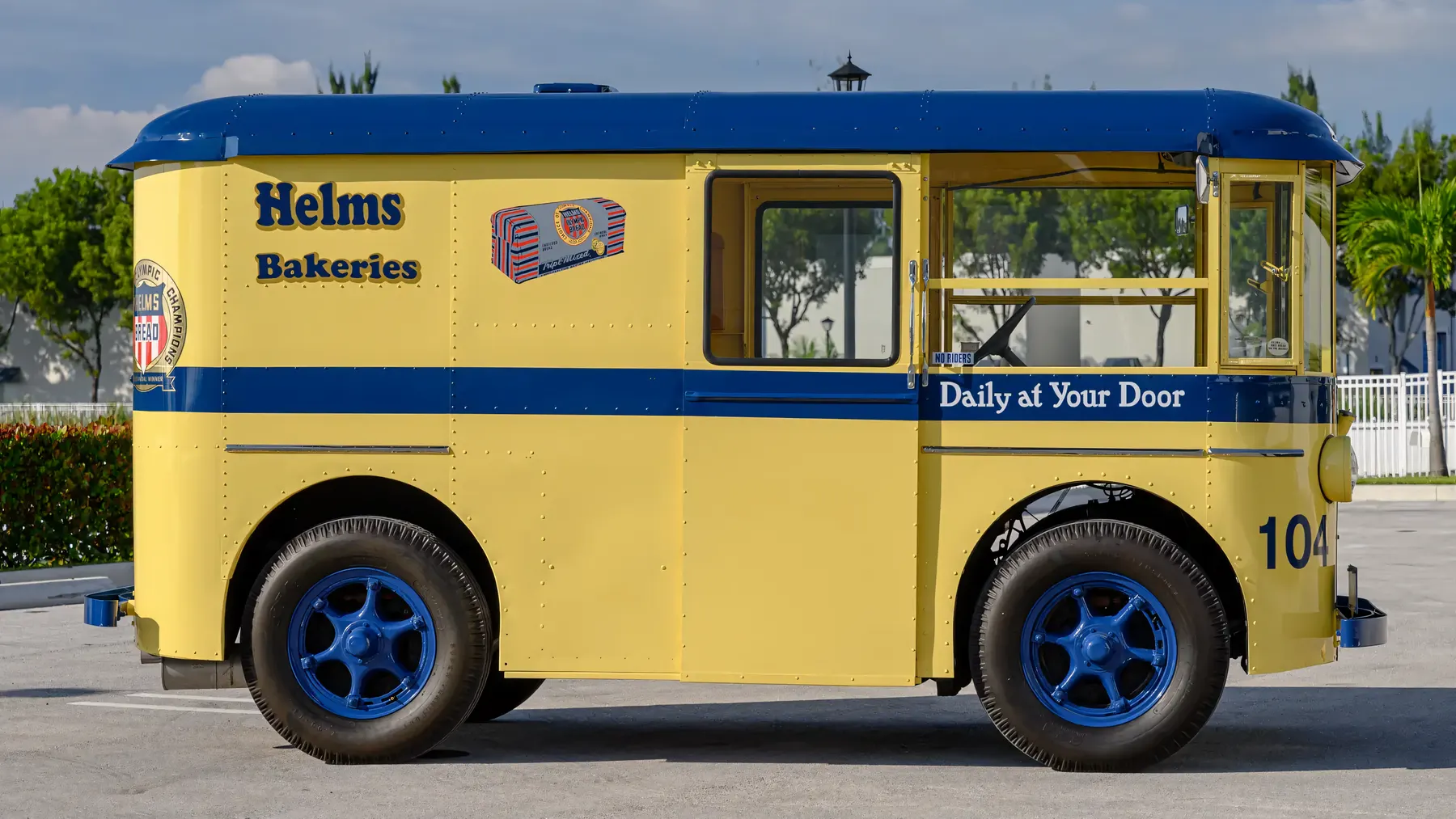
While aesthetics played a significant role, the trucks were also mechanically innovative for their time. Powered by various engines, including those from Nash and Studebaker, the later models demonstrated reliable performance for urban routes. Despite their relatively modest size, the trucks were sturdy workhorses, designed to navigate neighborhoods daily and cover a significant delivery radius.
The Twin Coach trucks incorporated practical and customer-friendly features. A whistle, operated by a large handle, signaled the truck’s arrival in neighborhoods. Customers who wanted service placed a blue Helms Bakery sign featuring an “H” in their windows, prompting the driver, or “Helmsman,” to stop. This system created a personal and interactive experience that fostered strong community ties.
Inside, the trucks were outfitted with ample storage for a diverse array of products. Drivers acted as sales representatives, offering everything from bread to pies directly to customers’ doors. This direct-to-consumer model was a precursor to modern home delivery services.
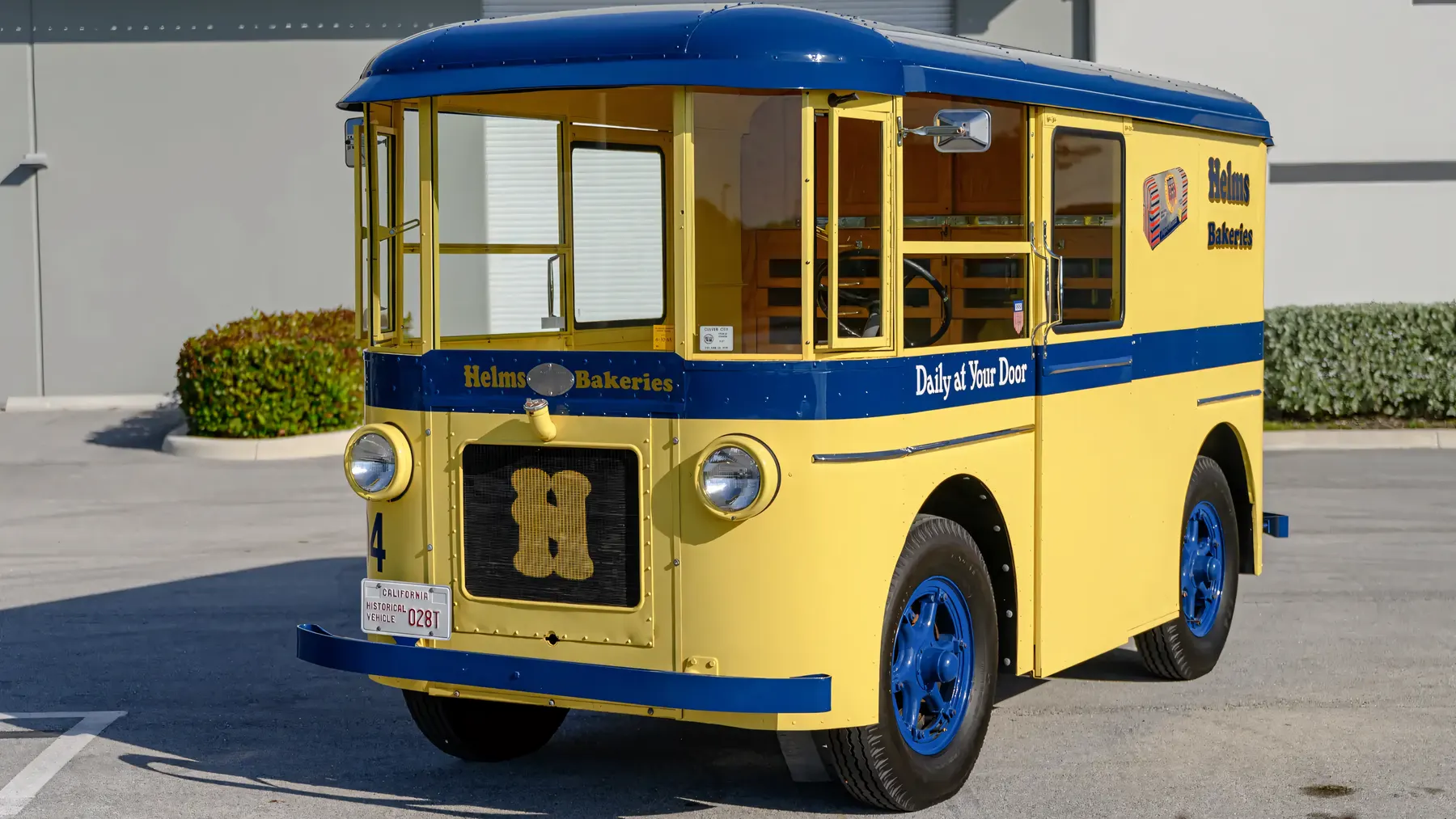
The Helms Bakery was founded in Culver City, California, in 1931 by Paul Helms. It quickly gained prominence, earning the motto “Daily at Your Door.” The bakery’s trucks became synonymous with the brand, delivering products across Los Angeles and later expanding to areas as far as San Diego and Fresno.
Even during World War II, when Twin Coach discontinued its signature truck designs, Helms found ways to maintain their fleet. They acquired unfinished Divco chassis and partnered with local California manufacturers to build bodies in the classic Twin Coach style. This dedication preserved the iconic design that had become integral to the Helms identity.
Helms Bakery’s reputation soared when it supplied bread for the 1932 Summer Olympics, branding itself as the “Choice of Olympic Champions.” The company even had the distinction of providing bread for the Apollo 11 mission in 1969, the same year the bakery ceased operations.
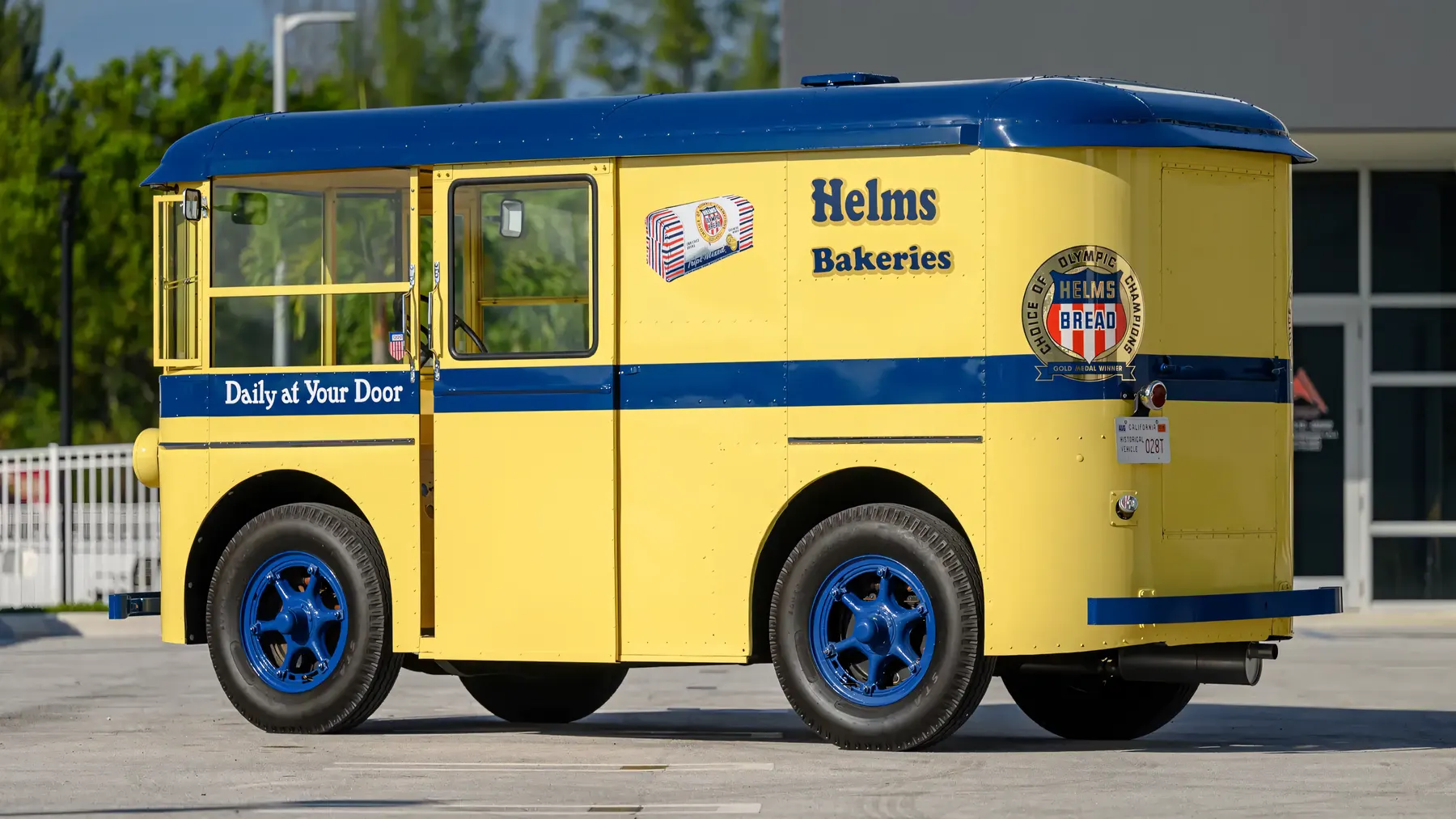
The Twin Coach trucks’ distinctive design and role in daily life made them enduring symbols of a bygone era. Their two-tone color scheme, elegant Streamline Moderne aesthetic, and practical design combined beauty with functionality. Beyond their physical attributes, they represented the personal connection between businesses and communities, a hallmark of mid-century Southern California life.
The trucks’ legacy endures in museums such as the Petersen Automotive Museum in Los Angeles and the LeMay Car Museum in Tacoma, Washington. They remain beloved by enthusiasts and serve as reminders of a time when the neighborhood baker’s visit was a daily highlight.
The Twin Coach “Helms Bakery” delivery trucks were mobile ambassadors of a cherished community institution. Their thoughtful design, reliable performance, and role in shaping a unique slice of American history have cemented their place as cultural icons. Today, they evoke nostalgia for an era defined by personal service, innovative marketing, and timeless design.
Join the discussion
Comments
Loading comments…
Leave a comment
Share a detail, memory, or perspective. Every comment is reviewed before publication.