1937 Cord 812 Supercharged Cabriolet

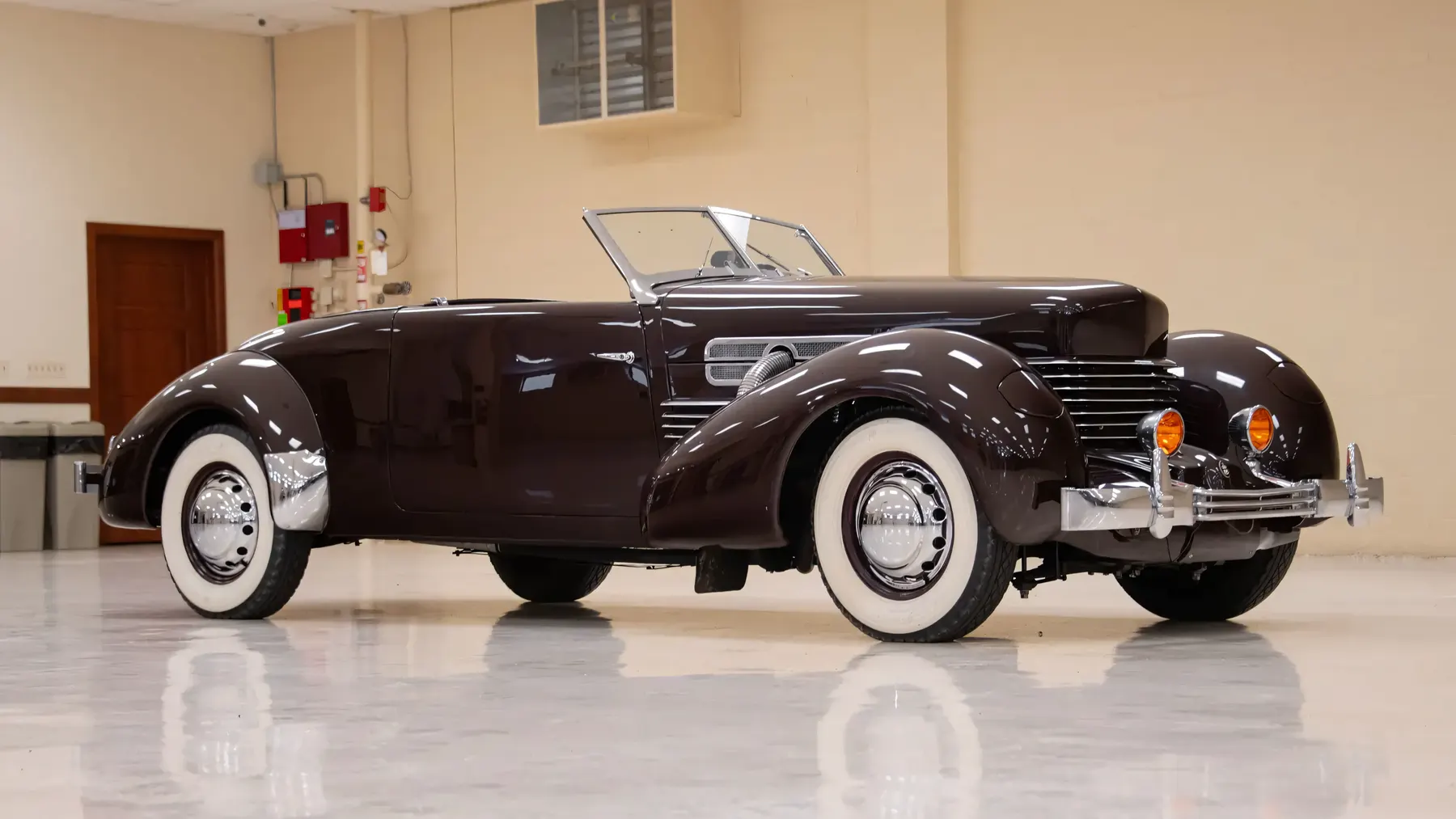
The Cord 812 Supercharged Cabriolet remains one of the most iconic American luxury cars of the 20th century. Produced by the Cord Automobile division of the Auburn Automobile Company in 1936 and 1937, it captured the essence of cutting-edge engineering and radical design that still resonates today. Despite its relatively low production numbers and some early mechanical issues, the 812 Supercharged Cabriolet’s influence on automotive design is undeniable.
The Cord 810, which debuted at the 1935 New York Auto Show, quickly garnered attention for its innovative features and bold styling. The car was a follow-up to Cord’s earlier front-wheel-drive L-29, but the 810/812 introduced a host of new technologies, including independent front suspension and a semi-automatic transmission. While it had some teething problems,such as slipping gears and vapor lock,these did not overshadow its revolutionary design. Only 2,972 cars were produced during its short run, with just 205 of those being the Cabriolet model.
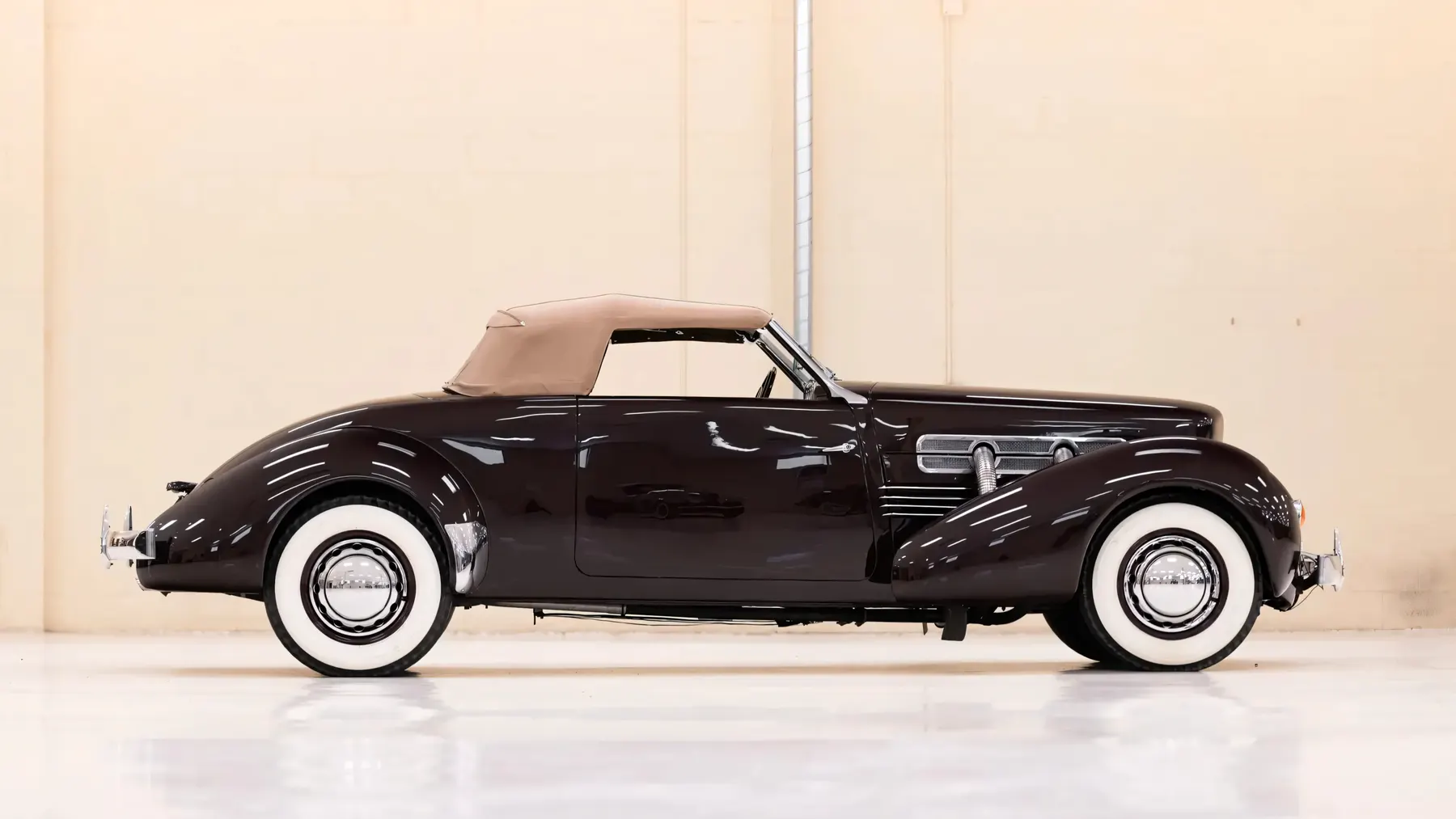
The 1937 Cord 812 was a continuation of the 810, with mechanical updates and a supercharged option that boosted performance. The car’s sleek appearance and unique features, including its “coffin nose” grille and hidden headlights, set it apart from its contemporaries. Cord had planned updates for the 1938 model, but production ended before the 814 could debut. A single 814 prototype was built, adding another layer to the car’s mystique, and its discovery in 1989 reignited interest in the Cord’s legacy.
The Cord 812 Supercharged Cabriolet was a radical departure from the designs of its time. It was the first production car to feature hidden pop-up headlights, a feature that would later be emulated in many cars. Designer Gordon M. Buehrig and his team, which included Vince Gardner and Alex Tremulis, created a design that was sleek and futuristic. The “coffin nose”,a horizontal, louvered grille that replaced the traditional vertical radiator grille,became the car’s most famous design element.
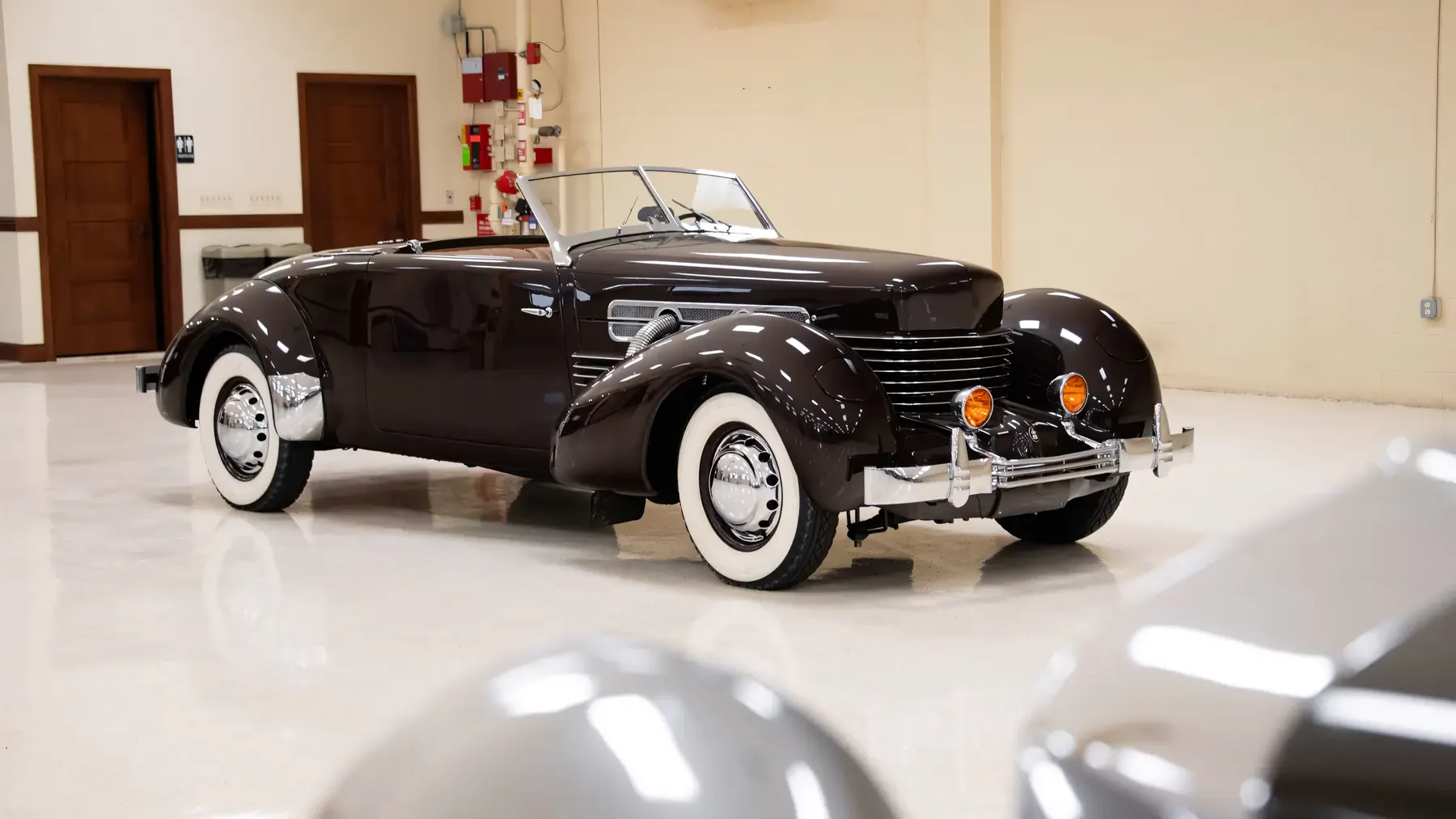
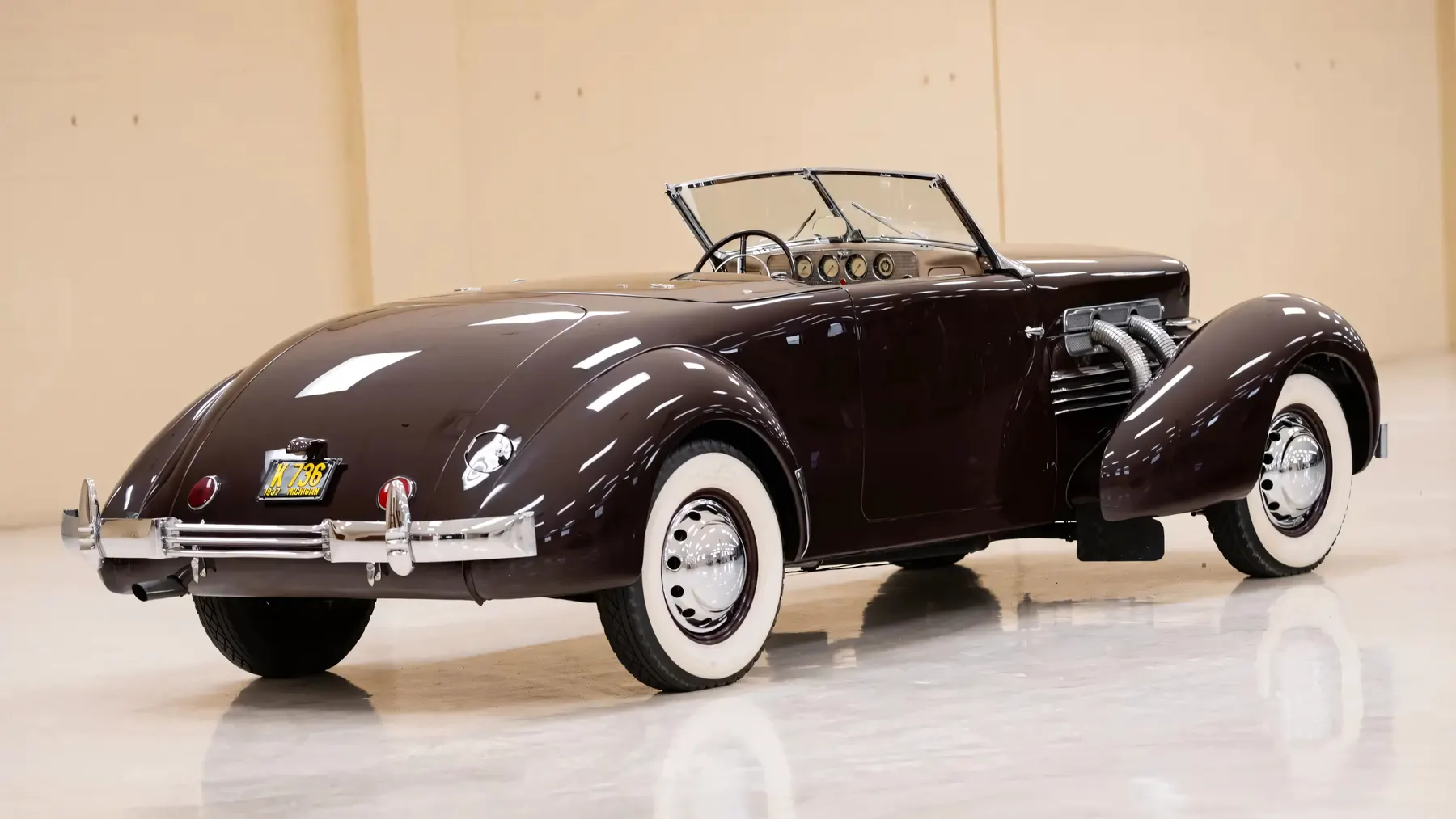
The car’s front-wheel drive was an innovation, making it one of the first cars to adopt this layout in the U.S. While the front suspension was independent, a nod to the future, the rear axle retained a more conventional setup, using semi-elliptic springs. The Cord 812’s low-slung, streamlined design also eliminated running boards, further enhancing its modern look.
Under the hood, the Cord 812 Supercharged Cabriolet was powered by a 4.7-liter Lycoming V8 engine. In standard form, the engine produced 125 horsepower, but the addition of a mechanically driven supercharger raised this to a more impressive 170 horsepower, boosting the car’s performance significantly. This made the 812 Supercharged Cabriolet not only a technological marvel but also a fast and exciting car to drive, even by today’s standards.
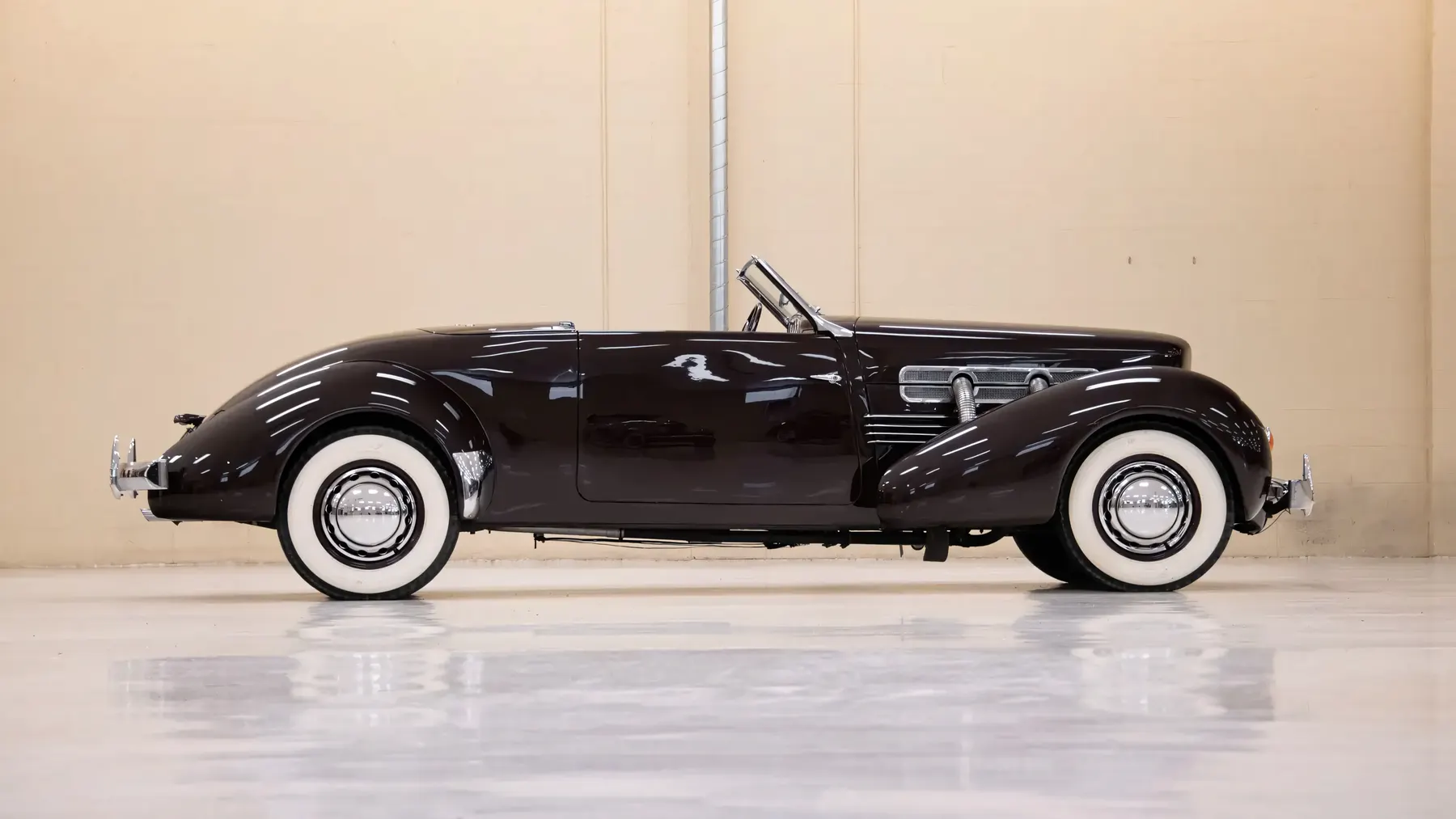
The car’s semi-automatic four-speed transmission, which extended in front of the engine, was a unique feature that helped eliminate the driveshaft and transmission tunnel, contributing to the Cord’s clean, uncluttered look. The 812’s advanced features were complemented by an independent front suspension, offering better handling and ride quality compared to many cars of the era.
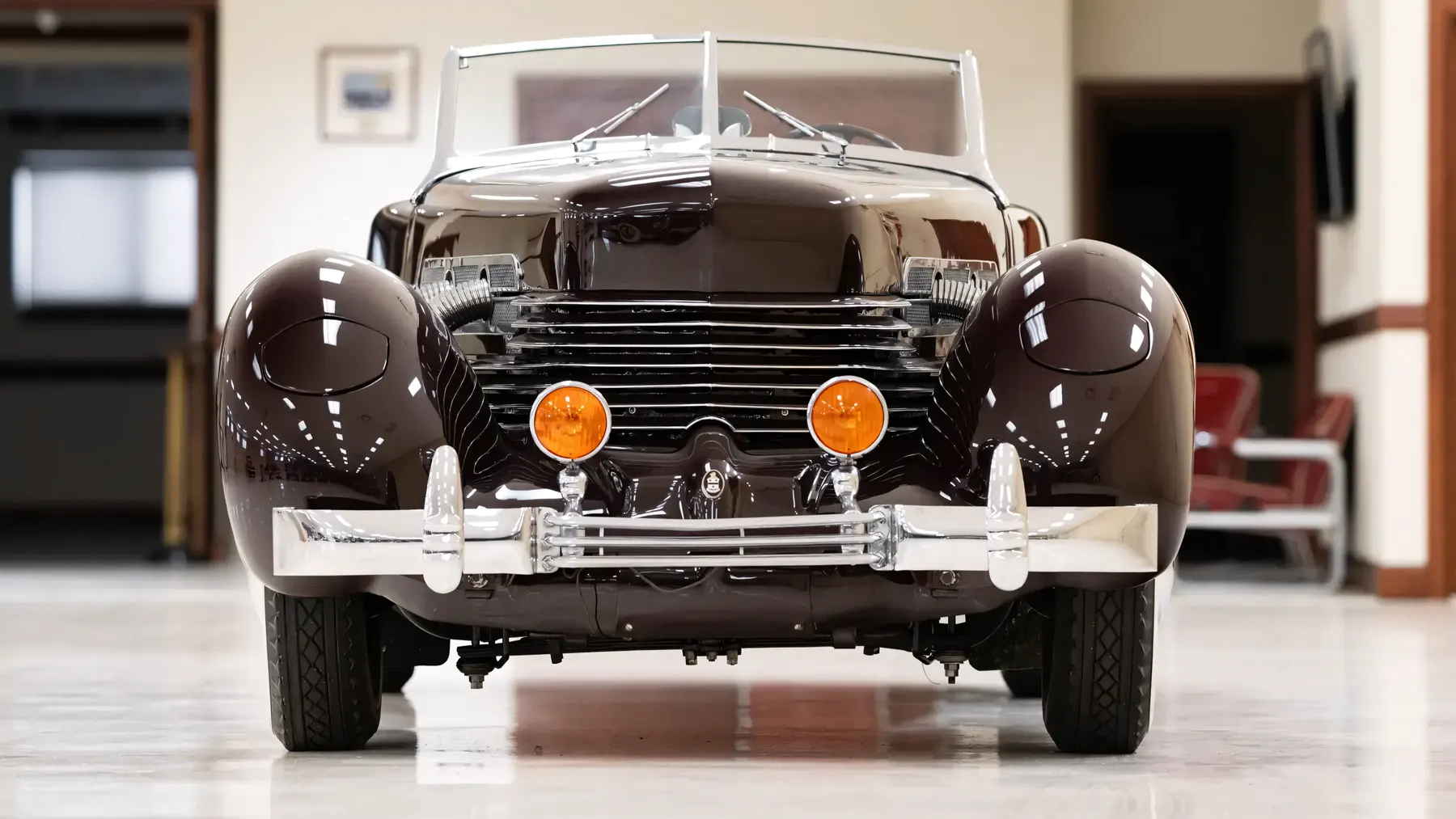
The Cord 812 Supercharged Cabriolet was packed with features ahead of its time. The hidden headlights were operated by hand cranks on the dashboard, while the car also had a concealed, lockable fuel filler door. The engine-turned dashboard was fully equipped with instrumentation, including a tachometer and a radio, which wasn’t a standard offering in most cars until the 1950s.
Another standout feature was the rear-hinged hood, which replaced the traditional side-opening hood found on most cars at the time. This gave the 812 a distinctive look that further emphasized its avant-garde design. Additionally, the variable-speed windshield wipers offered greater control in changing weather conditions,another example of Cord’s attention to detail.
When the Cord 812 debuted at the New York Auto Show, it caused a sensation. The crowds were so large that many attendees stood on nearby bumpers just to get a glimpse of the car. While it did not meet initial production targets due to mechanical troubles, the 812 became a symbol of American automotive ambition and design innovation.
Despite its mechanical issues and relatively low production numbers, the Cord 812 Supercharged Cabriolet has maintained a strong following among classic car enthusiasts. Its unique styling, innovative features, and the limited number of models produced have made it one of the most sought-after classic cars. In 1996, American Heritage magazine even dubbed the Cord 810 Sedan as “The Single Most Beautiful American Car,” cementing its place in automotive history.
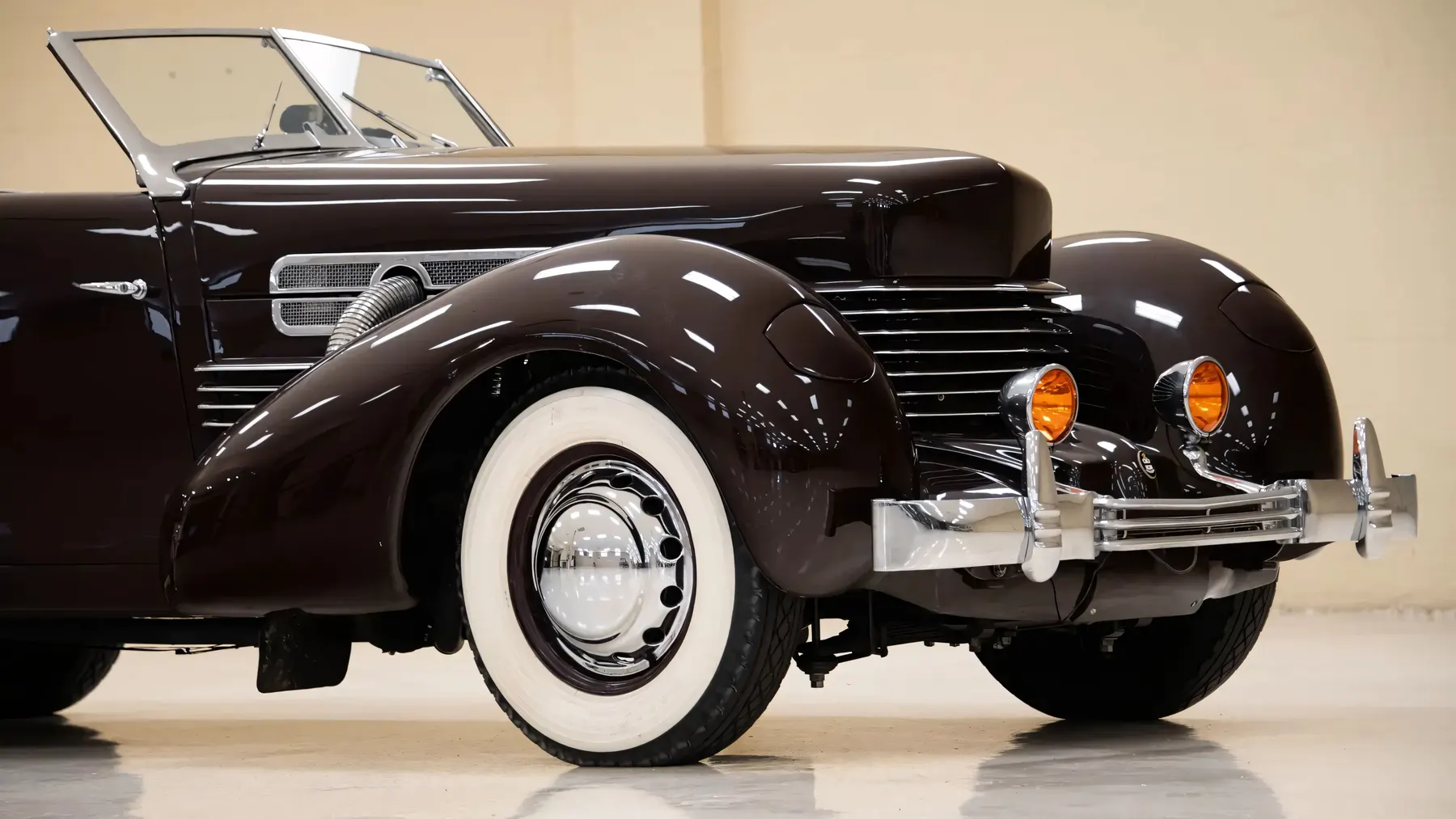
The Cord 812’s impact can still be seen in later American cars, particularly in the 1966 Oldsmobile Toronado and the Cadillac Eldorado, which both paid homage to the 812’s front-wheel-drive layout and hidden headlamps. Additionally, the car’s radical “coffin nose” grille inspired future designs, influencing models for years to come.
The Cord 812 Supercharged Cabriolet remains one of the most fascinating and distinctive cars ever produced in the United States. With its avant-garde design, innovative technology, and performance capabilities, it represents the pinnacle of American luxury cars in the 1930s. While it didn’t achieve the commercial success it deserved, its legacy lives on in the hearts of car enthusiasts and in the design of later vehicles. The Cord 812 is a symbol of an era of bold innovation and unmatched style in the automotive world.
Join the discussion
Comments
Loading comments…
Leave a comment
Share a detail, memory, or perspective. Every comment is reviewed before publication.