1953 Chevrolet 3100 Pickup Truck

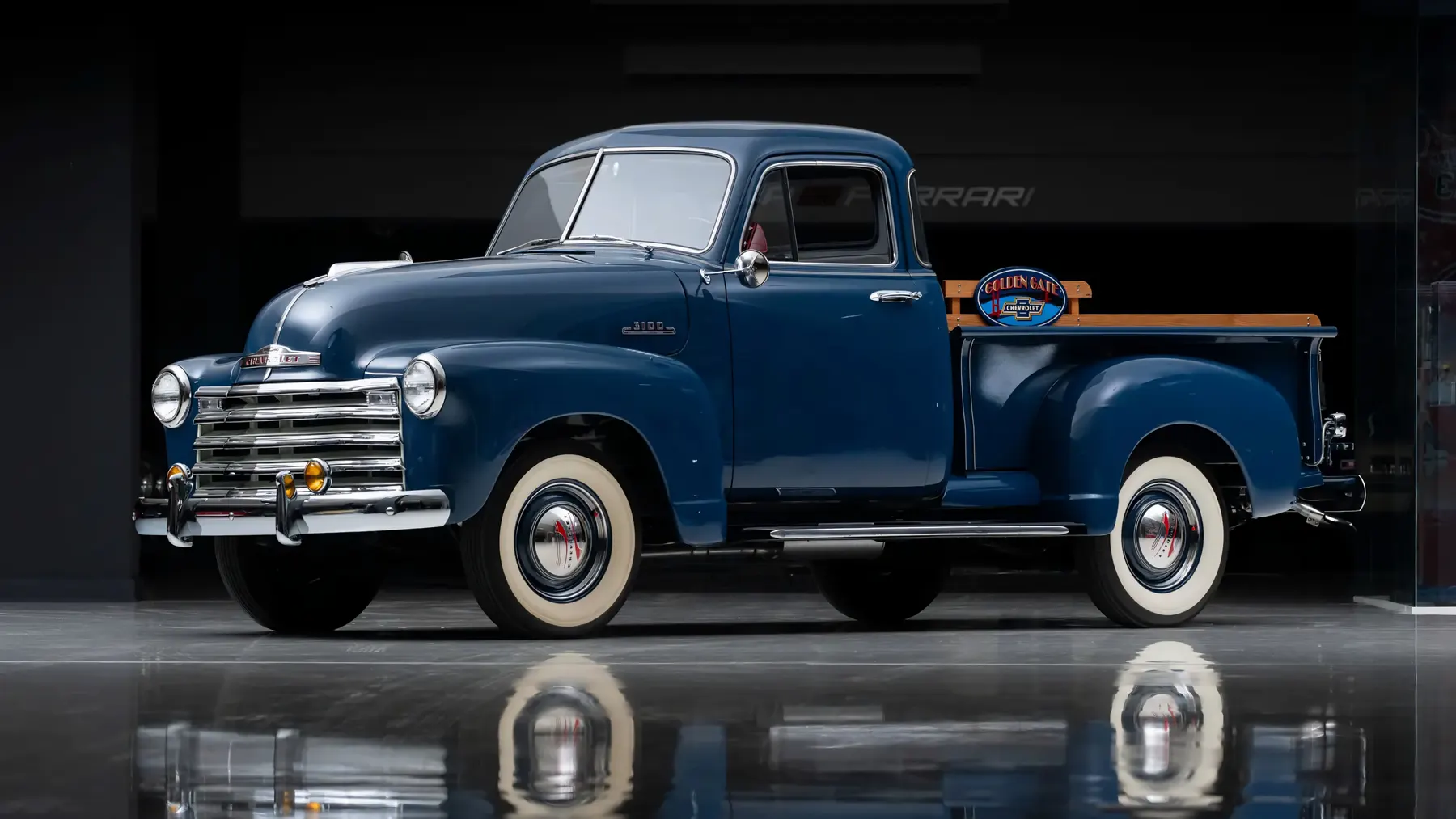
The Chevrolet 3100 stands as one of the most recognizable and beloved trucks ever to grace American roads. Part of Chevrolet’s revolutionary Advance Design series, this pickup wasn’t just a workhorse – it represented a pivotal moment in automotive history that continues to captivate enthusiasts decades later.
The story begins in post-war America. On June 28, 1947, Chevrolet unveiled its Advance Design trucks – the company’s first major redesign following World War II. The timing couldn’t have been better. With America booming and industries expanding, the market demanded capable, reliable trucks with modern styling. The 3100 was Chevrolet’s answer to this call, positioned as a half-ton pickup in a lineup that included three-quarter-ton and full-ton variants.
What made the Advance Design series special was its complete departure from previous aesthetics. Chevrolet billed these trucks as larger, stronger, and sleeker than the earlier AK Series. The gamble paid off spectacularly. From 1947 until production ended in March 1955, Chevrolet trucks dominated the American market, claiming the number one position in sales year after year.
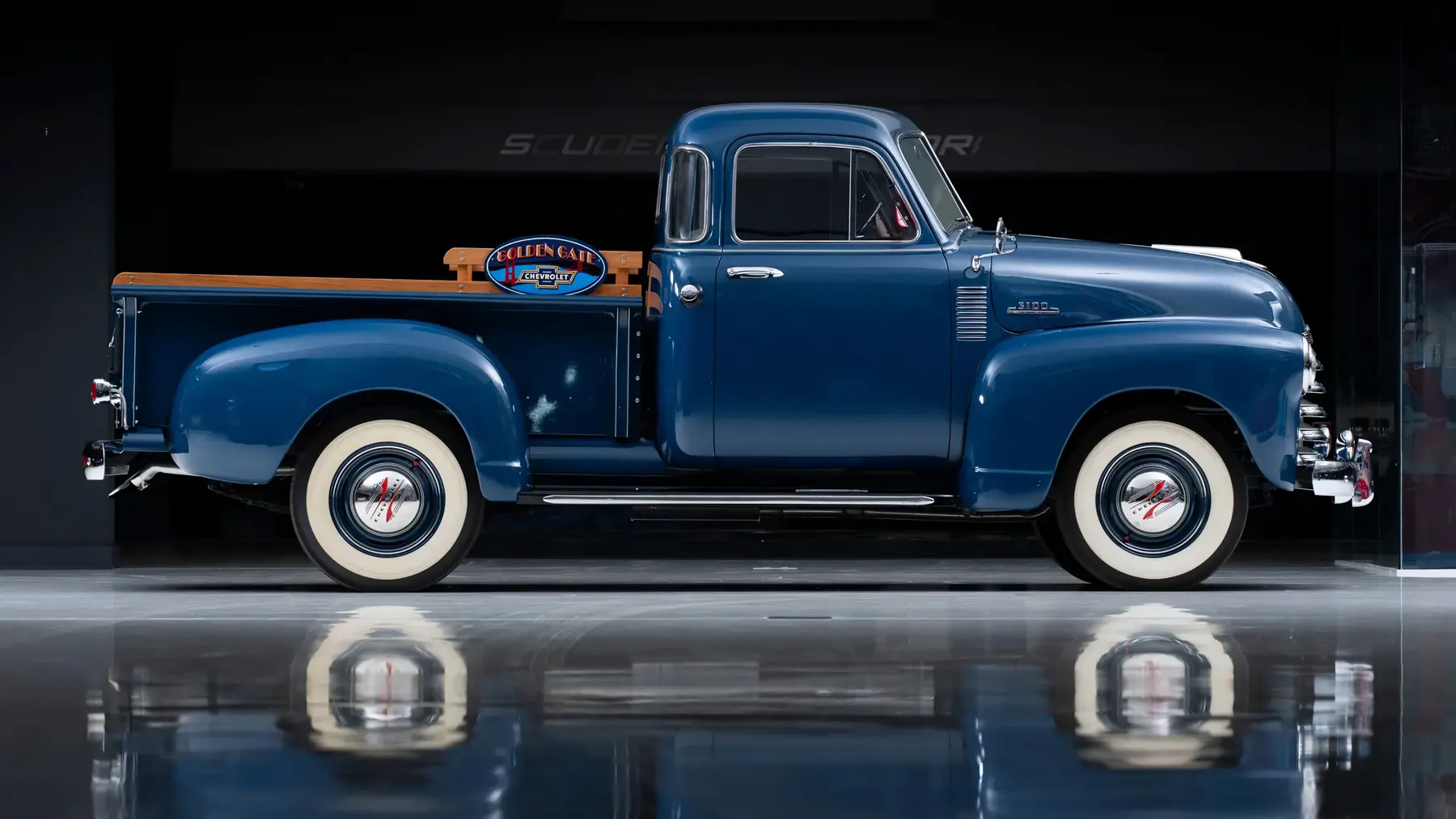
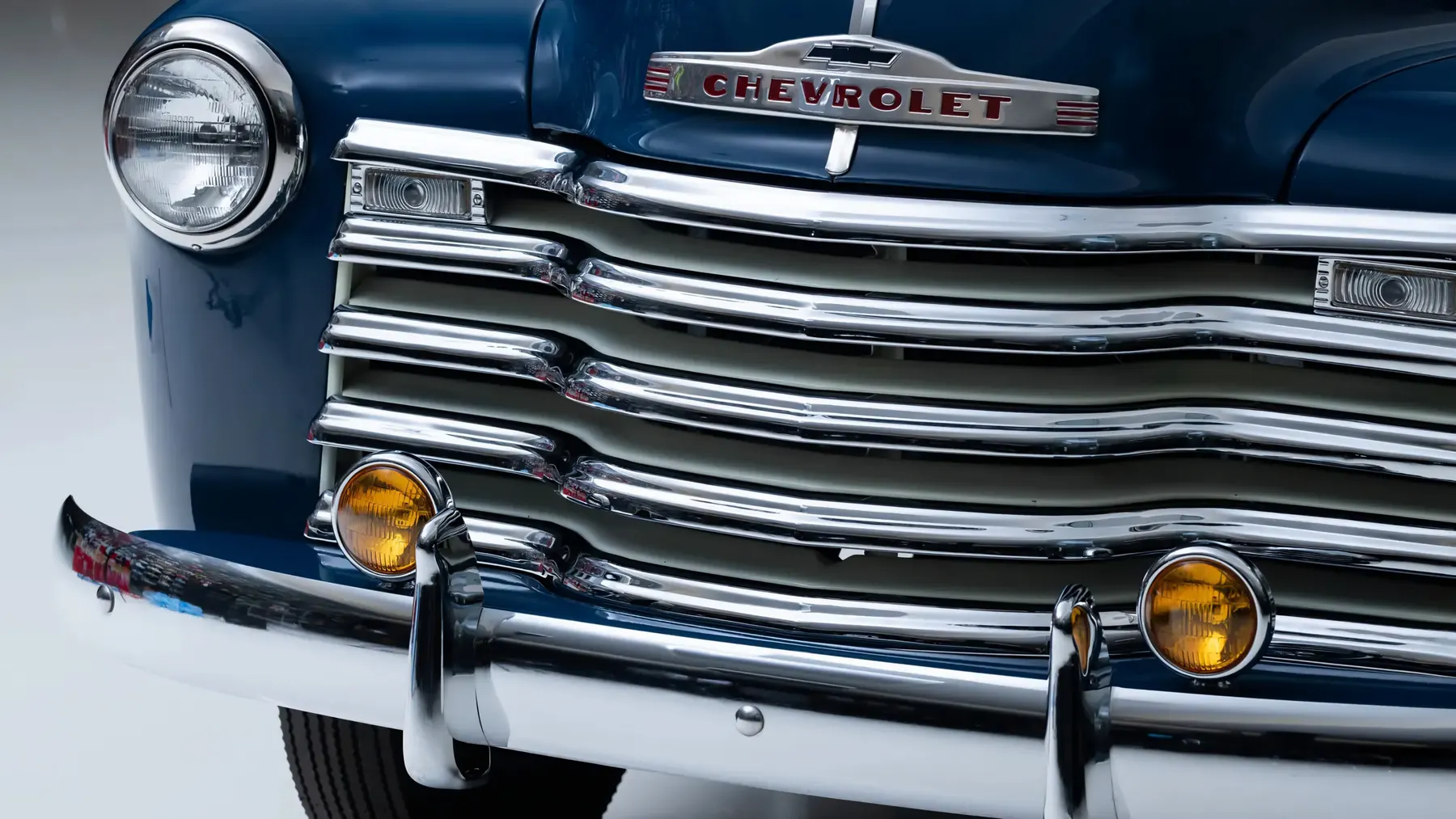
The 3100’s design was revolutionary for its time. Those beautifully rounded fenders, the distinctive bullnose front end, and that unforgettable grille created a look that was both functional and visually appealing. Chevrolet didn’t just make a truck; they crafted a rolling piece of art that looked good on farms and city streets alike.
The cab received special attention from designers. Notably larger than its predecessors, it comfortably accommodated three passengers – a significant improvement for the era. Drivers appreciated the dramatically improved visibility thanks to approximately 40% more glass area throughout the cab. The five-window cab design introduced in later models further enhanced this visibility advantage, functioning somewhat like a primitive version of modern blind-spot detection.
Inside, the 3100 featured a thoughtfully designed interior that balanced utility with comfort. The symmetrical dashboard housed easy-to-read gauges including a speedometer, fuel gauge, and oil pressure indicator. A durable vinyl bench seat provided comfortable seating, while clever storage solutions made the most of the available space.
Throughout its production run, the 3100 underwent subtle but significant changes that continually improved the design:
The 1947 models featured a gasoline tank filler neck on the passenger side of the bed and hood emblems proudly displaying “Chevrolet” with either “Thriftmaster” or “Loadmaster” underneath, depending on the model. These early trucks also made history as the first Chevrolet trucks to offer radios as an in-dash option.
For 1948, Chevrolet moved the manual transmission shifter from the floor to the steering column, enhancing interior space and convenience. By early 1949, engineers relocated the gasoline tank, mounting it upright behind the seat in the cab for improved safety. Later that same year, hood emblems changed to numerical designations, with “3100” identifying the half-ton models.
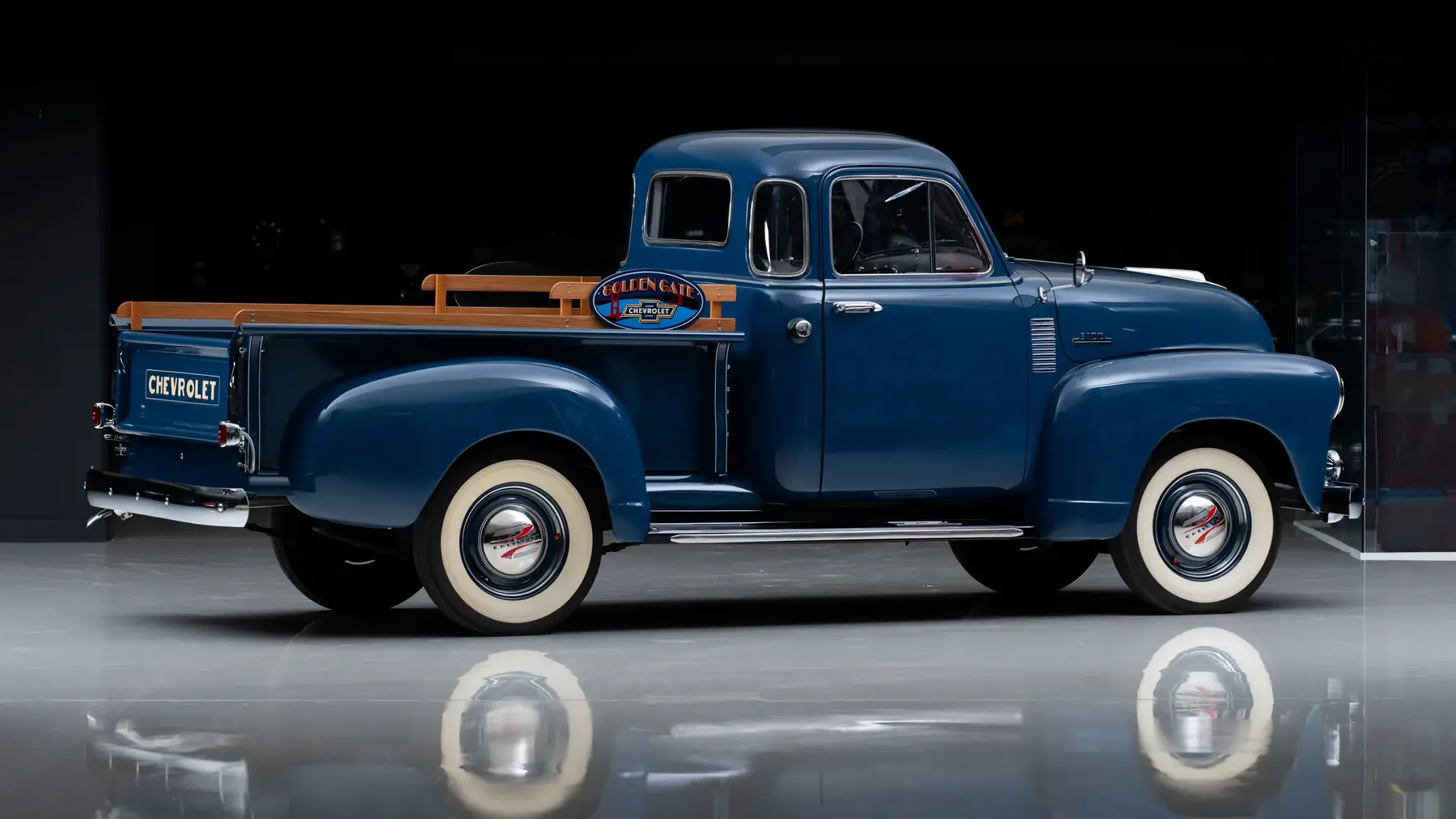
The 1951 model year brought vent windows to the doors, significantly improving cabin ventilation. The following year saw the introduction of modern push-button door handles, replacing the previous turn-down style. By 1954, the dashboard received a comprehensive redesign, and a modern one-piece windshield replaced the older two-piece unit, giving the truck a more contemporary appearance.
Under the hood of the 1950 3100 sat an inline six-cylinder engine displacing 3548 cc (3.5 liters). This reliable power plant produced 90 horsepower at 3300 RPM and an impressive 176 ft-lbs of torque at just 1500 RPM – perfect for the truck’s intended purposes. The engine transmitted power to the rear wheels through either a three-speed manual or automatic transmission.
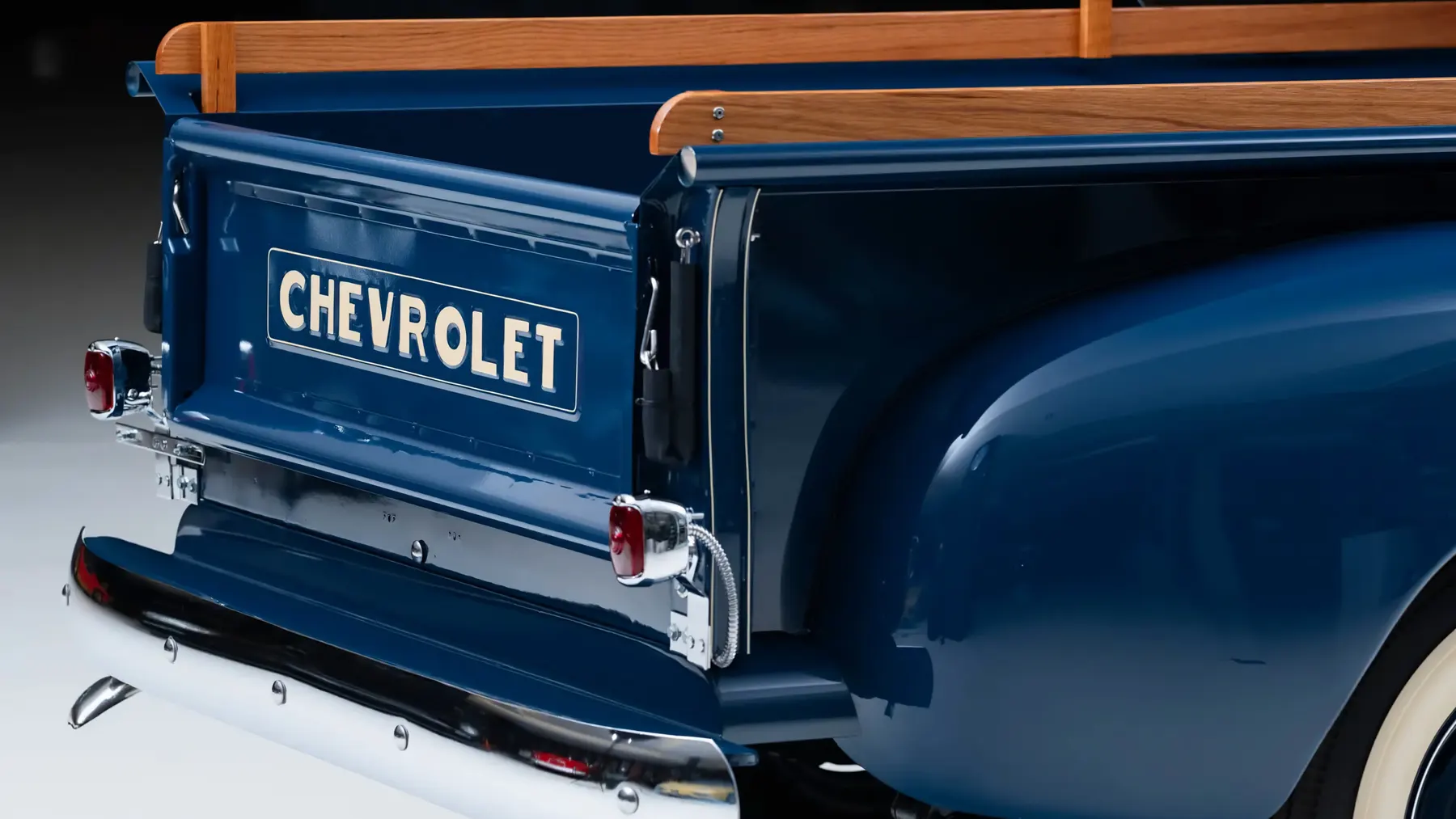
Despite its robust construction, the 3100 wasn’t excessively heavy, weighing in at approximately 1168 kg. This relatively lightweight contributed to decent fuel economy while still allowing for respectable payload capacity.
The 1954 model featured the improved Thriftmaster 235 engine with a fully pressurized oiling system and modular rod bearings, making maintenance easier and more efficient. These mechanical improvements ensured the 3100 remained competitive and reliable through the end of its production run.
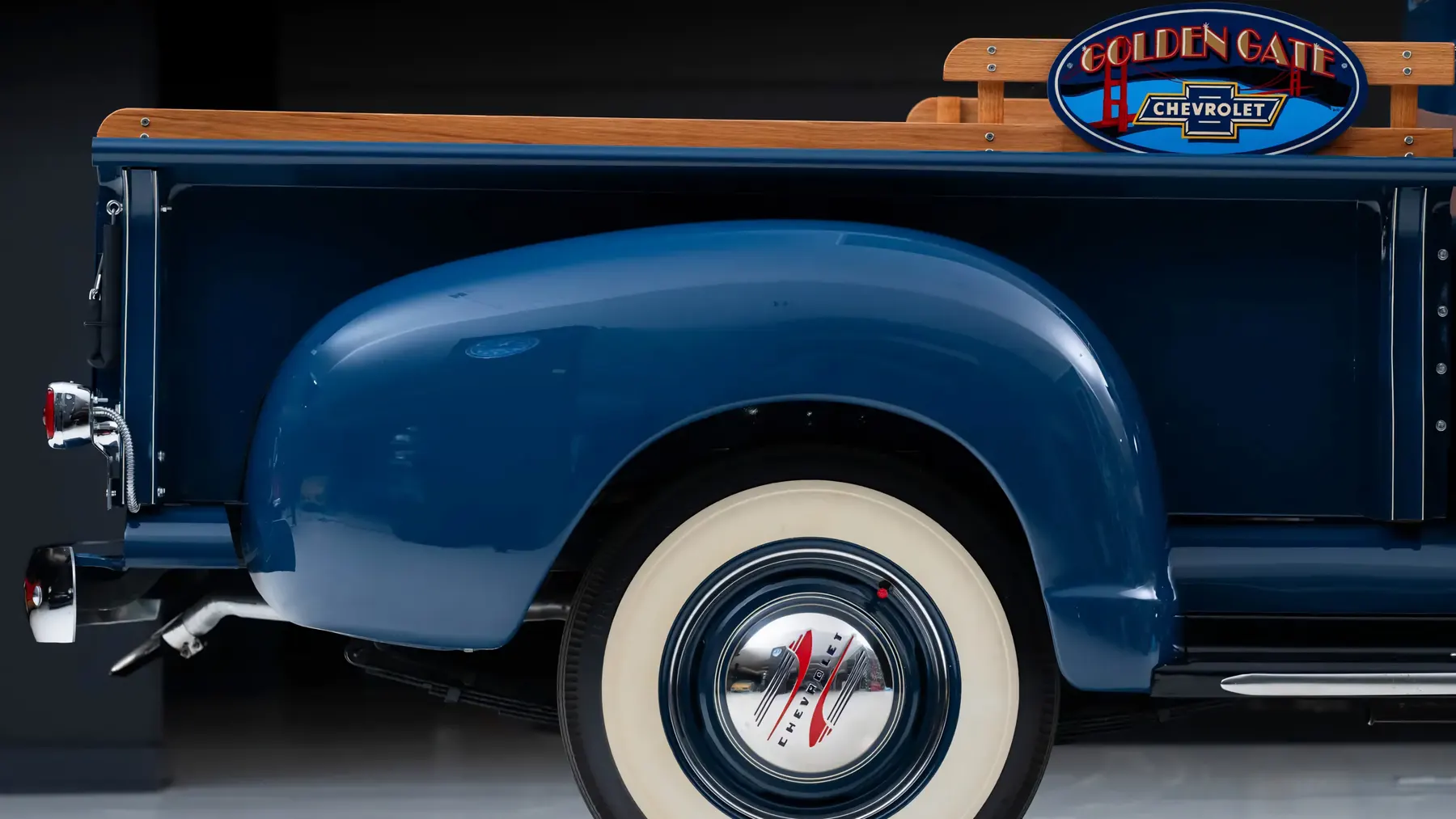
The 3100’s appeal wasn’t just about looks. Practical features made it an indispensable tool for its owners. The wider and deeper cargo beds provided ample space for hauling everything from farm produce to construction materials. Integrated stake pockets allowed users to add wooden side panels for taller loads – versatility that workers appreciated.
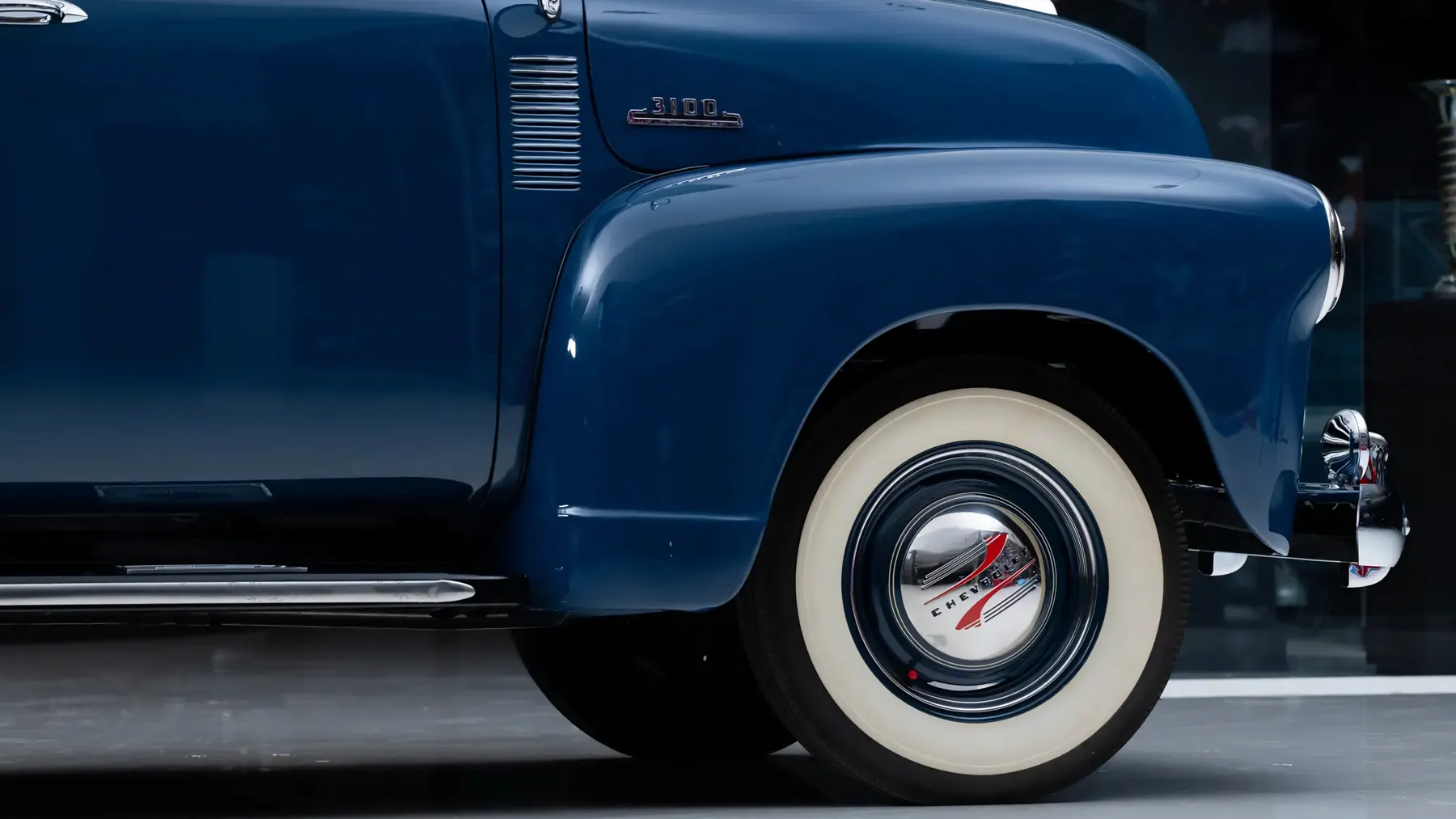
For the first time in Chevrolet truck history, buyers could select from an extensive options list. Available extras included heaters, defrosters, and a variety of factory paint colors that allowed for personalization beyond the purely utilitarian. This approach to truck design – blending practicality with comfort and style – helped establish the foundation for today’s pickup market.
The public embraced the 3100 with enthusiasm rarely seen in the automotive world. In its first year alone, Chevrolet sold an impressive 259,533 trucks. Sales continued climbing through the late 1940s, eventually surpassing 440,000 units in 1950. During peak production years, Chevrolet moved over 500,000 trucks annually – staggering numbers that solidified the 3100’s place in American culture.
Today, the Chevrolet 3100 enjoys an almost mythical status among collectors and enthusiasts. Its distinctive design appears in countless films, television shows, and music videos, often symbolizing Americana and a simpler time. The truck’s enduring appeal has attracted celebrity owners including Jay Leno, who maintains a meticulously restored 1953 model.
The collector market reflects this continued fascination. Current values for these trucks continue to rise, with the Hagerty Value Rating for 1955-59 models increasing from 50 to 64, indicating above-average market interest. These trucks haven’t slipped below average market value since May 2017 – remarkable staying power for a vehicle from this era.
Even more fascinating is how the 3100 has inspired modern interpretations. Companies like Kindred Motorworks now offer electric conversions of the classic 1947-1953 models, combining vintage aesthetics with zero-emission powertrains. These modern reimaginings demonstrate how the 3100’s design language remains relevant even as automotive technology evolves.
The Chevrolet 3100 wasn’t just a truck – it was a defining product that helped shape post-war America and established design principles that influenced vehicles for decades to come. Its legacy lives on through preserved originals, loving restorations, and the unmistakable silhouette that continues to turn heads more than 70 years after its introduction.
Join the discussion
Comments
Loading comments…
Leave a comment
Share a detail, memory, or perspective. Every comment is reviewed before publication.