1953 Rolls-Royce Silver Dawn Drophead Coupé by Park Ward

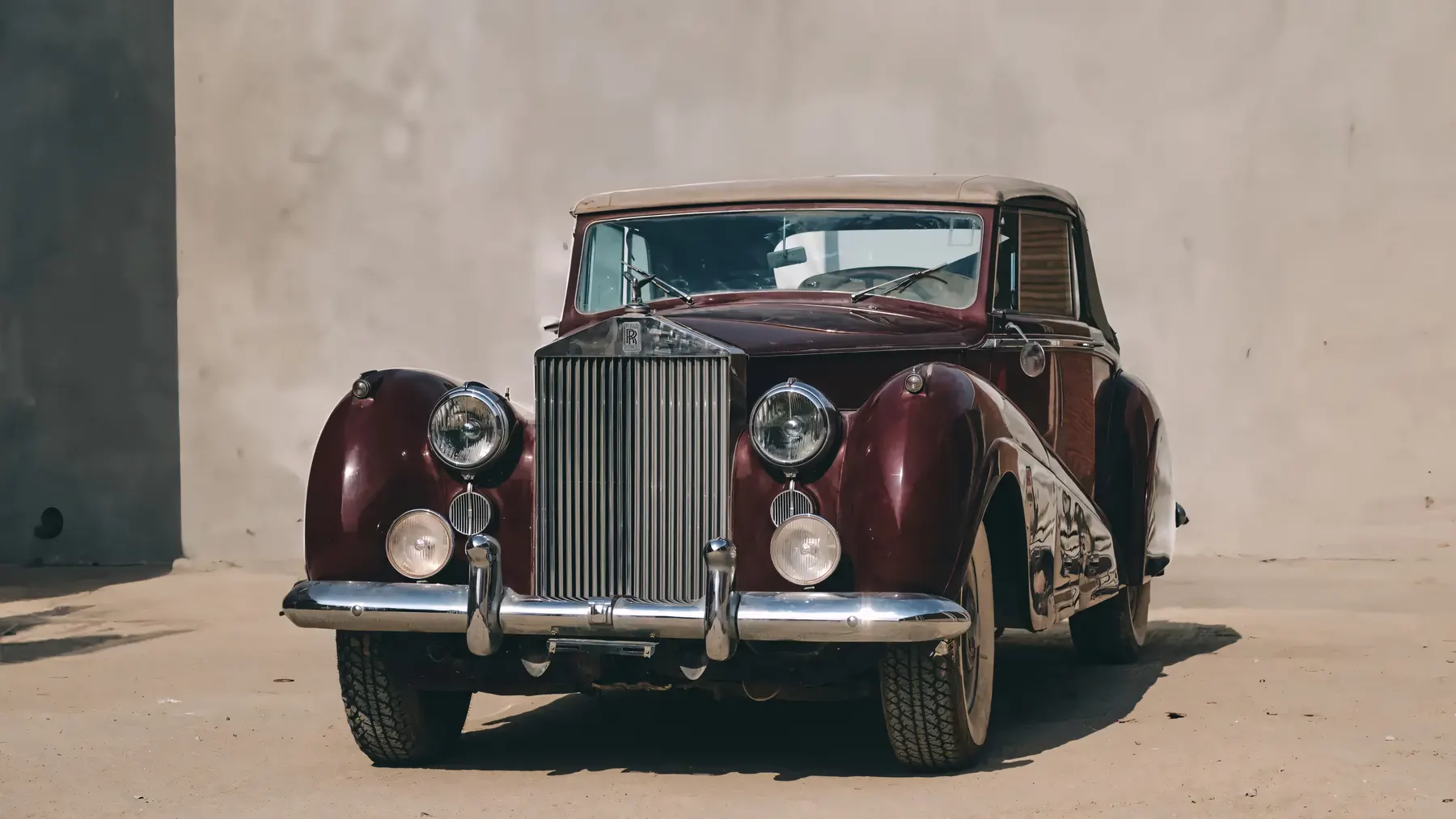
In the austere years following World War II, the Rolls-Royce Silver Dawn Drophead Coupé by Park Ward emerged as a beacon of automotive opulence, blending the marque’s engineering rigor with bespoke coachbuilding artistry. Introduced in 1949, the Silver Dawn marked Rolls-Royce’s cautious embrace of modernity, offering factory-built bodies for the first time while reserving a select few chassis for elite coachbuilders like Park Ward. The Drophead Coupé variant, a convertible grand tourer cloaked in understated grandeur, became a symbol of postwar resurgence,a machine equally at home on the Riviera’s sun-drenched roads or London’s ceremonial avenues.
The Silver Dawn arrived during a transformative period for Rolls-Royce. As Europe rebuilt, the company sought to balance tradition with innovation. The Silver Dawn shared its platform with the Bentley Mark VI, featuring a standardized steel body to streamline production. Yet Rolls-Royce reserved a handful of chassis for coachbuilders, ensuring continuity with its prewar legacy of bespoke craftsmanship. Park Ward, renowned for its elegant designs, transformed these chassis into Drophead Coupés,convertibles that married functionality with exclusivity.
Initially an export-only model, the Silver Dawn catered to affluent American and European buyers craving luxury in a postwar world. By 1953, it reached British shores, its refined aesthetics and engineering updates reflecting Rolls-Royce’s gradual modernization. Only 760 Silver Dawns were built, with coachbuilt examples like Park Ward’s Drophead Coupé representing a fraction of that total.
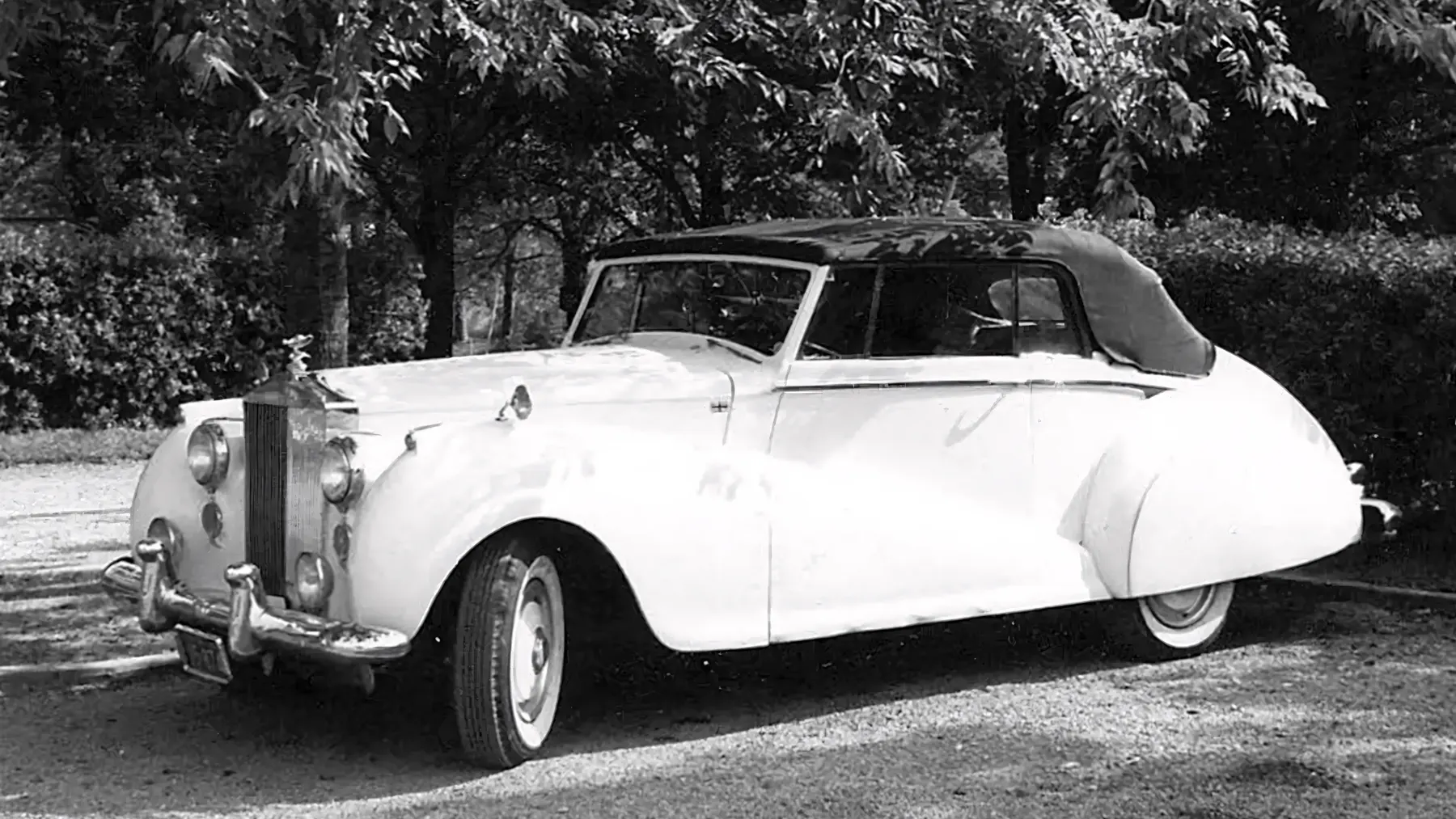
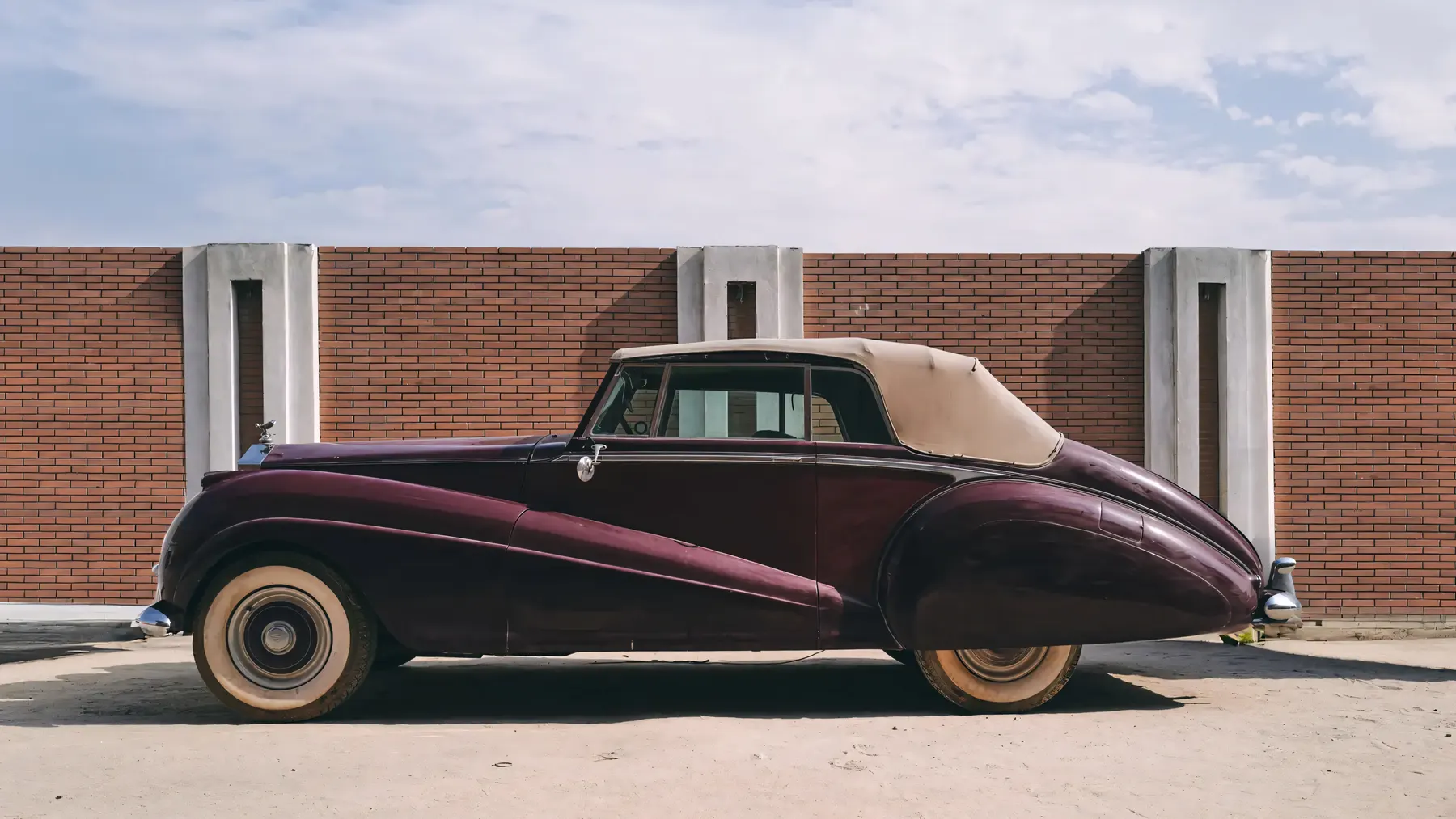
Park Ward’s interpretation of the Silver Dawn was a study in harmonious proportion. The Drophead Coupé’s design avoided ostentation, favoring flowing lines that extended from the rounded front fenders to the gently tapered rear. A power-operated fabric roof folded neatly beneath a metal tonneau, preserving the car’s sleek silhouette when lowered. Lightweight construction techniques, including alloy body panels, enhanced performance without sacrificing durability,a nod to Park Ward’s engineering acumen.
The interior epitomized restrained luxury. Sumptuous leather upholstery, hand-polished walnut dashboards, and Wilton carpeting adorned the cabin. Practical innovations like Sundym tinted glass reduced glare, while optional amenities such as air conditioning and dual exhaust systems catered to transcontinental comfort. The dashboard, initially unique to Rolls-Royce, later adopted Bentley-inspired instrumentation, blending classic readability with modern functionality.
Beneath the bonnet lay Rolls-Royce’s venerable 4.3-liter inline-six engine, upgraded to 4.6 liters in 1951. Featuring overhead inlet valves and a side-exhaust configuration, it produced 130 horsepower and 220 lb-ft of torque,modest by today’s standards, but ample for effortless cruising. Paired with a four-speed manual or optional automatic transmission, the engine delivered power with the marque’s trademark silence, a hallmark of Rolls-Royce’s “magic carpet” ride quality.
Independent front suspension and semi-elliptic leaf springs at the rear ensured a plush yet composed drive. Testing by The Motor in 1954 recorded a top speed of 94 mph and a 0-60 mph sprint in 15.2 seconds,respectable figures for a car weighing over 4,000 pounds. Fuel efficiency, at 15.4 mpg, underscored its grand touring intent rather than economy.
The Drophead Coupé’s rarity defined its allure. Park Ward’s coachbuilt examples were commissioned by magnates and tastemakers, each tailored to the owner’s specifications. Unique features abounded: dual fog lamps, custom paint schemes, and bespoke interior configurations. Left-hand-drive models, often destined for Hollywood elites or European aristocracy, were particularly scarce, their production reflecting postwar economic realities.
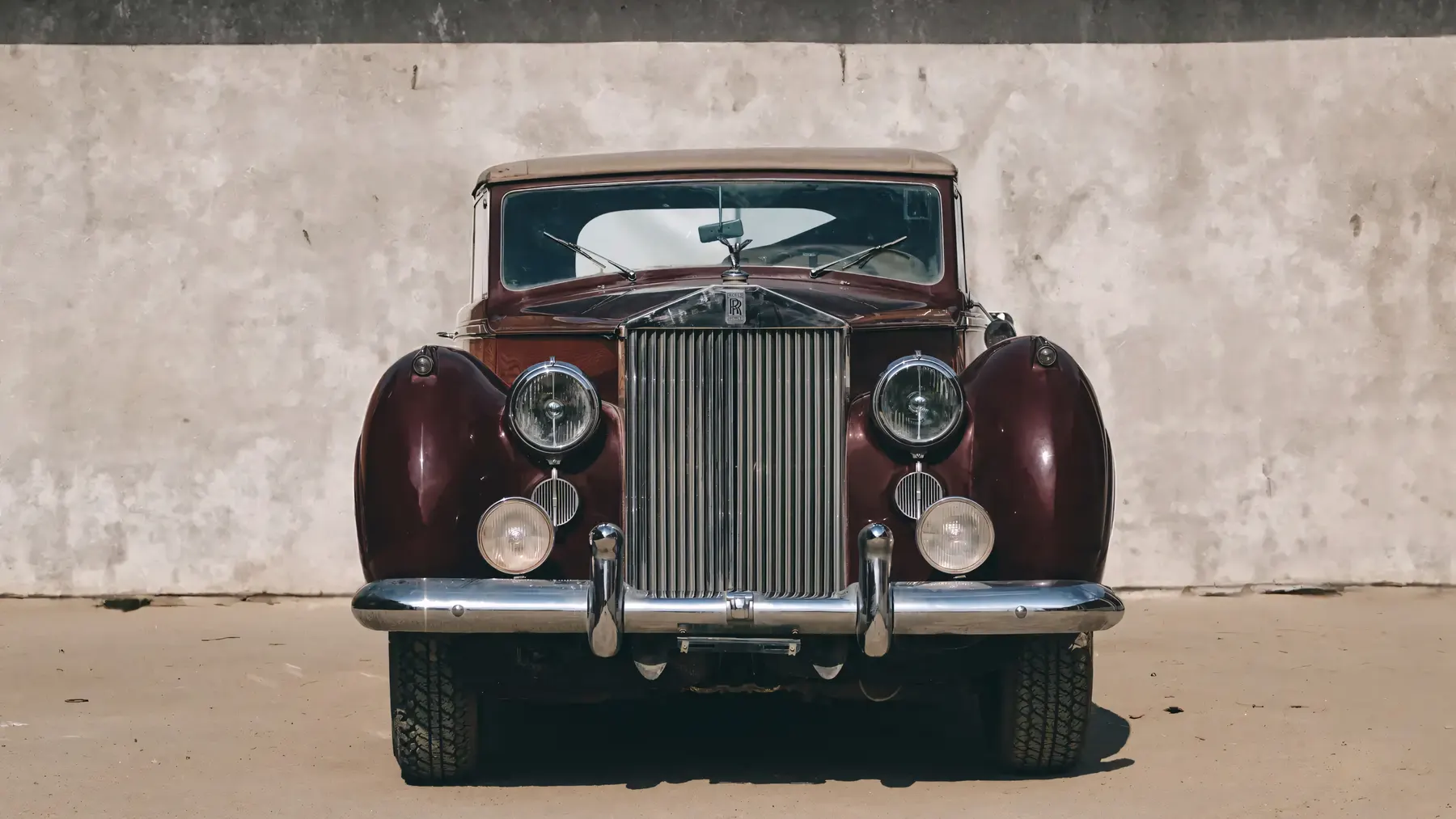
Technical innovations, such as the transition from riveted to welded chassis in 1953, highlighted Rolls-Royce’s incremental modernization. Later models featured twin exhaust systems and a revised camshaft, enhancing both performance and refinement. These details, subtle yet significant, underscored the Silver Dawn’s role as a bridge between prewar craftsmanship and postwar innovation.
Upon its debut, the Silver Dawn Drophead Coupé captivated a niche audience. Wealthy buyers appreciated its blend of exclusivity and practicality, while critics praised its refined dynamics. However, its high cost,nearly £4,700 in 1954, equivalent to over £150,000 today,limited its appeal to the upper echelons of society.
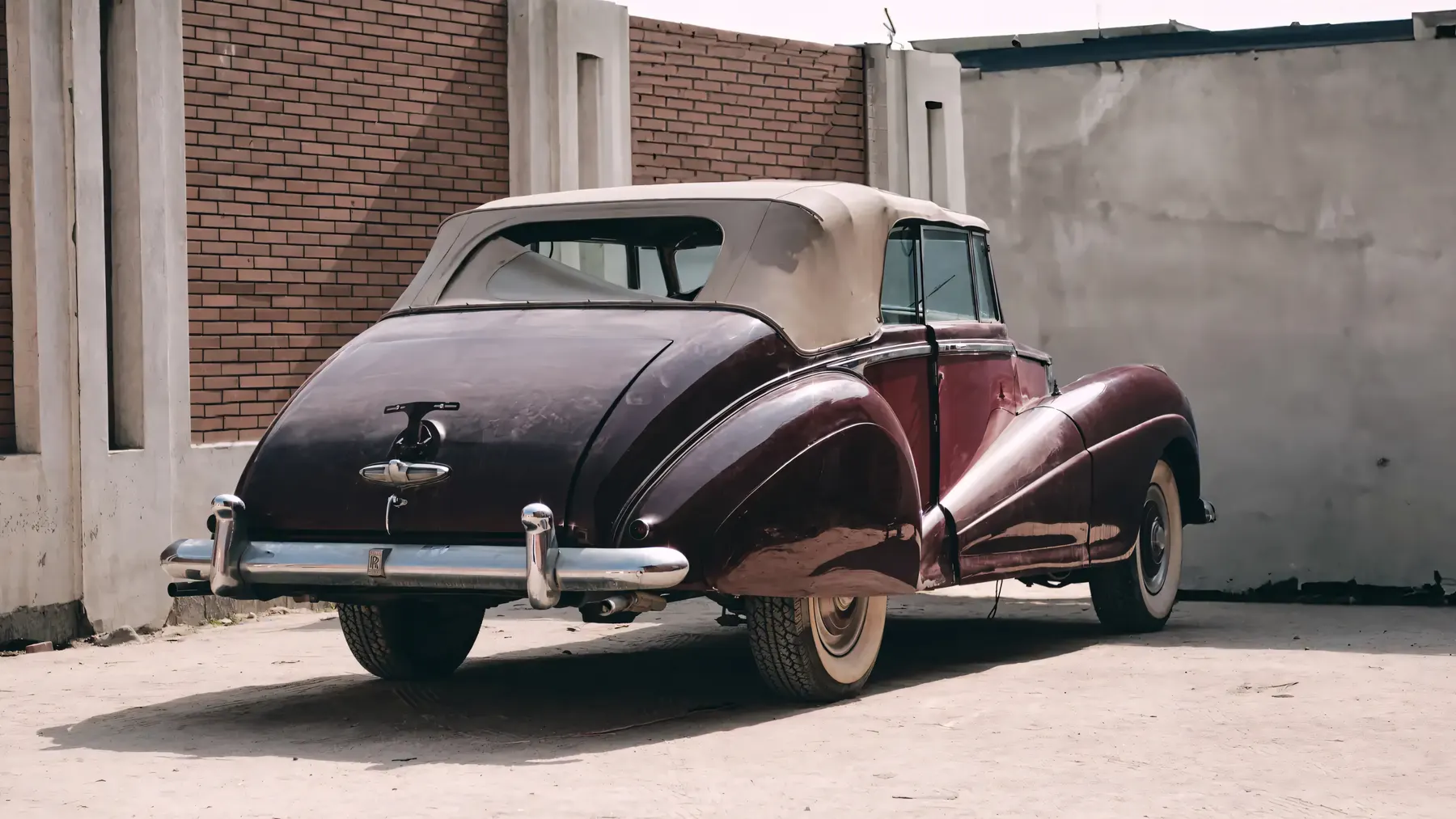
Decades later, the model’s reputation has soared. Collectors prize its rarity and historical significance, with pristine examples commanding seven-figure sums at auction. Concours d’elegance frequently showcase the Drophead Coupé, celebrating its timeless design and narrative of postwar resilience. Survivors often retain original features, from factory-correct upholstery to period-specific mechanical components, offering restorers a canvas to revive automotive history.
The Silver Dawn Drophead Coupé by Park Ward represents the twilight of coachbuilt luxury. As the automotive industry shifted toward mass production, this model stood as a final homage to handcrafted elegance. Its legacy influenced successors like the Silver Cloud, which embraced unitary construction but retained the Dawn’s ethos of understated grandeur.
For enthusiasts, the Drophead Coupé embodies a dual legacy: a machine of its time, yet timeless in its appeal. It is a testament to Rolls-Royce’s unwavering commitment to excellence and Park Ward’s artistry,a collaboration that transformed postwar constraints into a celebration of automotive beauty. In an age of disposable design, the Silver Dawn remains a poignant reminder that true luxury lies not in excess, but in the meticulous balance of form, function, and heritage.
Join the discussion
Comments
Loading comments…
Leave a comment
Share a detail, memory, or perspective. Every comment is reviewed before publication.