1953 Siata 208S Spider by Motto

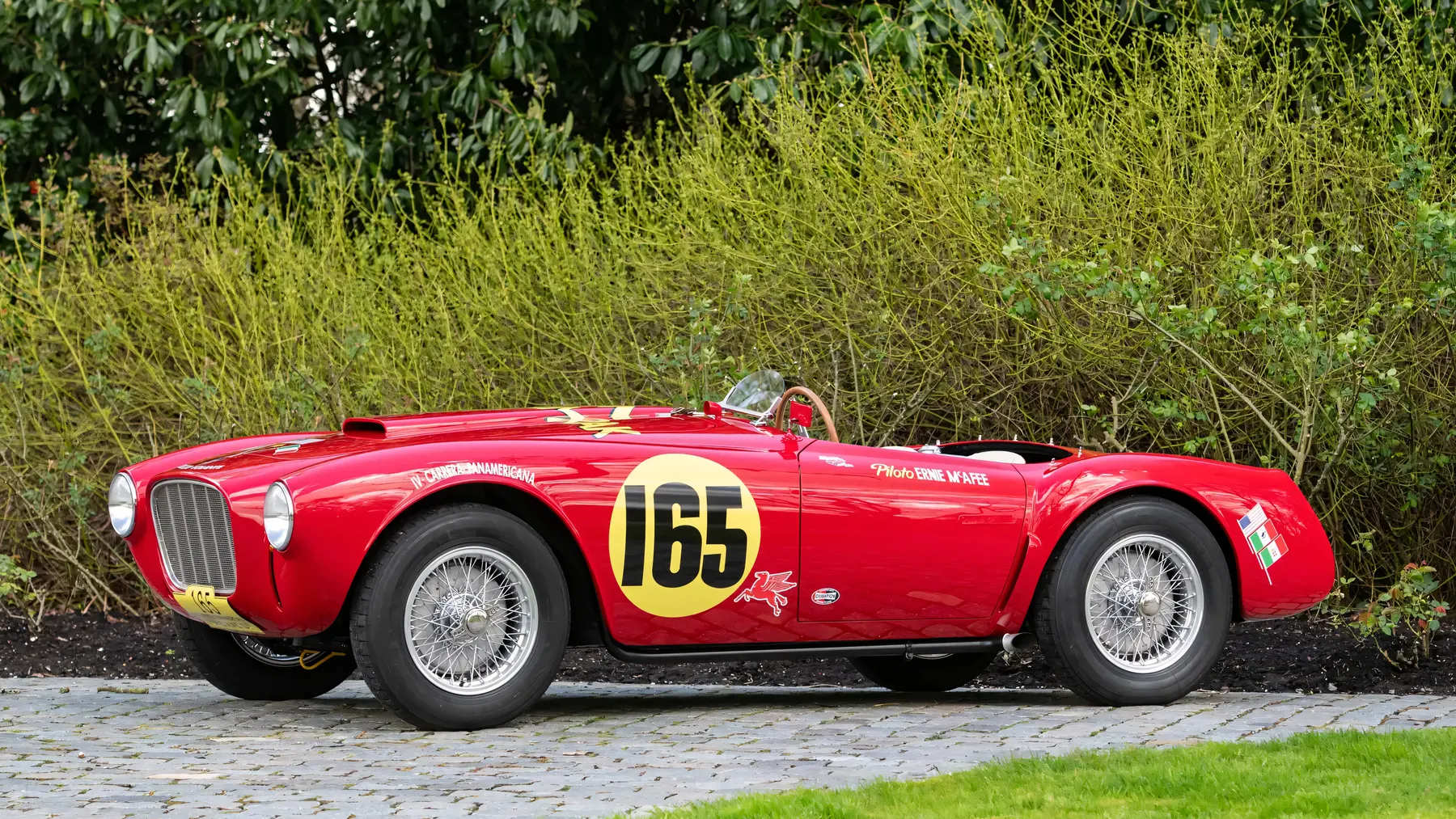
In the mid-1950s, a young Steve McQueen, then an aspiring actor and avid racer, acquired a sleek Italian sports car from a Los Angeles dealer. This machine, a Siata 208S Spider by Motto, became so cherished that McQueen famously rebadged it with Ferrari emblems, dubbing it his “Little Ferrari.” Beyond Hollywood allure, this anecdote underscores the 208S Spider’s magnetic blend of performance and style,a vehicle so captivating it could masquerade as a prancing horse while embodying the soul of Italian craftsmanship.
Born in 1952 from the collaboration between Siata (Società Italiana Auto Trasformazioni Accessori) and Fiat, the 208S Spider emerged during a renaissance in European automotive design. Siata, known for reengineering Fiat platforms, leveraged the advanced Tipo 104 engine from the Fiat 8V,a 2.0-liter, all-aluminum V-8 with dual overhead camshafts and hemispherical combustion chambers. This powerplant, producing 125 horsepower, was a marvel of postwar engineering, offering a blend of efficiency and vigor rare for its era. Partnering with designer Giovanni Michelotti and coachbuilder Rocco Motto, Siata clothed the 208S in lightweight aluminum bodywork, merging aerodynamic precision with aesthetic grace. Only 35 examples were crafted, each a testament to bespoke artistry and technical ambition.
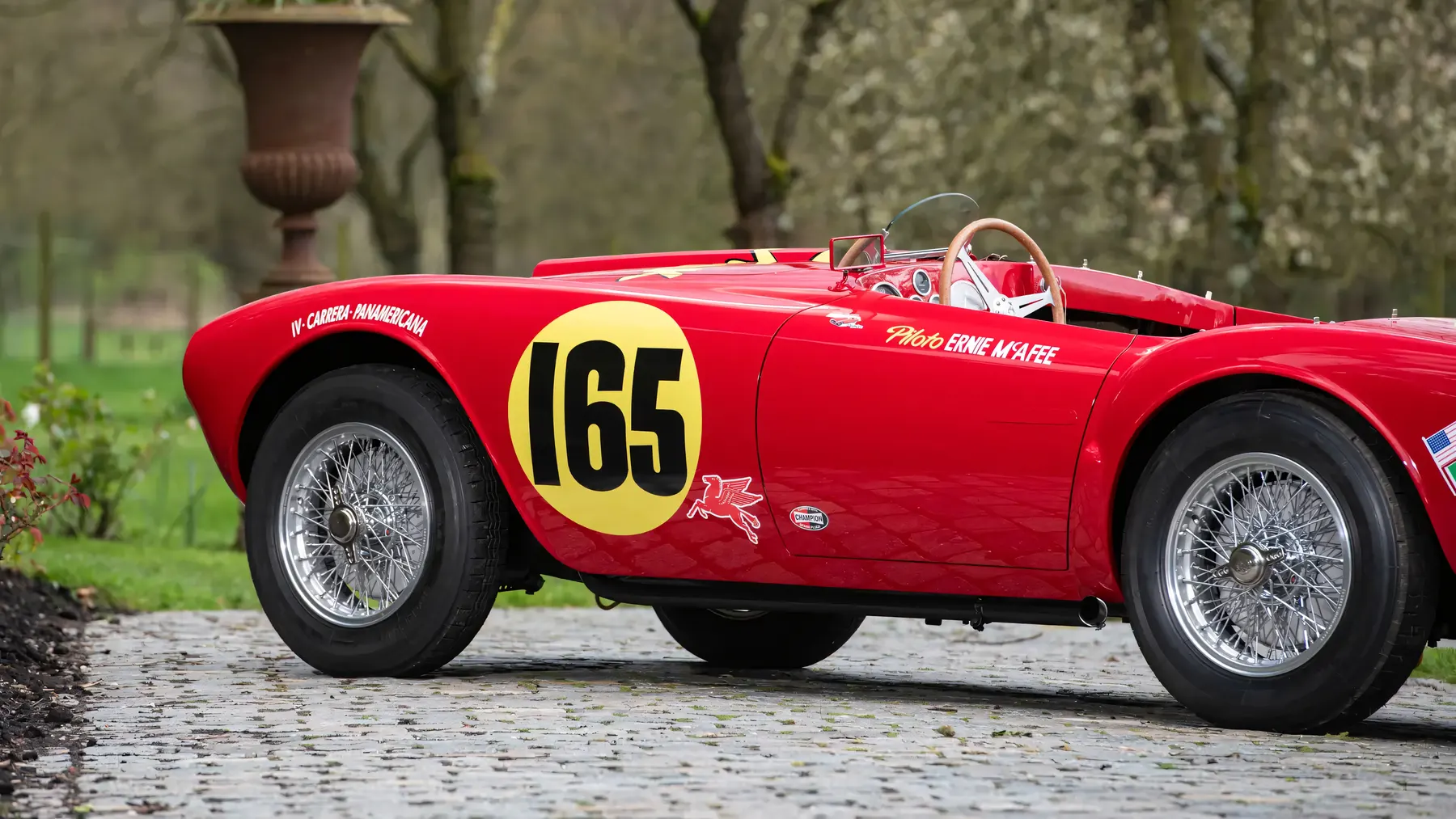
Michelotti’s design language for the 208S Spider was both purposeful and poetic. The car’s low-slung profile, recessed grille, and fluid fender lines exuded motion even at rest. Motto’s hand-formed aluminum panels reduced weight while enhancing structural rigidity, a critical advantage for racing. Beneath the skin, the 208S boasted advanced independent suspension on all four wheels,a rarity in the early 1950s,that granted exceptional handling. The Fiat-derived V-8, paired with a five-speed manual transmission in competition models, propelled the car to a top speed of 124 mph, with Road & Track recording a 0-60 mph time of 12.4 seconds. These figures placed it among the era’s elite, rivaling offerings from Ferrari and Porsche.
The 208S Spider was conceived for motorsport’s golden age. It excelled in grueling events like Mexico’s Carrera Panamericana and North America’s SCCA races, where its lightweight chassis and robust drivetrain made it a favorite among privateers. The car’s agility and reliability in endurance racing underscored Siata’s engineering ethos: to create vehicles that transitioned seamlessly from road to track. This dual-purpose capability not only cemented its reputation but also showcased Italy’s burgeoning influence in global motorsport, bridging artisanal craftsmanship with cutting-edge performance.
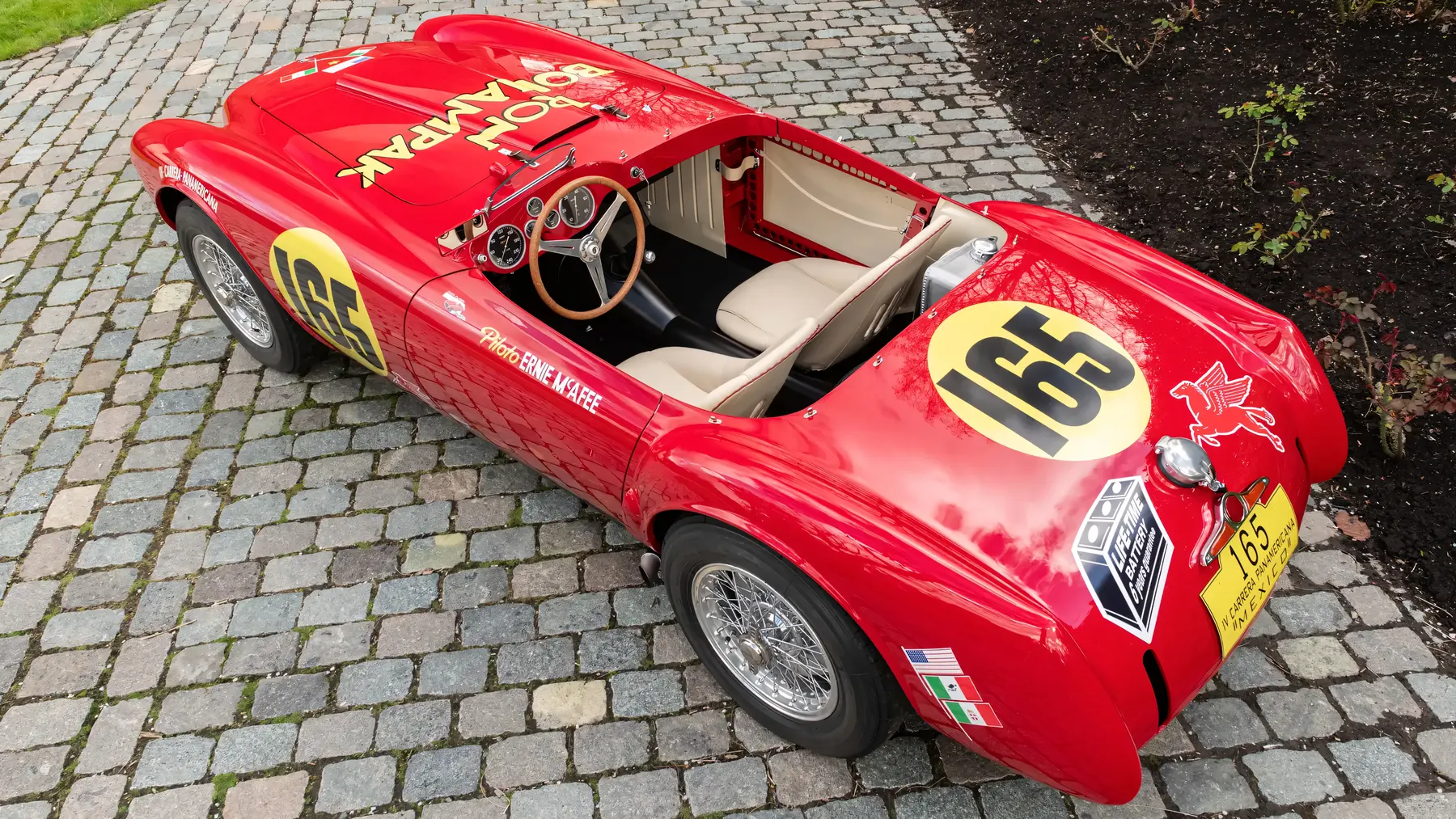
With merely 35 units produced, the 208S Spider is a pinnacle of exclusivity. Each example was tailored to its owner, featuring variations in aerodynamic tweaks, liveries, and mechanical setups. Surviving models often retain period-correct details,drilled lightweight components, original instrumentation, and Motto’s signature coachwork,making them treasures in concours circles. Restorations prioritize authenticity, guided by archival records to preserve historical integrity, from engine stampings to hand-riveted body panels. Today, these cars command reverence at events like Pebble Beach and the Mille Miglia, symbols of a bygone era when rarity and artistry defined automotive desire.
The 208S Spider transcended its role as a mere race car. It graced magazine covers, becoming a muse for designers and a symbol of Italy’s postwar resurgence. Michelotti’s work on the 208S foreshadowed his later legends, including the Triumph Spitfire and BMW 2002. Meanwhile, McQueen’s ownership added a layer of Hollywood legend, amplifying its mystique. More broadly, the car epitomized a moment when small Italian marques, through ingenuity and passion, could challenge automotive titans.
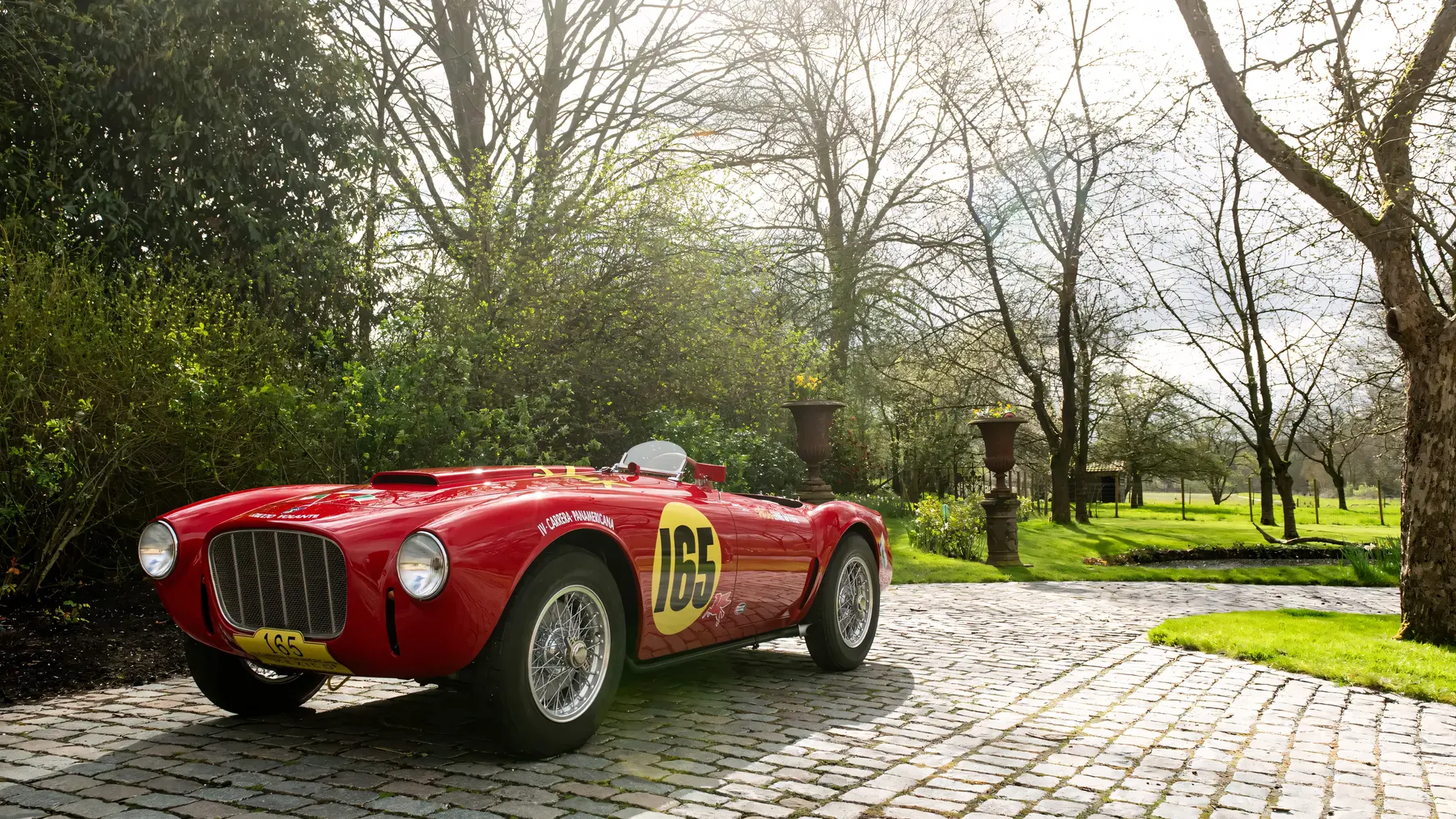
The Siata 208S Spider by Motto remains a touchstone of midcentury automotive brilliance. Its fusion of artistic design, technical innovation, and racing prowess captures the essence of an era where every curve and component told a story. For collectors and enthusiasts, it represents not just a vehicle, but a portal to a time when speed, beauty, and craftsmanship converged,a testament to Italy’s enduring love affair with the automobile.
Join the discussion
Comments
Loading comments…
Leave a comment
Share a detail, memory, or perspective. Every comment is reviewed before publication.