1954 Volkswagen Beetle 'Oval-Window' Coupe

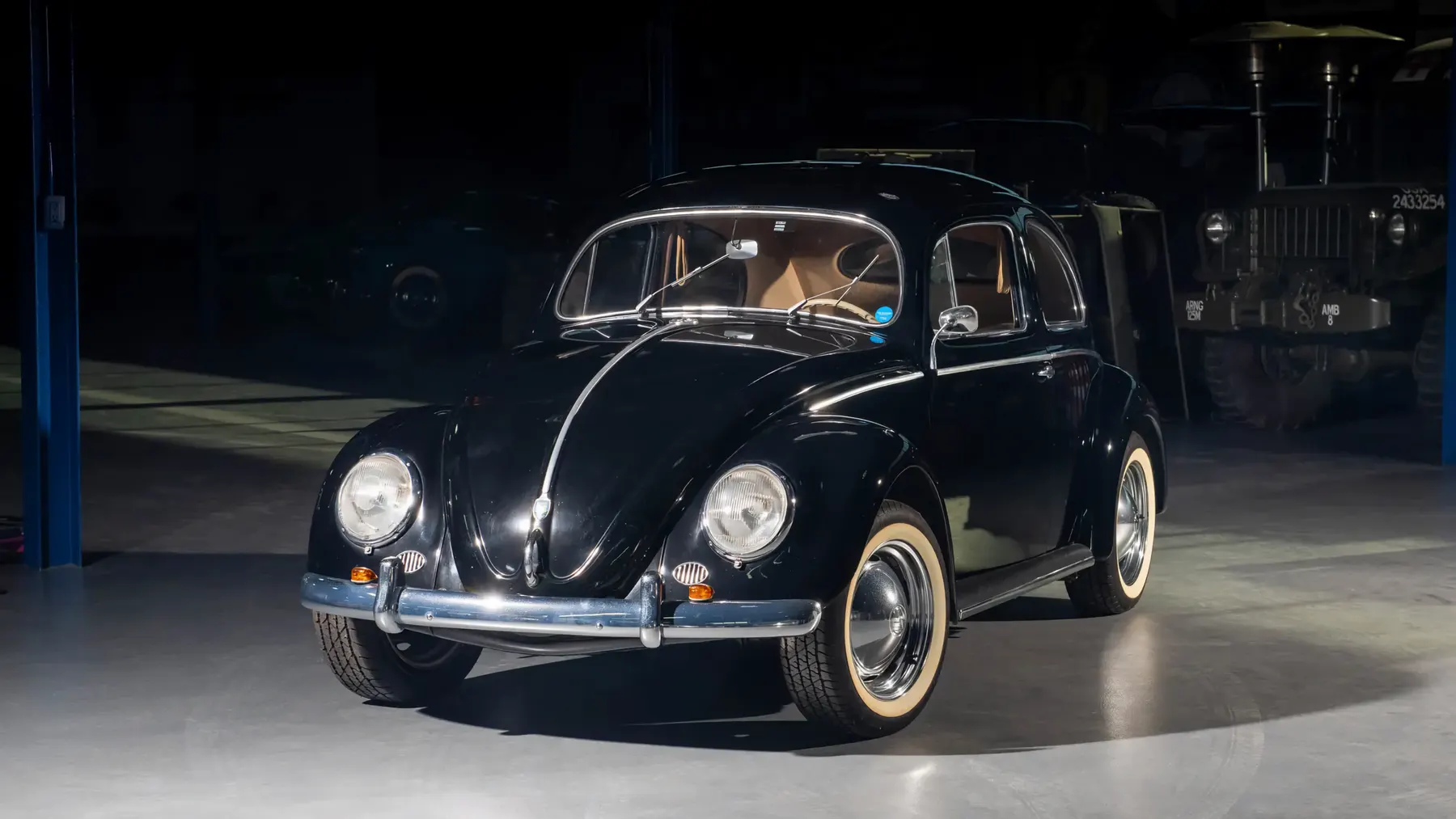
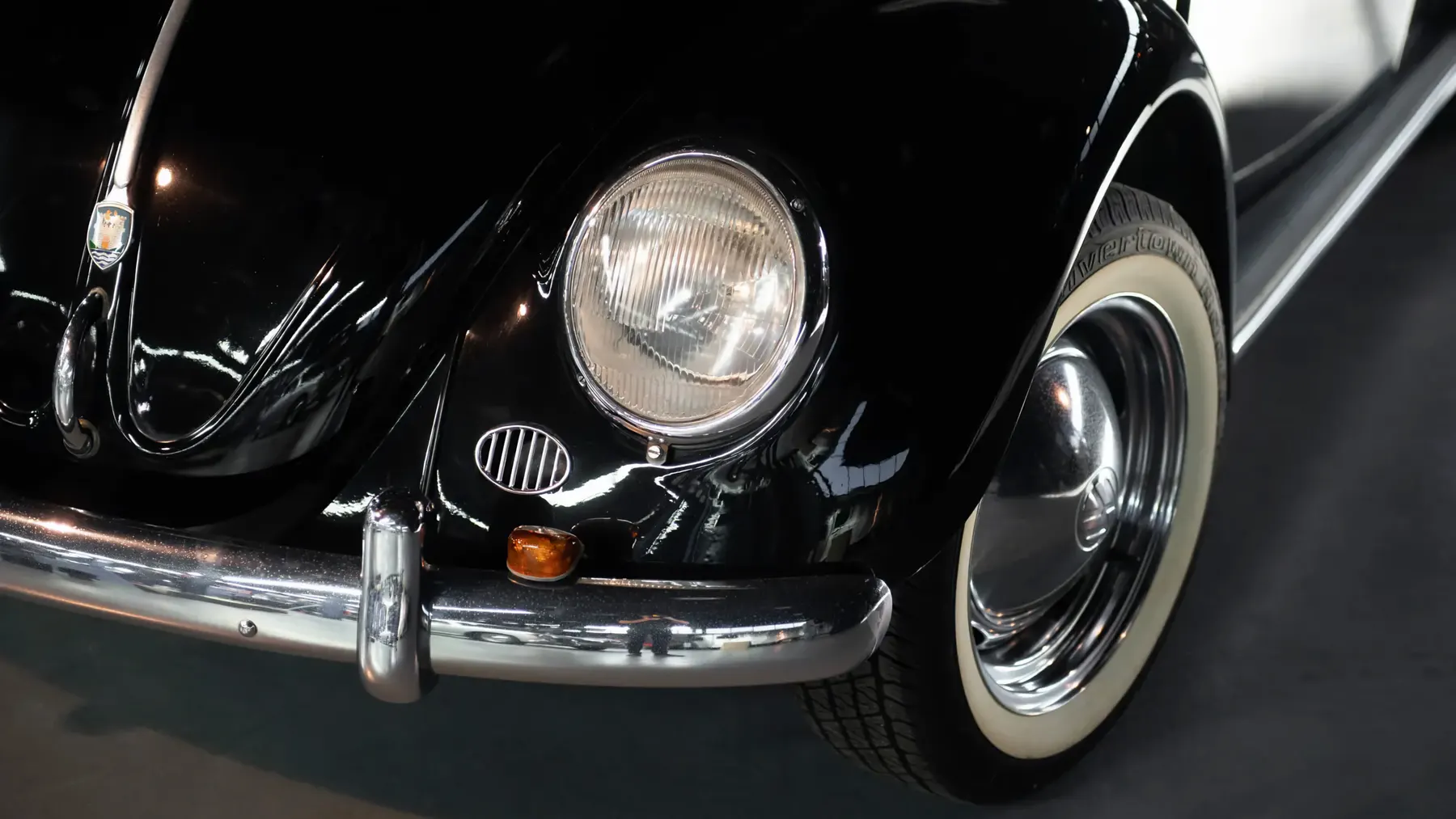
When Ferdinand Porsche’s team redesigned the Beetle’s rear window in March 1953, they created what would become one of the most cherished and collectible variants in automotive history. The Oval-Window Beetle represents a crucial evolutionary step that transformed the already revolutionary Type 1 into something even more special, bridging the gap between the quirky pre-war split-window design and the more modern iterations that would follow.
The timing of this transformation couldn’t have been more perfect. By 1953, Volkswagen had already established the Beetle as a viable post-war success story, but the original split rear window design had always been a compromise. The dual-pane configuration was purely cost-driven, as manufacturing two smaller pieces of curved glass proved cheaper than producing one larger piece. However, this practical decision resulted in poor rear visibility that frustrated drivers and highlighted the need for improvement.
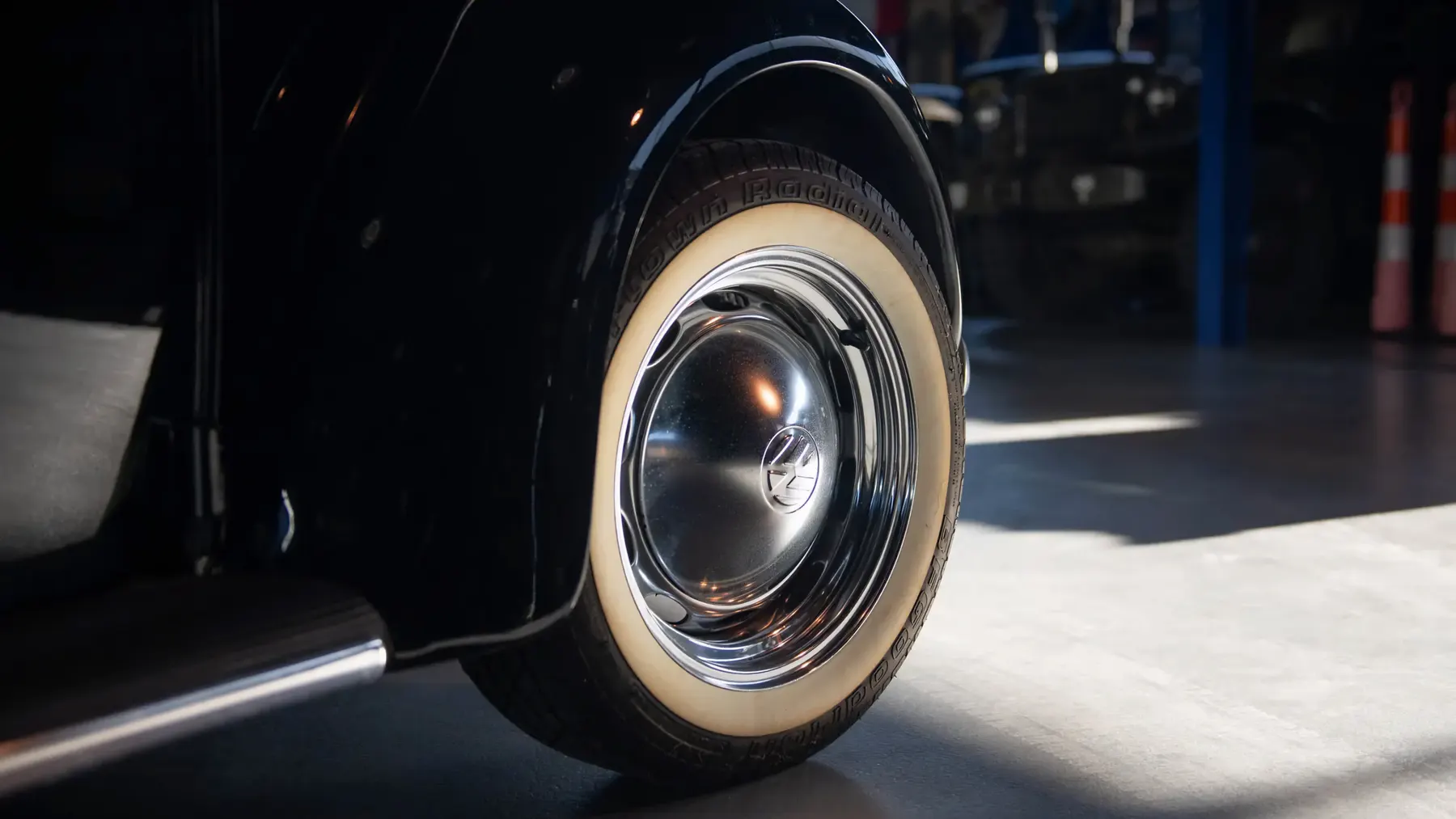
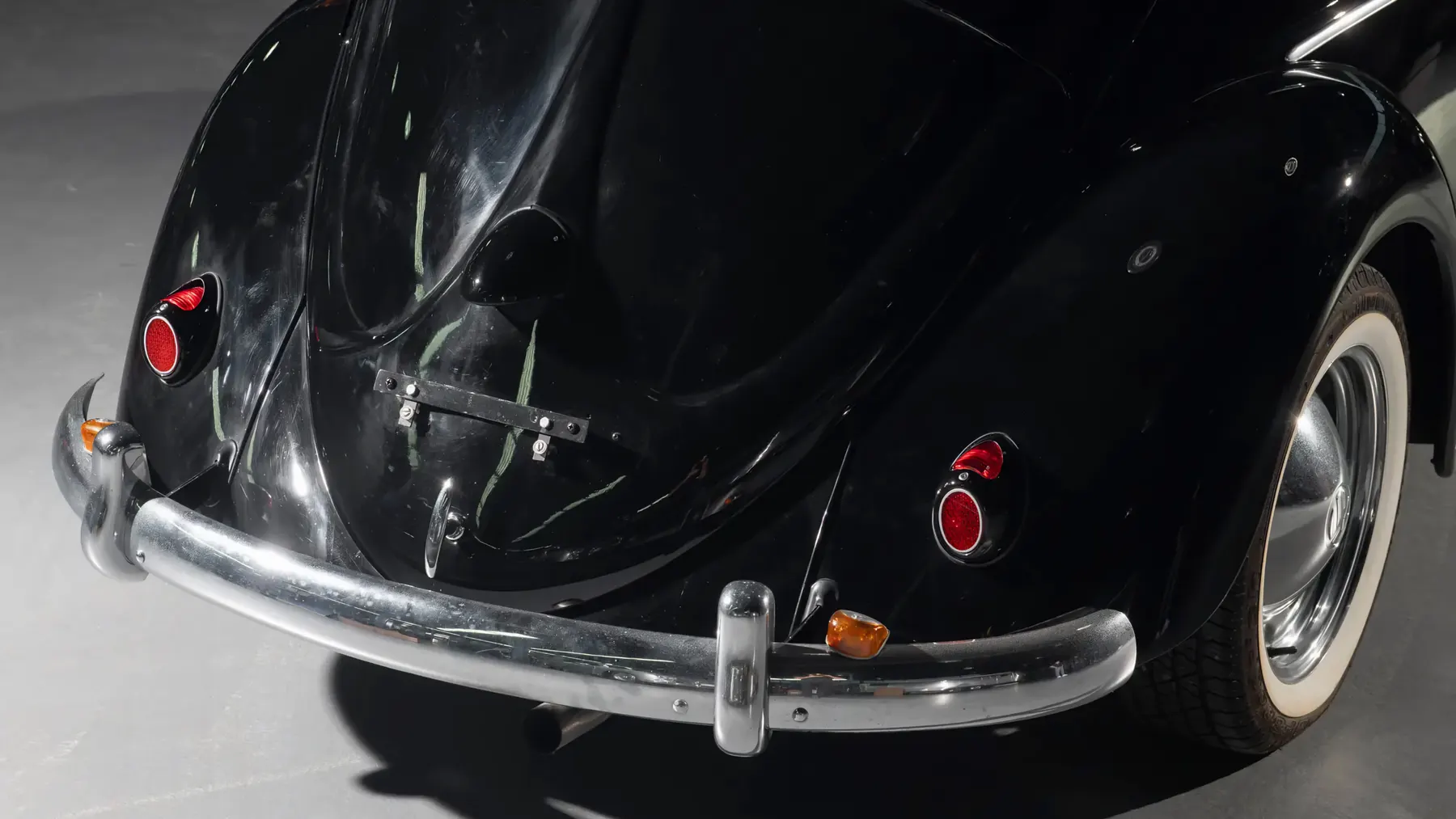
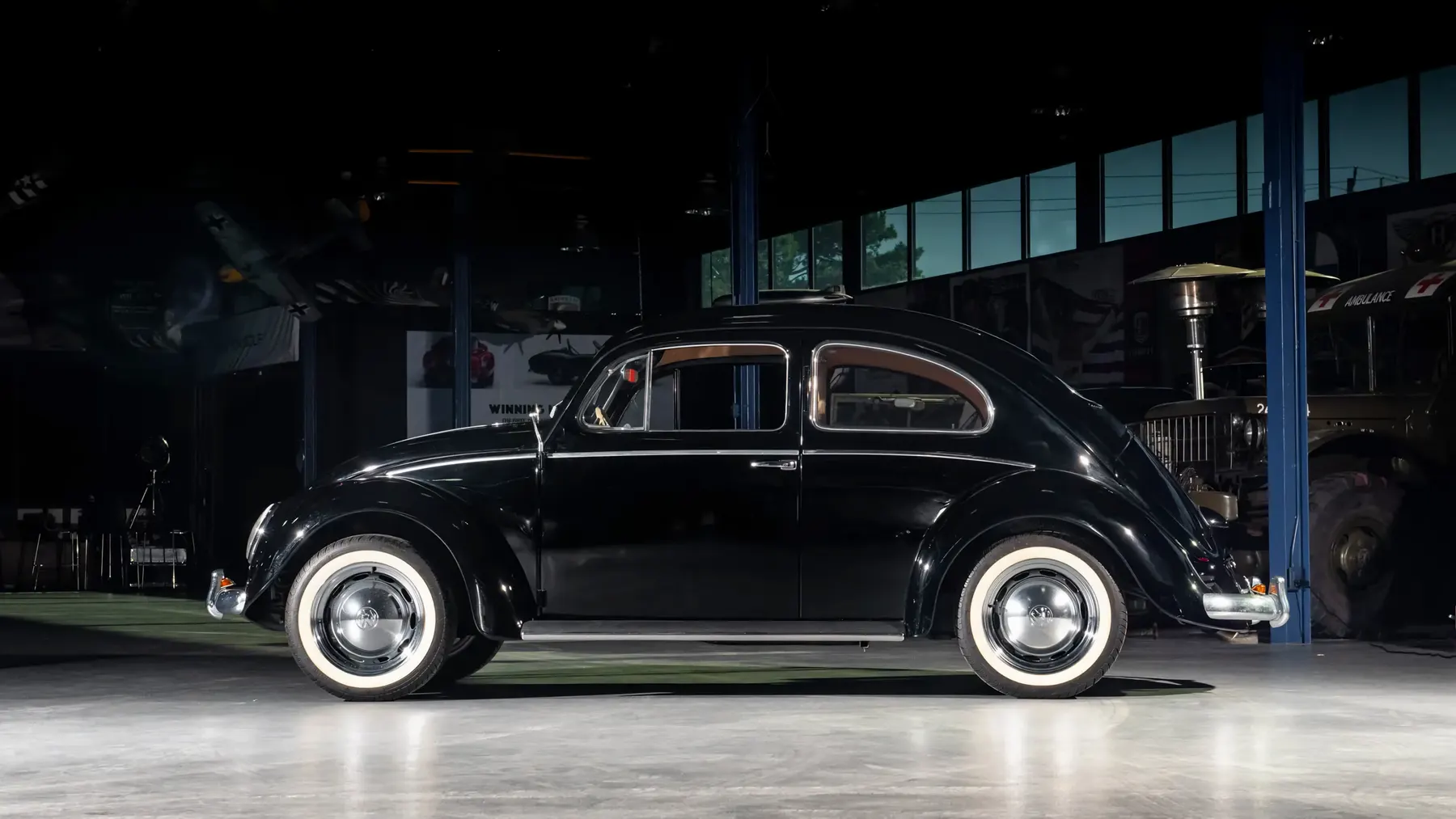
What makes the Oval-Window Beetle so compelling from a design perspective is how seamlessly Volkswagen managed the transition. The new single-piece oval rear window was 23% larger than the previous split design, dramatically improving visibility while maintaining the Beetle’s distinctive silhouette. The oval shape itself became an instant classic, creating a perfect harmony with the car’s rounded bodywork that seemed almost organic in its integration.
The design team understood that this wasn’t merely about replacing glass; it was about refining one of the most recognizable shapes in automotive history. The oval window complemented the Beetle’s flowing lines in a way that the split window never quite achieved, creating a more cohesive visual statement that felt both modern and timeless.
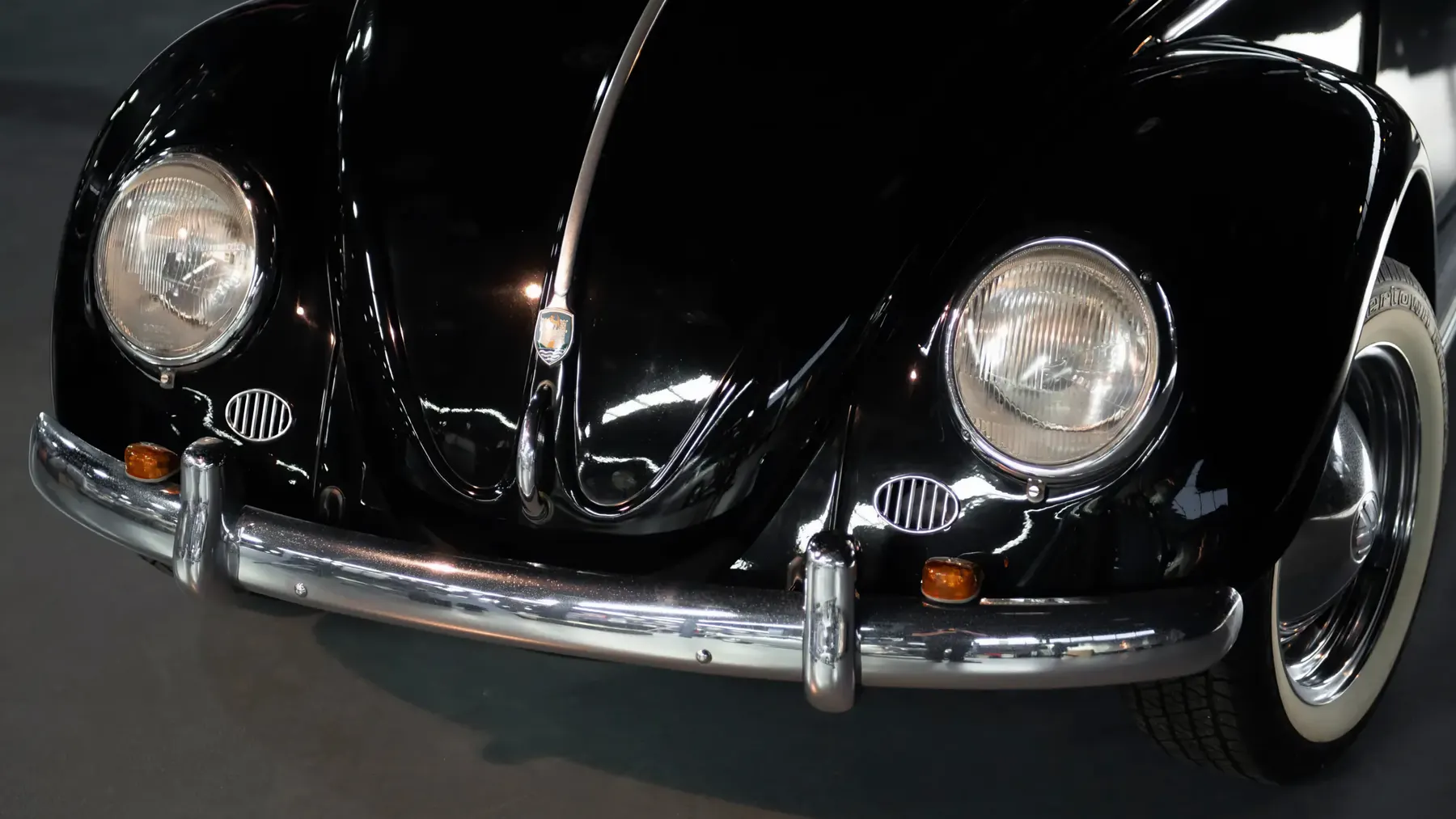
Beneath the charming exterior, Volkswagen had also refined the mechanical aspects considerably. The Oval-Window Beetles received a significant engine upgrade, with displacement increased from 1,131cc to 1,192cc. This enlargement, achieved by increasing the cylinder bore by 2mm to 77mm, resulted in a power increase from 25hp to 36hp. While these numbers might seem modest by today’s standards, they represented a substantial 20% power increase that dramatically improved the Beetle’s drivability.
The air-cooled, rear-mounted flat-four engine produced its peak power at 3,700 RPM and delivered 76 Nm of torque at 2,000 RPM. This torque curve perfectly suited the Beetle’s lightweight construction, which tipped the scales at approximately 730 kilograms. The power-to-weight ratio meant that despite the modest output, the Oval-Window Beetle could achieve a top speed of around 109 km/h and complete the 0-100 km/h sprint in approximately 30-35 seconds.
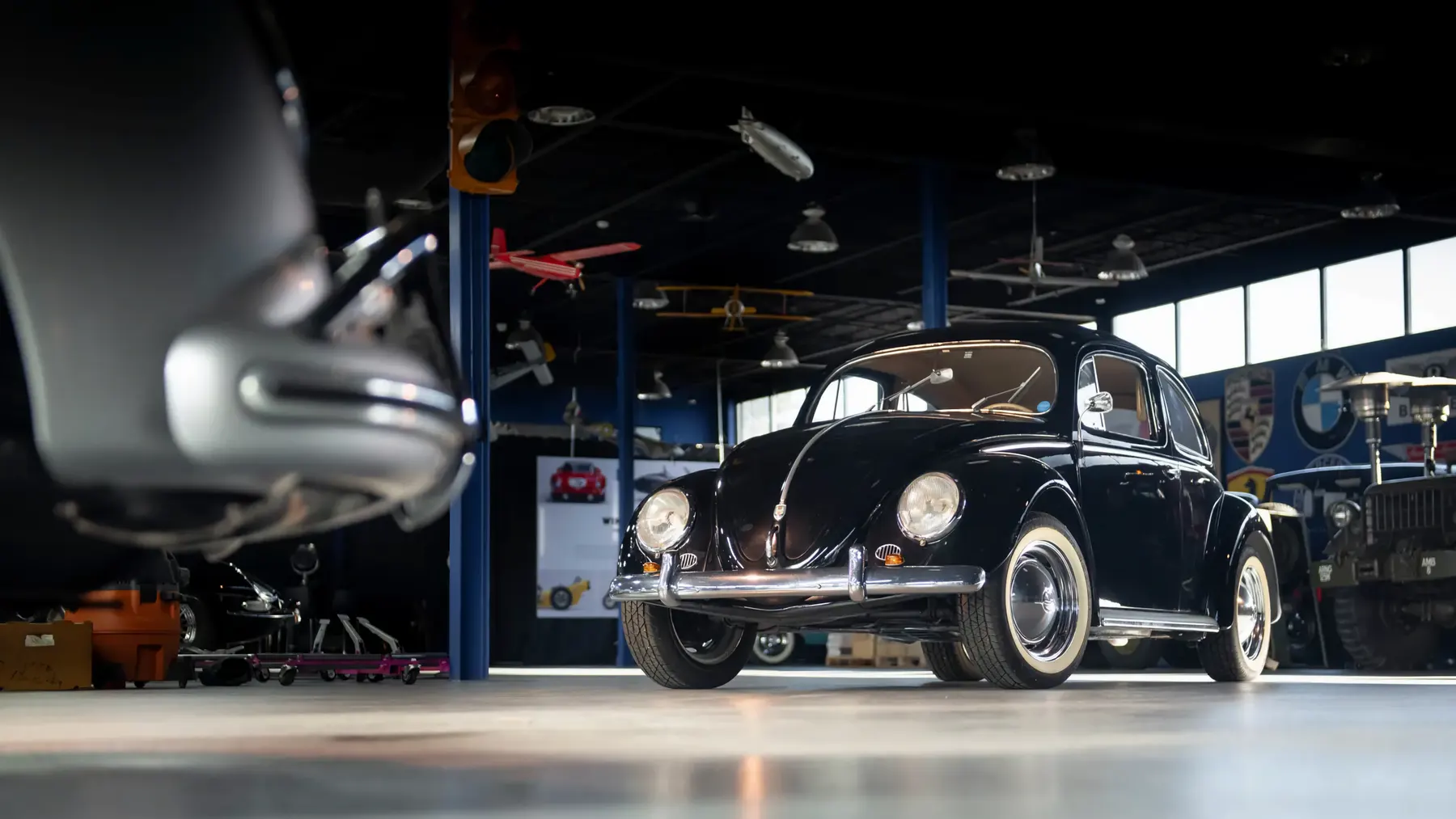
The four-speed manual transmission provided well-spaced gear ratios that made the most of the available power. Unlike many economy cars of the era, the Beetle’s transmission felt precise and engaging, contributing to the car’s reputation for being genuinely enjoyable to drive despite its utilitarian origins. The rear-wheel-drive configuration, combined with the engine’s placement over the rear axle, provided unique handling characteristics that demanded skill but rewarded drivers with a distinctive driving experience.
The Oval-Window period coincided with Volkswagen’s initial push into international markets, particularly the crucial American market. While early attempts in the late 1940s had failed due to anti-German sentiment, by the mid-1950s, the Beetle was beginning to find its footing in America. The improved visibility provided by the oval window made the car more appealing to safety-conscious consumers, while the increased power output helped address concerns about the Beetle’s ability to keep up with American traffic conditions.
The Oval-Window Beetle became the foundation for Volkswagen’s eventual cultural phenomenon in America during the 1960s. Its simple, honest design philosophy resonated with consumers who were beginning to question the excess of Detroit’s chrome-laden behemoths. The car’s reliability, fuel efficiency, and quirky charm would later make it the perfect vehicle for the counterculture movement, but its roots trace directly back to the engineering improvements implemented during the oval window era.
Volkswagen’s Wolfsburg factory had hit its stride during the Oval-Window production years. Daily production rates reached approximately 673 units by 1953, with quality control becoming increasingly sophisticated. The company’s commitment to continuous improvement meant that even within the relatively short production run from 1953 to 1957, numerous small refinements were implemented to enhance reliability and user experience.
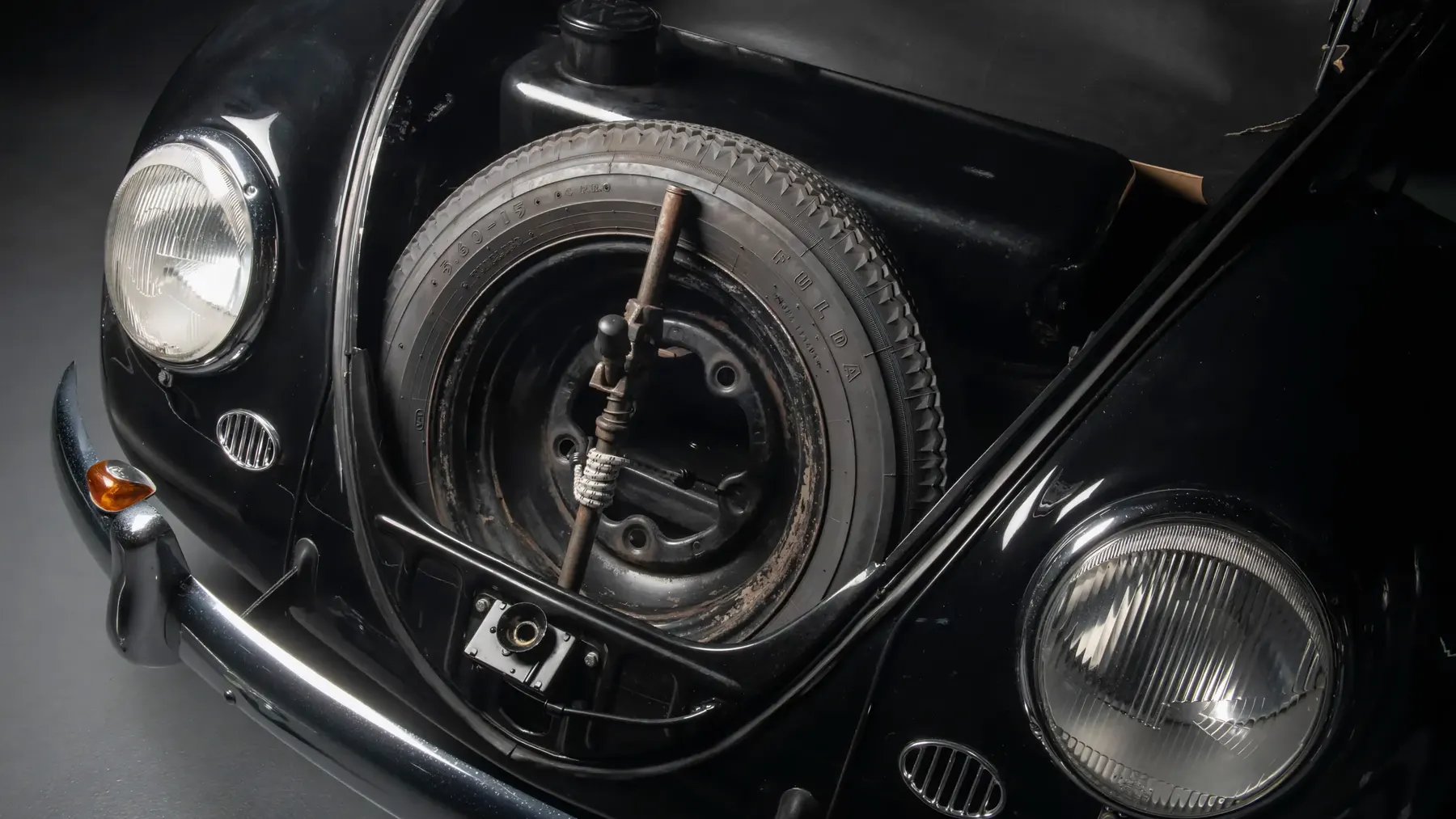
The manufacturing precision achieved during this period established benchmarks that would serve Volkswagen well throughout the Beetle’s unprecedented 65-year production run. Every component was designed for quick and inexpensive replacement, reflecting Hitler’s original vision of a people’s car that could be maintained by country doctors without access to sophisticated garage facilities.
Today, the Oval-Window Beetle holds a special place in collectors’ hearts precisely because it represents the sweet spot in Beetle evolution. With only 1,145,488 oval-window examples produced over five years, these cars are significantly rarer than later variants. They offer improved usability over the split-window models while maintaining the pure, undiluted character that would be gradually refined away in subsequent iterations.
The Oval-Window Beetle succeeded in transforming Porsche’s original vision into something more practical without sacrificing the essential character that made the design so enduring. It proved that evolutionary improvements could enhance rather than compromise automotive icons, setting the stage for the Beetle’s eventual conquest of global markets and hearts.
This remarkable period in Beetle history demonstrates how thoughtful engineering improvements, when applied to an already exceptional design, can create something truly special that resonates across generations of enthusiasts.
Join the discussion
Comments
Loading comments…
Leave a comment
Share a detail, memory, or perspective. Every comment is reviewed before publication.