1955 BMW 501 Sechszylinder Cabriolet by Baur

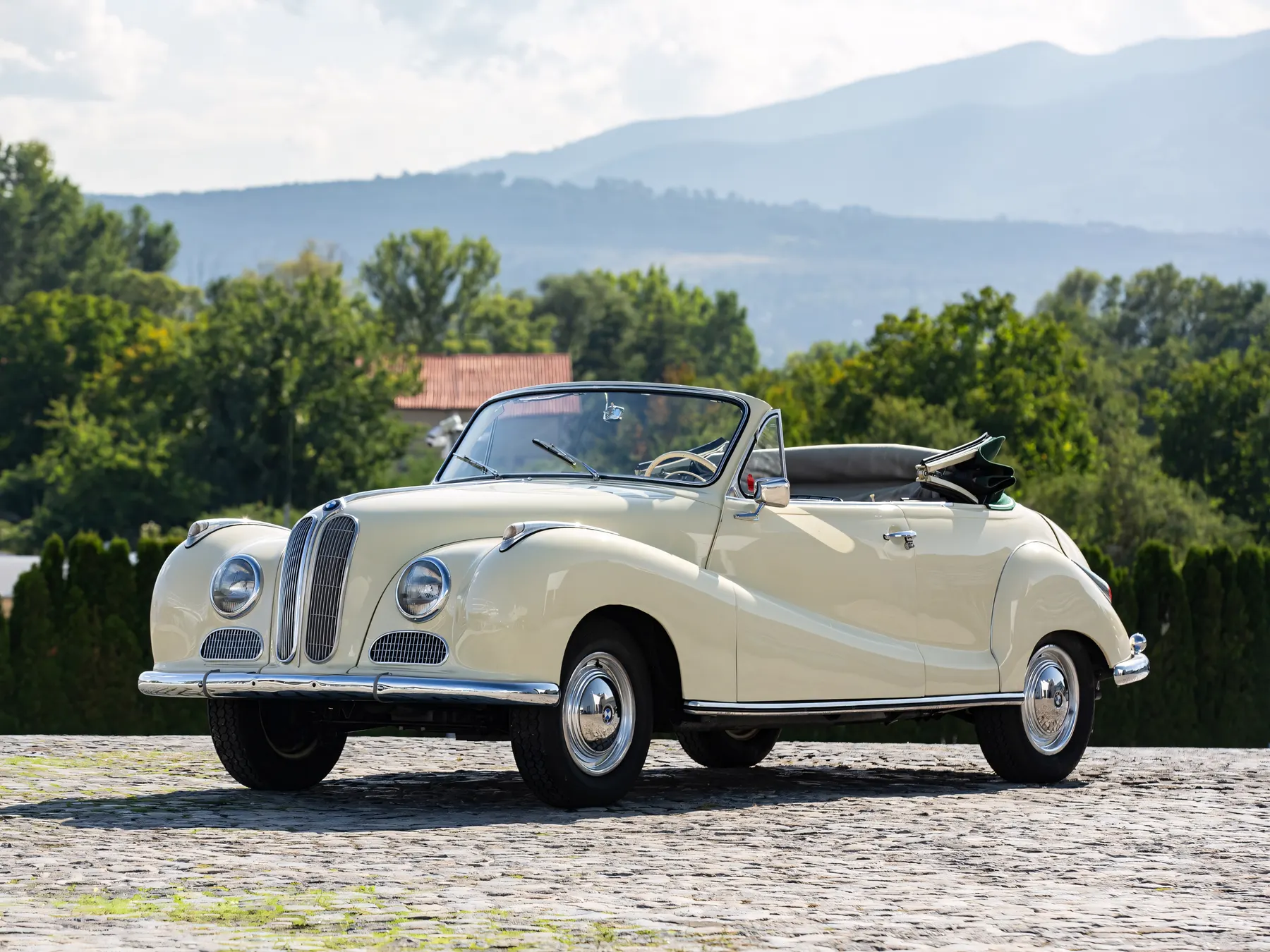
In the vibrant automotive landscape of the 1950s, BMW waltzed onto the scene with the mesmerising 501, affectionately known as the “Baroque Angel.” Picture this: a 1955 BMW 501 Sechszylinder Cabriolet by Baur, a masterpiece that blended elegance with engineering prowess.
Crafted by the visionary Peter Schimanowski, the 501 was a visual symphony. Underneath its beautifully curved body, a powerhouse lurked,a 1,971 cc overhead-valve straight-six, mid-mounted for optimal balance. A dance of suspension, with torsion bars and double-wishbones at the front, ensured a harmonious ride. The live axle at the rear added a touch of drama, all synchronised for driving pleasure.
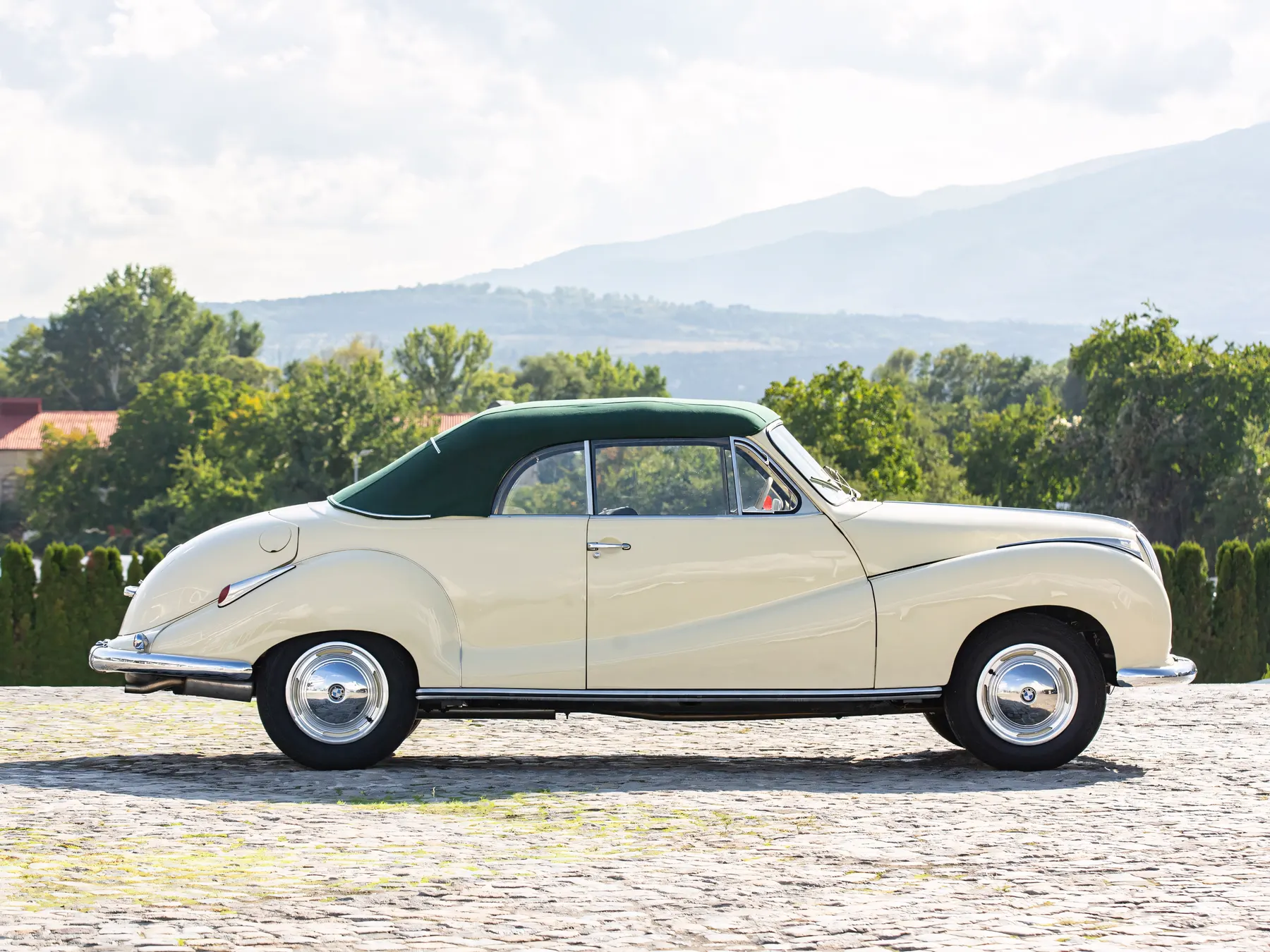
In 1954, a V-8 engine joined the ensemble, amplifying the 501’s performance. By 1955, the M337 “six” stretched its muscles to 2,077 cc, propelling the 501 Sechszylinder to a respectable 145 km/h. A ride in this Baroque beauty promised both style and substance.
Step into the 501’s realm, and you’re greeted by coach doors leading to a luxurious interior. The vision of Schimanowski came to life inside, a testament to the attention lavished on passive safety. A robust chassis, a thoughtful steering column placement, and a carefully protected fuel tank above the rear axle set new standards for safety in the 1950s.
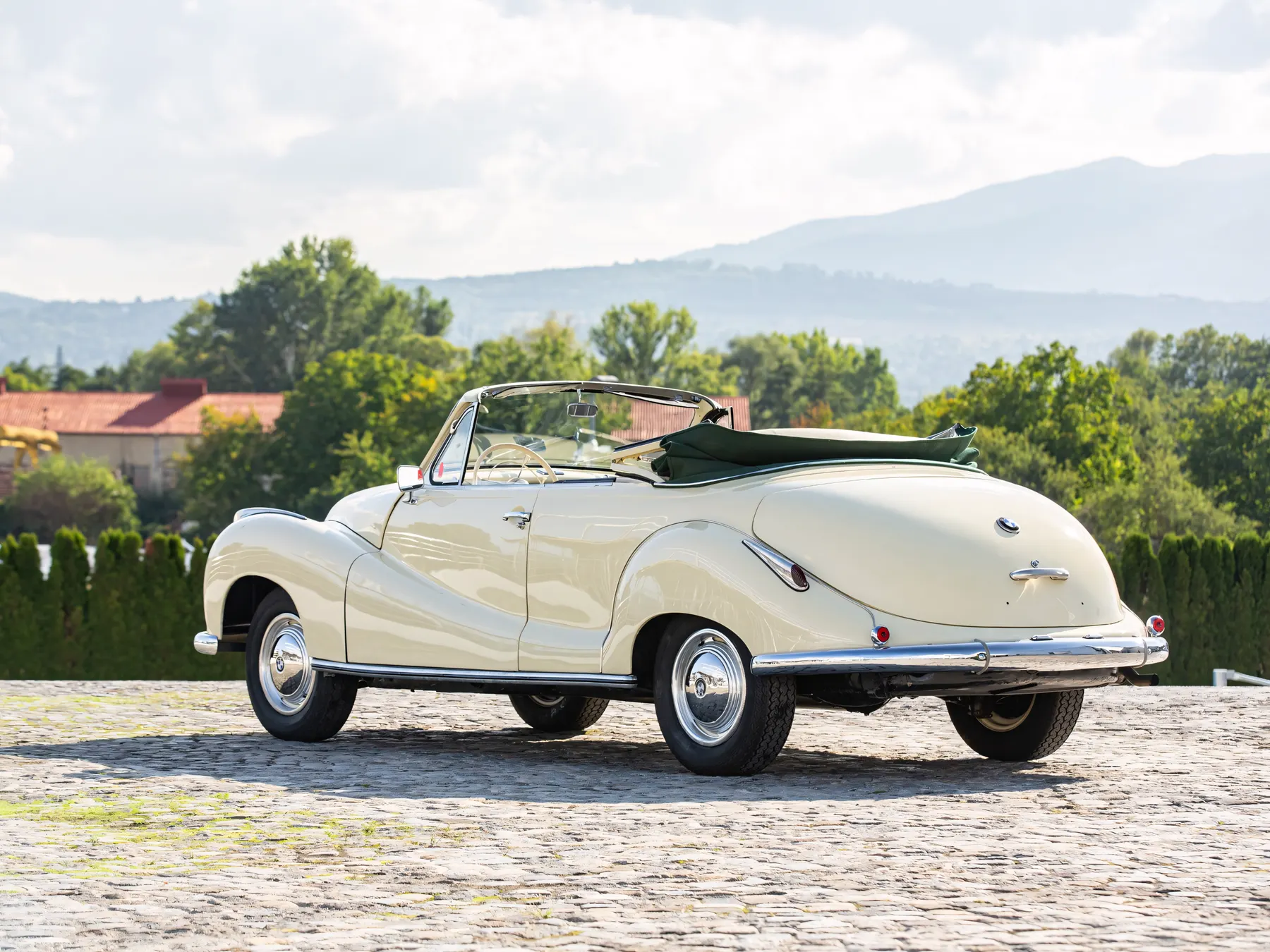
The BMW 501, unveiled in 1951, was a statement,a declaration of engineering prowess and unapologetic extravagance. The public bestowed upon it the moniker “Barockengel,” a nod to its Baroque-era-inspired design, a flowing sculpture on wheels.
The journey from prototype to production had its hurdles. Development delays pushed the start to late 1952, but when the 501 finally hit the streets, it left an indelible mark. The initial bodies, a testament to German collaboration, were crafted by Karosserie Baur in Stuttgart and assembled in Munich.
From its debut at the Frankfurt Motor Show to its thousandth completion in September 1953, the 501 emerged as a symbol of resilience and craftsmanship. Its price, though hefty at over fifteen thousand Deutsche Mark, reflected its exclusivity.
As time progressed, so did the 501’s evolution. The 501A and 501B took the stage in 1954, offering varying trims and a revised M337 engine. By the spring of 1955, the 501/3 made its entrance, boasting an updated power plant. Alongside it, the 501 V8, featuring a detuned version of the 2.6-liter V8 from the previous year’s 502, added another layer to BMW’s lineup.
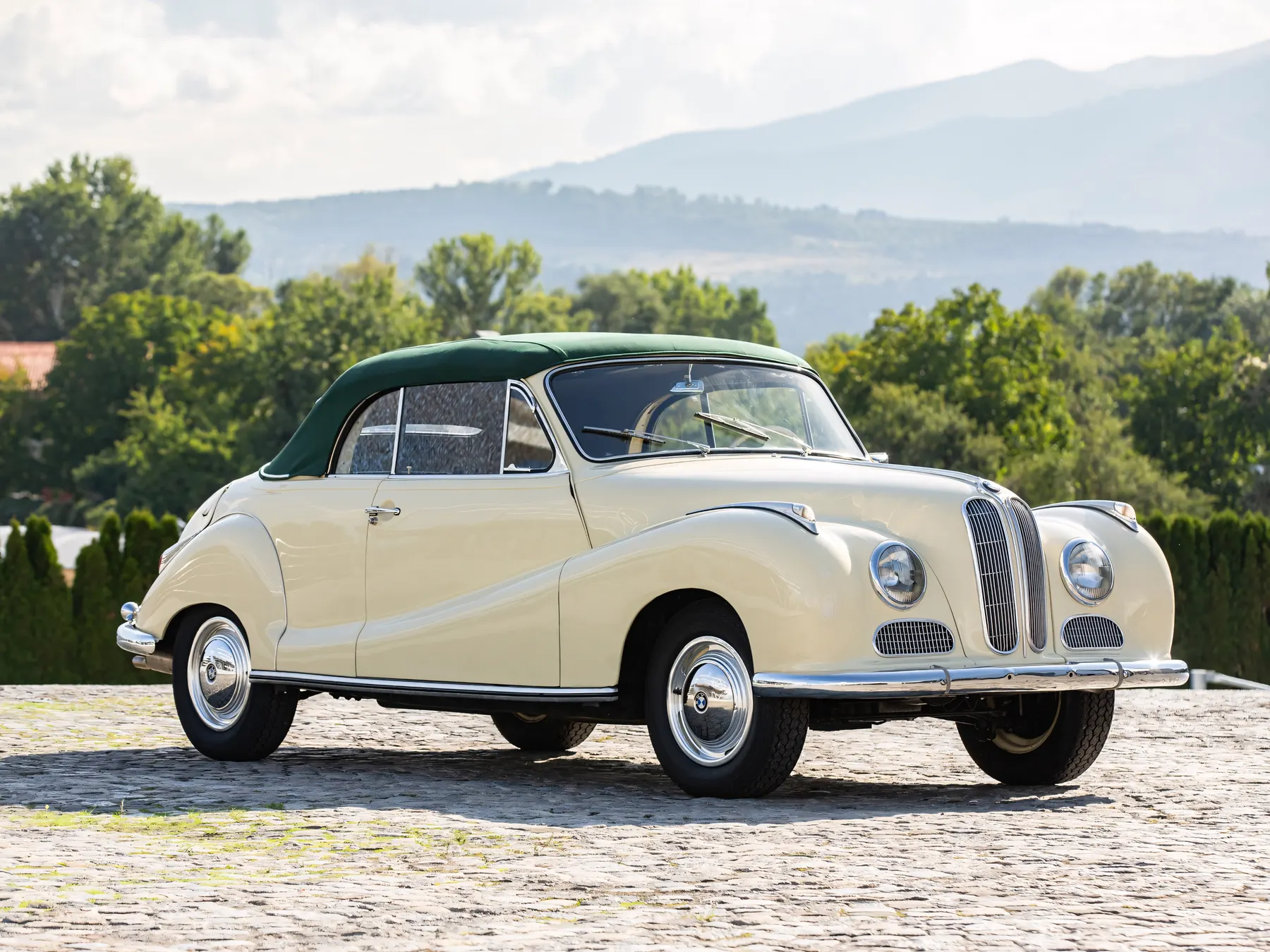
The journey of the 501 Sechszylinder Cabriolet danced through the years, leaving an indelible mark on automotive history. In 1958, as the curtain fell on the six-cylinder engine and the 501 designation, the legacy of the Baroque Angel lived on, etched into the hearts of enthusiasts and collectors alike.
Join the discussion
Comments
Loading comments…
Leave a comment
Share a detail, memory, or perspective. Every comment is reviewed before publication.