1955 Porsche 356 Carrera 1500 GS Speedster by Reutter

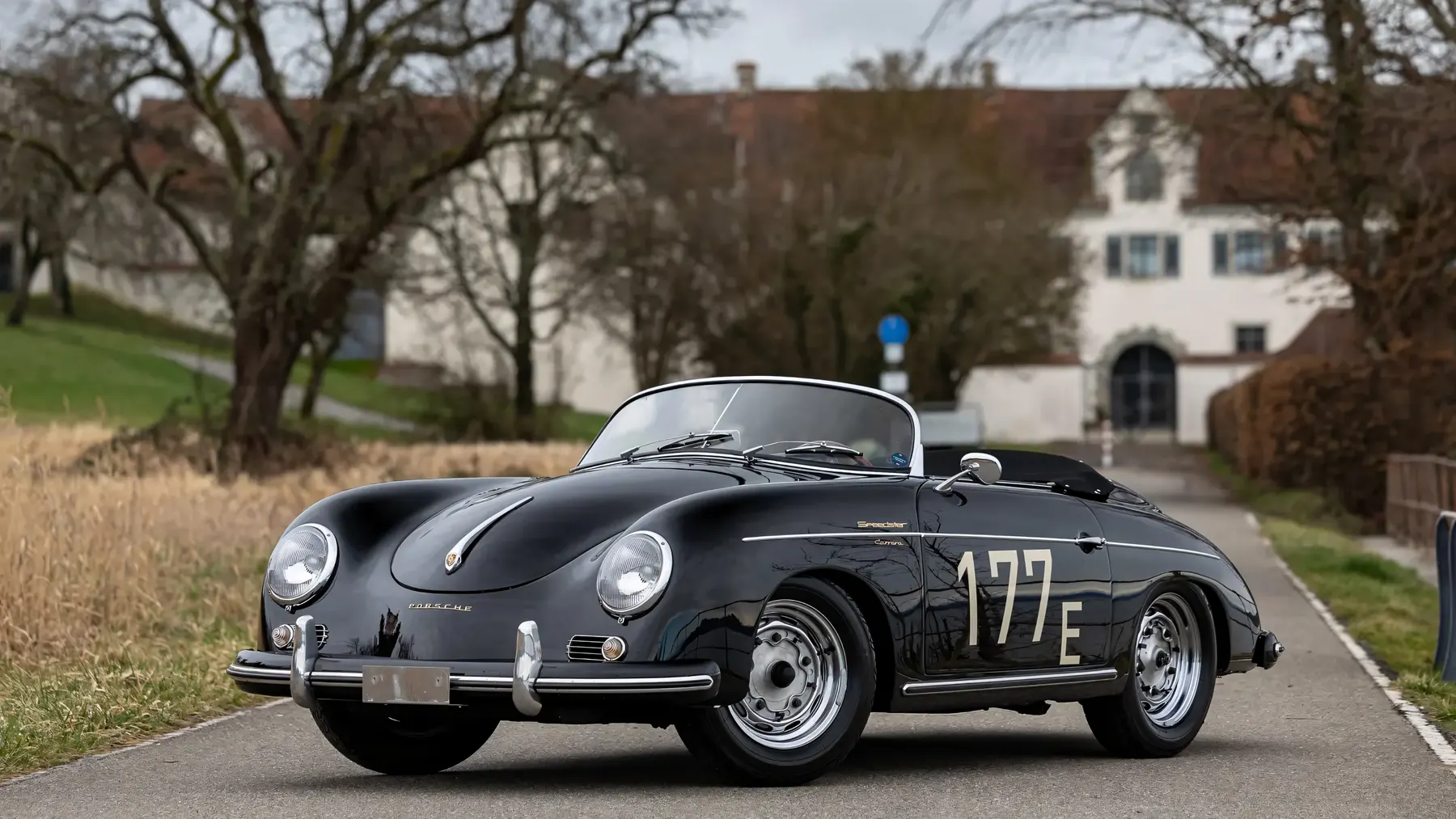
In 1955, a customer walked into a Porsche dealership and drove off in something revolutionary,a road car with the soul of a racer. The Porsche 356 Carrera 1500 GS Speedster by Reutter wasn’t just another sports car. It was a rolling experiment, blending cutting-edge engineering with a stripped-down design that reflected Porsche’s growing confidence. Born from the demands of the American market and the ingenuity of German engineers, this car became a bridge between Porsche’s fledgling road cars and their motorsport ambitions.
The story of the Carrera Speedster starts with Max Hoffman, an Austrian-born car importer based in New York. Hoffman had a knack for knowing what Americans wanted before they knew it themselves. In the early 1950s, he noticed a gap in the market: European sports cars were either too expensive (think Ferrari) or too slow. He urged Porsche to build a cheaper, lighter version of the 356 that could compete with British roadsters like the MG and Triumph.
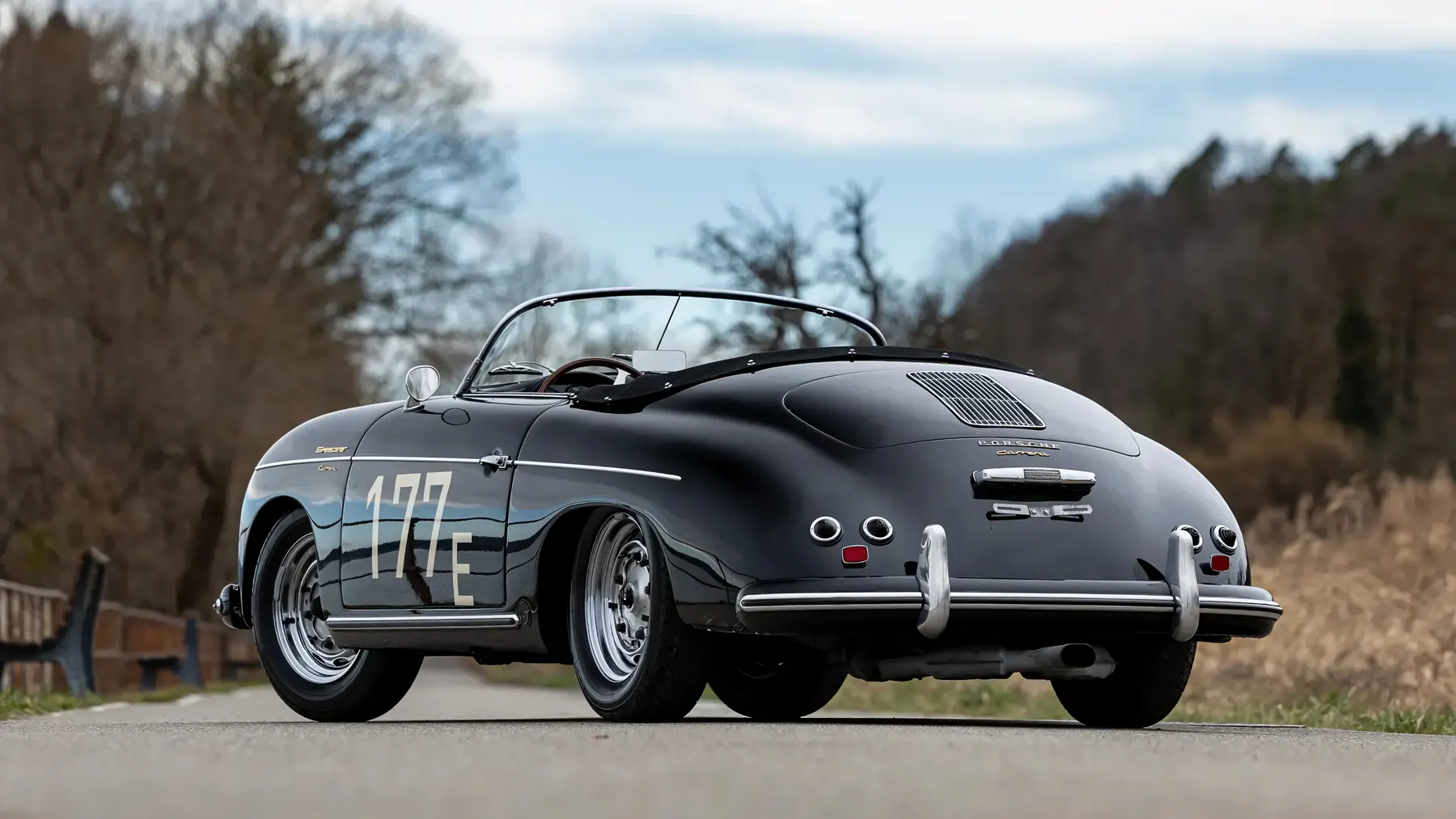
Porsche listened. In late 1954, they unveiled the 356 Speedster. It had a cut-down windshield, a rudimentary folding roof, and minimal interior comforts. The idea was simple: reduce weight, lower the price, and boost track performance. But Hoffman wasn’t done. He knew that Porsche’s new four-cam racing engine,developed for the fearsome 550 Spyder,could turn the Speedster into something extraordinary.
The result? In 1955, Porsche dropped the Type 547 “Carrera” engine into the Speedster’s rear compartment, creating the 1500 GS. Only 15 of these Pre-A models were built that year, each handcrafted by Reutter, the coachbuilder Porsche would later acquire. These cars weren’t just fast; they were proof that Porsche could transfer racing tech to the street,a philosophy that still defines the brand today.
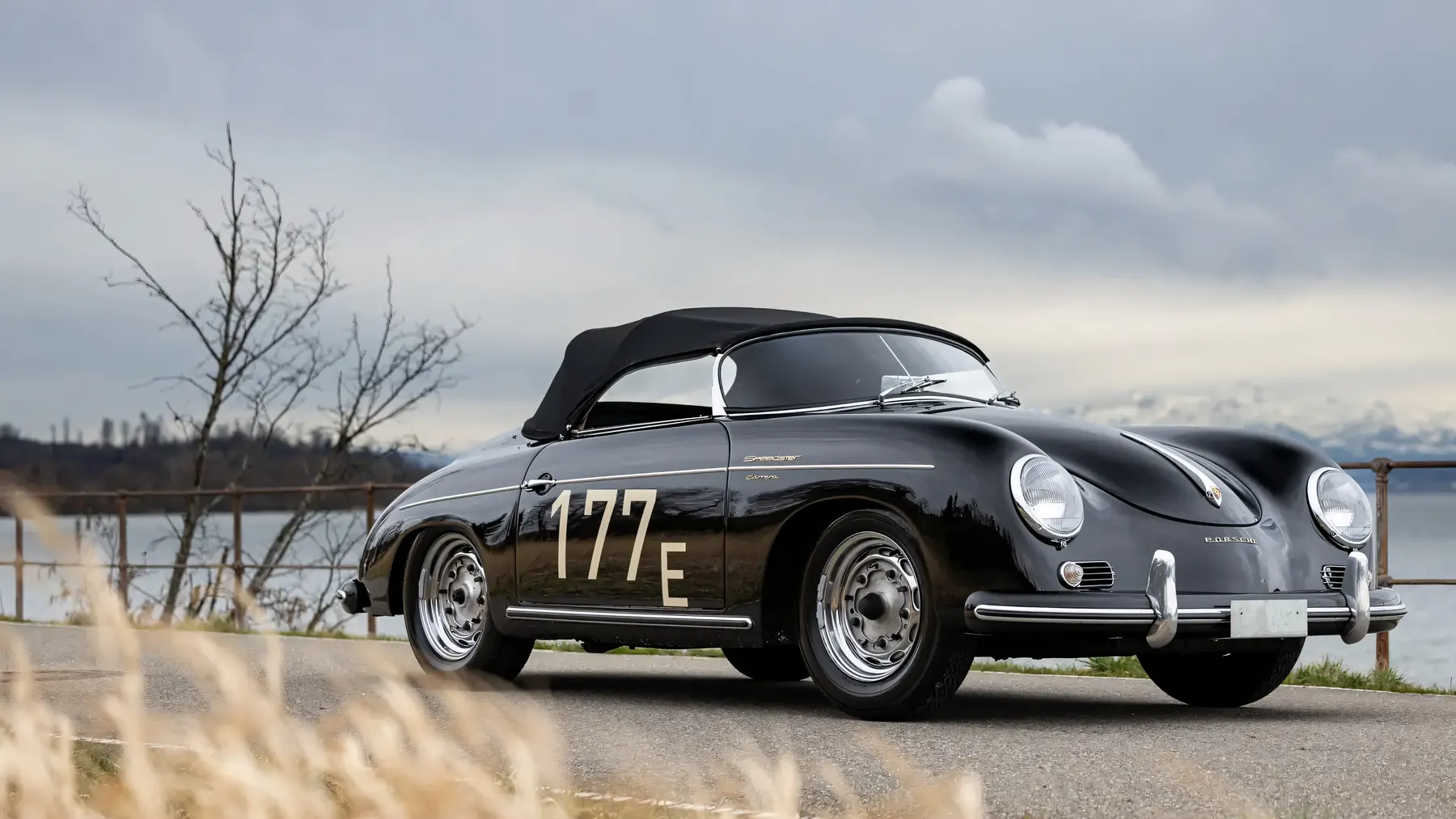
Reutter’s craftsmanship shaped the Carrera Speedster’s iconic look. The aluminum body, shaped over a steel frame, was both lightweight and rigid. The signature low windshield and removable side windows gave it a rakish profile, while the absence of a proper roof (“Just pull the canvas up if it rains,” dealers quipped) kept weight to just 830 kilograms.
But the real magic was under the decklid. The Type 547 engine, nicknamed the “drawer motor” because designer Ernst Führmann allegedly hid its blueprints in his desk, was a mechanical marvel. Unlike the 356’s standard pushrod engine, this 1.5-liter flat-four featured dual overhead camshafts per cylinder, driven by a labyrinth of vertical shafts and bevel gears. Twin Solex carbs fed the engine, while dry-sump lubrication ensured reliability during hard cornering.
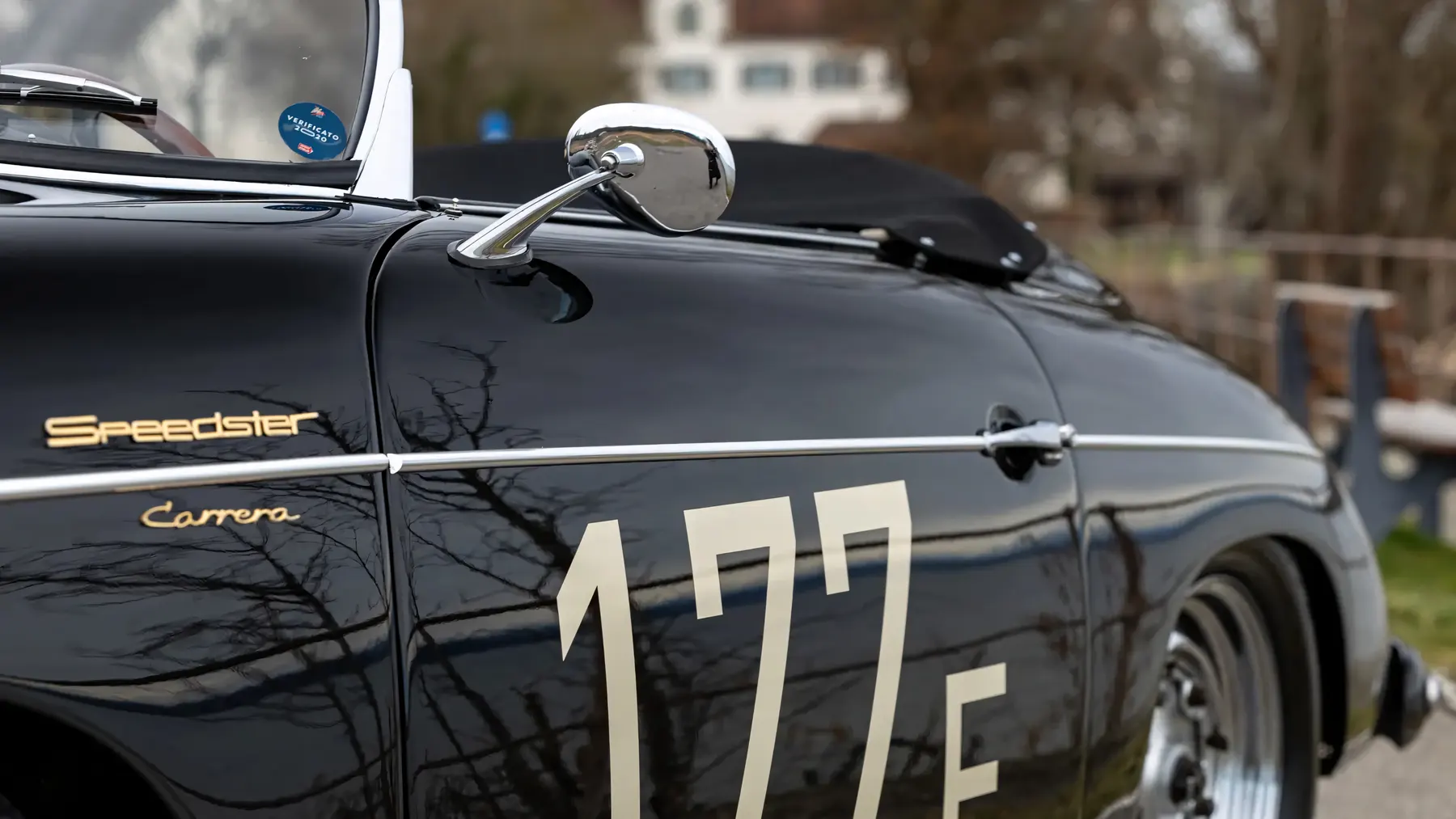
Visually, the Carrera Speedster was understated. Apart from dainty gold “Carrera” scripts on the front fenders and rear, it looked nearly identical to a standard Speedster. Inside, the minimalist dashboard housed a few extra gauges to monitor oil pressure and temperature,hints of the complexity lurking behind the scenes.
The numbers alone were startling. The four-cam engine produced 110 horsepower at 6,200 rpm, nearly double the output of the standard 356’s pushrod motor. With a top speed of 193 km/h and acceleration that could shame larger cars, the Carrera Speedster wasn’t just quick,it was relentless.
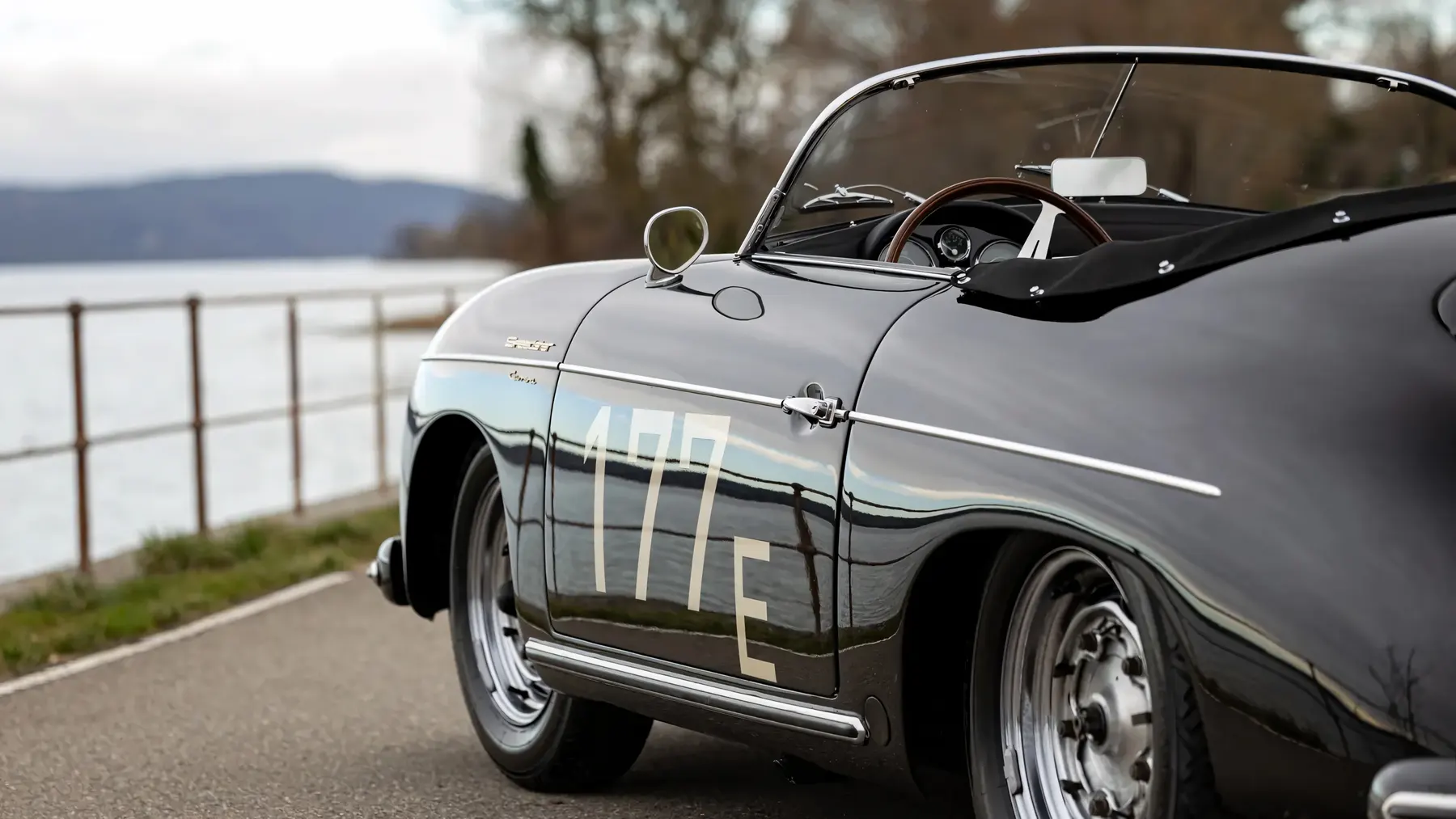
On winding roads, the car’s balanced chassis and independent suspension shined. Journalists praised its neutral handling, though they noted the steering required muscle at low speeds. The engine’s raucous howl and peaky powerband demanded skill, rewarding drivers who kept the revs high. As one period review noted, “It’s not a car for Sunday cruises. It’s for those who consider the drive itself a victory.”
Even before the Carrera Speedster hit showrooms, its DNA was proven in competition. In 1954, a 356 Coupe equipped with the four-cam engine won the brutal Liège-Rome-Liège rally, a 5,600-kilometer gauntlet across Europe. Publicity from that victory convinced Porsche to greenlight the Speedster variant.
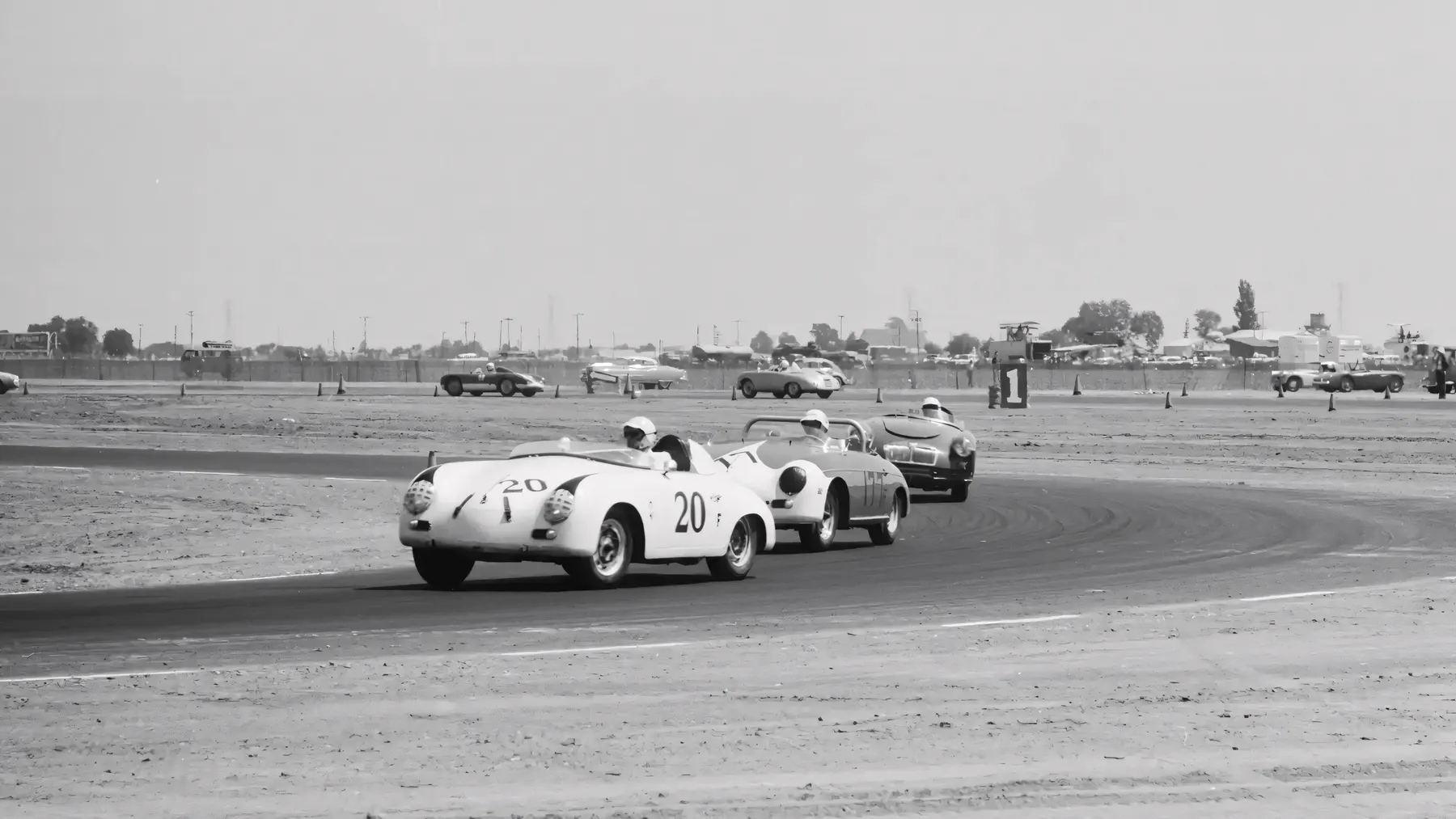
In America, privateers like John von Neumann and Ken Miles dominated SCCA races with Carrera Speedsters. Their lightweight bodies and torquey engines made them ideal for tight circuits, where they often beat larger-engined rivals. Notably, these cars were raced hard during weekends and then driven home,a testament to their durability.
When the Carrera Speedster debuted, reactions split between awe and bewilderment. European buyers, accustomed to less intense sports cars, found the engine’s maintenance demands daunting. American enthusiasts, however, embraced it. Here was a car that could outpace Jaguars and Ferraris on track days while remaining (relatively) affordable at around $4,200,the equivalent of $47,000 today.
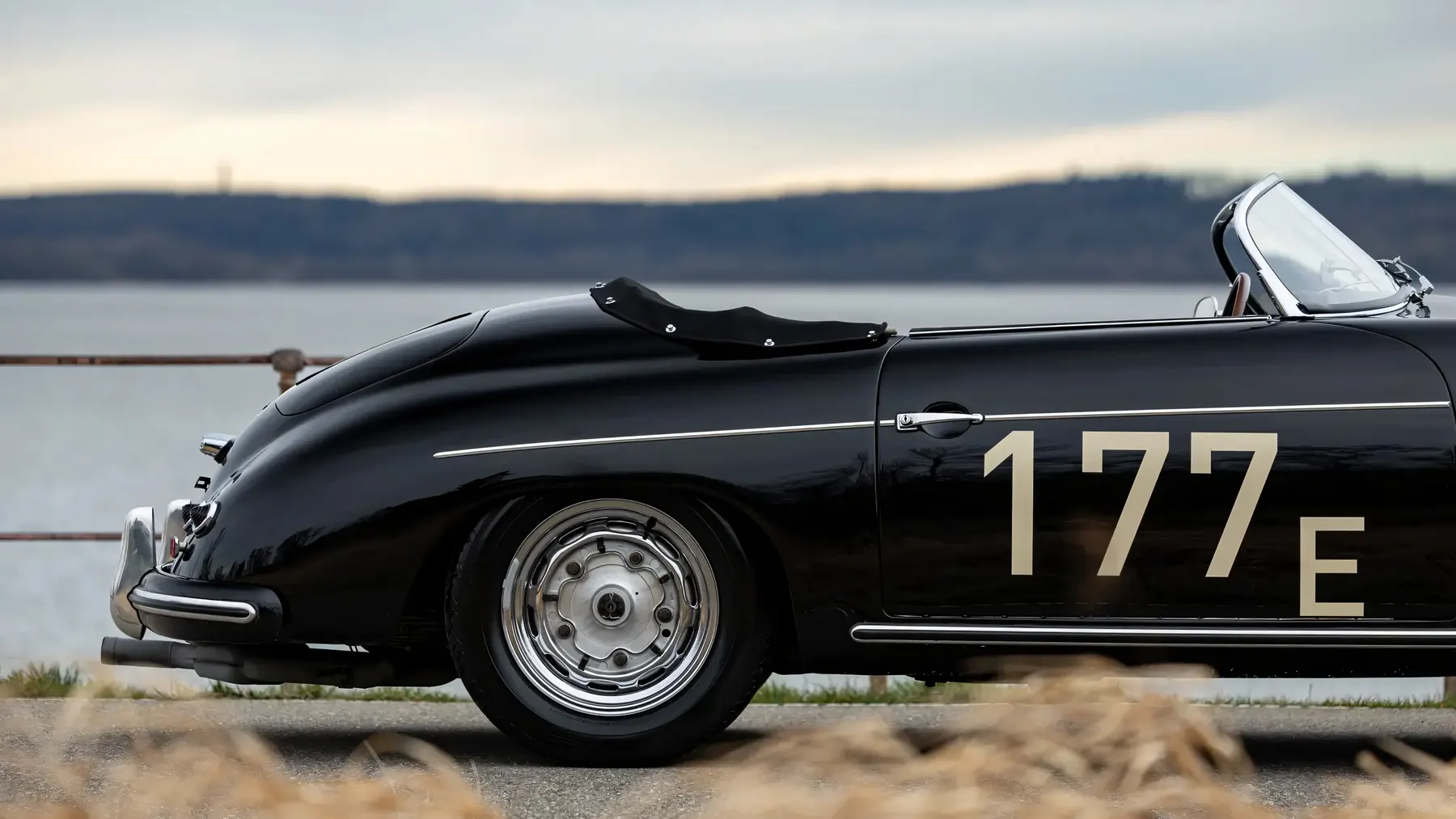
But production was always limited. Building the four-cam engine required specialized technicians, and by 1956, Porsche had moved on to the 356A series. Only 148 Carrera Speedsters were made across all model years, creating instant collectibility.
Decades later, the car’s legend grew. Janis Joplin’s ownership of a 356 (not a Carrera, but a standard model) boosted its counterculture appeal. At auctions, Carrera Speedsters regularly fetch over $3 million, with pristine examples exceeding $5 million. They’re fixtures at events like the Monterey Historics, where their screaming engines still turn heads.
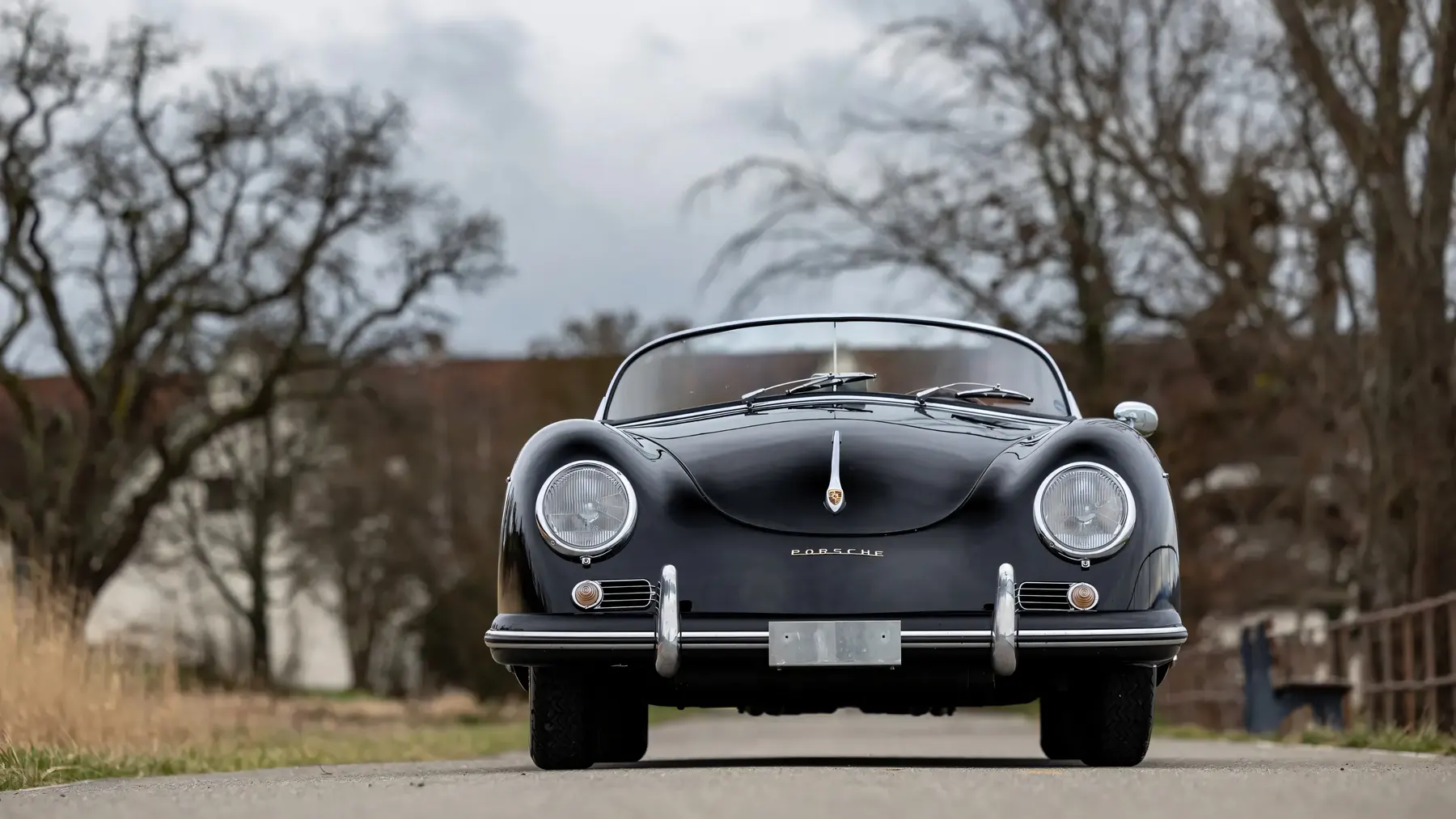
The 356 Carrera 1500 GS Speedster’s influence can’t be overstated. It proved that Porsche could build race-worthy cars for public roads,a strategy that birthed icons like the 911 GT3. The four-cam engine, though complex, set the stage for later innovations like the 911’s air-cooled flat-six.
Moreover, the Speedster’s design philosophy,lightweight construction, driver-focused controls,remains central to Porsche’s ethos. Modern Speedster models, like the 2019 911 Speedster, pay direct homage to the 1955 original.
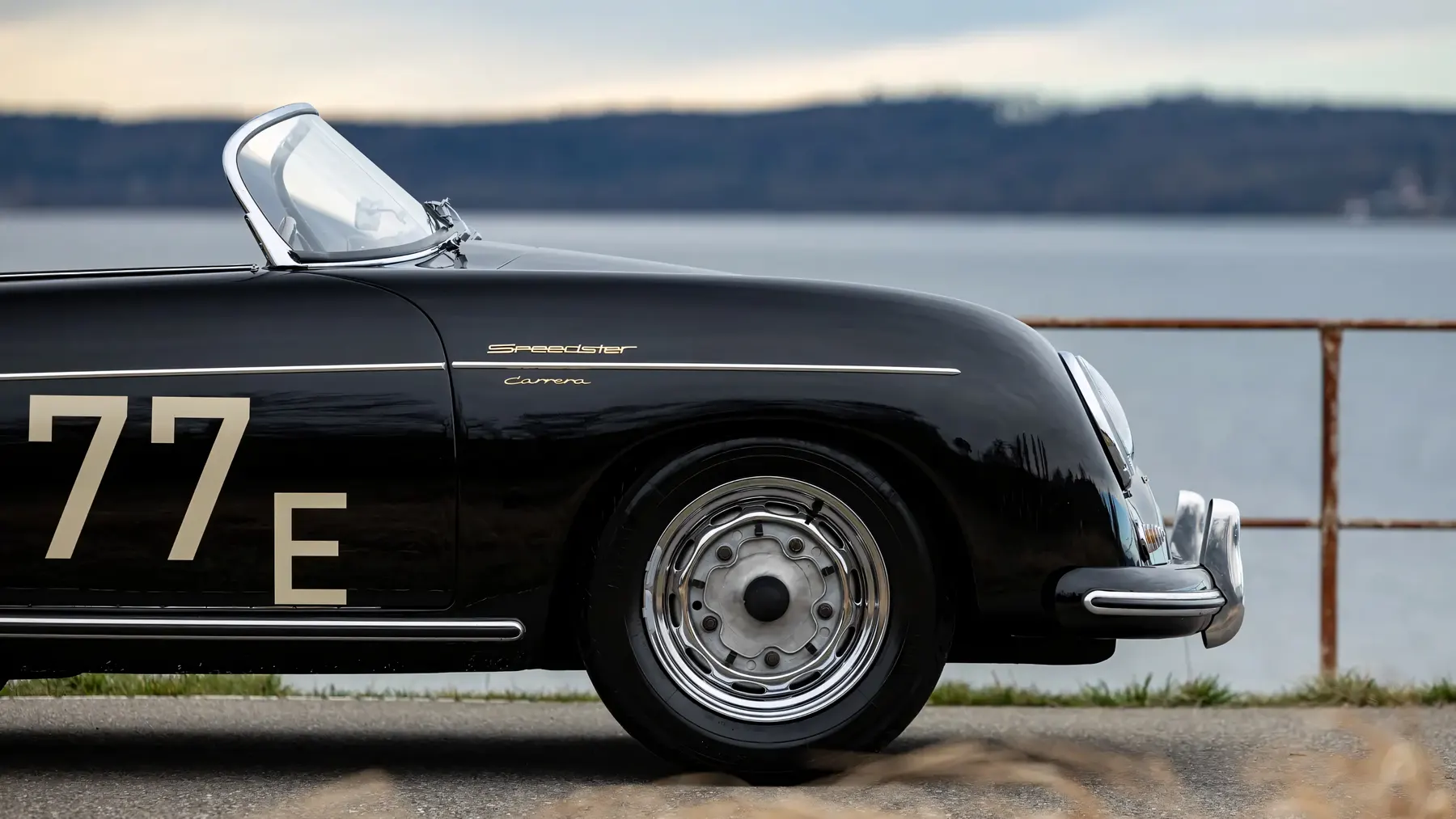
Behind the wheel of a Carrera Speedster, the experience is raw. The engine thrums with mechanical urgency, the unassisted steering communicates every pebble, and the thin-rimmed wheel demands constant attention. There’s no air conditioning, no radio,just the rush of wind and the engine’s metallic wail.
Yet, it’s precisely this purity that captivates. As vintage racer Rod Emory puts it, “This car doesn’t coddle you. It teaches you. To drive it fast is to understand what Porsche meant by ‘intensity.’”
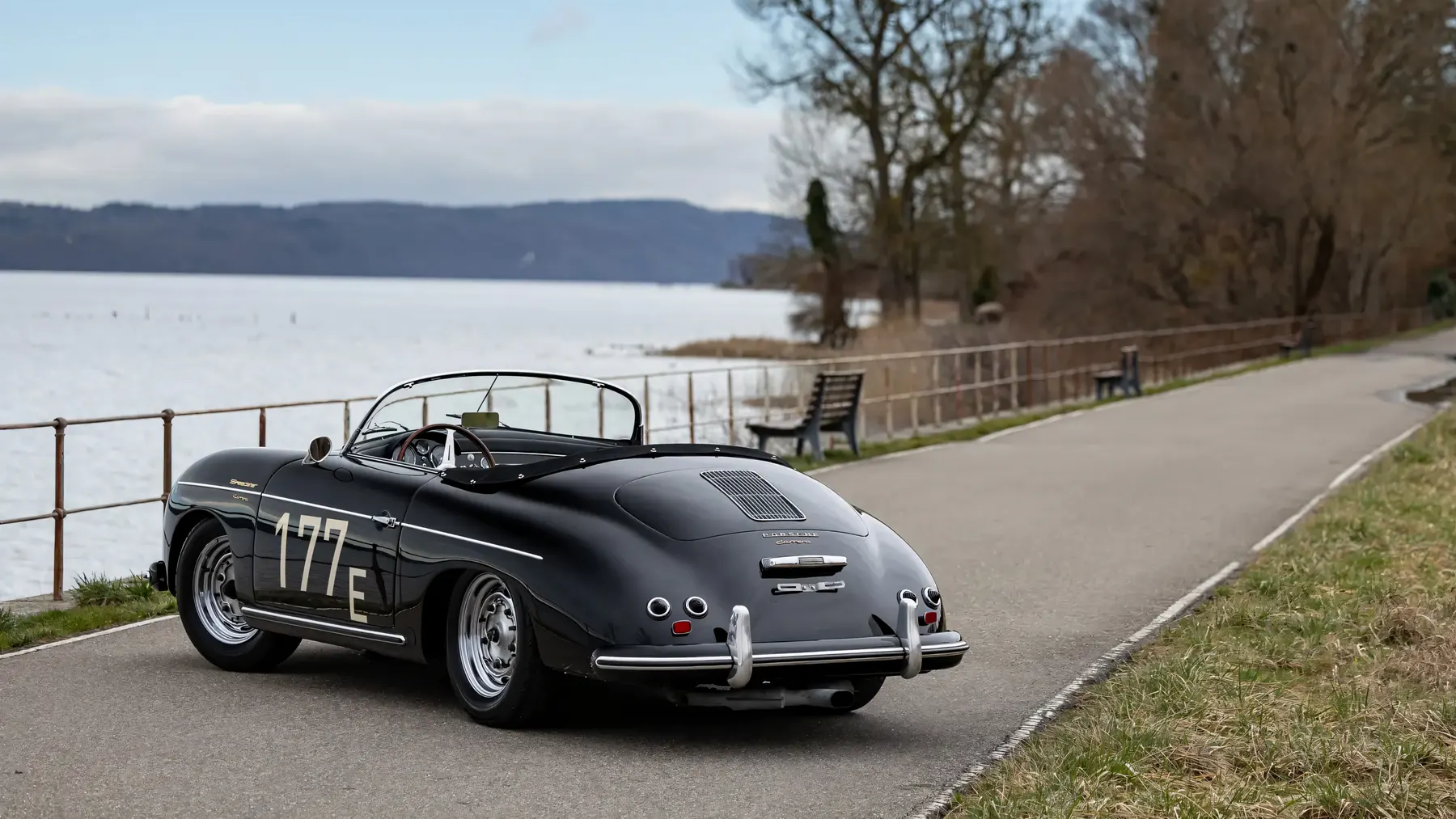
The 356 Carrera 1500 GS Speedster by Reutter isn’t just a car. It’s a snapshot of a moment when Porsche dared to blend race-track intensity with everyday usability. Though only a handful were built, their impact resonates in every modern Porsche that prioritizes performance over poshness. For collectors, it’s a hauntingly beautiful machine. For engineers, a masterclass in innovation. And for drivers? It’s a reminder that sometimes, the best cars are the ones that feel alive.
Join the discussion
Comments
Loading comments…
Leave a comment
Share a detail, memory, or perspective. Every comment is reviewed before publication.