1956 Ferrari 250 GT Coupé Prototype by Pinin Farina

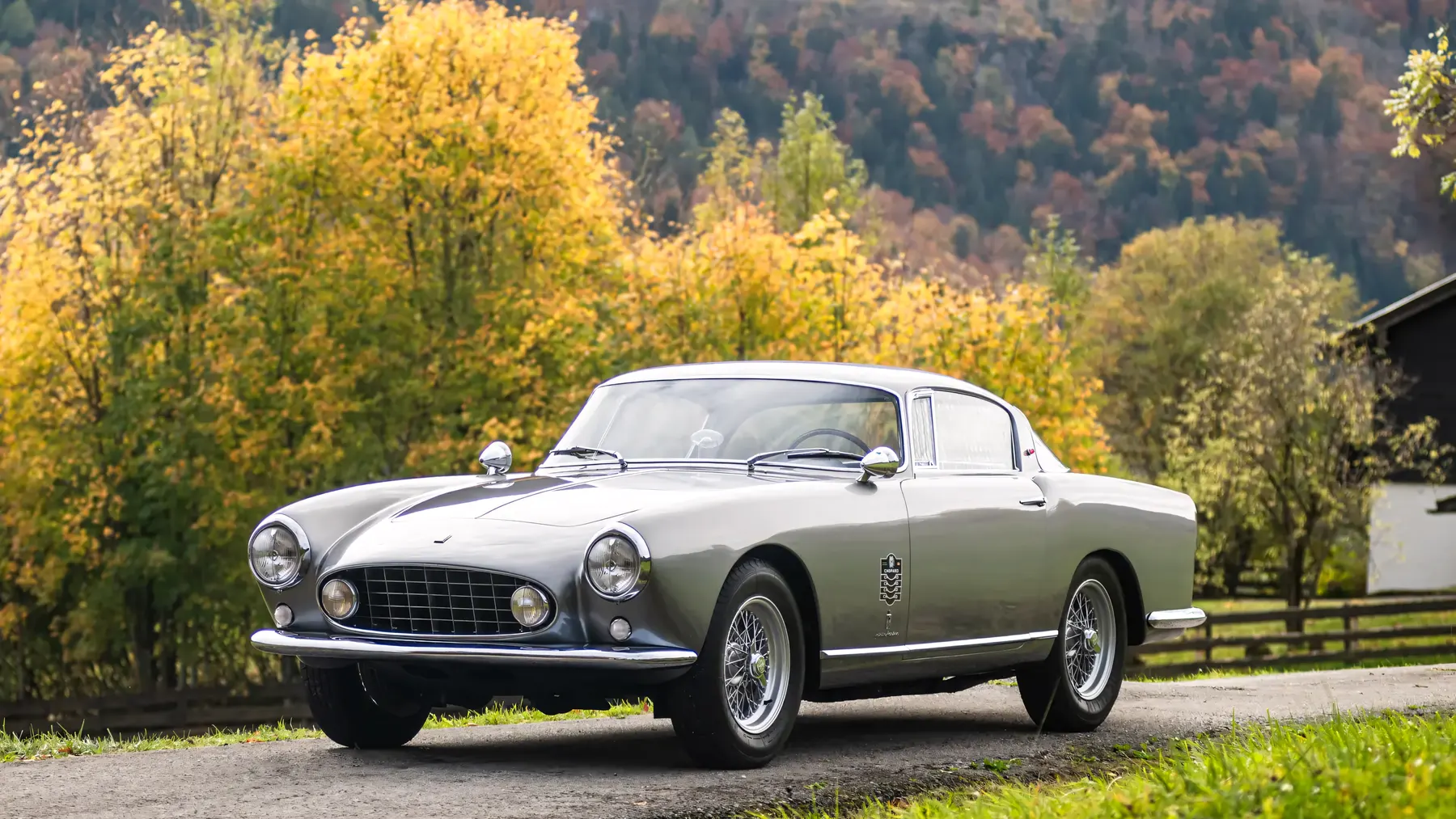
The Ferrari 250 GT Coupé Prototype by Pinin Farina marks a significant chapter in Ferrari’s illustrious history. Produced between 1958 and 1960, the 250 GT Coupé was the car that helped transition Ferrari from a company producing a few hand-built sports cars to one that could manufacture vehicles in greater numbers. This was a critical moment for Ferrari, as it sought to meet increasing demand from its affluent clientele who desired a high-performance car that also had the elegance and comfort of a grand tourer. The collaboration with Pinin Farina on the design and production of the 250 GT Coupé prototype was key to achieving this goal.
The 250 GT platform was Ferrari’s line of grand touring cars, powered by the 3.0-litre Colombo V12 engine. This engine became a signature element of all 250 GT cars, delivering both performance and drivability. Introduced in 1954, the 250 GT Coupé emerged as a more refined alternative to Ferrari’s earlier, more racing-oriented models like the 250 MM. It was designed with the wealthy customer in mind,someone who wanted a luxurious, daily-drivable Ferrari that still had the power and handling of a sports car. The 250 GT Coupé blended these two qualities masterfully.
Although many versions of the 250 GT were produced, the Coupé by Pinin Farina was particularly important. Initially, production was slow, with other coachbuilders like Boano and Ellena tasked with assembling the early cars while Pinin Farina expanded its facilities. However, by 1958, Pinin Farina had built a new factory in Grugliasco, outside of Turin, which allowed them to take over full production of the Coupé and increase output significantly.
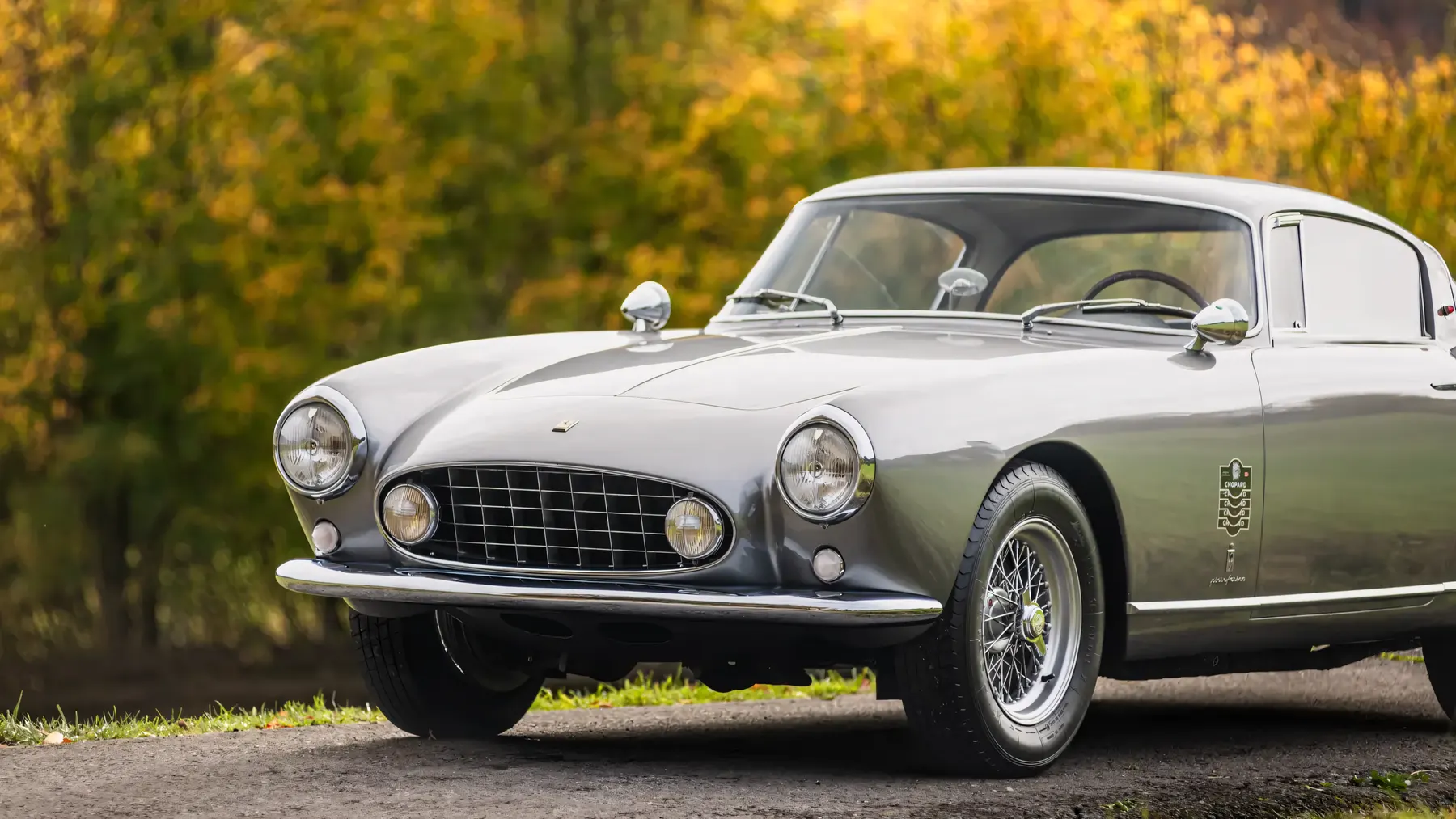
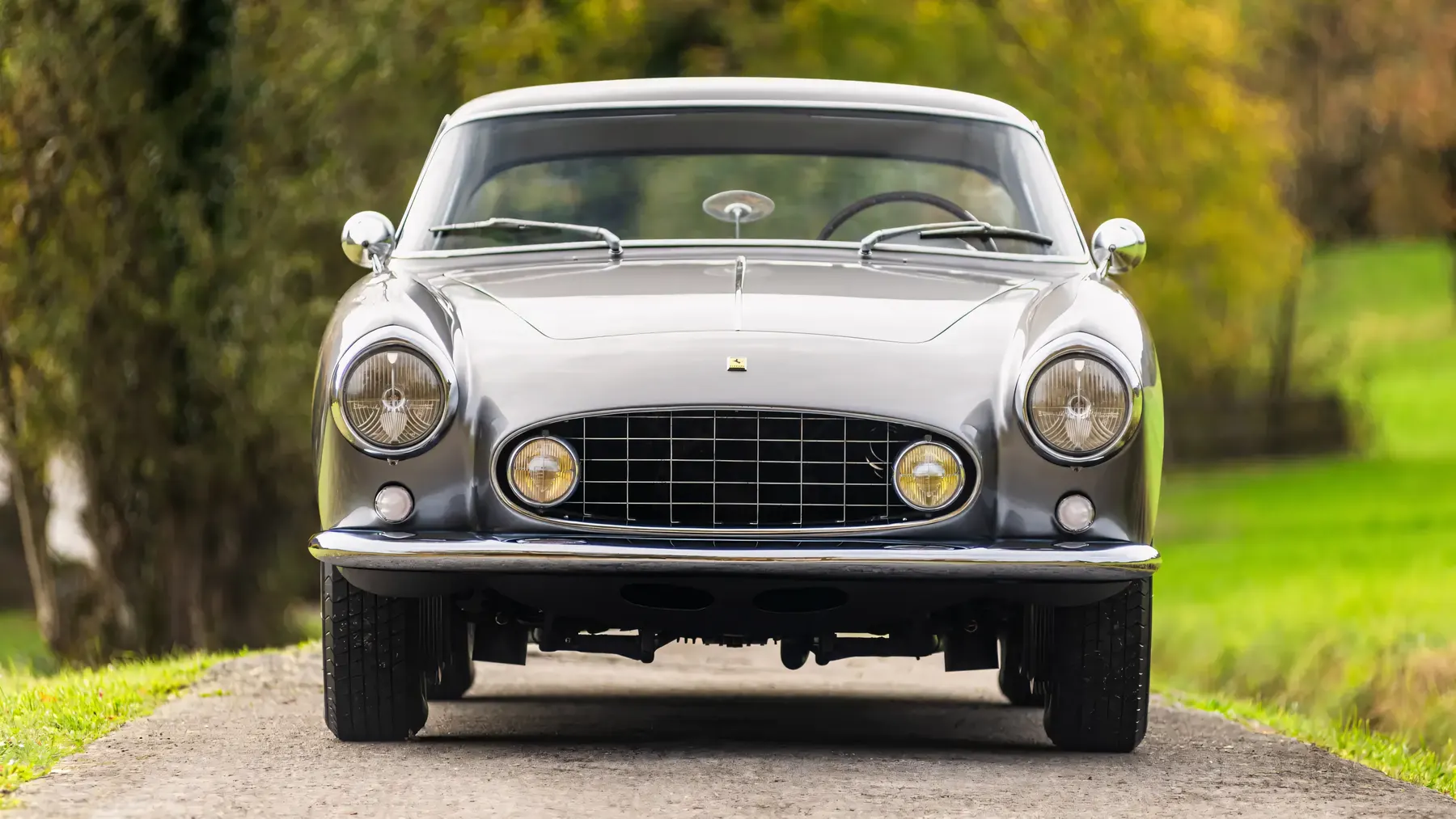
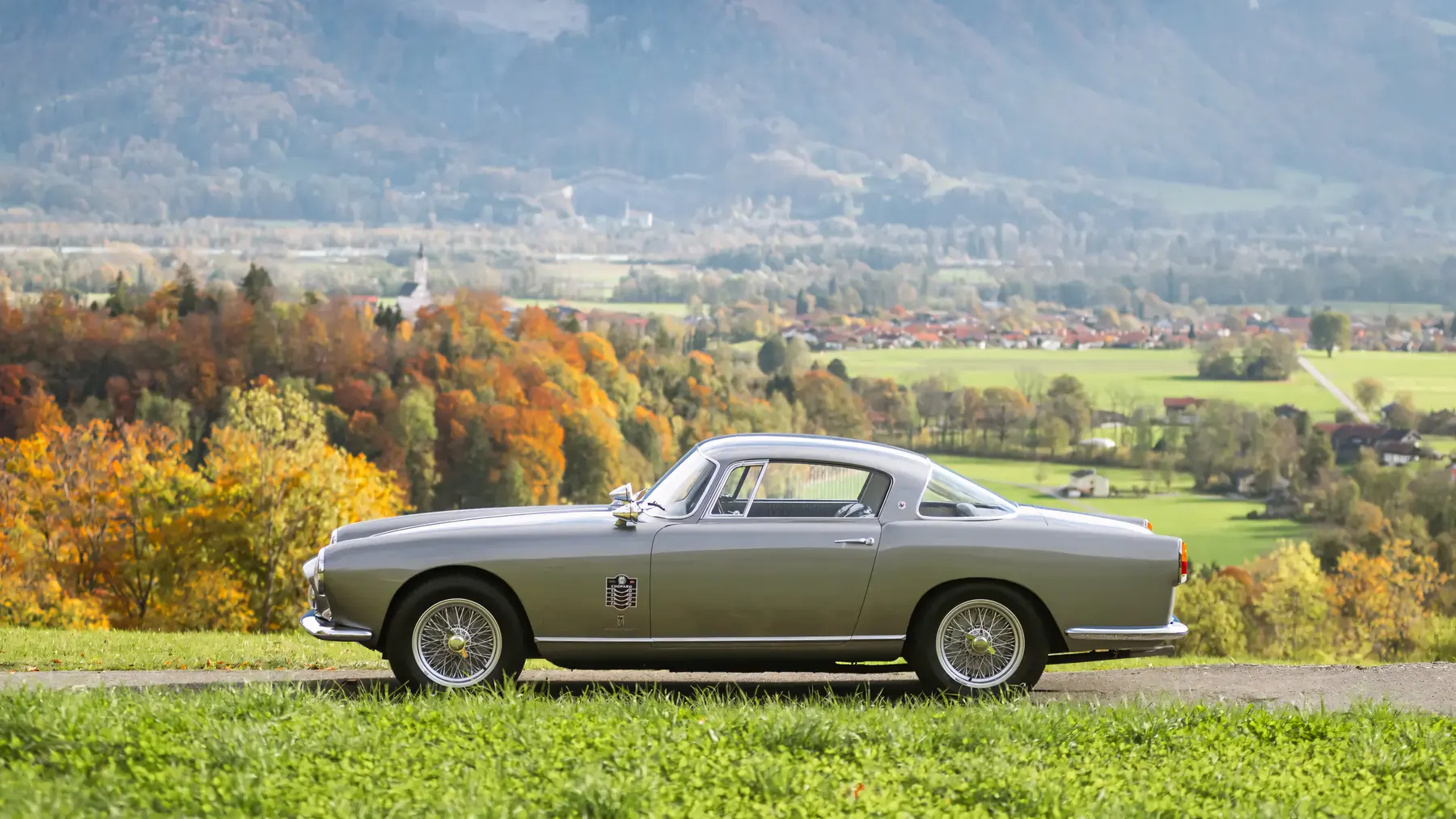
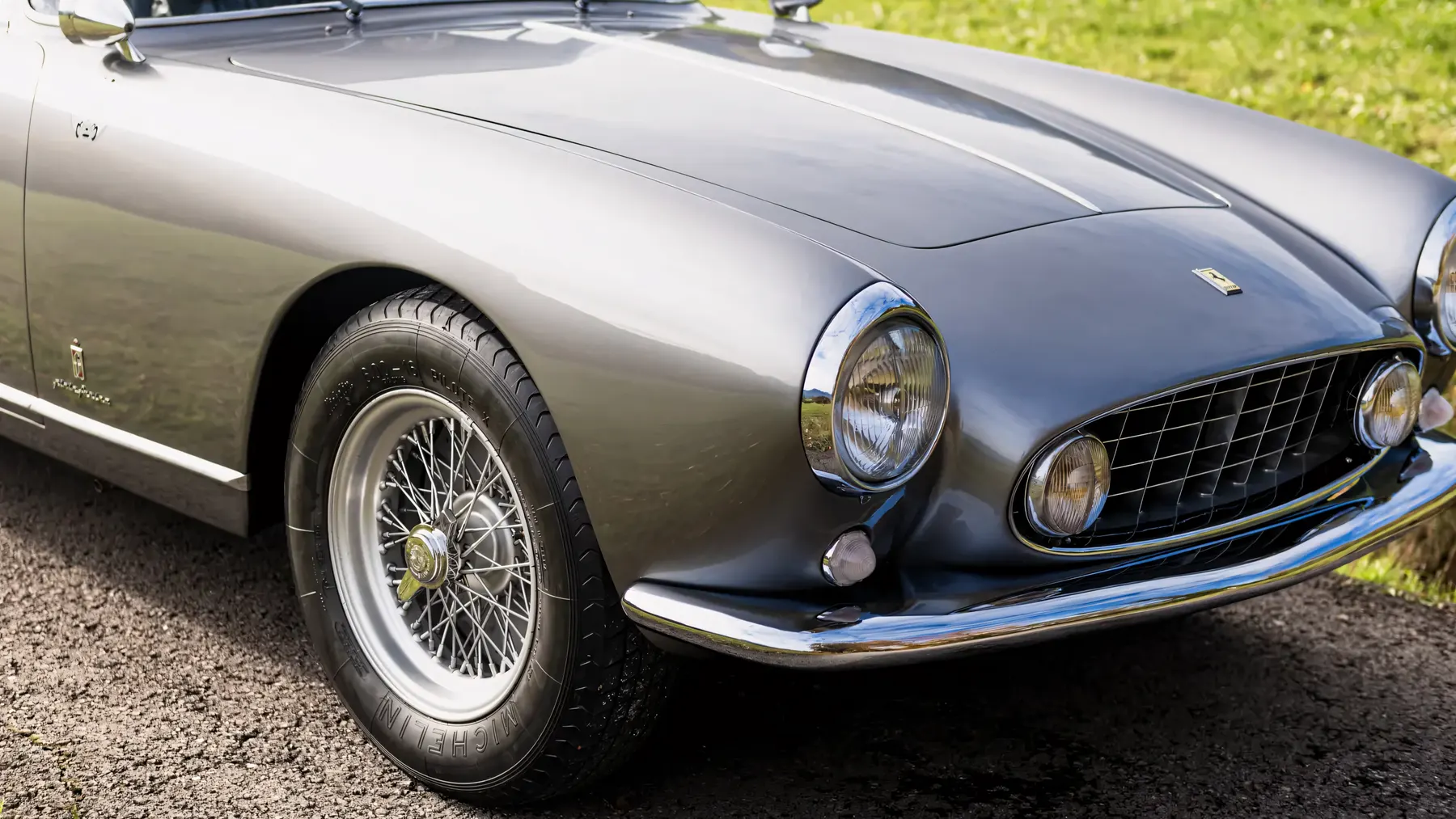
The Ferrari 250 GT Coupé Prototype by Pinin Farina featured a completely new body design compared to its predecessors. It was aimed at simplifying the production process while maintaining Ferrari’s hallmark style. The front of the car was characterised by a wide grille and a flat, elongated bonnet, a departure from the more intricate egg-crate designs seen on earlier Ferraris like the 250 Europa GT. The lower bonnet line made the headlamps more prominent, and the side profile was marked by clean, flat surfaces divided by a dihedral line running along the length of the car.
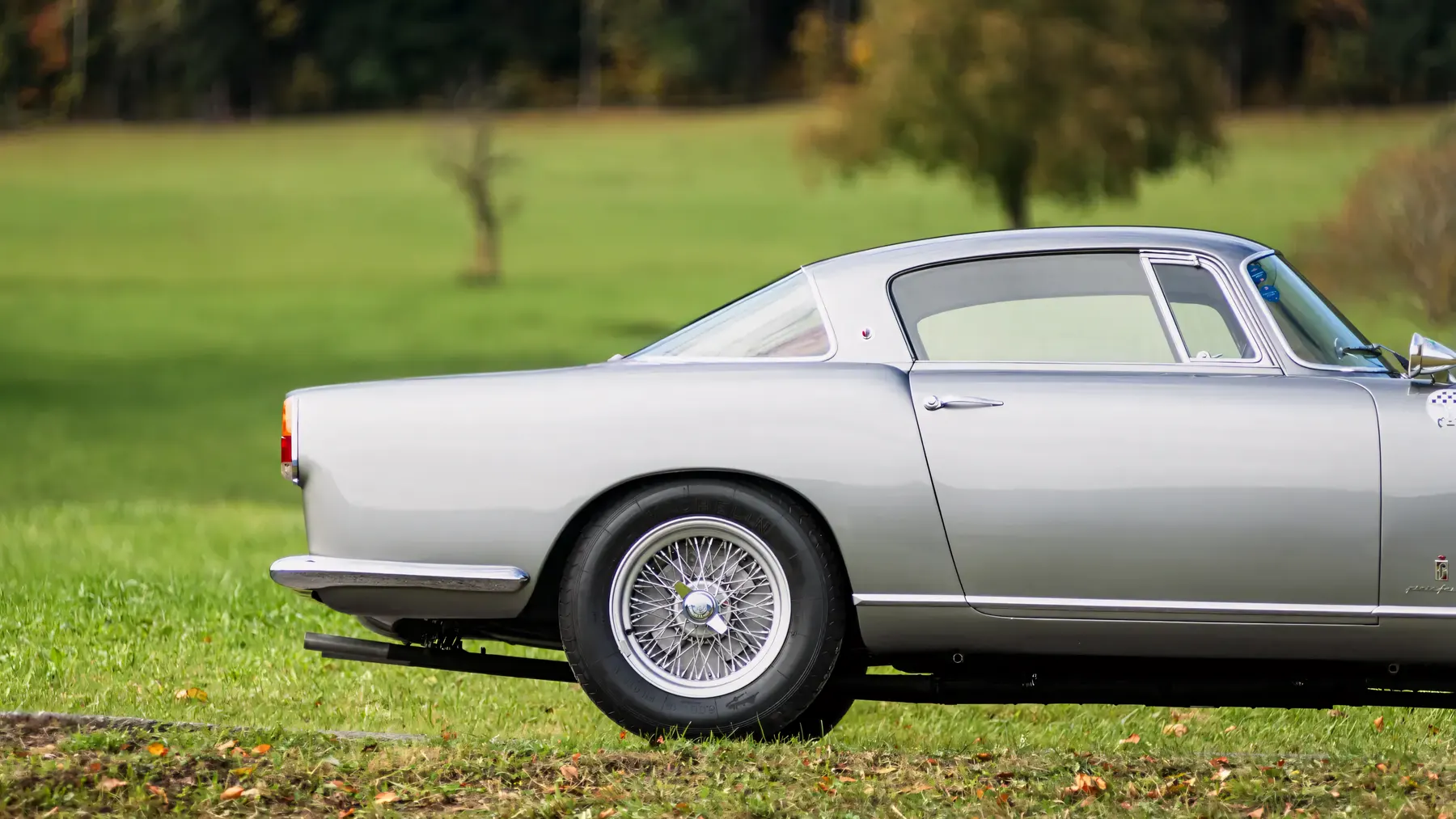
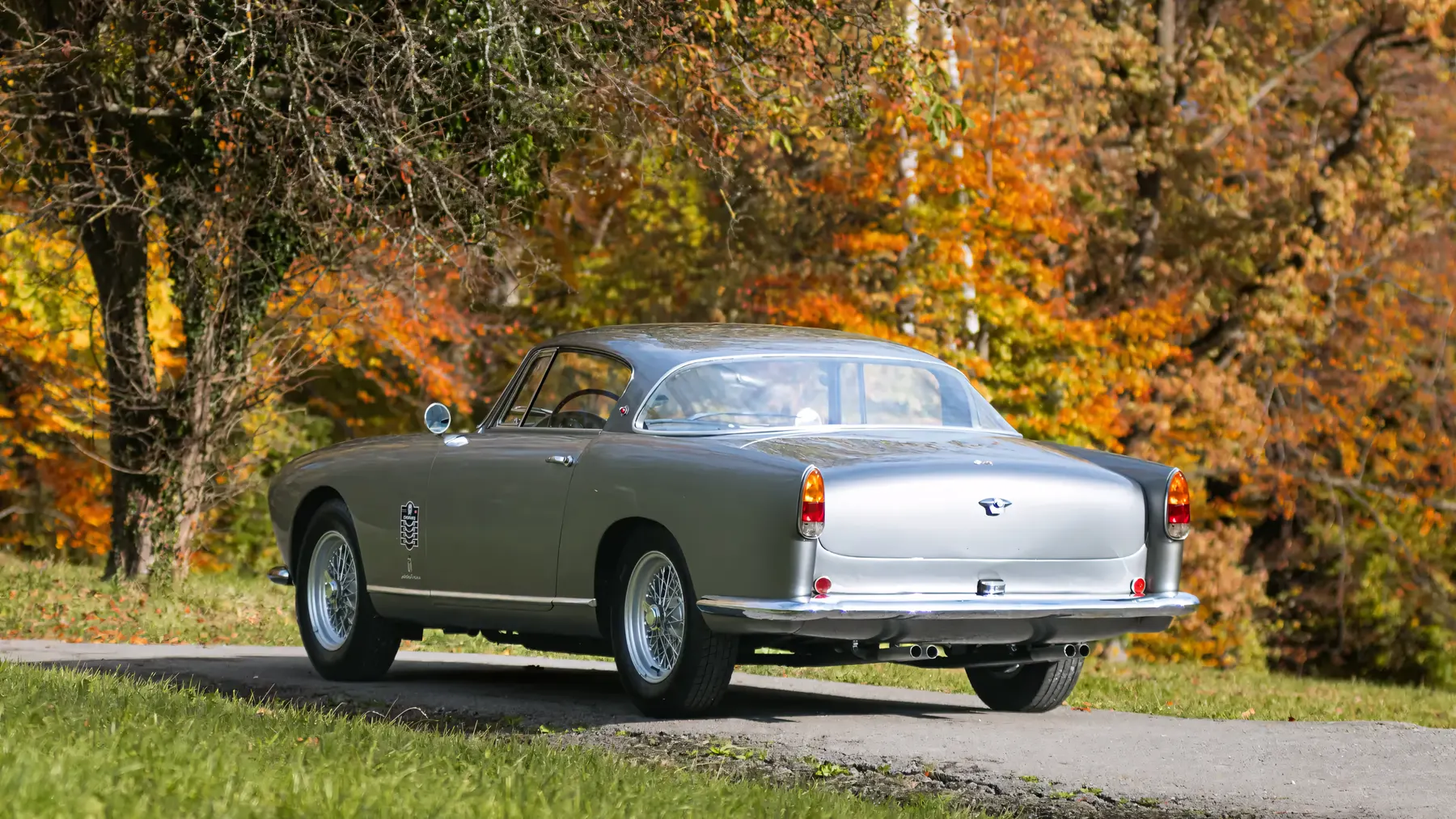
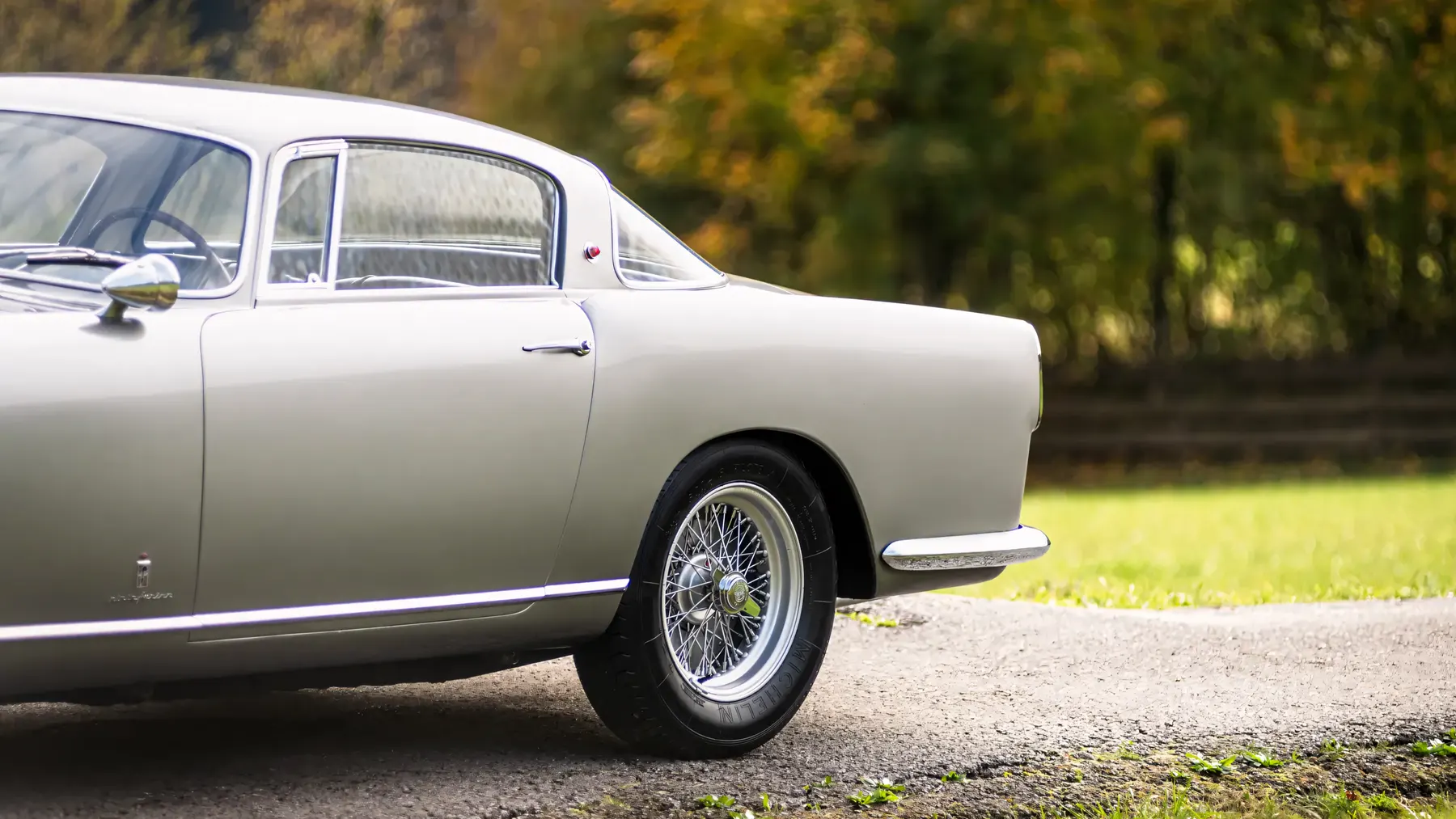
The rear of the car abandoned the fastback design of earlier models in favour of a more “notchback” style, which was more practical and easier to produce. Early prototypes featured a panoramic rear window, but production models switched to a simpler, trapezoidal window design. This combination of clean lines and subtle curves gave the 250 GT Coupé an elegant, understated look, making it an instant classic among Ferrari’s grand tourers.
The car’s design was praised for its proportions and simplicity. It had a more mature and refined aesthetic compared to its predecessors, showcasing Pinin Farina’s ability to blend performance-oriented engineering with luxury design elements.
Several prototypes were produced before the final design was locked in for production. The first, chassis 0797GT, was completed in 1957 and featured side vents and the panoramic rear window that would later be dropped. Chassis 0841GT followed, retaining the panoramic window but featuring different tail lights. A third prototype, chassis 0843GT, further refined the design, setting the stage for the final production version.
In addition to the regular production cars, a few special one-off versions were made for notable clients. For example, chassis 0853GT was customised with a five-window design and owned by Prince Bertil of Sweden. Another special car, chassis 1187GT, was shown at the 1959 Geneva Motor Show with a unique body resembling the 410 Superamerica, albeit without covered headlamps. These special models helped cement the 250 GT Coupé’s status as a favourite among elite car buyers.
The 250 GT Coupé Prototype by Pinin Farina was powered by the 3.0-liter Colombo V12 engine, a unit that had already proven itself in both racing and road-going Ferrari models. Over the course of its production, this engine received various upgrades. Early models were equipped with the 128C engine, which featured a single distributor and inside spark plugs. Later, this was upgraded to the 128D version, which introduced twin distributors. The final iteration of the engine, the 128F, moved the spark plugs to an external position, improving accessibility and performance.
Fuel delivery was handled by three Weber 36DCZ3 carburetors, although some later models were fitted with larger 40DCL6 units. This setup allowed the engine to produce 240 PS (177 kW), delivering impressive performance for a grand tourer.
The chassis of the 250 GT Coupé underwent several updates as well. By 1959, the cars were equipped with Dunlop disc brakes, a major advancement over the earlier drum brakes. These disc brakes were servo-assisted, improving braking performance and making the car more usable in modern driving conditions. The car also gained telescopic dampers and a centrally located gear shift with an electric overdrive, further enhancing its comfort and drivability.
The Ferrari 250 GT Coupé Prototype by Pinin Farina was a turning point for both Ferrari and Pinin Farina. It marked Ferrari’s transition from hand-built sports cars to more industrialised production processes, allowing them to meet growing demand without sacrificing the exclusivity and performance that defined the brand. For Pinin Farina, the project was a showcase of their ability to design and produce elegant, high-performance cars on a larger scale.
Despite the relatively high production numbers (by Ferrari standards), the 250 GT Coupé remains a highly desirable collector’s car today. Its combination of classic Ferrari performance, Pinin Farina styling, and historical significance make it a cornerstone of Ferrari’s GT lineage.
In conclusion, the Ferrari 250 GT Coupé Prototype by Pinin Farina was a car that helped shape the future of Ferrari as a brand. Its blend of performance, luxury, and design set the standard for future Ferrari models and cemented its place in automotive history.
Join the discussion
Comments
Loading comments…
Leave a comment
Share a detail, memory, or perspective. Every comment is reviewed before publication.