1957 Rolls-Royce Silver Wraith Drophead Coupé by Park Ward

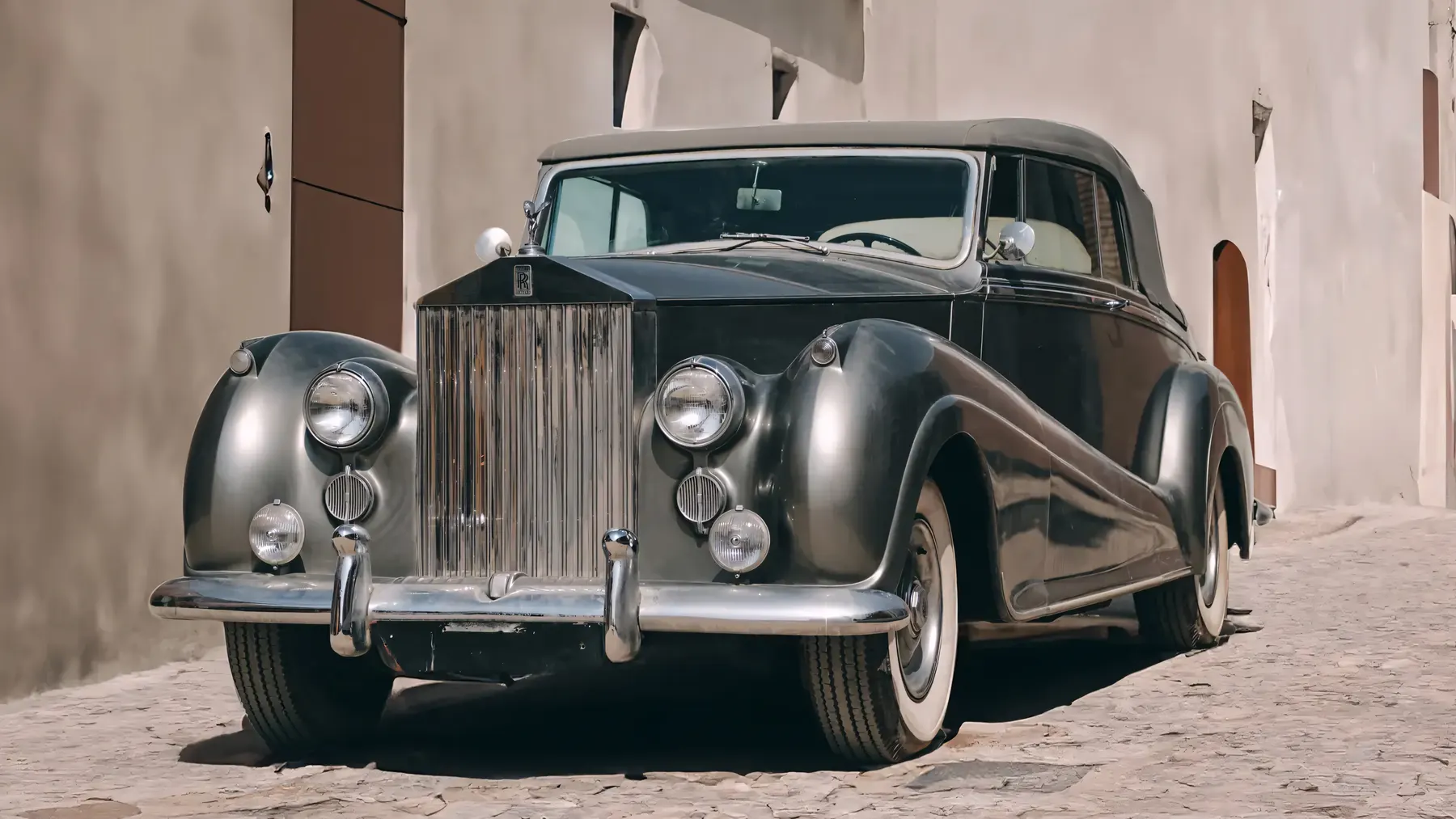
In the austere aftermath of World War II, the Rolls-Royce Silver Wraith Drophead Coupé by Park Ward emerged as a triumphant declaration of British resilience and craftsmanship. Introduced in 1946 as Rolls-Royce’s first postwar model, the Silver Wraith chassis became a canvas for elite coachbuilders like Park Ward, who transformed it into a convertible grand tourer of unparalleled sophistication. Rare even in its heyday,with only a handful of open-top examples crafted,the Drophead Coupé remains a symbol of an era when automobiles were not merely transportation, but rolling works of art.
The Silver Wraith was born into a world straddling prewar tradition and postwar innovation. Designed to replace the 1938 Wraith, it debuted with a 4.3-liter inline-six engine, later expanded to 4.9 liters, and rode on a 127-inch wheelbase chassis. This platform featured groundbreaking engineering, including independent front suspension and a rigid frame to accommodate evolving coachbuilt designs. By 1951, a long-wheelbase variant (133 inches) was introduced, favored by Park Ward for its Drophead Coupé due to the enhanced passenger space and stately proportions it afforded.
Park Ward, among the last surviving coachbuilders of the era, leveraged this chassis to create vehicles for a discerning clientele,industrialists, royalty, and celebrities who demanded exclusivity. The Drophead Coupé’s production coincided with the twilight of bespoke coachwork, as the industry shifted toward standardized manufacturing, making each example a poignant artifact of a vanishing craft.
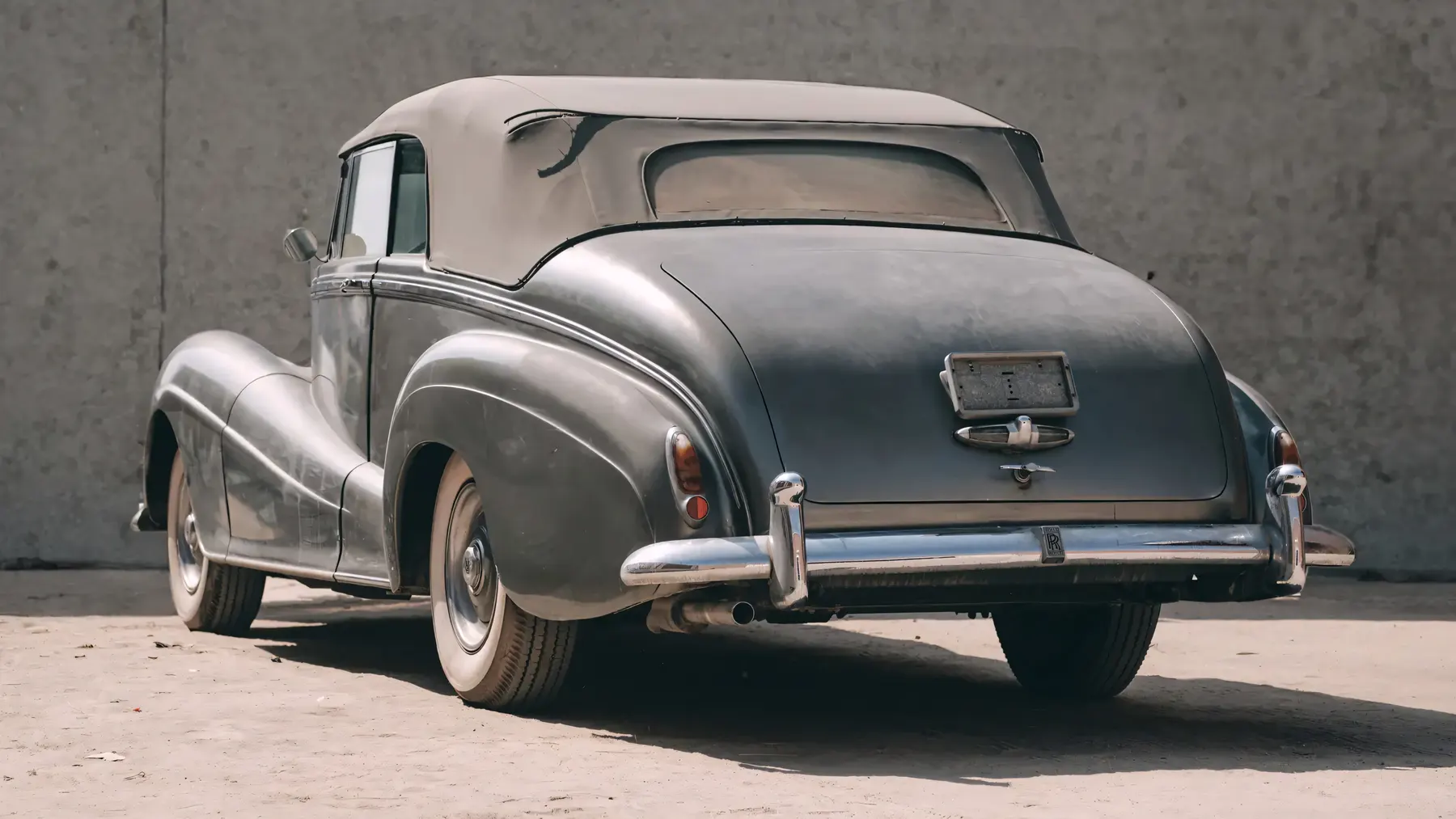
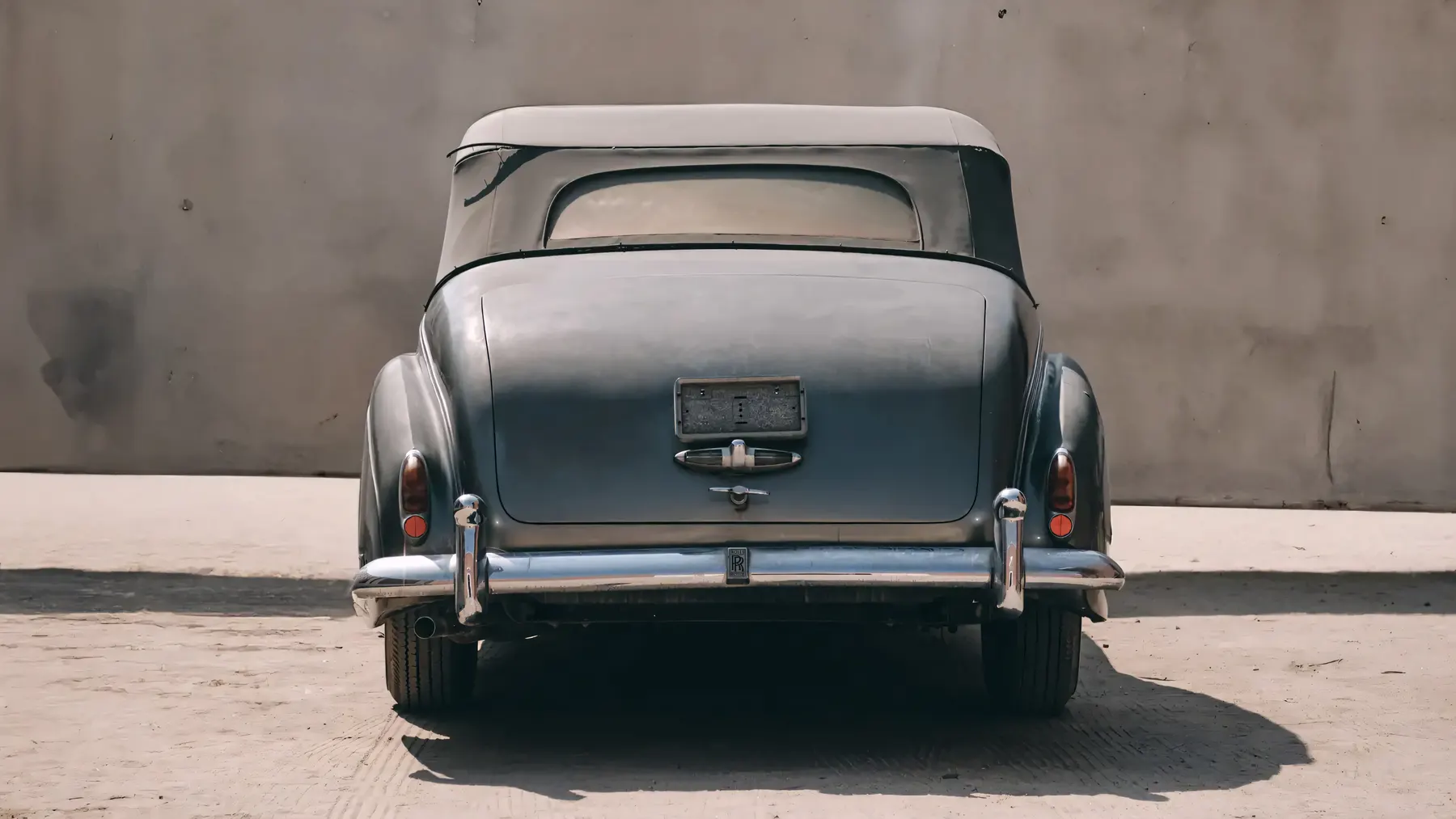
Park Ward’s design for the Drophead Coupé was a study in restrained opulence. The bodywork, crafted from lightweight aluminum, featured flowing fenders, a raked windshield, and a power-operated convertible top that folded seamlessly beneath a metal tonneau cover. Rear-hinged “suicide doors” added a touch of theatricality, while polished chrome accents and a low-slung profile emphasized aerodynamic grace. The long-wheelbase chassis allowed for a cabin that balanced intimacy with grandeur, offering ample room for four occupants.
Inside, the cabin was a sanctuary of bespoke luxury. Connolly leather upholstery, sourced from the finest hides, adorned seats and door panels, complemented by burled walnut dashboards and picnic tables. Park Ward offered clients personalized touches, from monogrammed treadplates to custom paint schemes in hues like Royal Claret or Silver Sand. Advanced features for the era included optional power steering, Sundym tinted glass, and a Hydramatic automatic transmission introduced in 1952, which catered to drivers seeking modern convenience without compromising elegance.
Beneath the bonnet lay Rolls-Royce’s robust 4.9-liter inline-six engine, a refinement of the pre war Bentley Mark V power plant. With overhead inlet valves and side exhaust configurations, it produced 130 horsepower,a figure Rolls-Royce discreetly understated, adhering to its philosophy of “adequate power.” The engine’s chromed cylinder bores and refined combustion chambers ensured smooth, silent operation, earning the model its “Magic Carpet Ride” reputation.
Paired with a four-speed manual or optional automatic transmission, the Silver Wraith delivered effortless acceleration, reaching 60 mph in leisurely yet dignified fashion. The independent front suspension and semi-elliptic rear springs provided a plush ride, while hydraulic-mechanical brakes offered confident stopping power. Though not designed for outright speed, the Drophead Coupé excelled as a grand tourer, its engineering optimized for serene, cross-continental journeys.
The Drophead Coupé’s rarity defined its allure. Park Ward produced only a limited number, each tailored to the owner’s specifications. Unique features included dual exhaust systems, rear passenger wind deflectors, and bespoke luggage sets crafted to fit the car’s contours. The model’s association with high-profile figures,such as Sir Henry Gurney, the British High Commissioner to Malaya,further cemented its status as a symbol of prestige.
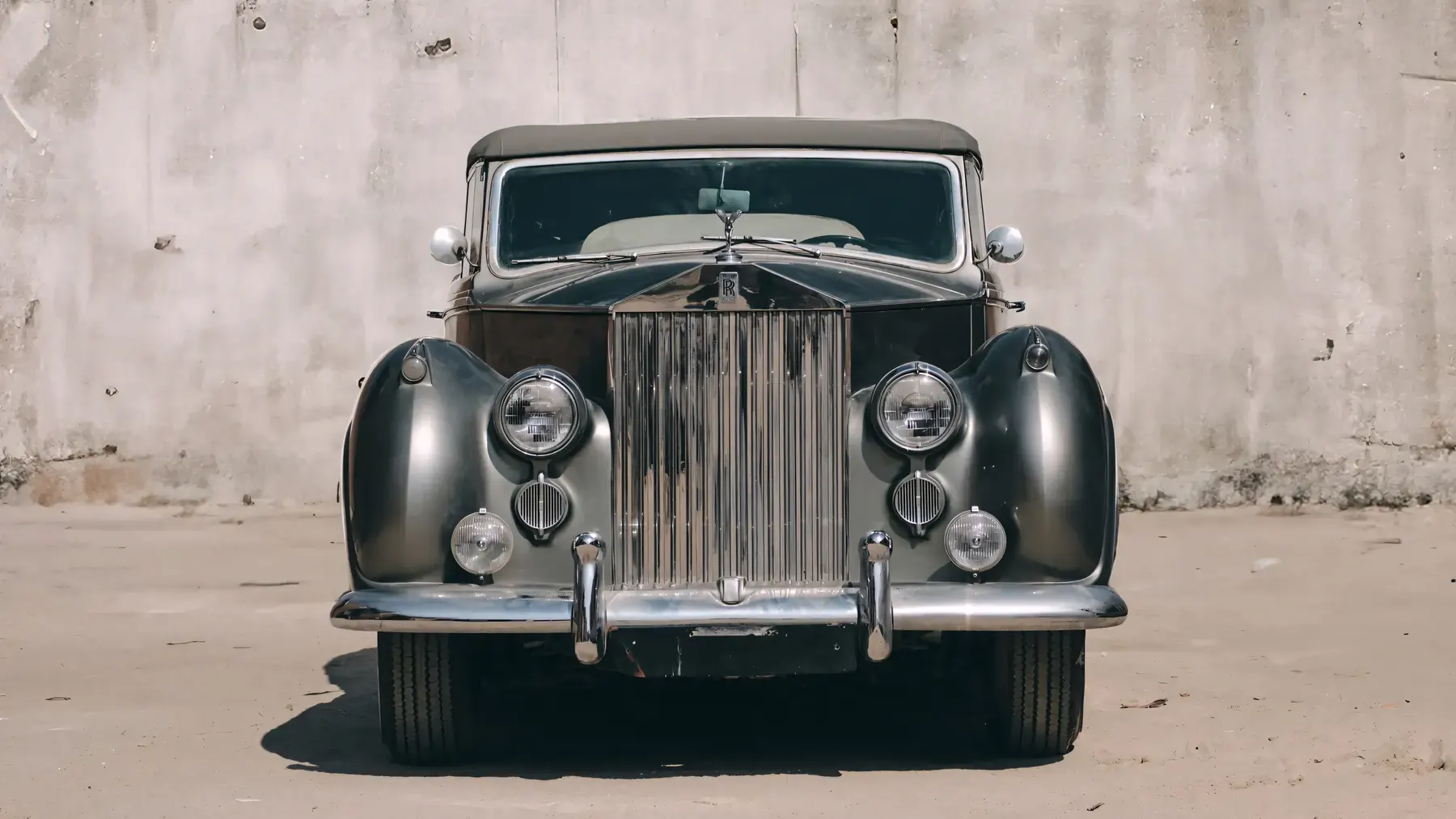
Notably, the car’s design avoided ostentation. Unlike flamboyant contemporaries, Park Ward prioritized balanced proportions and functional elegance. This restraint extended to the dashboard, where Smiths instrumentation was arranged with clinical precision, eschewing superfluous ornamentation.
The Silver Wraith Drophead Coupé captivated a global elite. It served as ceremonial transport for heads of state, including the Irish Presidency and Brazilian government, while Hollywood stars like Cary Grant and Elizabeth Taylor embraced its blend of glamour and subtlety. The car’s cultural imprint expanded through film appearances, notably in From Russia with Love (1963) and Batman (1989), where it symbolized aristocratic intrigue.
Contemporary reviews praised its refinement, though critics noted its anachronistic coachbuilt nature in an age of mass production. Yet this very anachronism became its strength, appealing to buyers for whom exclusivity outweighed modernity.
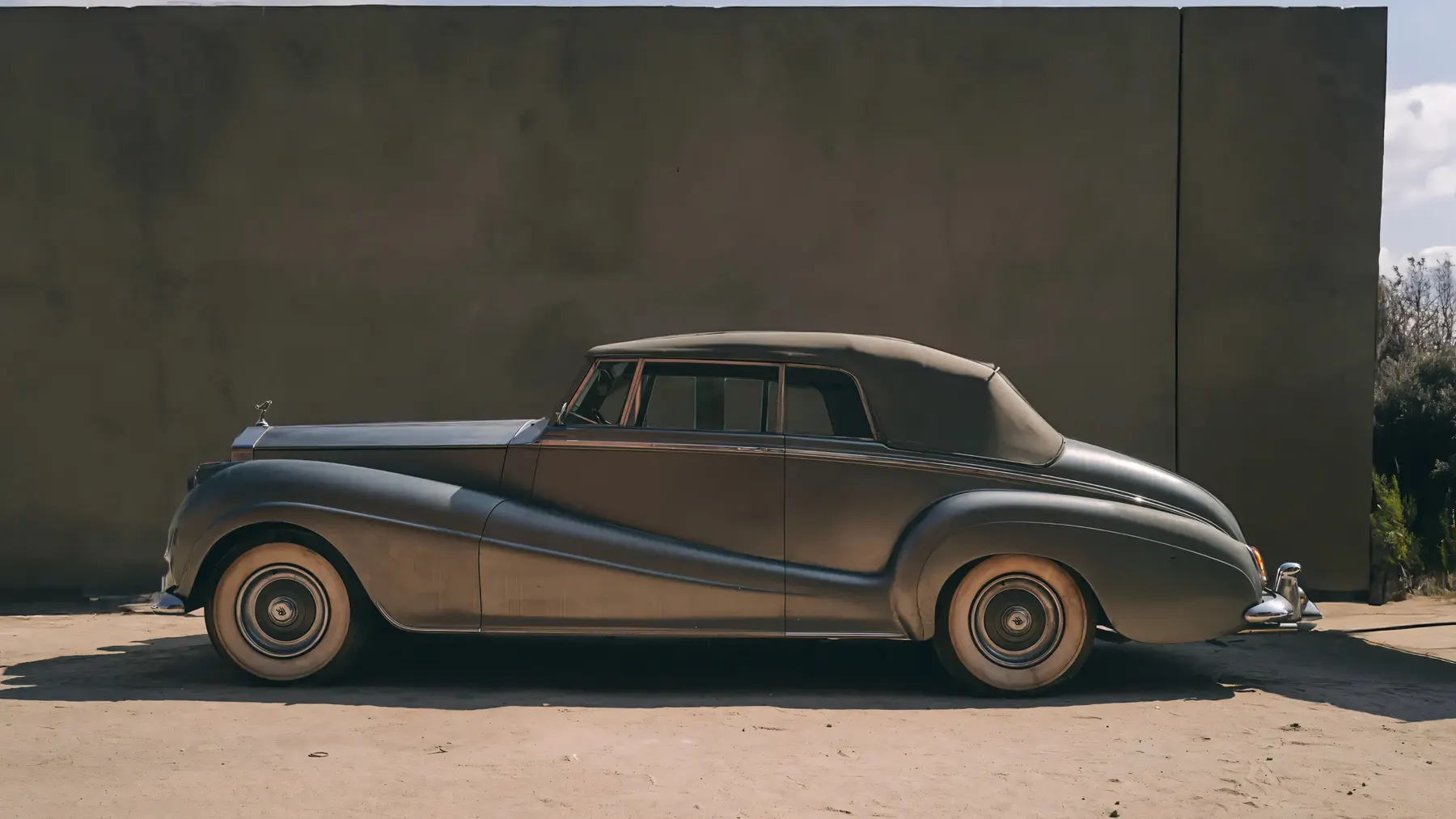
Today, the Silver Wraith Drophead Coupé is a jewel in classic car collections. Fewer than 20 examples are believed to survive, each a testament to Park Ward’s artistry. Restoration projects often hinge on meticulous attention to originality, guided by factory build sheets detailing every specification,from stitch patterns on seats to the angle of hood hinges.
The model’s dual identity,as a technological relic and a masterpiece of design,resonates with collectors. Auctions have seen well-documented examples fetch seven-figure sums, their value buoyed by provenance and patina.
The Rolls-Royce Silver Wraith Drophead Coupé by Park Ward stands as a bridge between epochs. It encapsulates the pinnacle of coachbuilt luxury while foreshadowing the industry’s shift toward standardization. More than a car, it is a narrative,of postwar rebirth, of artisan triumph, and of the fleeting moment when automobiles were crafted, not assembled. For connoisseurs, it remains a touchstone of elegance, a reminder that true luxury lies not in excess, but in the harmonious marriage of form, function, and exclusivity.
Join the discussion
Comments
Loading comments…
Leave a comment
Share a detail, memory, or perspective. Every comment is reviewed before publication.