Fiat 500 Spiaggina Boano: Agnelli, Onassis, and a Two-Off Beach Car
1958 Fiat 500 Spiaggina Boano

Images: Vecchio / RM Sotheby's
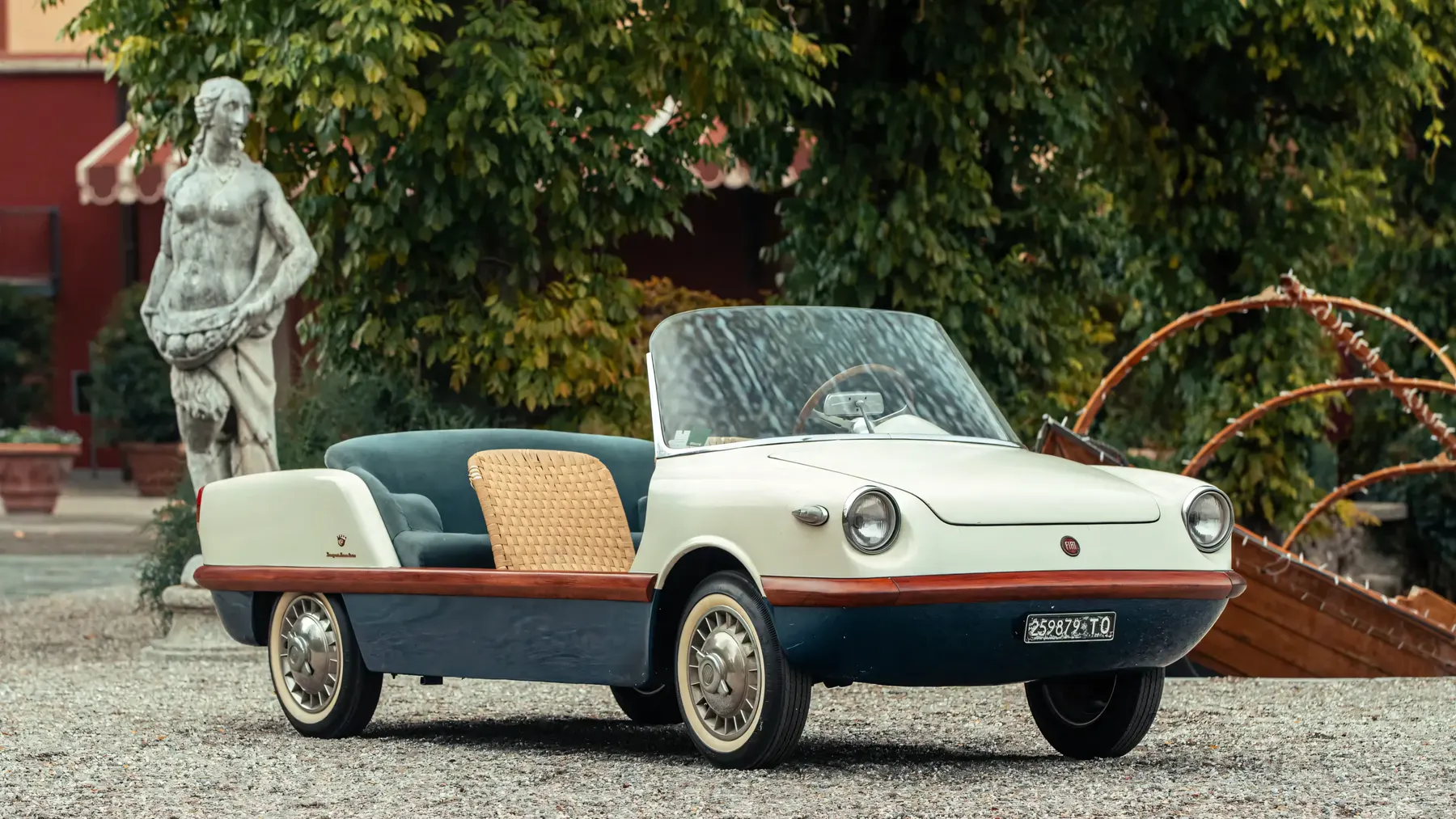
Gianni Agnelli didn’t commission the Fiat 500 Spiaggina Boano to be admired in a showroom, or even driven very far. He wanted something to ferry his houseguests down the hillside at Villa Leopolda, his estate above Villefranche-sur-Mer, to the water and back, without pretending to be anything more than a short, sunlit errand. That a car built to solve a problem this small ended up being credited, not entirely fairly as it turns out, with inventing an entire genre of postwar Italian motoring is one of the odder footnotes in Fiat’s history.
The starting point was about as humble as cars got. Fiat’s Nuova 500 arrived in the summer of 1957 as a spartan two-seat economy car aimed at motorising ordinary Italians, not flattering industrialists. A year later, in 1958, Agnelli - already the family’s public face at Fiat, though he wouldn’t become the company’s chairman for another eight years - ordered two examples transformed into open, doorless runabouts: one for himself, registered in his name that June, and one as a gift for his friend Aristotle Onassis.
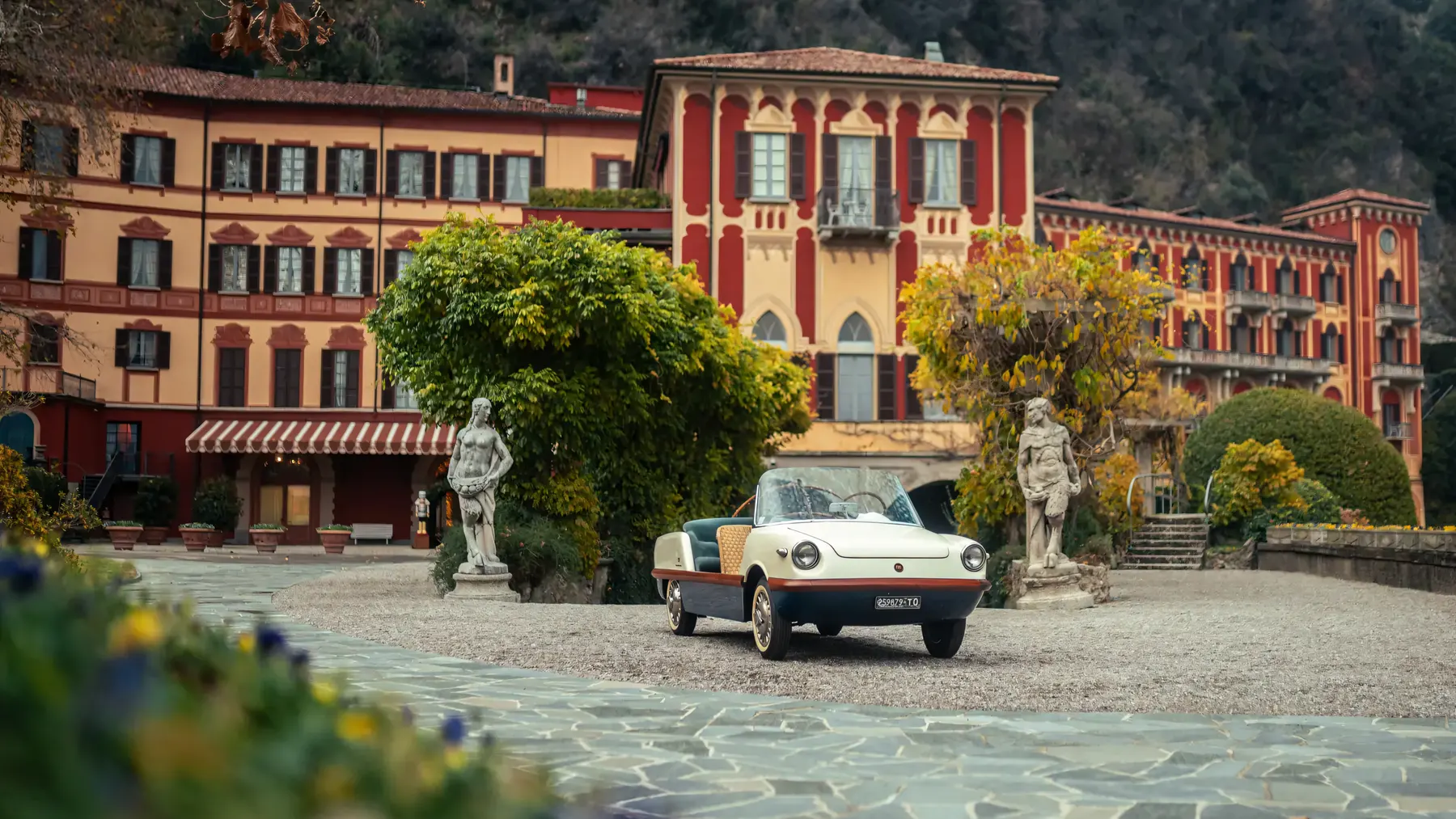
The coachwork is generally attributed to Mario Boano, though exactly which workshop executed it is where the record gets hazy. His design credentials were never in doubt. He had co-bought Carrozzeria Ghia in 1944 and, alongside Luigi Segre, worked on the Alfa Romeo 2500, the Lancia Aurelia and the original Karmann-Ghia, before falling out with Segre and setting up his own coachbuilding firm, Carrozzeria Boano, with his son Gian Paolo in Grugliasco in 1954, where they bodied early Ferrari 250 GT coupés. But that independent firm had effectively wound down by 1957, when Mario Boano left to set up and run Fiat’s own in-house styling department. So the name attached to this car belongs to a coachbuilder whose standalone workshop had, by most accounts, already closed by the time the commission was built - one prominent auction house instead describes it as the work of “Carrozzeria Ghia’s Mario Boano,” and nobody writing about the car seems entirely sure whose hands actually shaped the metal.
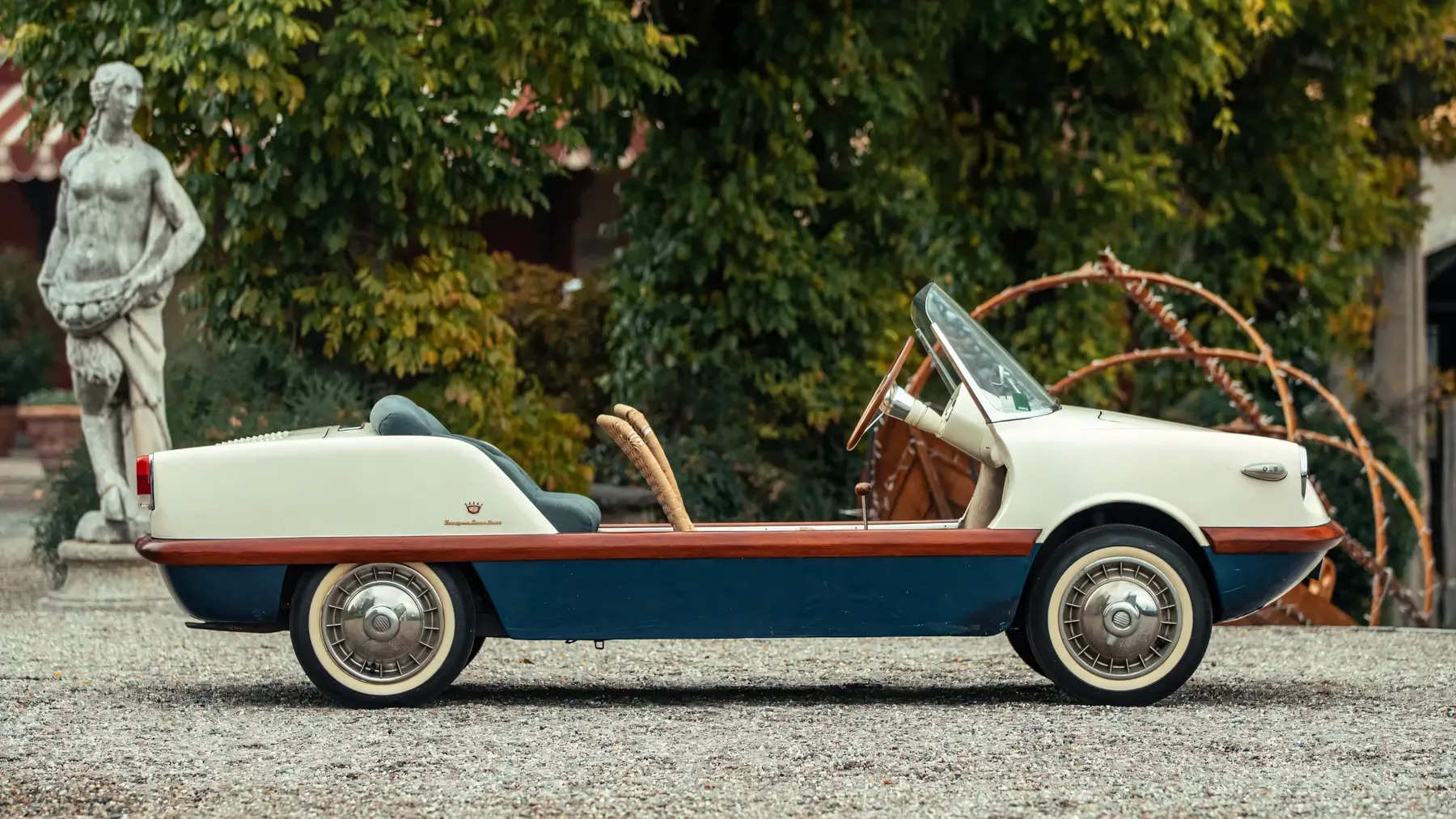
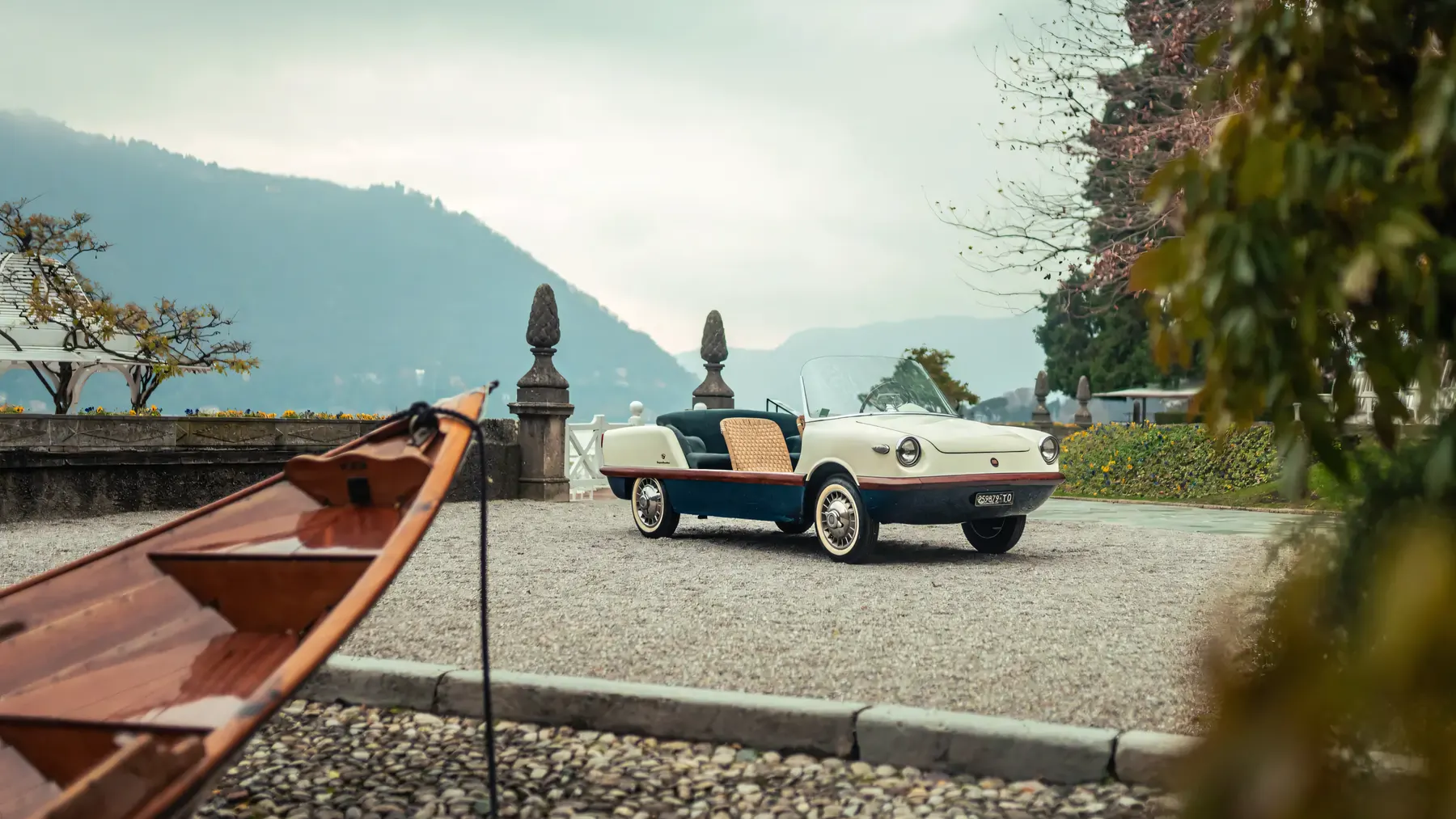
What survives, in photographs and in the single known example, is straightforward enough to describe. The standard 500’s floorpan was lengthened to open up cabin room, and the closed steel body was abandoned altogether in favour of open, doorless coachwork with no fixed roof. Wood trim ran along the flanks and dash, more Riviera runabout than city car, the front seats were woven wicker, and a plush upholstered bench filled the back for passengers being chauffeured rather than driven. Steel wheels wore chrome hubcaps and whitewall tyres, finishing off a look with more in common with a wooden speedboat than anything else carrying a Fiat badge.
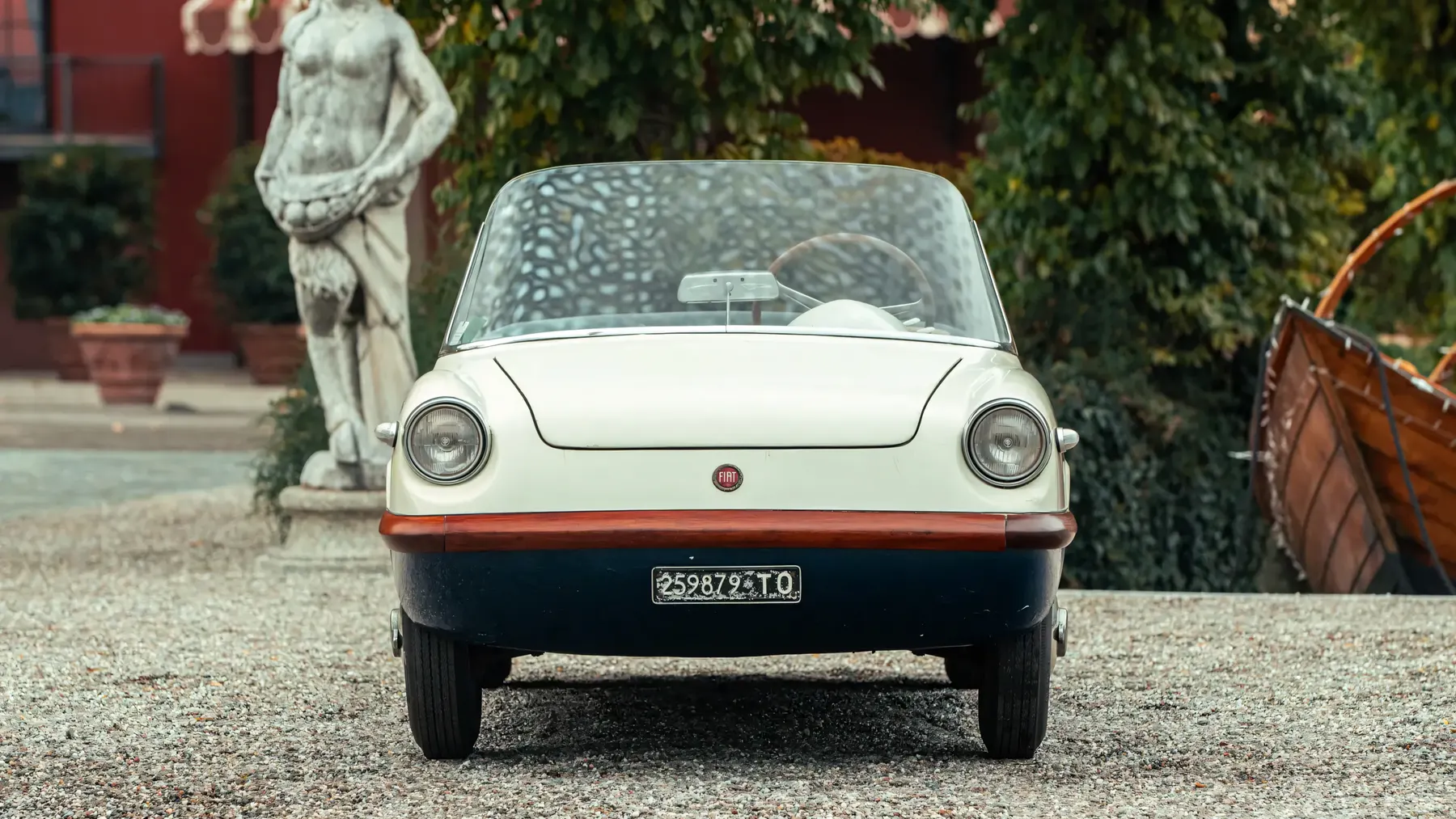
Underneath, essentially nothing changed. Power still came from the standard rear-mounted 479cc air-cooled twin-cylinder engine, driving the rear wheels through a four-speed manual, with independent suspension front and rear and drum brakes on all four corners. Output is usually quoted at 15bhp at 4,000rpm, though some accounts of this specific car give a lower 13bhp - a discrepancy that turns up often enough in period literature on the Nuova 500 that it isn’t worth pretending to resolve definitively. In stock form the donor car weighed around 470kg empty and topped out a little over 50mph; nobody appears to have timed the coachbuilt version, and given the extra bodywork and the stretched chassis, there’s no good reason to assume it was any quicker.
None of which means the Nuova 500’s underpinnings were unpleasant to drive; they just weren’t designed with cars like this in mind. The standard 500’s four-speed gearbox was non-synchromesh, so pulling away from a standstill and dropping back down through the ratios both call for a deft double-declutch, a quirk that would have applied just as much to this stretched, doorless version as to any ordinary saloon. Steering was unassisted and light, helped by very little weight sitting over the front wheels, and with no doors to step over, seats set low and close to the road, and the little air-cooled twin buzzing away behind your shoulders, the sensation from the driver’s seat would have owed more to a large go-kart than to a conventional motor car - fitting, perhaps, for something whose entire job was covering a few hundred metres of private driveway at walking pace rather than covering ground.
The Spiaggina’s fame rests almost entirely on where it was seen rather than how it drove. It turned up in the pages of Vogue, and has been folded ever since into the mythology of la dolce vita - very rich men, their equally rich friends, and Riviera summers organised around yachts and villas rather than roads. The trouble is that the story of the Spiaggina having “started” the beach-car craze doesn’t entirely survive scrutiny. Agnelli had already had a Pininfarina-built runabout, based on the Fiat 600 Multipla and nicknamed the Eden Roc, shuttling guests around the grounds of the same Villa Leopolda as early as around 1956 - two years before Boano’s car existed - and at least one specialist account traces an even cruder beach conversion, possibly built in-house by Fiat itself, back to 1954. What’s clearer is that whatever the Spiaggina actually started, Carrozzeria Ghia commercialised within months of it. Ghia’s Fiat 600 Jolly, with the same doorless body and wicker seats, went into something closer to genuine production, with several hundred believed built between 1958 and 1966 and sold into the same rarefied circle - Onassis, tellingly, owned one of those too. Where Boano built two cars and effectively walked away from the idea, Ghia turned it into a business.
For all the glamour attached to it after the fact, the Spiaggina Boano was a compromised piece of engineering even judged on its own terms. Stripping the roof and doors from an already flexible economy-car monocoque, then lengthening the floorpan and adding wood trim and a heavier bench seat, would have done nothing for structural rigidity or for the power-to-weight balance of a car that was already among the least powerful things sold in Europe; there’s no indication the chassis received any meaningful reinforcement to compensate. With no roof, no doors and only the most token weather protection, it was a fair-weather, short-hop proposition only - which was, admittedly, exactly its job description, but it also meant the car had essentially no usability beyond a handful of warm afternoons a year. And despite the credit later heaped on Boano for kick-starting an entire automotive subculture, his own firm captured none of the commercial upside: it built exactly two examples, never returned to the idea, and had effectively ceased independent operation right around the time the trend it’s now credited with sparking was taken up, and monetised, by a rival coachbuilder. Add a documentary record thin enough that even the exact power output and the precise circumstances of its construction are argued over by the handful of sources that have written about it, and what’s left reads less like a landmark of automotive engineering than a beautifully photographed curiosity that outgrew its own footnote.
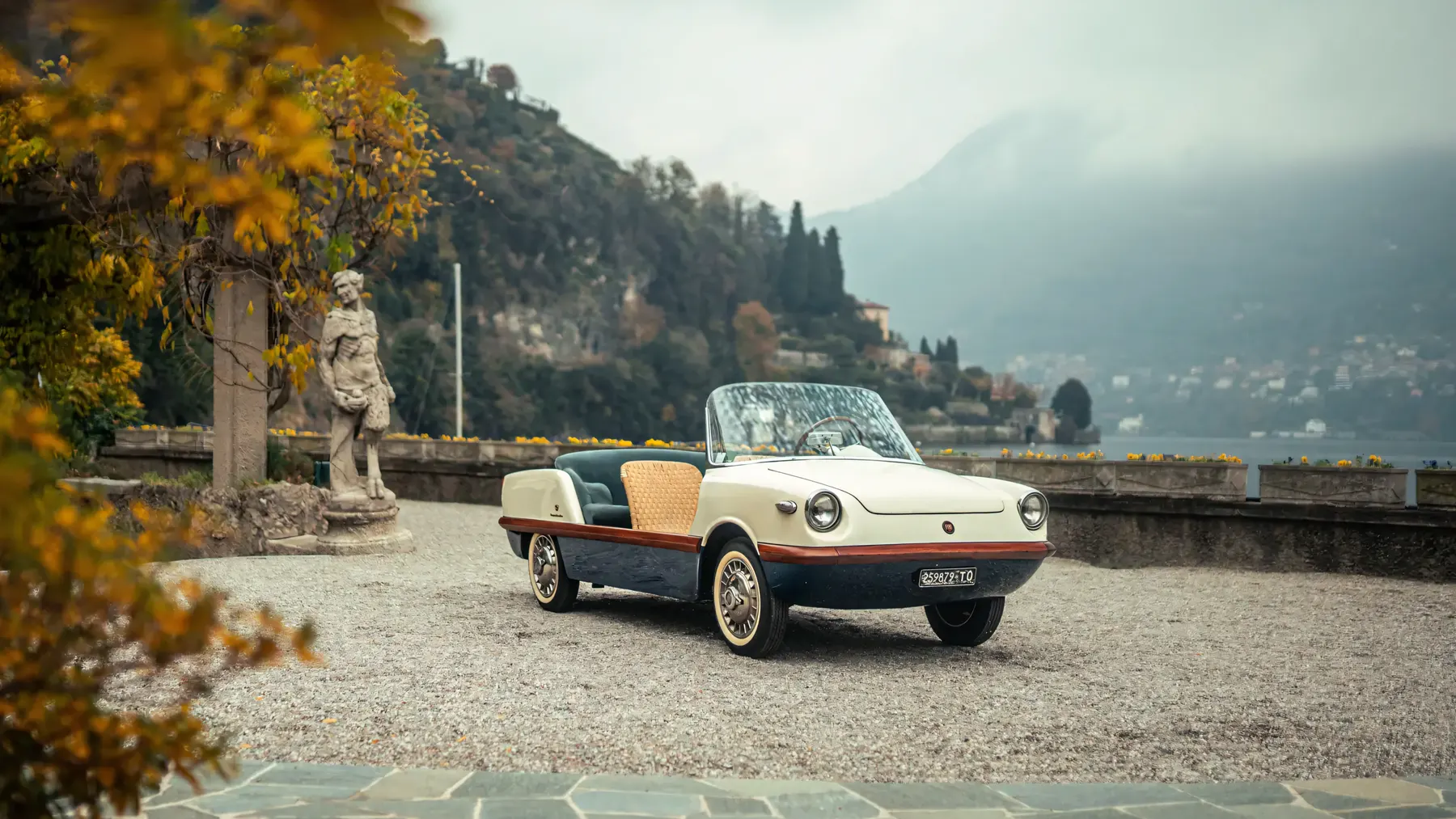
One of the two cars, Onassis’s, was lost at some point and no longer exists; Agnelli’s is believed to be the sole survivor. It resurfaced in recent years, was shown publicly at the Concorso d’Eleganza Villa d’Este, and has since appeared at international auction, where bidding has pushed it into a price bracket that has nothing to do with what a 479cc Fiat twin is worth mechanically. According to specialist coachbuilder historians, Carrozzeria Savio later licensed Boano’s design and produced its own limited run under the name Fiat 500 Elegance in the mid-1960s, keeping the basic idea alive commercially after Boano’s own version had effectively become a museum piece.
The Spiaggina Boano is a strange thing to assess as a “model” at all - two cars, no options list, no factory brochure, no road test, built to solve a problem so small it barely qualifies as a brief: getting from a clifftop house down to the sea. Its real significance was never in anything it did particularly well as a machine; a standard Nuova 500 would have been just as quick and considerably more usable. What it did was hand the rest of the Italian coachbuilding industry a template - open sides, wicker seats, a speedboat’s sense of occasion bolted onto an economy car’s mechanicals - that Ghia, and later Savio and others, would spend the next decade refining, building in real numbers, and selling to exactly the sort of people who had first seen the idea parked outside Agnelli’s villa.
Sources
- 1958 Fiat 500 Spiaggina Boano, Paris 2024 - RM Sotheby’s
- The Cute Fiat 500 Spiaggina Boano Is the Italian Classic That Started the Beach Car Trend - autoevolution
- An Unusual Little Car That Started A Craze: The 1958 Fiat 500 Spiaggina Boano - Silodrome
- The Fiat 500 Spiaggina Boano: the queen of all beach cars - Carrozzieri Italiani
- Fiat 500 Spiaggina by Carrozzeria Boano - Small Cars Club
- Gianni Agnelli’s iconic Fiat 500 Carrozzeria Boano birthed the Spiaggina - Classic Driver Magazine
- Rare 1958 Fiat 500 Spiaggina Boano Heads To Auction - Forbes
- Boano & Ellena - Coachbuild.com
- Felice Mario Boano - Wikipedia
- Carrozzeria Ghia - Wikipedia
- The Fiat 500: An Icon of Our Time - Stellantis Media
- 1957 Fiat 500 Specifications & Dimensions - conceptcarz.com
- Life’s a beach: Fiat 600 Jolly - Classic & Sports Car
- 1958 Fiat 600 Jolly by Ghia, Monterey 2024 - RM Sotheby’s
Join the discussion
Comments
Loading comments…
Leave a comment
Share a detail, memory, or perspective. Every comment is reviewed before publication.