1959 Austin-Healey 3000 Mk I BT7

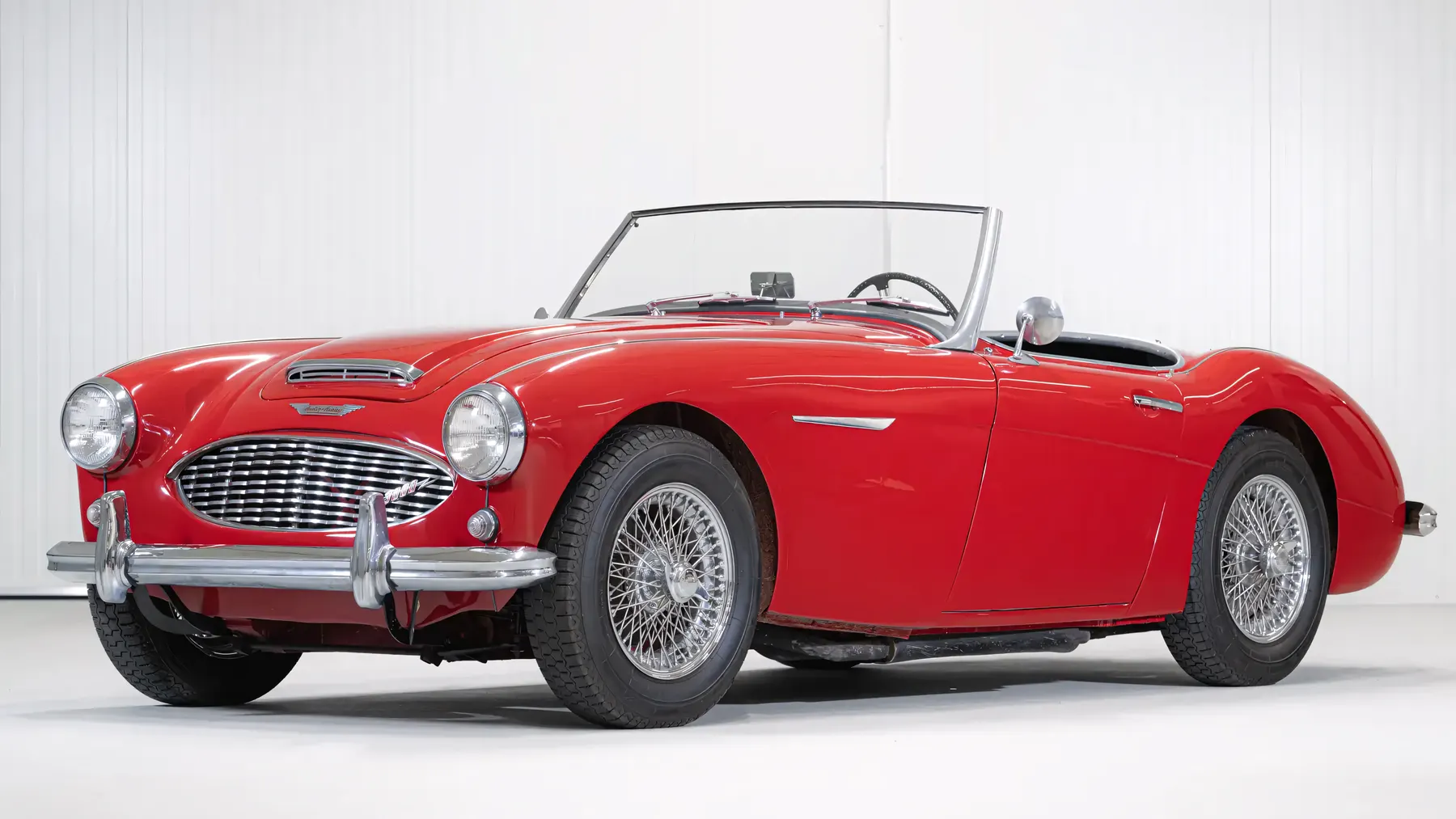
The Austin-Healey 3000 Mk I BT7 is a classic British sports car, first introduced in 1959, and a standout model within the “Big Healey” family. Manufactured from 1959 to 1961, this version of the 3000 is notable for its blend of performance, style, and 2+2 seating, which allowed room for small passengers or extra luggage, making it a more practical option for enthusiasts.
The Austin-Healey 3000 series represented a progression from the earlier Austin-Healey 100-6, most notably upgrading to a 3.0-liter BMC C-Series inline-six engine, a boost from the previous 2.6-liter unit. This change offered increased power, with claimed performance figures including a 0-60 mph time of around 11 seconds,remarkable for its time. The Mk I was equipped with front disc brakes, a significant upgrade that improved stopping power, a crucial factor for a sporty roadster.
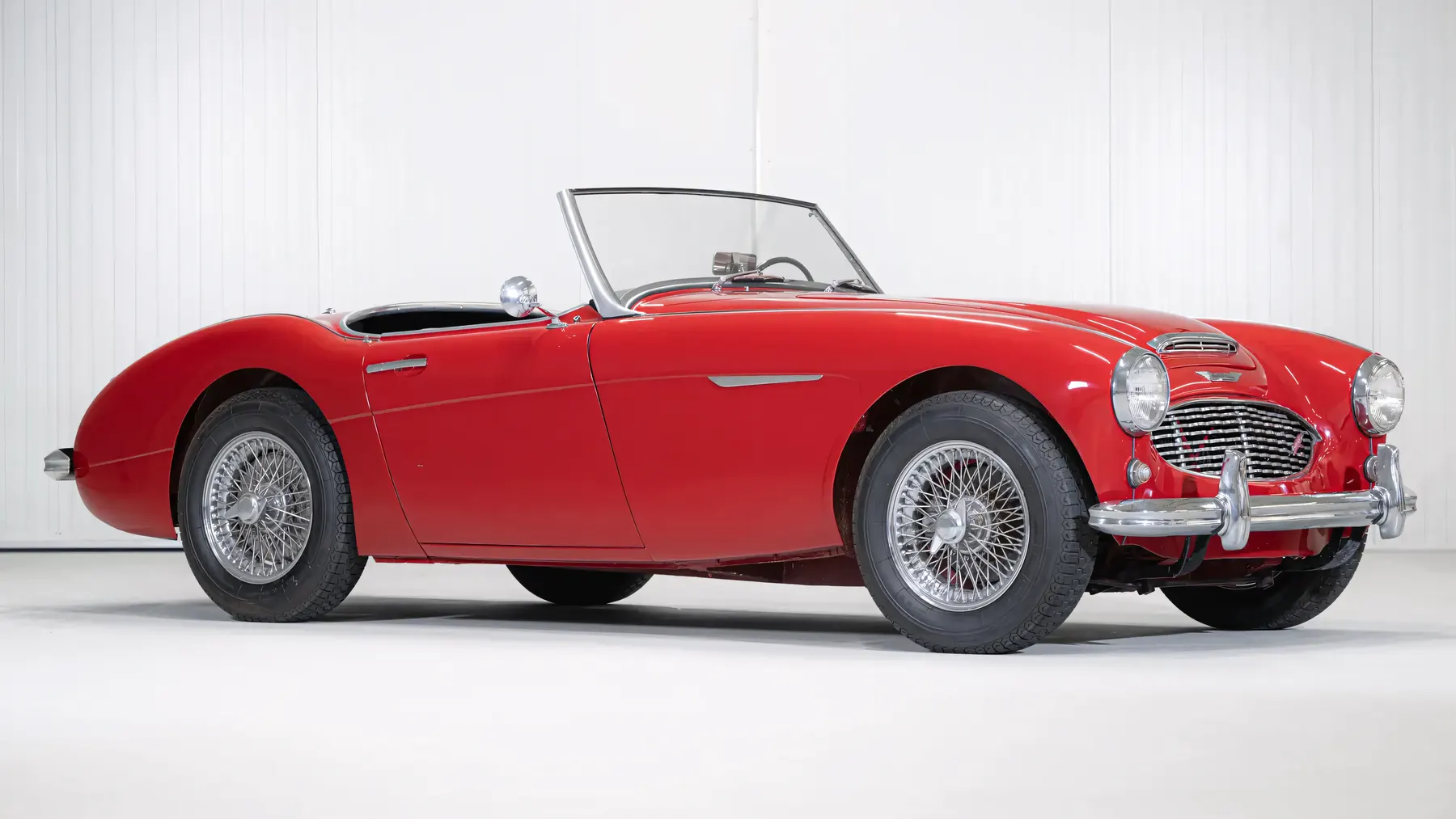
The BT7 designation refers to the 2+2 configuration, differentiating it from the two-seat BN7 variant. This model retained the classic long hood, short rear deck proportions, and low-slung stance, all hallmarks of the Austin-Healey aesthetic. Bodywork was built by Jensen Motors, while assembly took place at BMC’s MG Works in Abingdon, showcasing a partnership that contributed to the car’s distinctive appeal.
A road test conducted by The Motor magazine in 1960 highlighted the BT7’s capabilities. The tested car, equipped with a hardtop and overdrive, reached a top speed of 115 mph (185 km/h) and accelerated from 0 to 60 mph in 11.7 seconds. Its fuel consumption was recorded at 21.6 miles per imperial gallon (13.1 L/100 km), demonstrating a balance of spirited performance and reasonable efficiency for its era. Standard features included a folding plastic roof, detachable side screens, and optional extras like wire wheels, a laminated windscreen, and a detachable hardtop for added versatility.
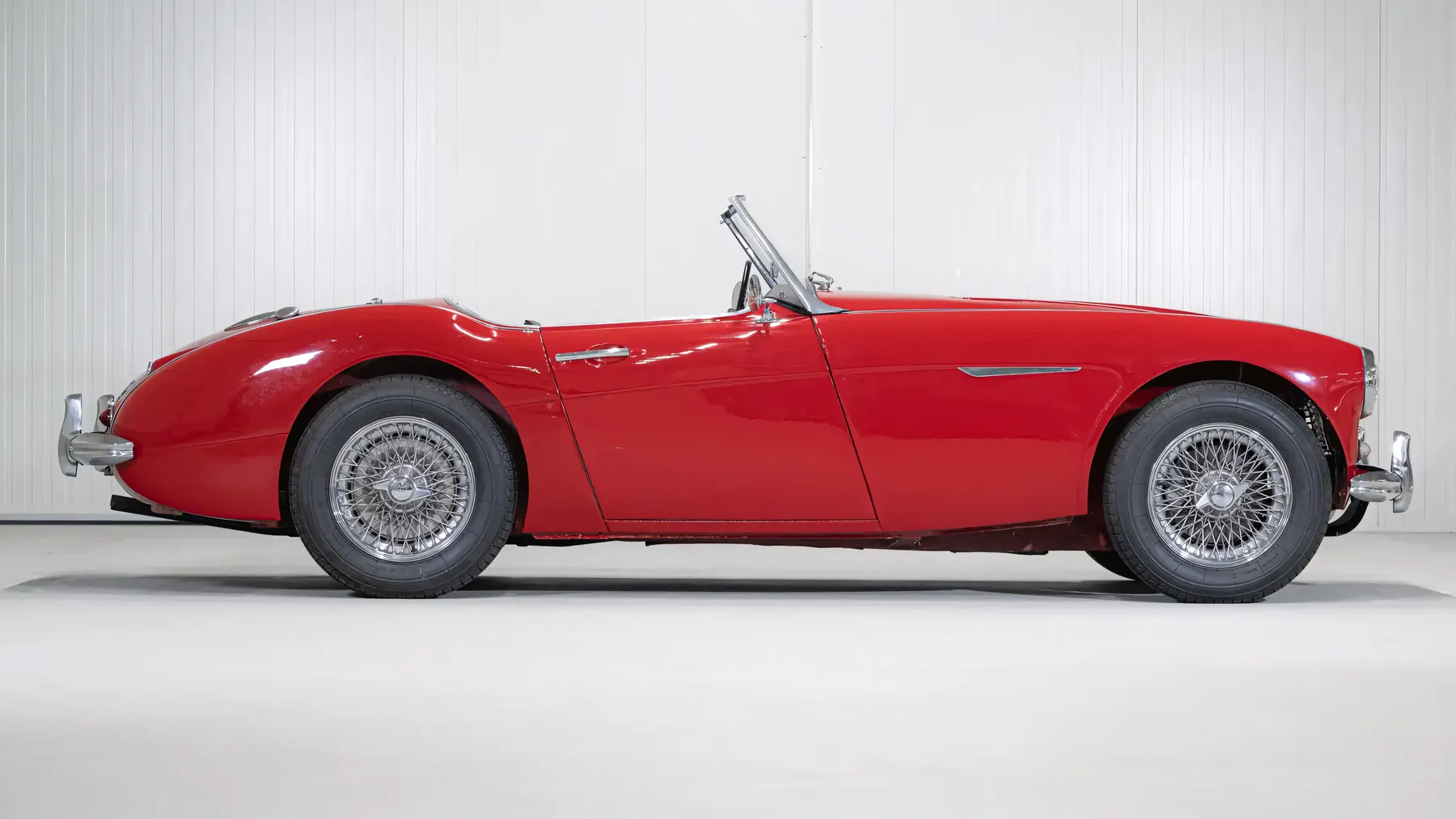
Donald Healey’s influence is evident in the 3000 Mk I BT7’s design, which balances beauty and functionality. Unlike many of its contemporaries, the Austin-Healey combined a tuned Austin powertrain within a barchetta-style body, creating a car that was equally suited to weekend racing or daily errands. The 2+2 seating configuration made it more family-friendly without sacrificing its sports car roots, making it a favourite among enthusiasts, particularly in the U.S. market, where most were exported.
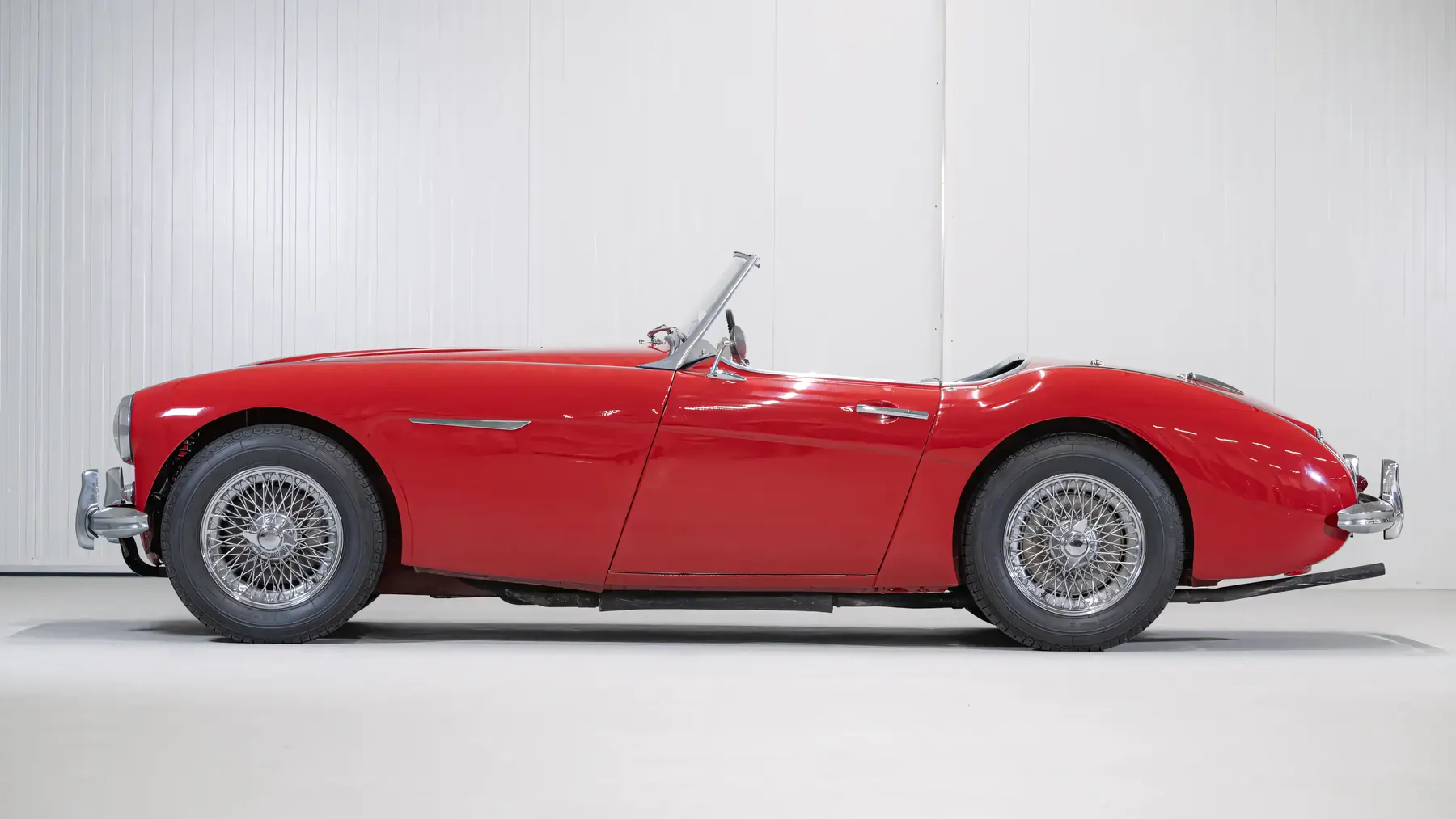
The Mk I’s chassis retained the tried-and-true design from the Austin-Healey 100, providing excellent handling dynamics for the period. The introduction of Girling front disc brakes marked a significant improvement in braking performance over earlier models, enhancing driver confidence during spirited drives.
During its production run, 13,650 Mk I models were built, with 10,825 of those being the BT7 2+2 configuration. The 3000 series, including the Mk I, cemented Austin-Healey’s reputation as a premier manufacturer of sports cars. Its legacy lives on, with many examples actively raced and cherished by collectors and enthusiasts worldwide. The combination of powerful performance, elegant design, and historical significance ensures the Austin-Healey 3000 Mk I BT7 remains an icon of British automotive engineering.
Join the discussion
Comments
Loading comments…
Leave a comment
Share a detail, memory, or perspective. Every comment is reviewed before publication.