1959 Fiat 500 Jolly by Ghia

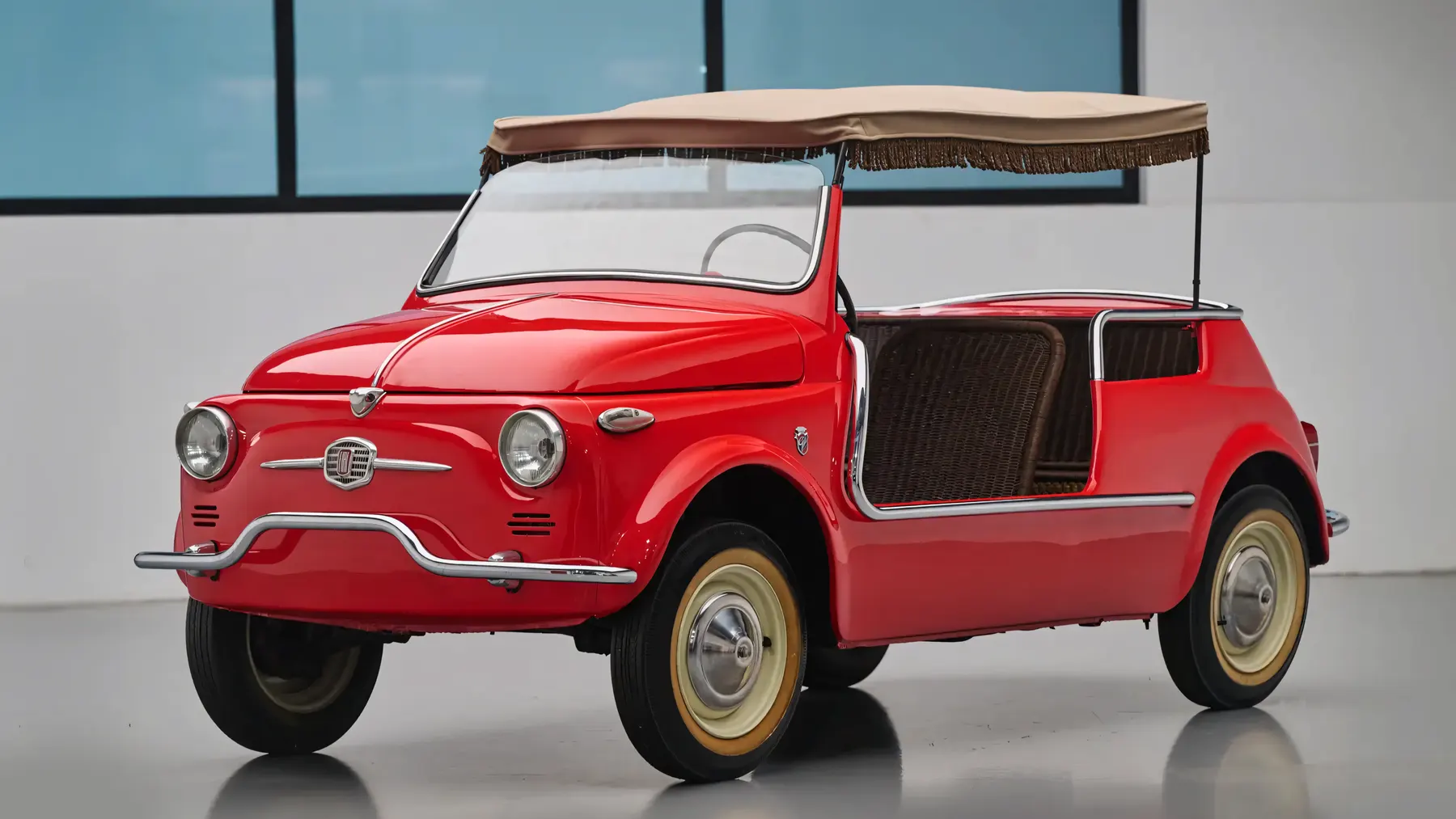
The Fiat 500 Jolly by Ghia is a fascinating chapter in automotive history, blending Italian craftsmanship, playful design, and a touch of luxury. Based on the beloved Fiat 500 platform, the Jolly was an open-air variant conceived for leisurely coastal drives and upscale vacationers. Its quirky charm and unique features make it one of the most sought-after collector cars today.
The Fiat 500, launched in 1957, was designed as an affordable and practical city car for post-war Italy. With a diminutive length of just 2.97 meters, a rear-mounted 479cc two-cylinder engine, and seating for four, the Fiat 500 became a symbol of accessible mobility. Renowned designer Dante Giacosa played a pivotal role in its development, earning a prestigious Compasso d’Oro award for industrial design. Over its production run, the Fiat 500 offered variants like the estate-style Giardiniera and sporty models from Abarth and Giannini.
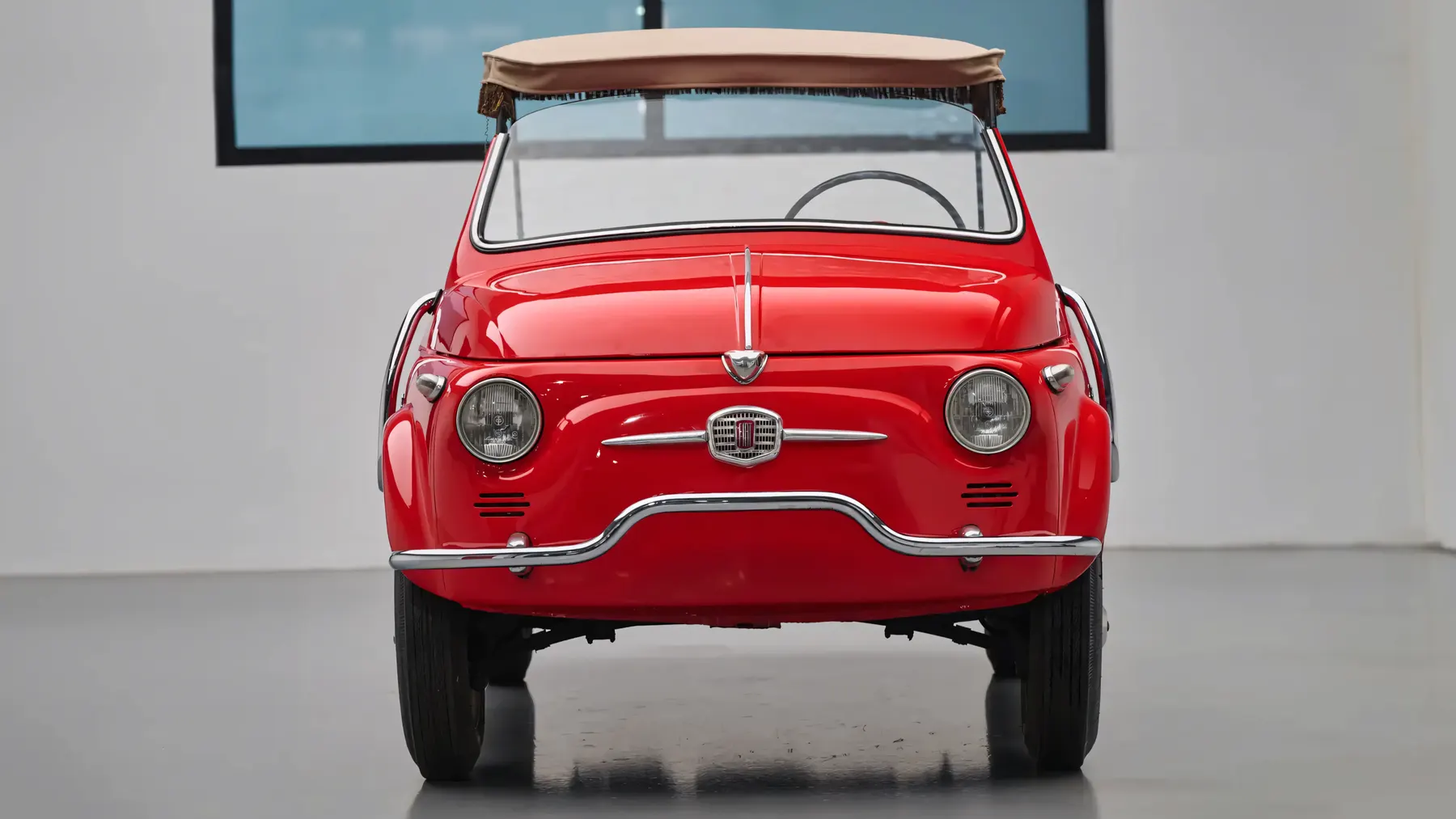
Carrozzeria Ghia, a revered Italian design house, reimagined the Fiat 500 as the Jolly, stripping it down to its essentials and infusing it with Riviera flair. Doors were replaced with open sides, wicker seats provided a breezy, beach-ready vibe, and a removable fabric canopy offered shade. Chrome accents added a hint of luxury, while the overall design embodied simplicity and elegance.
This transformation mirrored Ghia’s earlier work on the Fiat 600 Jolly, maintaining the core aesthetic but scaled down to the Fiat 500’s proportions. Despite its modest underpinnings, the Jolly became a luxury item, aimed at yacht owners and wealthy vacationers.
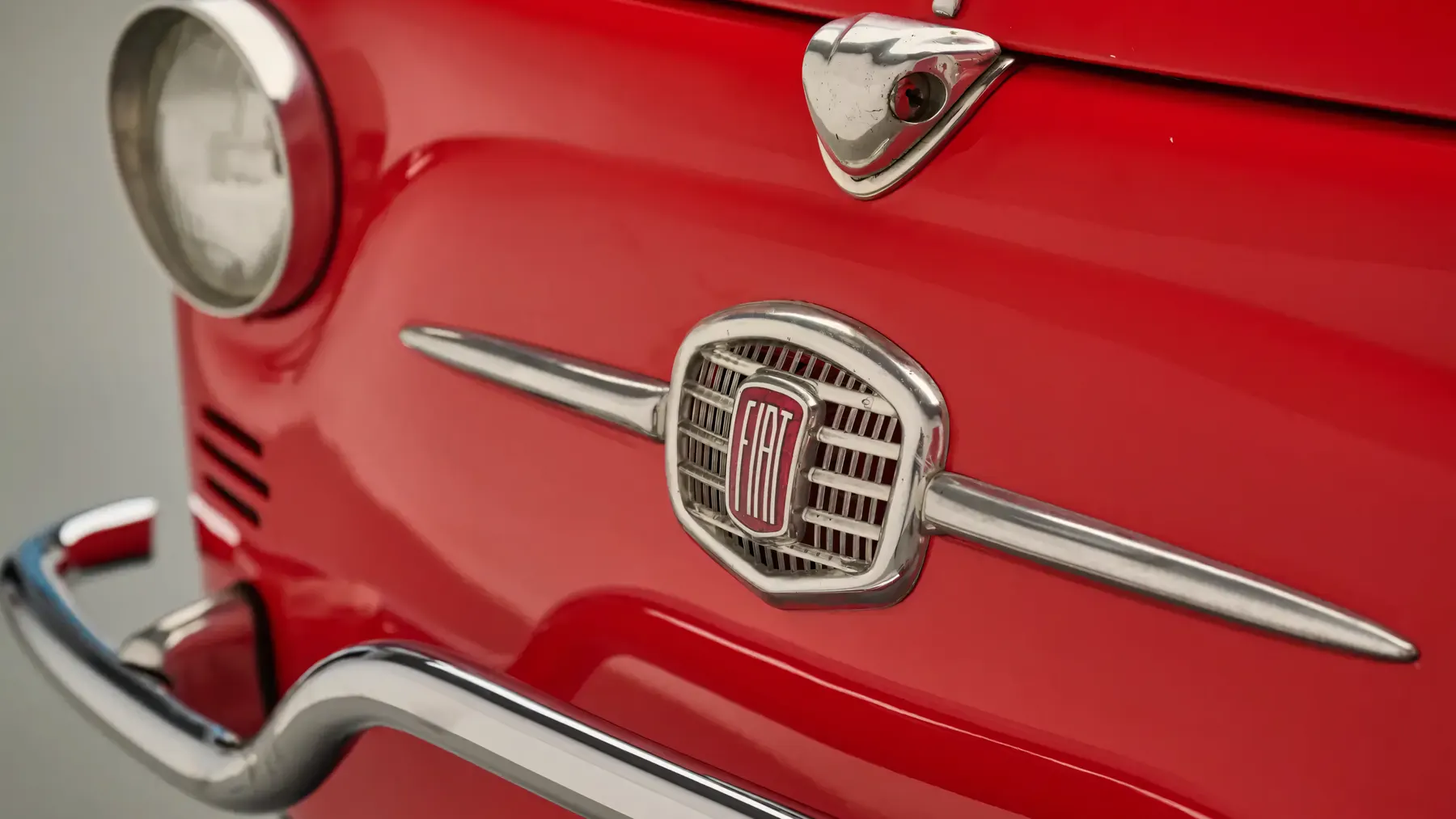
The Fiat 500 Jolly retained the 500’s rear-mounted 479cc two-cylinder engine, producing around 18 horsepower. Paired with a four-speed manual gearbox, the Jolly was not about speed but about leisurely cruising through seaside towns and narrow European streets. Its lightweight body made it agile, while its simplicity ensured reliability.
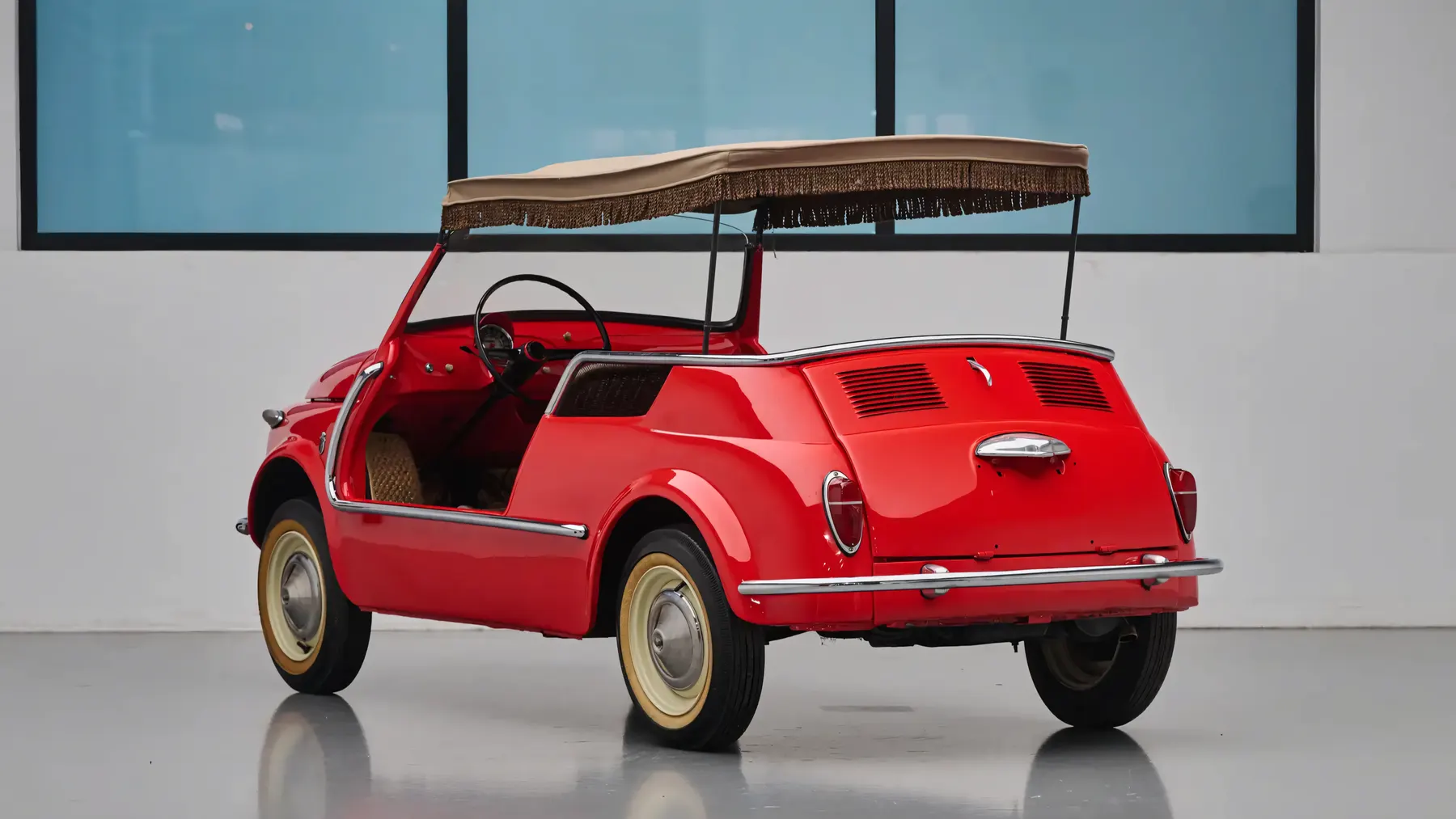
What sets the Fiat 500 Jolly apart is its distinctive styling and purpose. The wicker seats, while unconventional, added to the car’s light and airy feel. The open sides gave passengers uninterrupted views of their surroundings, while the fabric canopy shielded them from the sun. Each car was handmade by Ghia, making every Jolly a unique piece of automotive art. The design’s whimsical nature earned it comparisons to other minimalist beach cars like the Citroën Méhari and BMC Mini Moke.
During its time, the Fiat 500 Jolly was a niche product, purchased primarily by wealthy individuals as a statement of leisure and luxury. It was used as a tender for yachts, a runabout in resort towns, and a chic accessory for socialites. Though produced in limited numbers, the Jolly’s playful design left an indelible mark on automotive culture.
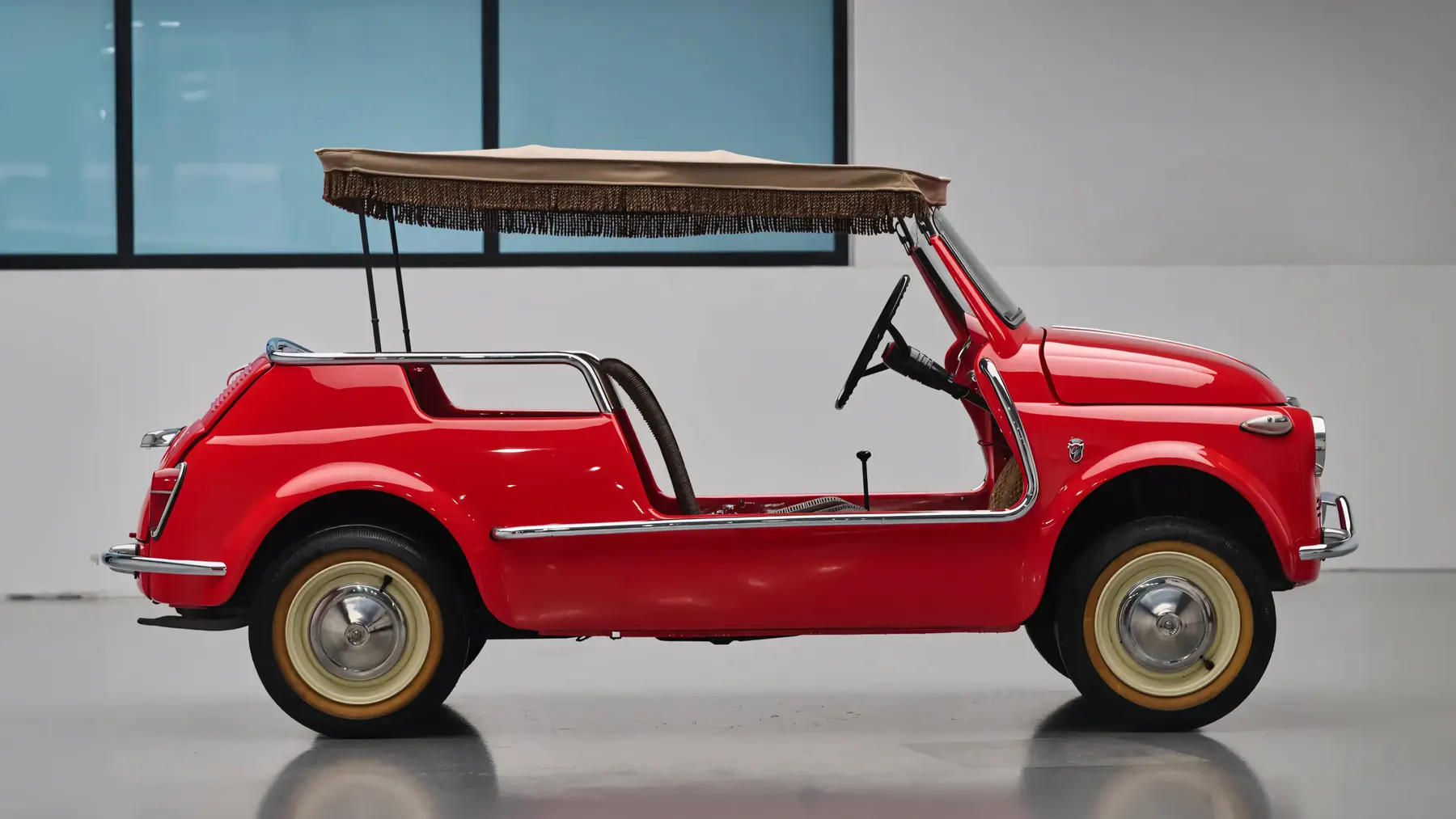
Today, the Fiat 500 Jolly is a prized collector’s item. Its rarity, combined with its cheerful aesthetic and Ghia’s craftsmanship, makes it highly desirable. Prices for well-preserved examples reflect its status as a cultural icon of carefree, sun-soaked motoring.
The Fiat 500 Jolly by Ghia is a reminder of a bygone era of glamour and relaxation. With its unique blend of simplicity and sophistication, it remains an enduring symbol of the Italian Riviera lifestyle. For enthusiasts and collectors, the Jolly is a cherished piece of automotive history, celebrating the art of motoring in its purest, most joyful form.
Join the discussion
Comments
Loading comments…
Leave a comment
Share a detail, memory, or perspective. Every comment is reviewed before publication.