1961 Alfa Romeo Giulietta Sprint Speciale by Bertone

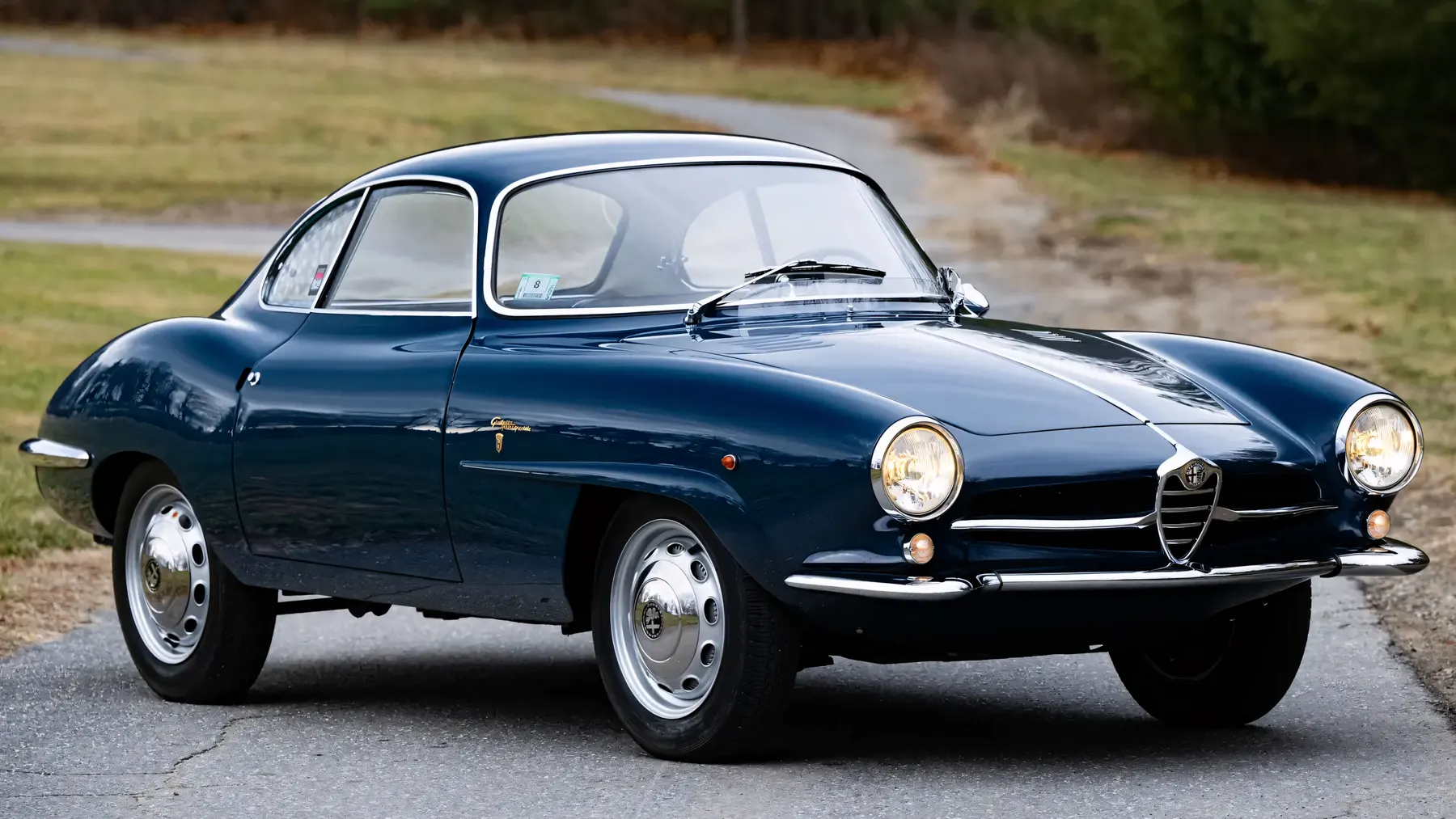
The Alfa Romeo Giulietta Sprint Speciale (SS) by Bertone, produced between 1959 and 1966, is a masterpiece that marries stunning design with innovative aerodynamics. This compact sports car, rooted in the iconic Berlinetta Aerodinamica Tecnica (B.A.T.) concept cars, represents Alfa Romeo’s commitment to pushing boundaries in automotive engineering and aesthetics.
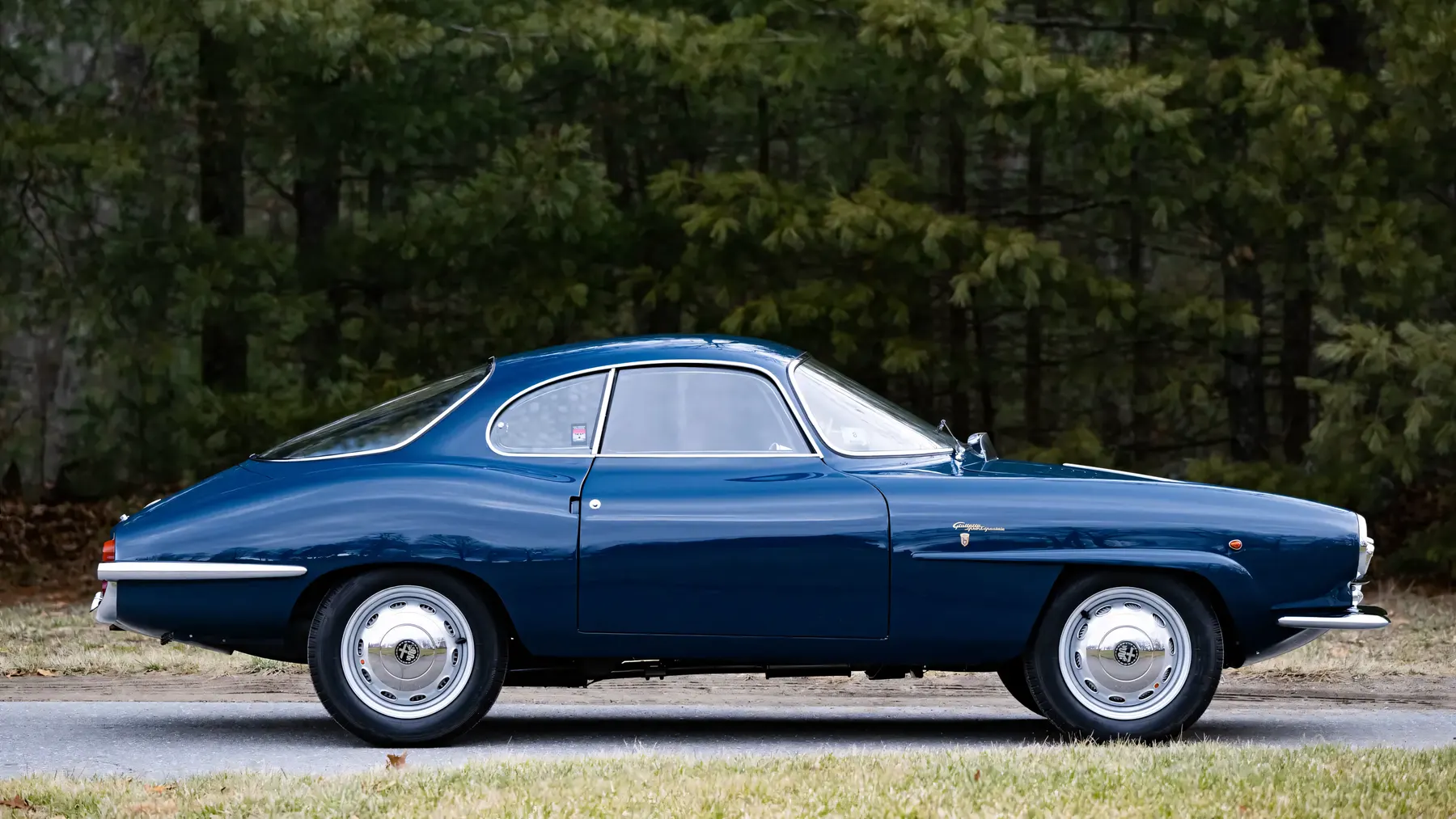
The Giulietta Sprint Speciale’s origins can be traced back to the B.A.T. concept cars designed by Franco Scaglione at Bertone during the 1950s. These avant-garde designs prioritized aerodynamics, with one B.A.T. model achieving an unprecedented drag coefficient of 0.19. The influence of these concepts is evident in the sleek, teardrop-shaped profile of the Giulietta SS, which boasts a drag coefficient of 0.28,a benchmark figure that remained unsurpassed for over two decades.
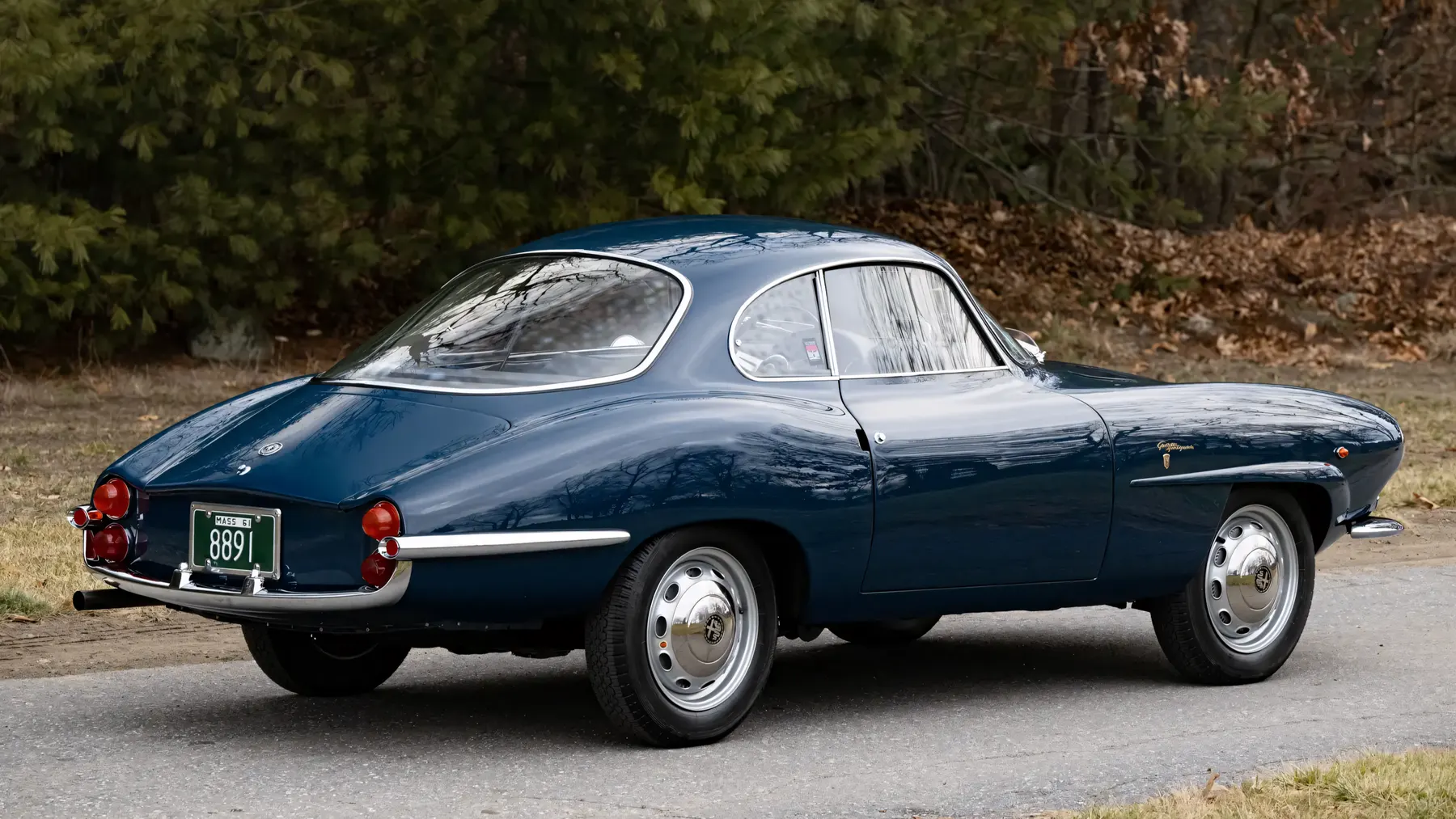
Unveiled as a prototype at the 1957 Turin Motor Show, the Giulietta SS underwent further refinements before its production version debuted on June 24, 1959, at the Monza race track. Bertone’s coachwork emphasized fluidity, featuring a low nose in early models that lent the car an understated yet dynamic character. The sweeping curves, minimal frontal area, and elongated tail harmoniously blended form and function, setting a standard for mid-20th-century automotive design.
Under its aerodynamic body, the Giulietta SS housed a 1.3-liter Alfa Romeo Twin Cam engine,a four-cylinder marvel with hemispheric combustion chambers and dual overhead camshafts. Early models, fitted with Weber 40 DCO3 carburetors, delivered 100 horsepower, propelling the car to a top speed of 200 km/h (124 mph). Later models adopted Weber 40 DCOE2 carburetors, reflecting Alfa Romeo’s continuous commitment to refinement.
The Giulietta SS’s mechanical foundation was shared with the race-oriented Giulietta Sprint Zagato, ensuring that the car’s performance was not just theoretical but proven on the track. The car’s braking system comprised three-shoe drum brakes at the front and traditional drums at the rear, a setup that balanced performance with reliability during the era.
While the Giulietta SS was initially conceived as a lightweight competition car, its production versions were equipped with steel bodies and aluminum panels for the doors, bonnet, and boot lid. Early models featured plexiglass windows, further enhancing weight savings, but later iterations saw the introduction of steel doors, conventional glass, and soundproofing to improve usability.
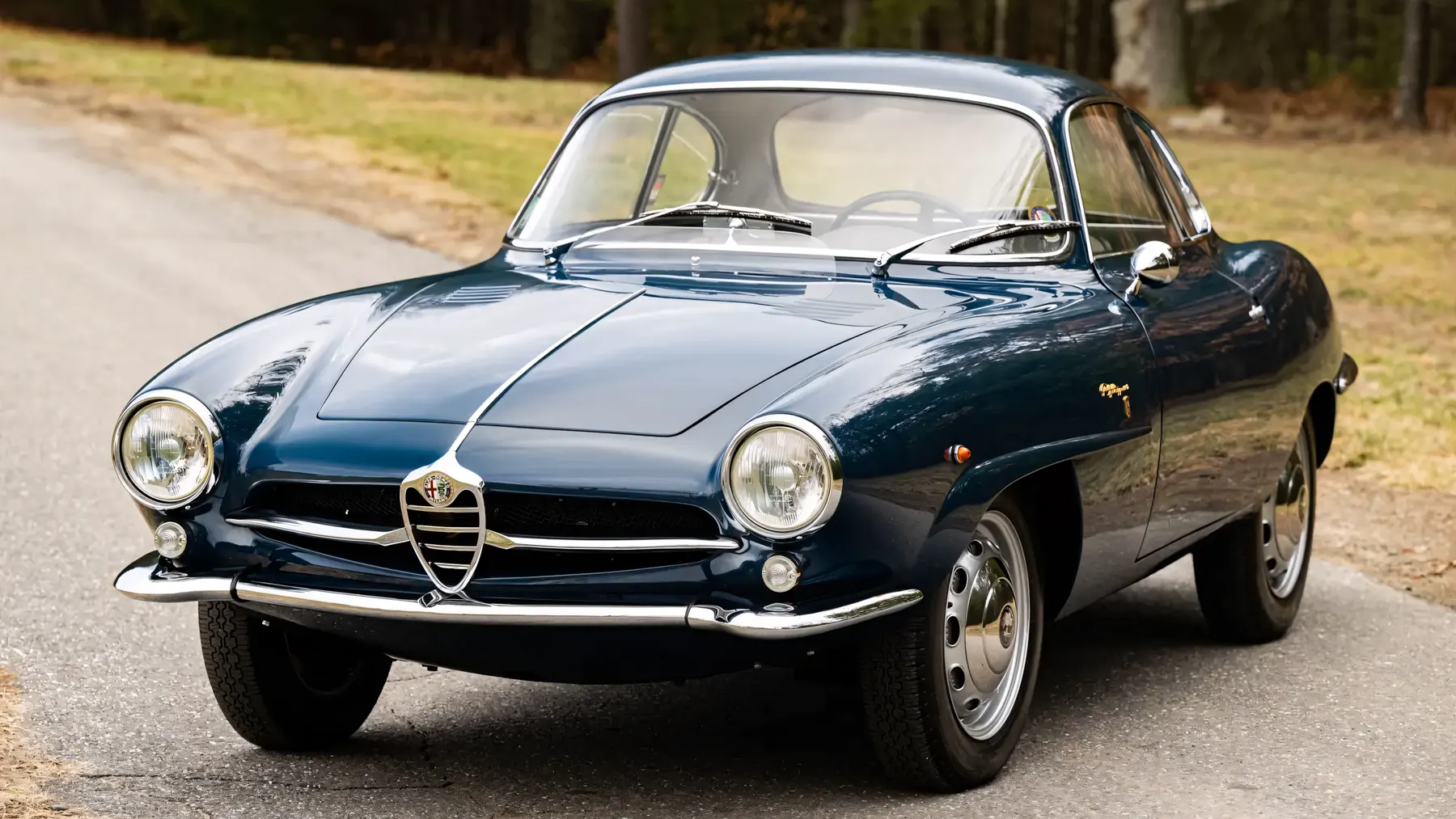
These changes reflected a shift toward creating a sports car that was equally suited for road use and spirited driving. The car’s minimalistic yet elegant interior was functional, aligning with its racing heritage, while exterior details like the “Giulietta Sprint Speciale” side badges emphasized its exclusivity.
The Giulietta SS stands as a testament to Alfa Romeo’s engineering prowess and Bertone’s design mastery. Its production run coincided with the transition from the Giulietta to the Giulia Sprint Speciale, which featured a larger 1.6-liter engine and minor design updates. However, it is the early low-nose Giulietta SS models that command particular reverence among collectors today, valued for their rarity and purity of design.
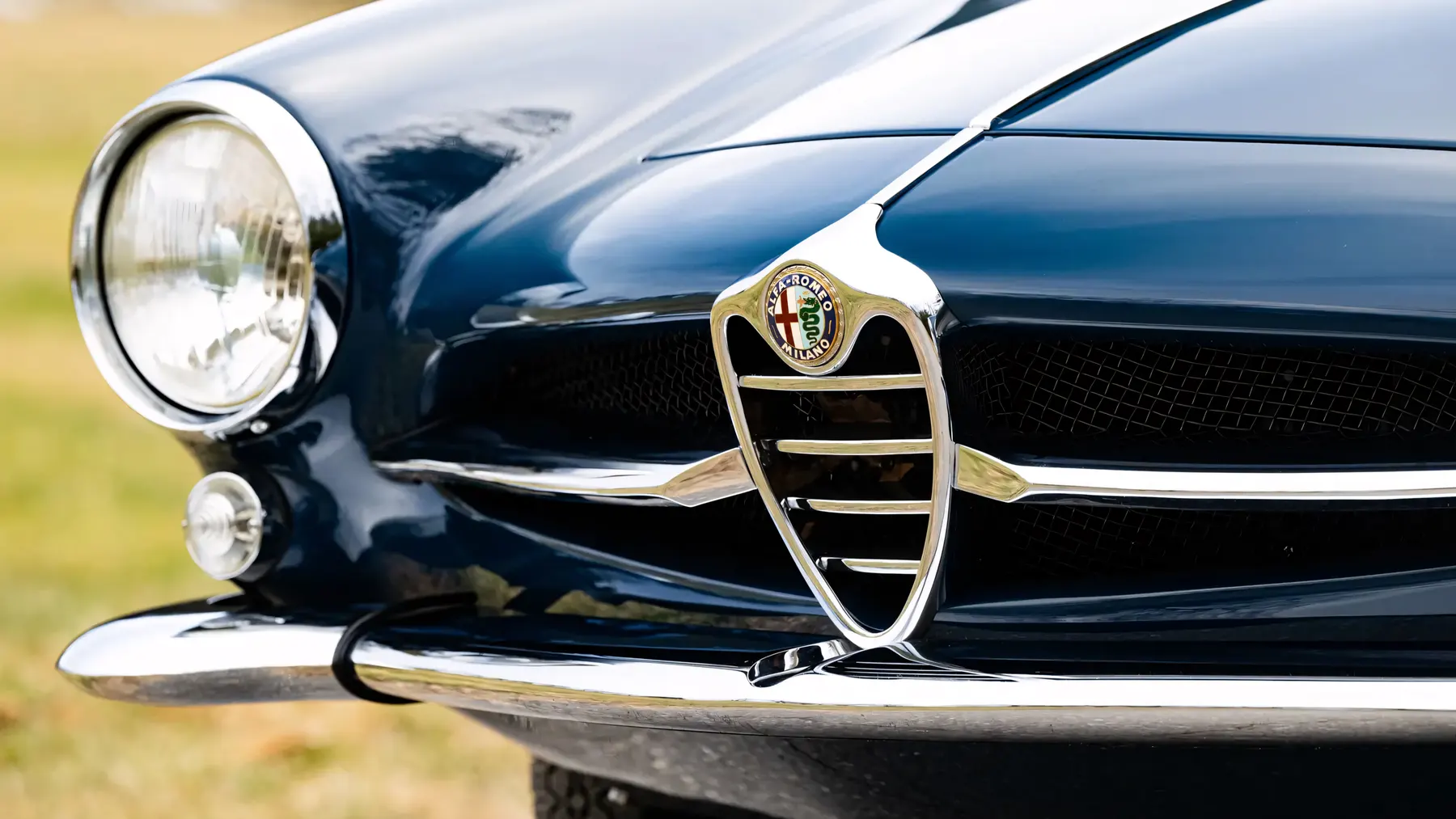
With a production count of only 1,366 units for the Giulietta SS, its exclusivity and connection to Alfa Romeo’s racing heritage make it a prized possession for enthusiasts. The car’s timeless beauty, coupled with its groundbreaking aerodynamics, ensures its place as a significant chapter in automotive history.
The Giulietta Sprint Speciale’s standout feature is undoubtedly its aerodynamic design, which was revolutionary for its time. The influence of the B.A.T. concepts is evident in every curve and detail, resulting in a car that is as visually captivating as it is scientifically advanced. The combination of lightweight materials, a responsive engine, and a focus on performance makes the Giulietta SS a true driver’s car.
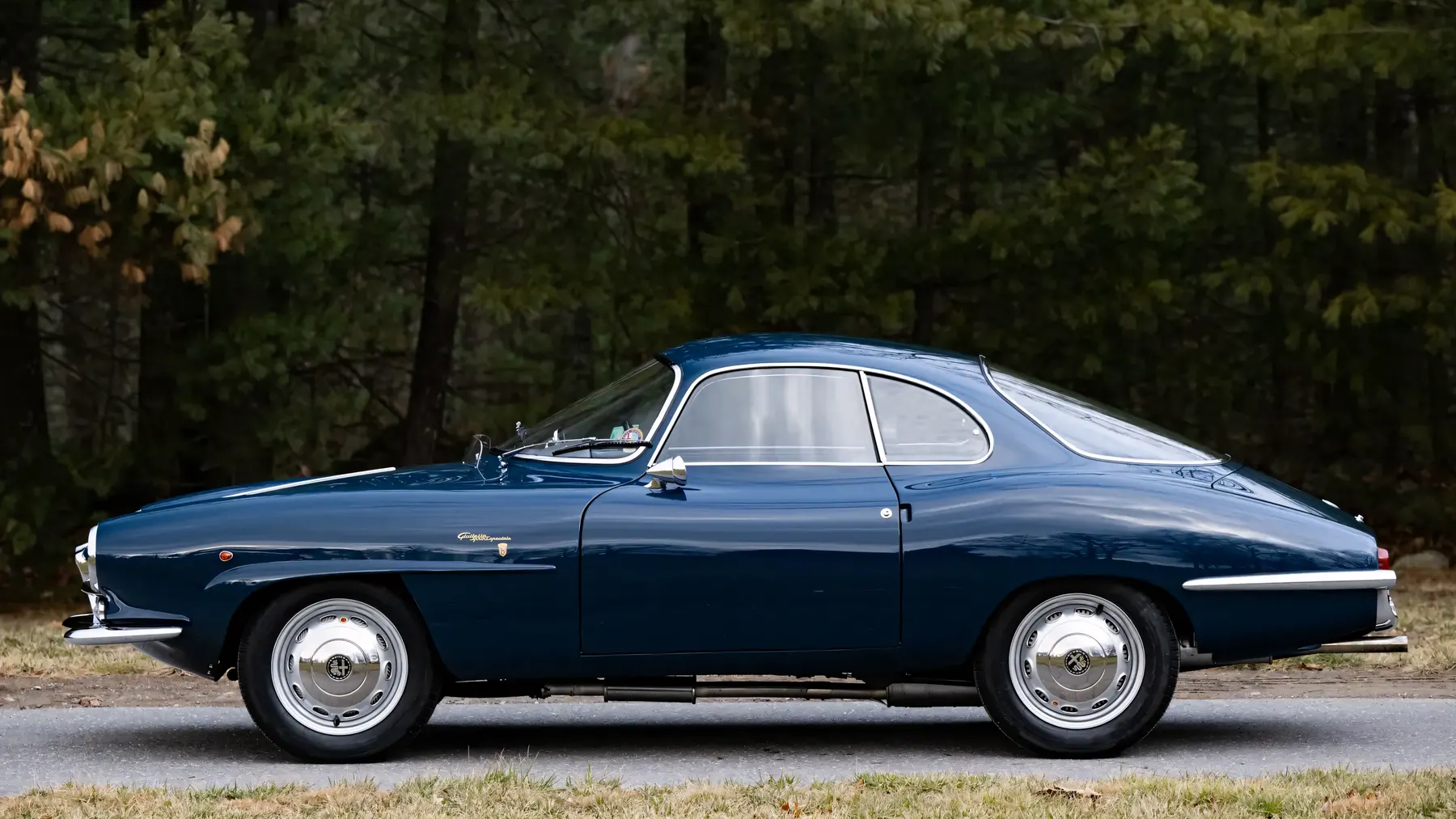
In the world of classic sports cars, the Alfa Romeo Giulietta Sprint Speciale by Bertone remains a shining example of how art and engineering can intersect. It is a car that not only defined an era but also transcended it, leaving an indelible mark on the legacy of Italian automotive design.
Join the discussion
Comments
Loading comments…
Leave a comment
Share a detail, memory, or perspective. Every comment is reviewed before publication.