1961 Volkswagen Type 2 Deluxe '23-Window' Microbus

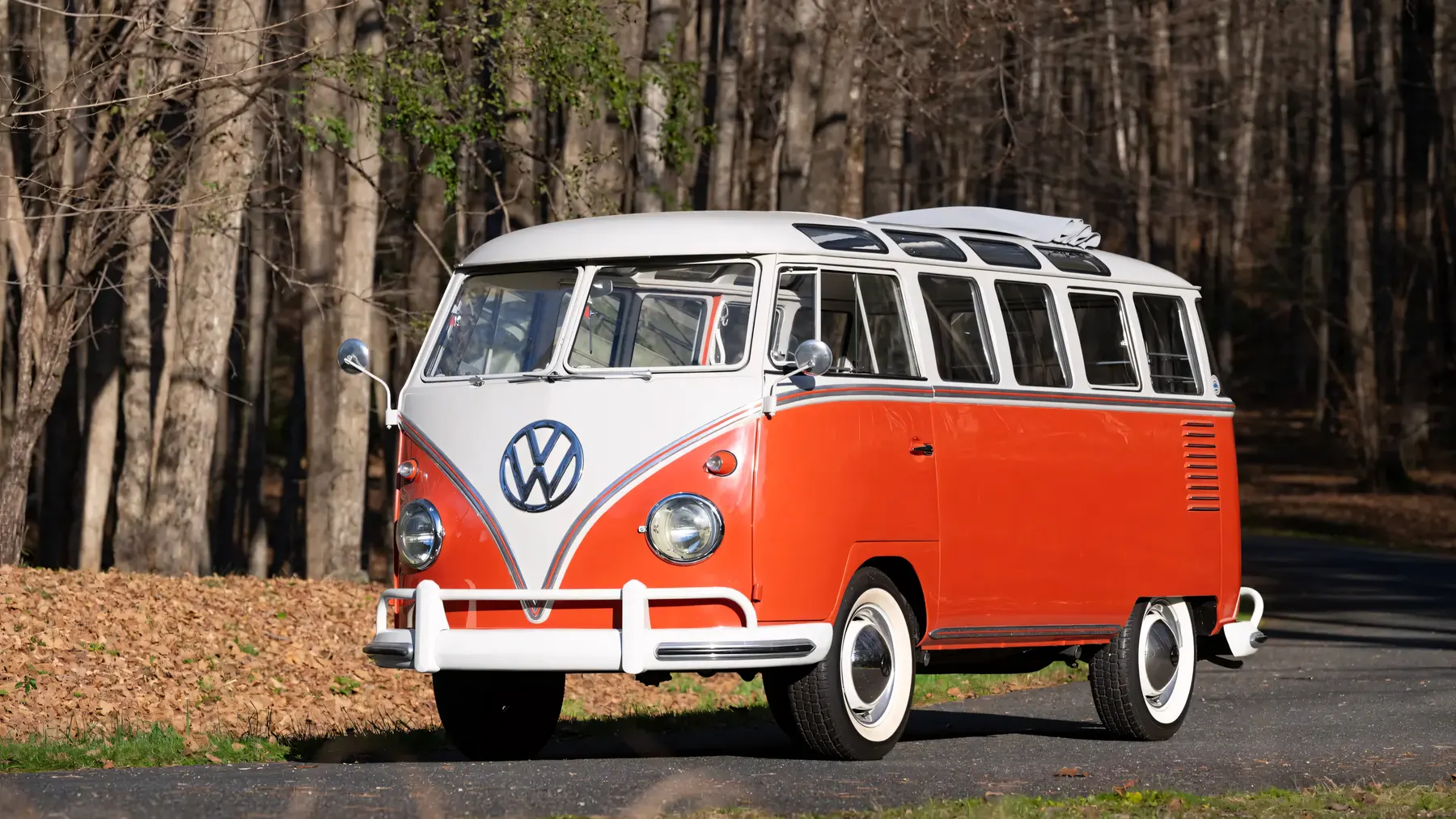
The Volkswagen Type 2 Deluxe ‘23-Window’ Microbus, also known as the Samba, holds a special place in automotive history. This vehicle isn’t just a mode of transport; it’s a cultural icon that epitomised freedom, adventure, and the counterculture spirit of the 1960s. As one of the most sought-after variants of the VW Type 2, the 23-Window Deluxe was the pinnacle of luxury in its day, featuring an unparalleled blend of functional design, unique styling, and heritage.
The VW Type 2 platform was born out of necessity and ingenuity in post-World War II Germany. Dutch Volkswagen importer Ben Pon conceived the idea after visiting the VW factory in Wolfsburg and spotting a Plattenwagen,a rudimentary vehicle used to move parts around the factory. Pon envisioned a more sophisticated, consumer-friendly transport vehicle that ultimately became the Type 2. Production began in 1950, building on the mechanical backbone of the original VW Beetle, or “Type 1,” but with a versatile chassis and boxy body designed for cargo and passengers.
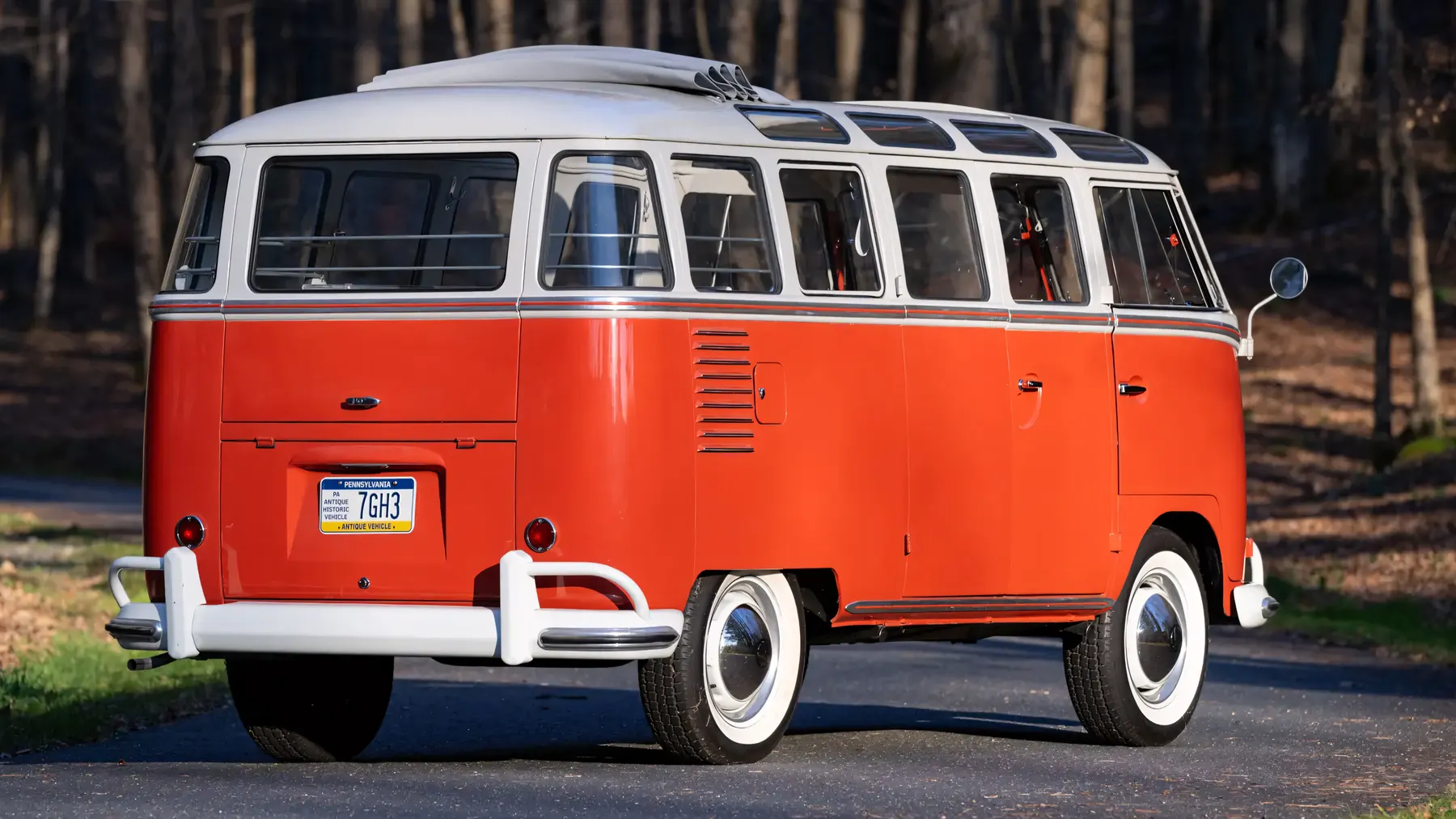
The Type 2 became the foundation for countless configurations, including panel vans, pickups, and the beloved Microbus. The Microbus’ Deluxe variant, equipped with up to 23 windows, was introduced in 1951, adding an element of class and practicality, turning heads with its sunroof and panoramic glass panels.
The 23-Window Deluxe Microbus was crafted with precision to maximise the driving and passenger experience. With an expansive skylight design, it featured eight curved windows along the roofline, a large cloth sunroof, and additional glass panels on the rear corners. This configuration was ideal for sightseeing, especially in scenic landscapes like the Alps, where it was marketed to tour operators and families alike.
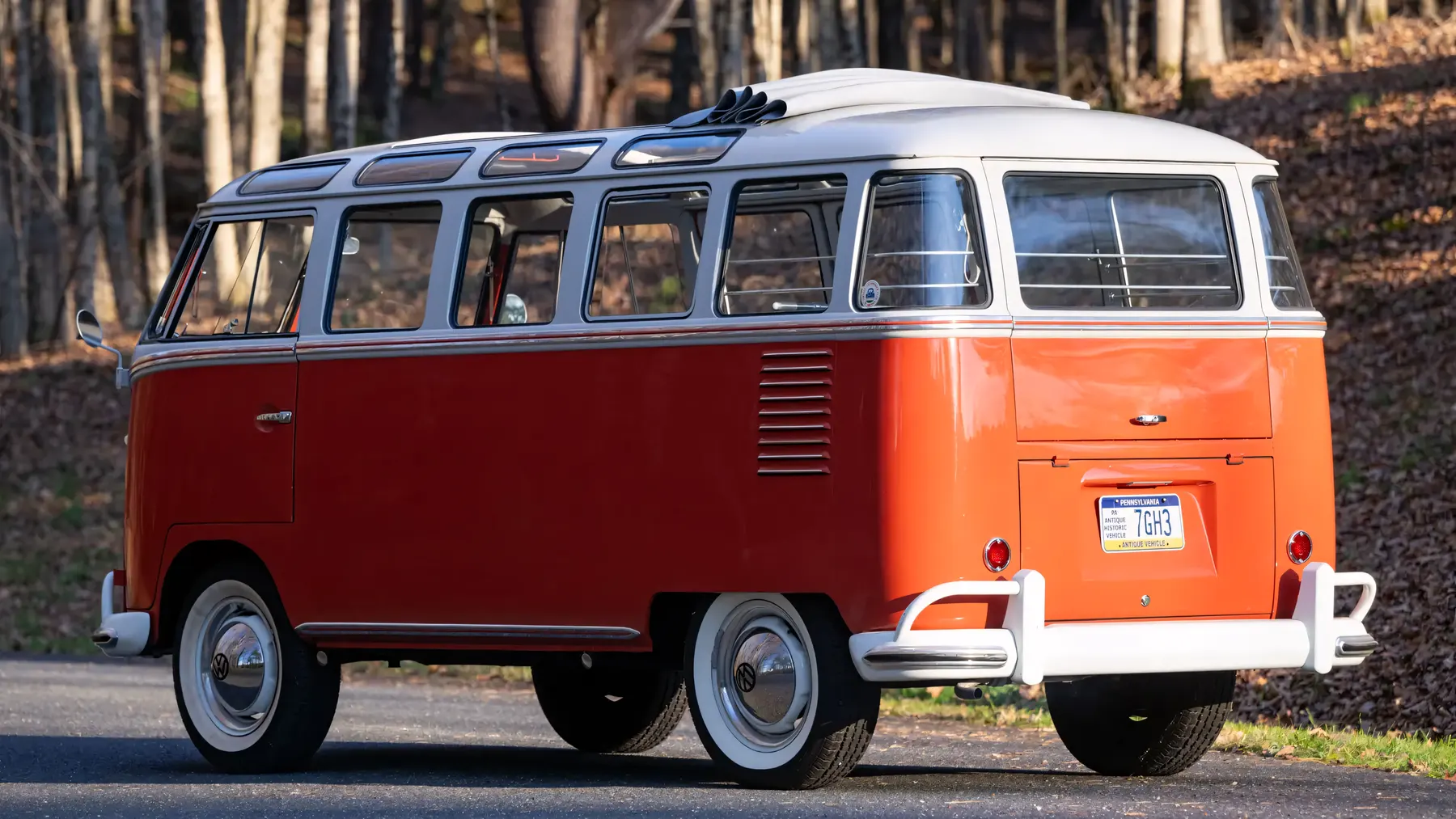
The split front windshield, or “Splittie,” gave the vehicle its unmistakable face, and its rear-engine design helped provide more interior space. This Microbus was more than just a people carrier; it offered a stylish, open-air feel with natural light streaming through its numerous windows. Inside, it could comfortably seat up to nine passengers, with removable rear seats to accommodate various cargo and passenger needs.
The original Type 2 vehicles were powered by the same air-cooled flat-four engines as the VW Beetle. The Deluxe Microbus benefited from incremental upgrades over time, starting with an 1100 cc engine that delivered just 24 horsepower. Later models saw engine displacement increase to 1200 cc, then 1500 cc, and eventually to a more powerful 1600 cc version that improved reliability and cruising speed. The rear-mounted engine layout contributed to good traction, and the Microbus’ low centre of gravity and balanced handling made it surprisingly agile for its size.
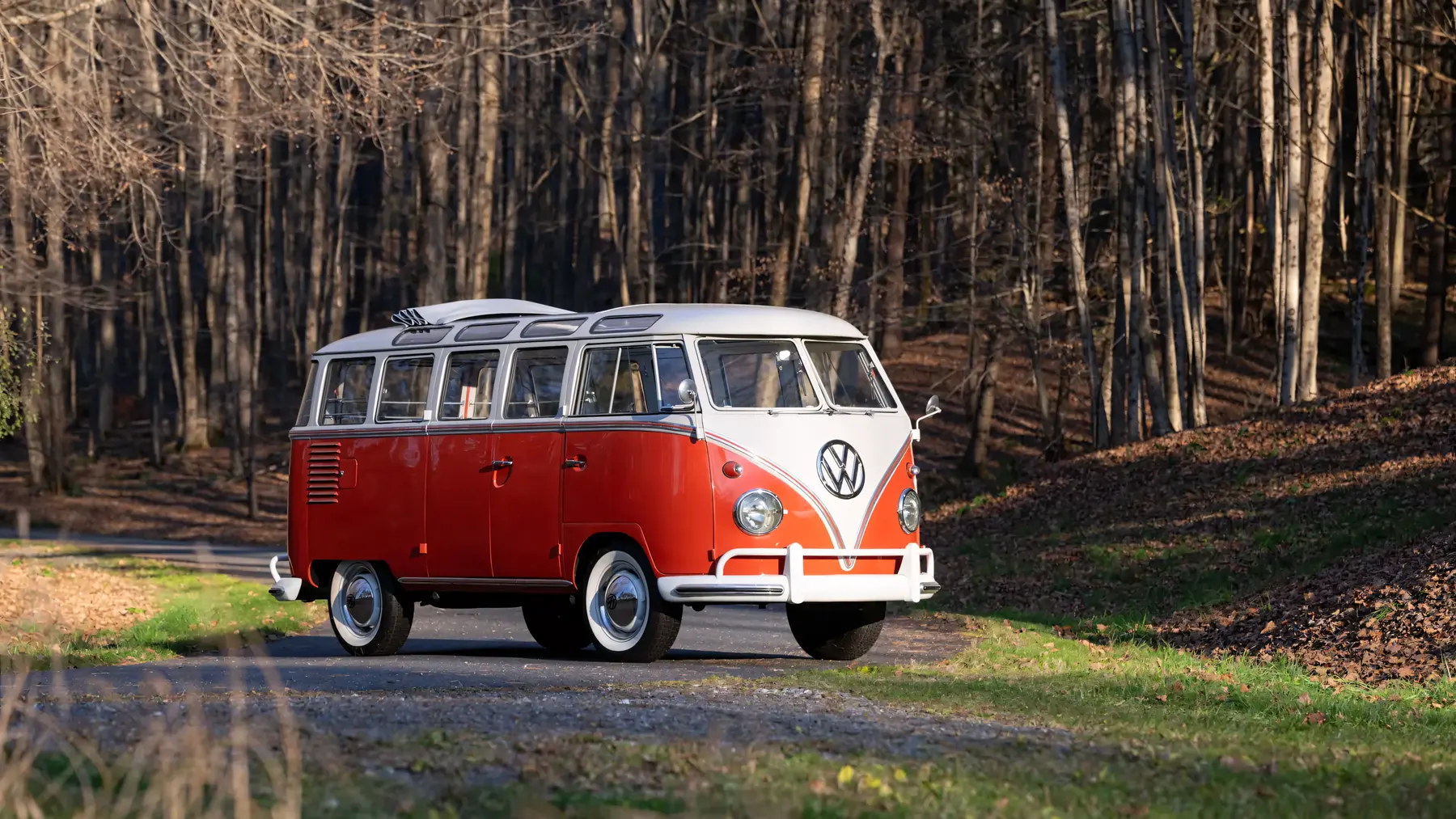
While the engine’s power may seem modest by today’s standards, the Microbus’ charm was never about speed; it was about journeying in style and creating memories along the way.
The 23-Window Microbus became synonymous with the 1960s counterculture movement, often painted with vibrant colours and psychedelic patterns. For many, it represented the ethos of freedom and wanderlust. Surfers, hippies, and travellers embraced the vehicle as both a home on wheels and a rolling canvas for self-expression. The Microbus’ popularity soared, becoming a staple in music festivals, road trips, and outdoor adventures.
Beyond its cultural impact, the 23-Window Microbus was practical, dependable, and adaptable to diverse needs, earning it global recognition as a light commercial vehicle and a camper van.
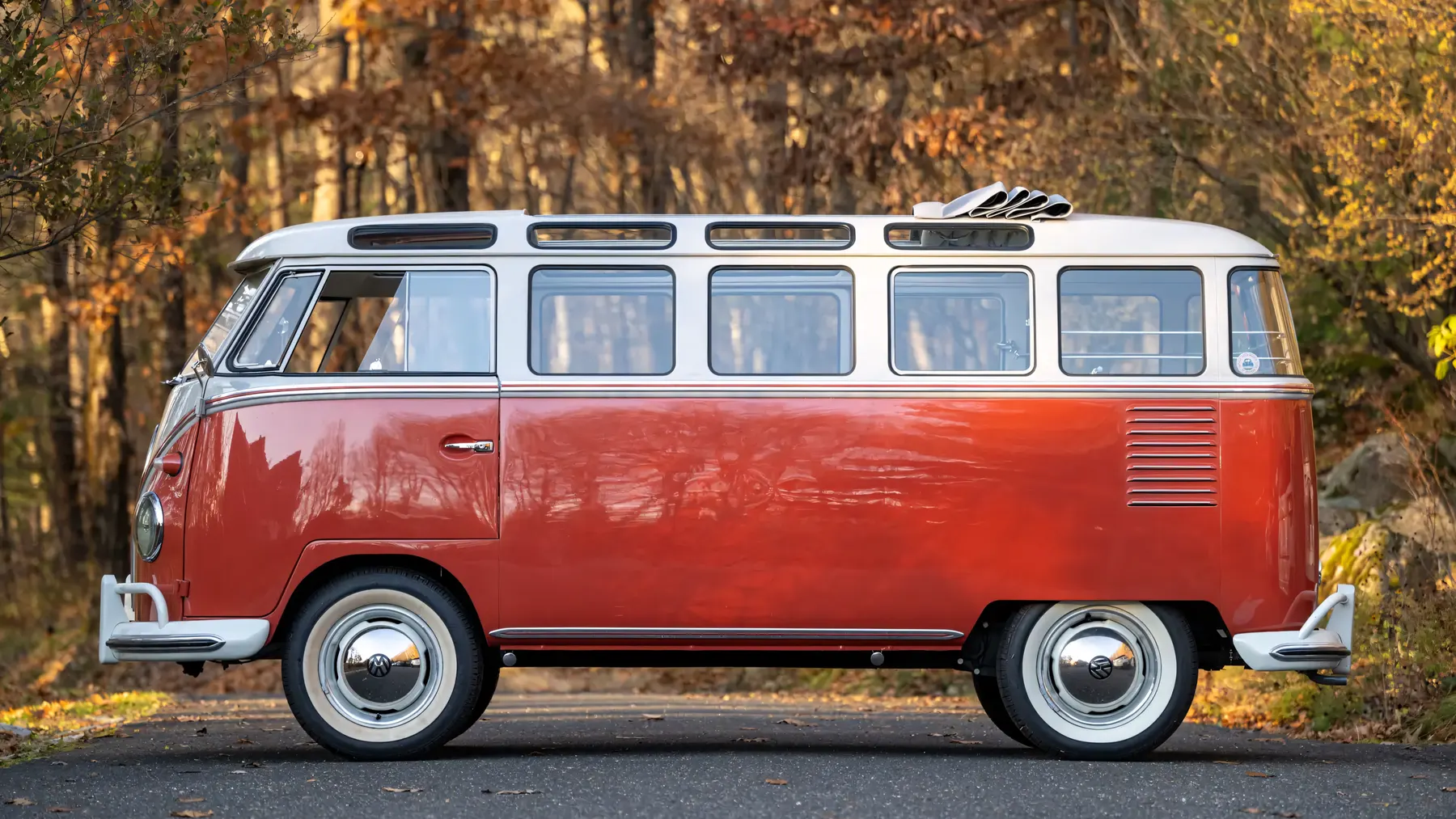
The Deluxe variant of the Microbus didn’t earn its name without reason. Volkswagen offered it as the premium version, adding unique touches like a two-tone paint scheme, chrome trim accents, and upscale upholstery compared to standard models. The sunroof could be opened to let in fresh air and sunshine, while passengers enjoyed unobstructed views of their surroundings through the skylight windows.
While today’s automotive features might seem light-years ahead, the 23-Window Microbus was groundbreaking for its time. The seating layout was practical, with fold-down rear seats that could be removed for transporting larger cargo. The iconic “V” shape in front and distinctive VW emblem completed its instantly recognizable aesthetic.
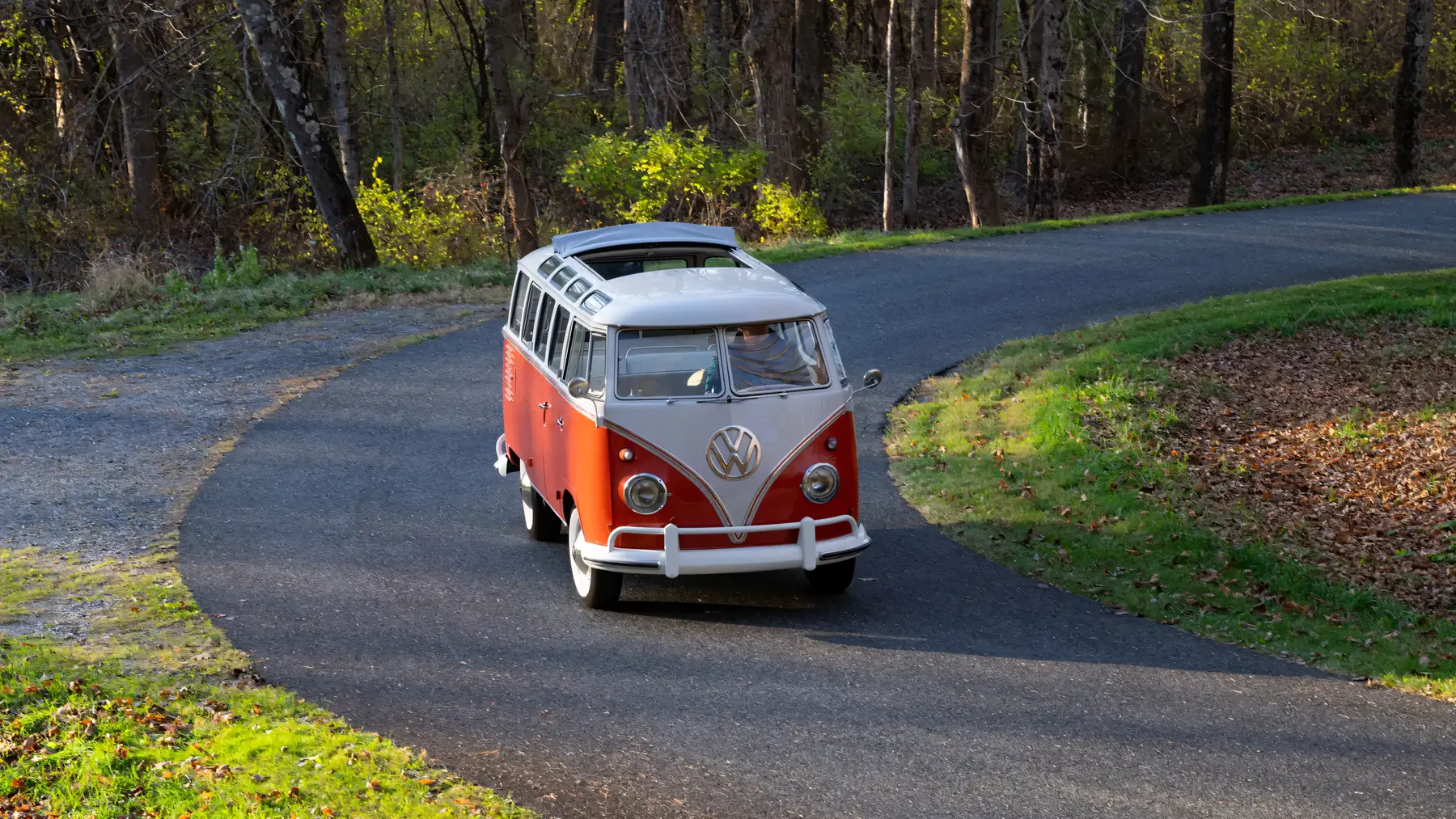
Today, the 23-Window Deluxe Microbus is one of the most collectible vintage Volkswagens on the market. Well-preserved examples and tastefully restored models can fetch six-figure sums at auctions. The rarity, especially of models produced before 1967, and the nostalgia associated with the Microbus have made it highly sought after by enthusiasts.
The enduring appeal of the Microbus is so strong that Volkswagen announced plans in 2017 to revive the iconic van in an electric form. Using their new MEB platform, VW aims to capture the retro styling and spirit of the original while updating it for a new generation of eco-conscious drivers.
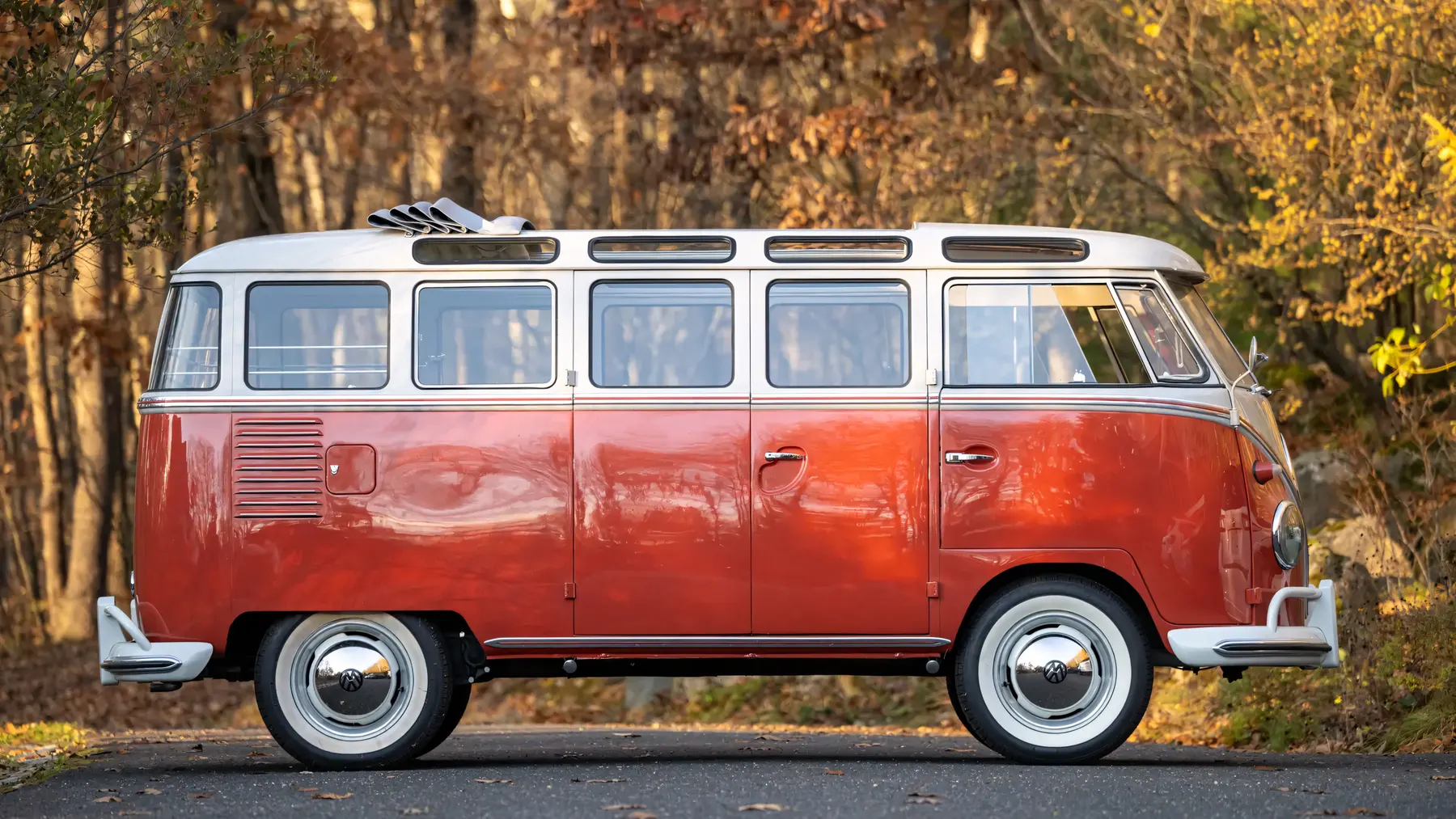
The VW 23-Window Deluxe Microbus remains an enduring symbol of design innovation, freedom, and community. It transcends its utilitarian roots to become a beloved piece of history,a reminder of a simpler, adventurous era. Whether cruising the coastline, packed with friends, or showcased at automotive events, it continues to inspire smiles and fond memories.
For many, the sight of a well-kept Microbus, with its signature windows gleaming in the sunlight, brings back cherished memories of past road trips or sparks a desire to explore uncharted roads. This timeless classic, with its unique blend of style, functionality, and spirit, will always hold a special place in the hearts of car lovers and adventurers alike.
Join the discussion
Comments
Loading comments…
Leave a comment
Share a detail, memory, or perspective. Every comment is reviewed before publication.