1962 Aston Martin DB4 Series V Vantage

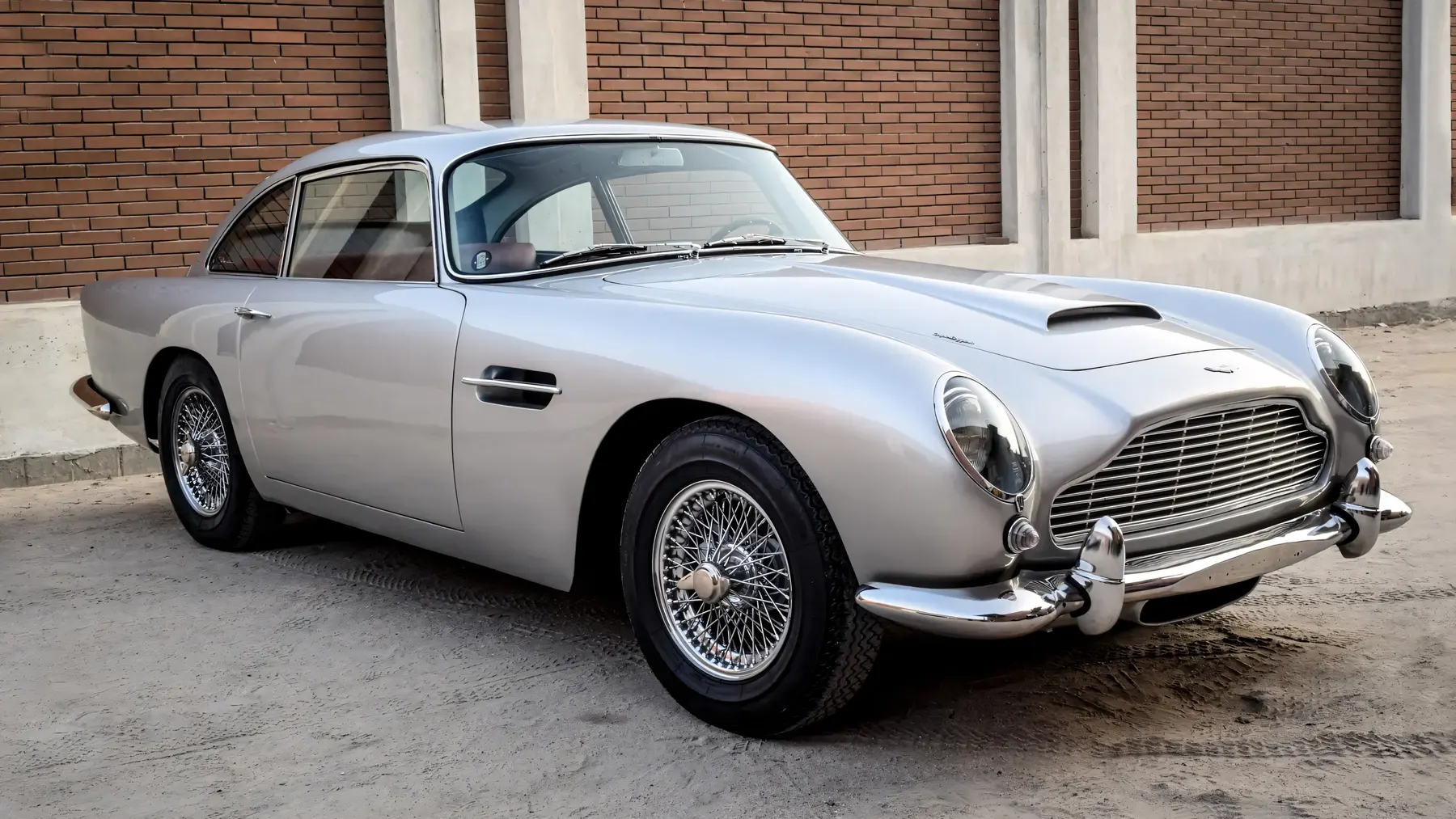
In the pantheon of classic automobiles, the Aston Martin DB4 Series V Vantage occupies a singular position as both a crowning achievement and a harbinger of things to come. Produced during a brief but transformative period from late 1962 to mid-1963, this model refined the DB4 lineage to its zenith, setting the stage for the iconic DB5 while embodying the pinnacle of 1960s grand touring sophistication. Its story is one of meticulous evolution, blending Italian design brilliance with British engineering prowess to create a machine that balanced luxury, performance, and exclusivity in equal measure.
The Series V Vantage emerged at a critical juncture in Aston Martin’s history. As the final iteration of the DB4 platform, it represented five years of iterative refinement, incorporating lessons learned from both road-going models and competition variants like the DB4 GT. The Vantage specification, introduced with the Series IV in 1961, received its ultimate expression in the Series V, which served as a bridge between the classic DB4 and the soon-to-be-legendary DB5. Engineers focused on enhancing practicality without compromising aesthetics, lengthening the body by 3.75 inches to improve rear passenger comfort and luggage capacity, while a subtly raised roofline added headroom. These changes, paired with the adoption of 15-inch wheels (down from 16-inch), maintained the car’s elegant proportions while improving handling dynamics.
Visually, the Series V Vantage retained the fundamental elegance of Carrozzeria Touring’s original Superleggera design,a lightweight aluminum body draped over a tubular steel frame,while introducing subtle yet impactful updates. Enclosed headlights borrowed from the DB4 GT lent a purposeful, race-inspired aesthetic, a feature later inherited by the DB5. At the rear, recessed tail lights replaced the chrome-backed units of earlier models, creating a cleaner, more contemporary profile. The interior exemplified understated luxury, featuring Connolly leather upholstery, polished walnut veneers, and the GT model’s instrument panel, which prioritized driver engagement with its comprehensive array of Smiths gauges.
Beneath the Series V Vantage’s sculpted hood lay Tadek Marek’s magnum opus,a 3.7-liter twin-overhead-cam inline-six engine tuned to produce 266 horsepower through revised cylinder heads, larger valves, and triple SU carburetors. This powerplant propelled the car to a top speed exceeding 140 mph, with a 0-60 mph time of approximately 8.5 seconds, figures that rivaled dedicated sports cars of the era. The chassis received equal attention, with independent front suspension featuring ball-jointed wishbones and a live rear axle stabilized by a Watt’s linkage system. Girling disc brakes on all four wheels provided confident stopping power, while rack-and-pinion steering delivered precise feedback, striking a balance between spirited driving and grand touring comfort.
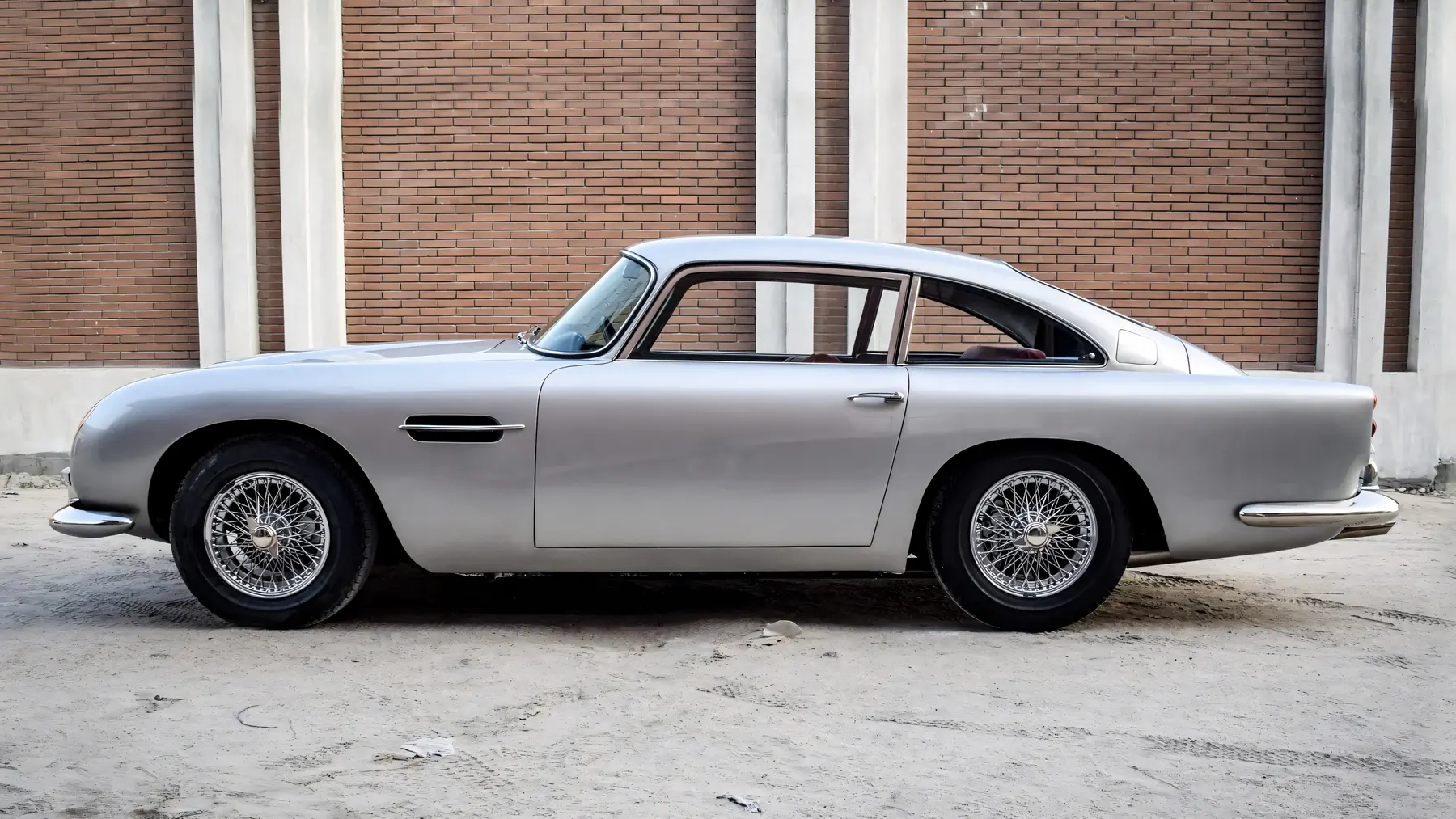
What truly distinguished the Series V Vantage was its exclusivity. Of the 168 Vantage models produced across all DB4 series (136 saloons and 32 convertibles), only 20 left-hand-drive examples left the factory, many specified with bespoke color combinations like Black over Red Connolly leather. These cars were often commissioned by European elites through select agents, their configurations meticulously documented in factory build sheets. Today, surviving examples with matching-numbers engines and uninterrupted provenance command reverence among collectors, their value amplified by the model’s role as a direct predecessor to the James Bond-iconic DB5.
Contemporary reviewers praised the Series V Vantage for its dual identity,a car equally capable of devouring continental highways and navigating city streets with aristocratic poise. The increased power output and refined suspension tuning received particular acclaim, while the expanded interior space addressed practical criticisms of earlier DB4 variants. Over time, its reputation has only grown, with enthusiasts celebrating its purity of design and mechanical authenticity in an age of increasing automotive homogenization.
The DB4 Series V Vantage’s legacy extends beyond technical specifications. It embodies a fleeting moment when handcrafted luxury and analog performance coexisted harmoniously, a philosophy that continues to define Aston Martin’s identity. For collectors, its allure lies not just in its rarity, but in its embodiment of a transitional era,a machine that perfected the DB4’s original vision while hinting at the technological leaps of the DB5. Restorations often focus on preserving period-correct details, from the distinctive crackle of Marek’s inline-six to the supple feel of original Connolly hides, ensuring these automotive artifacts endure as testaments to 1960s ingenuity.
In the grand narrative of Aston Martin’s history, the DB4 Series V Vantage stands as both conclusion and prologue,a final flourish of the DB4 era and a prelude to global fame. Its enduring appeal lies in its ability to captivate not just through numbers or rarity, but through the timeless alchemy of form, function, and craftsmanship that continues to define the grand touring ideal.
Join the discussion
Comments
Loading comments…
Leave a comment
Share a detail, memory, or perspective. Every comment is reviewed before publication.