1963 BMW 3200 CS by Bertone

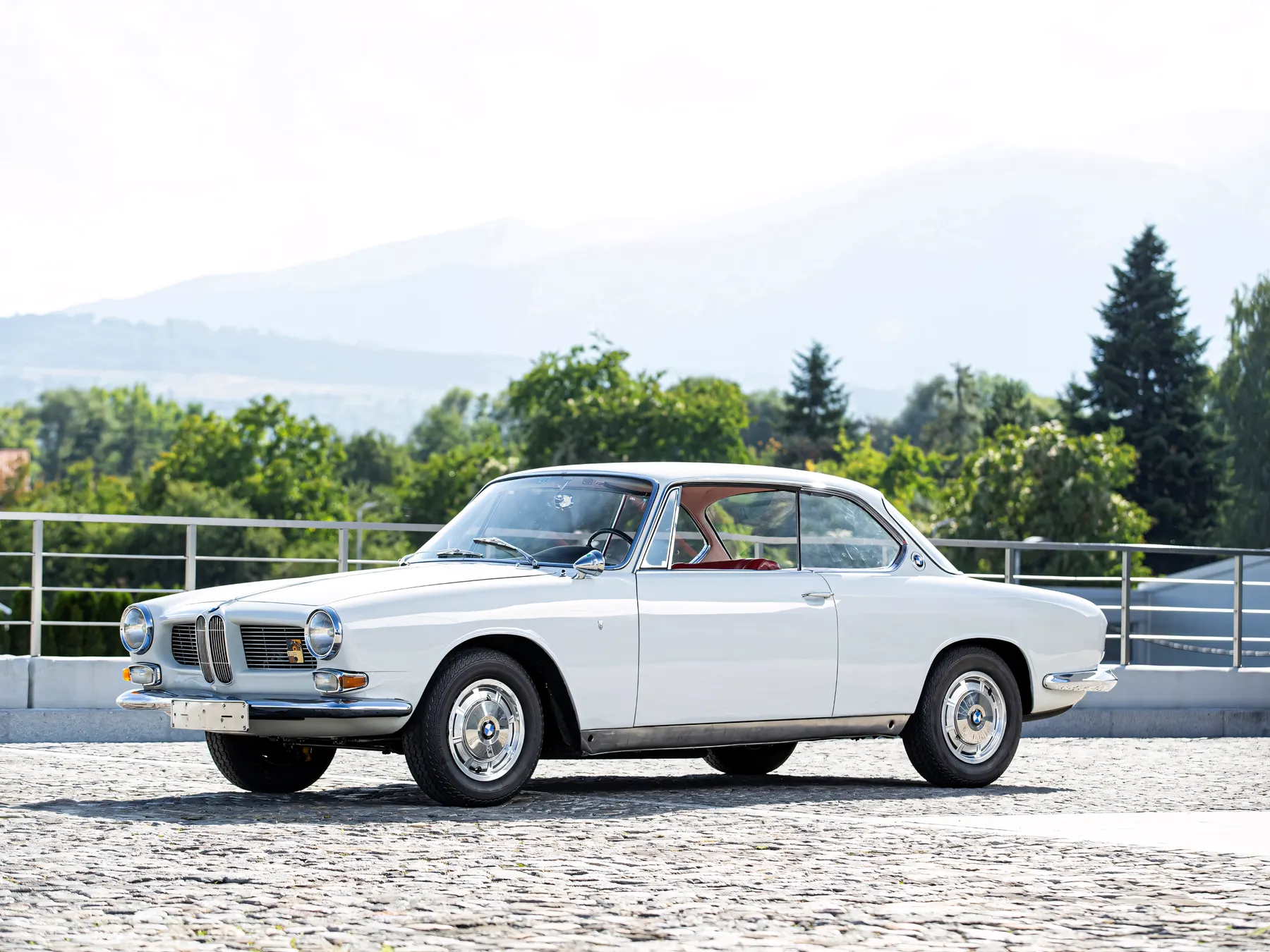
In 1963, BMW’s 3200 CS stood at the crossroads of automotive history, embodying both the remnants of the past and the bold visions of the future. With its roots firmly planted in the legacy of the “Baroque Angel” BMWs from the 1950s, the 3200 CS marked the end of an era, showcasing the final hurrah of the 3,168 cc overhead-valve V-8 engine. Yet, as the curtains closed on tradition, the stage was set for a new chapter of sleek, innovative design, thanks to the creative genius of Bertone’s rising star, Giorgetto Giugiaro.
The 3200 CS was no ordinary coupe. It was a testament to exclusivity and sophistication, a grand tourer tailored for the discerning tastes of the wealthy enthusiasts. With a potent 160 horsepower engine propelling it to a top speed of 200 km/h, this sleek coupé wasn’t just about style; it packed a punch on the open road. Only 603 of these masterpieces graced the streets during its three-year production run, and a mere 132 rolled out of the factory in 1963, making it a rare gem in automotive history.
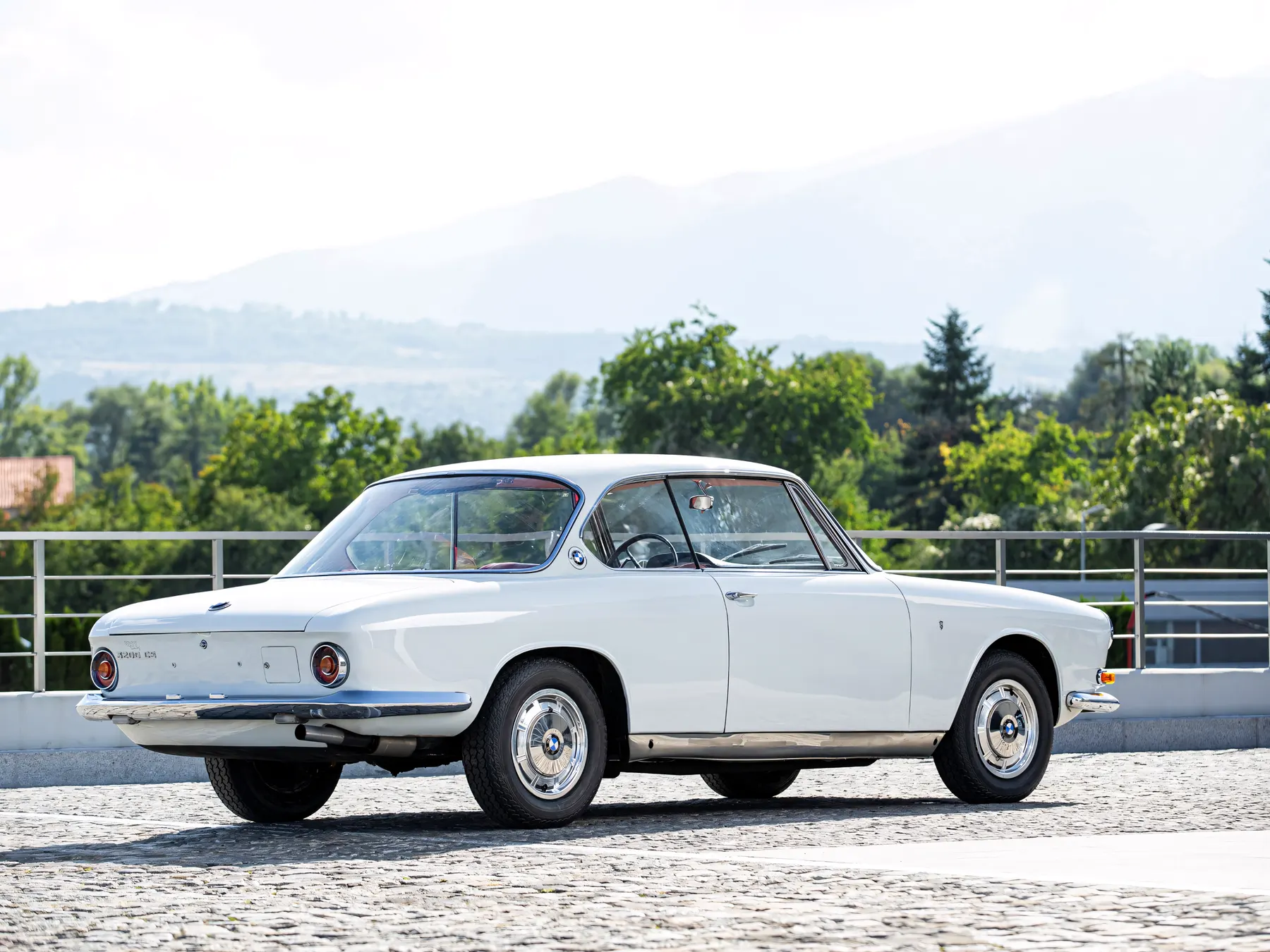
Bertone’s design prowess, showcased in the 3200 CS, didn’t just redefine BMW’s aesthetic identity; it influenced the entire automotive landscape. The airy glasshouse, distinctive shark nose, and the iconic “Hofmeister kink” in the C-pillar were strokes of Italian brilliance that reverberated through the Munich marque’s design language, leaving an indelible mark that still resonates today.
Helmut Werner Bonsch, BMW’s marketing manager, played a pivotal role in shaping the destiny of the 3200 CS. His proposal to commission Pininfarina was rejected, leading to a fortuitous collaboration with Bertone. Chief engineer Fritz Fiedler oversaw the transformation, resulting in a masterpiece with a perimeter frame, a 3,168 cc V8 engine, a four-speed manual gearbox, and other cutting-edge features of its time.
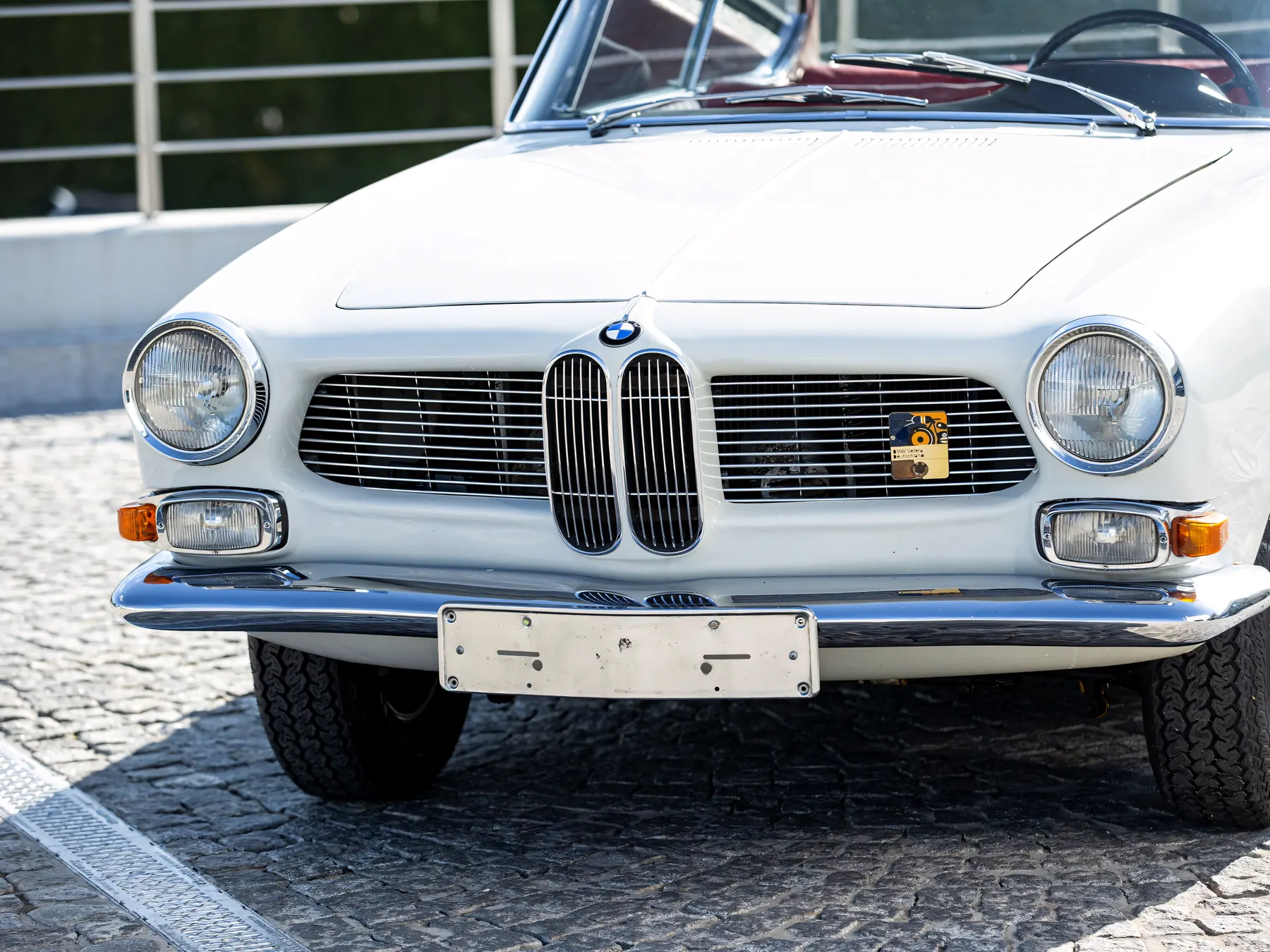
The 3200 CS made its grand entrance at the 1961 Frankfurt Motor Show, sharing the stage with the groundbreaking BMW 1500. While the 1500 signalled a new direction for BMW, the 3200 CS stayed rooted in history, based on a chassis introduced a decade earlier. It was a bridge between tradition and modernity, offering a glimpse of what lay ahead for the iconic German automaker.
As the final variation on BMW’s early postwar luxury platform, the 3200 CS bid farewell to pushrod-operated engine valves, a perimeter frame, and a solid rear axle. However, its departure was not just an end but a beginning. Stylistically, it paved the way for the future, becoming the template for later BMW coupes, including the 2000 C and CS and the E9 “New Six” coupes. The iconic Hofmeister kink, introduced with the 3200 CS, became a signature element, ensuring its legacy would endure in every BMW that followed.
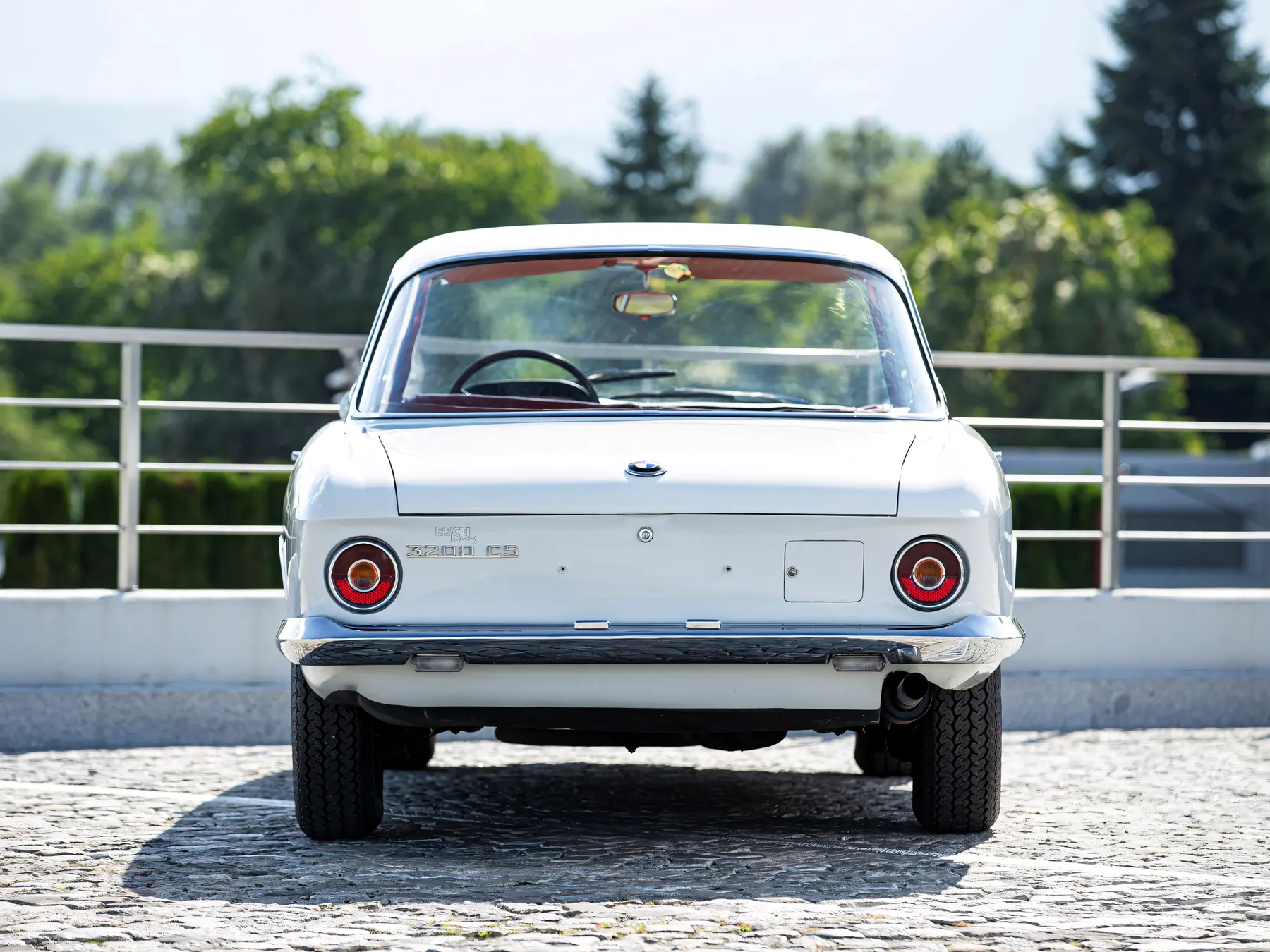
In 1963, the 3200 CS wasn’t just a car; it was a statement,a statement that tradition could gracefully yield to innovation, that the past could inspire the future. It remains a timeless piece of automotive art, a harmonious blend of power, elegance, and foresight that continues to captivate enthusiasts and collectors alike.
Join the discussion
Comments
Loading comments…
Leave a comment
Share a detail, memory, or perspective. Every comment is reviewed before publication.