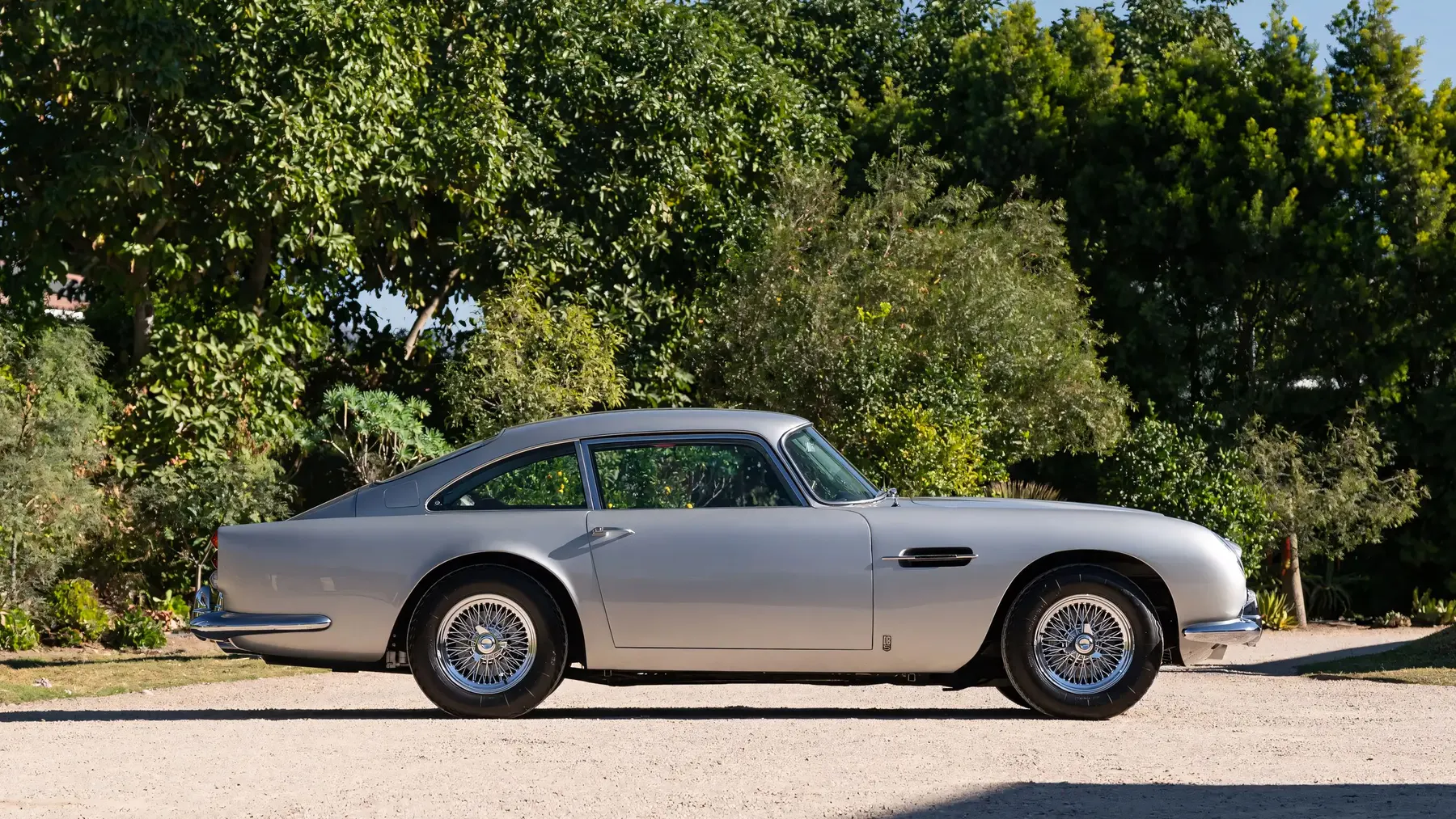
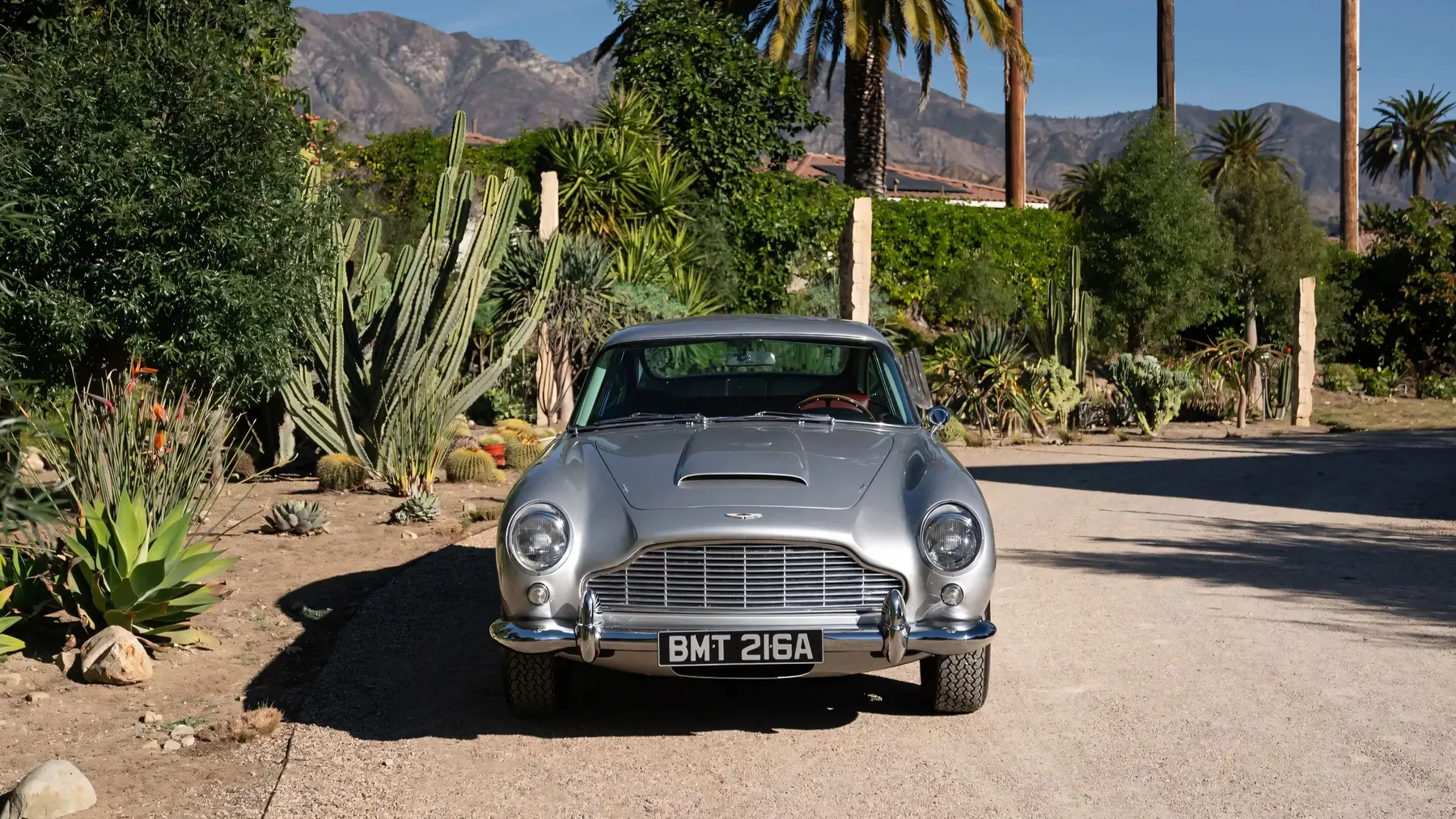
1965 Aston Martin DB5 Coupe

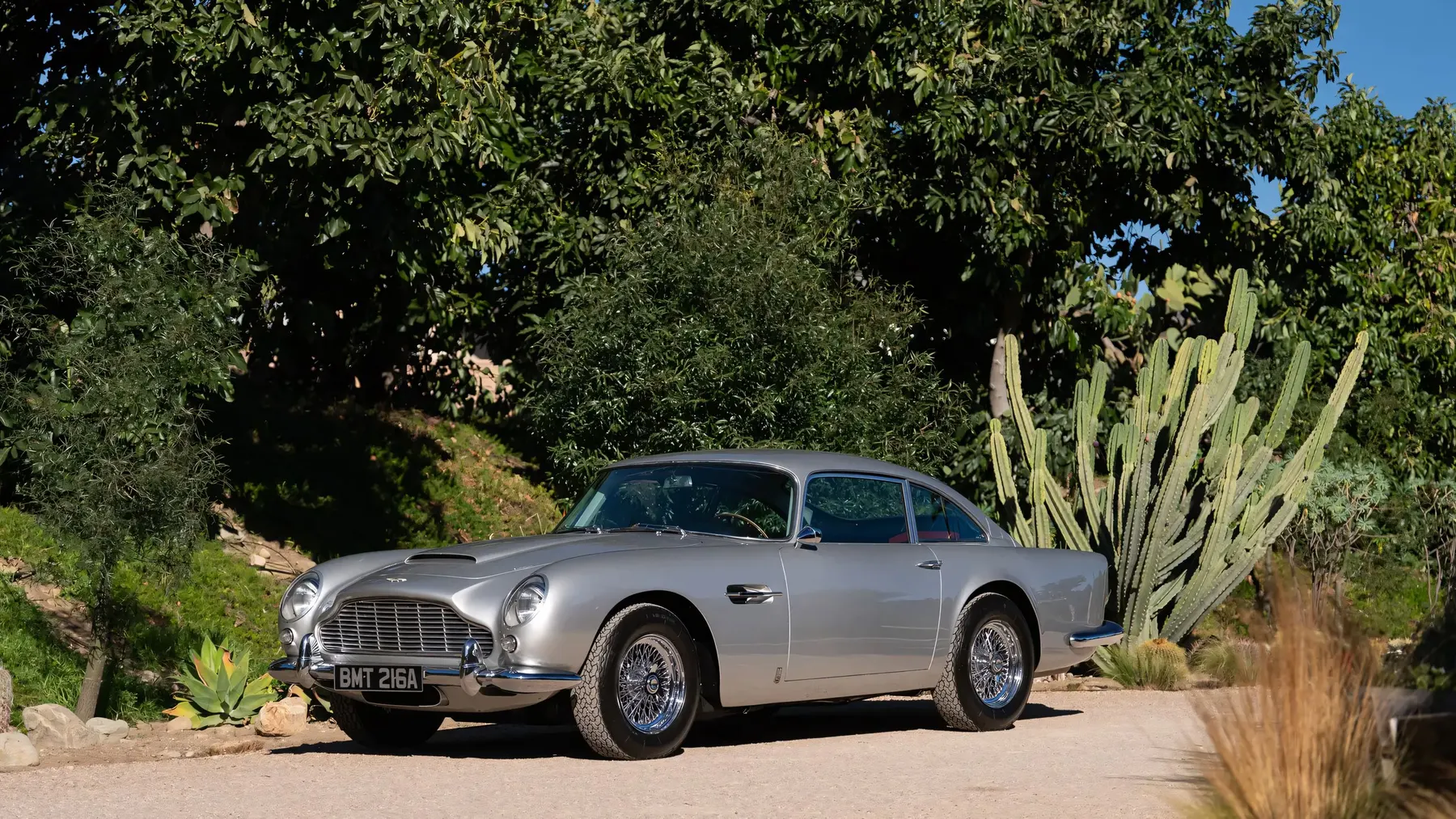
Few cars have achieved the iconic status of the Aston Martin DB5. Synonymous with luxury, performance, and British elegance, the DB5 is a cultural icon. Originally produced between 1963 and 1965, this grand tourer embodies the spirit of an era where craftsmanship and design were at the forefront of automotive excellence.
The DB5 is the result of continuous evolution, following the legacy of the DB4 Series V. The “DB” designation is a tribute to David Brown, the industrialist who rescued Aston Martin in 1947 and under whose leadership the brand flourished. The DB5 took the solid foundation of the DB4 and elevated it to new heights with a series of technical and aesthetic upgrades.
One of the most significant improvements was the introduction of a larger 4.0-liter inline-six engine, replacing the 3.7-liter unit from the DB4. This all-aluminium engine, paired with three SU carburettors, produced a robust 282 bhp, allowing the DB5 to reach a top speed of 145 mph (233 km/h) and accelerate from 0 to 60 mph in just 8 seconds. These performance figures were impressive for its time and remain respectable even by modern standards.
The introduction of the ZF five-speed transmission marked another leap forward in the DB5’s evolution. This gearbox provided smoother, more reliable shifts than the earlier four-speed unit, making the DB5 not just faster but also more refined on the road.
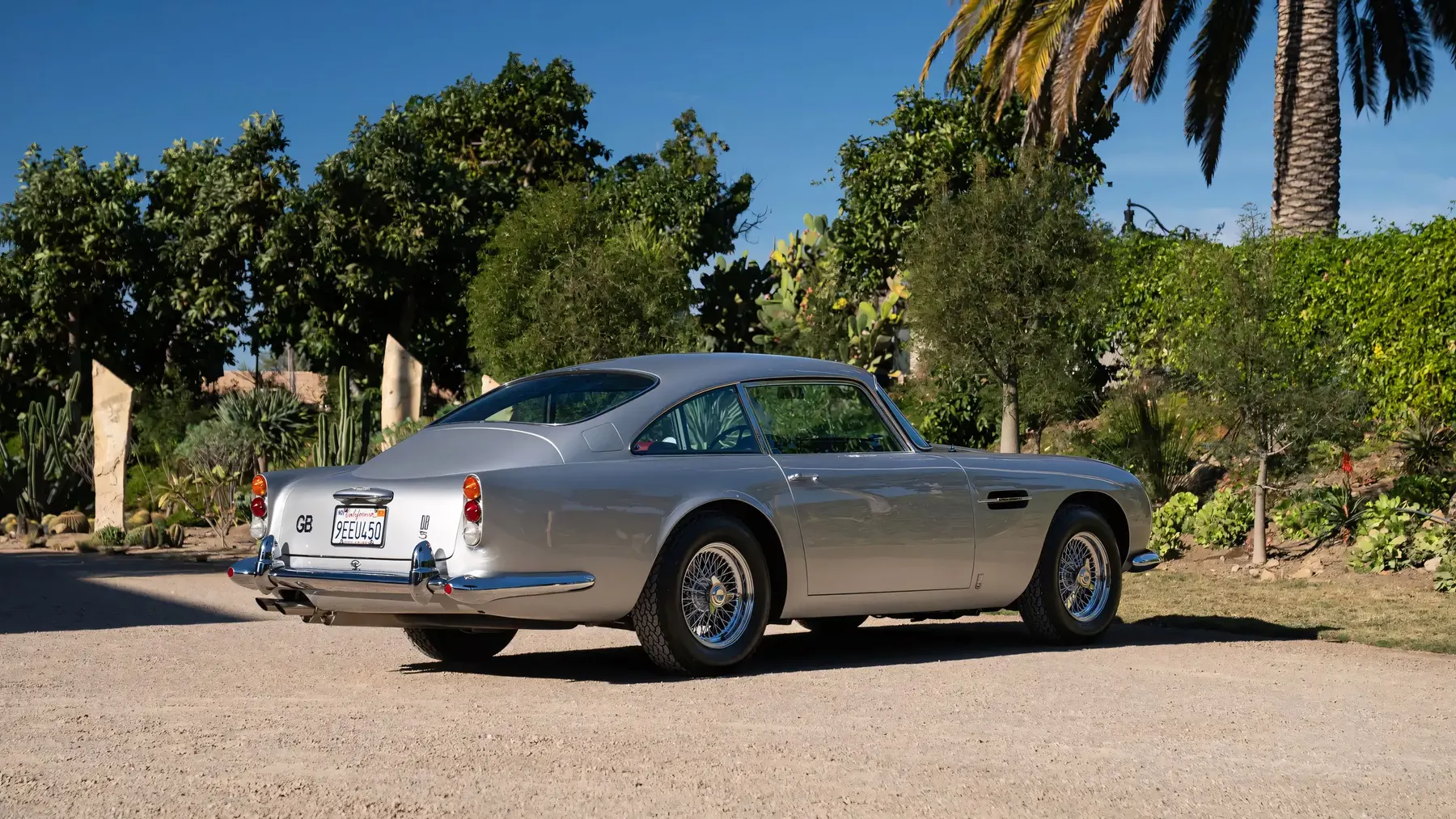
Aston Martin’s collaboration with the Italian coachbuilder Carrozzeria Touring Superleggera was instrumental in defining the DB5’s timeless design. The Superleggera technique, which translates to “super light,” involved constructing the car’s body from magnesium alloy panels over a tubular steel framework. This method resulted in a body that was both lightweight and incredibly strong, contributing to the car’s impressive performance.
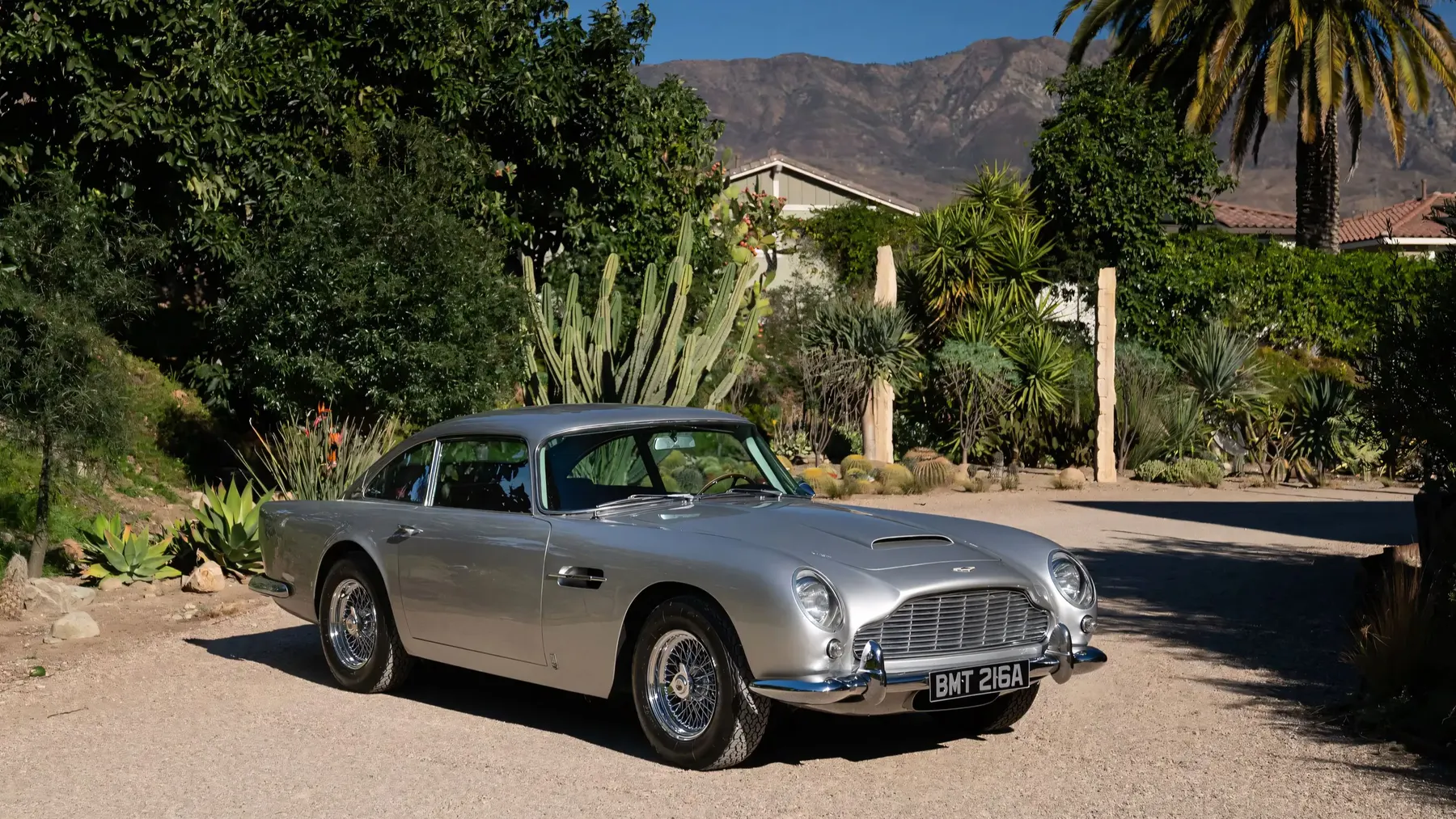
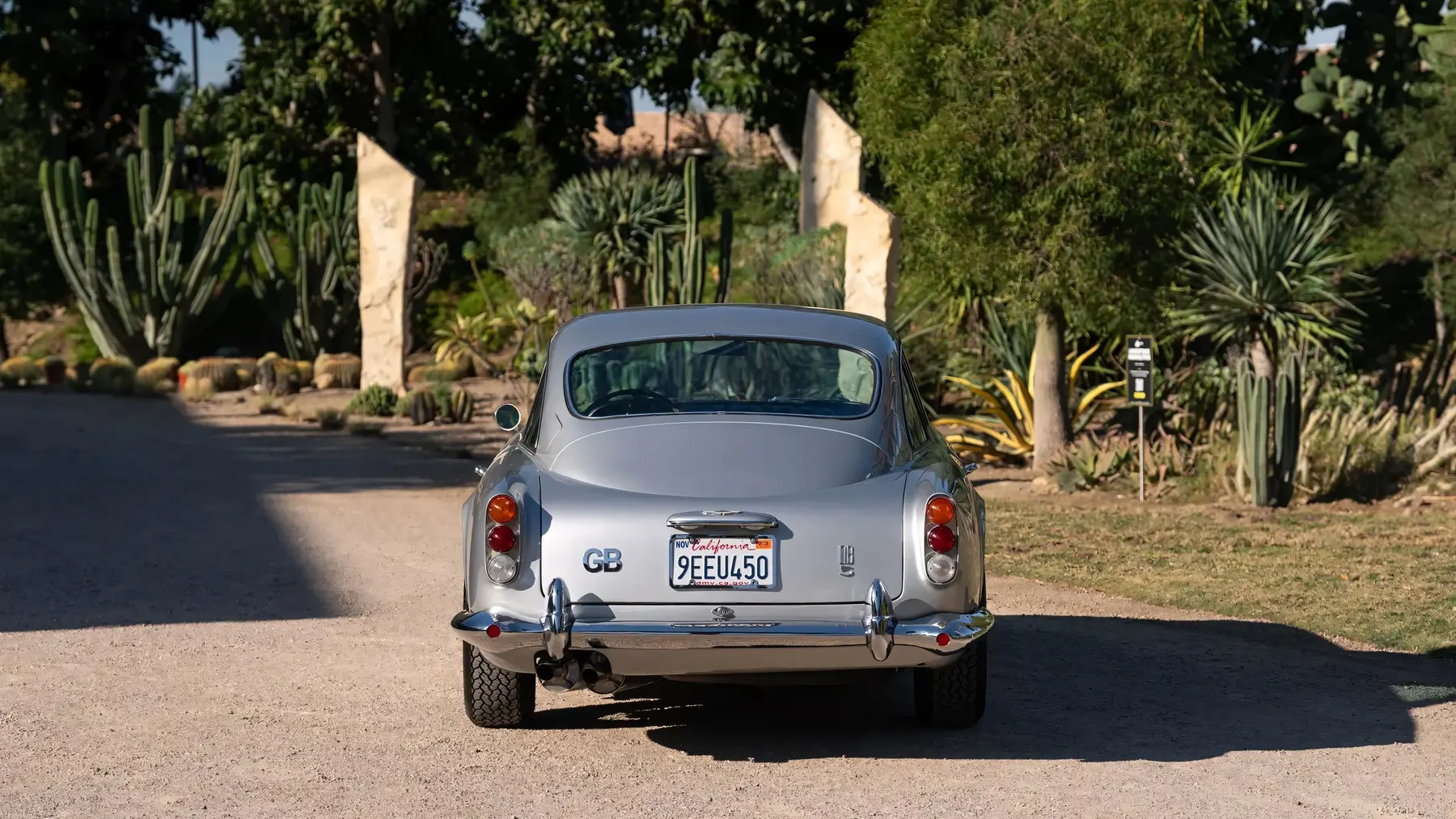
Visually, the DB5 is the epitome of 1960s automotive elegance. Its flowing lines, iconic front grille, and chrome wire wheels exude a sense of understated sophistication. The 2+2 seating configuration offered a blend of practicality and luxury, making the DB5 as suitable for long-distance touring as it was for spirited driving.
Of course, no discussion of the DB5 would be complete without mentioning its most famous role as the car of choice for James Bond. First appearing in the 1964 film Goldfinger, the DB5 quickly became one of the most recognizable cars in cinema history. Equipped with an array of gadgets in the film, from machine guns to an ejector seat, the DB5 became the symbol of cool sophistication and high-tech prowess, qualities that have defined the Bond character for decades.
This association with James Bond has cemented the DB5’s place in popular culture. It’s a car that represents not just the best of British engineering but also a connection to a character that embodies charm, style, and danger. The DB5’s appearance in subsequent Bond films, including Thunderball and more recently in Skyfall and Spectre, has only enhanced its legendary status.
Step inside the DB5, and you’re greeted by an environment of pure luxury. The cabin is adorned with full leather trim, wool pile carpets, and a dashboard that exudes classic British craftsmanship. Standard features included electric windows, reclining seats, and twin fuel tanks, all designed to make the DB5 as comfortable as it was fast. The attention to detail is remarkable, with every element designed to enhance the driving experience.
The DB5 was also a car ahead of its time in terms of equipment. An oil cooler, fire extinguisher, and a comprehensive set of instruments were standard, reflecting Aston Martin’s commitment to creating a car that was as reliable and safe as it was luxurious.
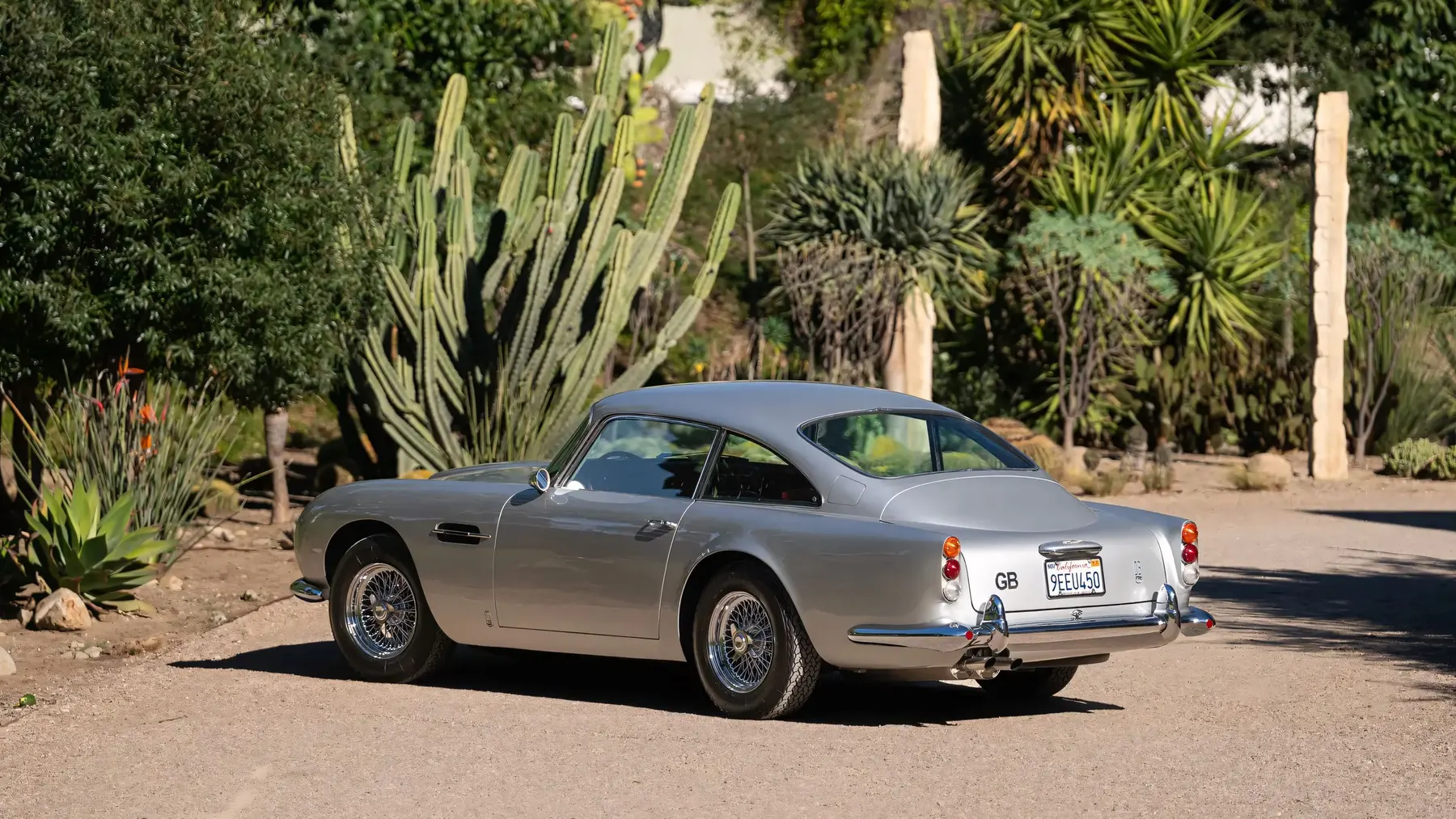
The Aston Martin DB5 Coupe is a symbol of an era. It represents the pinnacle of 1960s automotive design and engineering, combining breathtaking performance with timeless style. Its connection to James Bond has only enhanced its allure, making it one of the most desirable and collectible classic cars in the world.
In an age of mass production, the DB5 stands out as a reminder of a time when cars were crafted with care, when design was as important as performance, and when driving was as much about the journey as the destination. The Aston Martin DB5 remains an icon, not just of the automotive world but of popular culture as well, a true testament to the enduring appeal of British engineering and design.
Join the discussion
Comments
Loading comments…
Leave a comment
Share a detail, memory, or perspective. Every comment is reviewed before publication.