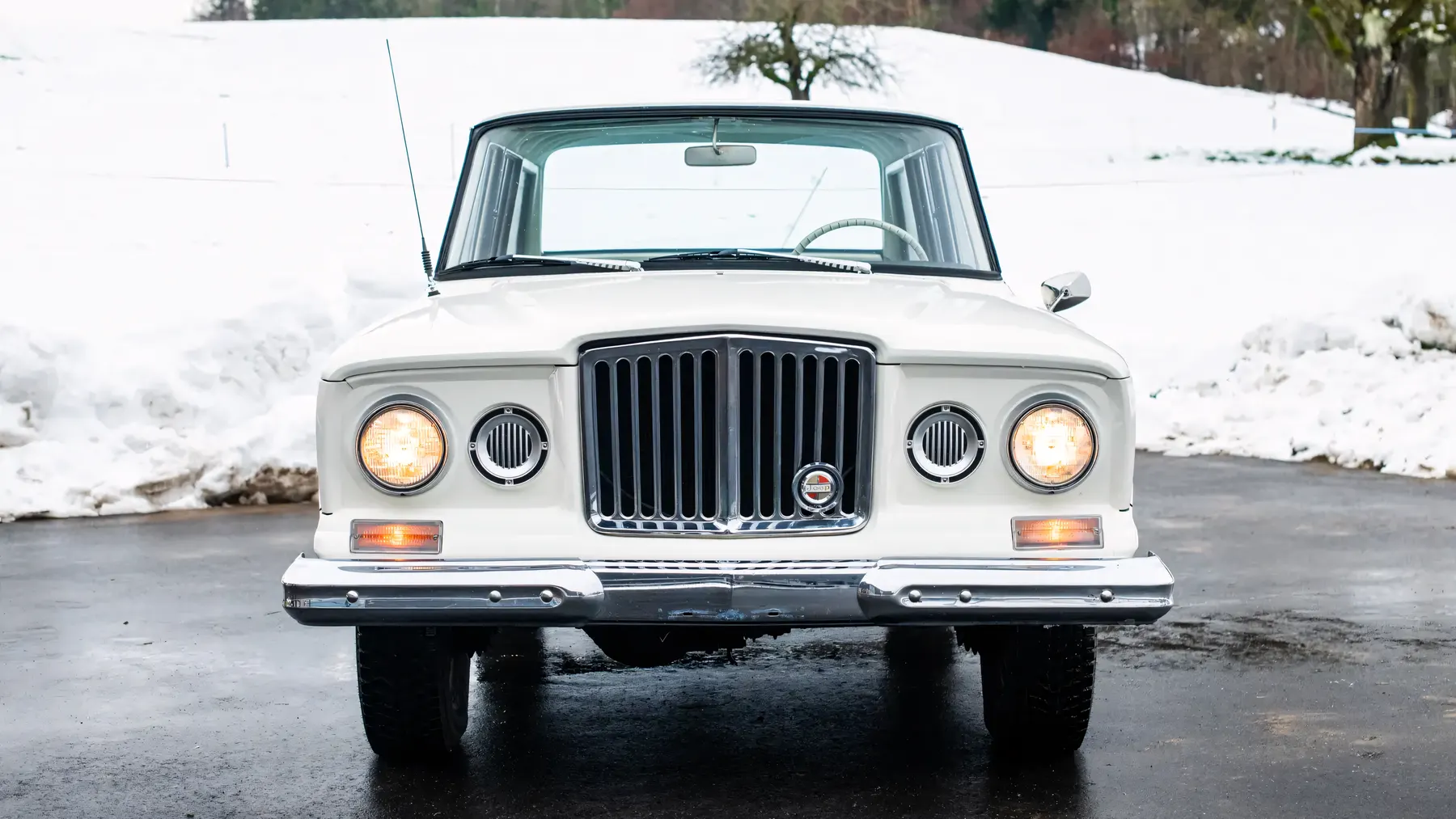
1965 Jeep Wagoneer

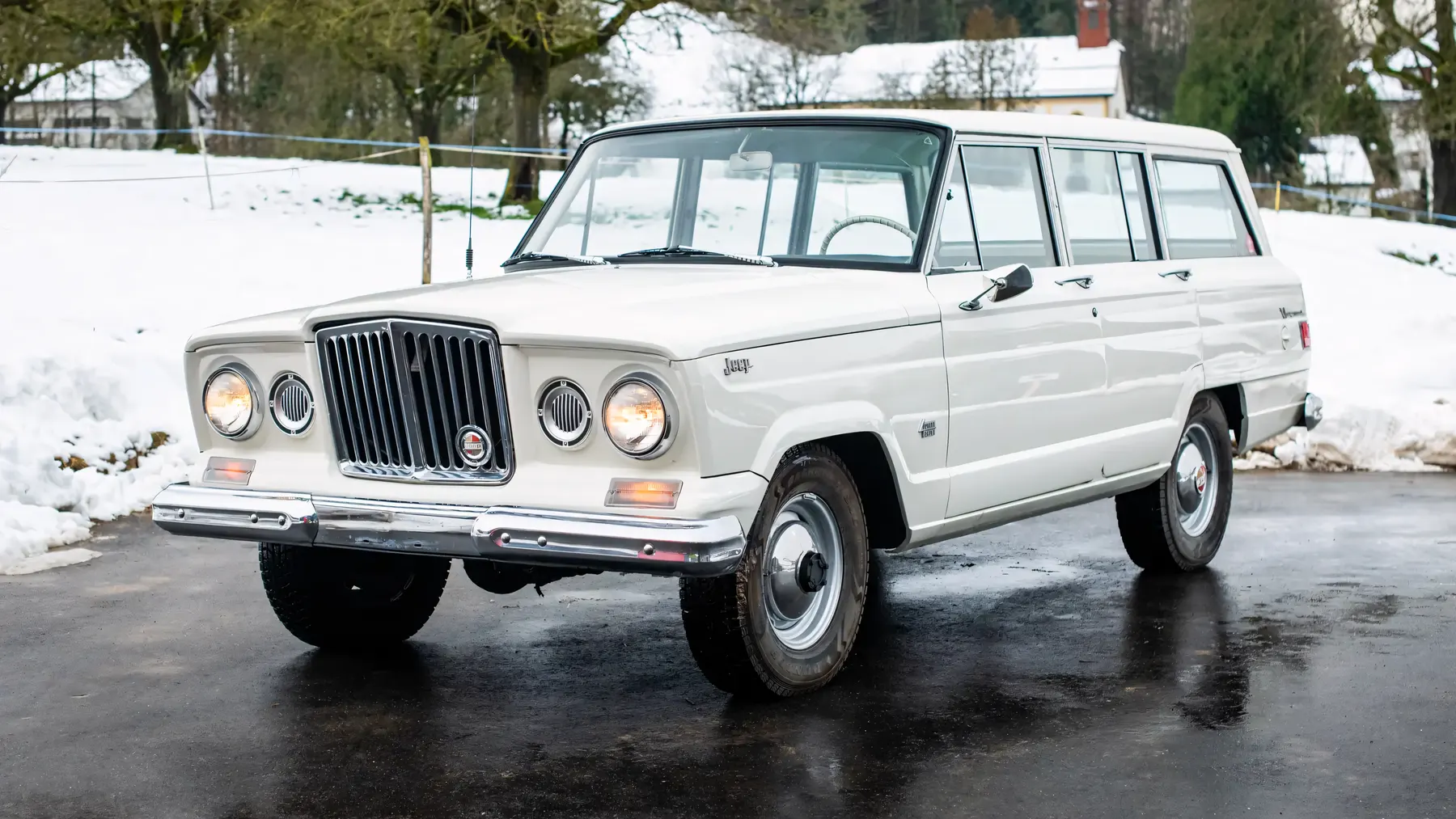
The Jeep Wagoneer stands as a monumental figure in automotive history, laying the foundation for the modern SUV market. First introduced in 1962, the Wagoneer offered a groundbreaking combination of off-road capability and on-road comfort, making it a revolutionary vehicle in the then-nascent sport utility vehicle segment. Designed by Brooks Stevens and Dave Nutting, the Wagoneer would go on to define the luxury SUV category long before it was even a recognized term.
At the time of its debut, the Wagoneer replaced the utilitarian Willys Jeep Station Wagon, introducing a level of sophistication that was unparalleled in off-road vehicles. Its rugged underpinnings, including four-wheel drive, were complemented by features like an independent front suspension and an automatic transmission,both of which were groundbreaking for a 4x4 vehicle. The Wagoneer’s Tornado 230-cubic-inch straight-six engine was the first overhead-cam engine offered in an American production vehicle, giving it a unique mechanical advantage.
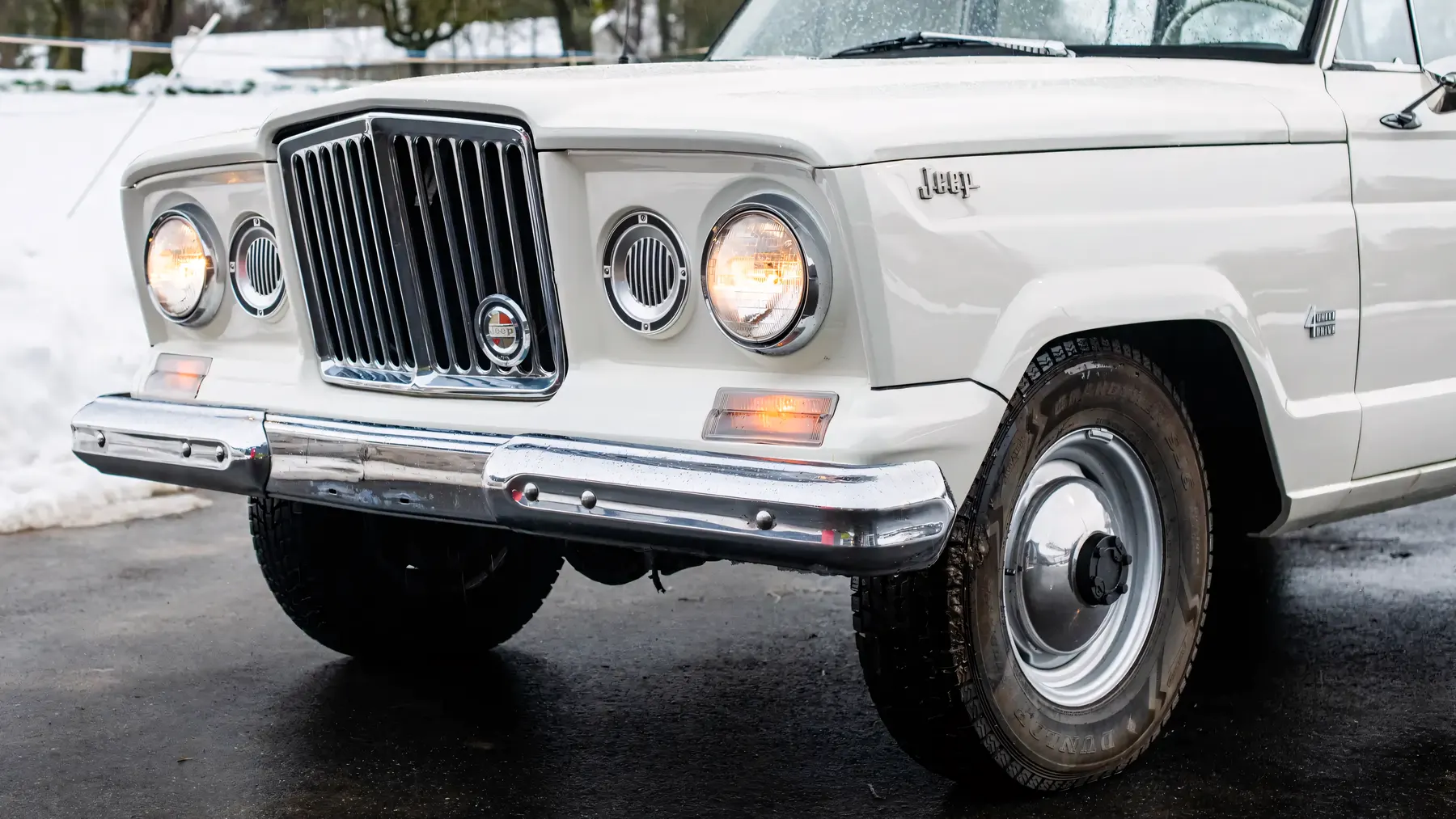
From its inception, the Wagoneer’s platform was designed for versatility. It was offered in both two-wheel and four-wheel-drive variants, appealing to a broad audience. However, by 1965, Jeep recognized that the four-wheel-drive configuration was the way forward, and it soon became the dominant offering. Although the independent front suspension was briefly an option, it was dropped for four-wheel-drive models in 1965, as rugged solid axles proved more popular with buyers seeking durability.
What makes the Wagoneer special is its role as a forerunner in the luxury SUV market, a segment that didn’t officially exist at the time. Its debut was revolutionary; it offered a high-end interior and smooth on-road manners while maintaining the ruggedness expected of a Jeep. As time went on, Jeep continuously refined the Wagoneer, adding features like power brakes, automatic transmissions, and eventually, V8 engines.
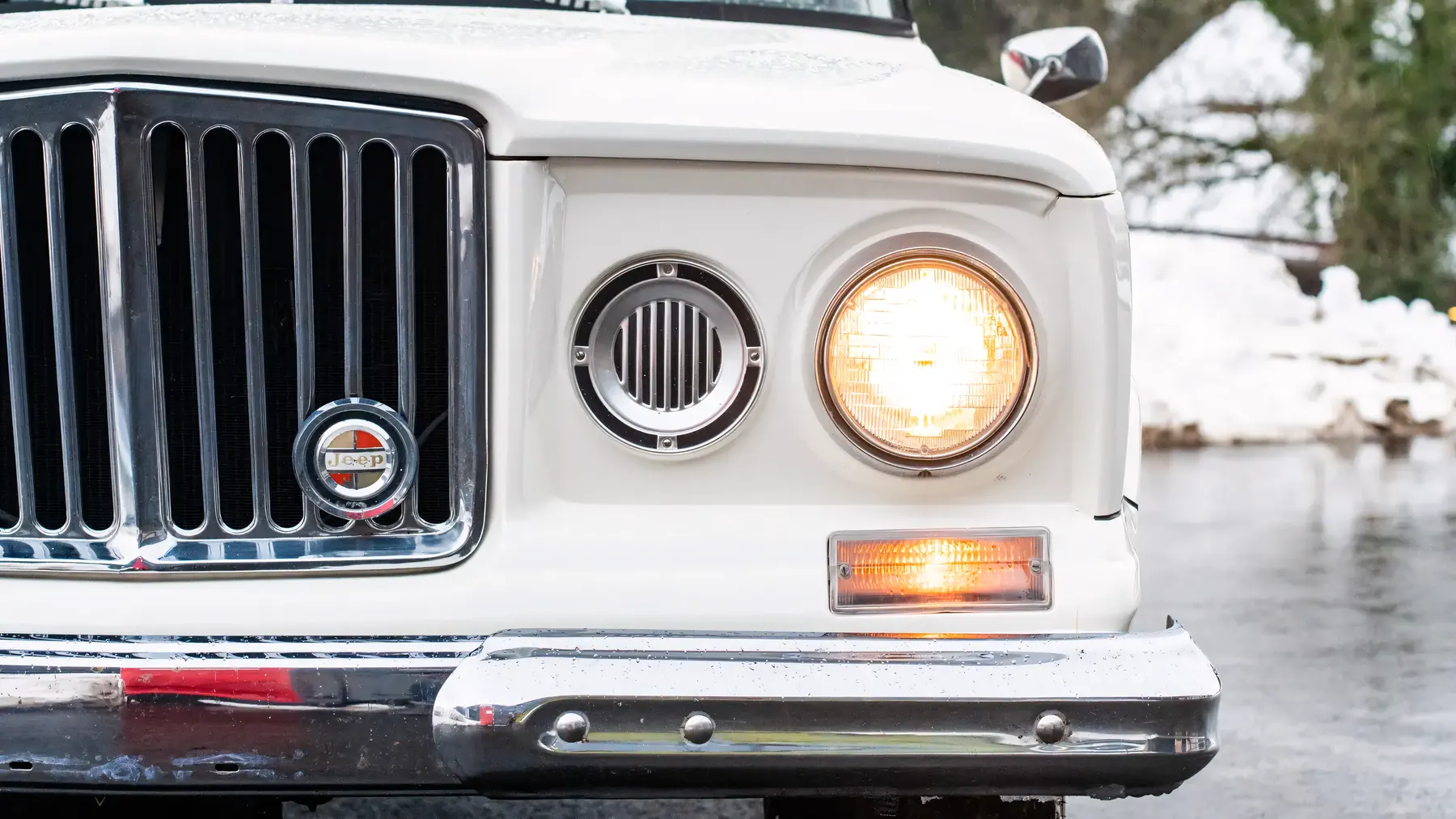
Over its nearly three-decade run, the Wagoneer underwent minimal changes to its core design, yet managed to stay relevant through constant innovation. In 1965, Jeep introduced a comprehensive safety package that included seat belts for both front and rear passengers, a padded dashboard, and a dual braking system. By 1966, the introduction of the 327-cubic-inch V8 engine option gave the Wagoneer the power to match its ever-increasing weight as more luxury features were added.
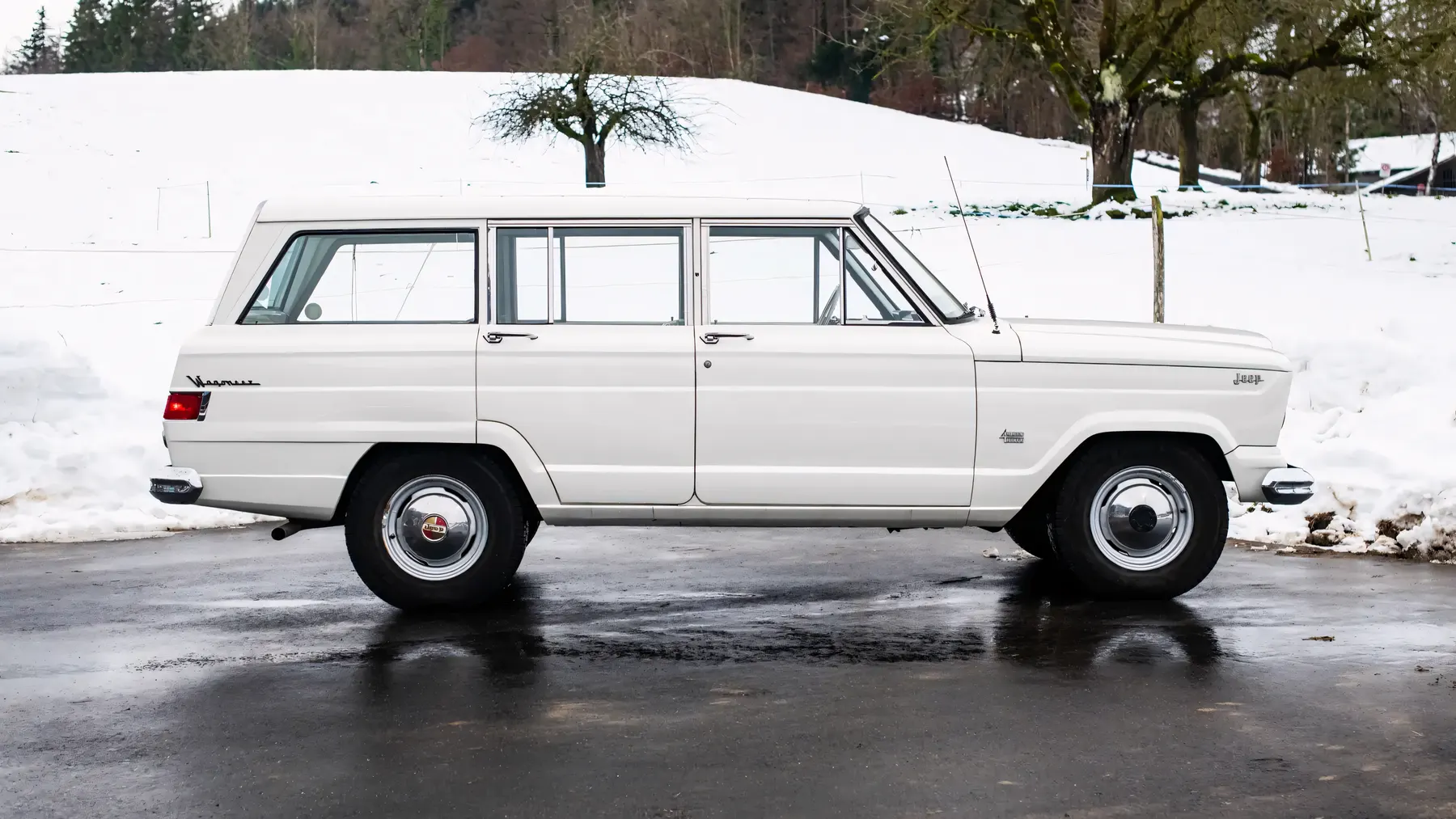
By the time production ended in 1991, the Wagoneer had cemented its legacy. Its almost unchanged body structure across 29 years of production made it one of the longest-produced single-generation vehicles in American automotive history, surpassed only by the Volkswagen Beetle and the Willys Jeep CJ.
The Jeep Wagoneer remains one of the most iconic vehicles in the history of SUVs. Its influence is undeniable, having essentially created the luxury 4x4 segment before the term even existed. The model’s ability to bridge the gap between rugged off-road capability and on-road luxury set a template for the wave of SUVs that would dominate the automotive market in the decades to come.
In 2021, Jeep revived the Wagoneer nameplate, bringing it into the modern era with the all-new Wagoneer and Grand Wagoneer. These models pay homage to the original by offering a blend of advanced technology, luxury, and off-road capability. In 2024, Jeep plans to expand the lineup even further with the all-electric Wagoneer S, proving that the legacy of this iconic nameplate is far from over.
The Jeep Wagoneer’s longevity is a testament to its enduring appeal. Its influence can be seen in every modern SUV that combines luxury and off-road capability. From the moment it first rolled off the production line in 1962, the Wagoneer defined what an SUV could be, and its legacy continues to shape the automotive world to this day.
Join the discussion
Comments
Loading comments…
Leave a comment
Share a detail, memory, or perspective. Every comment is reviewed before publication.