1966 Aston Martin DB6 Vantage

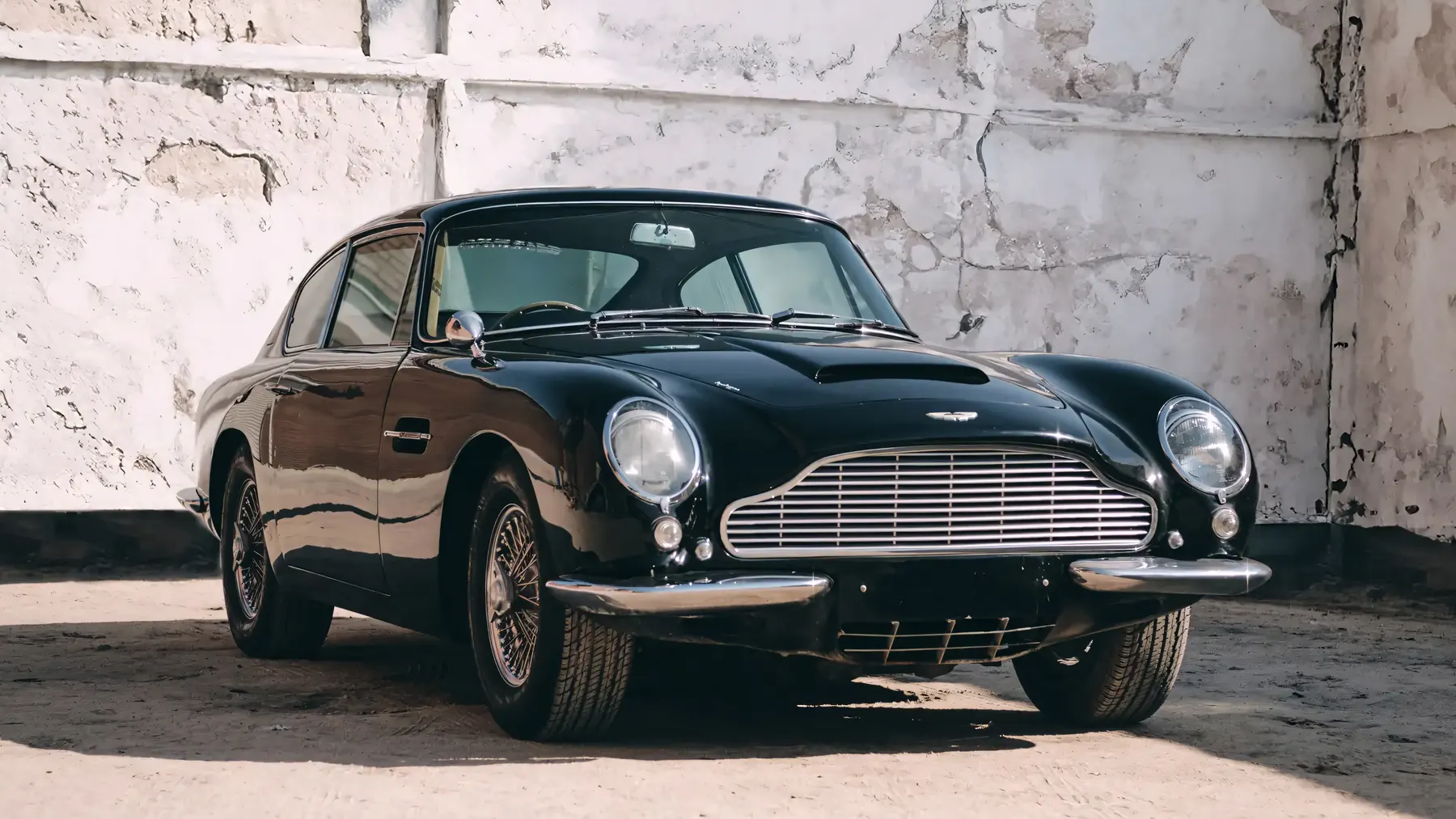
The Aston Martin DB6 Vantage, produced from 1965 to 1971, stands as a masterpiece of British automotive engineering, blending refined luxury with raw performance. As the successor to the legendary DB5, the DB6 Vantage emerged as a bridge between Aston Martin’s classic heritage and evolving technological ambitions. Renowned for its aerodynamic innovations, handcrafted elegance, and formidable power, it remains a symbol of 1960s sophistication and a prized collectible today.
The DB6 was born from necessity. After rejecting redesign proposals from Touring of Milan, Aston Martin turned to its in-house prototype, MP 219, to address the DB5’s aerodynamic flaws. Wind tunnel testing revealed lift issues caused by the fastback design, prompting engineers to adopt a Kammback tail,a truncated rear inspired by racing prototypes,to enhance stability. This innovation, paired with a 3.75-inch-longer wheelbase, defined the DB6’s silhouette.
Debuting at the 1965 London Motor Show, the DB6 marked Aston Martin’s first model produced at its new Newport Pagnell facility. While its design initially polarized traditionalists, the car’s functional advancements, including improved rear passenger space and luggage capacity, solidified its reputation as a practical yet thrilling grand tourer.
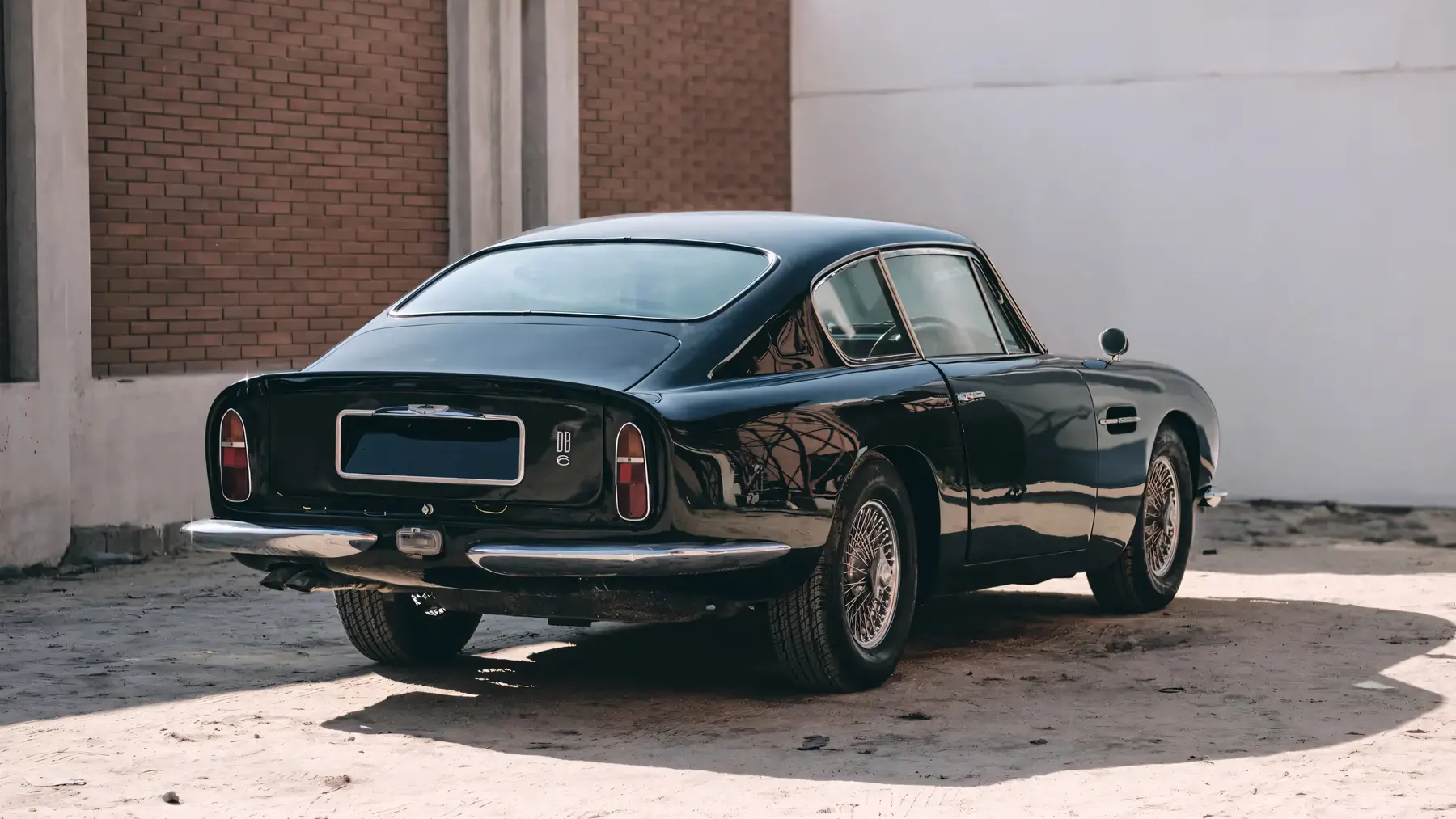
The DB6’s design balanced aesthetics with aerodynamics. The Kamm tail, reminiscent of the Ferrari 250 GTO, reduced lift while maintaining elegance. A raised roofline and steeply raked windscreen improved headroom, transforming the DB6 into a genuine four-seater. Superleggera (“super-light”) construction, patented by Touring of Milan, utilized a mix of steel tubes and alloy panels, keeping weight gain minimal (just 17 lbs over the DB5) despite its larger dimensions. Early models bore “Superleggera” badges, though these vanished after Touring’s closure, leaving only the construction legacy.
The Vantage variant, introduced in 1966, elevated performance with a 4.0L Tadek Marek-designed inline-six engine. Triple Weber 45DCOE carburetors and a higher 9.4:1 compression ratio boosted output to 325 hp,11 hp more than the DB5 Vantage. A dual-exhaust system and mechanical throttle linkage delivered a sonorous roar, while options like power steering and air conditioning underscored its GT ethos.
The DB6 Vantage was a powerhouse. With 325 hp and 295 lb-ft of torque, it sprinted from 0–60 mph in 6.2 seconds, rivaling contemporary Ferraris. A top speed of 150 mph (validated by journalist John Bolster’s 152 mph run) showcased its prowess. The ZF five-speed manual transmission offered precise control, while the optional BorgWarner three-speed automatic catered to relaxed touring.
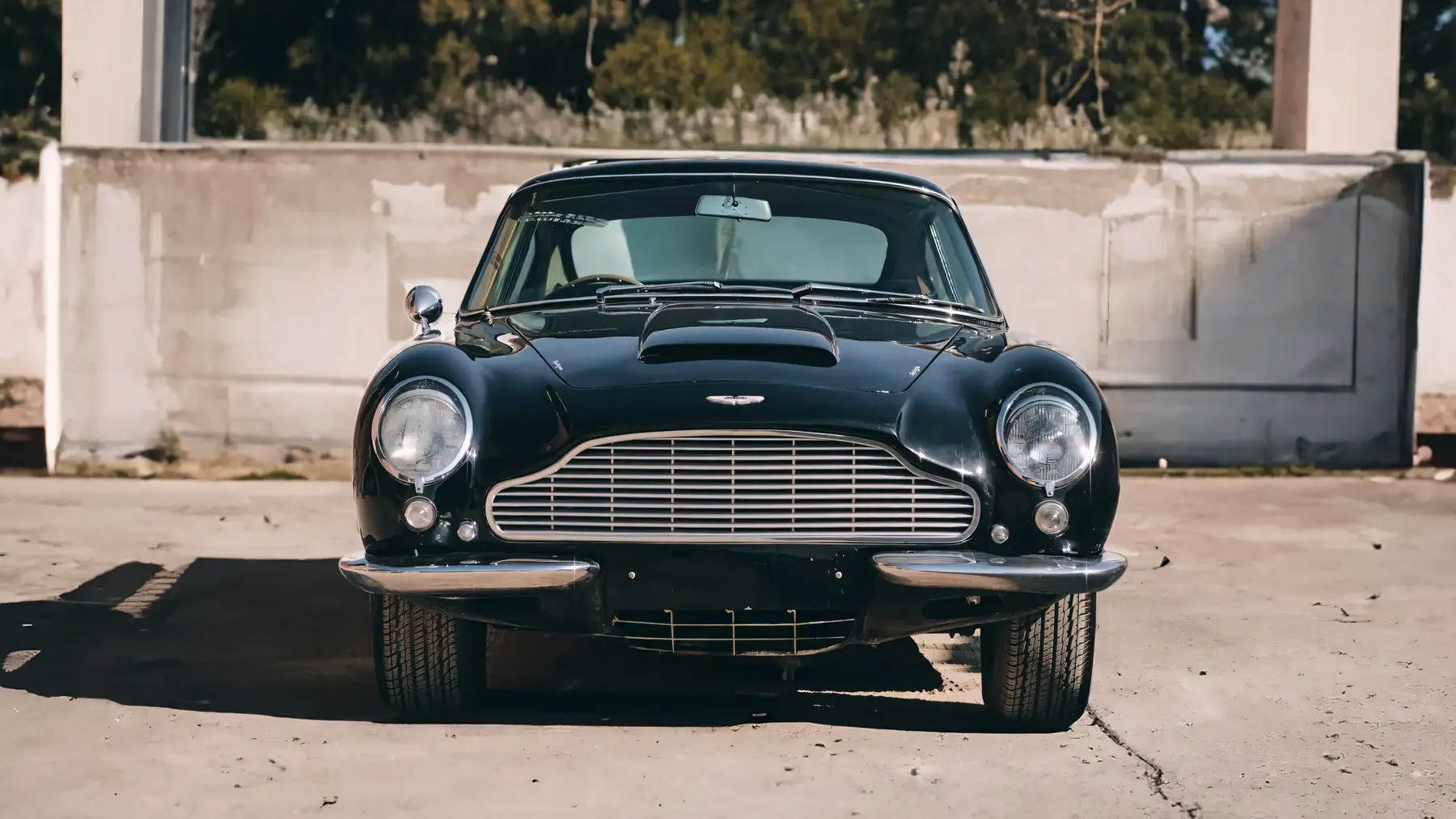
Aerodynamic refinements, including the Kamm tail and recalibrated suspension, ensured stability at speed. Cockpit-adjustable Armstrong Selectaride shocks allowed drivers to tailor ride stiffness, blending comfort with agility. Despite its 3,250-lb curb weight, the DB6 Vantage remained nimble, its live rear axle and helical coil springs providing a balanced, engaging drive.
Only 268 DB6 Vantage coupés were built, making it one of Aston Martin’s rarest postwar models. Distinguishing features included chrome wire wheels, Connolly leather interiors, and optional power-operated aerials. The Vantage’s engine bay, adorned with polished cam covers and twin fuel pumps, was a mechanical work of art.
Surviving examples often retain period-correct details, though some have undergone engine swaps or modifications. Originality remains prized, with restoration projects guided by factory build sheets and historical records.
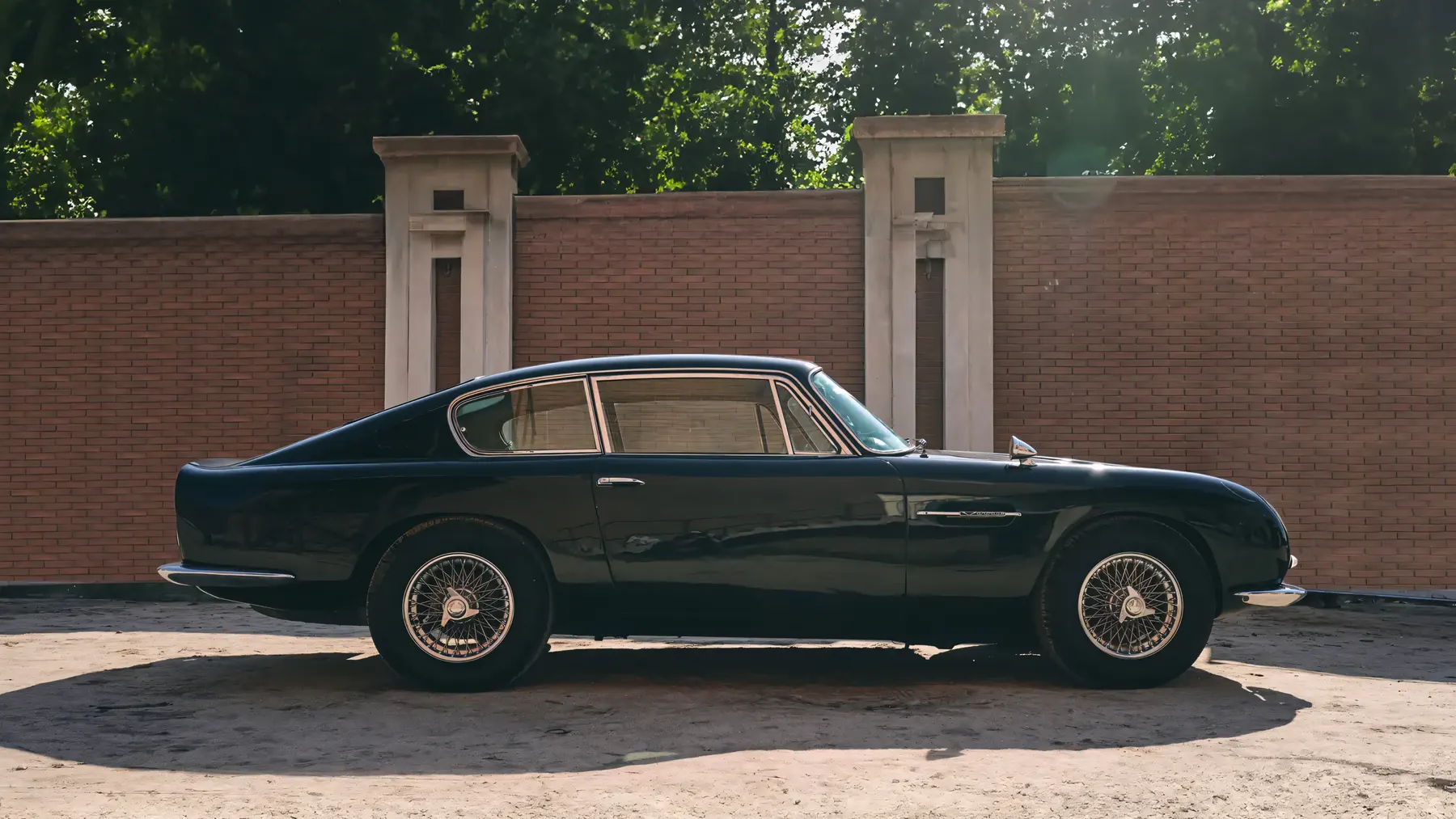
Initially, the DB6’s styling drew mixed reactions; traditionalists deemed the Kamm tail too radical. However, its performance won acclaim. Road testers lauded its stability and speed, cementing its status as a true driver’s car. Over time, its rarity and association with the David Brown era,named after the industrialist who revitalized Aston Martin,have elevated its desirability.
Culturally, the DB6 Vantage embodies 1960s glamour, appearing in films like Chitty Chitty Bang Bang and owned by icons like Paul McCartney. Its analog driving experience, devoid of modern aids, continues to enchant enthusiasts, offering a visceral connection to motoring’s golden age.
The Aston Martin DB6 Vantage represents the zenith of 1960s grand touring. A harmonious blend of art and engineering, it bridged tradition and innovation, delivering unparalleled performance without sacrificing luxury. Today, it stands as a testament to an era when cars were crafted with passion, precision, and a touch of rebellion,a timeless icon that continues to captivate collectors and drivers alike.
Join the discussion
Comments
Loading comments…
Leave a comment
Share a detail, memory, or perspective. Every comment is reviewed before publication.