1966 Ferrari 330 GT 2+2 Series II by Pininfarina

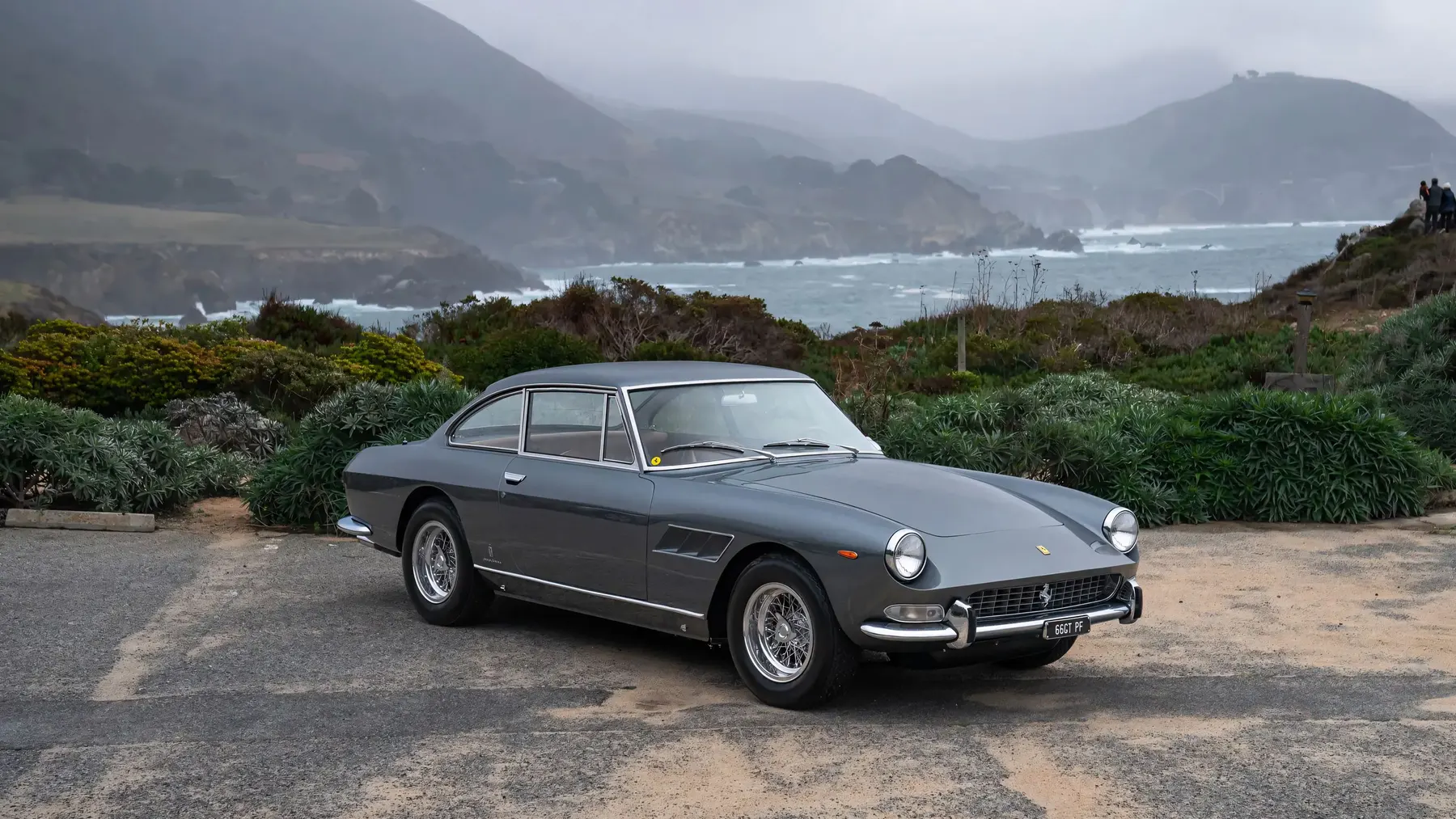
Among the many iconic models to emerge from Maranello in the 1960s, the Ferrari 330 GT 2+2 stands as a testament to the brand’s commitment to blending high performance with luxurious comfort. The Series II variant, designed by the legendary Pininfarina, encapsulates this philosophy in an exquisite package.
The Ferrari 330 series, introduced in 1963, was an evolution of the earlier 250 series. All 330 models were powered by an evolution of the 4.0-liter Colombo V12 engine, a powerplant that defined Ferrari’s road cars of the era. With a bore and stroke of 77 mm by 71 mm, this engine delivered an impressive 295 HP (220 kW), allowing the 330 to offer both the performance and the refined driving experience expected from a Ferrari.
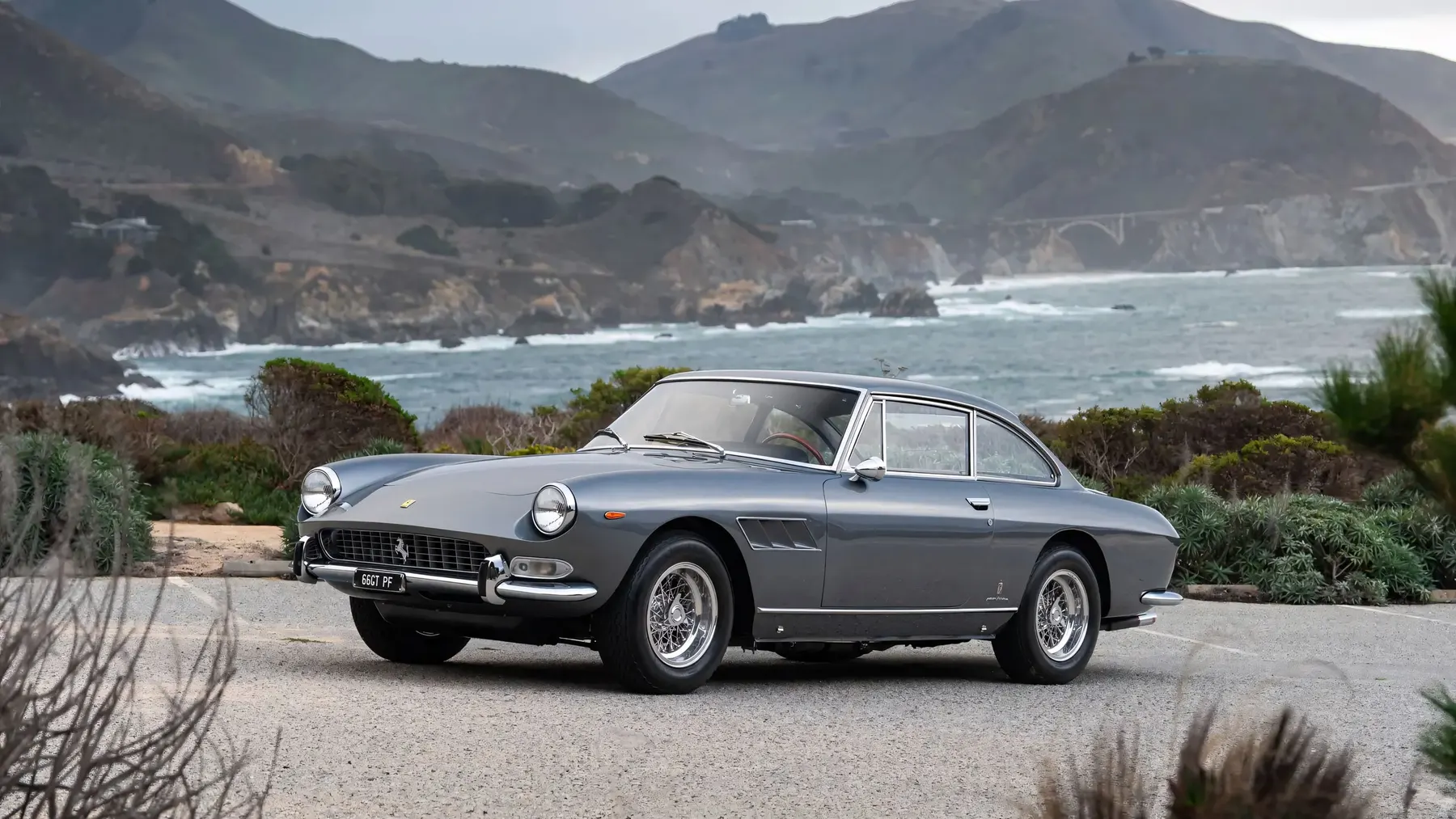
The 330 GT 2+2 was more than just a continuation of the 250 series. It introduced a longer wheelbase, enhancing stability and interior space, and featured adjustable Koni shock absorbers that significantly improved handling dynamics. Ferrari’s attention to detail and commitment to innovation was evident in every aspect of the 330 GT 2+2.
By 1965, Ferrari sought to refine the 330 GT 2+2 even further, leading to the introduction of the Series II. This version addressed both aesthetic and mechanical elements, resulting in a grand tourer that was not only more visually appealing but also more practical and enjoyable to drive.
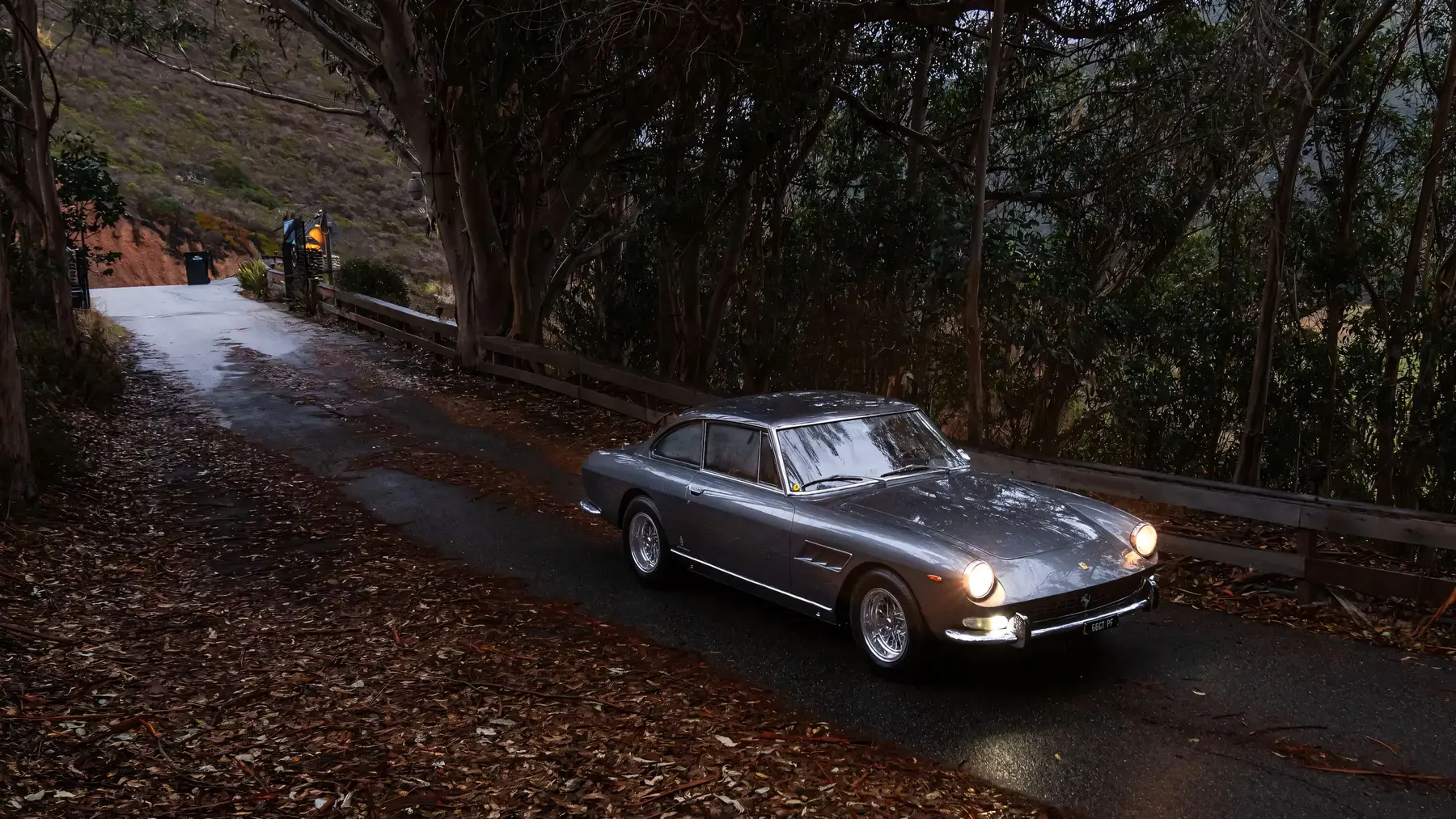
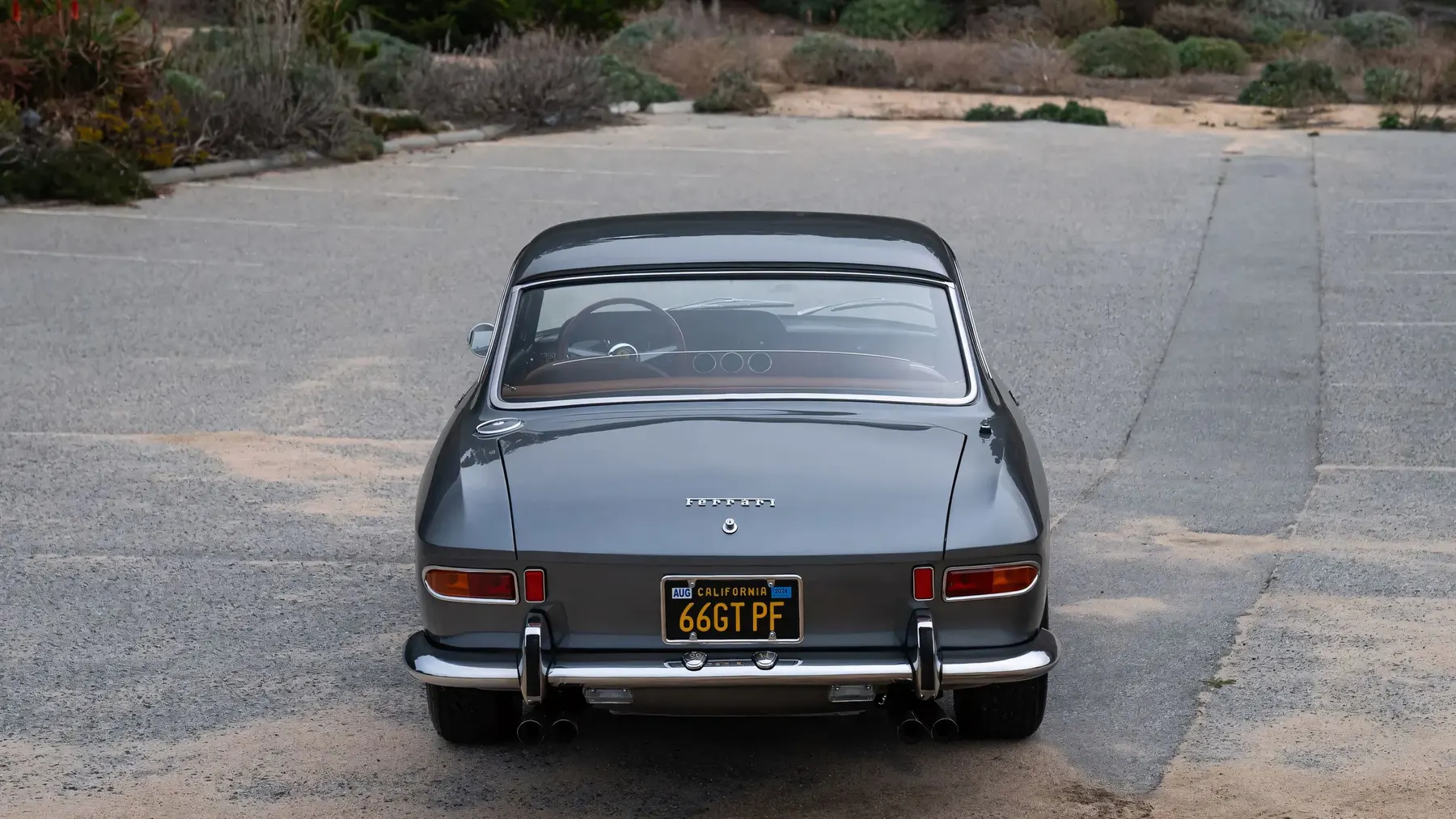
One of the most significant changes in the Series II was the return to a dual-headlight front end, a move away from the polarising quad-headlight design of the Series I. This gave the car a more classic and cohesive look, aligning it more closely with other Ferrari models of the time. The addition of alloy wheels added a touch of modernity, while the introduction of optional air conditioning and power steering enhanced comfort, making the 330 GT 2+2 Series II a more viable option for long-distance touring.
Mechanically, the Series II saw the adoption of a five-speed gearbox, replacing the previous four-speed with overdrive. This not only improved the car’s performance at higher speeds but also made for a more engaging driving experience. Ferrari also made subtle changes to the interior, including the introduction of suspended foot pedals, which contributed to a more comfortable driving position and a cleaner, more modern cabin layout.
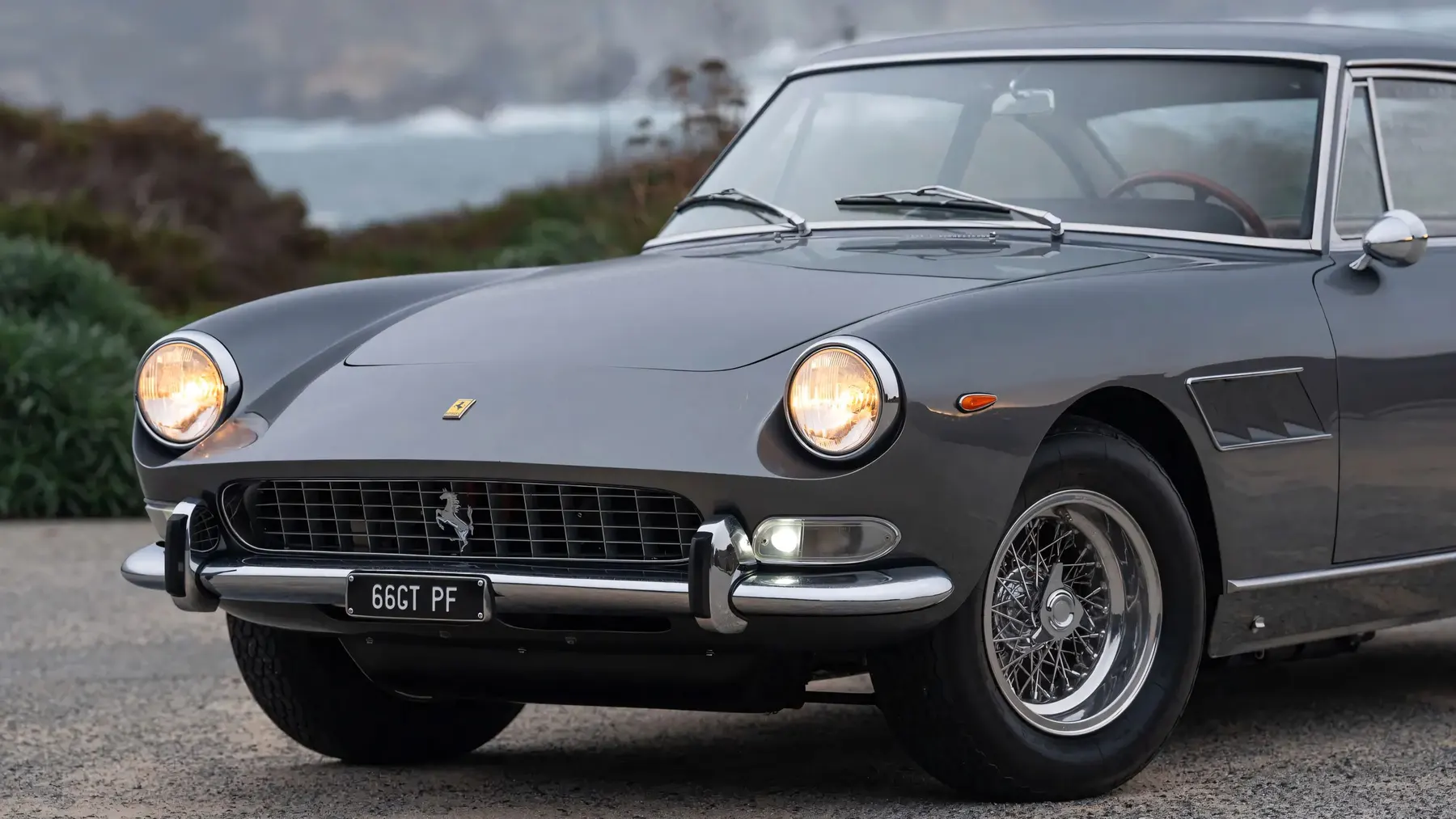
Pininfarina’s influence on the design of the 330 GT 2+2 Series II cannot be overstated. The collaboration between Ferrari and Pininfarina during this period produced some of the most beautiful cars ever made, and the 330 GT 2+2 was no exception. The sleek, elongated profile, combined with the understated elegance of the front grille and headlight arrangement, gave the car a sense of purpose and sophistication.
Inside, the Series II offered a luxurious environment, with high-quality materials and a well-thought-out layout that catered to both driver and passengers. The 2+2 seating configuration allowed for additional practicality, making the car a favourite among those who wanted a Ferrari that could accommodate more than just two people in relative comfort.
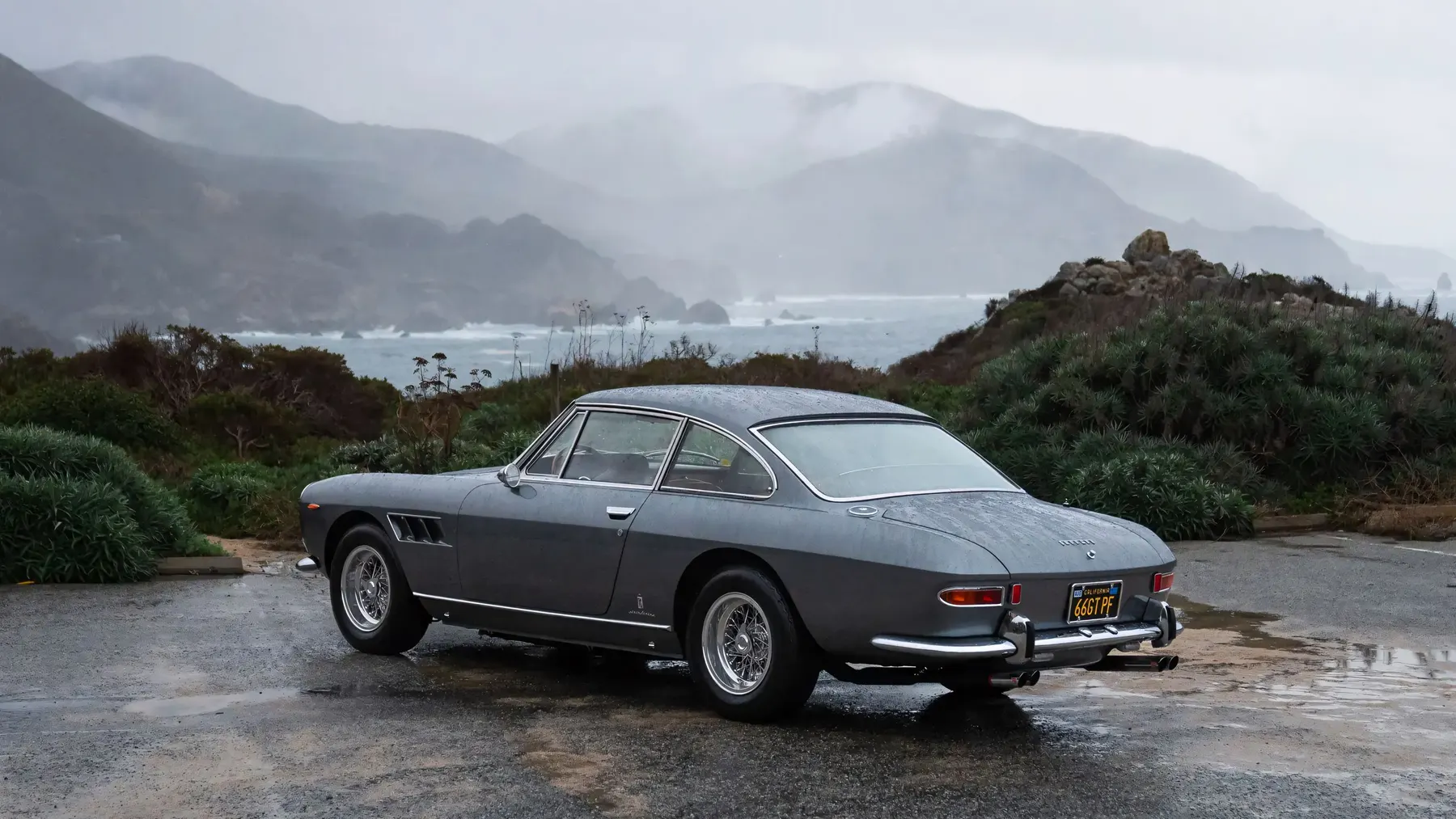
With only 455 units of the Series II 330 GT 2+2 produced, this model remains a rare and desirable piece of Ferrari’s history. Its combination of performance, comfort, and Pininfarina styling makes it a standout in the brand’s lineup from the 1960s. As the bridge between the earlier 250 series and the later 365 GT 2+2, the 330 GT 2+2 Series II represents a crucial step in Ferrari’s evolution as a maker of grand tourers.
Today, the Ferrari 330 GT 2+2 Series II is cherished by collectors and enthusiasts alike. It embodies an era of motoring where elegance and performance were in perfect harmony, and where every detail was crafted with care and precision. In a world increasingly dominated by mass production, the 330 GT 2+2 remains a reminder of the artistry and passion that once defined the automotive industry.
Join the discussion
Comments
Loading comments…
Leave a comment
Share a detail, memory, or perspective. Every comment is reviewed before publication.