1967 Alfa Romeo Giulia Sprint GT Veloce

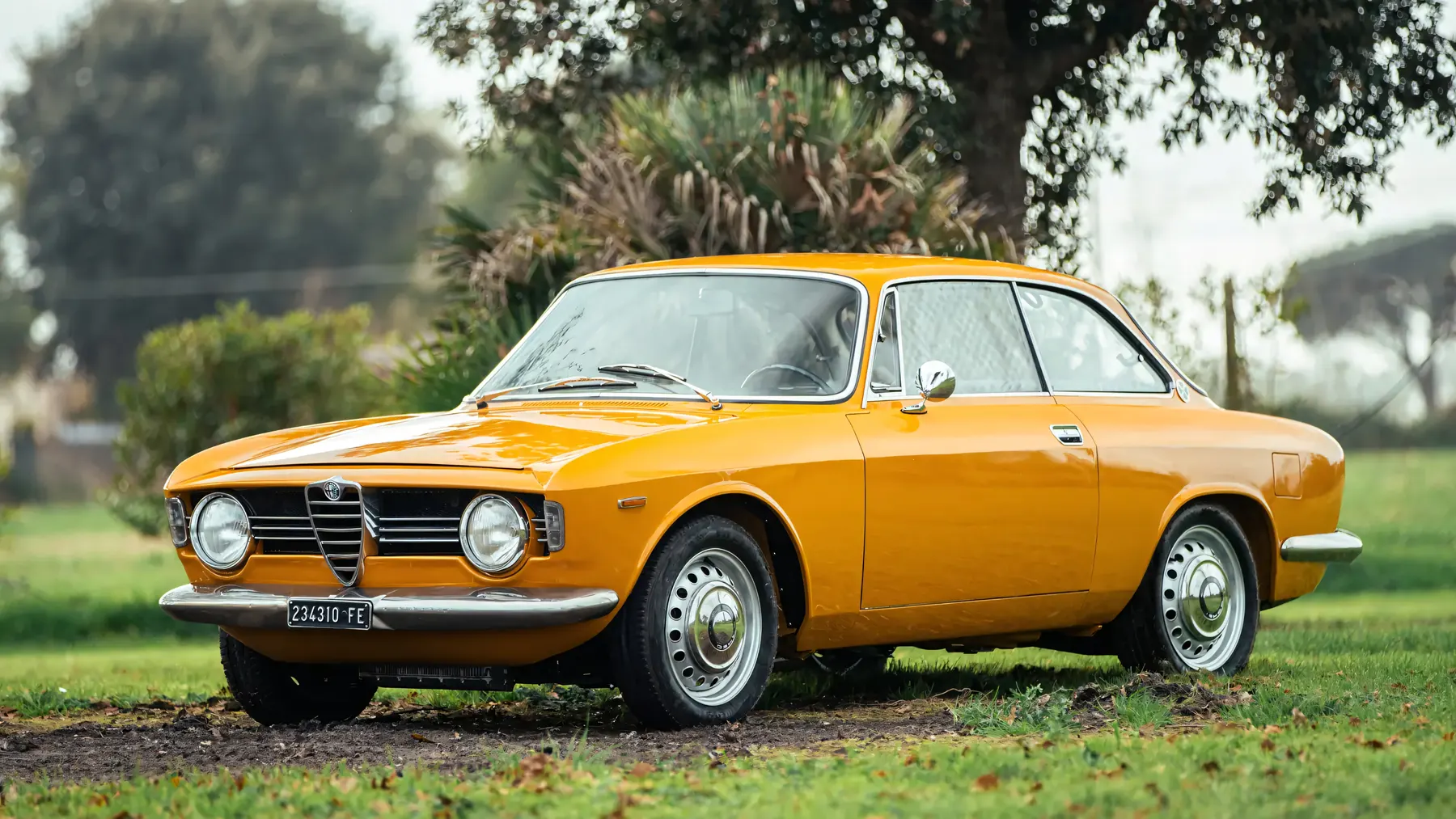
The Alfa Romeo Giulia Sprint GT Veloce is a car that embodies the spirit of 1960s Italian automotive passion,a blend of sleek design, mechanical innovation, and accessible performance. Born from a lineage of celebrated coupés, the Veloce emerged in 1965 as an evolution of the already admired Giulia Sprint GT. Its story is one of refinement, where subtle changes elevated an icon into something even more compelling.
The Giulia Sprint GT Veloce debuted at the 1966 Geneva Motor Show, positioned as an enhanced successor to the Giulia Sprint GT. Rooted in the Type 105 platform,a series renowned for its lightweight construction and agile handling,the Veloce inherited the Giulia’s legacy of merging everyday usability with spirited driving dynamics. Production spanned from 1965 to 1968, yielding 14,240 units, including rare right-hand-drive variants and kits assembled abroad. Though overshadowed in 1967 by the introduction of the 1750 GT Veloce, the original 1.6-litre model retained its allure, particularly the coveted “step-nose” variants produced in early 1967, which remain prized by collectors.
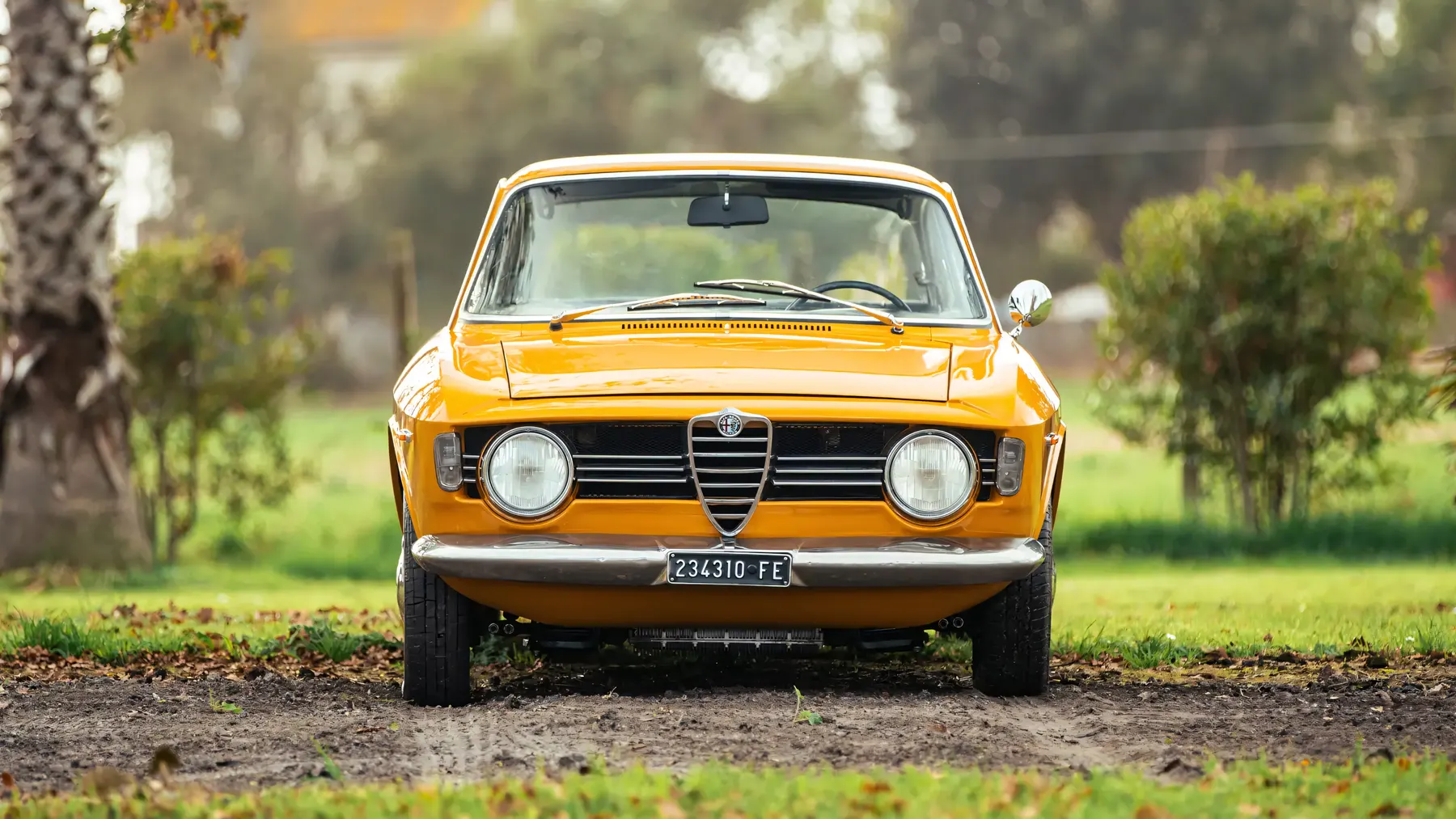
Penned by a young Giorgetto Giugiaro during his tenure at Bertone, the Giulia Sprint GT Veloce’s design was revolutionary. Its sharp, three-box silhouette,softened by flowing rooflines and a low drag coefficient of 0.34,exuded aerodynamic efficiency rare for its era. Distinctive details set the Veloce apart: enamel Quadrifoglio badges adorned the C-pillars, a black mesh grille with three horizontal chrome bars replaced the predecessor’s design, and stainless steel bumpers (split into multiple sections) added understated sophistication. Inside, the cabin embraced a blend of function and luxury, featuring an imitation wood dashboard, contoured “bucket” seats, and a three-spoke steering wheel with horn buttons integrated into the spokes. The Bertone De Luxe package elevated the experience further, offering leather upholstery in dark brown or red, paired with door cards and carpets in harmonizing hues,documented choices that dispel myths of factory-black interiors.
At the heart of the Veloce lay Alfa Romeo’s revered 1.6-litre Twin Cam engine (tipo 00536), shared with the Spider 1600 Duetto. Revised with larger exhaust valves and twin carburetors, it produced 109 PS DIN (108 hp), propelling the car to a top speed of 185 km/h (115 mph) and a 0–100 km/h sprint in under 12 seconds,a remarkable feat for a road-legal coupé. The five-speed manual transmission and rear-wheel-drive setup delivered engaging driving dynamics, while suspension,a front double-wishbone and rear solid axle with coils,struck a balance between comfort and responsiveness. Early models featured Dunlop disc brakes, later replaced by ATE systems with separate handbrake drums, enhancing reliability. Racing variants, classified under FIA Groups 1 and 2, boasted limited-slip differentials, varied gear ratios, and wider wheels, underscoring the Veloce’s competition-ready DNA.
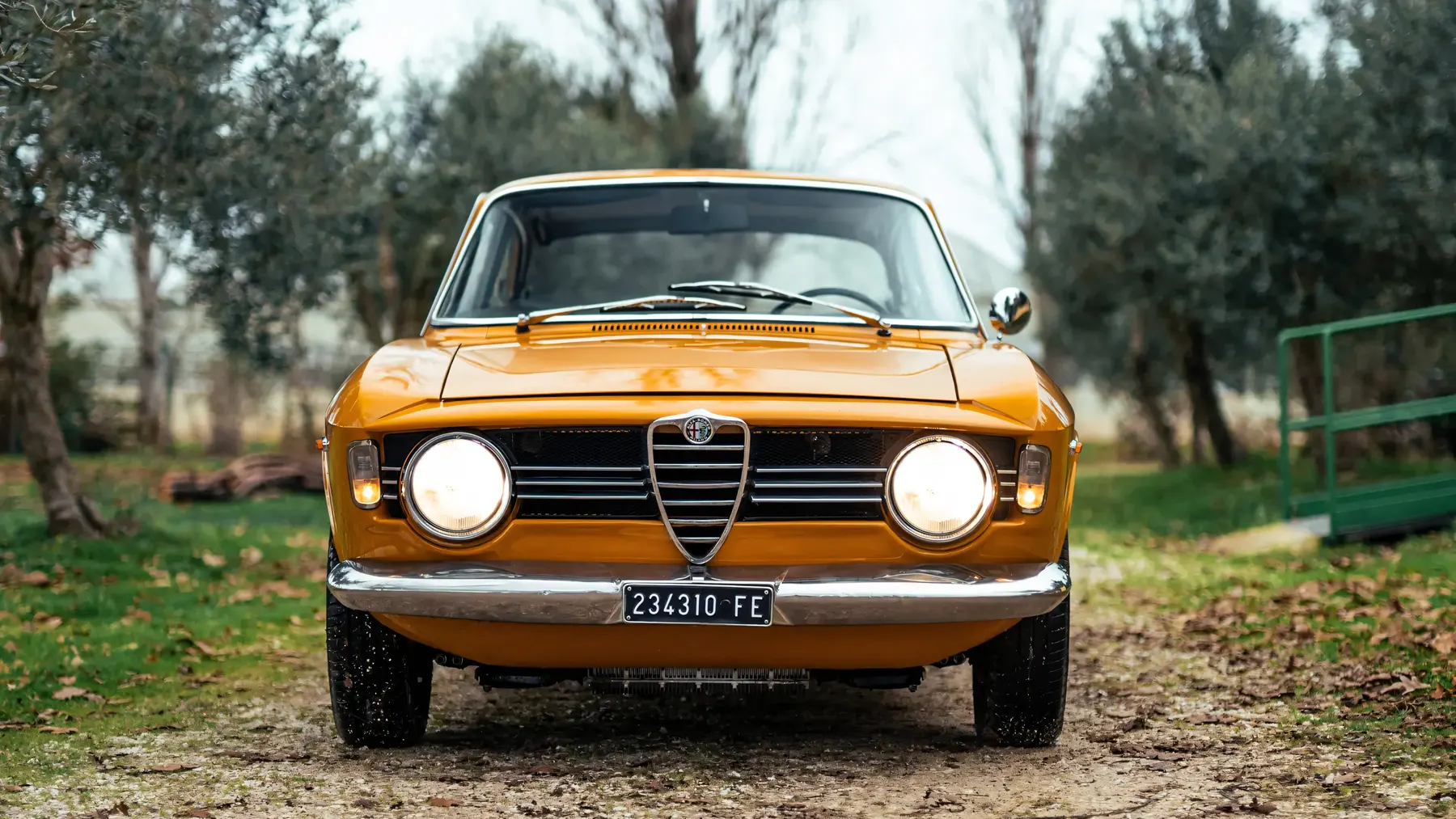
Beyond its mechanical prowess, the Veloce’s allure lay in meticulous details. The De Luxe package’s perforated leather seats and color-coordinated interiors reflected Alfa Romeo’s commitment to craftsmanship. Rare factory options, such as air conditioning and limited-slip differentials, catered to discerning buyers, while the 380 right-hand-drive CKD kits exemplified its global appeal. The “step-nose” models, with their subtly revised front profiles, became icons of desirability, symbolizing the transition from raw performance to refined grand touring.
Upon its launch, the Giulia Sprint GT Veloce captivated critics during press tests along Lake Garda’s winding roads, praised for its blend of practicality and exhilaration. Over time, it has ascended to cult status, revered by enthusiasts for its purity of design and driving engagement. Today, it stands as a testament to Alfa Romeo’s golden era,a machine where artistry and engineering converged, offering not just transportation, but an emotion. In a modern landscape dominated by digital interfaces, the Veloce’s analog charm and tactile joy remind us of a time when cars were crafted, not just assembled.
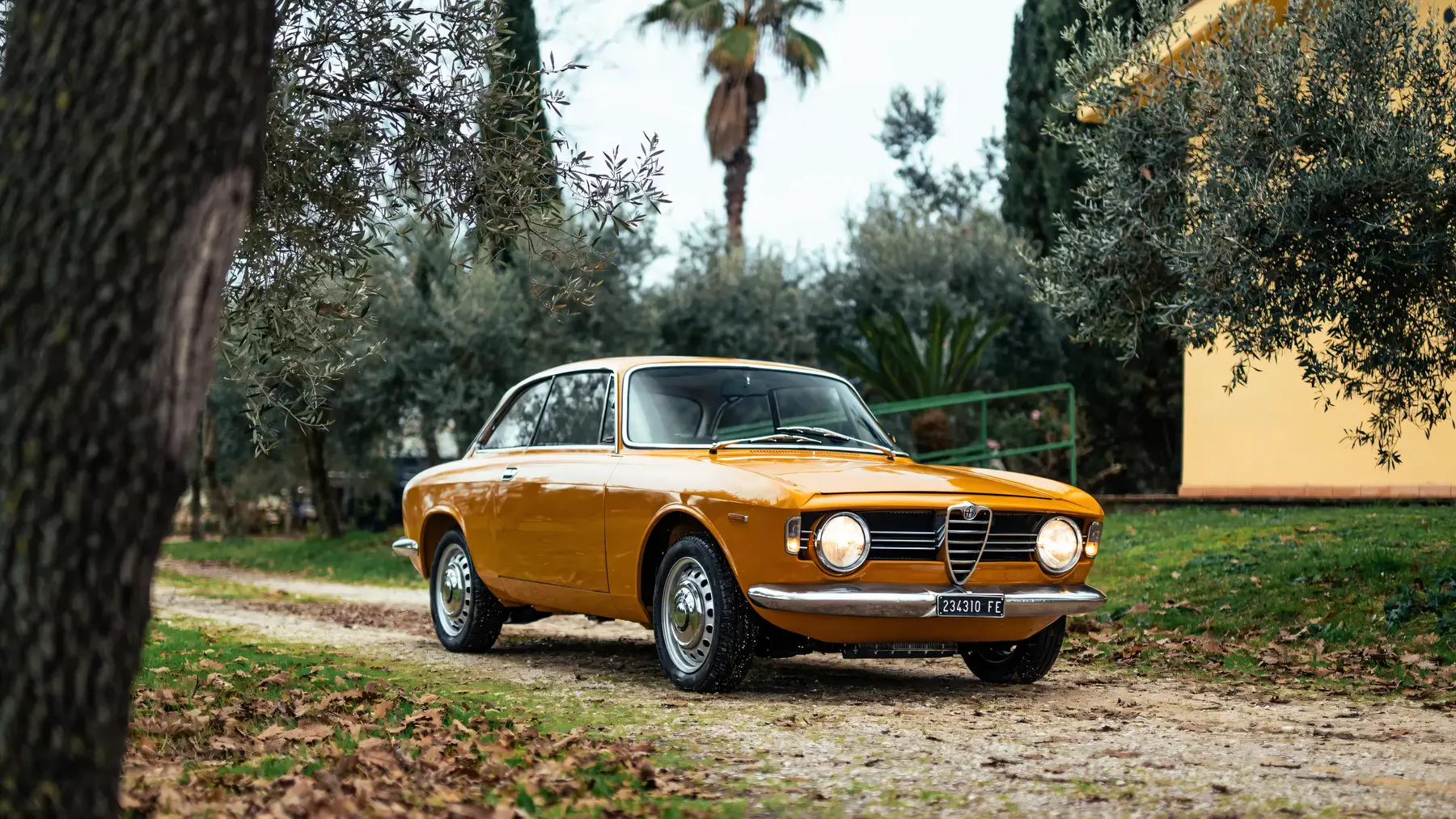
In retrospect, the Giulia Sprint GT Veloce is more than a classic; it is a narrative of passion, innovation, and the relentless pursuit of automotive perfection. For those fortunate enough to experience it, the Veloce remains not merely a car, but a symphony,a harmonious interplay of form and function that continues to resonate across decades.
Join the discussion
Comments
Loading comments…
Leave a comment
Share a detail, memory, or perspective. Every comment is reviewed before publication.