1967 Austin-Healey 3000 Mk III BJ8

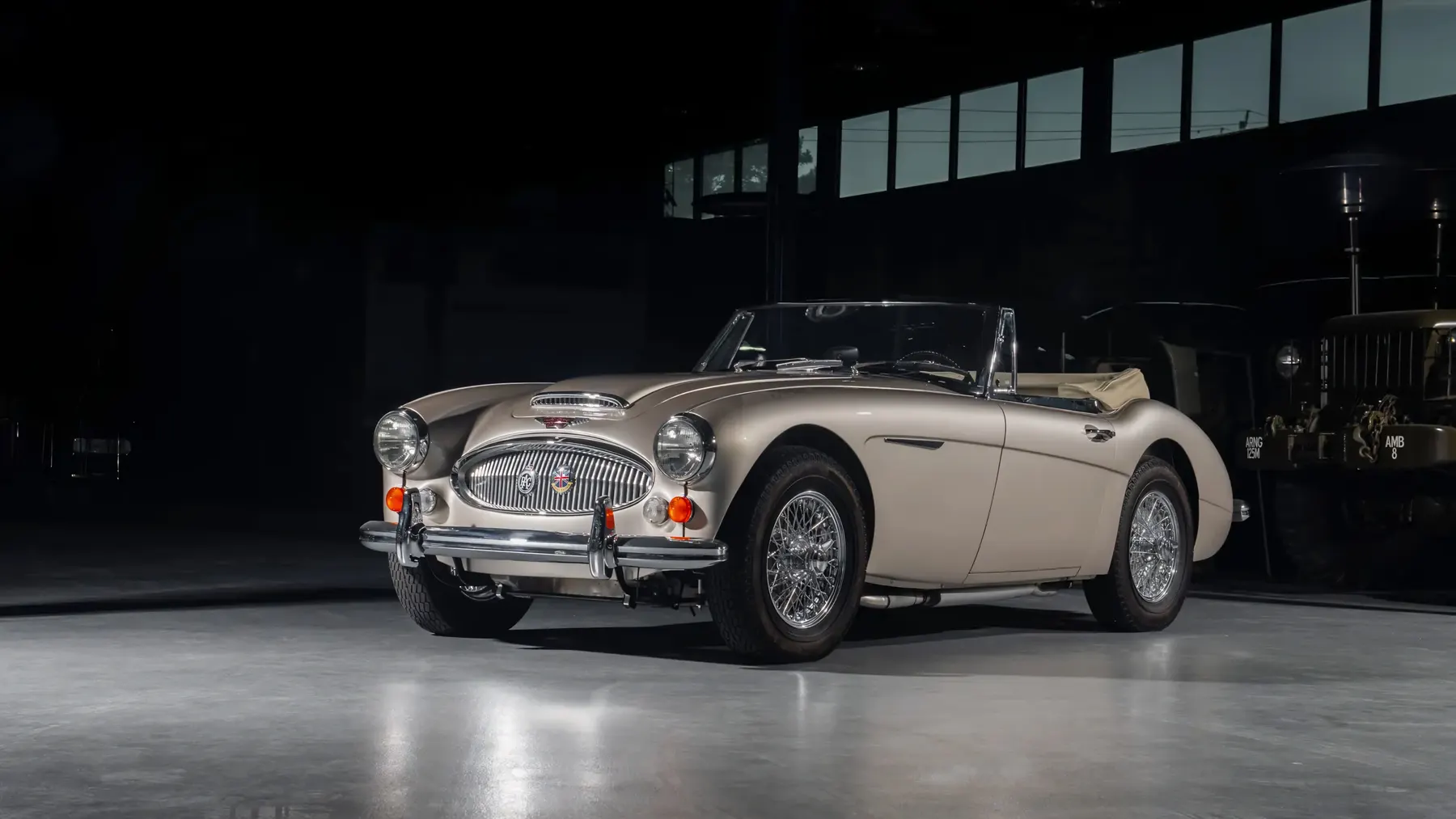
Few cars capture the spirit of British motoring quite like the Austin-Healey 3000 Mk III BJ8. The BJ8 stands as the final and most refined evolution of the “Big Healey” lineage, a car that seamlessly combines classic sports car excitement with a newfound level of comfort and sophistication. For anyone who cherishes the golden age of British roadsters, the BJ8 is more than just a car-it’s a symbol of an era when design, performance, and driving pleasure came together in a package that still turns heads and stirs hearts today.
The Austin-Healey 3000 story began in 1959, when the British Motor Corporation (BMC) introduced this now-iconic sports car. With bodywork crafted by Jensen Motors and assembly at BMC’s MG Works in Abingdon, the 3000 quickly earned a reputation for its robust engineering and sporting prowess. Throughout its production run, the 3000 was a fixture on racing circuits and rally stages across the globe, from Sebring to Le Mans, and it remains a favorite among vintage racing enthusiasts. By the early 1960s, the model had evolved from a spartan open-top roadster to a more versatile sports convertible, with a 2+2 seating configuration that broadened its appeal, especially in the lucrative North American market.
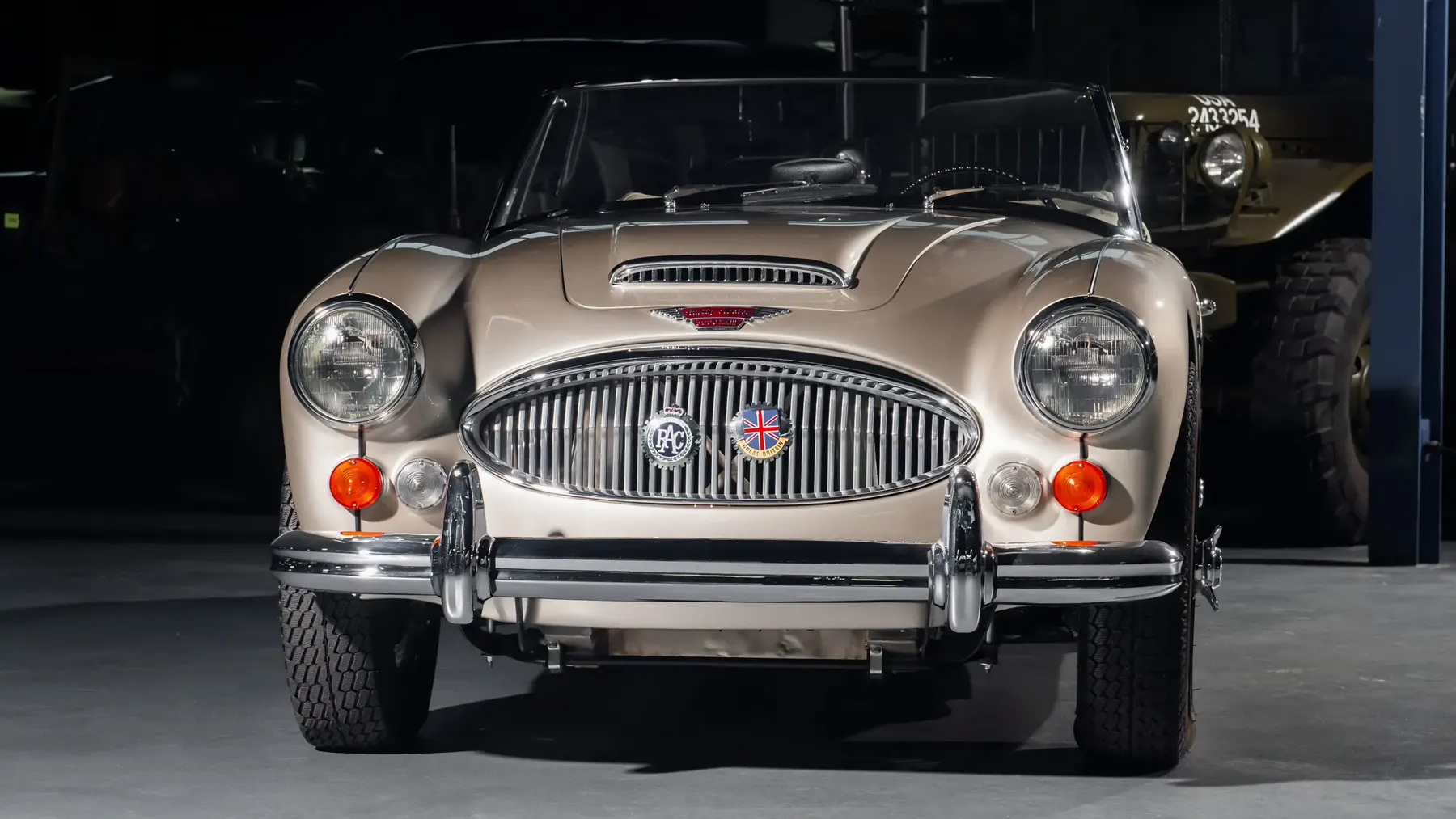
The Mk III BJ8, introduced in 1964, marked the pinnacle of the 3000’s development. It was designed not just to go faster, but to offer a more refined and comfortable driving experience without sacrificing the raw, mechanical joy that defined the Healey brand. Under the bonnet, the BJ8 featured the celebrated 2,912cc inline-six engine, now fitted with a high-lift camshaft and larger SU HD8 carburetors. This combination boosted output to 150 horsepower (112 kW), making the BJ8 the most powerful production Austin-Healey ever built. Power was delivered through a four-speed manual gearbox, and most cars were equipped with a factory-fitted overdrive, which transformed the car into a genuinely capable grand tourer, equally at home on winding back roads or long motorway stretches.
Performance figures for the BJ8 were impressive for its time and still feel lively today. The car could sprint from 0 to 100 km/h in under 10 seconds and reach a top speed of about 195 km/h. Servo-assisted front disc brakes became standard equipment, a welcome upgrade that improved stopping power and driver confidence. The suspension retained its double-wishbone front and live rear axle layout, but Phase II BJ8s introduced in 1964 benefited from revised rear chassis geometry for better ground clearance and improved ride quality.
What truly sets the BJ8 apart from its predecessors is its attention to comfort and luxury-features that were rare among sports cars of the era. The interior was transformed with the introduction of a beautiful burl-walnut dashboard, a lockable glove box, and prominently placed Smiths gauges directly in front of the driver. The seats, trimmed in period-correct Ambla vinyl or optional leather, were complemented by English wool carpeting, creating a cabin that felt both inviting and distinctly British. The BJ8 also replaced the old side screens with roll-up glass windows and added swiveling vent windows, dramatically improving weather protection and usability. The quick-action folding convertible top was another practical touch, making it easy to enjoy open-air motoring at a moment’s notice.
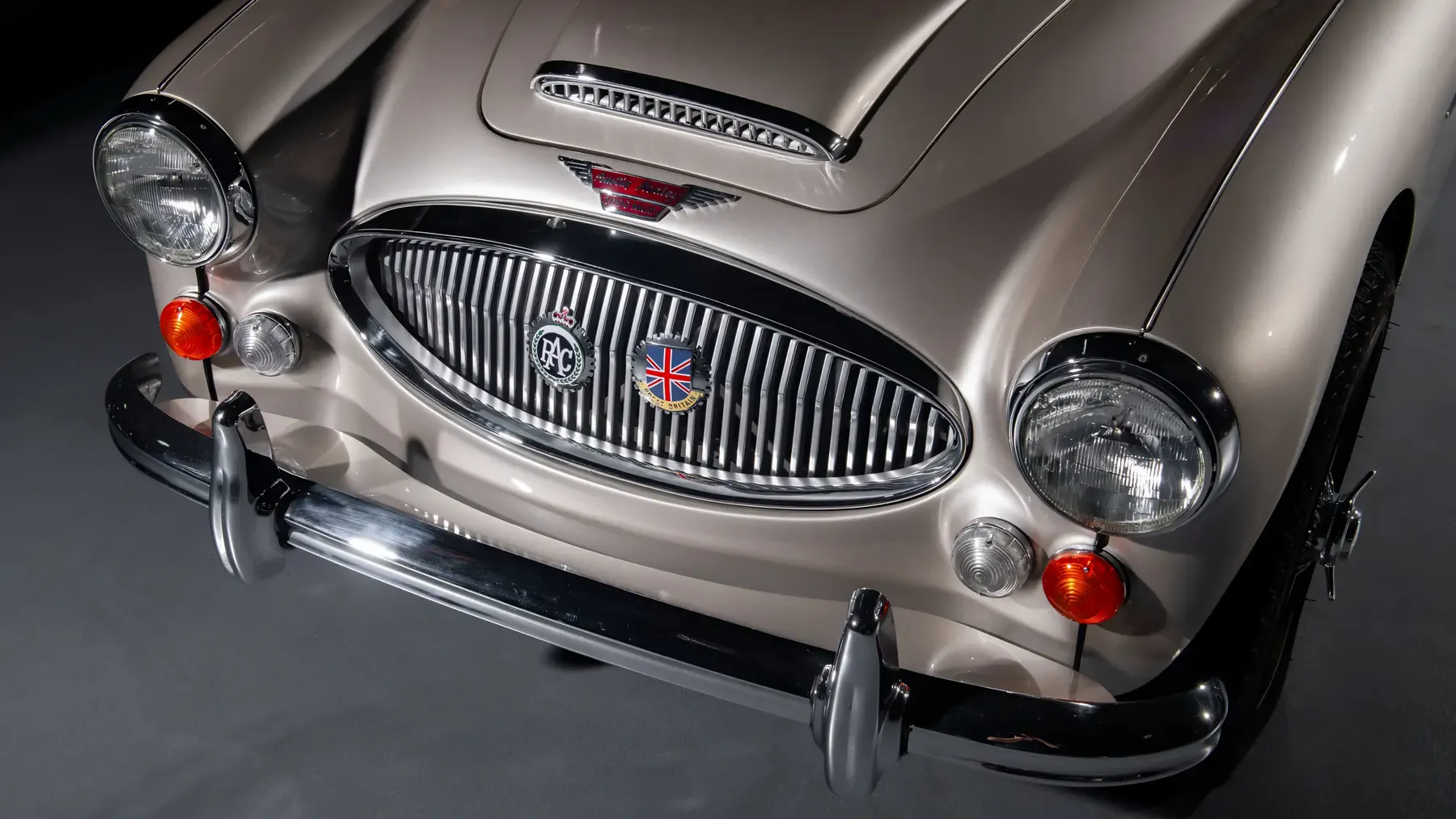
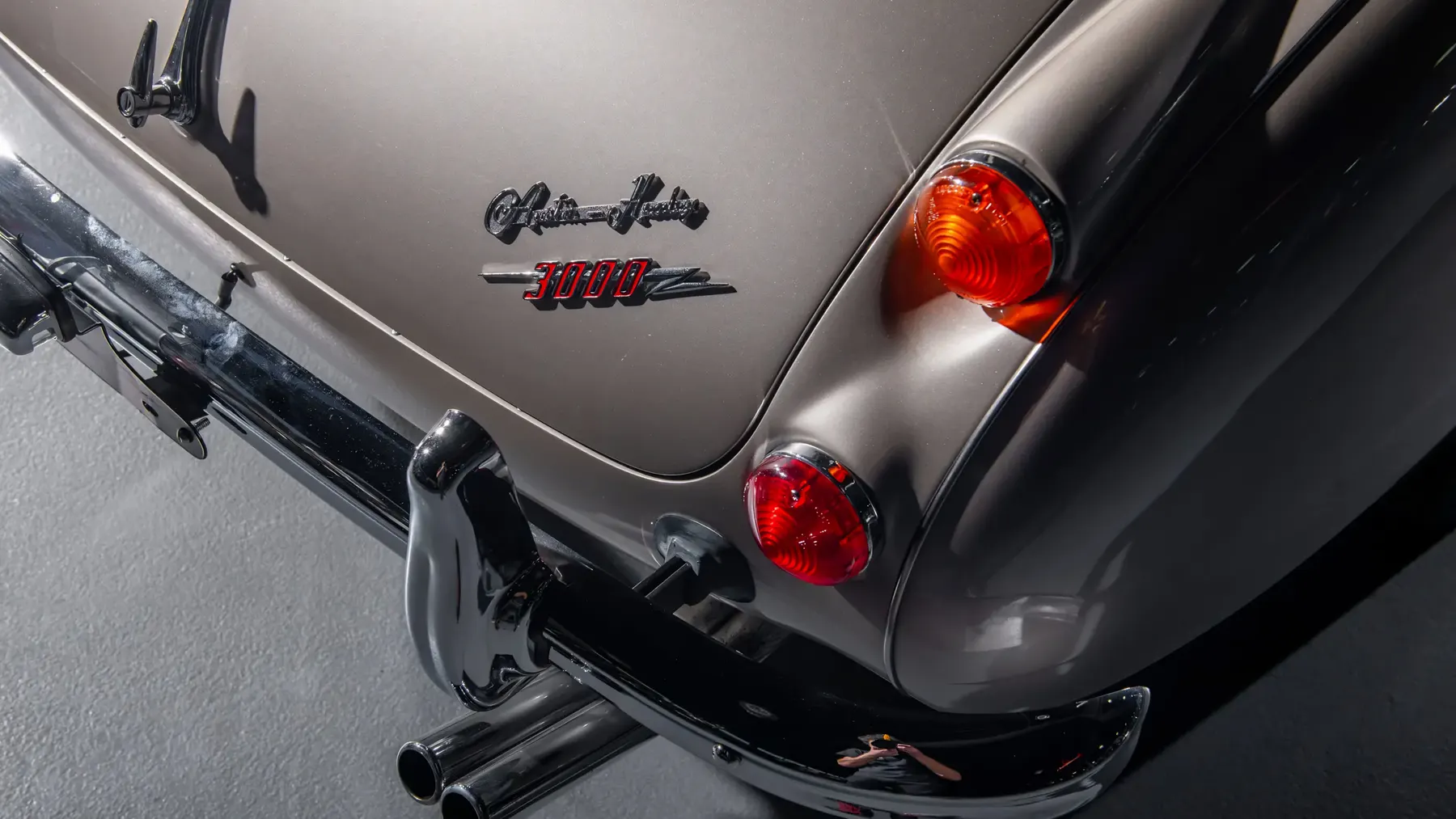
Externally, the BJ8 retained the classic Healey proportions but added a wrap-around windshield and subtle chrome details that gave it a more modern, upscale appearance. Wire wheels, a laminated windscreen, and other thoughtful touches completed the package, and buyers could specify a range of factory options to tailor the car to their tastes.
The public reception to the Mk III BJ8 was overwhelmingly positive, especially in the United States, where nearly 92 percent of all Austin-Healey 3000s were exported by 1963. American buyers were drawn to the car’s blend of British charm, muscular performance, and newfound comfort. The BJ8’s 2+2 seating made it more practical for weekend getaways, and its reputation for reliability and straightforward mechanics only added to its appeal. Period reviews praised the car’s balance of speed and civility, and today, restored examples continue to win awards at concours events and classic rallies alike.
Of course, the BJ8 is not without its quirks. The cockpit can get warm on hot days, and ground clearance, even with the Phase II improvements, requires a bit of caution over rough roads. Yet these are minor trade-offs for a car that delivers such a pure, unfiltered driving experience. The BJ8 is robust, mechanically straightforward, and parts availability remains strong thanks to a passionate global community of owners and specialists.
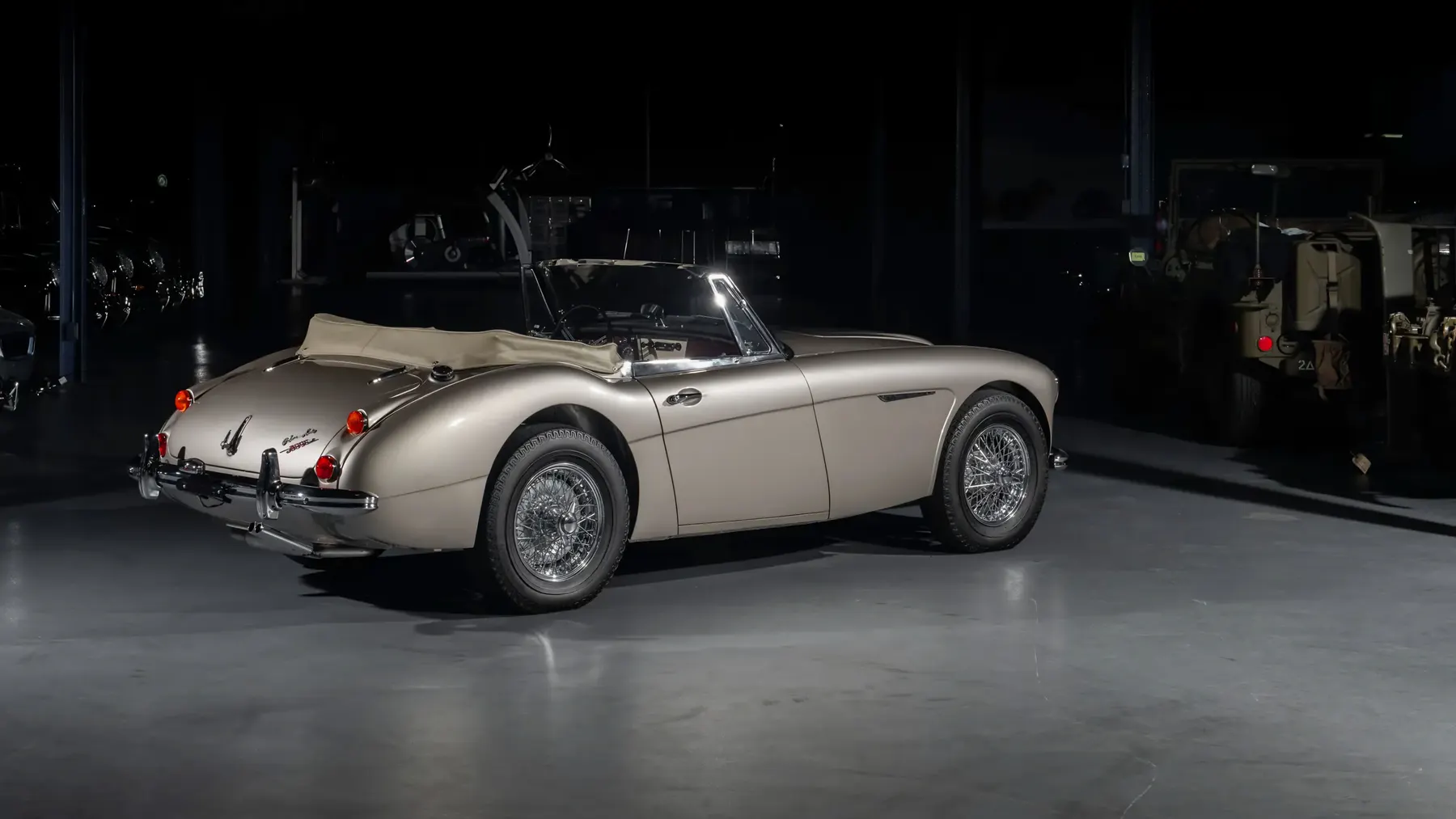
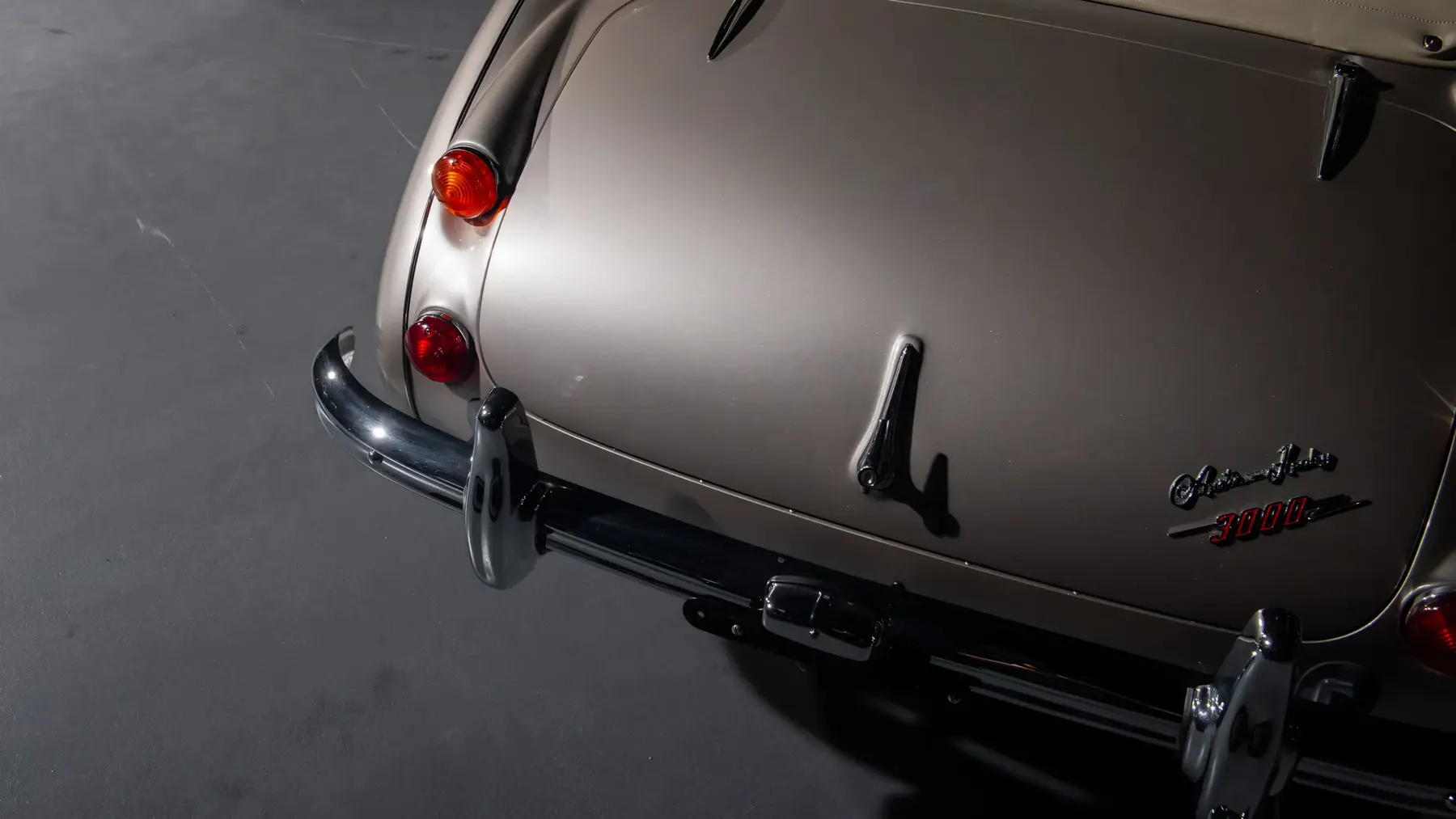
Production of the Austin-Healey 3000 Mk III BJ8 ended in late 1967, closing the chapter on one of Britain’s most beloved sports cars. In total, 17,712 Mk IIIs were built, and their enduring popularity is a testament to the car’s timeless design and engineering excellence. For many, the BJ8 is the ultimate expression of the “Big Healey” ethos-a car that perfectly balances tradition and innovation, excitement and comfort.
Today, the Austin-Healey 3000 Mk III BJ8 stands as a genuine icon of automotive history. It’s a car that rewards its driver with every journey, whether it’s a spirited drive through the countryside or a relaxed cruise along the coast. The BJ8’s blend of classic styling, rousing performance, and thoughtful refinement ensures its place at the very top of the collector car hierarchy. For anyone who loves automotive design and the joy of open-air motoring, the BJ8 is not just a car to admire-it’s a car to experience, to cherish, and to celebrate.
Join the discussion
Comments
Loading comments…
Leave a comment
Share a detail, memory, or perspective. Every comment is reviewed before publication.