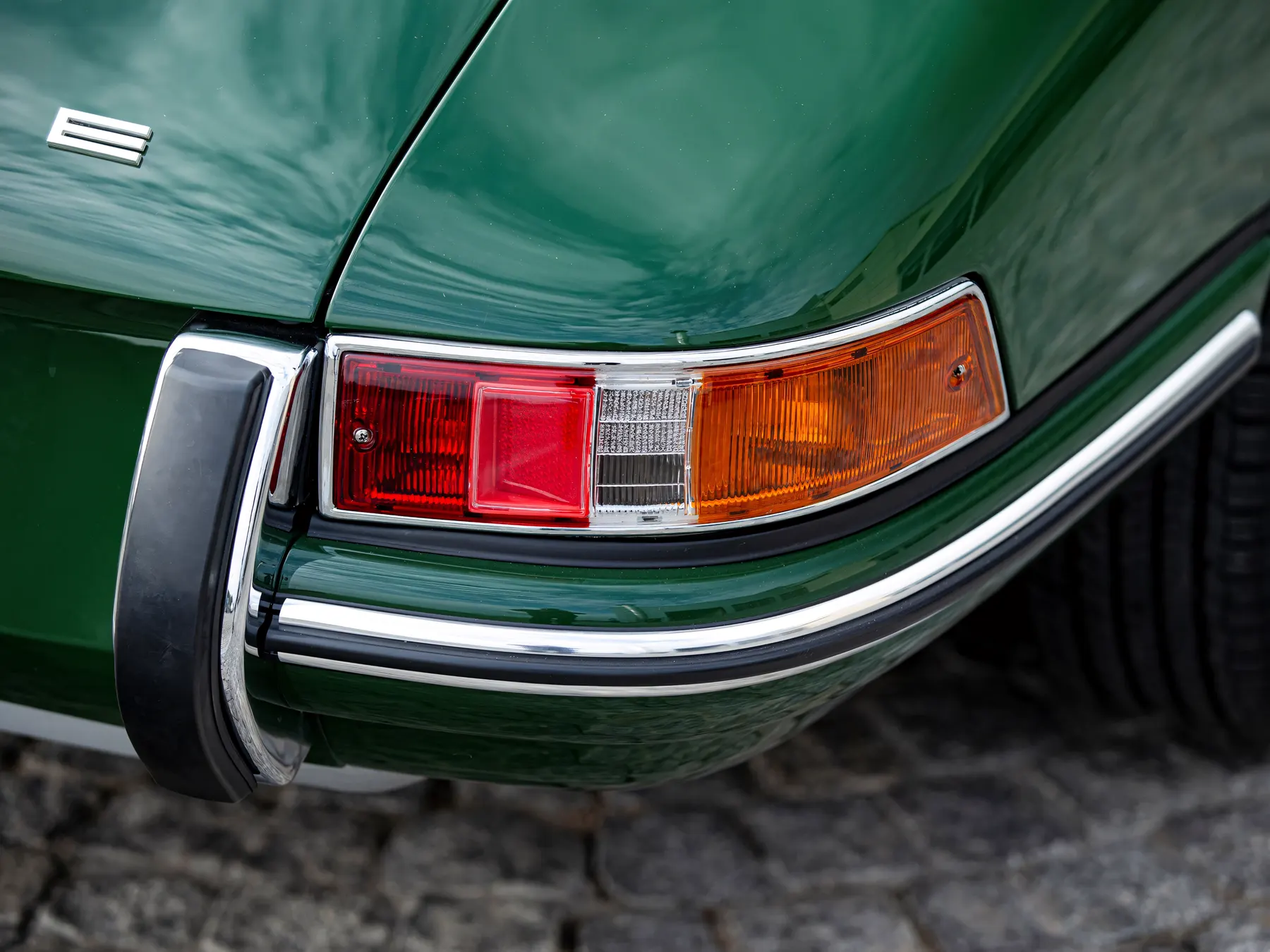
1967 Porsche 911 'Soft-Window' Targa

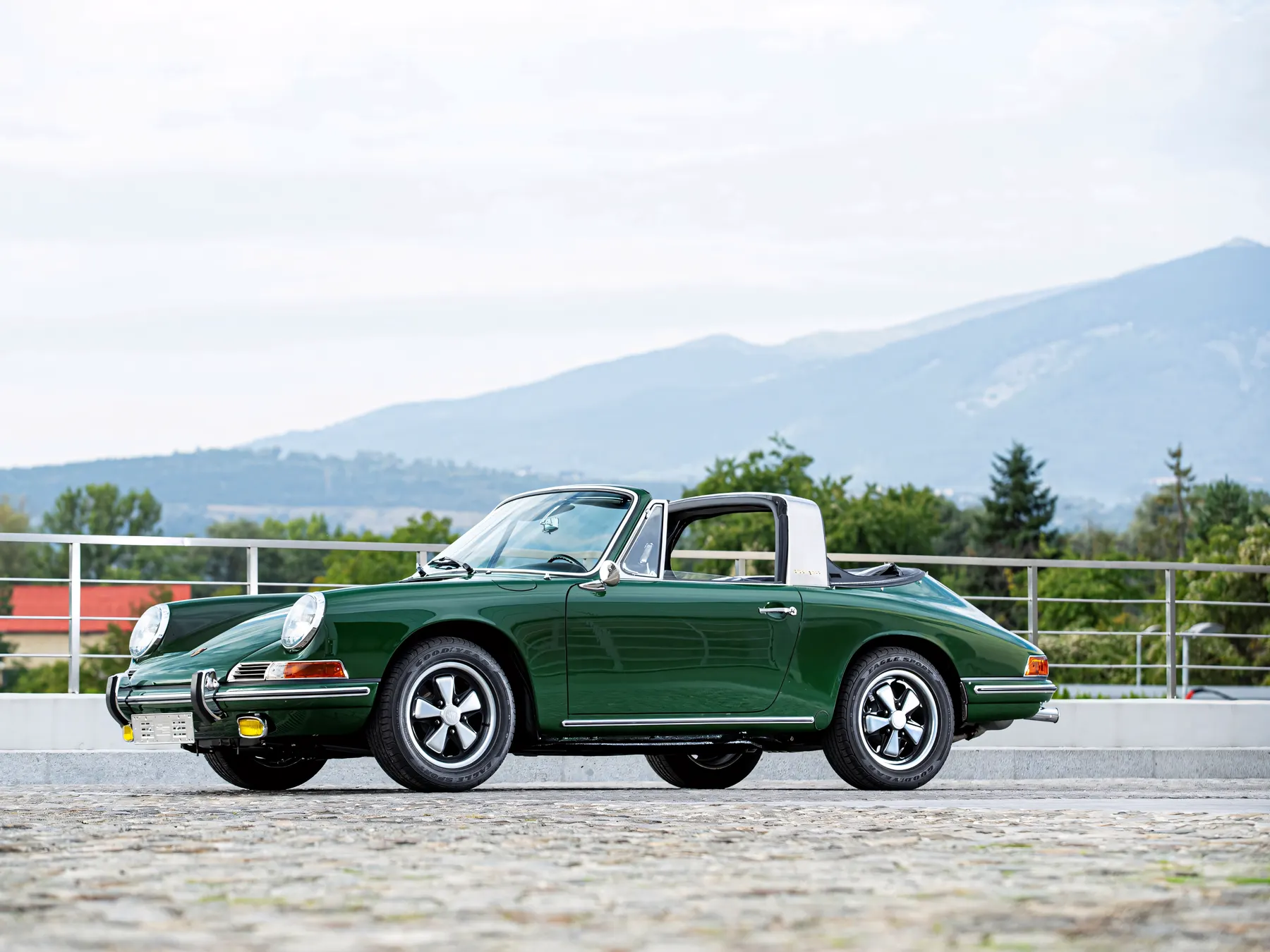
In the sun-drenched realm of sports cars, where the wind whispers promises of freedom and the open road beckons, the 1967 Porsche 911 Targa emerges as a groundbreaking icon. Named in homage to the Targa Florio in Sicily, this was Porsche’s answer to an impending ban on full convertibles in the United States. The Targa, with its unique blend of innovation and style, became the first open iteration of the iconic 911.
Picture this: a sturdy roll hoop, a removable rigid roof panel, and a flexible rear window that you could unzip, giving you the perfect recipe for an exhilarating driving experience. The Targa was a statement, a defiance against restrictions, and a celebration of automotive ingenuity.
As the sun dipped below the horizon in 1967, the Targa hit the streets, showcasing a flexible rear windscreen that was soon overshadowed by the now-familiar wraparound glass window. Optional in 1968 and standard from 1969 onwards, this upgrade transformed the Targa into a timeless beauty, seamlessly merging form and function.
Let’s rewind to the roots of Porsche’s legacy,the original 911, a luxury sports car born in the heart of Germany. Pronounced “nine eleven” in German, this masterpiece of automotive engineering made its public debut in the fall of 1963. Production kicked off in September 1964, carving its path through the automotive landscape until 1989. Its successor, the Porsche 964, retained the 911 moniker, a testament to the enduring legacy of this automotive titan.
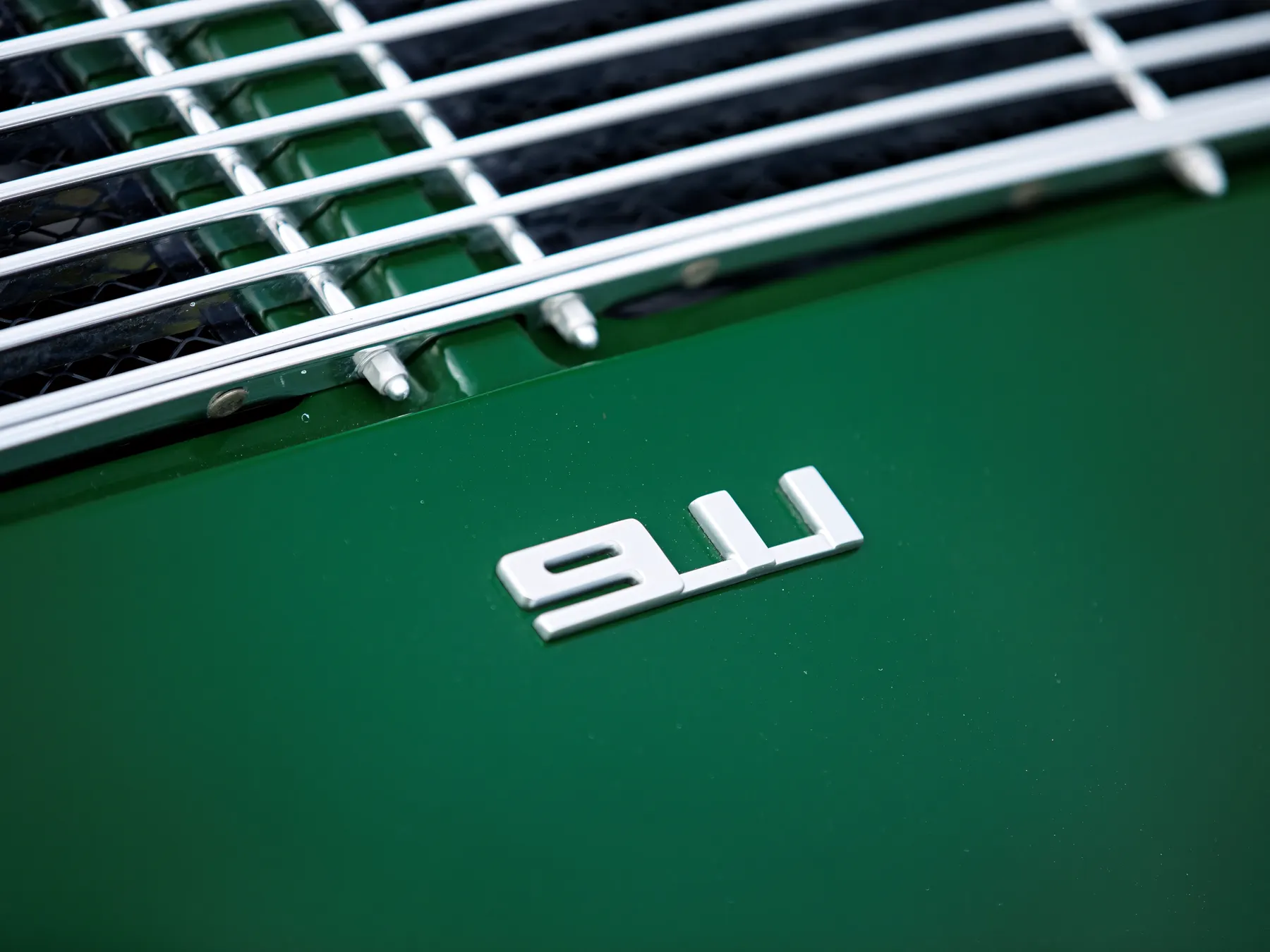
Under the hood, the 911 flaunted a rear-engine layout and an air-cooled soul, setting it apart from the crowd. From its inception, the 911 found itself on the track, where it underwent transformations by both private teams and the factory itself for racing and rallying. The original 911 series, with its variations, stood tall as the epitome of a competition car, dominating races like the 24 Hours of Le Mans with the ferocious 911-derived 935.
Now, imagine the Targa version rolling onto the scene, adorned with a stainless steel-clad roll bar that screamed both safety and style. Porsche, foreseeing potential regulations from the U.S. National Highway Traffic Safety Administration (NHTSA), introduced the Targa as a response to the looming ban on fully open convertibles. A removable roof panel and a plastic rear window that could be stowed away set the Targa apart, offering drivers the freedom to choose their level of connection with the elements.
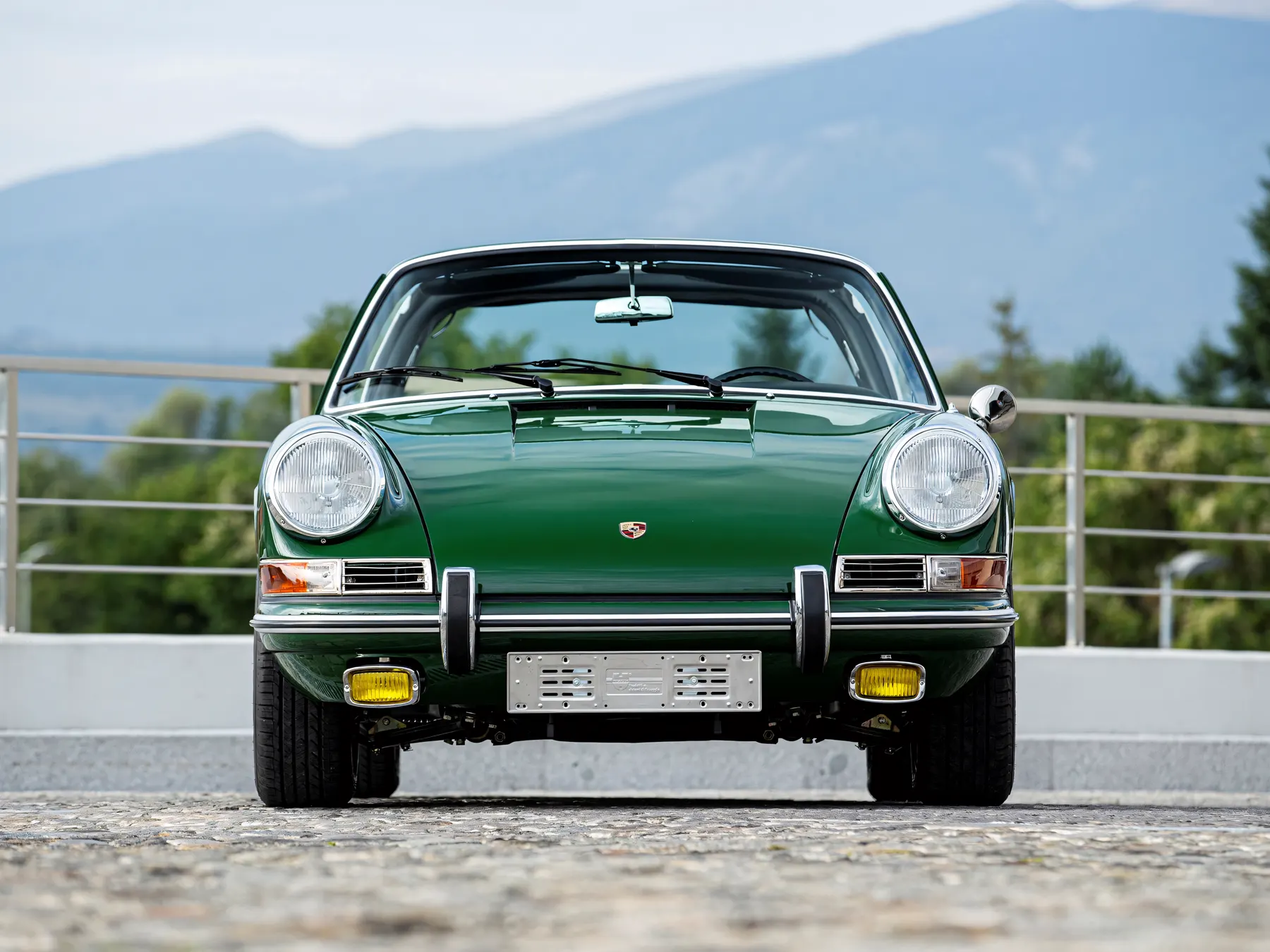
The name “Targa,” an Italian term for plate or plaque, pays homage to the Targa Florio sports car road race in Sicily. Porsche, having triumphed in the race multiple times, sought to infuse the spirit of victory into this remarkable creation. The Targa was a symbol of Porsche’s triumphs on the track, a fusion of racing heritage and everyday elegance.
As the 911 Targa gracefully navigated the roads, it carried with it the echoes of victories past, a testament to Porsche’s unyielding spirit and commitment to pushing boundaries. The 1967 Porsche 911 ‘Soft-Window’ Targa is a journey through time, a breeze in your hair, and an indelible mark on the canvas of automotive history.
Join the discussion
Comments
Loading comments…
Leave a comment
Share a detail, memory, or perspective. Every comment is reviewed before publication.