1969 Alfa Romeo 1750 GTV

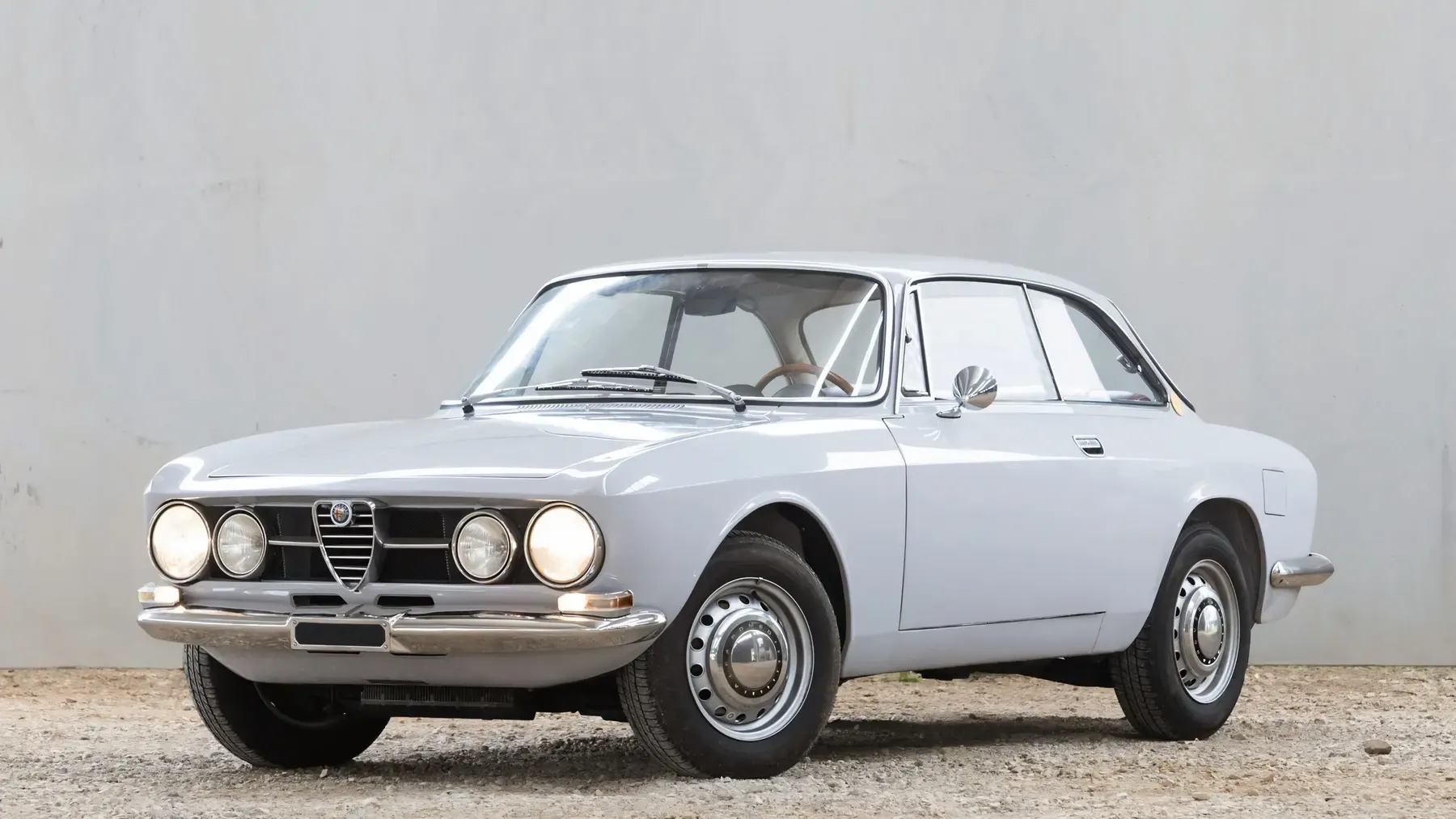
The sound comes first,a metallic rasp that builds to a sonorous wail as the tachometer needle sweeps past 4,000 rpm. Through your fingertips, every nuance of the road surface telegraphs directly from the thin-rimmed wooden steering wheel. The car leans slightly into a bend, balanced on the edge of adhesion, responding with precision to the smallest steering input. This is the Alfa Romeo 1750 GTV experience,a driving sensation that transcends mere transportation and reminds us why we fell in love with cars in the first place.
When Alfa Romeo introduced the 1750 GTV in late 1967, they weren’t simply launching another sports coupe. They were continuing a legacy. The “1750” designation deliberately echoed their legendary pre-war racing cars, signaling the company’s commitment to their sporting DNA even as they expanded production.
The timing was perfect. European drivers were enjoying unprecedented prosperity, better roads, and a growing appetite for cars that offered more than basic transportation. The 1750 GTV arrived as a refined evolution of the already successful Giulia Sprint GT Veloce, adding power, comfort, and visual distinction while retaining the inherent character that made the earlier cars so beloved.
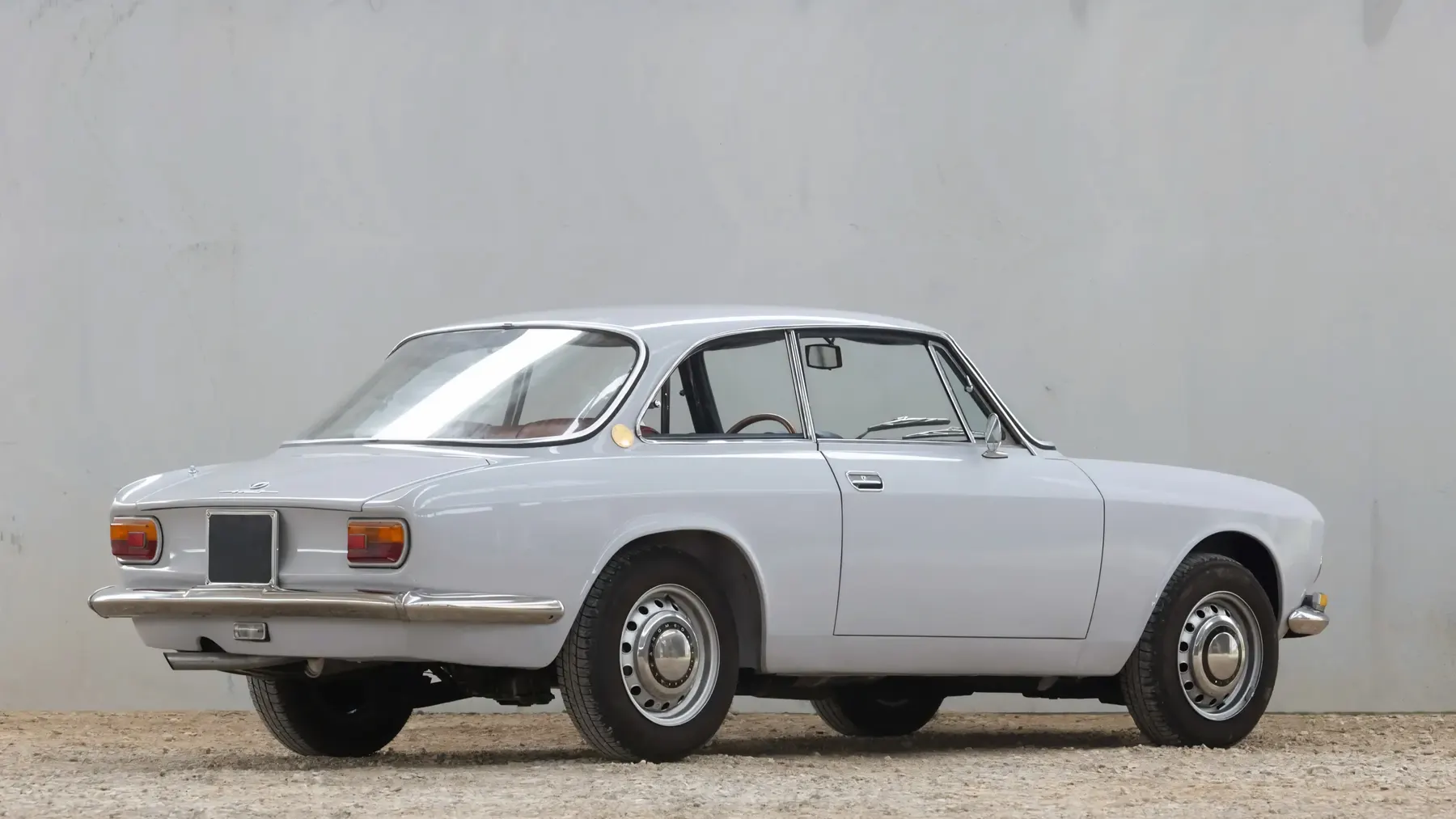
Production continued until 1972, with between 32,000 and 44,000 examples manufactured (sources disagree due to some typographical errors in factory records). The car’s success proved that Alfa Romeo’s formula,technical sophistication paired with emotional appeal,resonated strongly with buyers seeking a sporting car that could be used every day.
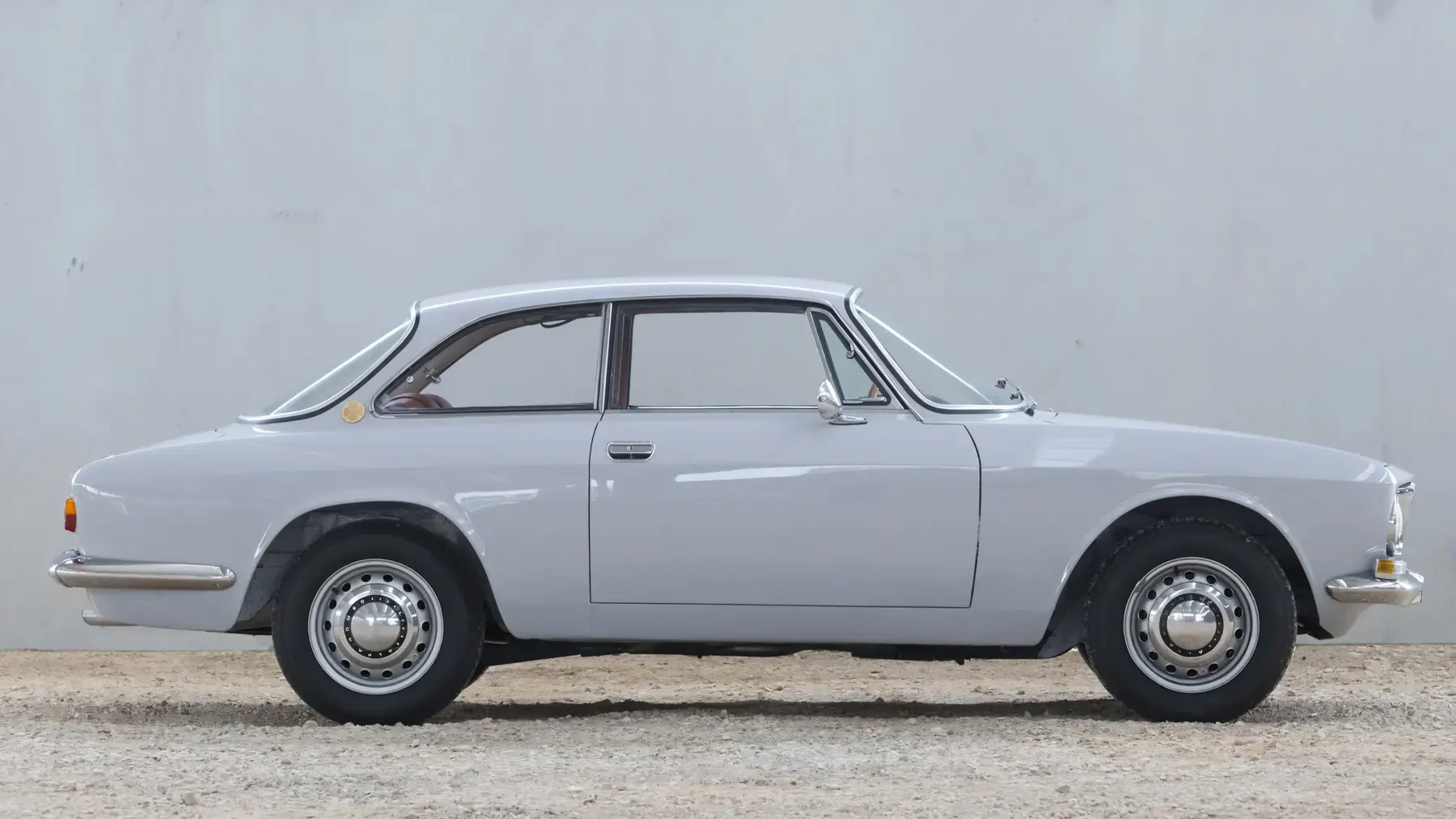
The 1750 GTV’s timeless lines were penned by a young Giorgetto Giugiaro during his tenure at Bertone. The design remains remarkably well-proportioned, with a greenhouse featuring thin pillars and generous glass area that creates both excellent visibility and a sense of lightness.
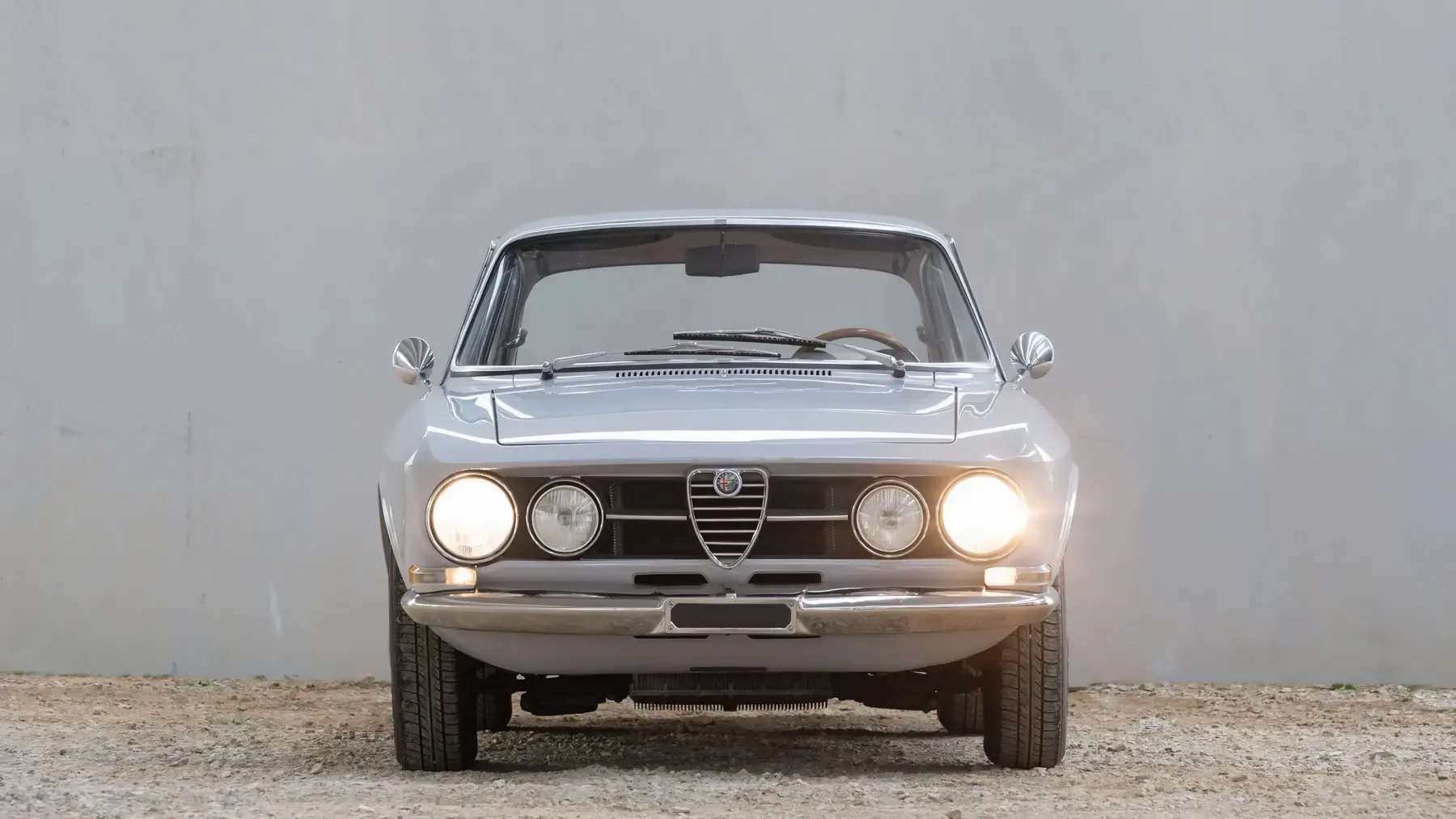
Most notably, Giugiaro eliminated the “stepped” hood found on earlier models, creating a smoother profile that flowed elegantly from windshield to grille. The revised front end incorporated quad headlamps that gave the car a more purposeful appearance, while the subtly flared wheel arches accommodated wider tires without disrupting the car’s clean lines.
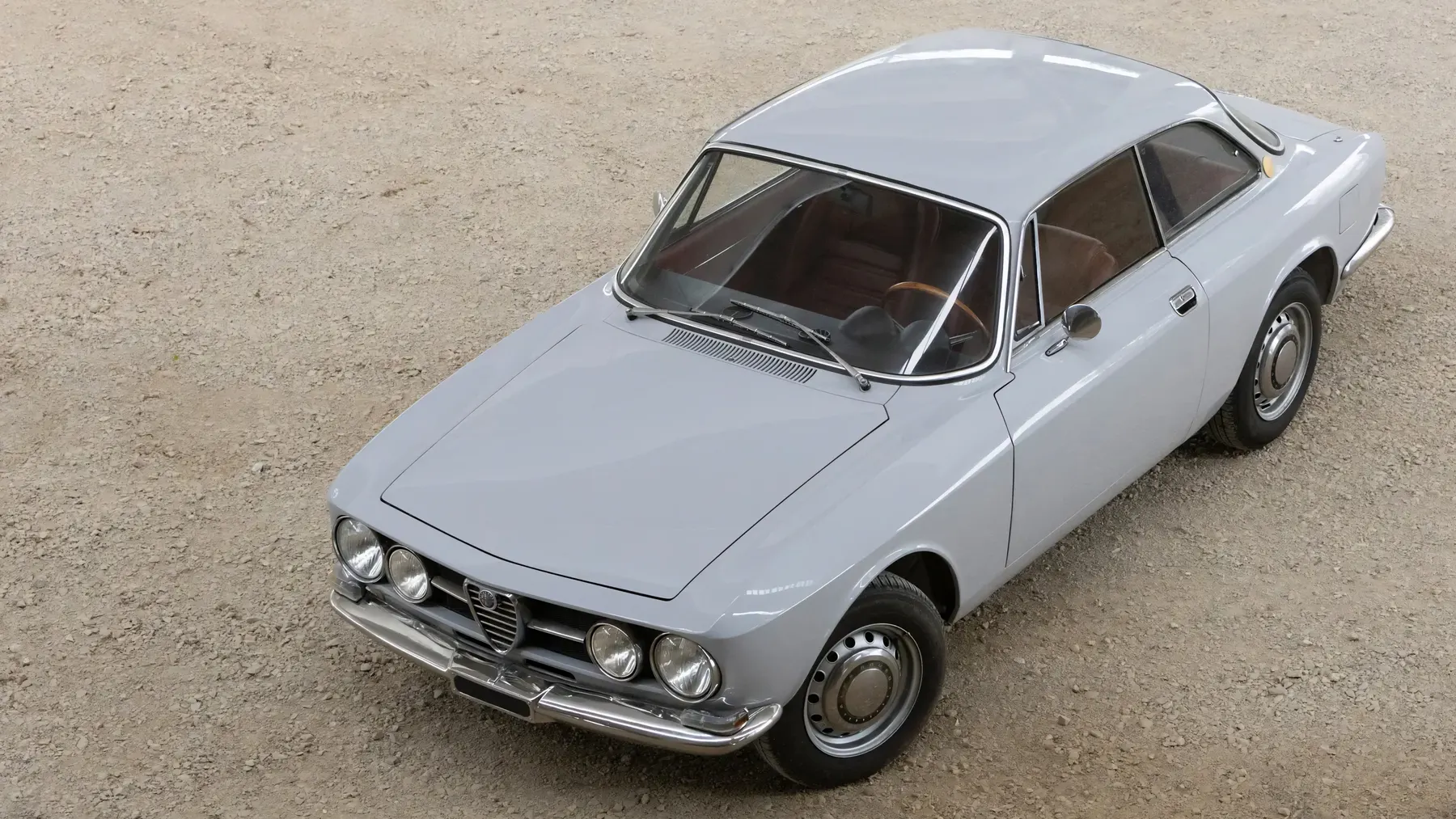
Inside, the interior received a comprehensive redesign focused on driver engagement. A new dashboard placed the primary instruments,large, circular speedometer and tachometer,in twin binnacles directly in the driver’s line of sight. The seats featured integrated headrests, an advanced safety feature for the era, while the driving position placed all controls within easy reach.
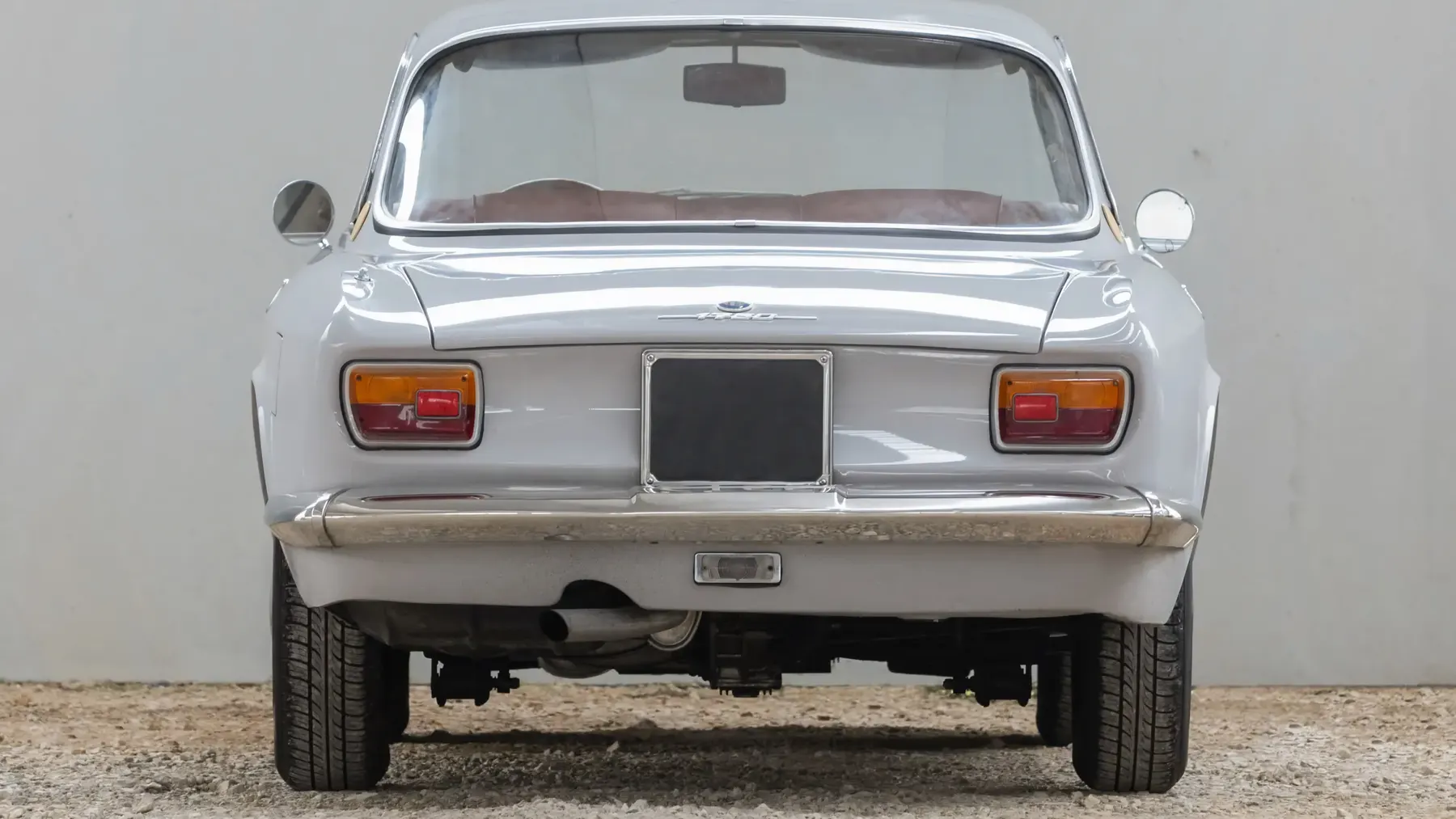
The 1750 GTV was available in various color combinations, with particularly striking options including Ocra (a rich orange-bronze), Blu Olandese (Dutch Blue), and the classic Rosso Alfa. Series 1 models could be ordered with the Bertone De Luxe package, which added sumptuous leather upholstery in either rich brown or vibrant red.
The heart of the 1750 GTV was its magnificent all-aluminum twin-cam four-cylinder engine. With a displacement of 1,779 cc (achieved through a longer stroke than the previous 1600 model), this power plant produced 120 horsepower at 5,500 rpm and generous torque of 186 Nm at just 3,000 rpm.
This engine featured remarkable engineering for its time, including hemispherical combustion chambers, an aluminum block and head, and twin Weber or Dellorto carburetors (except in U.S. market cars, which received SPICA mechanical fuel injection to meet emissions standards). The result was an engine that combined impressive flexibility with a willingness to rev,a combination that perfectly suited the car’s grand touring character.
Power was sent to the rear wheels through a slick-shifting five-speed manual gearbox,an unusual feature when many competitors offered only four speeds. Engineers specified a taller final drive ratio than in previous models, which, combined with the torquier engine, made highway cruising more relaxed while maintaining responsive acceleration.
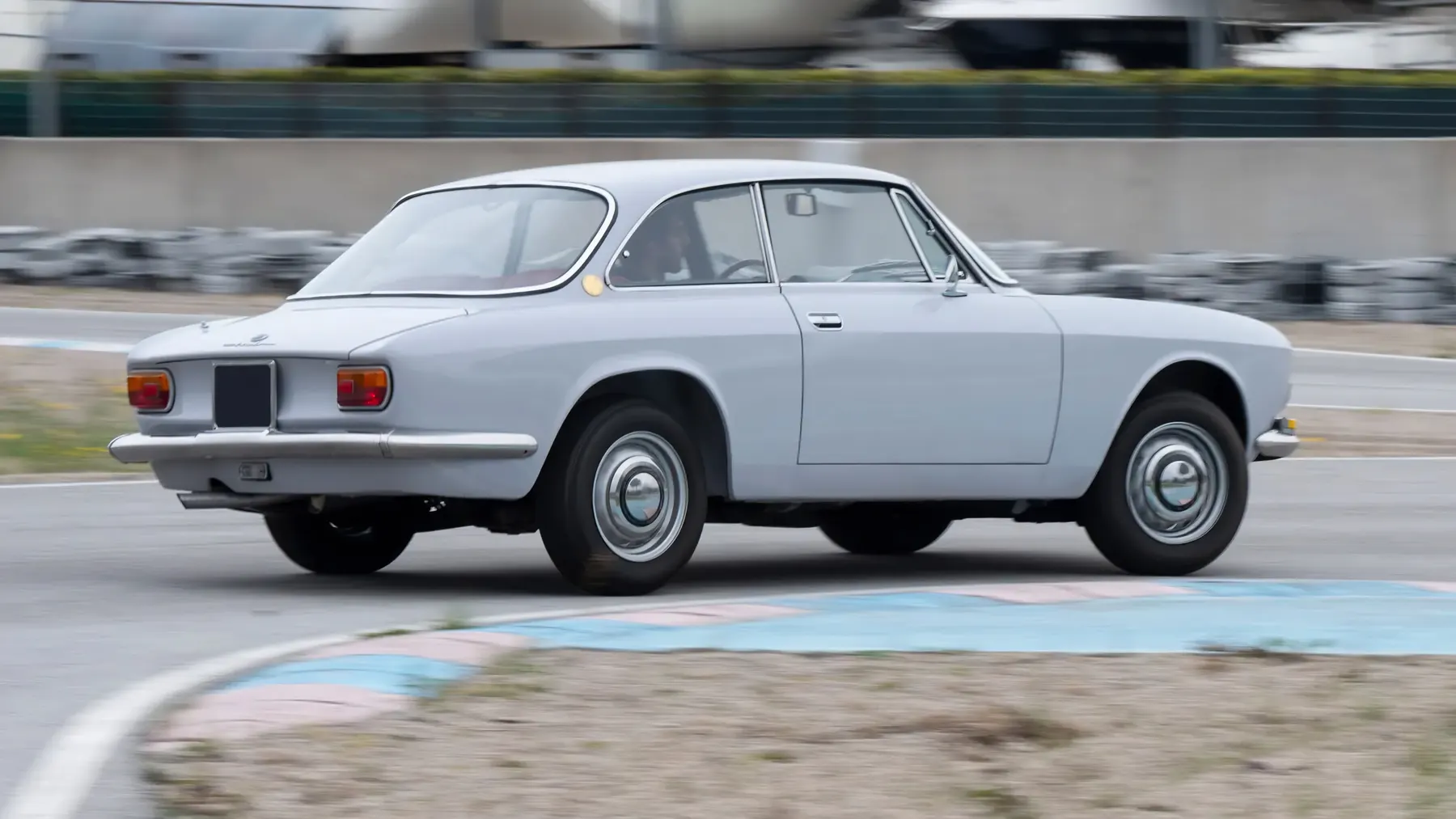
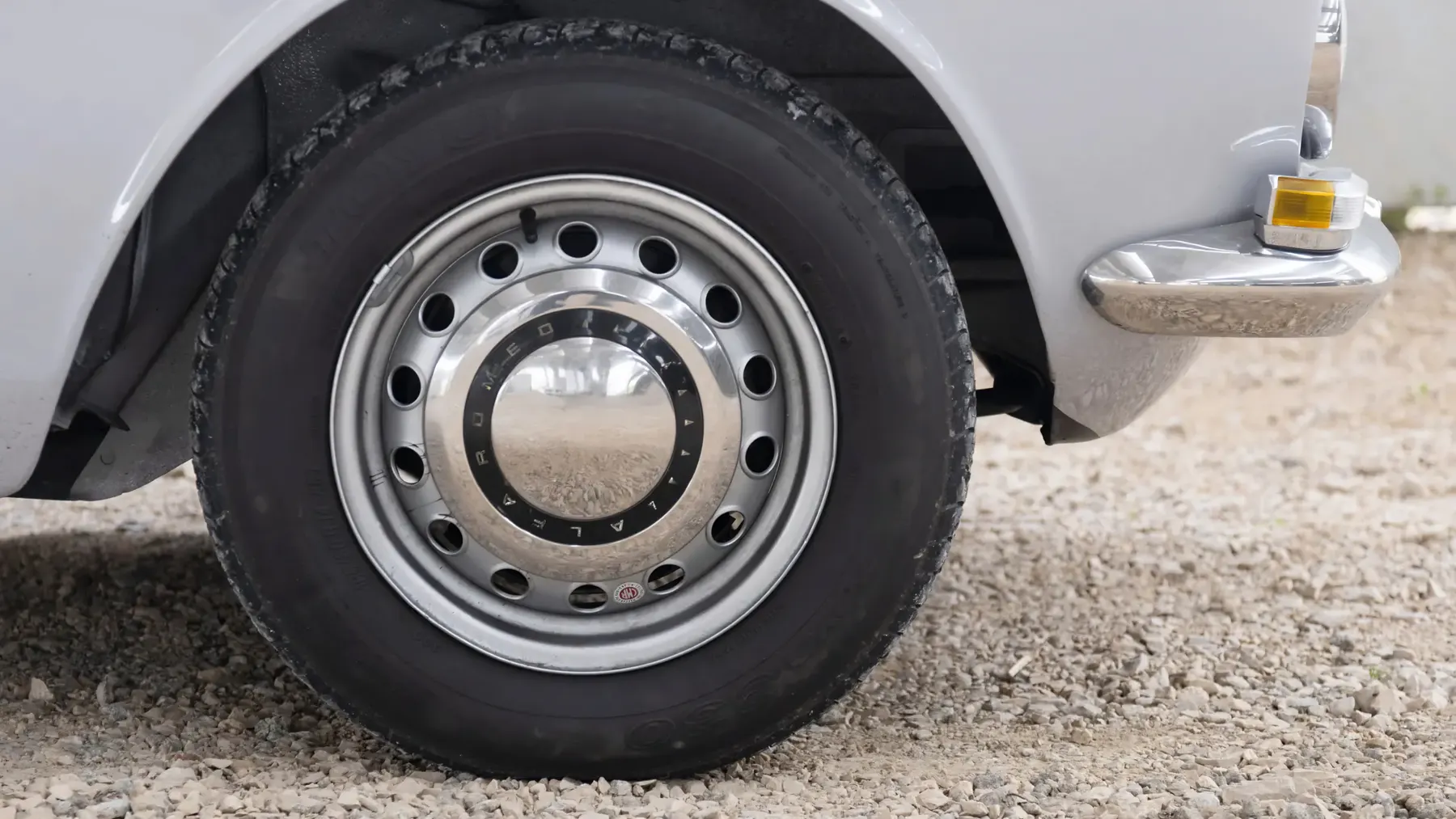
The chassis received equally thoughtful development. While the basic layout remained the same,double wishbone front suspension and a live axle with coil springs at the rear,the details were refined. Tire sizes increased to 165/14 (from 155/15), wheel width grew to 5.5 inches, and suspension geometry was revised. An anti-roll bar was added to the rear suspension, improving handling balance, while larger disc brakes at all four wheels provided confident stopping power.
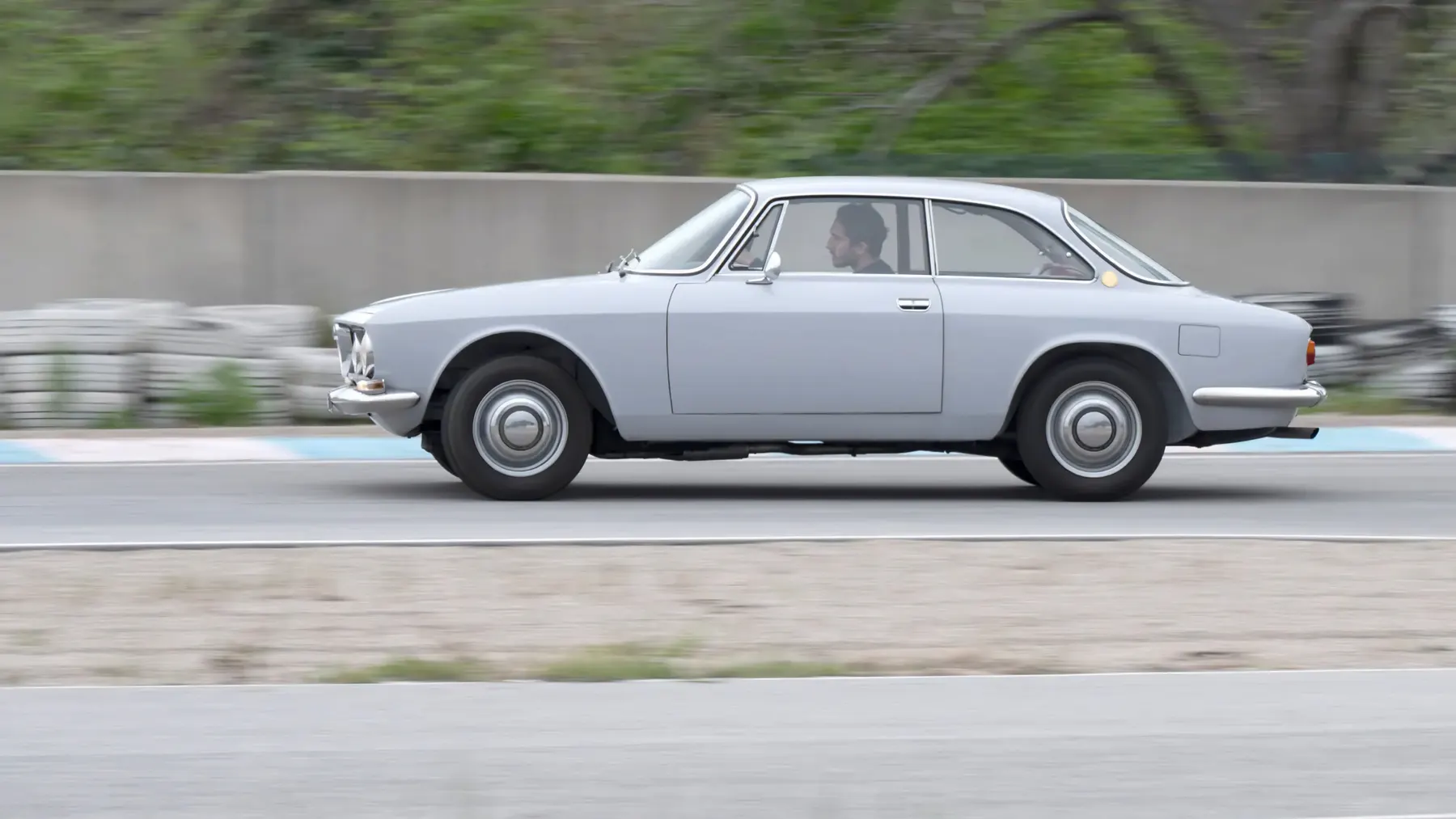
Contemporary road testers praised the 1750 GTV’s exceptional balance between performance and practicality. With a 0-100 km/h time of around 9 seconds and a top speed approaching 190 km/h, the car offered respectable performance by late-1960s standards. But raw numbers tell only part of the story.
The car’s real appeal lay in how it delivered its performance. The engine provided a broad power band that made the car easy to drive in traffic yet rewarding when pushed hard. The precise, unassisted steering offered exceptional feedback, while the chassis struck a masterful balance between ride comfort and handling precision.
Perhaps most importantly, the 1750 GTV excelled at sustained high-speed touring,the role for which true gran turismos were designed. The car’s stability, responsive controls, and relatively spacious interior made covering long distances a joy rather than a chore. Even today, a well-maintained example remains a genuine pleasure to drive on modern roads.
While the 1750 GTV was primarily designed as a road car, its inherent performance capabilities made it a natural choice for competition. Private entrants campaigned the model successfully in touring car races and rallies throughout Europe.
The car’s competition potential was enhanced by homologation provisions that allowed aluminum doors and boot lids in certain racing classes. These lightweight components, combined with the car’s excellent handling balance, made the 1750 GTV a formidable competitor at both national and international levels.
South African-built examples enjoyed particular competition success, with local drivers exploiting the car’s reliability and handling on challenging African rally stages. Production of the 1750 GTV continued at South Africa’s Rosslyn plant until 1977, long after Italian production had ended.
Today, the 1750 GTV is recognized as one of the high points in Alfa Romeo’s storied history. Its combination of driver engagement, visual appeal, and everyday usability represents the core values that made Alfa Romeo special during its golden age.
For collectors and enthusiasts, the car offers an accessible entry point into classic Italian sports car ownership. While values have increased significantly in recent years,with outstanding examples commanding €50,000 or more,the 1750 GTV remains more attainable than many contemporary Italian sports cars of similar capability.
More importantly, the car continues to deliver the emotional connection that has always been central to the Alfa Romeo experience. Even in an era of computerized, high-performance machinery, the 1750 GTV’s analog nature and direct communication with the driver provide a reminder of why we fall in love with cars in the first place.
The model’s influence extends beyond its production numbers or competition successes. It established a template for the sports coupe format that would influence automotive design for decades,proving that practicality and driving pleasure could coexist in a single, beautifully crafted package.
What makes the 1750 GTV continue to resonate with enthusiasts isn’t just nostalgia. Its appeal lies in qualities that transcend era or fashion: balanced proportions, responsive controls, mechanical sophistication, and that intangible sense of character that defines truly special automobiles.
When you drive a 1750 GTV today, you’re experiencing not just a piece of automotive history, but a philosophy of design and engineering that prioritized driver engagement above all else. That philosophy,the notion that a car should be more than mere transportation,explains why, more than five decades after its introduction, the 1750 GTV remains a benchmark for what makes a truly great sports coupe.
**
Join the discussion
Comments
Loading comments…
Leave a comment
Share a detail, memory, or perspective. Every comment is reviewed before publication.