1969 Lancia Fulvia Coupé Rallye 1.6 HF 'Fanalone'

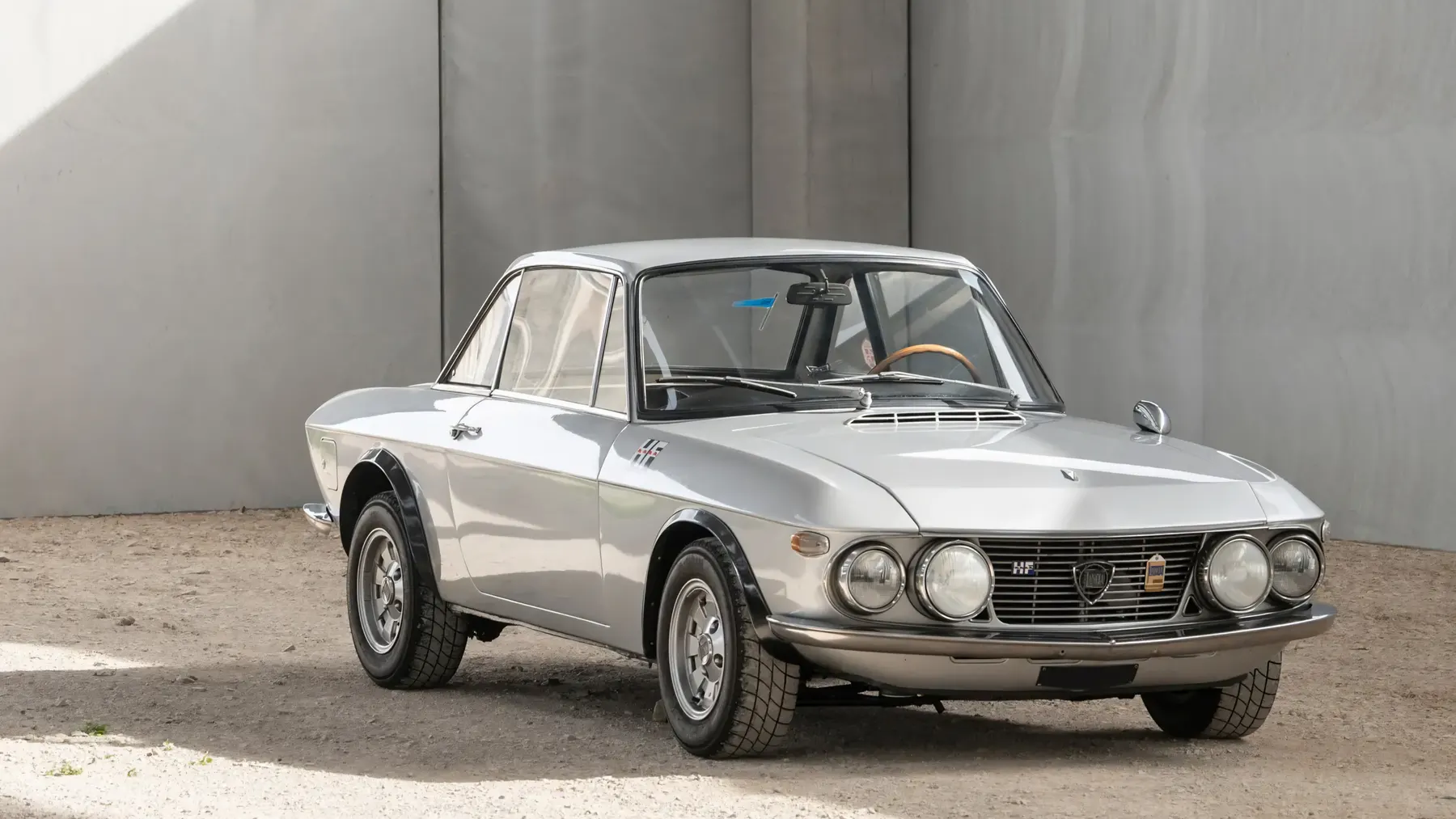
The Lancia Fulvia Coupé Rallye 1.6 HF ‘Fanalone’ didn’t just win rallies,it rewrote the rules. Picture this: January 1972, the Monte Carlo Rally. Sandro Munari, behind the wheel of a boxy little Italian coupe, pushes through snow-choked Alpine passes. The car’s engine screams at 7,000 rpm, its narrow-angle V4 sending power to the front wheels,a configuration most experts claimed couldn’t compete with rear-drive rivals. Yet when the timers stop, Munari’s Lancia crosses the line 10 minutes ahead of the nearest Porsche 911. This wasn’t luck. It was the culmination of six years of engineering obsession, resulting in a machine that blended art-school aesthetics with pit-lane pragmatism. Meet the ‘Fanalone’, the rally giant-killer that became a blueprint for underdog victories.
Lancia’s Fulvia line debuted in 1963 as a replacement for the Appia, but it wasn’t until 1965 that the company’s racing arm, HF Squadra Corse, saw its potential. Under Cesare Fiorio’s direction, the team began modifying coupes for rallying, leading to the first Rallye HF variant. By 1969, the recipe was perfected: the Rallye 1.6 HF ‘Fanalone’ (named for its enlarged inner headlights) became Lancia’s weapon of choice.
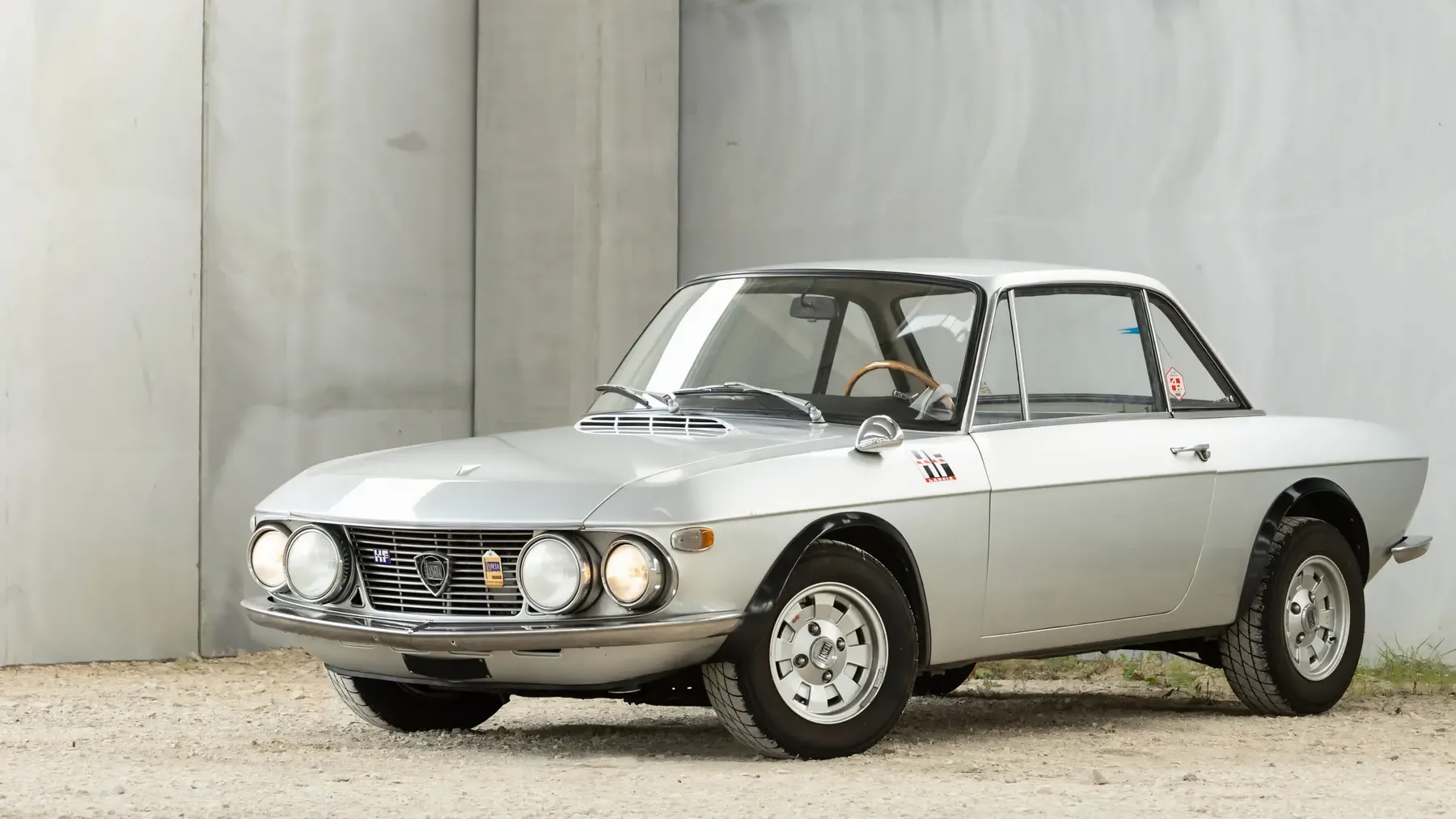
What made the ‘Fanalone’ special wasn’t just its specs,though they were impressive,but its origin story. Unlike purpose-built race cars, this was a street-legal coupe first. Engineers at Lancia’s Turin headquarters worked backward, taking lessons from grueling rally stages and baking them into production models. Only 1,258 units were built between 1969-1970, each a rolling laboratory for competition tech.
At the ‘Fanalone’s’ heart lay one of the most unconventional engines ever fitted to a production car: a 1.6-liter narrow-angle V4. With cylinders angled at just 13 degrees,so tight they shared a single cylinder head,the design saved weight and space. Twin Solex carburetors fed the combustion chambers, squeezing out 114 horsepower in road trim. Rally versions, breathing through 45mm Webers, hit 165 horsepower,astonishing for 1.6 liters in 1969.
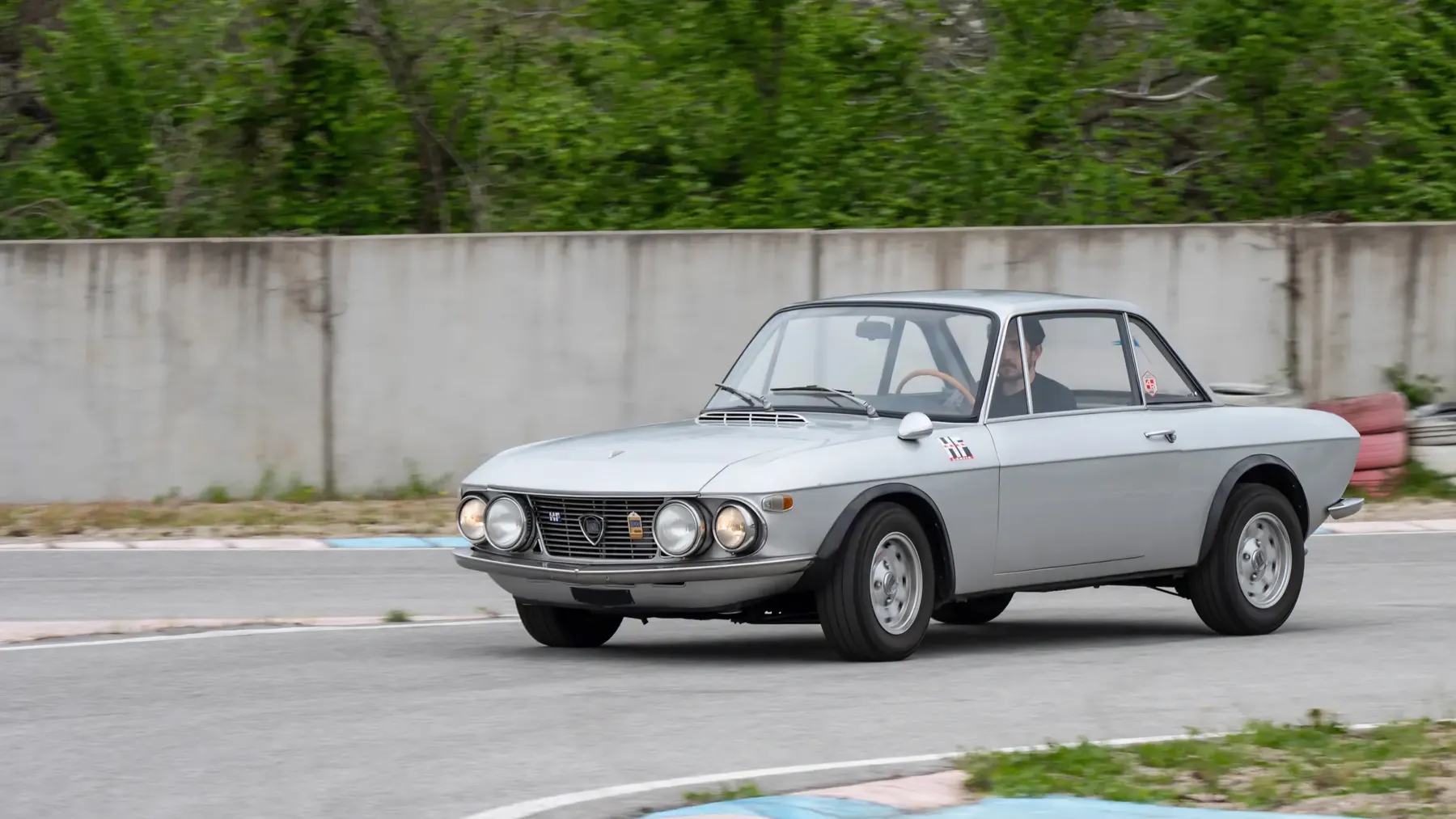
Front-wheel drive was another curveball. While rivals like Porsche stuck with rear engines, Lancia’s engineers doubled down on front-drive, using a longitudinal layout that placed the transaxle behind the engine. Paired with a corrosion-prone but effective unitary chassis, the setup distributed weight 58/42 front/rear. Modern testers might scoff at the numbers, but period drivers praised its neutral handling,a trait amplified by clever suspension tuning.
Up front, unequal-length wishbones and a leaf spring soaked up bumps. Out back, a rigid axle with leaf springs and a Panhard rod kept things tidy. Engineers added negative camber to the front wheels, sharpening turn-in. The result? A car that danced through switchbacks while remaining stable at 180 km/h,a necessity on high-speed rally transits between stages.
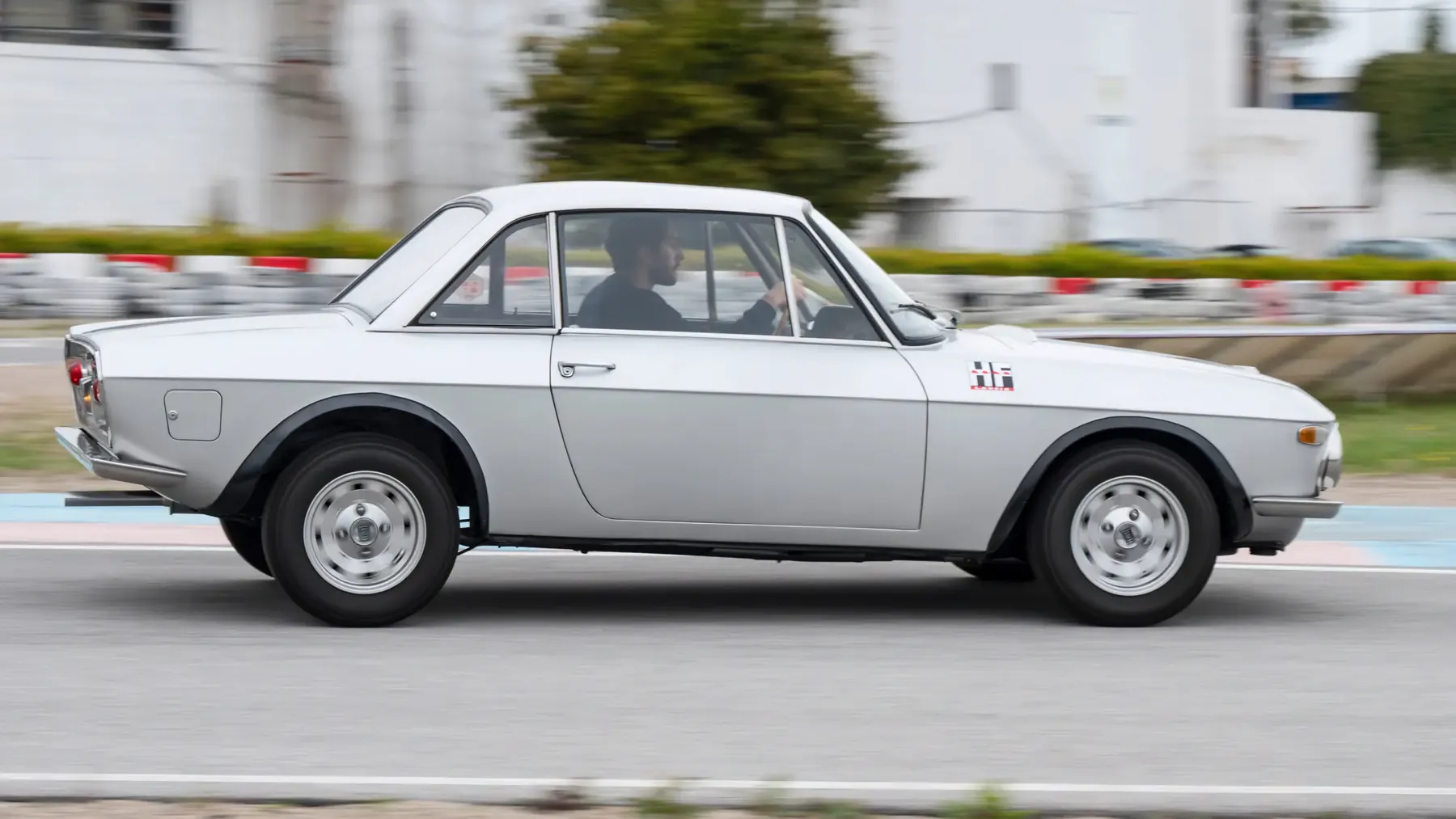
Open the door (aluminum, saving 8 kg), and the ‘Fanalone’ reveals its competition focus. Thin carpets, fixed bucket seats, and a dashboard dominated by a large tachometer scream function over luxury. Yet it’s surprisingly civil. The wood-rimmed steering wheel wears smooth leather, and the shifter for the close-ratio five-speed snicks into gear with rifle-bolt precision.
Weight savings came via obsessive detailing. Aluminum hood and trunk lids sliced 22 kg. Plexiglas side windows (on rally models) cut another 5 kg. Even the bumper brackets were drilled for lightness. At 960 kg, the ‘Fanalone’ weighed 200 kg less than a standard Fulvia,a diet that paid dividends on twisting mountain passes.
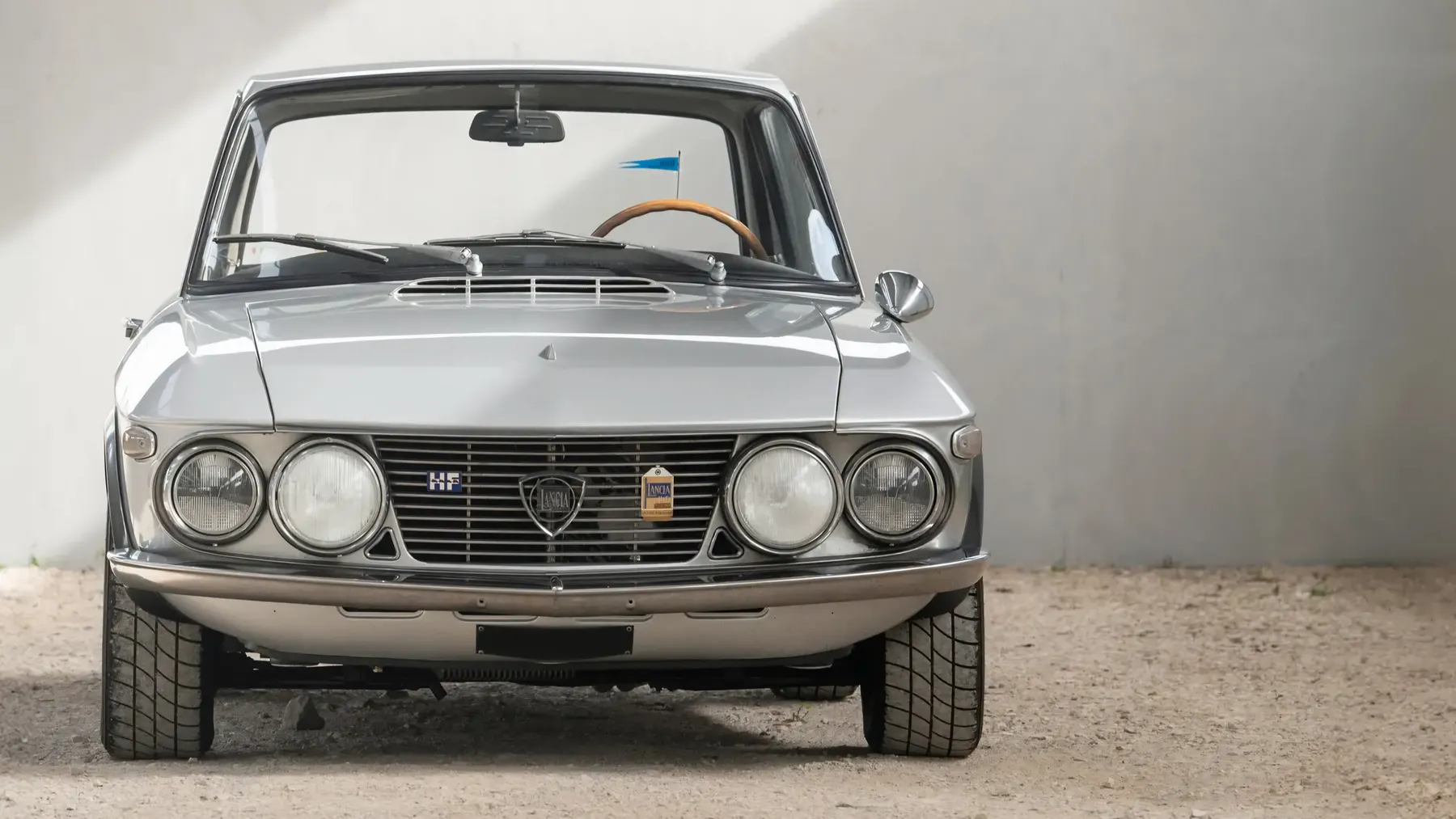
The ‘Fanalone’s’ competition record reads like a rally hall of fame. In 1972, it clinched Lancia’s first International Rally Championship, trouncing larger-engined foes. Victories came everywhere from Morocco’s deserts to Finland’s frozen logging roads. At the Acropolis Rally, Munari dodged rock slides in 40°C heat; in Sweden, Björn Waldegaard tamed ice using nothing but studded tires and engine heat piped to the windshield washer nozzles.
Key to its success was adaptability. The V4’s broad torque curve (peaking at 5,000 rpm) pulled strongly from low revs, crucial on slippery surfaces. Drivers could left-foot brake without unsettling the car, a technique later banned but devastatingly effective in the ‘70s. Unlike rear-drive competitors, the Fulvia understeered predictably at the limit,a safety net for drivers barreling down unmarked roads at night.
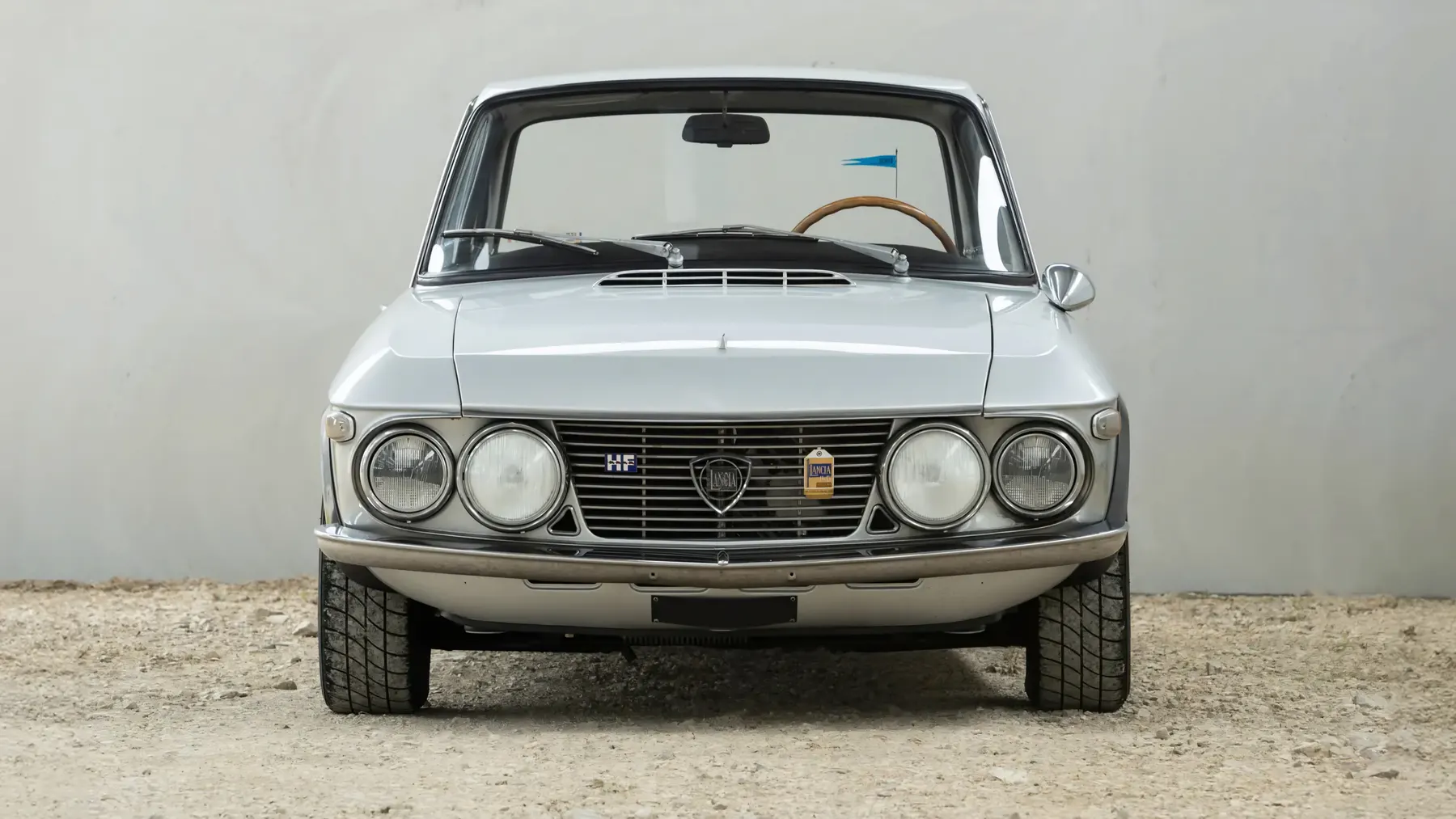
For buyers wealthy enough to snag a ‘Fanalone’ (about 10% pricier than a standard Fulvia), daily driving revealed hidden depths. The cabin stayed quiet at cruising speeds, the supple suspension soaking up potholes. Heater controls worked,a rarity in Italian cars of the era,and the 90-liter fuel tank allowed 600 km between fills.
Road testers marveled at its duality. Road & Track noted, “It’s a car that feels like it’s always on your side, whether you’re picking up groceries or pretending you’re Munari.” The steering, unassisted but precise, communicated every pebble. Brakes,discs all around,faded less than expected, thanks to cooling ducts added after the ‘69 Rallye Sanremo.
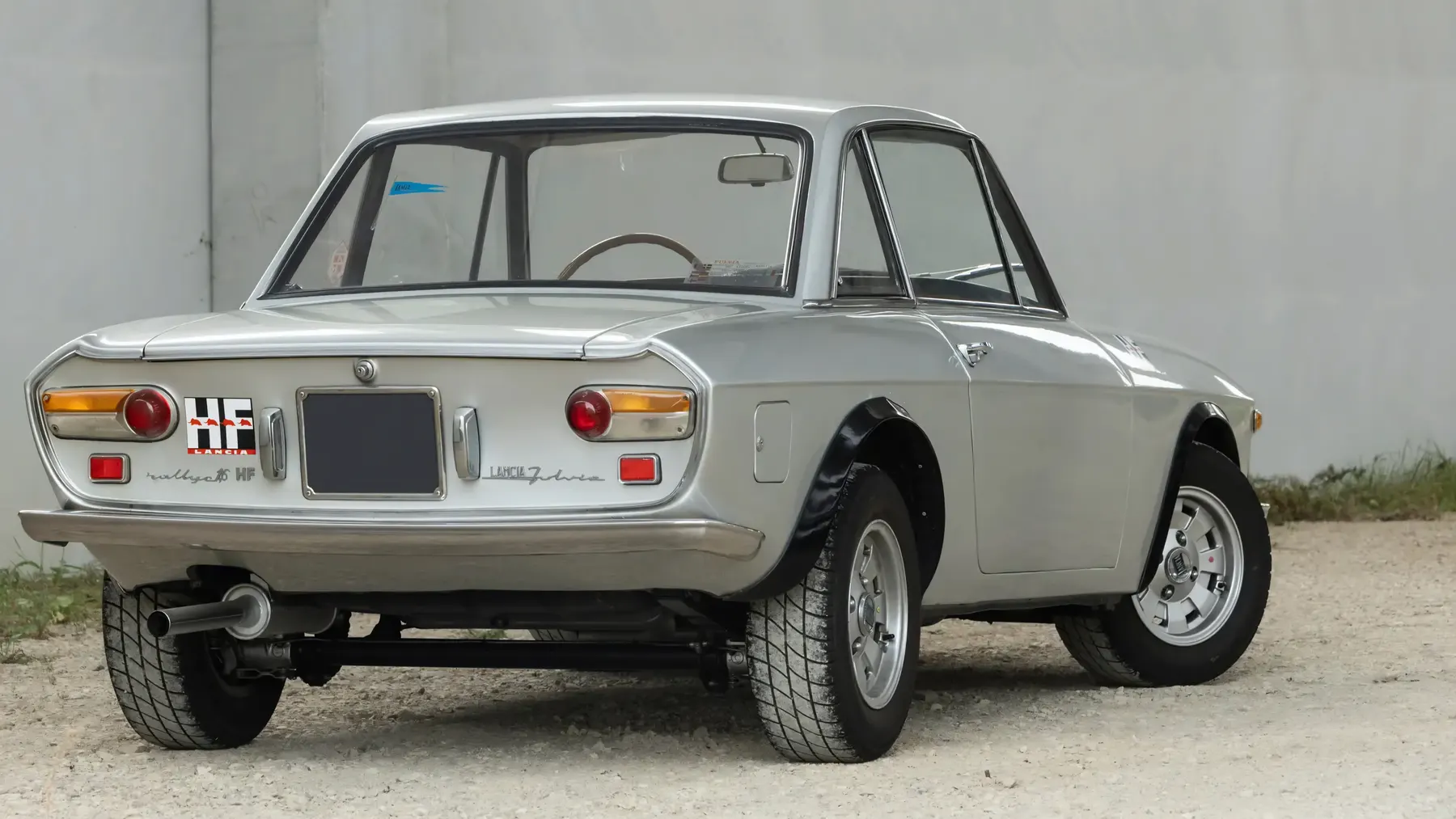
Today, the ‘Fanalone’ enjoys near-mythic status. Prices for pristine examples now exceed €150,000, a tenfold increase since 2000. Its HF badge,a prancing elephant logo from Lancia’s racing team,adorns T-shirts and Instagram bios. Enthusiasts debate minutiae: Which year had the correct shade of Giallo Fly paint? Did the ‘70 models really get a stiffer anti-roll bar?
But the real legacy lives on in rallying. The ‘Fanalone’ proved front-wheel drive could win world championships, paving the way for the Audi Quattro’s later dominance. It also set Lancia’s template for homologation specials,road cars built to bend racing rules,seen later in the Stratos and Delta Integrale.
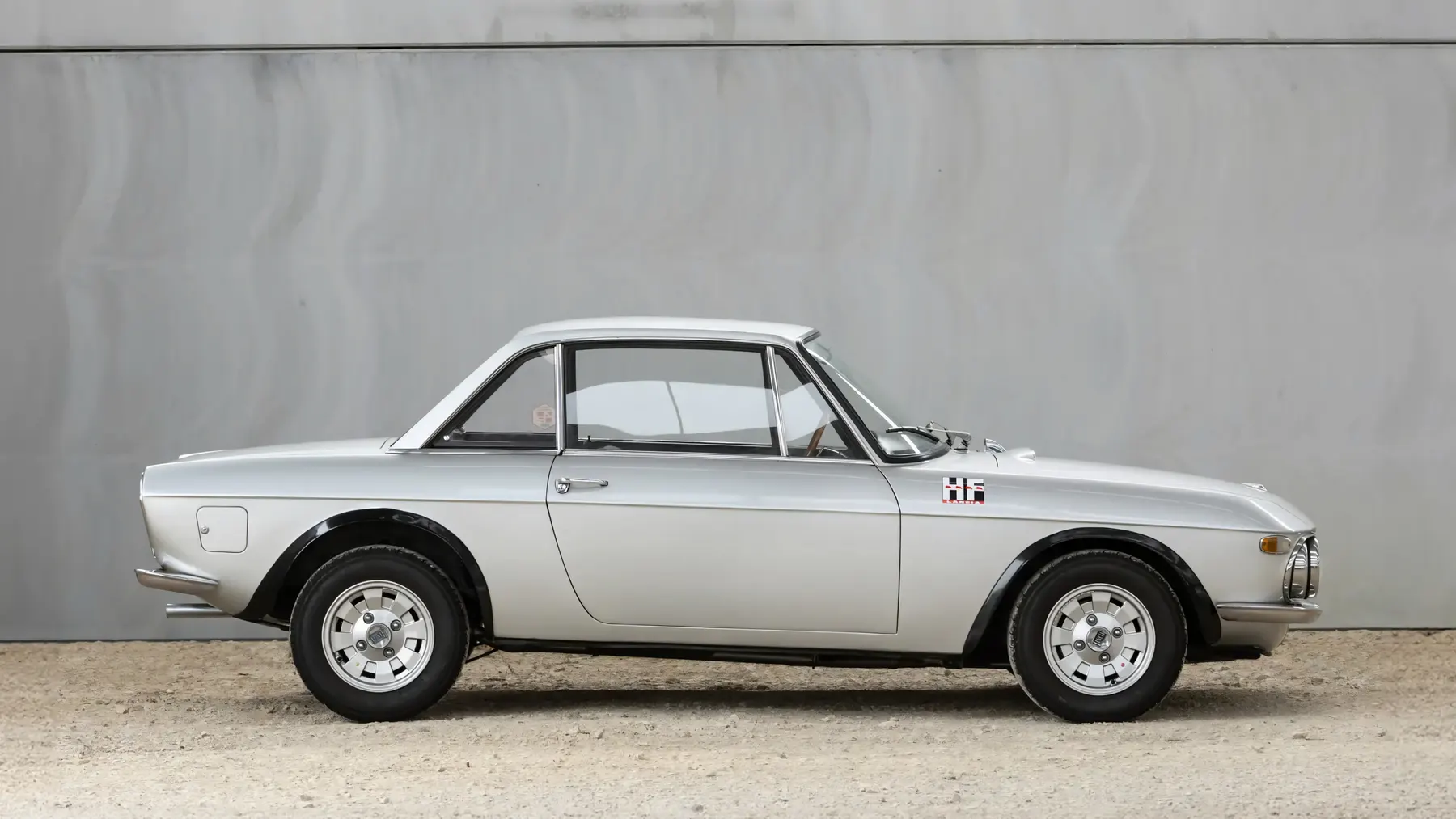
Behind the wheel, the ‘Fanalone’ feels shockingly modern. The engine’s metallic wail dominates, a soundtrack somewhere between a Ducati and a badly tuned choir. Steering requires muscle below 30 km/h but weights up beautifully as speeds rise. On tight bends, it pivots like a rear-drive car,until you floor it, and torque steer tugs the wheel.
Collectors warn about scarcity of parts. Original Solex carburetors are unicorns; rebuilds cost €3,000. The transaxle’s gears, crafted from 1960s Italian steel, sometimes crumble under hard use. Yet survivors soldier on, campaigning at historic events like the Mille Miglia and Goodwood Festival of Speed.
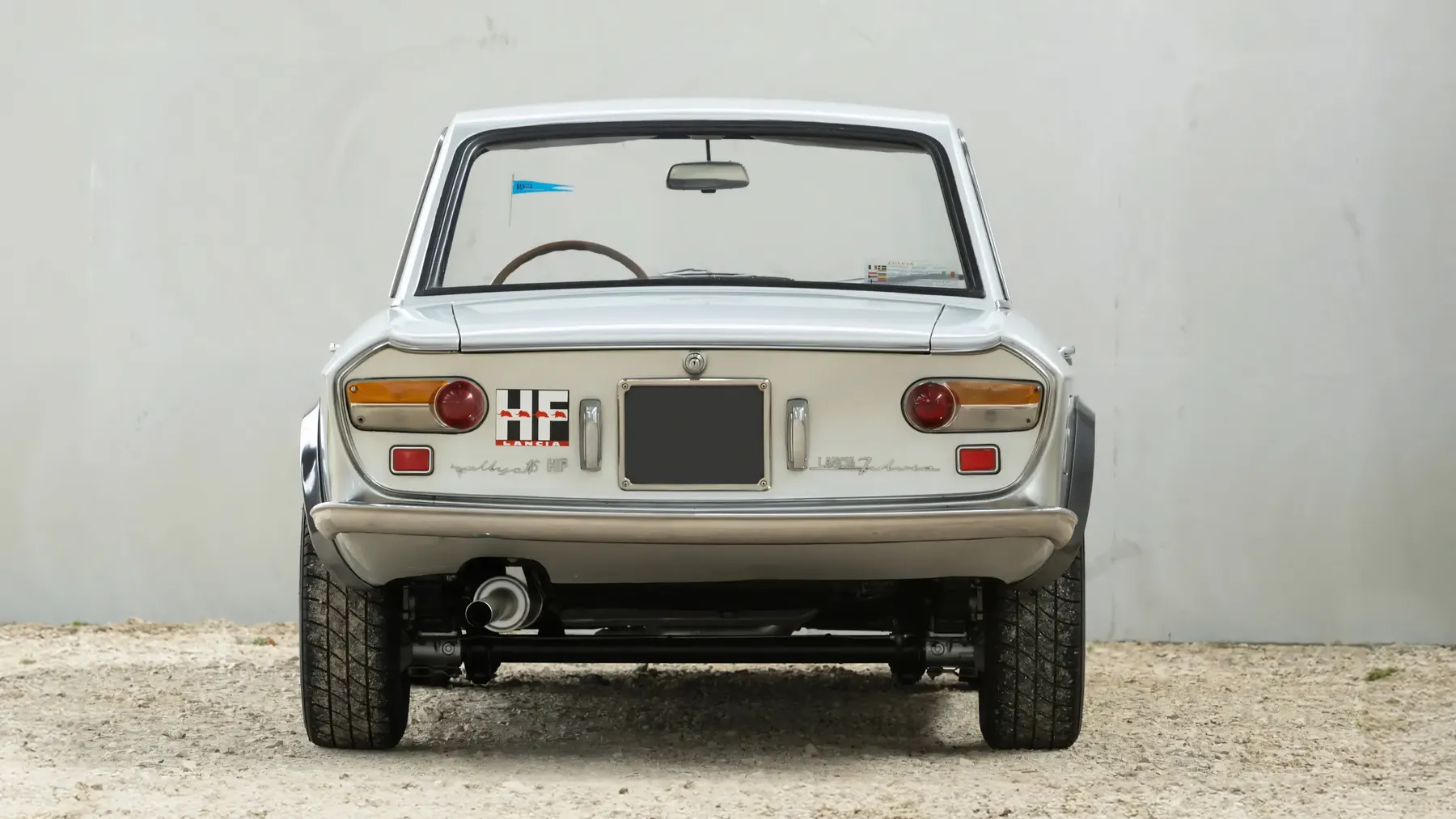
In an era where cars are focus-grouped into blandness, the ‘Fanalone’ stands as a monument to eccentric brilliance. It won not because of corporate budgets, but despite them,a machine shaped by men who believed you could carve victory from a shoestring and a dream. Five decades later, its headlights still pierce the fog of history, a beacon for anyone who roots for the little guy.
Join the discussion
Comments
Loading comments…
Leave a comment
Share a detail, memory, or perspective. Every comment is reviewed before publication.