1970 Ford Mustang Boss 302

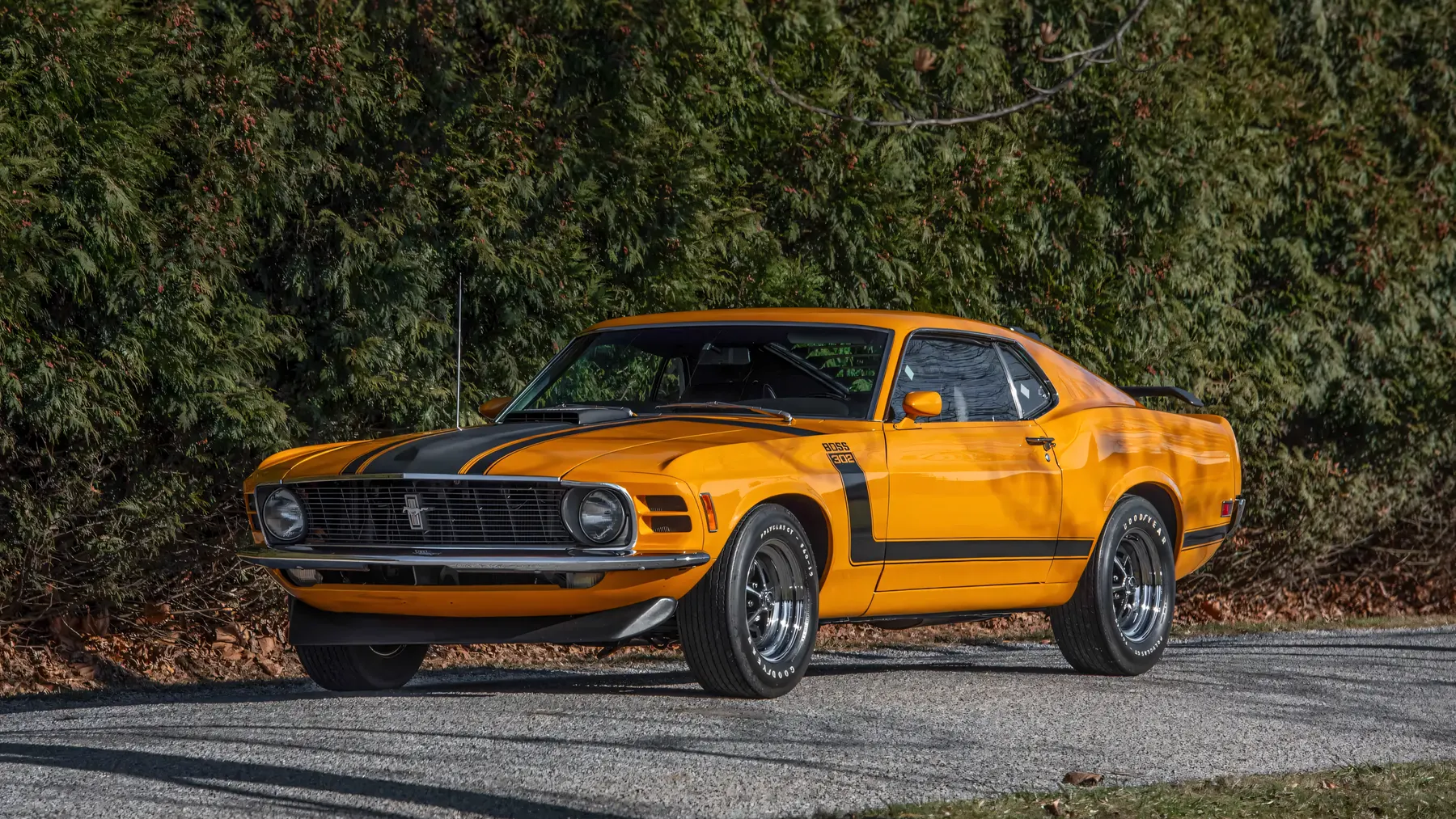
The Ford Mustang Boss 302, produced in 1969 and 1970, is a high-performance variant of the Mustang designed for both the street and track. This special edition was created to compete in the SCCA Trans-Am racing series, where rules mandated a maximum engine displacement of 5.0 litres. The result was a track-ready car that remains legendary among automotive enthusiasts
The Boss 302’s creation was driven by competition. In the late 1960s, Ford needed to challenge the dominance of the Chevrolet Camaro Z/28 in Trans-Am racing. To qualify, manufacturers had to produce a minimum number of cars for homologation. Ford responded with the Boss 302, building over 7,000 units in 1970. With its success in the 1970 Trans-Am series, the Boss 302 earned a Manufacturer’s Championship for Ford, cementing its place in motorsport history.
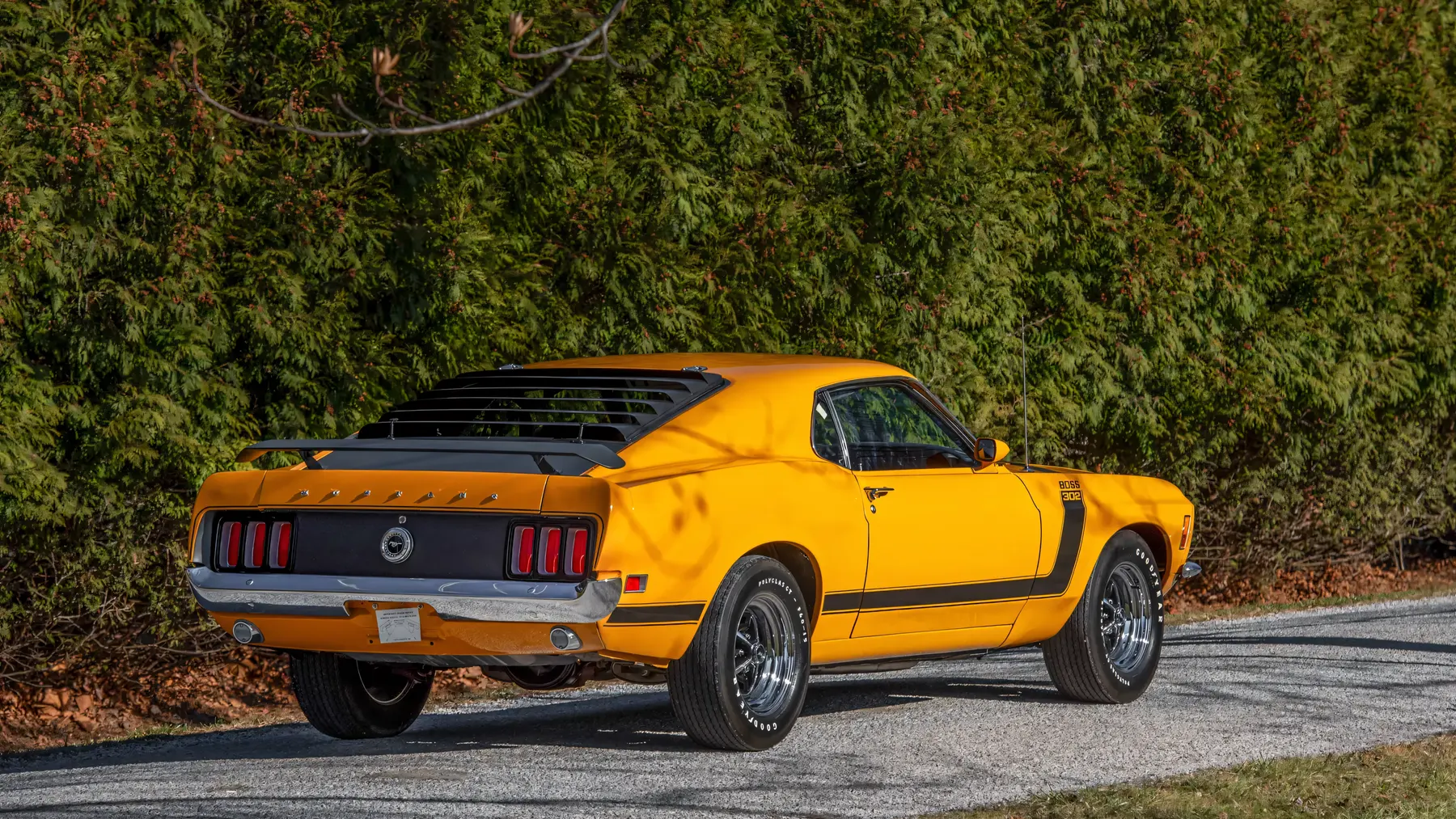
At the heart of the Boss 302 is a modified 302 cubic-inch (4.9 L) high-output V8 engine, rated at 290 horsepower. However, contemporary tests suggest the power was closer to 330-350 horsepower. This high-revving engine featured solid lifters, a unique high-nickel-content block, and heads adapted from the planned 351 Cleveland, with canted valves for improved airflow. The engine was paired exclusively with a four-speed manual transmission, delivering exhilarating performance on the track and street.
The Boss 302 also came with a specially tuned suspension, larger brakes, and quicker steering, giving it agile handling characteristics. Ford equipped the Boss with F60x15 tires, front disc brakes, reinforced shock towers, and a lowered ride height, ensuring it handled like a true race car. The result? It could sprint from 0 to 60 mph in just 6.9 seconds and cover the quarter-mile in 14.6 seconds.
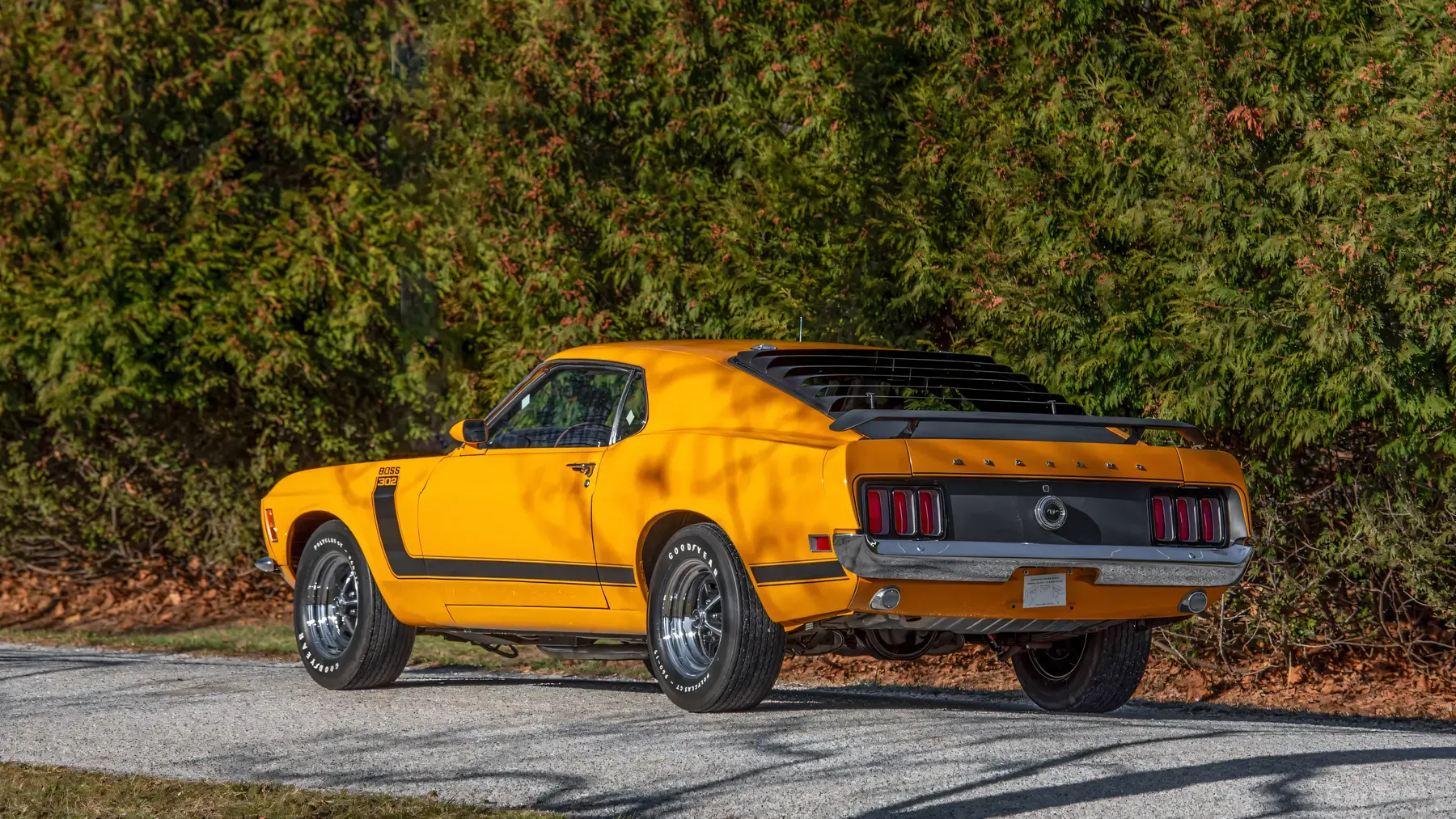
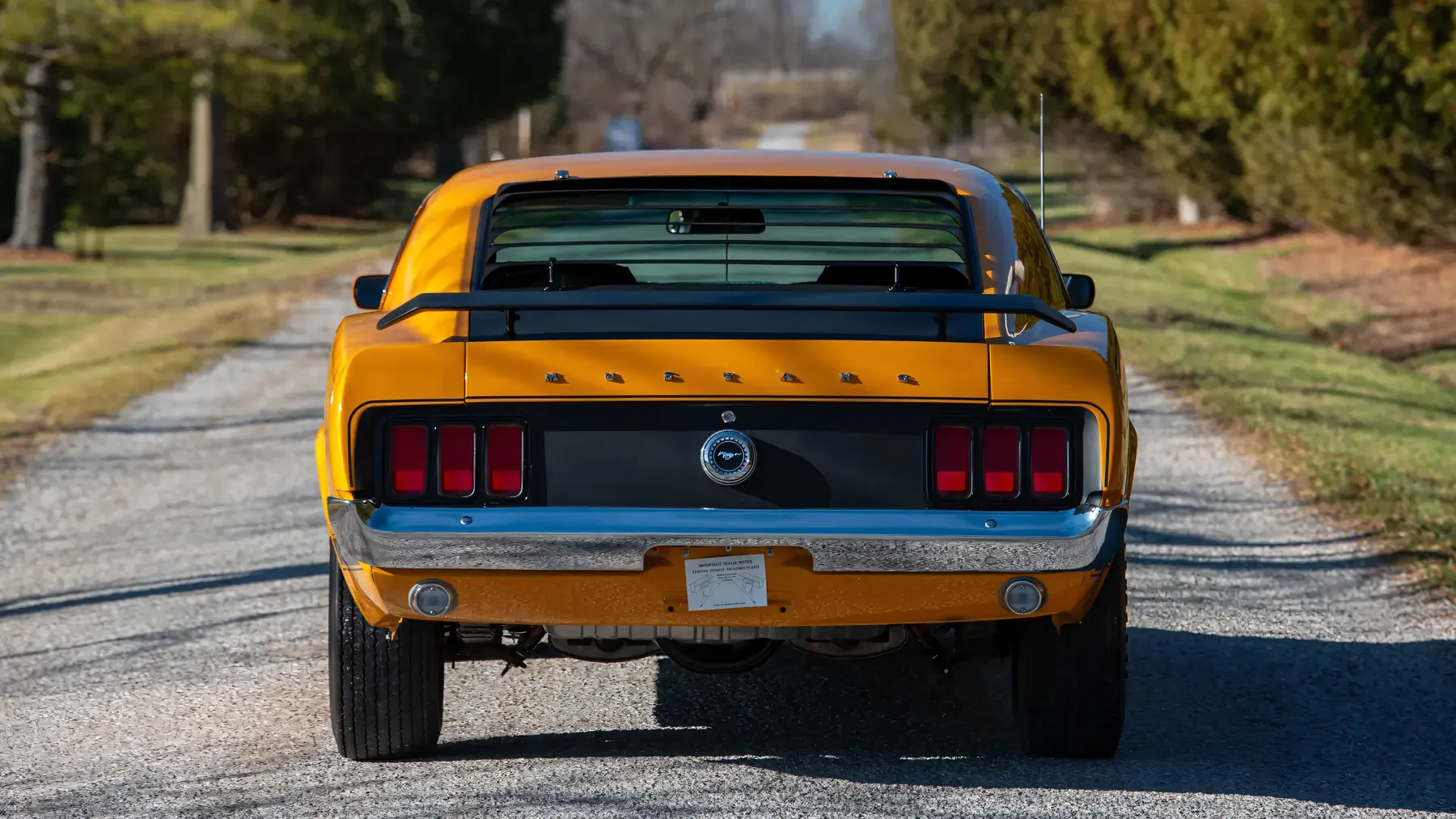
Styling set the Boss 302 apart from standard Mustangs. Designed by Larry Shinoda, the car featured a blacked-out hood, unique side stripes known as “hockey stick” stripes, and functional aerodynamic aids like a front chin spoiler and rear deck wing. In 1970, the exterior was updated, with vents replacing the outer headlights and distinctive graphics enhancing its visual appeal.
Inside, buyers could opt for a deluxe interior, but the Boss remained focused on performance. Key touches like the Hurst shifter emphasised its racing pedigree.
The Boss 302’s racing history extends beyond the U.S. In Australia, Canadian driver Allan Moffat drove a Coca-Cola-sponsored Boss 302 Mustang to success in the Australian Touring Car Championship. Moffat’s Mustang became a motorsport icon, amassing 101 wins from 151 starts.
In 2012, Ford revived the Boss 302 nameplate, paying homage to the original’s racing spirit. The modern Boss featured a revised 5.0-liter V8 with 444 horsepower, track-focused suspension tuning, and unique styling cues reminiscent of its predecessor. It continued the legacy of blending street performance with racing capability.
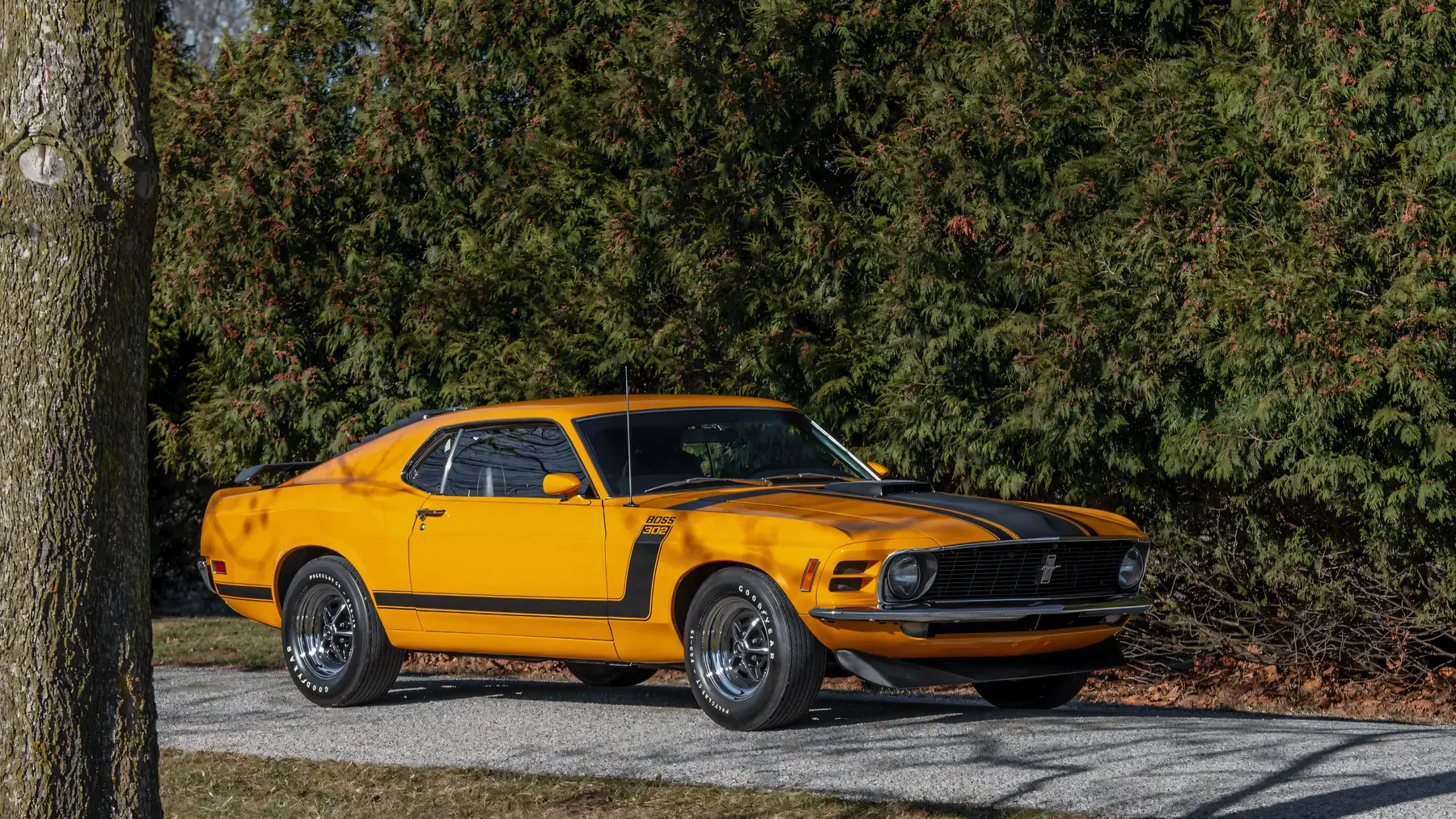
Original Boss 302 Mustangs are highly sought after today, with restored examples commanding high prices at auctions. Their iconic status has also inspired countless replicas. The Boss 302 remains a symbol of Ford’s dedication to performance, engineering innovation, and racing heritage. For enthusiasts, it’s a reminder of a golden era when pony cars ruled both the street and track.
Join the discussion
Comments
Loading comments…
Leave a comment
Share a detail, memory, or perspective. Every comment is reviewed before publication.