1971 Merlyn Mk21

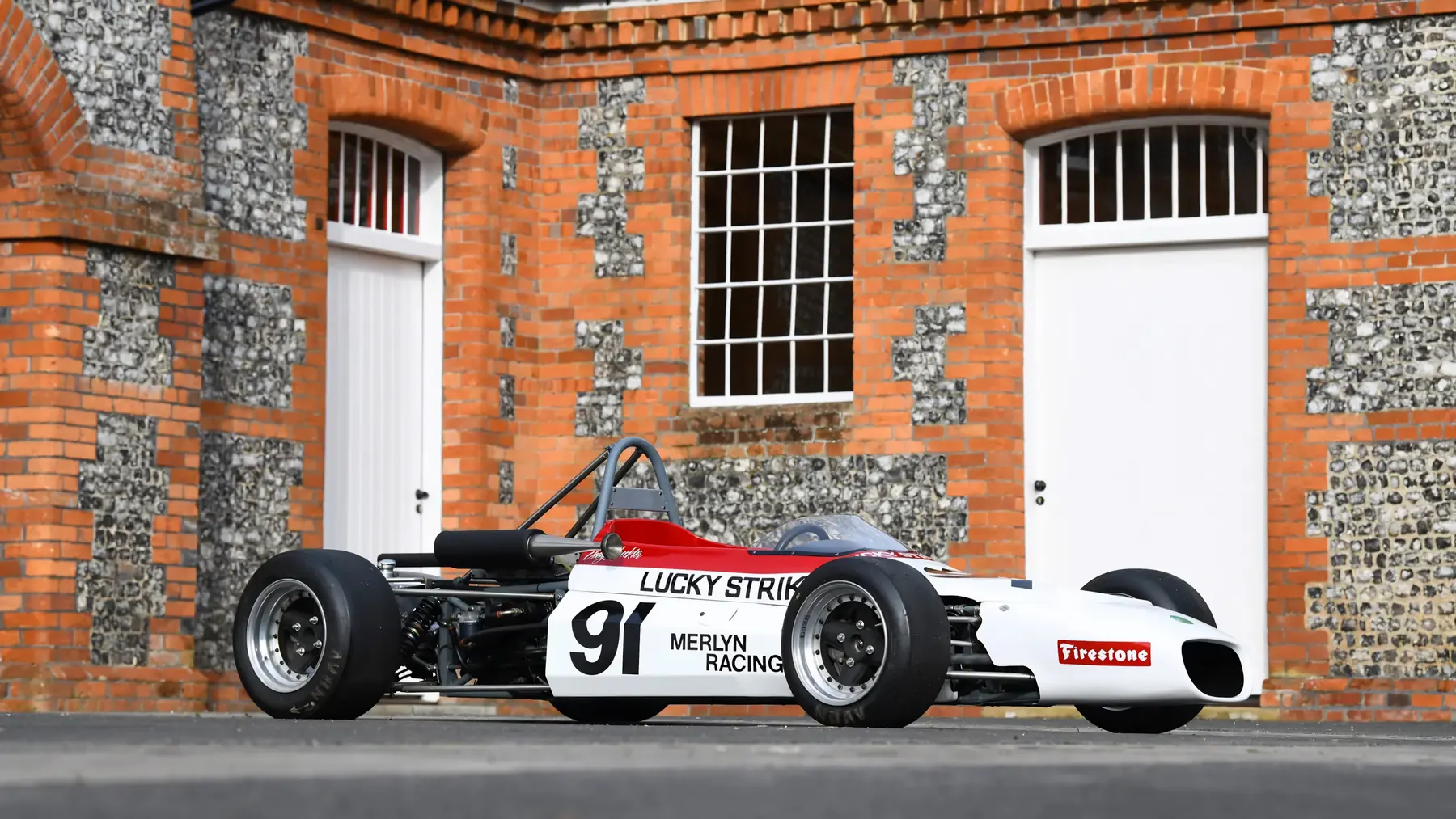
The Merlyn Mk21 represents a fascinating chapter in the history of junior formula racing, a testament to a time when small British manufacturers could hold their own against automotive giants. Built by Colchester Racing Developments (CRD) during the early 1970s, the Mk21 emerged as a competitive yet accessible option for drivers climbing the motorsport ladder. While not as celebrated as some contemporaries, its story reveals how ingenuity and pragmatism carved a niche in a cutthroat racing world.
The Merlyn marque began in 1960, founded by Selwyn Hayward and Clive Maskrey in Colchester, England. Starting with Formula Junior, CRD gradually expanded into other categories, finding notable success in Formula Ford with models like the Mk11. By 1971, they aimed higher, targeting the revitalized Formula 3 category. New regulations had standardized 1600cc engines, creating a hotly contested arena where established names like March and Brabham clashed with smaller outfits like Merlyn. The Mk21 was CRD’s answer,a car designed to offer privateers and rising stars a reliable, cost-effective stepping stone toward greater ambitions.
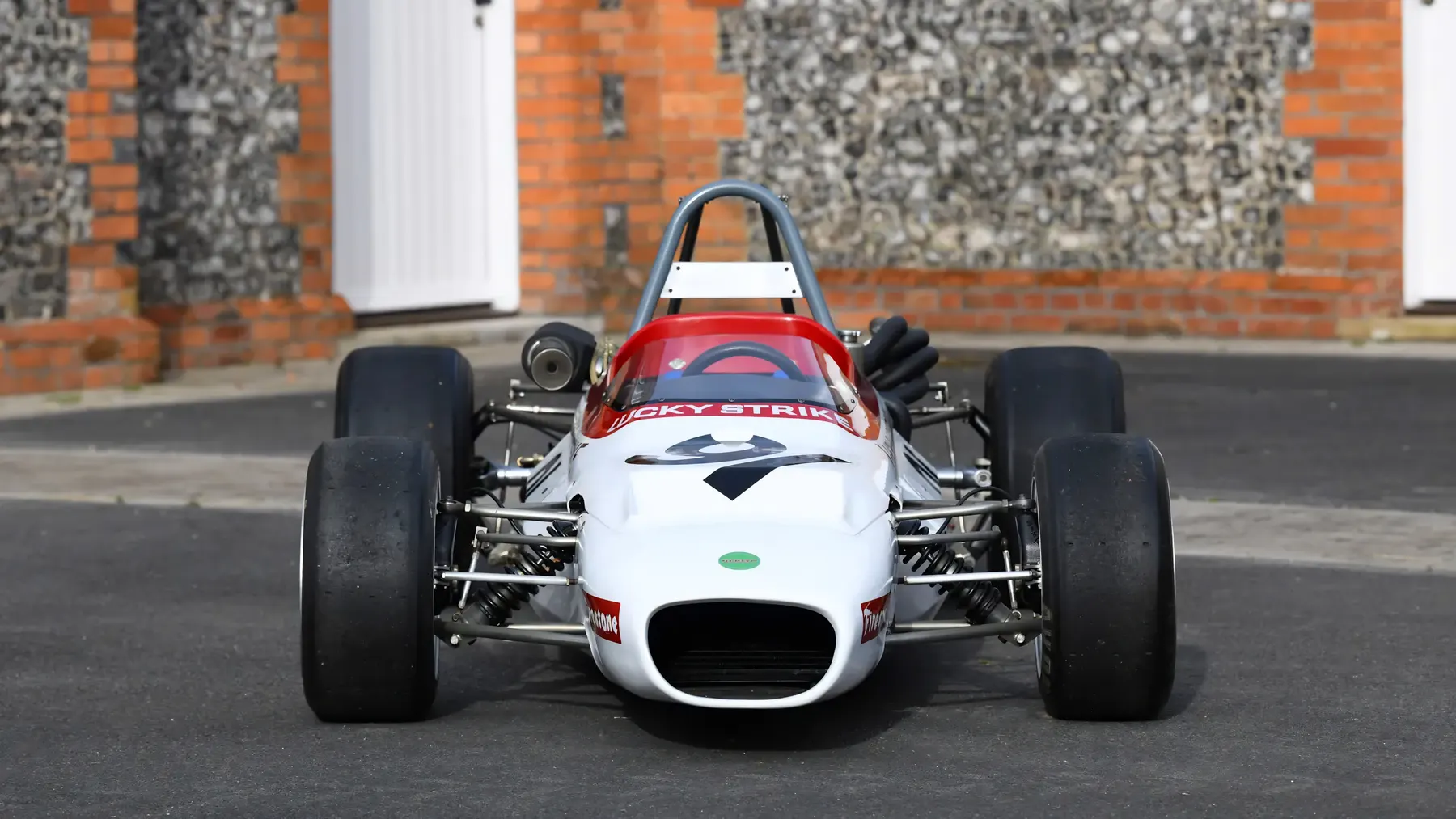
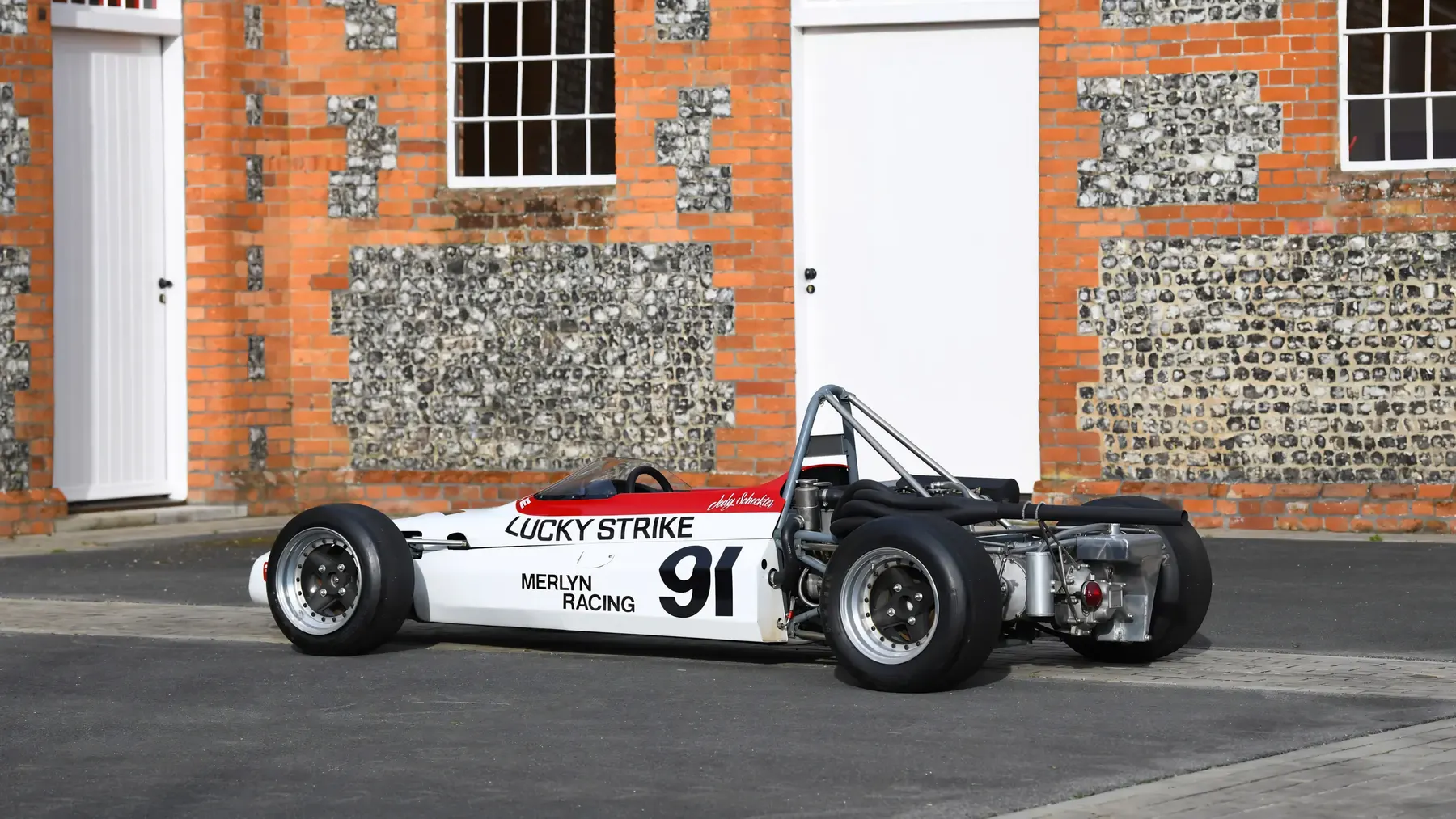
The Mk21 adhered to a philosophy that became Merlyn’s signature: straightforward engineering focused on driver development. Unlike the monocoque chassis emerging in Formula 1, the Mk21 used a tubular steel space frame. This choice kept costs low and repairs manageable,an essential consideration for privateer teams. The open-wheel design featured clean, functional bodywork, often dressed in vibrant liveries like the red-and-white Lucky Strike scheme, which stood out in period photos.
Power came from the Ford DBA engine, a 1.6-liter inline-four producing around 120 kW (160 hp) at 10,000 rpm. Derived from production blocks to meet regulations, these units were tuned to maximize reliability over outright power. Coupled with a Hewland Mk8 or Mk9 four-speed gearbox, the drivetrain offered predictable performance, letting drivers focus on honing their craft rather than wrestling temperamental machinery.
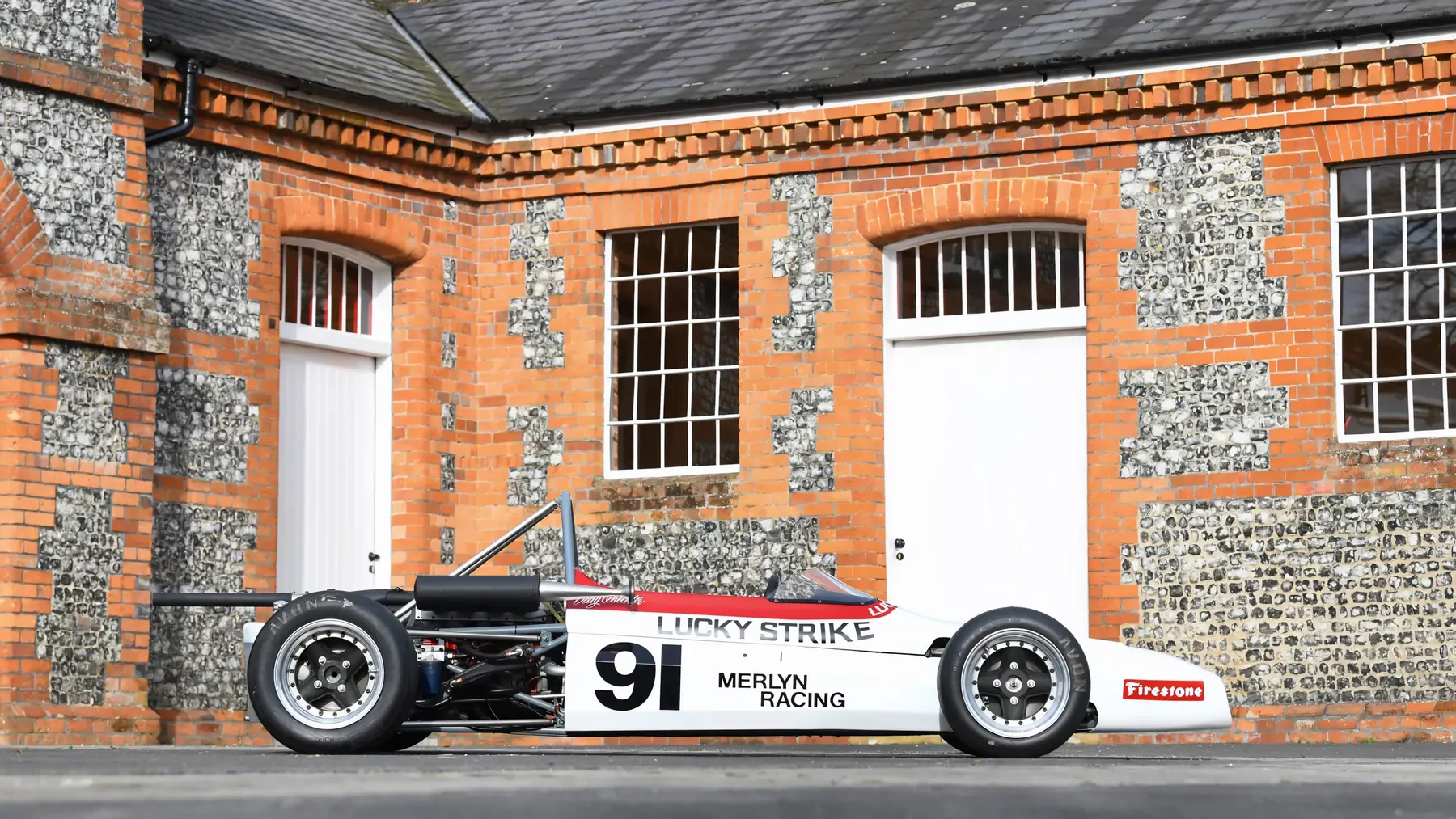
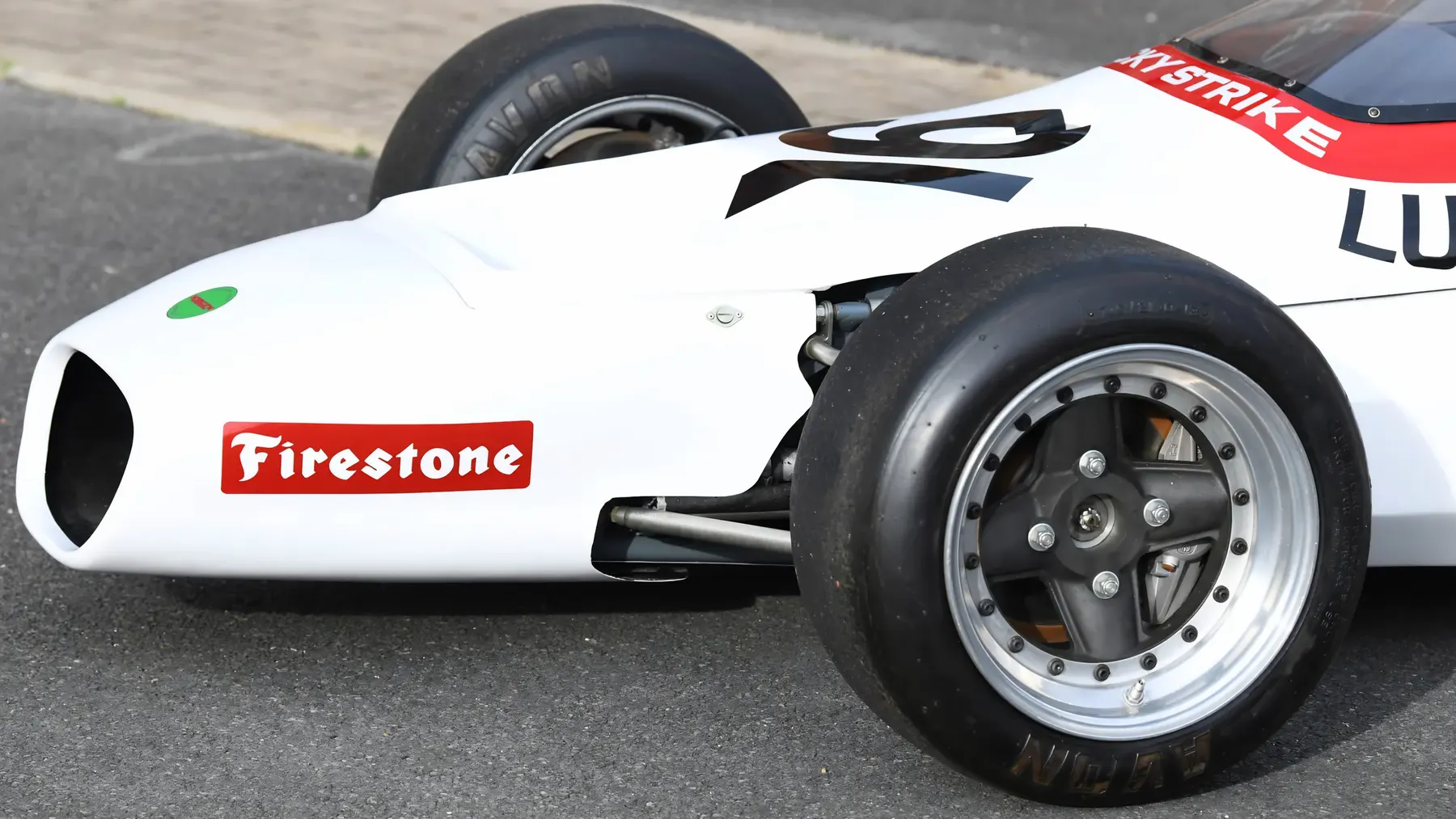
Suspension followed conventional 1970s practice: unequal-length wishbones up front and a multi-link setup at the rear. Engineers prioritized mechanical grip and balanced handling, a decision that paid dividends on tight circuits. The Mk21 became known for forgiving behavior at the limit,a trait that endeared it to drivers still mastering racecraft.
In 1971, the Mk21 entered a Formula 3 landscape teeming with talent. Races often served as support events for Formula 1 grands prix, including the prestigious Monaco round. While Merlyn lacked the resources of rivals like Tecno or Lotus, the Mk21 delivered underdog results. At Monaco, Merlyn drivers navigated the same storied corners as F1 legends, though podium finishes remained elusive.
The car found greater success in national championships. In the UK, privateers thrived on the Mk21’s consistency, securing top-ten finishes against factory-backed teams. Stateside, American driver Gordon Smiley claimed victory at Road Atlanta in 1972, piloting a Mk21 in the SCCA Continental Championship. This transatlantic triumph underscored Merlyn’s versatility, proving competitive in diverse racing environments.
Two factors distinguished the Mk21: affordability and durability. Priced at approximately £1,600 for a rolling chassis (about £22,000 today), it undercut competitors like Brabham by nearly 30%. For aspiring racers, this meant stretching budgets further,critical in an era when sponsorship was scarce.
Maintenance simplicity became another asset. The spaceframe chassis could be welded trackside, avoiding costly delays. Teams could swap gear ratios in under an hour, adapting to circuits as different as Silverstone’s sweeping curves and Brands Hatch’s technical twists. “You didn’t need an engineering degree to run it,” recalls vintage racer James Mitchell, who campaigns a restored Mk21. “Just a good mechanic and a toolbox.”
Reception among drivers was mixed but respectful. Seasoned pros occasionally dismissed the Mk21 as “underpowered” compared to the dominant Marches, but newcomers appreciated its predictability. Future IndyCar star Smiley praised its “honest feedback” during his 1972 campaign. For every critique about speed, there was praise for its role as a teaching tool,a car that rewarded precision rather than punishing mistakes.
By the mid-1970s, Merlyn’s fortunes waned. Formula 3 became increasingly professionalized, favoring deep-pocketed manufacturers. The oil crisis and unfavorable exchange rates squeezed CRD’s margins, prompting their 1979 exit from car production. Yet the Mk21’s legacy endured. Well-maintained examples became staples in national championships through the 1980s, while others crossed the Atlantic to thrive in North American club racing.

Now coveted in historic racing circles, the Mk21 offers a visceral driving experience absent in modern spec series. Events like the Monaco Historic Grand Prix regularly feature these cars, their screaming Ford engines echoing off harbor walls as they did five decades prior. Enthusiasts value the Mk21 not for outright speed but for its embodiment of a bygone era,when mechanical sympathy and seat-of-the-pants skill trumped aerodynamic trickery.
Merlyn specialist Clive Hayward still fabricates parts from CRD’s original Essex workshop, ensuring surviving cars remain race-ready. Recent auctions have seen Mk21s sell for £50,000 to £70,000, a fraction of rarer contemporaries but a testament to their enduring appeal.
Join the discussion
Comments
Loading comments…
Leave a comment
Share a detail, memory, or perspective. Every comment is reviewed before publication.