1972 BMW 3.0 CS

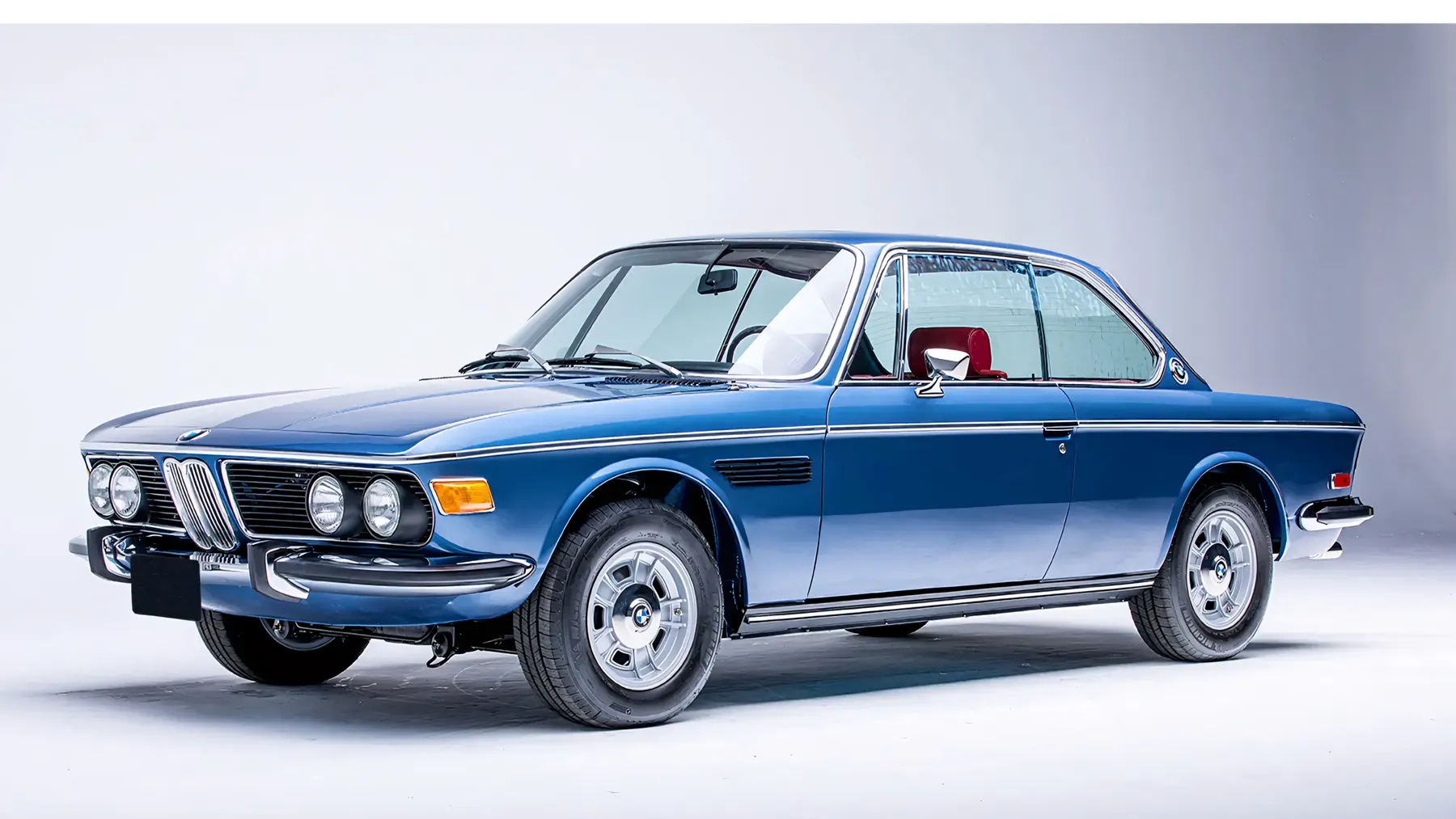
The BMW 3.0 CS is a shining example of BMW’s ability to blend refined design, engineering excellence, and dynamic performance. Introduced in 1971 as part of the BMW E9 series, this model has carved out a lasting legacy, captivating car enthusiasts and collectors with its timeless appeal. With its graceful proportions, formidable straight-six engine, and successful racing pedigree, the 3.0 CS represents an era of automotive innovation that remains celebrated to this day.
The BMW 3.0 CS was built on the E9 platform, which debuted in 1968 with the 2800 CS. The E9 was a successor to the earlier BMW 2000 C and 2000 CS, which were part of the BMW New Class range. These earlier coupés were notable for their sleek styling and innovative engineering but lacked the power to make a strong performance statement.
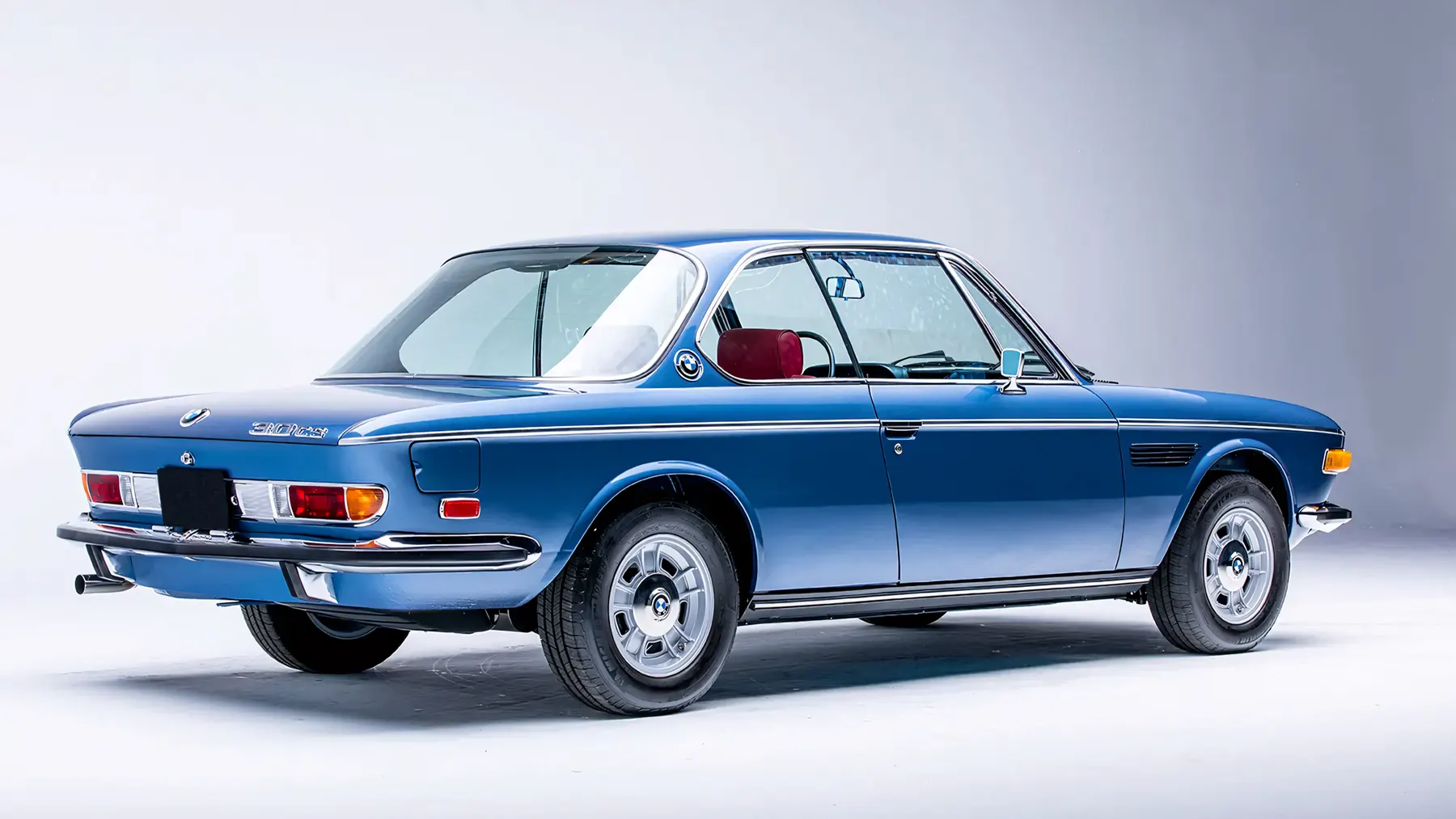
The E9 rectified this by introducing the BMW M30 six-cylinder engine, a powerplant that would go on to define the series. With its longer wheelbase and extended length compared to its predecessor, the E9 offered a larger, more sophisticated chassis that was perfectly suited to the demands of high-performance driving. The bodywork, crafted by Karmann, gave the E9 its distinctive blend of elegance and athleticism.
As a platform, the E9 gained widespread acclaim not just for its road cars but also for its racing success. The homologation-special 3.0 CSL became a dominant force in motorsport, racking up victories in the European Touring Car Championship and prestigious endurance races like Daytona and Le Mans. This success underscored the E9’s engineering brilliance and its adaptability to both road and track.
The 3.0 CS epitomizes classic BMW design with its long, flowing lines and angular yet graceful silhouette. Its low-slung stance and elongated hood exude elegance, while the pillarless design and Karmann-built coachwork add a touch of refinement. The E9’s proportions struck a perfect balance between sportiness and sophistication, making the 3.0 CS one of the most visually appealing cars of its era.
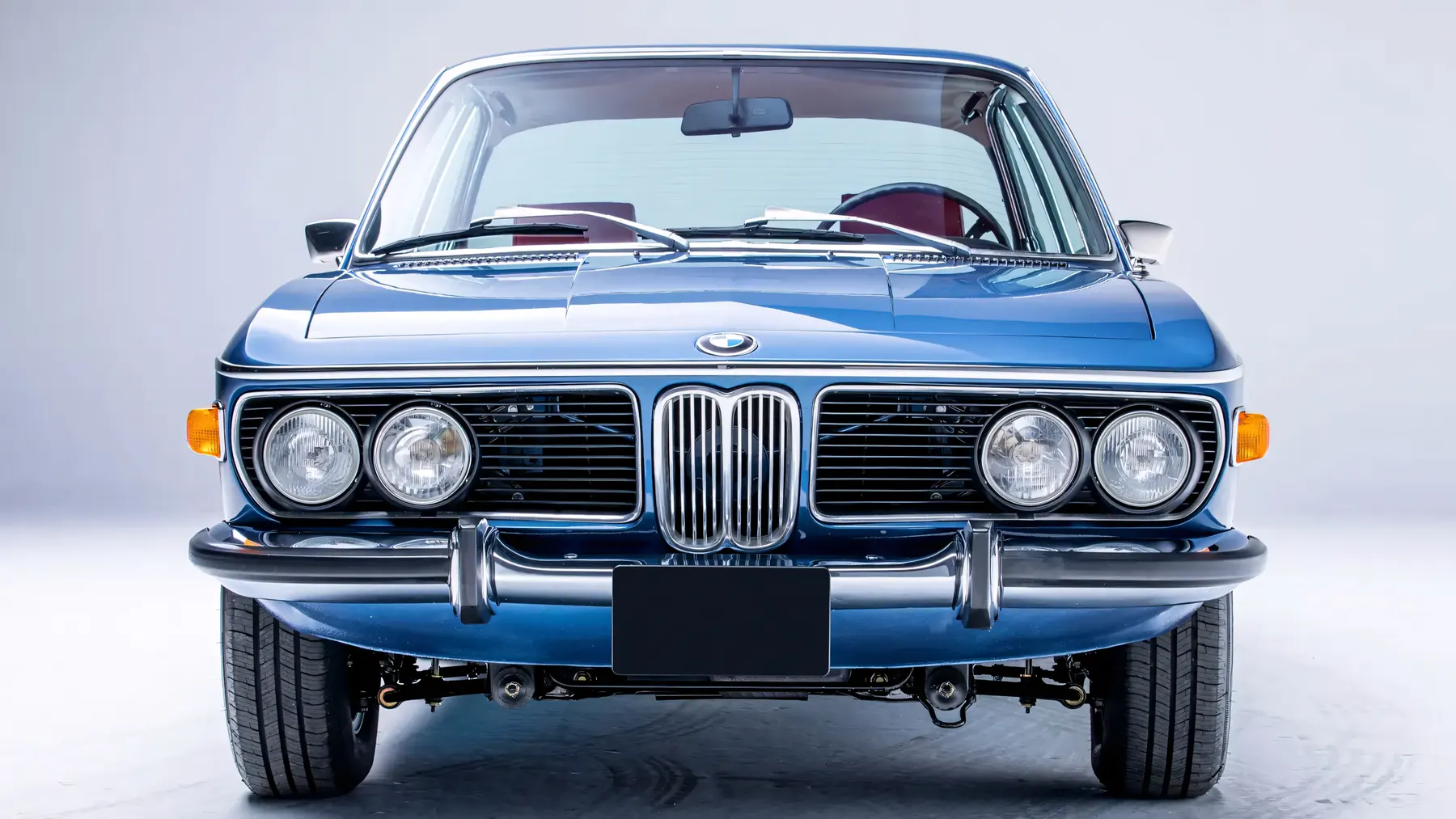
Key design features of the 3.0 CS include its iconic kidney grille, quad headlamps, and slim chrome detailing that highlighted the car’s clean lines. Inside, the cabin offered a blend of luxurious materials and functional design, reflecting BMW’s philosophy of driver-centric ergonomics. While it wasn’t overly adorned, the interior featured high-quality finishes, including wood trim and supple leather upholstery, elevating the car’s premium feel.
In 1974, U.S.-spec models were fitted with protruding 5-mph bumpers to meet federal safety regulations, slightly altering the car’s aesthetics. However, the 3.0 CS retained its iconic presence regardless of market.
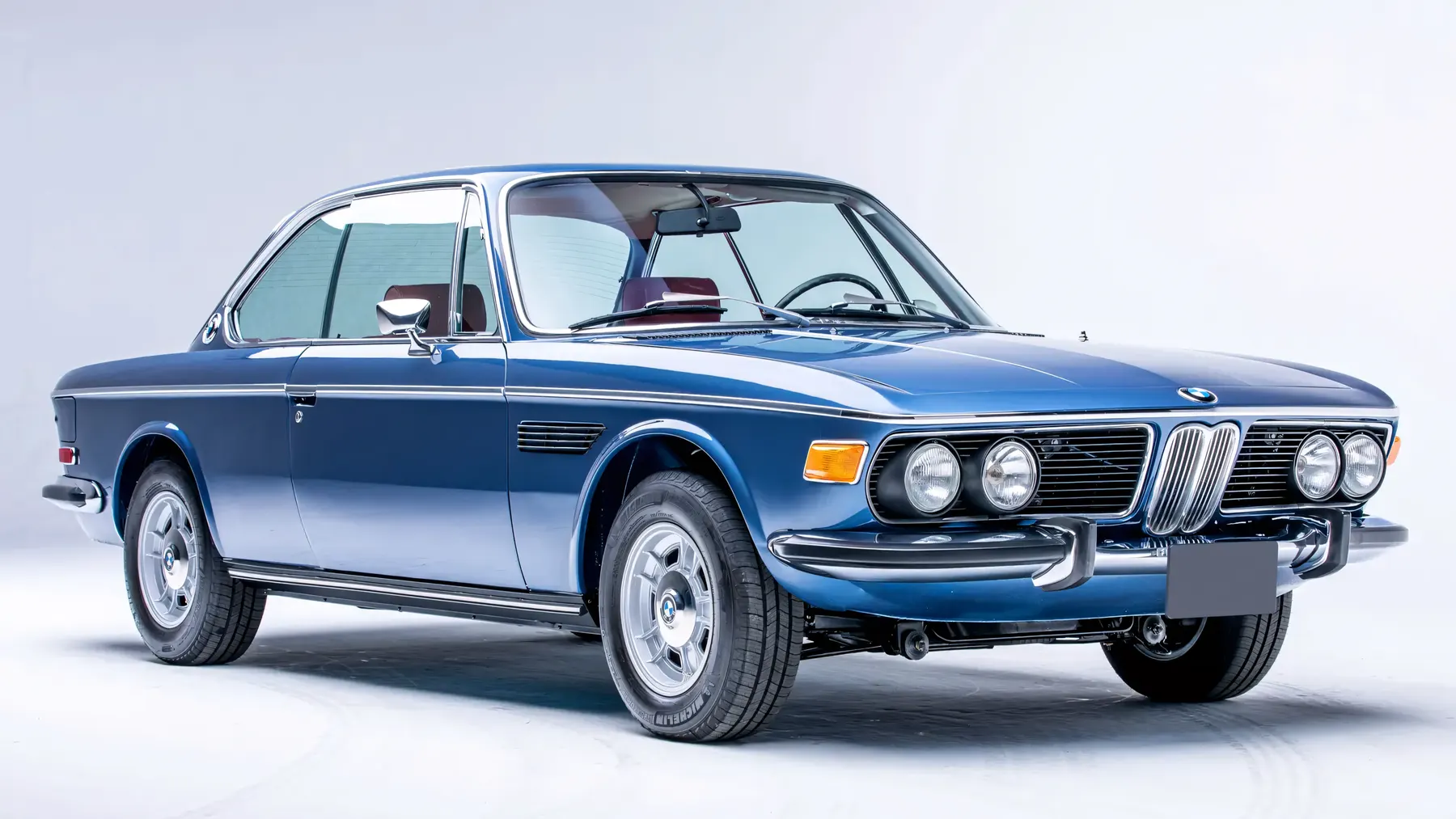
Under the hood, the BMW 3.0 CS was powered by a 2,986 cc (3.0-liter) M30 inline-six engine. The standard 3.0 CS used twin carburetors to produce 180 horsepower at 6,000 rpm and featured a 9.0:1 compression ratio. For those seeking even more power, the fuel-injected 3.0 CSi delivered 200 horsepower at 5,500 rpm, thanks to Bosch D-Jetronic electronic fuel injection and a higher compression ratio of 9.5:1.
These performance figures allowed the 3.0 CS to achieve a top speed of 130 mph, making it one of the fastest production cars of its time. Four-wheel disc brakes provided excellent stopping power, a significant improvement over its predecessor’s drum brakes at the rear. Transmission options included a four-speed manual gearbox for purists or a three-speed automatic for those seeking convenience.
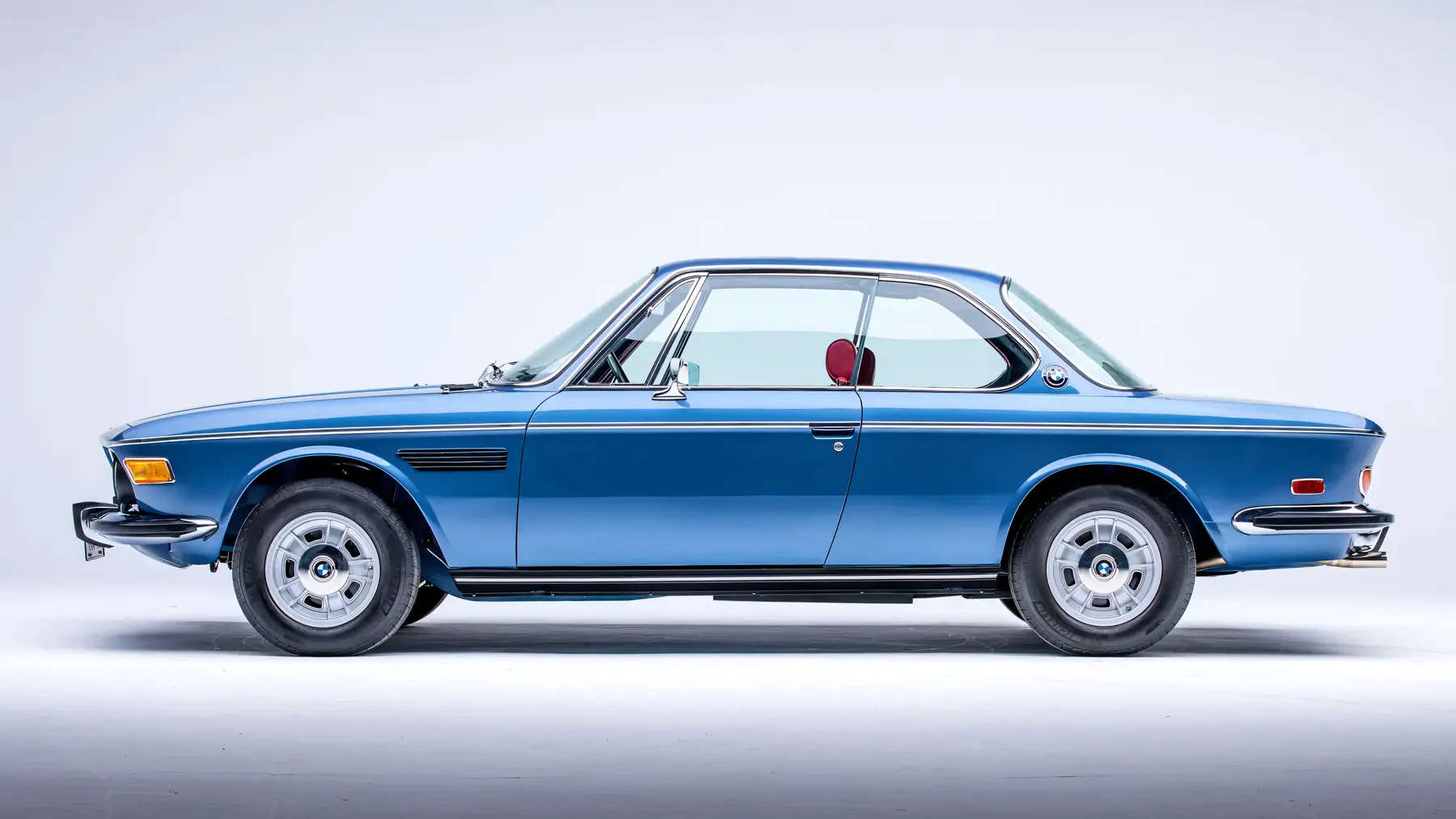
With its smooth and responsive straight-six engine, the 3.0 CS offered a driving experience that was both engaging and refined. The car’s balance of power and precision made it a standout in an era dominated by heavy, less agile vehicles.
The 3.0 CS was not just about performance; it also offered a range of thoughtful features that enhanced its usability and comfort. The spacious cabin provided room for four adults, while the trunk offered practical storage space for a grand tourer. Its light steering and well-tuned suspension made it a joy to drive on winding roads or at high speeds.
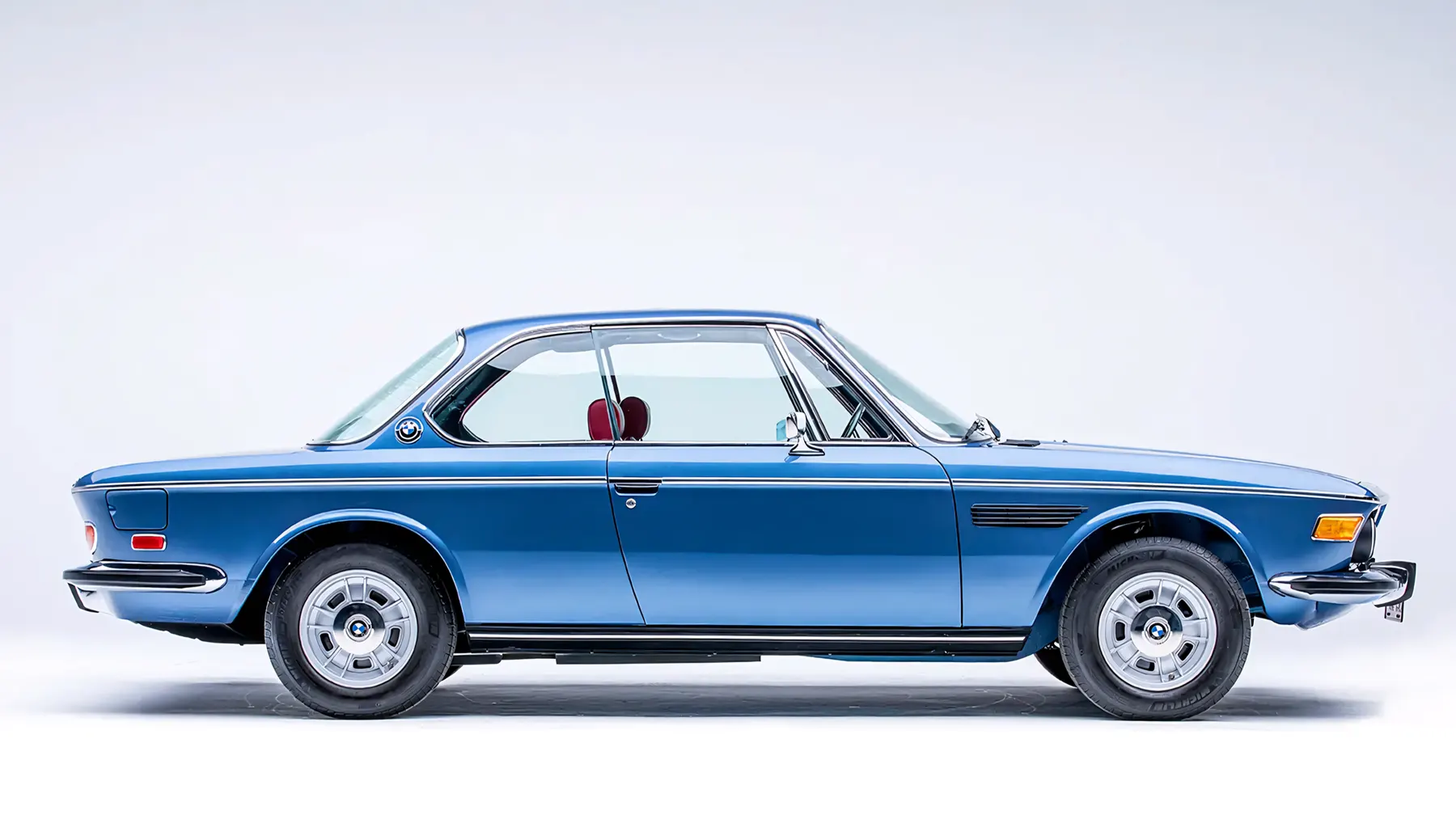
Safety and handling were also at the forefront of its design. The inclusion of four-wheel disc brakes and independent suspension helped ensure that the 3.0 CS delivered a safe and predictable driving experience, even under demanding conditions.
The E9 platform’s adaptability to motorsport was perhaps best demonstrated by the 3.0 CSL, the homologation model developed for racing. While the 3.0 CS itself was not a racing car, it served as the foundation for BMW’s motorsport success in the 1970s. The 3.0 CSL won six European Touring Car Championships between 1973 and 1979 and achieved class victories in endurance races such as Le Mans, Daytona, and Spa.
These achievements reinforced the E9’s reputation as a capable and versatile platform. The success of the 3.0 CSL on the track also elevated the 3.0 CS’s status as a road car, further solidifying its place in automotive history.
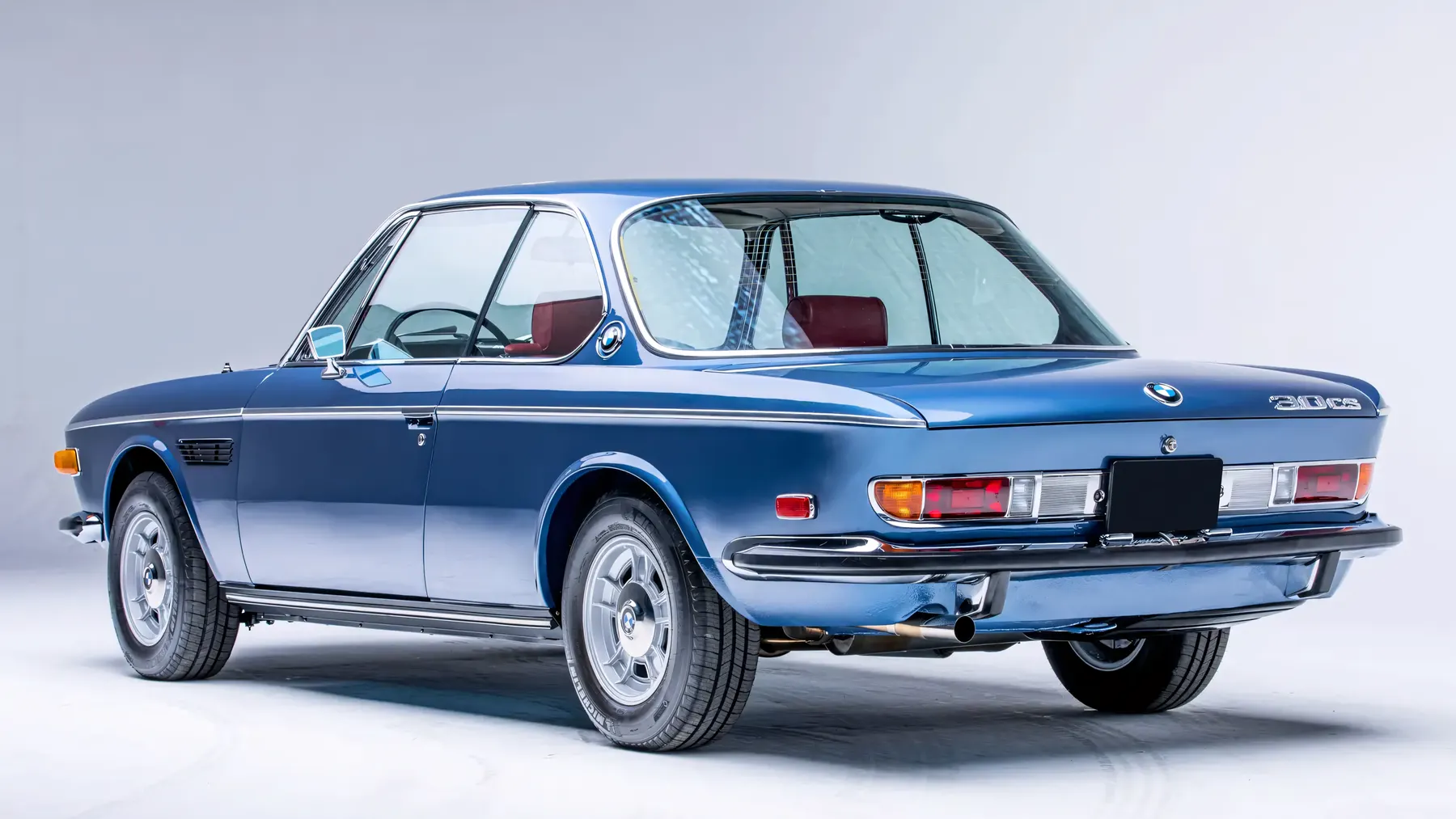
The BMW 3.0 CS remains one of the most iconic cars in BMW’s storied history. Its combination of timeless design, refined engineering, and racing pedigree ensures its continued appeal among collectors and enthusiasts. The 3.0 CS also laid the groundwork for BMW’s future coupés, including the E24 6 Series, which succeeded the E9 in 1976.
Today, the 3.0 CS is celebrated not only for its elegance and performance but also for its role in shaping BMW’s identity as a manufacturer of high-performance luxury cars. For those fortunate enough to own or drive one, the BMW 3.0 CS is a symbol of automotive excellence and a true classic.
Join the discussion
Comments
Loading comments…
Leave a comment
Share a detail, memory, or perspective. Every comment is reviewed before publication.