1972 Lamborghini Miura P400 SV by Bertone

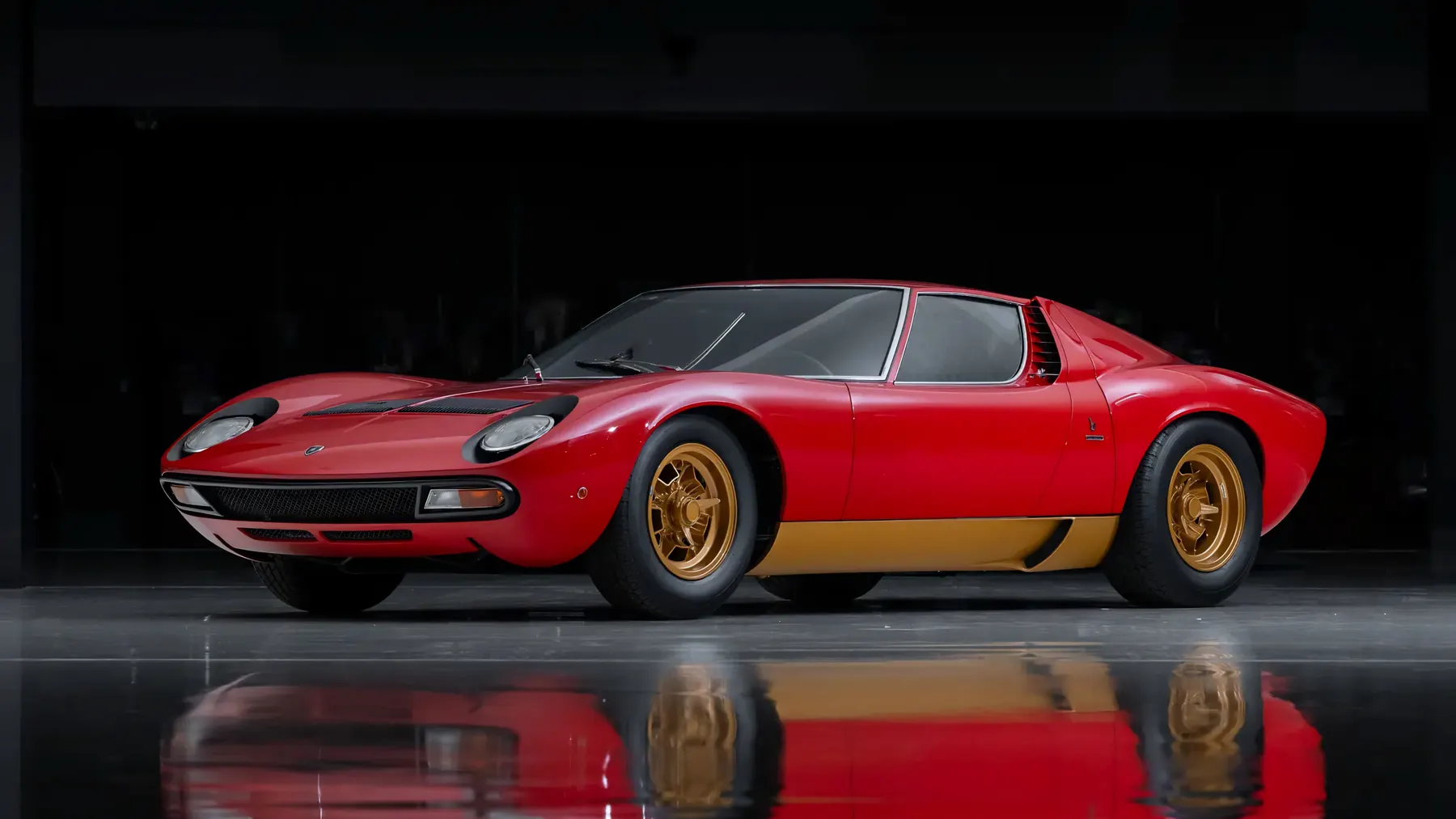
When the Lamborghini Miura first appeared in 1966, it redefined what a high-performance sports car could be. But it was the final evolution of this groundbreaking machine-the P400 SV-that represents the pinnacle of Lamborghini’s early engineering brilliance. Produced between 1971 and 1973, the Miura SV (Spinto Veloce) took everything remarkable about the original design and elevated it to create what many consider the most desirable Lamborghini ever made.
The Miura story begins with rebellion. During 1965, three young Lamborghini engineers-Giampaolo Dallara, Paolo Stanzani, and Bob Wallace-worked nights developing the P400 prototype against the initial wishes of company founder Ferruccio Lamborghini. While Ferruccio preferred grand touring cars, his engineers envisioned something more radical: a road car with racing pedigree that could win on tracks and thrill on streets.
The prototype featured a revolutionary transversely-mounted mid-engine layout-a first for a production road car. This V12 engine was merged with the transmission and differential in one casting due to space constraints in the tightly wrapped design. When the rolling chassis was displayed at the 1965 Turin Salon, it received such enthusiastic response that orders came in before anyone had even seen the body.
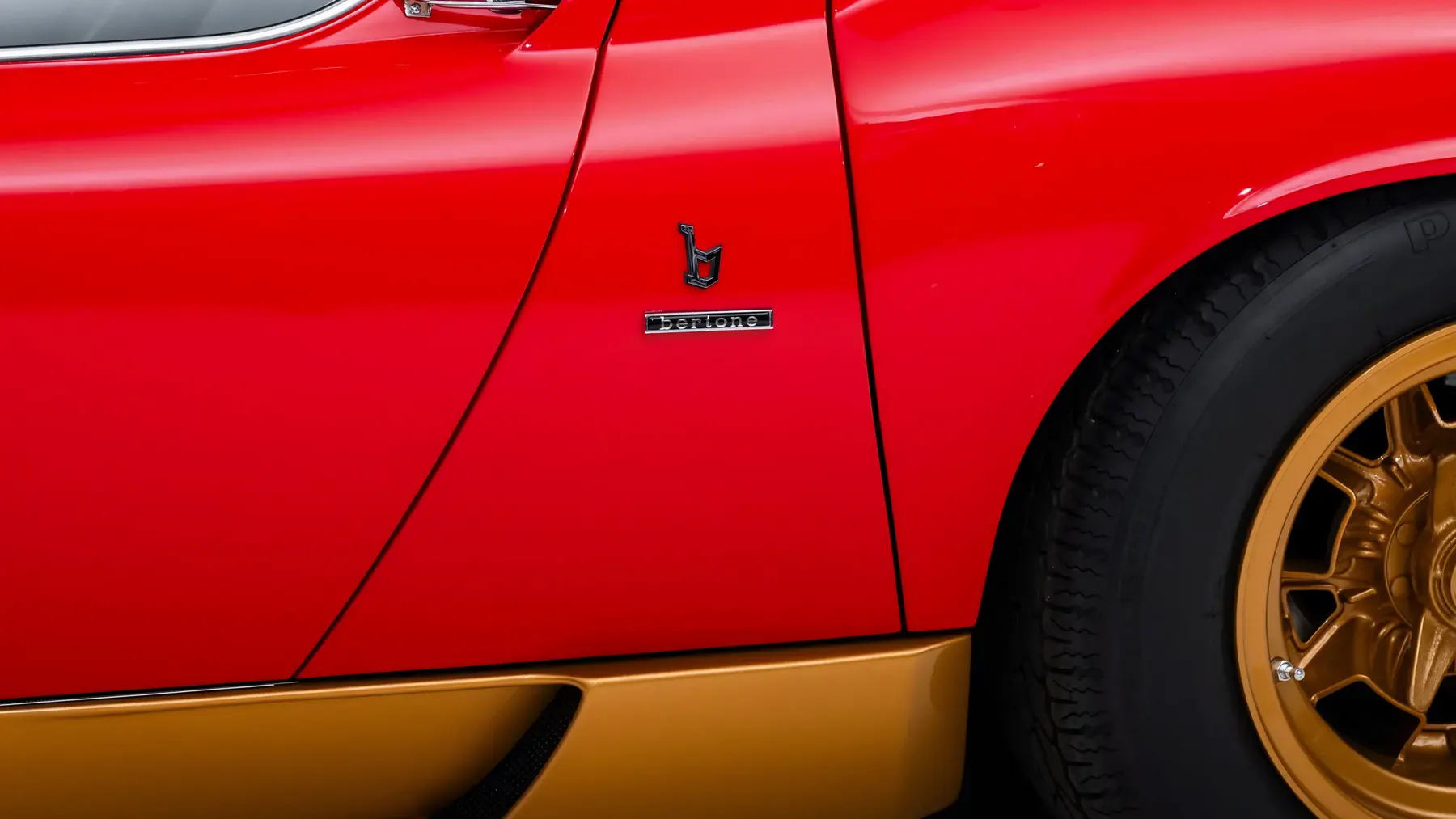
Bertone was tasked with styling the prototype, with 27-year-old Marcello Gandini creating the breathtaking design. The car debuted at the 1966 Geneva Motor Show to sensational reception, immediately establishing itself as an automotive icon.
At the Geneva Motor Show in March 1971, Lamborghini unveiled the third and final iteration of the Miura: the P400 SV. Despite sharing the spotlight with the prototype Countach LP500 (which stole many headlines), the SV represented the ultimate development of the Miura platform.
Limited to just 150 units, the SV featured significant enhancements over its predecessors. The 3.9-liter V12 engine received different cam timing and altered Weber carburetors, boosting output to 385 PS (283 kW) at 7,850 rpm with 400 Nm of torque at 5,750 rpm. The final 96 SVs featured a split sump system, separating the engine and gearbox lubrication to prevent cross-contamination of fluids and allowing for proper oil types in each component.
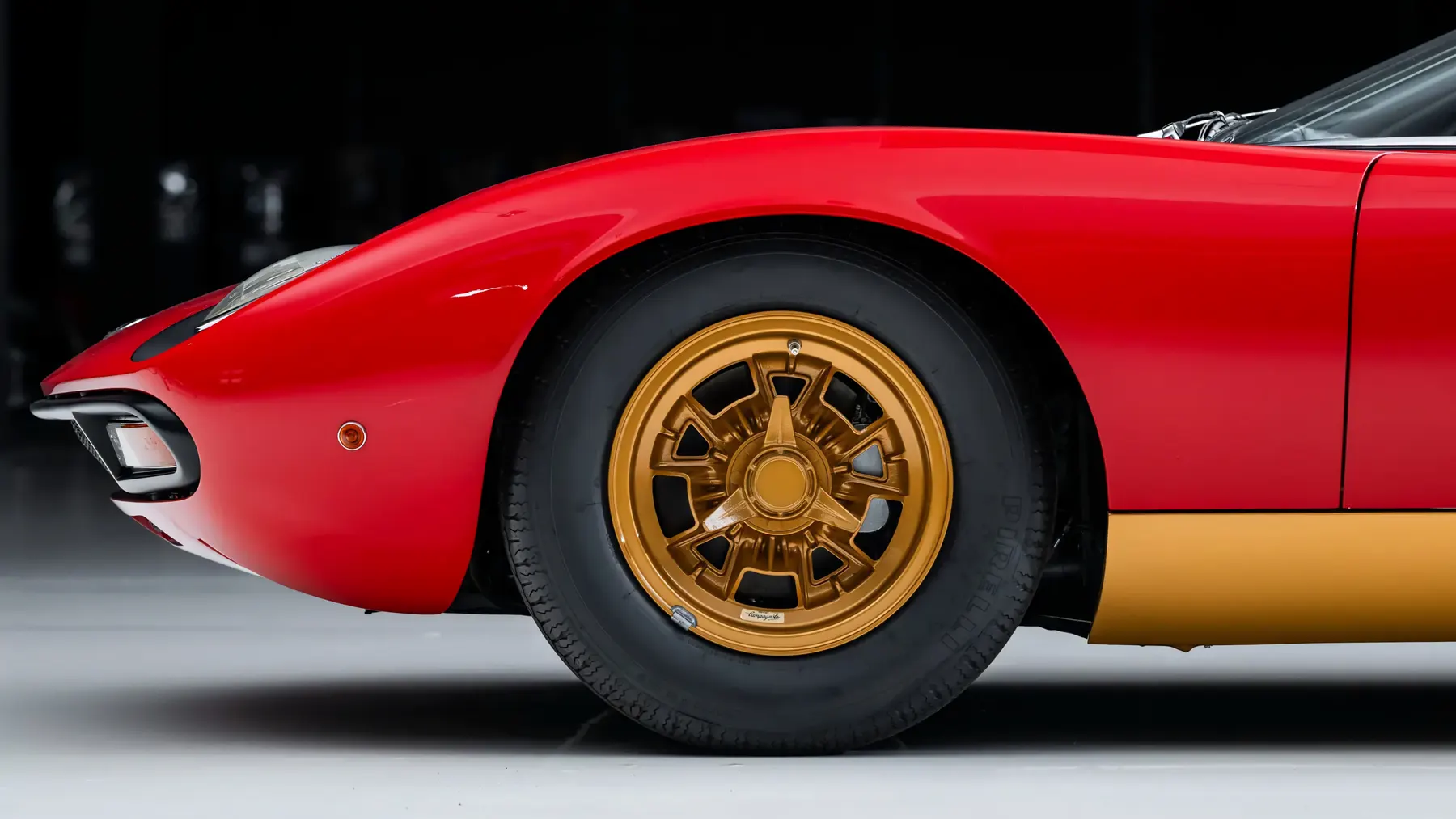
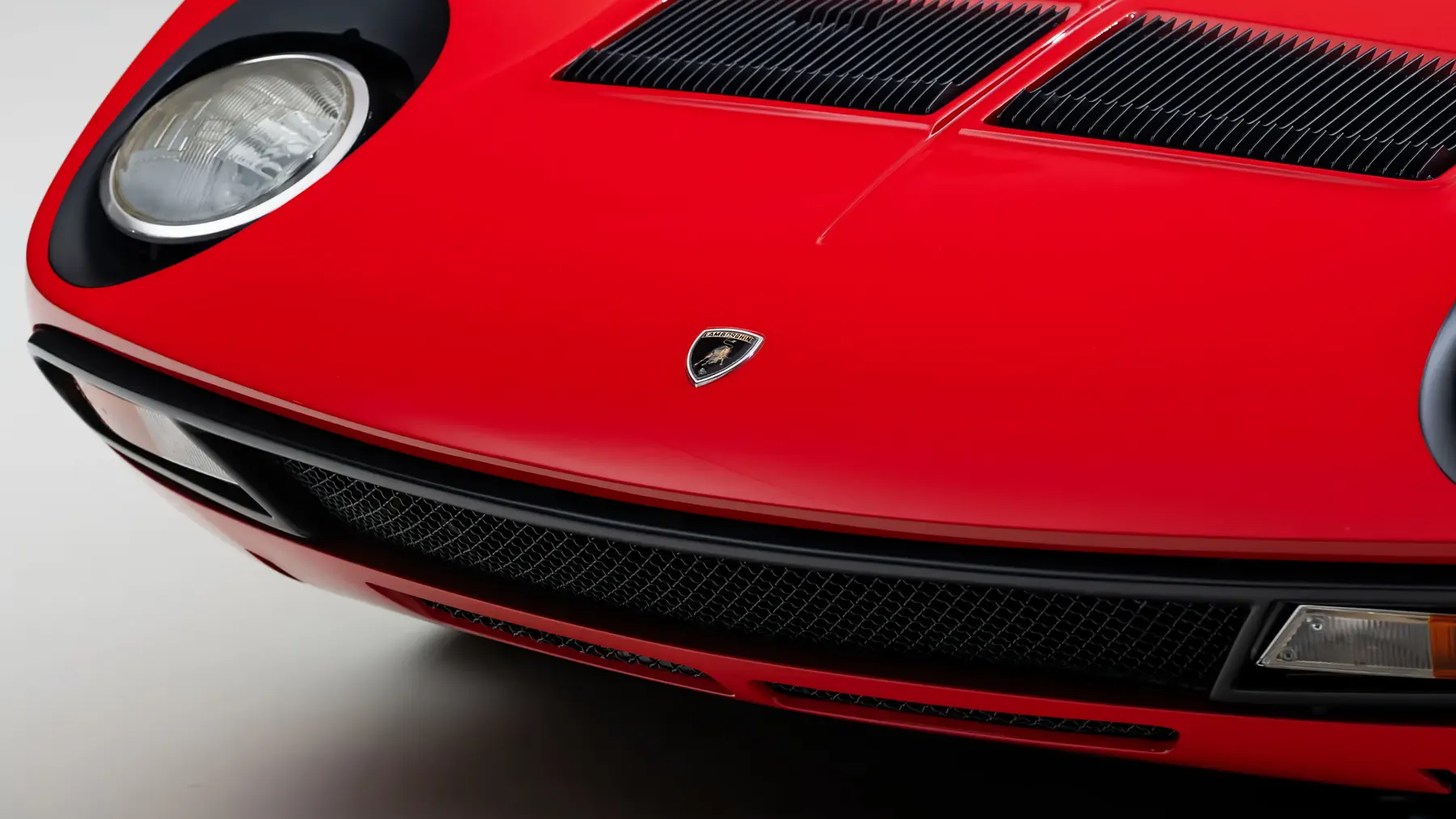
Visually, the SV distinguished itself through several key features. Gone were the distinctive “eyelashes” around the headlamps that characterized earlier Miuras. The rear fenders were widened to accommodate new 9-inch Campagnolo cast magnesium wheels wrapped in wider Pirelli Cinturato tires. These changes weren’t merely aesthetic-they represented serious engineering improvements that enhanced the car’s handling and stability.
The SV’s technical specifications remain impressive even by modern standards. The 3,929 cc V12 was mounted transversely-making the Miura the first and only production car ever to feature this arrangement for a V12 engine. The DOHC setup featured a chain-driven valve train with two valves per cylinder.
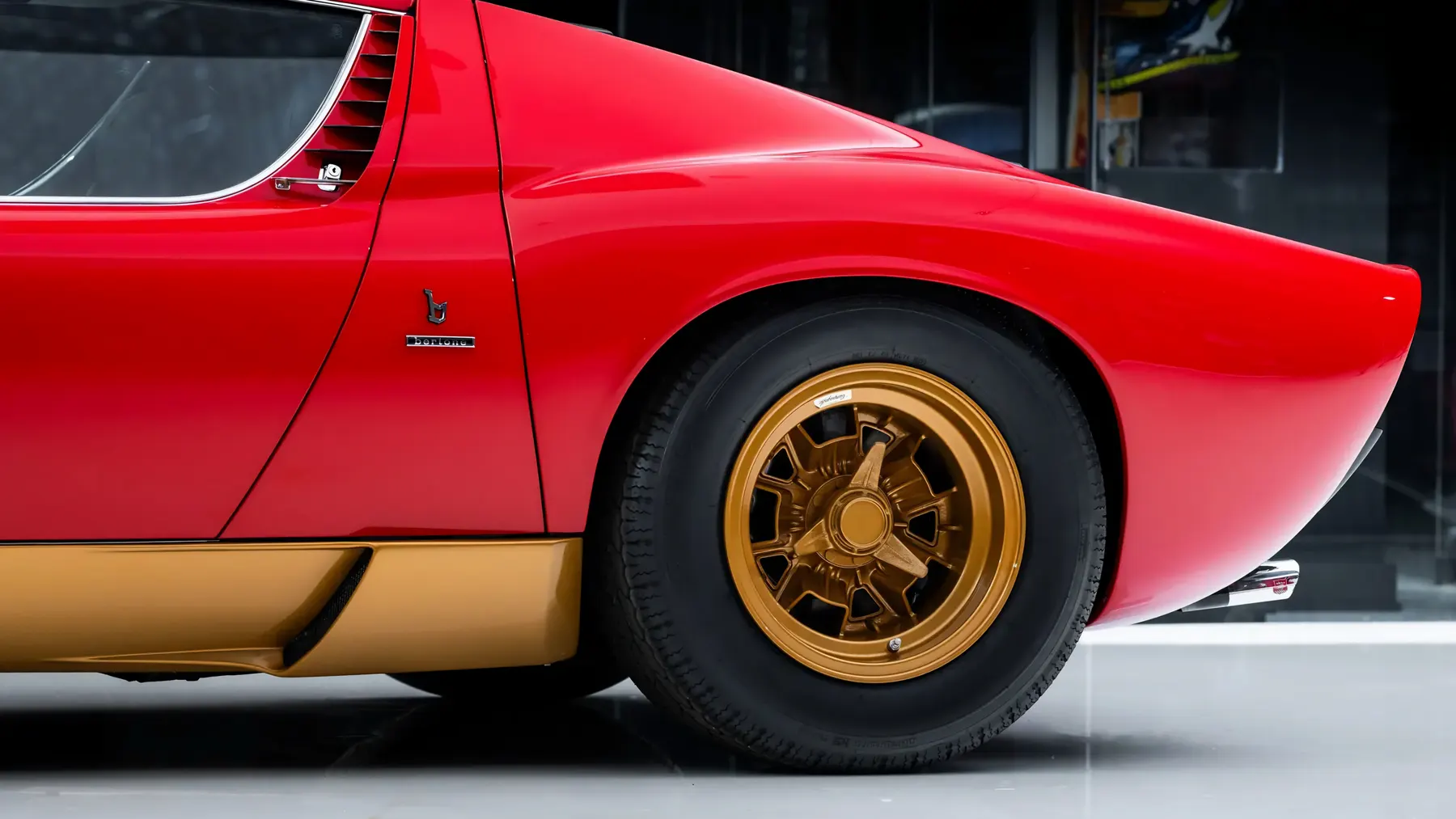
Performance was extraordinary: 0-100 km/h in approximately 6.7 seconds and a top speed approaching 300 km/h. The comprehensive chassis design featured all-independent suspension with double transverse wishbones, coil springs, telescopic shock absorbers, and anti-roll bars. Girling disc brakes provided stopping power, while the unassisted rack and pinion steering delivered precise feedback.
Despite its racing-inspired design, the SV weighed 1,298 kg-remarkably light for a car of its capability and era. The monocoque steel structure with aluminum front and rear sections provided both rigidity and weight savings.
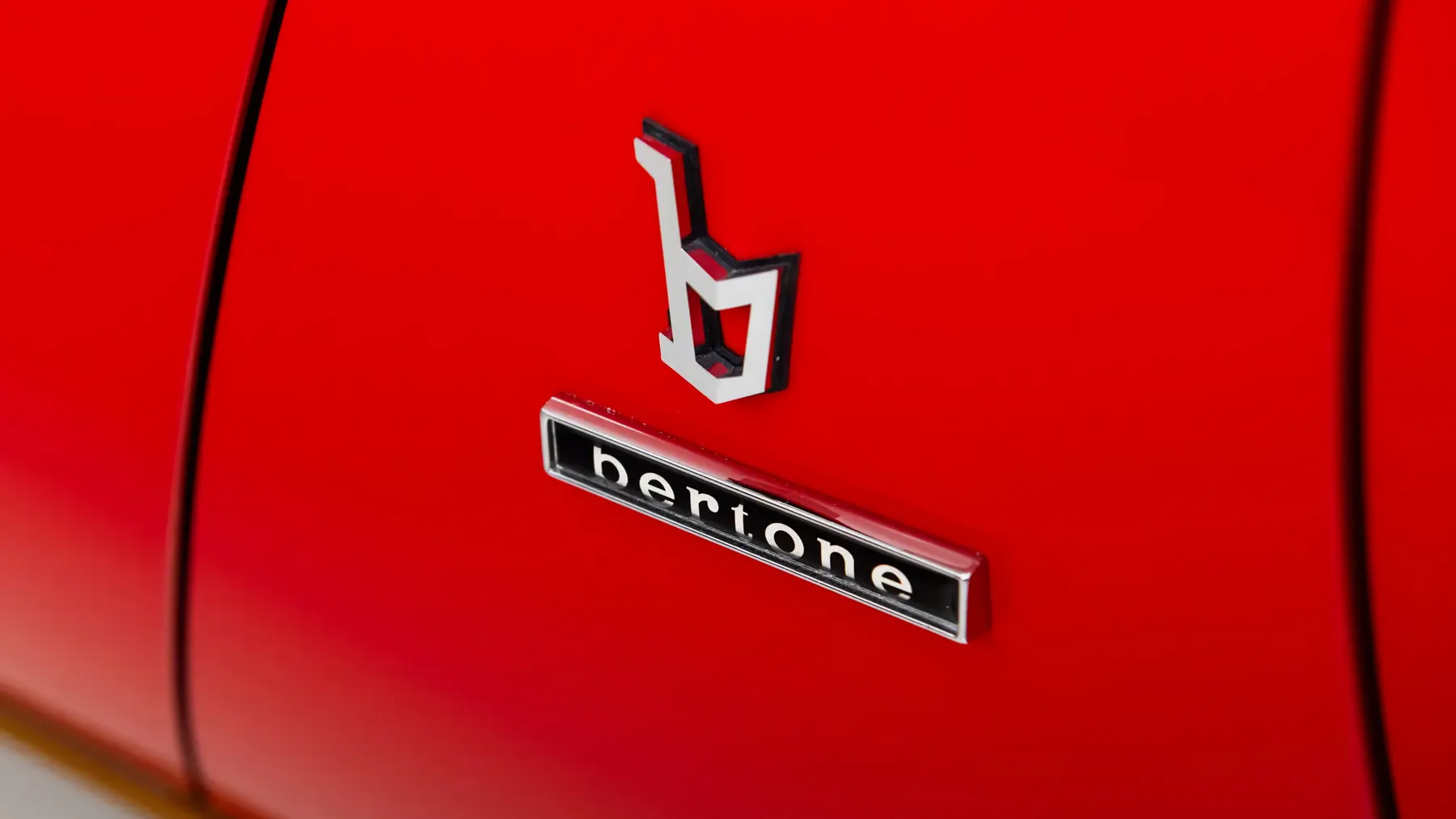
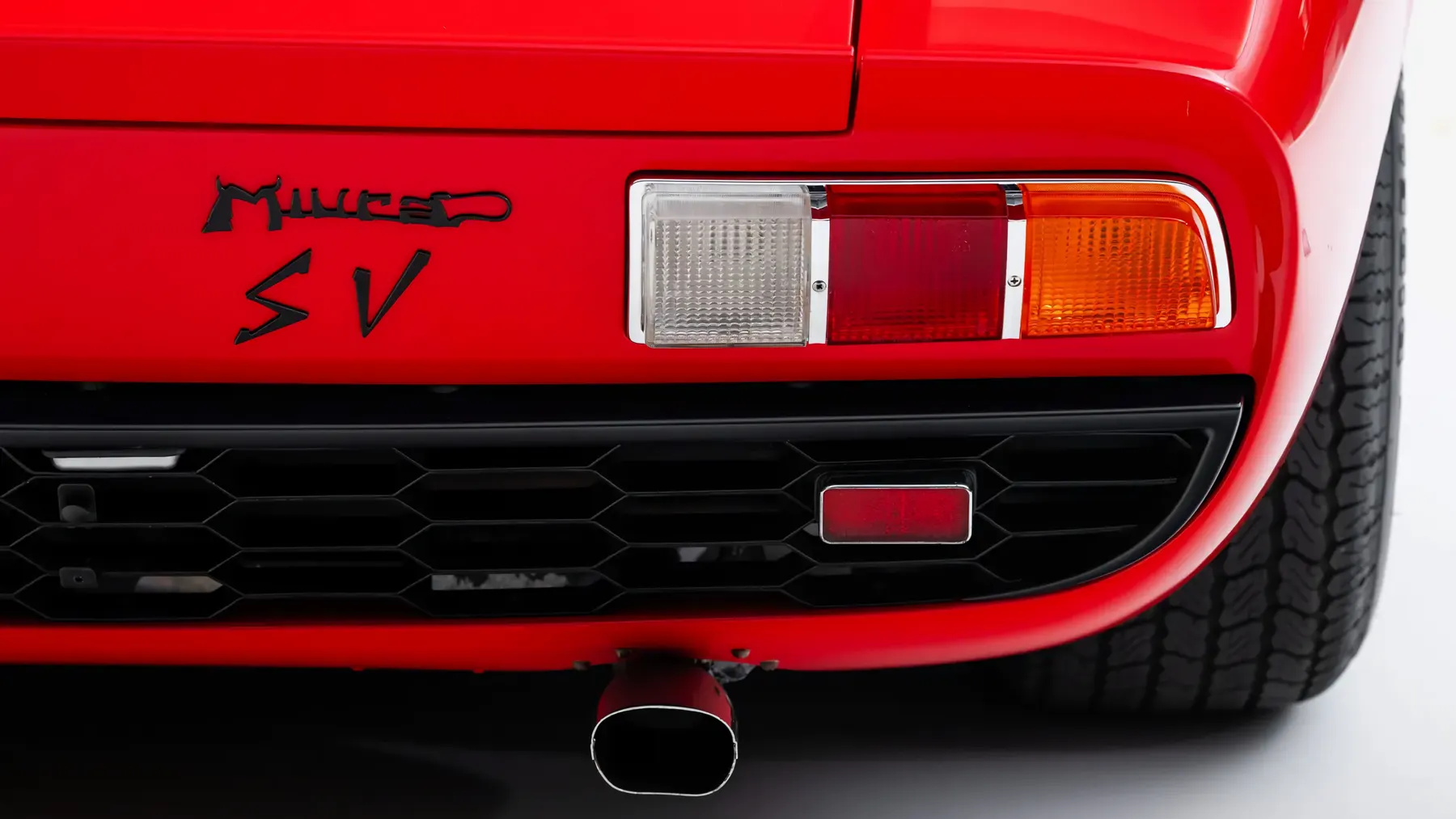
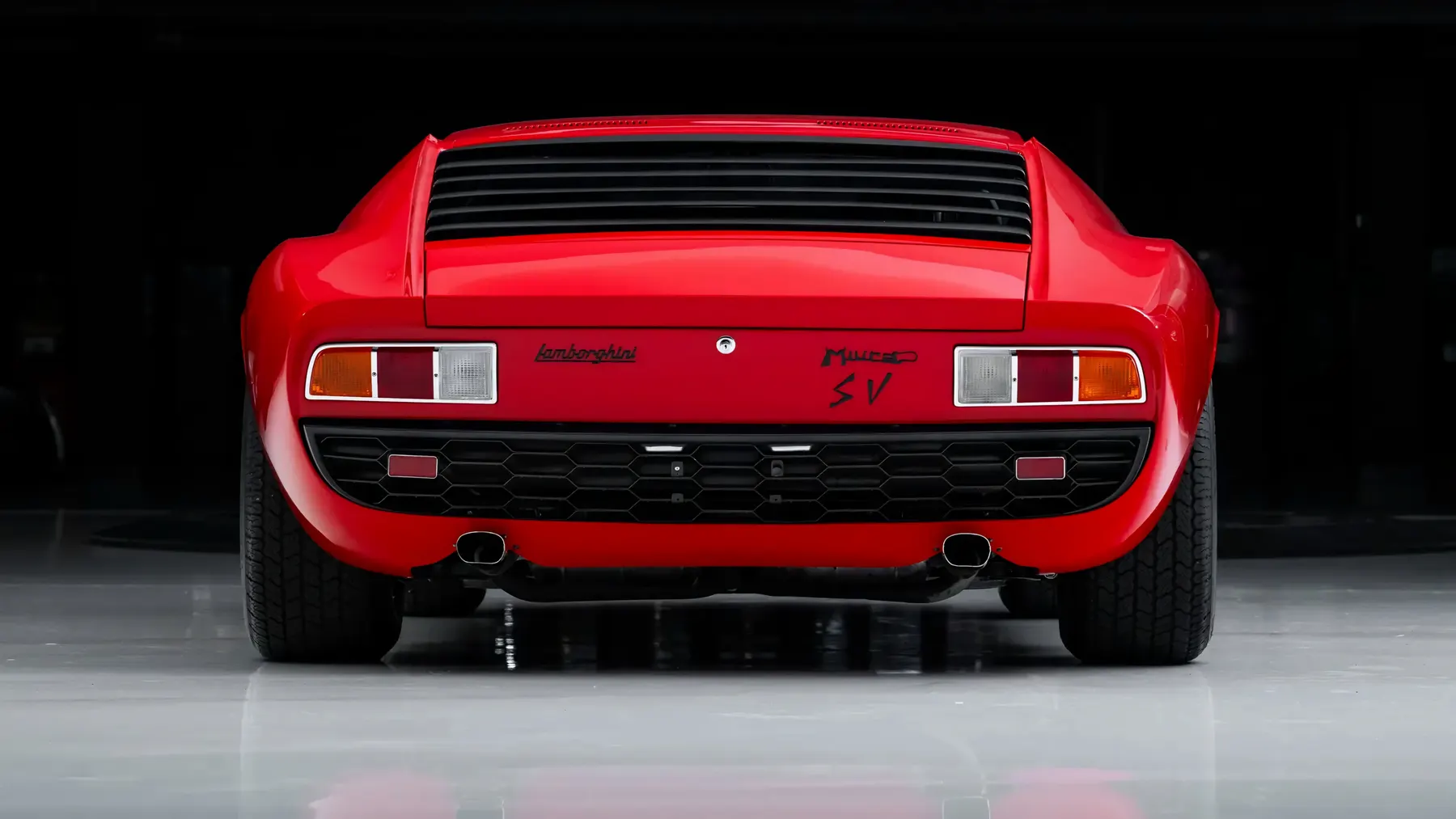
The Miura’s design remains one of automotive history’s greatest achievements. Gandini created a low-slung masterpiece with the maximum height just 110cm from the ground. The soft curve sweeping from the beltline to the roof, the integration of door handles in the B-pillar vents, and the rear window slats that dissipated engine heat were all groundbreaking design elements.
Inside, the leather-clad cabin featured a gated shifter, roof-mounted switchgear, and prominent dials. Though cramped and ergonomically challenging, the seating position was dramatically reclined, creating a driving experience more akin to piloting an aircraft than driving a conventional car.
The Miura SV remains the most collectible standard Miura variant, with current values between $1.25-2.47 million. Its limited production run, technical innovations, and stunning design have secured its place as one of the most significant sports cars ever created.
When production ended in 1973, the Miura had achieved something remarkable-it had established the mid-engine layout as the definitive configuration for high-performance supercars, a template that continues to this day. More importantly, it had transformed Lamborghini from a promising startup into a legitimate Ferrari competitor with a distinctive identity built around dramatic, innovative designs.
The Miura P400 SV represents a perfect moment in automotive history when engineering brilliance and artistic design converged to create something truly revolutionary. For enthusiasts and collectors, it remains the ultimate expression of Lamborghini’s early vision-and perhaps the purest embodiment of what a supercar should be.
Join the discussion
Comments
Loading comments…
Leave a comment
Share a detail, memory, or perspective. Every comment is reviewed before publication.