1972 McLaren M21


In the early 1970s, McLaren was a name already synonymous with racing innovation, though most enthusiasts associate their legacy with Formula 1 dominance or their thunderous Can-Am cars. But tucked within this era of motorsport experimentation lies a lesser-known chapter: the McLaren M21, a Formula 2 machine that encapsulated the team’s ambition to conquer every racing category they touched. Designed to compete in the cutthroat European Formula 2 Championship of 1972, the M21 wasn’t just another race car,it was a statement of versatility from a team refusing to be pigeonholed. While its competitive record may not glitter with titles, the M21’s story reveals much about McLaren’s engineering philosophy and the challenges of building a winner across multiple disciplines simultaneously.
By 1972, Formula 2 had solidified its role as the premier training ground for Formula 1. The series attracted rising stars, seasoned veterans, and manufacturer-backed teams, all vying for supremacy in races across Europe. For McLaren, already juggling Formula 1, Can-Am, and Indianapolis programs, entering Formula 2 wasn’t just about prestige,it was a strategic move to develop talent and technology. The task of designing their Formula 2 challenger fell to Ralph Bellamy, an Australian engineer whose work would later shape iconic McLaren Can-Am cars. Bellamy’s mandate was clear: create a car that could leverage the team’s existing expertise while adhering to Formula 2’s strict regulations.
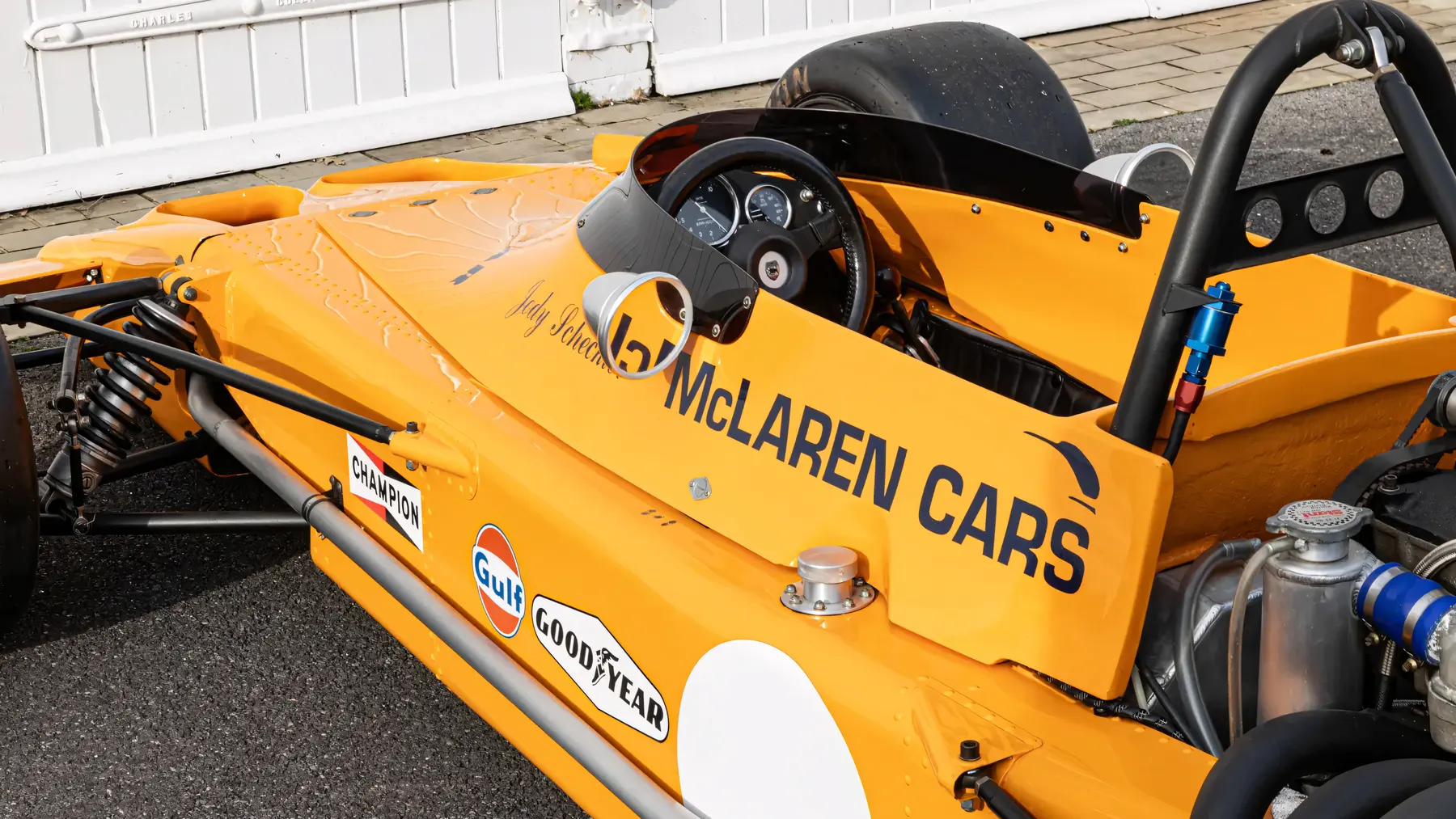
The result was the M21, a car that looked like it had been chiseled from a block of aluminum. Compared to its predecessor, the M21 sported a lower, flatter profile with sharper lines,a design choice that mirrored emerging aerodynamic theories of the early 1970s. While ground effects wouldn’t dominate racing until later in the decade, the M21’s squat stance and aggressive angles hinted at McLaren’s forward-thinking approach. The monocoque chassis, a lightweight aluminum structure common in racing, housed a Ford-Cosworth engine mid-mounted for optimal weight distribution. Outboard suspension at both ends,a departure from the inboard setups seen in some rivals,simplified maintenance, a nod to the privateer teams McLaren hoped would purchase the car.
Powering the M21 was a range of Ford-Cosworth inline-four engines, a hallmark of Formula 2 at the time. Teams could choose between the 1.6-liter BDA, tuned for reliability, or the larger 1.9-liter BDF, which boasted a brawnier 271 horsepower. This flexibility allowed McLaren to cater to different budgets and track demands. Paired with a Hewland LG400 five-speed manual transmission,a stalwart of junior formulae,the powertrain was straightforward but effective.
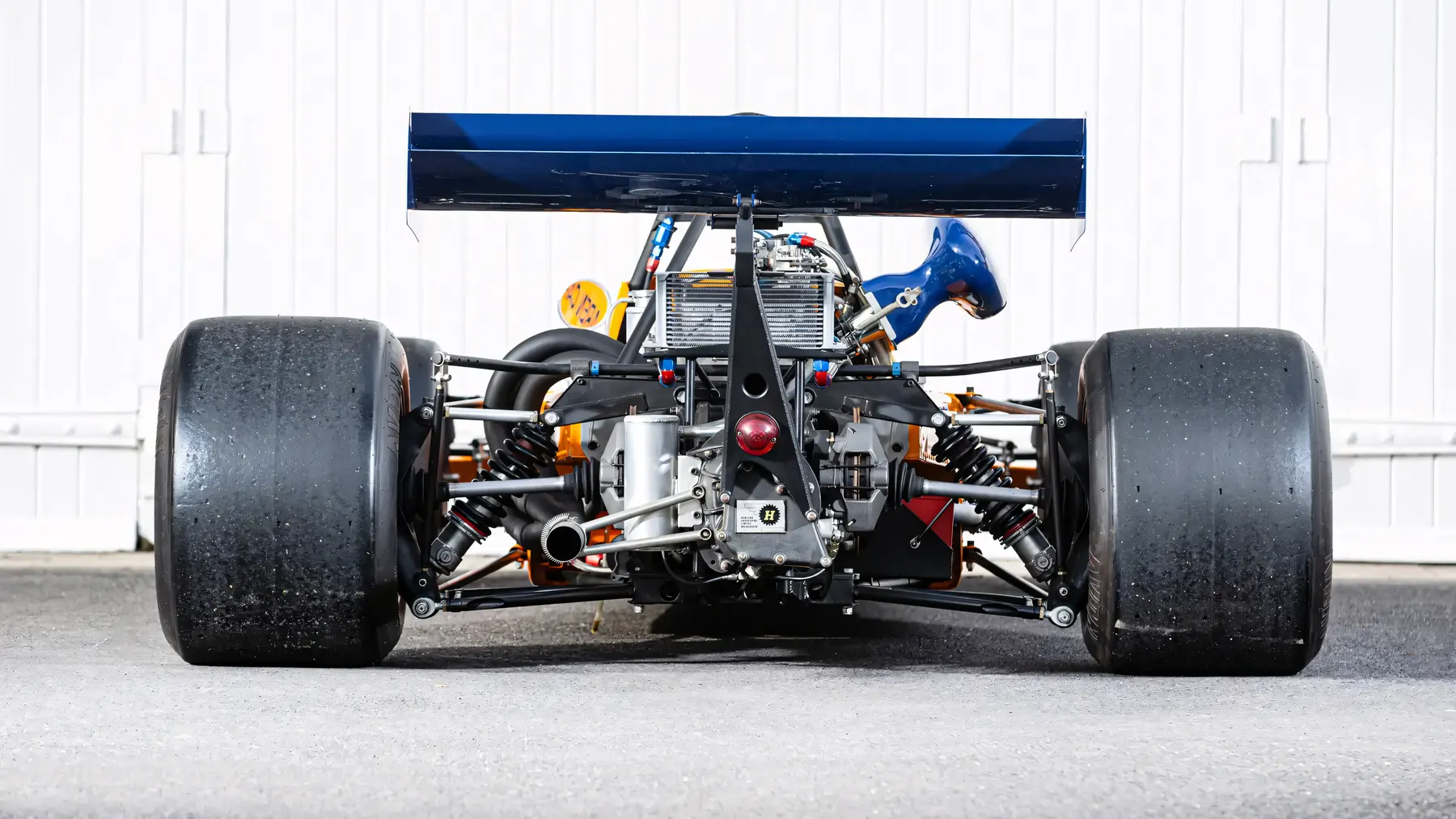
The car’s 465 kg weight, achieved through meticulous use of aluminum and a sparse interior, gave it a power-to-weight ratio competitive with rivals like March and Brabham. Suspension consisted of double wishbones front and rear, with coil springs and anti-roll bars ensuring predictable handling. But the M21’s simplicity masked subtle innovations. Bellamy positioned the monocoque lower than in previous McLaren designs, improving center of gravity and driver visibility,a crucial factor on the tight street circuits common in Formula 2.
McLaren’s Formula 2 campaign hinged on Jody Scheckter, a fiery South African rookie whose raw talent had caught the team’s eye. The M21 debuted at the 1972 European Championship season opener, but initial promise soon collided with harsh realities. At the Crystal Palace circuit,a twisting parkland track in London,Scheckter wrestled the M21 to victory, showcasing the car’s potential on technical courses where mechanical grip trumped outright power. The win was a bright spot, but reliability issues plagued the season. Engine failures, often linked to the high-strung Cosworth units, left Scheckter stranded in multiple races. Handling quirks, particularly under heavy braking, made the car a handful on bumpy circuits like Hockenheim.
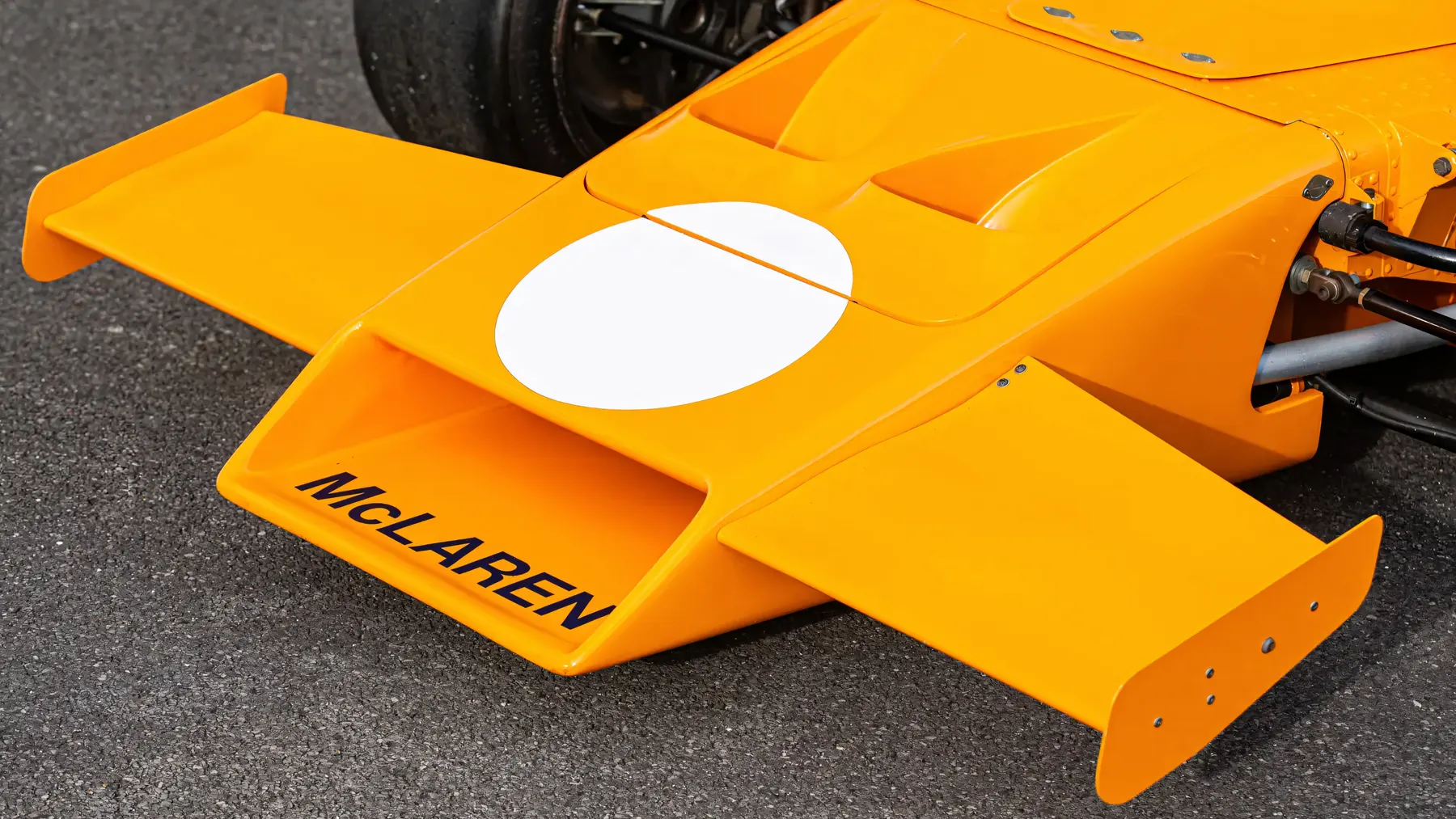
By season’s end, Scheckter had scraped together 15 points, finishing eighth in the championship,a respectable result for a debutant driver and a new chassis, but far from McLaren’s expectations. Privately, the team acknowledged the M21’s shortcomings. The suspension, while robust, lacked the finesse of Brabham’s designs, and the car’s aerodynamics struggled to compensate for its modest power output.
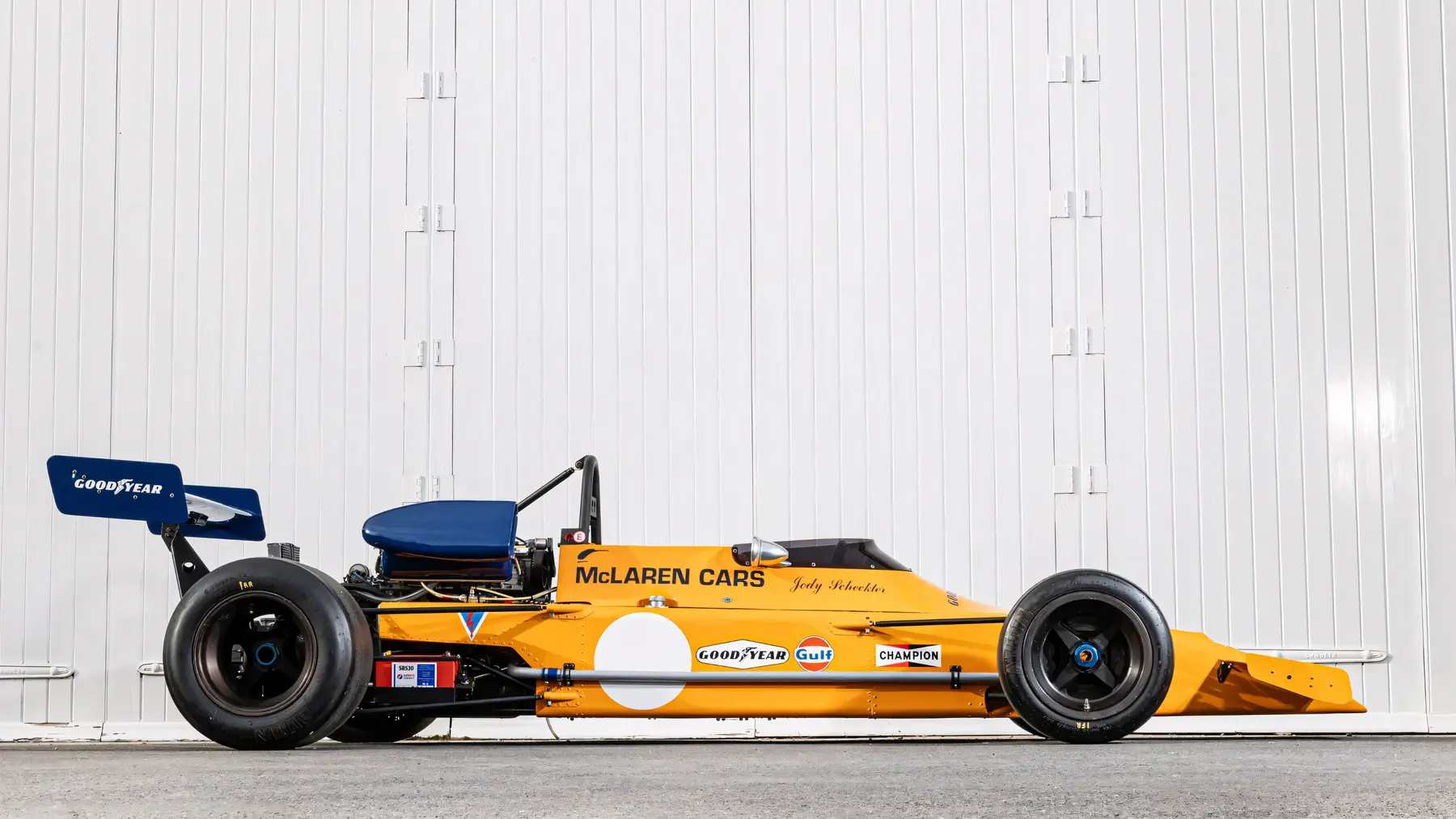
The M21’s competitive tenure was brief. By 1973, McLaren had shifted focus to their dominant Can-Am and Formula 1 efforts, leaving the Formula 2 program to languish. Only three M21s were ever built, their rarity amplified by McLaren’s withdrawal from the category. Today, surviving chassis are museum pieces and historic racers, cherished more for their lineage than their trophy haul.
Yet the M21’s influence rippled through McLaren’s later projects. Bellamy’s experiments with aerodynamics and weight distribution informed the design of the M8F Can-Am car, which dominated North American circuits. Jody Scheckter, tempered by his Formula 2 battles, graduated to Formula 1 with McLaren in 1973, eventually winning the 1979 World Championship with Ferrari. Even the car’s Papaya Orange livery, now iconic, became a symbol of McLaren’s cross-category ambition,a visual thread linking their Formula 1, Can-Am, and Formula 2 endeavors.
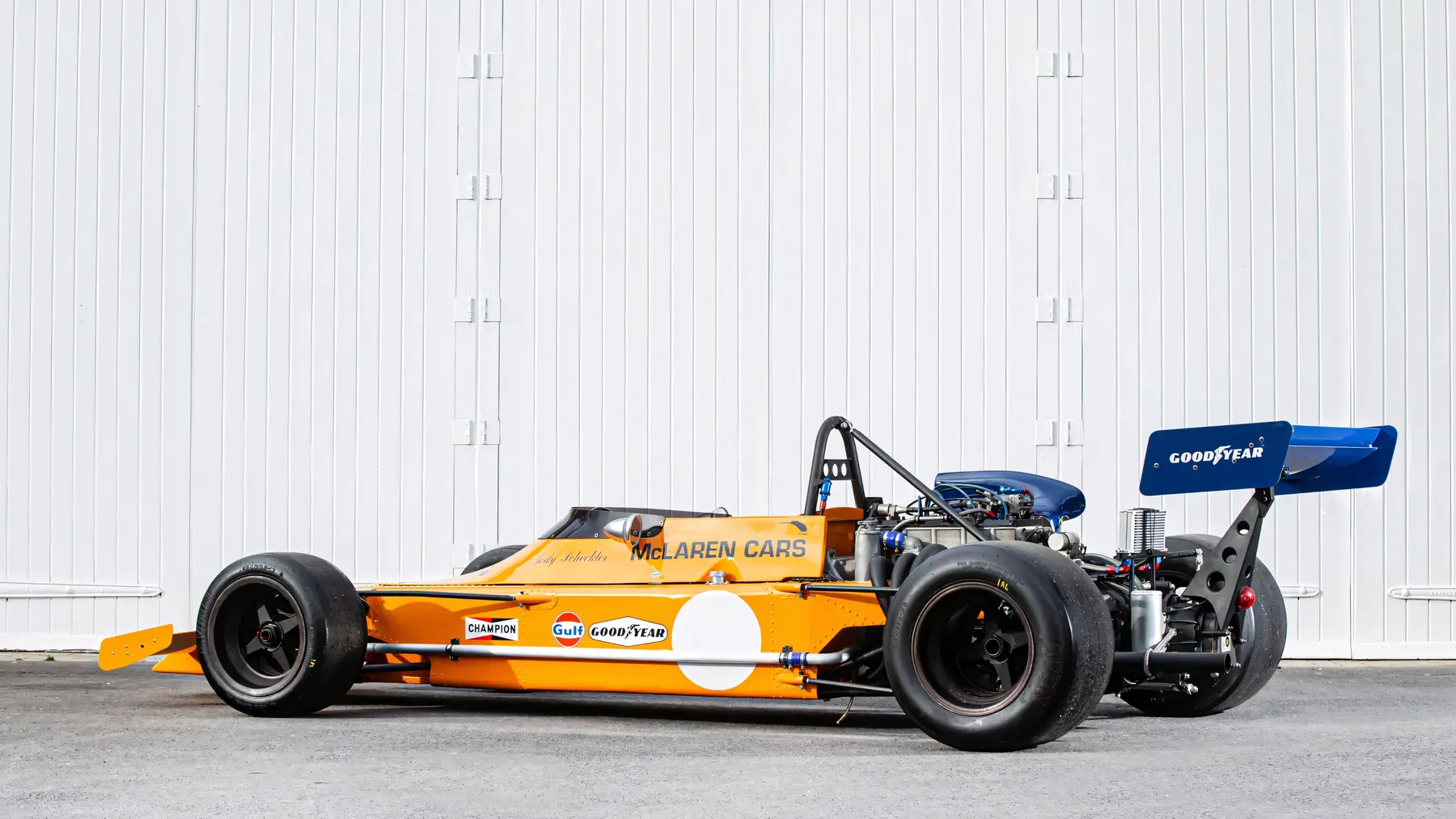
The McLaren M21 isn’t a story of triumph. It’s a story of ambition stretched thin, of a team learning the perils of overreach. In 1972, McLaren was a small operation compared to today’s corporate juggernaut. Diverting resources to Formula 2 strained their engineering bandwidth, a lesson that would later inform their laser-focused approach to Formula 1.
But the M21 also embodies McLaren’s ethos: a relentless drive to compete, innovate, and iterate. Its aluminum monocoque, honed in Formula 2, became a foundation for future designs. Its struggles with reliability underscored the importance of robustness in engineering,a principle McLaren carried into their ground-effect era. And for Jody Scheckter, the M21 was a brutal tutor, teaching him the fine margins between brilliance and breakdown.
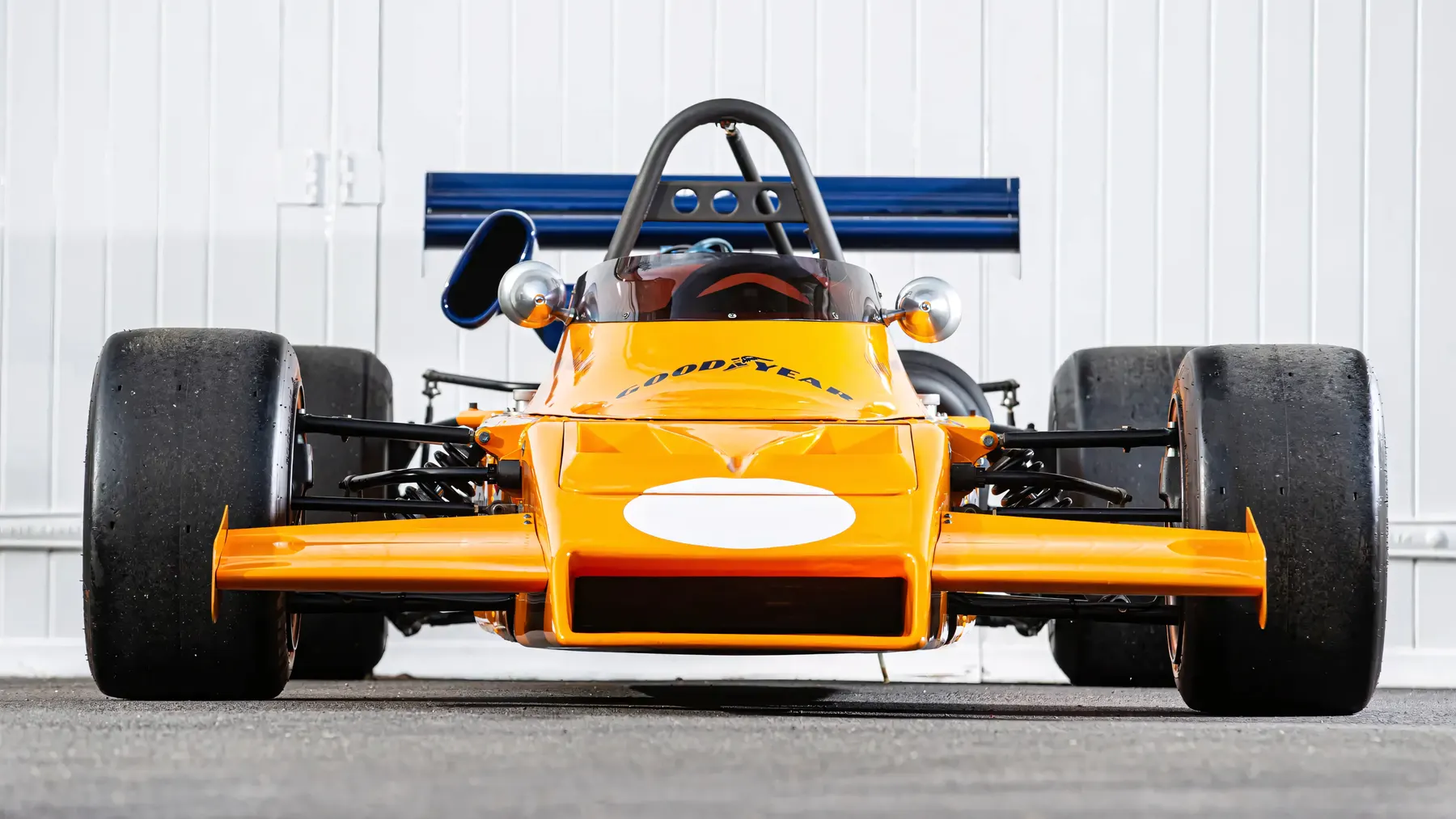
Today, as historic racing enthusiasts revive the M21 at events like Goodwood and Monaco Historic Grand Prix, the car’s yowling Cosworth engine and dayglow livery remind us of an era when racing was as much about audacity as it was about aerodynamics. In a world obsessed with victory, the M21 stands as a testament to the value of daring,even when it doesn’t quite pay off.
The McLaren M21 may never headline a list of the team’s greatest hits, but its role in their evolution is undeniable. It’s a reminder that in racing, as in life, not every gamble yields glory,but every gamble teaches something worth knowing.
Join the discussion
Comments
Loading comments…
Leave a comment
Share a detail, memory, or perspective. Every comment is reviewed before publication.