1972 Porsche 911 T Coupe

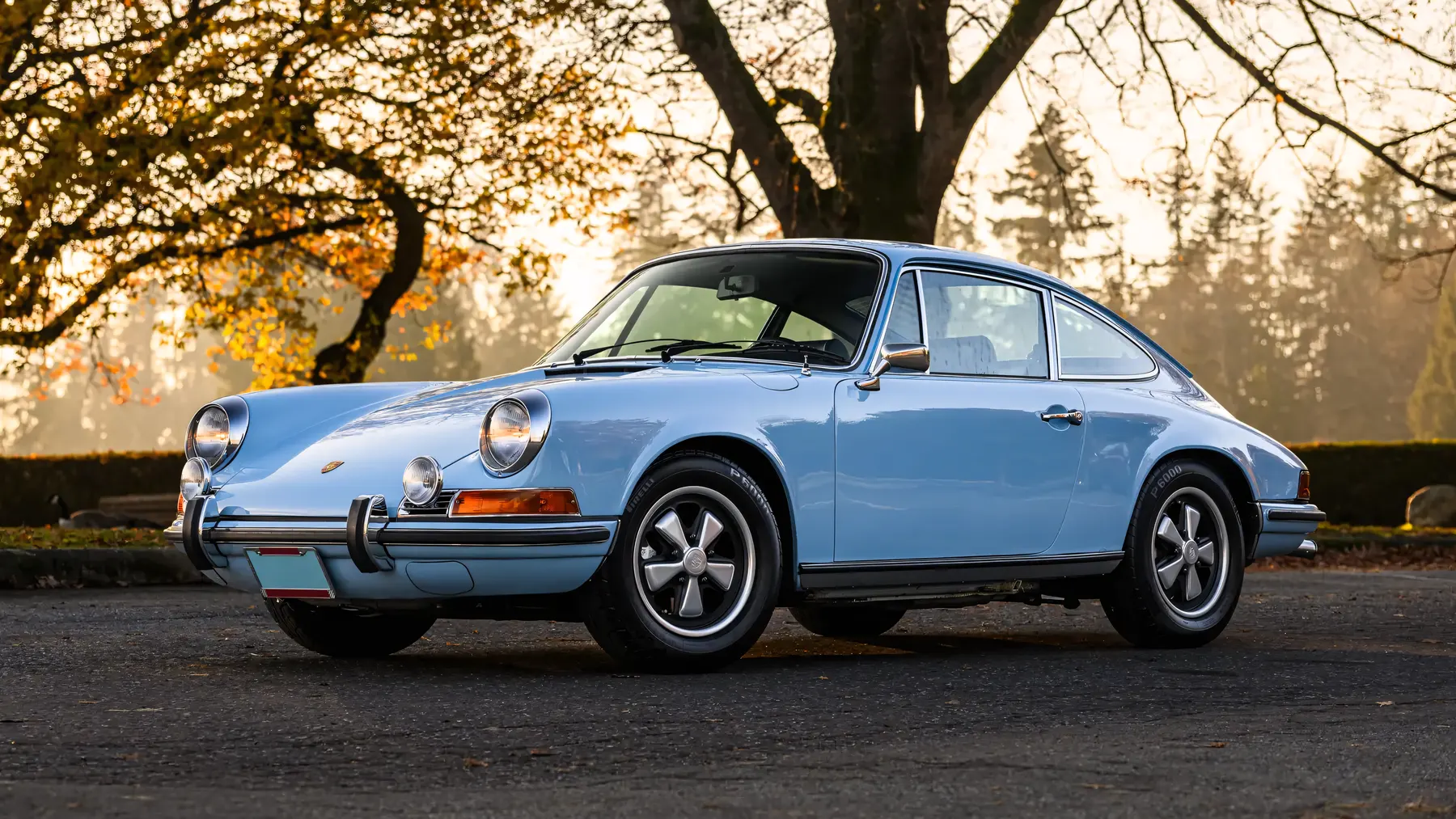
Few cars carry the legacy, prestige, and racing heritage of the Porsche 911. Since its debut in 1964, the Porsche 911 has become a cornerstone in the world of high-performance sports cars, with the 911 T Coupe being a notable variant in this storied lineup. Blending simplicity with performance, the 911 T is a perfect example of Porsche’s “less is more” philosophy. It is a car that captures the essence of driving pleasure and the purity of the 911 experience.
The Porsche 911 has remained one of the most iconic sports cars in the world due to its unique layout and unwavering commitment to rear-engine design. Over the years, Porsche has continuously refined the 911’s chassis, aerodynamics, and powertrain, but the core formula has remained untouched: a rear-mounted flat-six engine, lightweight construction, and dynamic handling.
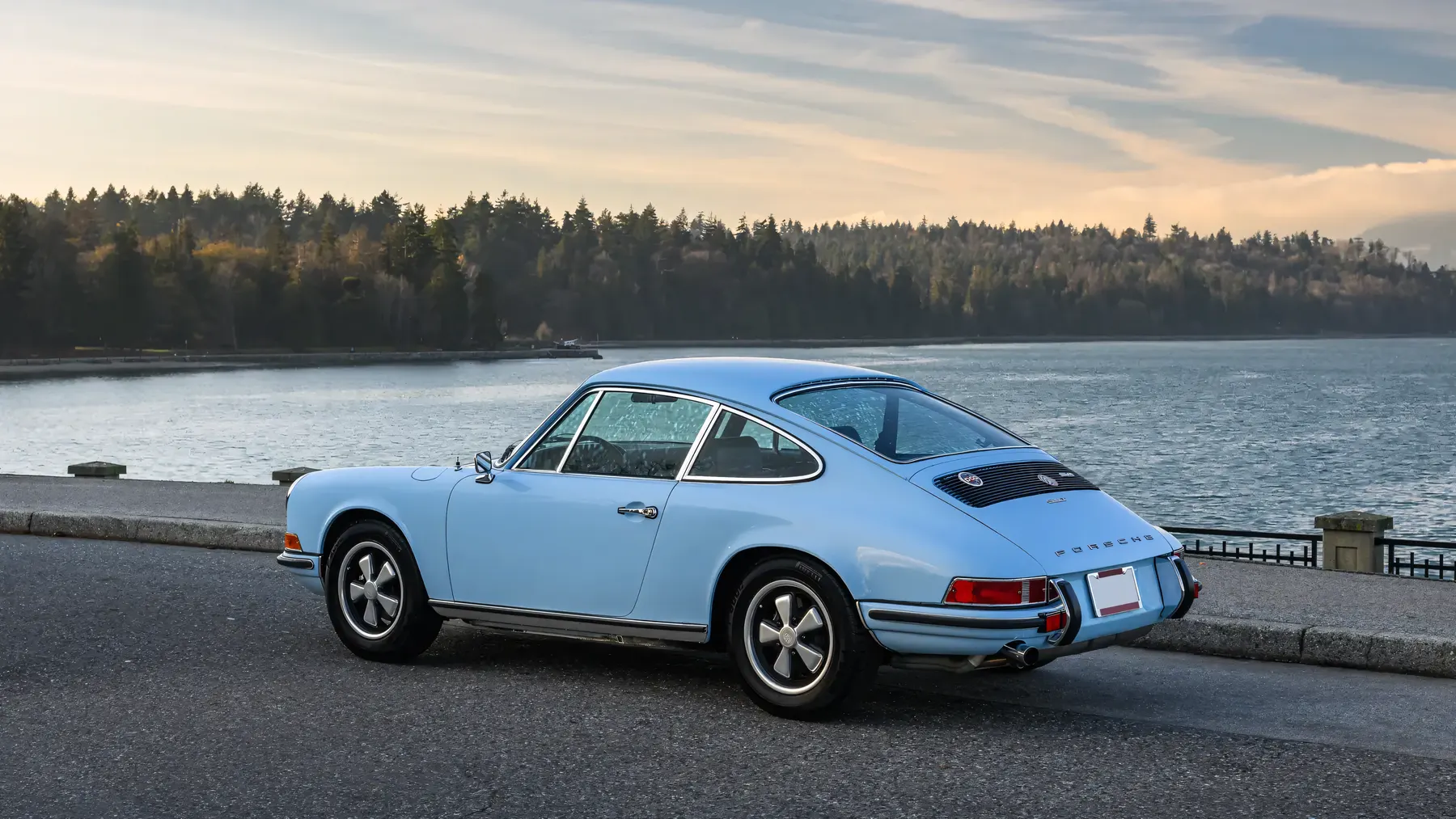
First introduced in 1964, the 911 quickly became known for its race-bred engineering and distinctive design, both of which still influence the 911s of today. The early models were equipped with air-cooled engines, a signature feature of the 911 that would continue until 1998. The torsion bar suspension, although eventually replaced by more modern systems, was a key factor in the car’s impressive handling and stability.
The Porsche 911 T Coupe, part of the 2.4L lineup introduced in 1971, perfectly encapsulates Porsche’s commitment to constant evolution while staying true to the roots of the 911. It represents an era where Porsche fine-tuned the platform to handle the growing demands of performance while retaining the analog driving feel that enthusiasts cherish.
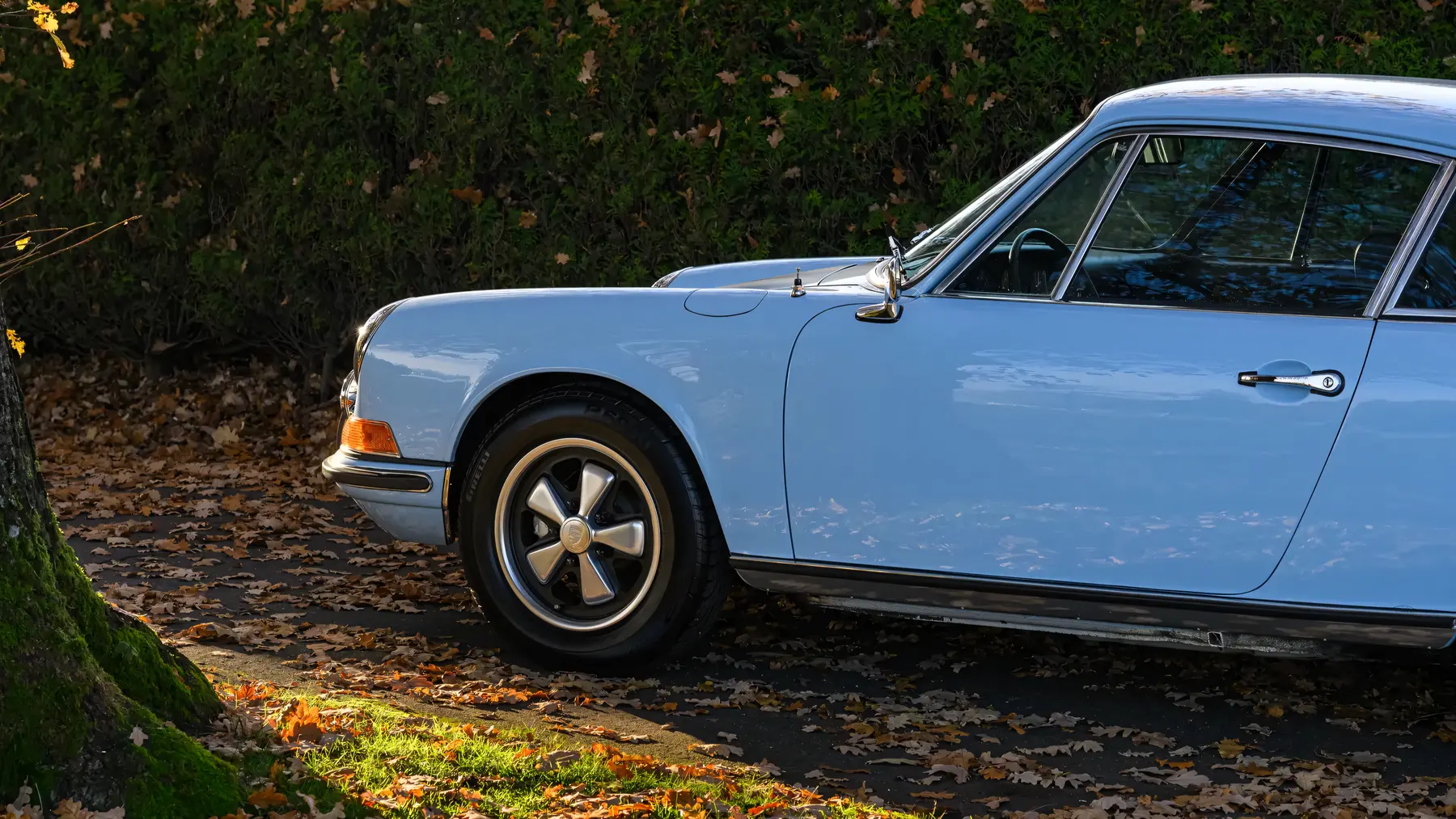
One of the standout features of the Porsche 911 T Coupe is its 2.4-liter engine. Though technically a 2.3-liter displacement, Porsche chose to badge it as a “2.4L” to underscore the progression from the earlier 2.2-liter models. This flat-six engine delivers 130 horsepower (140 hp in the U.S. version) and offers a delightful, free-revving character that is unmistakably Porsche.
Although the 911 T was positioned as the entry-level model, its lightweight construction (weighing in at just over 2,300 pounds) meant that it still had plenty of performance potential. Acceleration is brisk, with the flat-six engine providing a distinct mechanical soundtrack, a hallmark of classic air-cooled Porsches. Combined with the newly introduced 915 transmission, which replaced the dog-leg gearbox with a more conventional H-pattern, the driving experience was improved for both track and city driving.
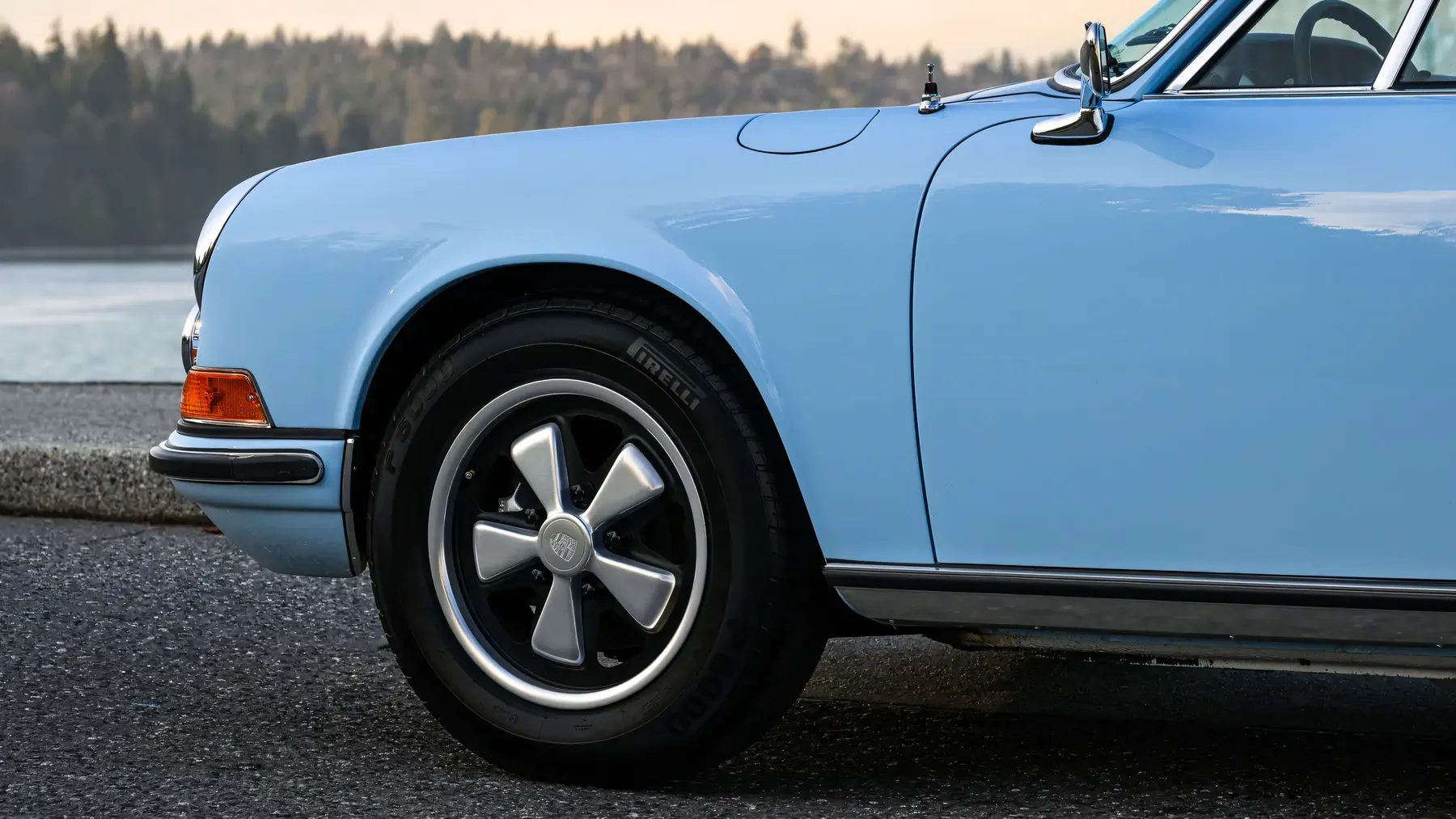
The 911 T Coupe isn’t just about power,it’s about balance. The rear-engine layout, while prone to oversteer in less experienced hands, rewards skilled drivers with exceptional cornering agility and rear-end stability. By 1972, Porsche made significant improvements to the handling by relocating the oil tank to improve weight distribution, addressing one of the car’s most notable quirks.
The steering is light but communicative, offering feedback that modern power-assisted systems can’t replicate. Driving the 911 T is an experience that requires engagement; there are no electronic aids, just raw mechanical interaction between the driver and the car. Every input,whether it’s steering, braking, or shifting gears,feels precise and tactile, making it a thrilling car to drive on winding roads or the race track.
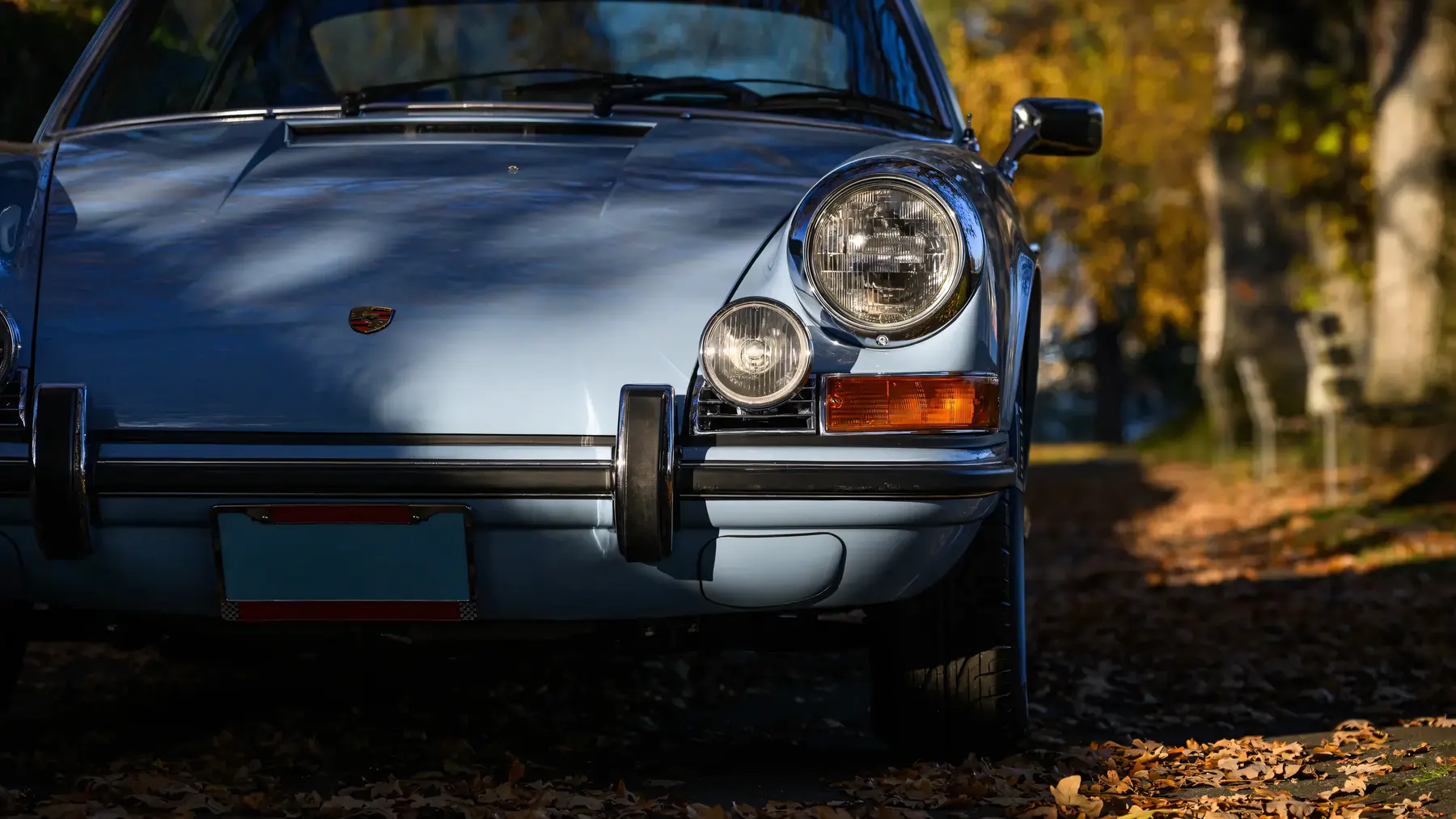
For purists, the 911 T represents a throwback to the days when driving was more about feel than technology. This connection between car and driver is what has made the Porsche 911 a beloved platform for nearly six decades, and the 911 T Coupe is no exception.
While the 911 T may not have been the top-tier model in the lineup, Porsche’s racing heritage is deeply embedded in every 911. From its inception, the 911 platform was designed to excel in motorsport, with private teams and the Porsche factory racing variants achieving legendary status in competitions like the 24 Hours of Le Mans and the Targa Florio.
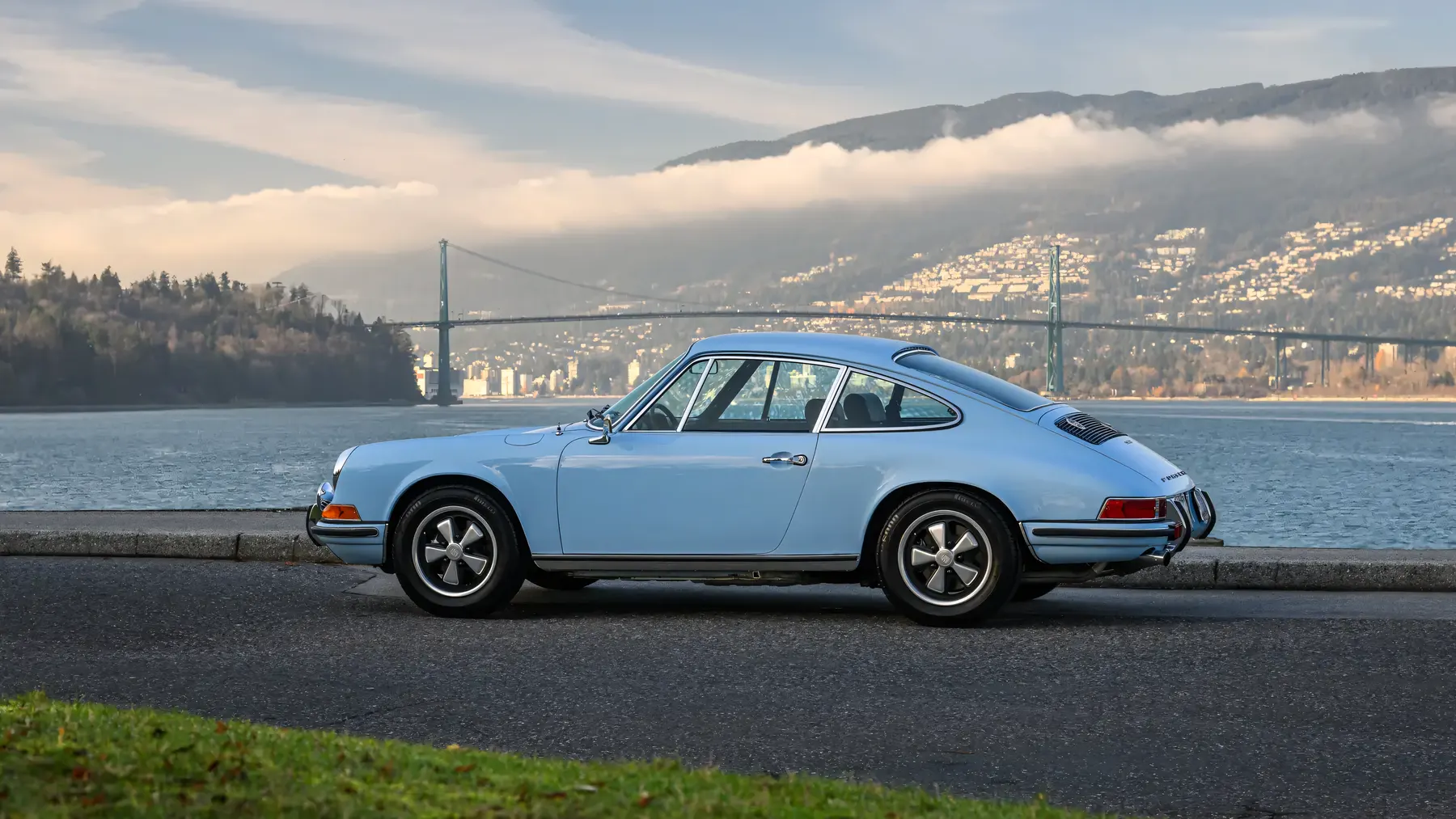
In the 1970s, Porsche continued to push the boundaries with the 911-derived Carrera RS and 935 turbo, both of which dominated the racing world. Although the 911 T Coupe was not specifically a race car, its DNA shared much with its more competitive siblings. With the right modifications, many privateers took the 911 T to the track, benefiting from its lightweight design and balanced chassis.
The Porsche 911 T Coupe is a reminder of the simple, raw appeal that has defined the 911 for decades. It is a car that embraces the essentials of driving,lightweight construction, a lively engine, and razor-sharp handling,without unnecessary complexity. While it may not have been the most powerful or luxurious model, the 911 T Coupe is a classic that captures the heart and soul of Porsche’s engineering philosophy.
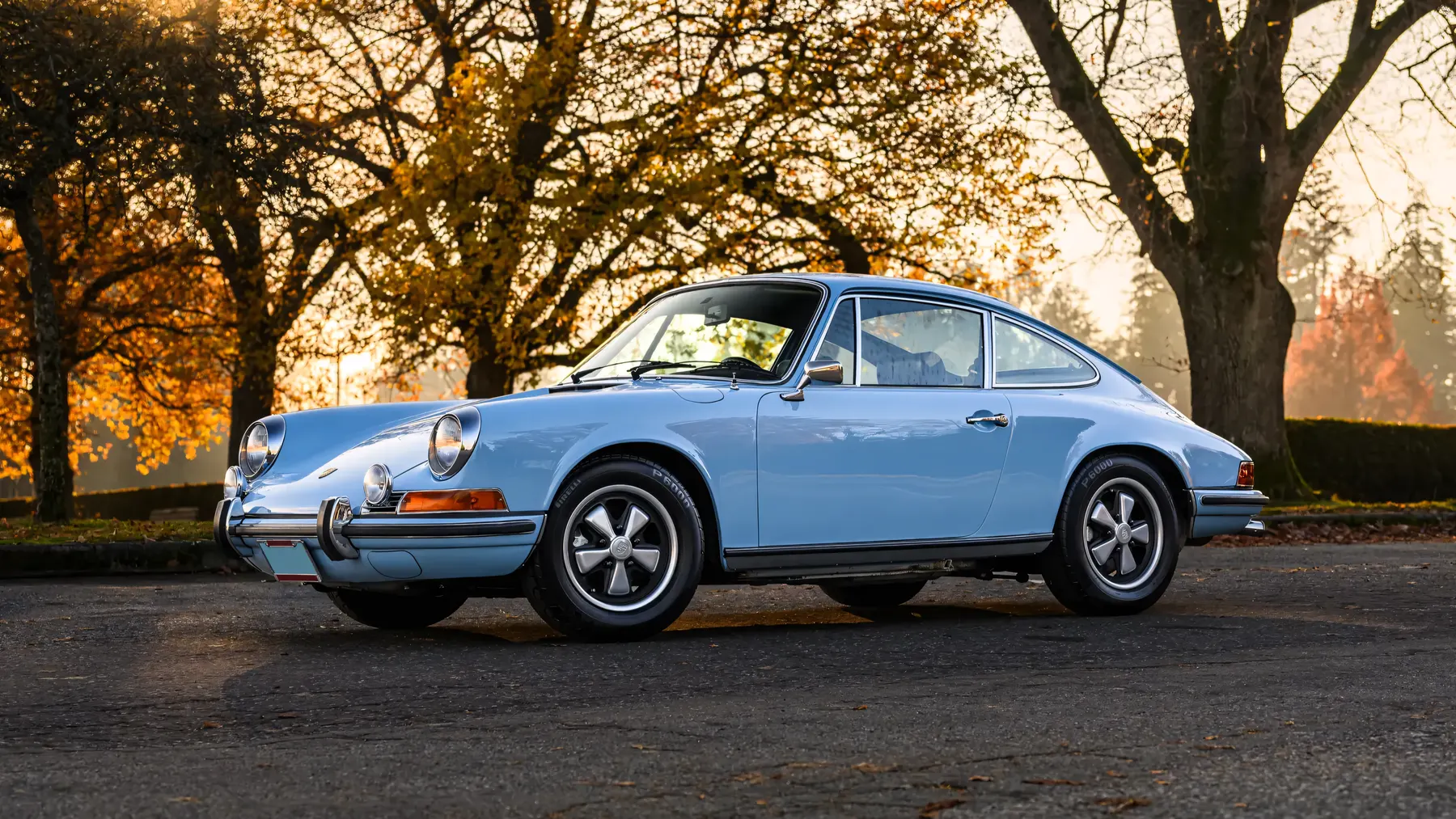
For enthusiasts seeking an authentic, analog driving experience, the 911 T Coupe is a gem in the rich history of the Porsche 911. It is a symbol of Porsche’s commitment to innovation, performance, and the pure joy of driving.
Join the discussion
Comments
Loading comments…
Leave a comment
Share a detail, memory, or perspective. Every comment is reviewed before publication.