1973 McLaren M23

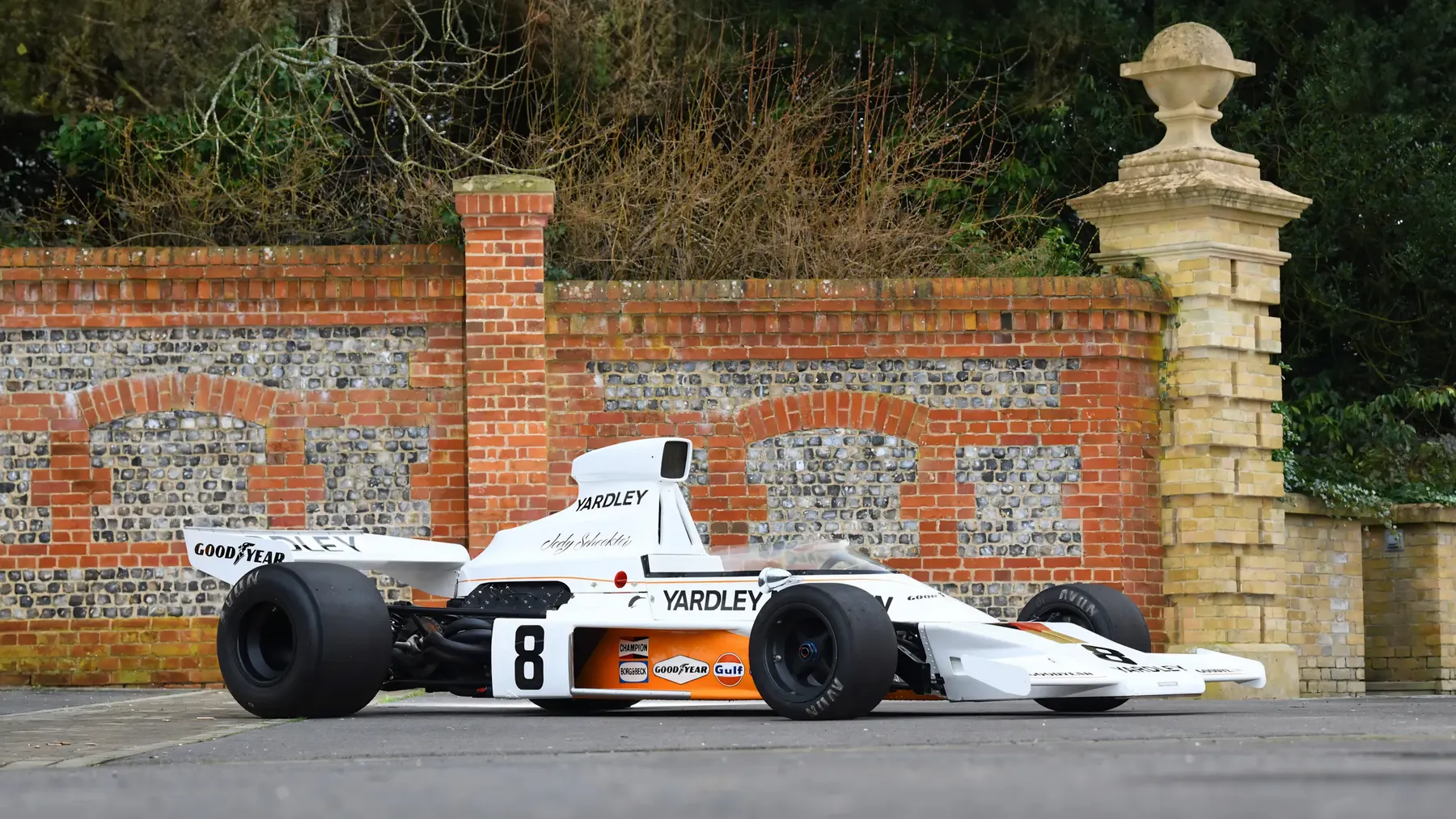
When James Hunt crossed the finish line at the 1976 Japanese Grand Prix, clinching the World Championship by a single point, it wasn’t just a personal triumph,it was the crowning moment for a car that had become the backbone of McLaren’s racing success. The McLaren M23, introduced three years earlier, wasn’t just a competitive machine; it was a survivor in an era of rapid technological change, evolving through rule revisions, aerodynamic breakthroughs, and intense driver rivalries to leave an indelible mark on Formula 1 history.
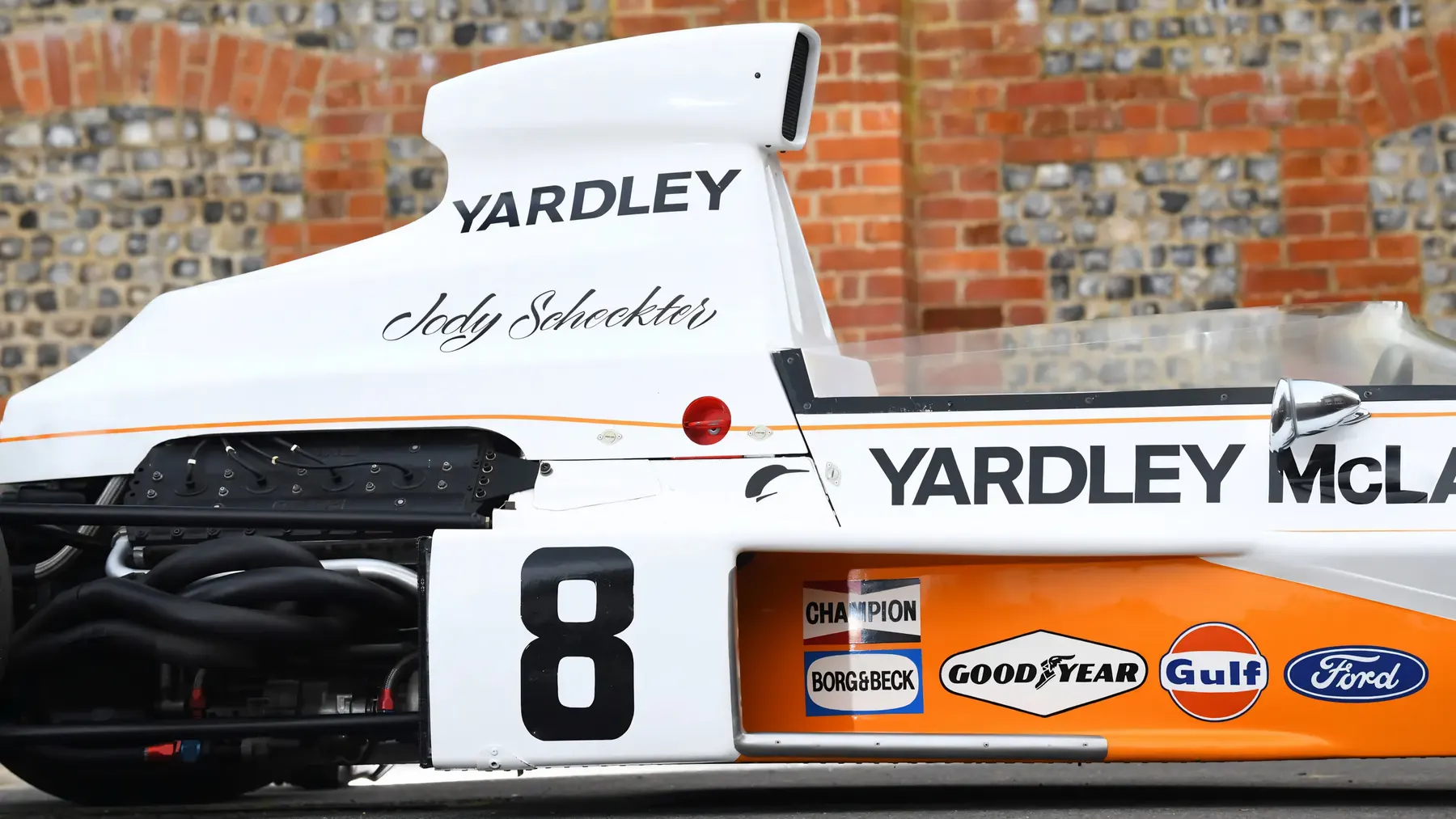
The M23’s story begins in 1972, as McLaren faced mounting pressure to replace their aging M19 chassis. Designer Gordon Coppuck, drawing from his experience with the Indianapolis 500-winning M16 IndyCar, envisioned a car that balanced aerodynamic efficiency with mechanical simplicity. The result was the M23, a car that debuted in 1973 with a wedge-shaped profile that channeled air smoothly over its integrated side-mounted radiators. This design wasn’t just about speed,it complied with new safety regulations requiring deformable side structures to protect drivers during impacts, marking Formula 1’s growing emphasis on driver safety.
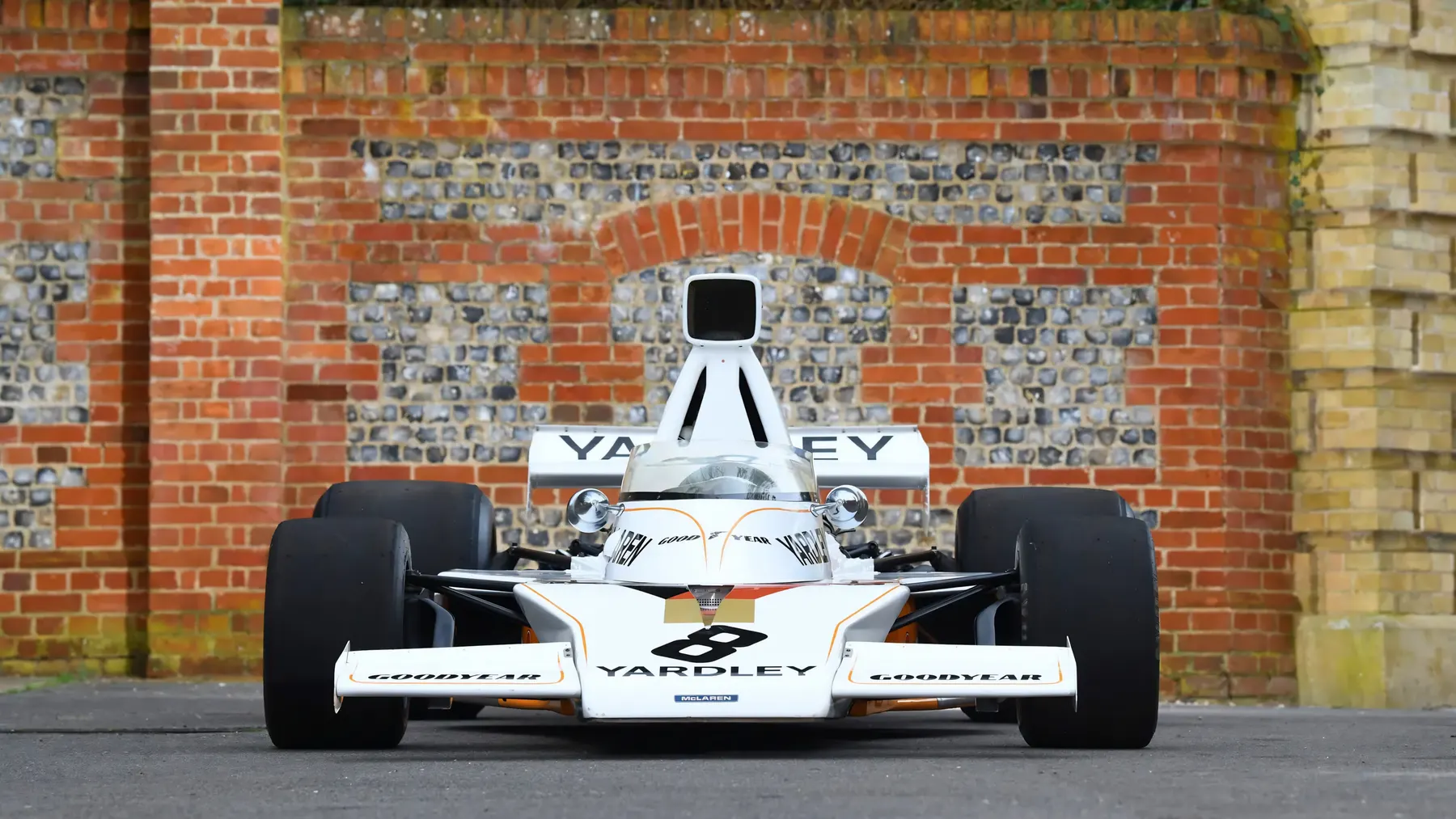
One of the M23’s quirkier features was its front-biased driving position. To centralize weight, Coppack positioned the oil tank and fuel cell behind the driver’s seat, forcing drivers like Emerson Fittipaldi and James Hunt to sit closer to the front wheels. This configuration, while initially jarring, gave the car a balanced feel, allowing drivers to push harder through corners without unsettling the chassis.
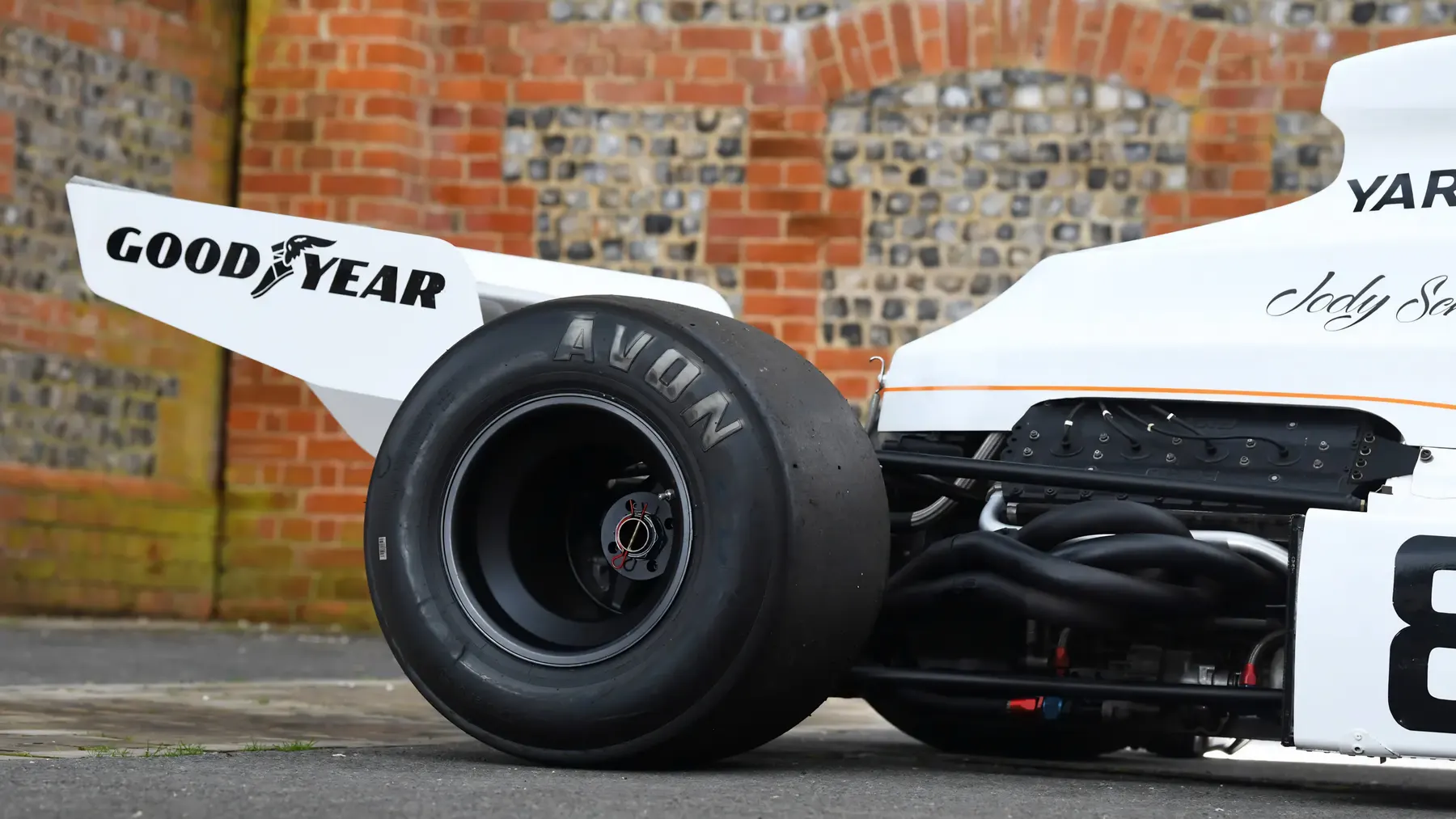
The heart of the M23 was the Ford Cosworth DFV V8 engine, a 3.0-liter unit producing around 363 kW (485 hp). Paired with a Hewland FG400 five-speed gearbox, this engine wasn’t the most powerful on the grid, but its reliability became legendary. Tuned by Nicholson-McLaren Engines, the DFV rarely faltered, even during grueling races like the Monaco Grand Prix, where mechanical durability often decided outcomes.
The M23’s potential was evident from its first race. At the 1973 South African Grand Prix, Denny Hulme secured pole position, though teething issues kept him off the podium. By mid-season, the car hit its stride. Peter Revson won at Silverstone, and Hulme clinched victory in Sweden, where the M23’s aerodynamic stability shone on Anderstorp’s high-speed curves.
The real breakthrough came in 1974 with Emerson Fittipaldi’s arrival from Lotus. The Brazilian brought insights from the dominant Lotus 72, urging McLaren to widen the M23’s track and extend its wheelbase. These tweaks transformed the car into a championship contender. Fittipaldi’s smooth, calculated driving style meshed perfectly with the M23’s predictable handling, netting three wins and McLaren’s first Constructors’ Championship. Teammate Hulme added a fourth victory in Sweden, proving the car’s versatility across different circuits.
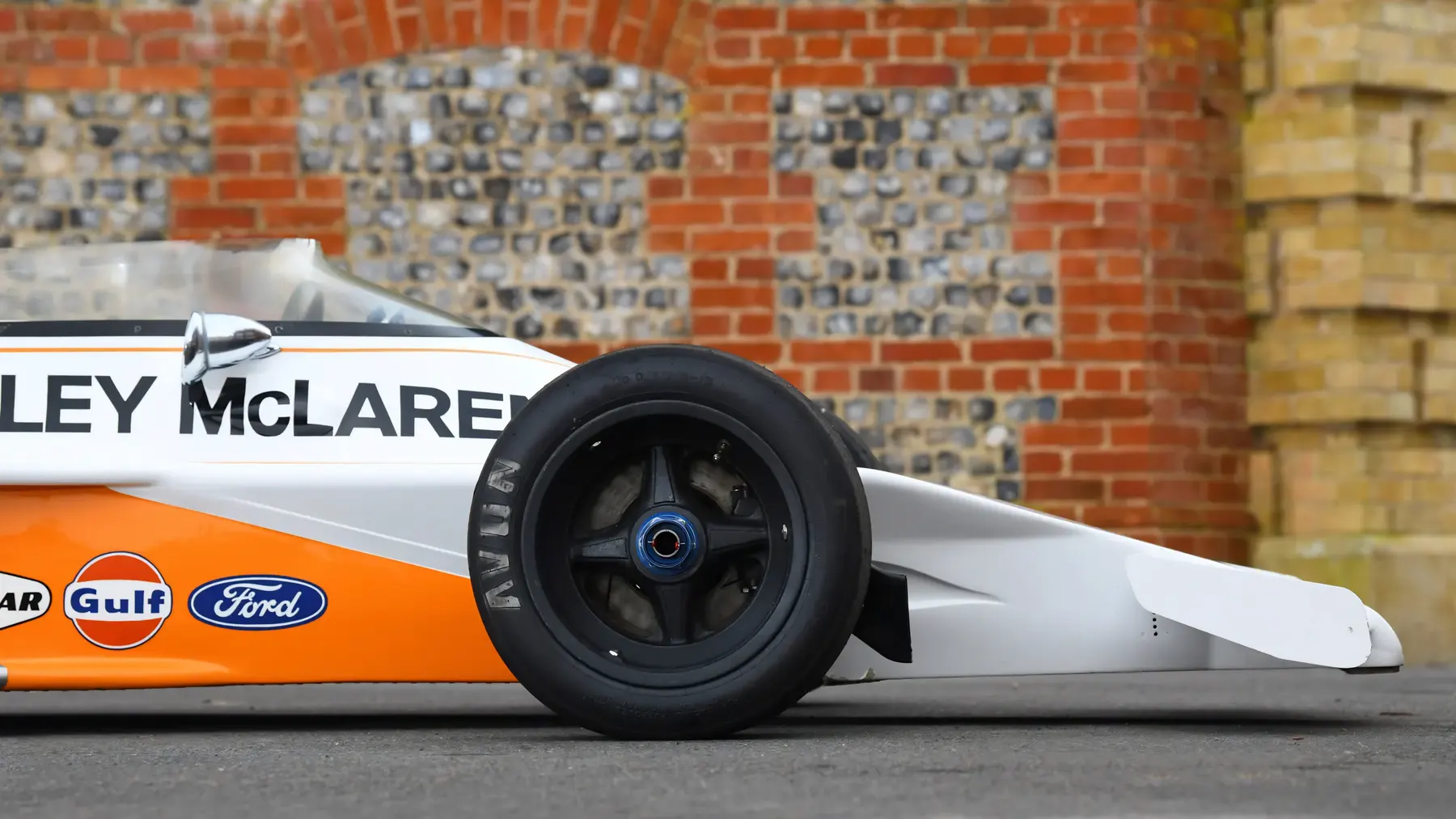
What set the M23 apart was its ability to adapt. As rivals like Ferrari’s 312T and Brabham’s BT44 emerged, McLaren’s engineers relentlessly refined the car. In 1975, they introduced a six-speed gearbox,a rarity at the time,allowing drivers to exploit the DFV’s power band more effectively. Aerodynamic updates followed, including sculpted “kickups” ahead of the rear wheels to channel airflow and early experiments with side skirts. These skirts, which brushed the track surface to seal the undercarriage, hinted at the ground-effect technology Lotus would later master.
By 1976, the M23D variant reflected years of incremental improvements. When new regulations banned towering air intakes, McLaren repositioned the oil coolers in front of the rear wheels and added modest scoops beside the roll bar. These changes maintained cooling efficiency without sacrificing speed, a testament to the car’s flexible design.
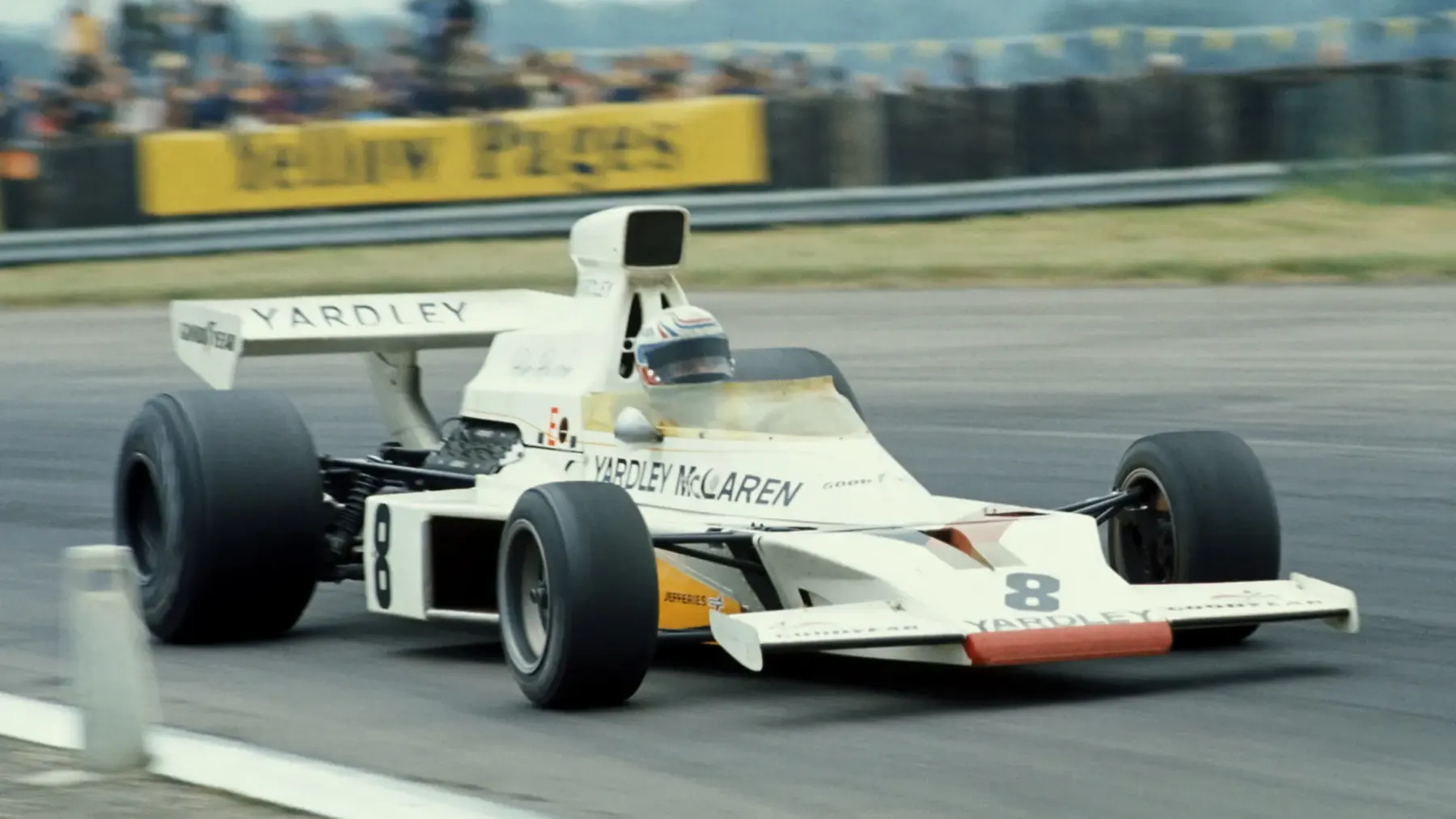
No discussion of the M23 is complete without James Hunt’s 1976 campaign. After Fittipaldi’s accident-prone departure to his brother’s team, Hunt became McLaren’s talisman. His rivalry with Niki Lauda, culminating in Lauda’s near-fatal crash at the Nürburgring, defined the season. Hunt’s aggressive style,late braking, throttle-heavy corner exits,tested the M23’s limits. Yet the car held firm, securing six wins, including a rain-soaked triumph at Fuji where Hunt clinched the title by a single point.
The M23’s durability proved pivotal. While Ferrari’s 312T struggled with reliability, Hunt’s McLaren finished 10th or better in all but two races. At Brands Hatch, Hunt famously overtook Lauda around the outside of Paddock Hill Bend,a move not possible in a less responsive chassis.
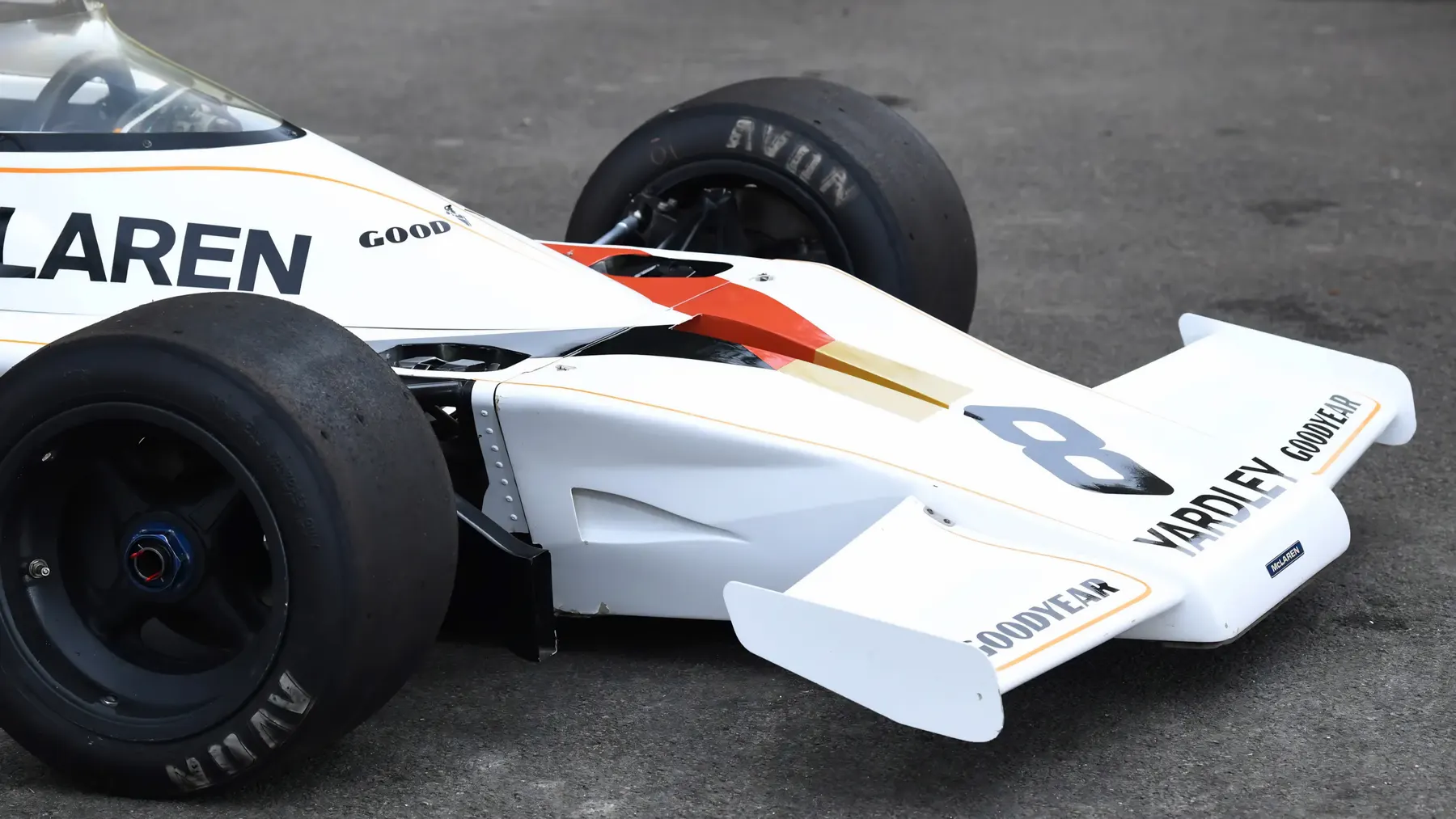
The M23’s four-year tenure made it an anomaly in an era of fleeting competitiveness. Thirteen chassis were built (superstition skipped number 13), and their adaptability saw some converted for Formula 5000 racing with Chevrolet engines. Today, surviving M23s are stars of historic racing, their Cosworth engines still snarling at events like Goodwood Revival.
Publicly, the car became synonymous with Marlboro’s red-and-white livery,a design so iconic it remained McLaren’s look until 1997. Drivers praised its accessibility; unlike the twitchy Lotus 72, the M23 forgave mistakes, making it a favorite among seasoned pros and rookies alike.
The McLaren M23 wasn’t a revolution,it was a masterclass in evolution. From Fittipaldi’s technical precision to Hunt’s daring passes, it adapted to its drivers as deftly as it did to rule changes. Its legacy lies in proving that consistency triumphs over flashiness, a philosophy McLaren carried into the 1980s turbo era. In Formula 1’s relentless march forward, the M23 remains a reminder that greatness isn’t about reinventing the wheel,it’s about refining it until it rolls smoother than anything else on the grid.
Join the discussion
Comments
Loading comments…
Leave a comment
Share a detail, memory, or perspective. Every comment is reviewed before publication.