1973 Rondel Motul M1

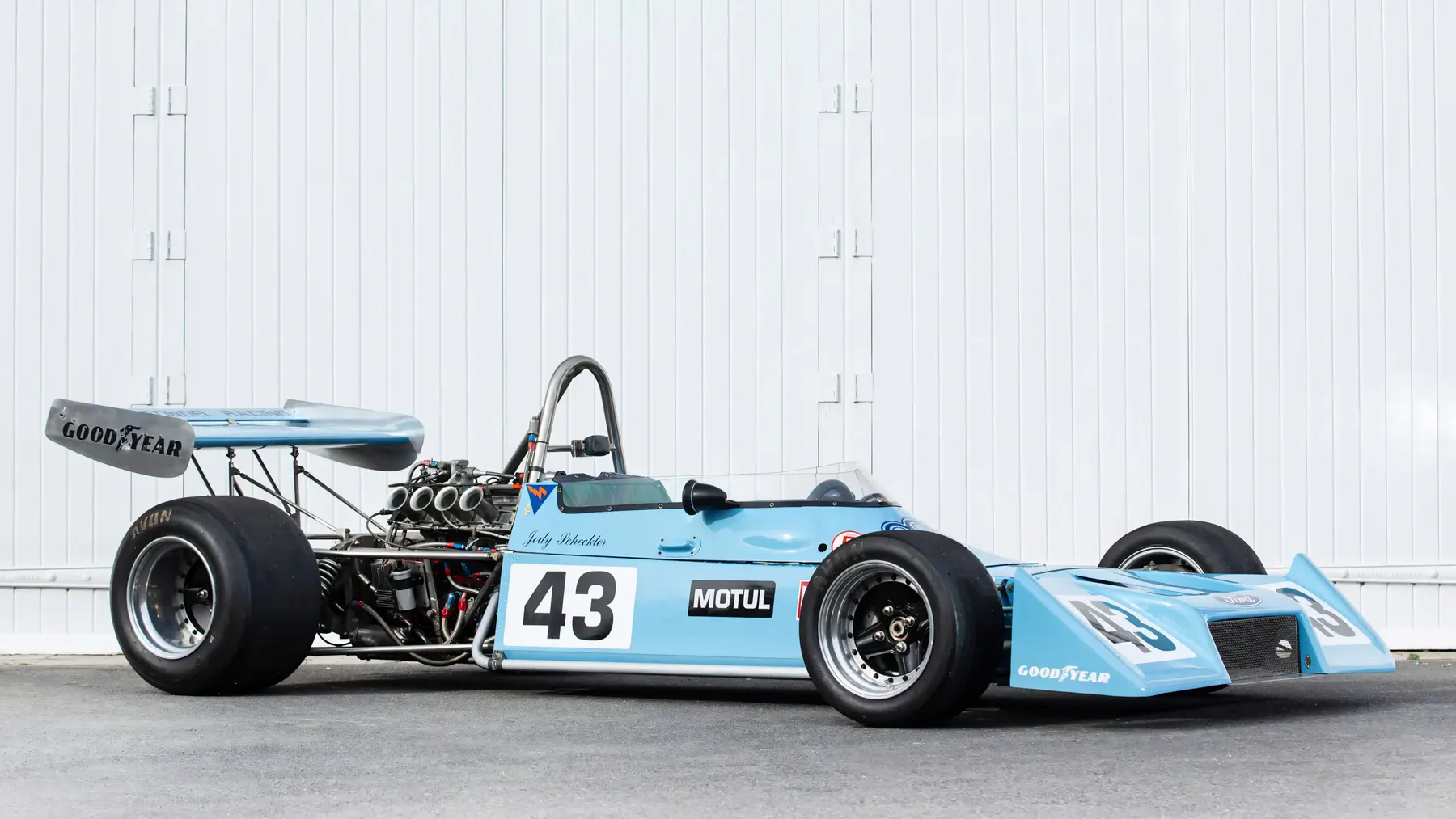
The story of the Rondel Motul M1 begins not with engines roaring on the race track, but in the mind of a young mechanic named Ron Dennis,years before he would become the driving force behind McLaren’s golden era in Formula 1. In 1971, Dennis and fellow ex-Brabham mechanic Neil Trundle pooled their resources to form Rondel Racing, a name blending “Ron” and letters from Trundle’s surname. Their ambition? To build a Formula 2 car capable of punching above its weight. Within two years, they created the Motul M1,a car that became a stepping stone for Dennis’s career and a testament to innovative, underfunded engineering.
Rondel Racing operated out of a modest workshop in Old Windsor, Berkshire. Dennis and Trundle, barely into their late twenties, scrounged parts and relied on financial lifelines from Motul, a French lubricant company. Their first cars were modified Brabham BT36s, but by 1973, they decided to build their own vehicle. Designer Ray Jessop, another Brabham alumnus, set to work sketching a car that leaned into Jessop’s knowledge of aerodynamics and Dennis’s obsession with precision.
The team’s ethos was clear: whatever they lacked in budget, they’d compensate with clever engineering. Neil Trundle later recalled nights spent scouring junkyards for usable parts: “We once rebuilt a gearbox using components from a tractor dealership. Ron treated every bolt like it was a Swiss watch.”
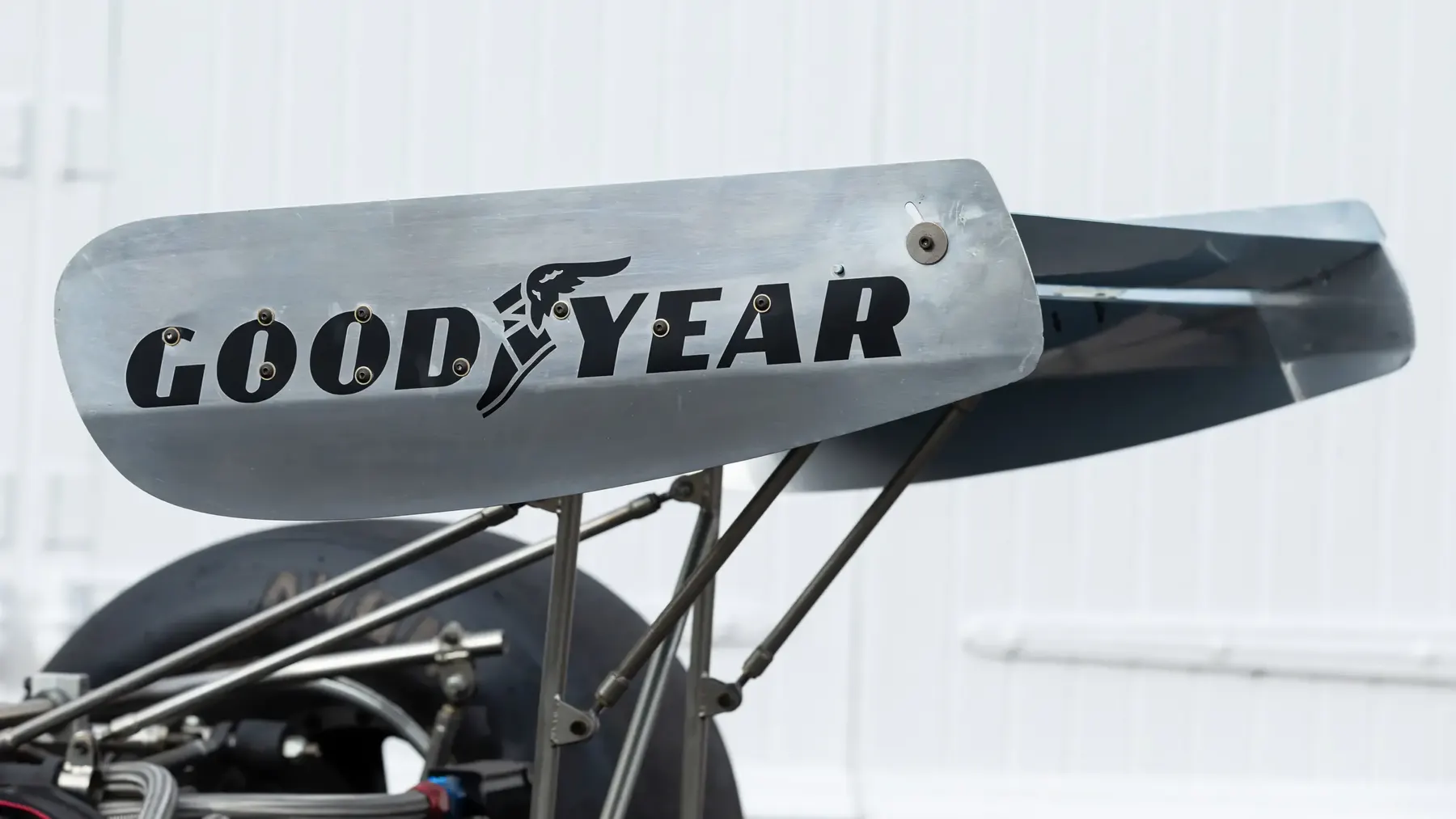
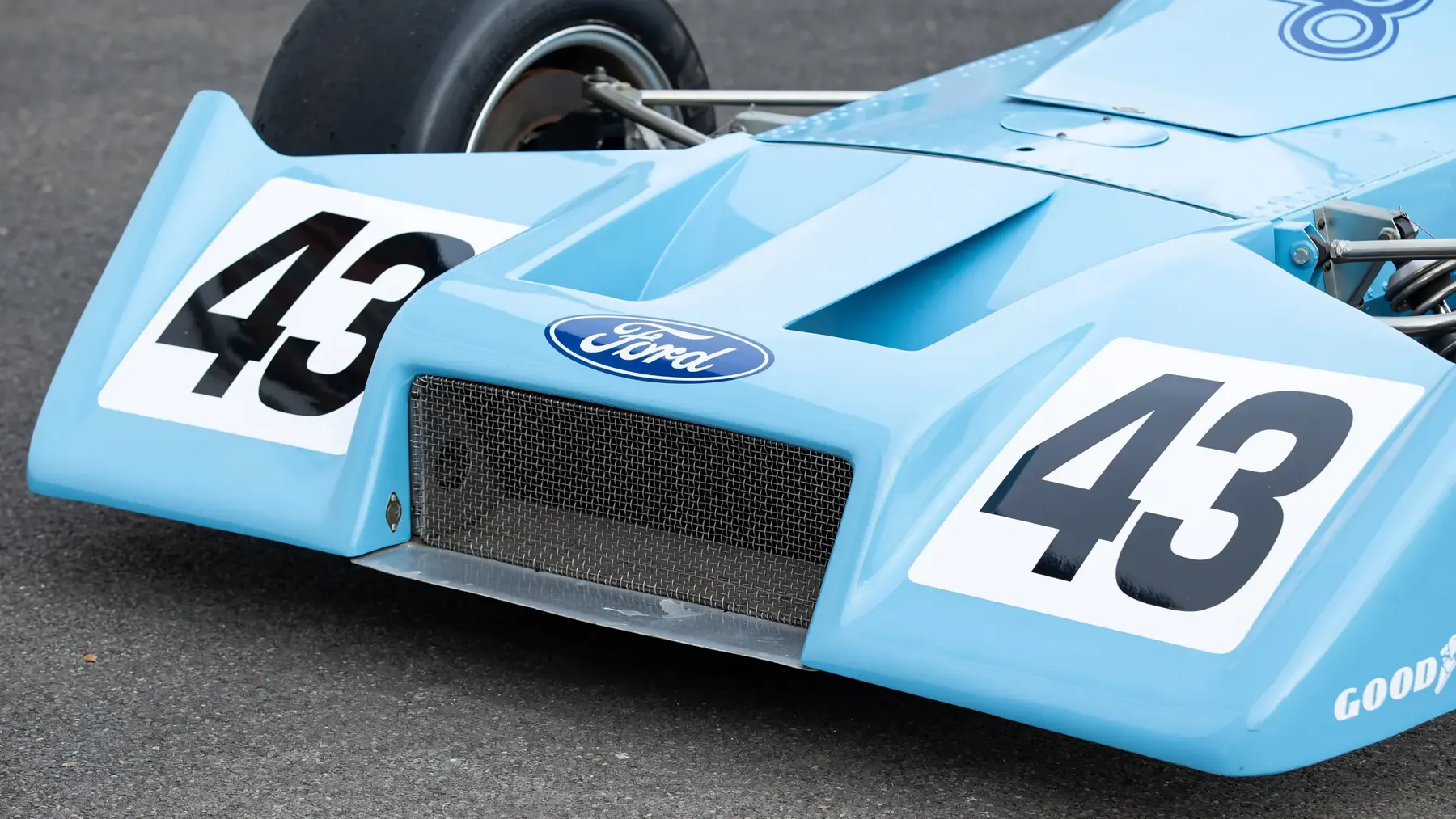
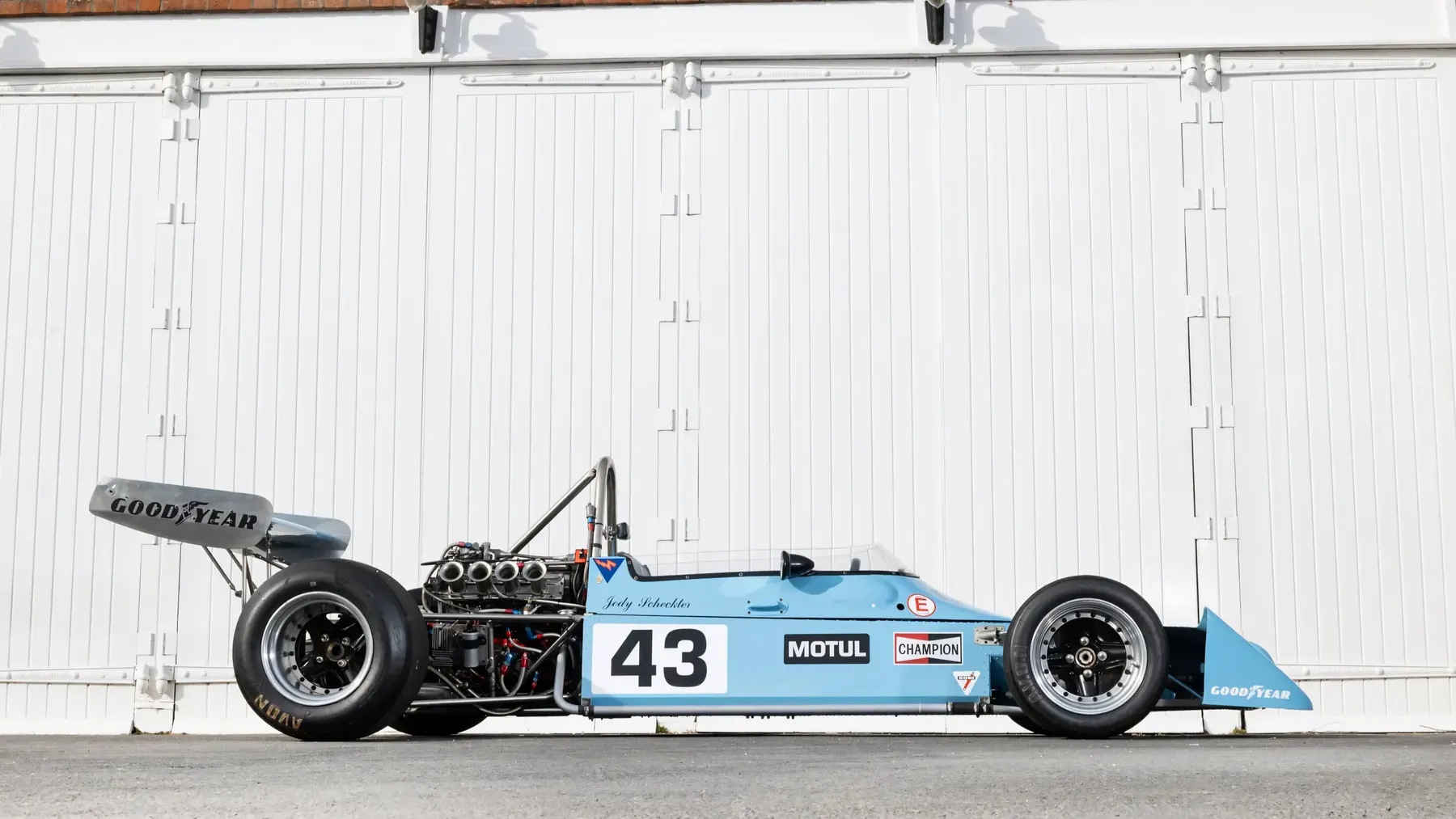
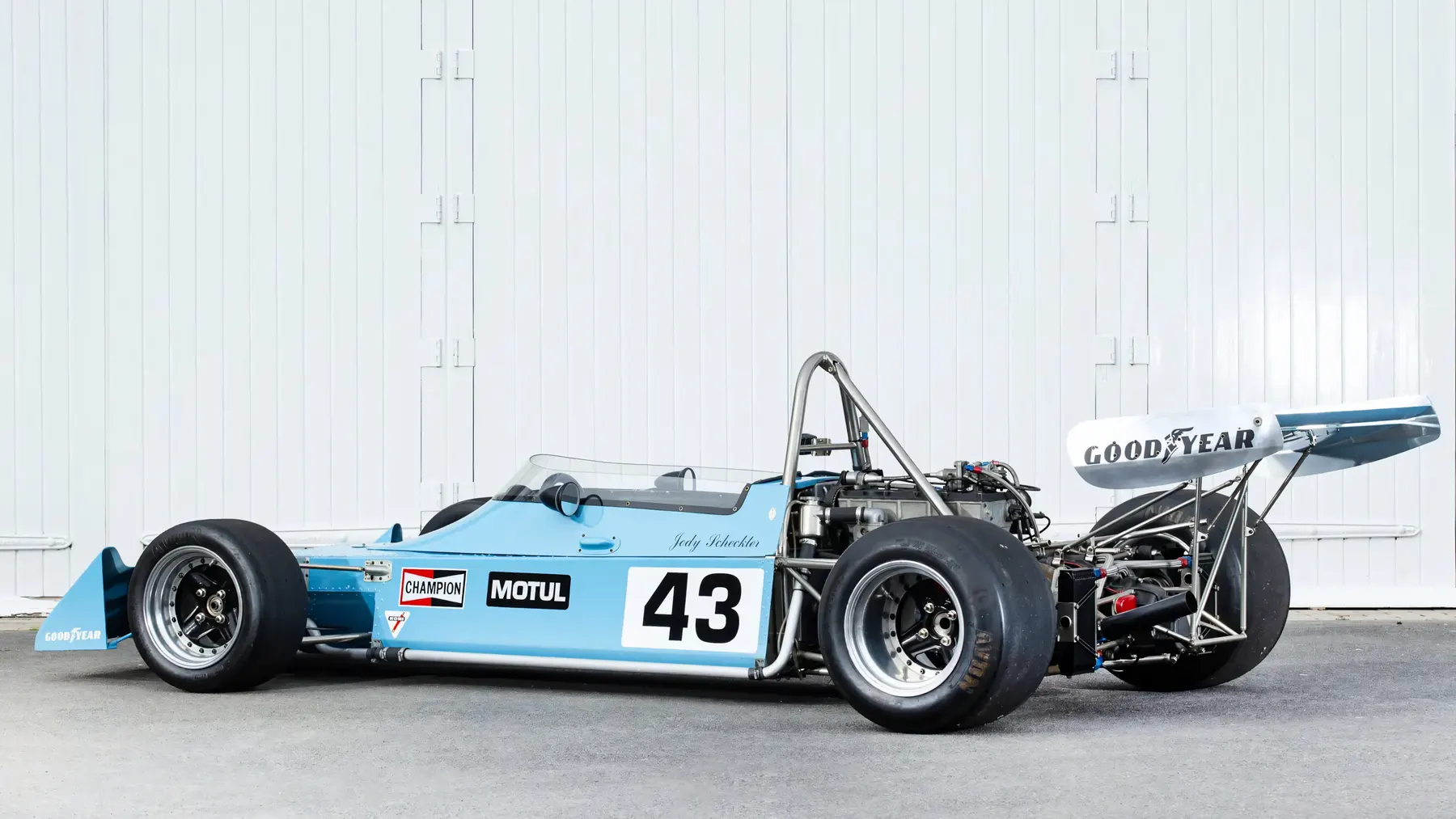
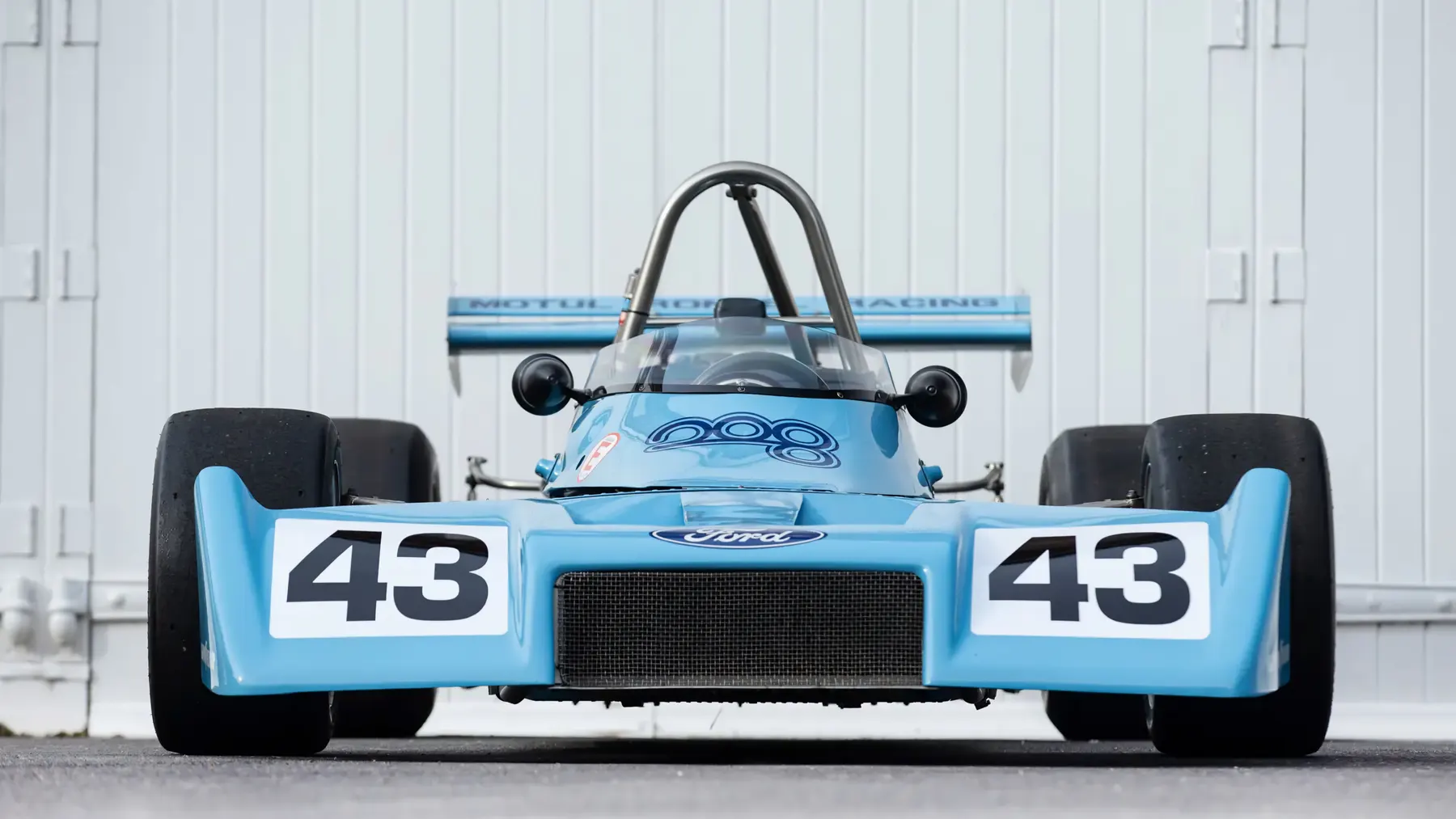
At first glance, the Motul M1 looked like a typical Formula 2 car of its era: a wedge-shaped body draped in Motul’s baby-blue lurgy, a Hewland five-speed gearbox, and a Ford DBG engine producing around 282 kW (380 hp). But beneath its unassuming exterior lay engineering gems that hinted at Dennis’s future McLaren triumphs.
The M1’s aluminum monocoque chassis was noticeably thicker than competitors’. Jessop had reinforced the cockpit area, particularly around the driver’s legs,an early nod to safety in a sport notorious for flimsy structures. “We wanted Henri [Pescarolo] to walk away if things went south,” Jessop later explained. This design choice added 10 kg compared to rival cars, but it made the M1 notoriously tough to bend.
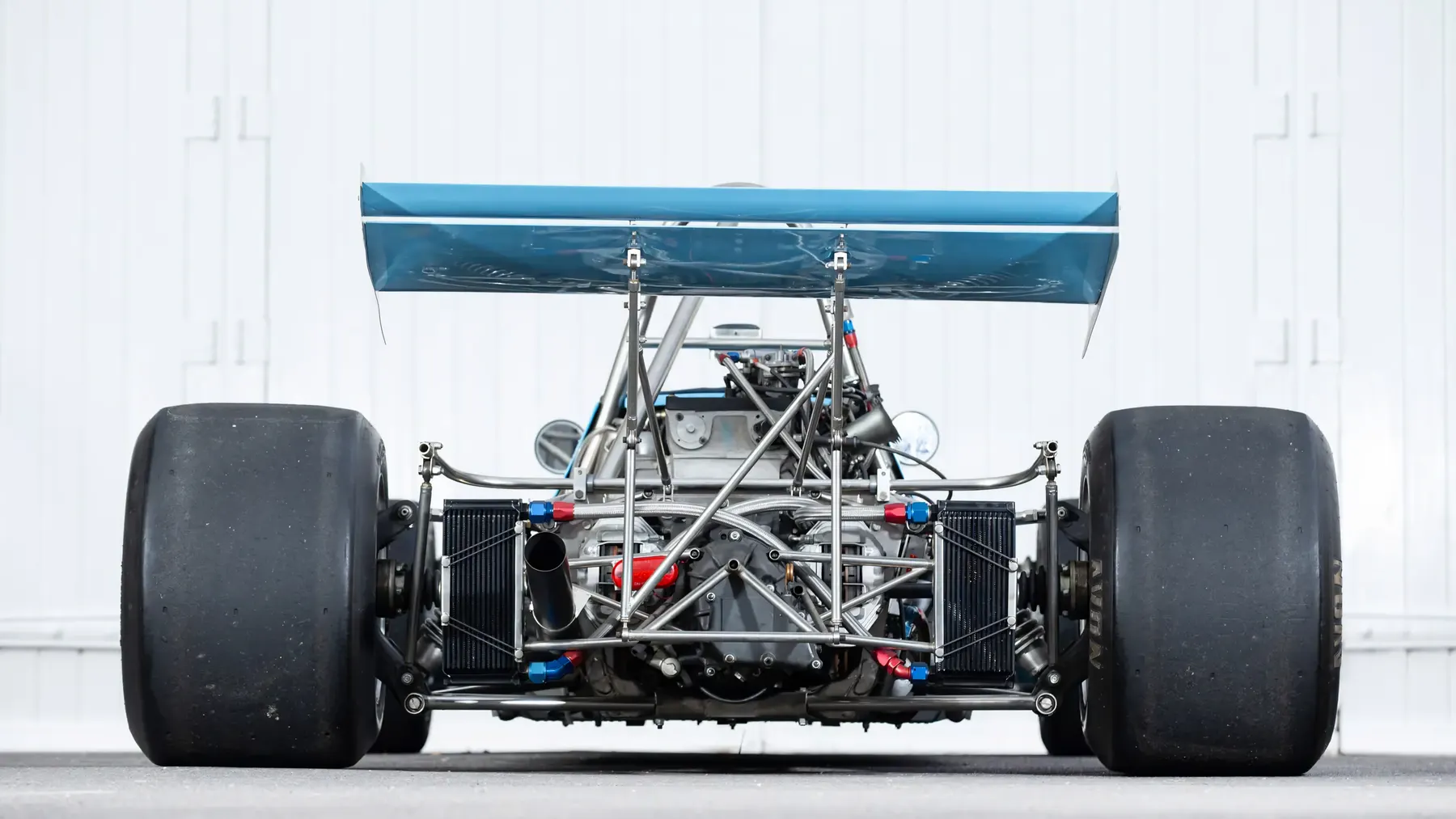
The car’s party trick was its detachable tubular engine cradle. Borrowing ideas from aviation mechanics, Jessop designed the cradle to unbolt in under six minutes. In an era when teams lost races to half-hour engine swaps, Rondel’s system was revolutionary. At the 1973 Nürburgring round, Jody Scheckter’s engine failed during practice. The crew yanked it out, slotted in a fresh unit, and had him back on track before qualifying ended.
The M1 debuted in March 1973 at Thruxton, a fast, bumpy circuit in southern England. French veteran Henri Pescarolo, renowned for his smooth driving style, took the wheel. Opposing teams dismissed Rondel ,a rookie team with a homebuilt car,as cannon fodder. By lap 12, Pescarolo had carved through the field, exploiting the M1’s sturdy suspension over Thruxton’s notorious kerbs. He took the checkered flag, giving Rondel its first win.
Pescarolo’s victory wasn’t a fluke. Over the season, the M1 racked up consistent finishes: second at Hockenheim with Tim Schenken, third at Rouen with Tom Pryce. The car excelled on high-speed tracks where its reinforced chassis handled curbs better than flimsier rivals. At the Norisring street circuit, Pryce,then an unknown Welsh rookie,qualified fourth, outpacing factory-backed March and Tecno cars.
But the M1 had weaknesses. Its beefed-up construction made it 25 kg heavier than the average Formula 2 chassis. On tight circuits like Pau, where nimbleness trumped straight-line speed, the car struggled. “You had to drive it like you were mad at it,” Pryce remarked. “Throw it into corners, let the rear slide. Elegance didn’t work.”
Rondel’s lineup read like a who’s-who of future stars. Jody Scheckter, three years before his Formula 1 debut, praised the M1’s predictability: “It talked to you. If the tail stepped out, you knew how to catch it.” Tom Pryce, destined for tragedy at the 1977 South African Grand Prix, cut his teeth in the M1, often outpacing seasoned teammates.
The team’s camaraderie contrasted with the era’s cutthroat paddocks. Dennis enforced military-level discipline,tools were to be immaculate, uniforms spotless. Neil Trundle balanced this with improvisation; during a rainy Silverstone test, he fashioned a makeshift windscreen from a Coke bottle to keep spray off Pryce’s visor.
The M1’s safety features proved prescient. At Zandvoort, Italian driver Silvio Moser clipped a barrier at 225 km/h, sending his Brabham cartwheeling. His fractured legs ended his career. Weeks later, Rondel’s Jean-Pierre Jabouille had a similar shunt in the M1. Though the car was totaled, Jabouille emerged with only bruises,the reinforced cockpit had absorbed the impact. Motorsport magazines took note, with Autosport declaring, “Rondel’s tin can saved his bacon.”
By mid-1973, Rondel’s success attracted sponsors. Motul increased funding, and rumors swirled about a Formula 1 leap. Jessop began sketching an F1 chassis, while Dennis courted investors. Then, the oil crisis hit. Motul, reeling from fuel shortages, slashed its budget. Debts mounted, and NatWest Bank recalled a £5,000 overdraft,£52,000 today,over an unpaid workshop floor installation.
In December, Rondel folded. Dennis left to form Project Four Racing, which later merged with McLaren. Trundle stayed, reworking the M1 design into the Token RJ02 F1 car,a flop that lasted three races. The M1s were sold off, many converting to Formula Atlantic specs for North American racers.
Today, two surviving M1s remain: one displayed at Donington Park’s museum, another campaigned in historic races. The car’s innovations,modular components, safety-first design,became standard in Formula 1. Dennis carried Rondel’s lessons to McLaren, where his obsessive preparation birthed legends like the MP4/4.
Yet the M1’s true legacy is human. Trundle became Ayrton Senna’s chief mechanic, applying Rondel’s hands-on ethos. Pryce’s M1 seat launched him toward F1, while Scheckter credits the car for teaching him car control.
In 2018, Henri Pescarolo reunited with an M1 at Goodwood. After lapping the circuit, he stepped out grinning: “It’s still a bastard to drive. But what a beautiful bastard.” For a car born in a shed, that’s immortality enough.
**
Join the discussion
Comments
Loading comments…
Leave a comment
Share a detail, memory, or perspective. Every comment is reviewed before publication.