1974 Ferrari 365 GT4 BB by Scaglietti

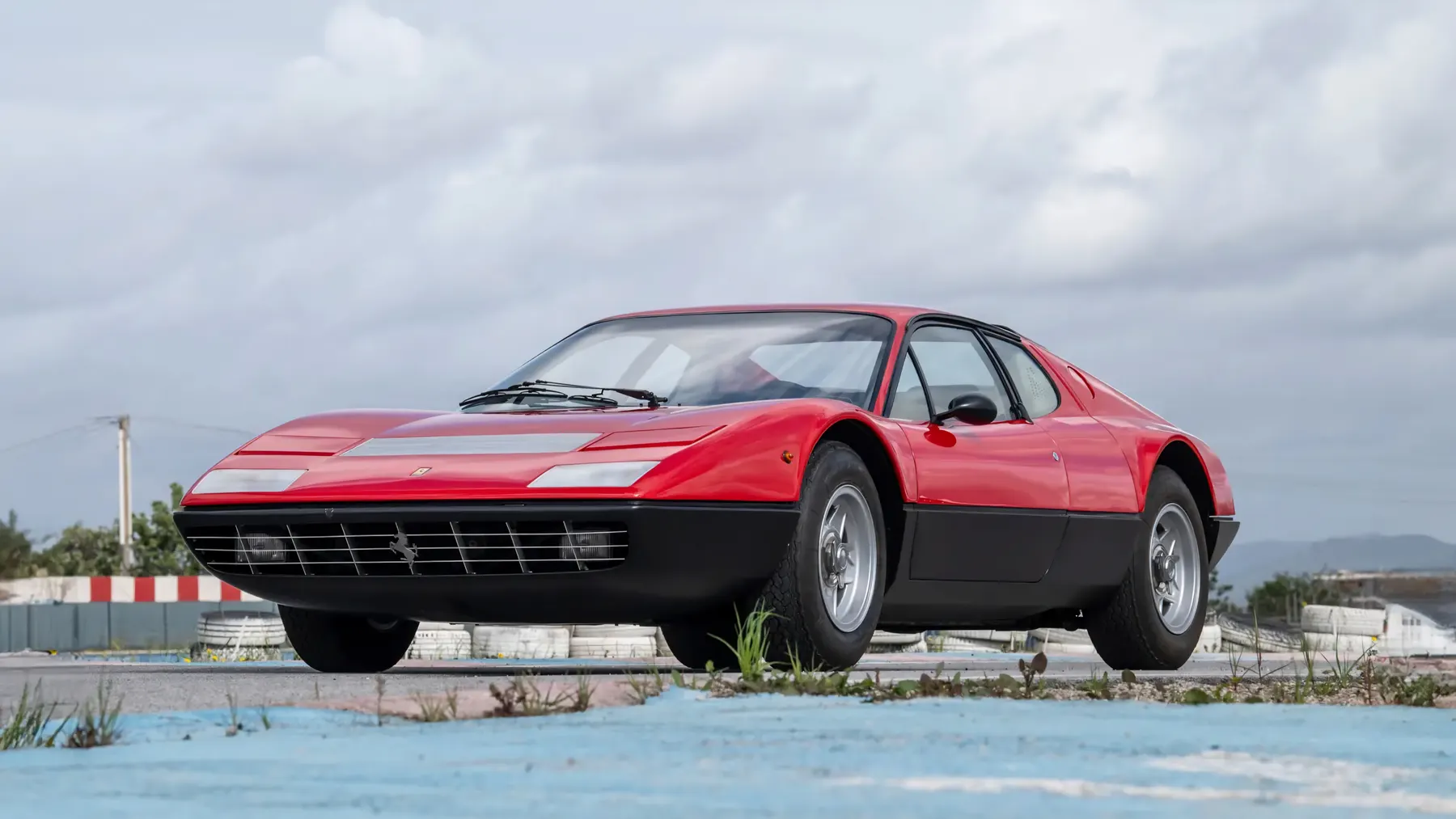
The Ferrari 365 GT4 BB, introduced in 1973, marked a revolutionary moment in Ferrari’s history. This was the car that signaled the brand’s transition from front-engine grand tourers to mid-engine supercars, a move that redefined Ferrari’s flagship offerings. Designed by Leonardo Fioravanti at Pininfarina and built by Scaglietti, the 365 GT4 BB was not just a car,it was a statement of intent, blending cutting-edge engineering with breathtaking design.
The 365 GT4 BB emerged as the successor to the iconic 365 GTB/4 Daytona. While the Daytona epitomized front-engine V12 excellence, Ferrari recognized the growing dominance of mid-engine layouts in high-performance cars, particularly after Lamborghini’s groundbreaking Miura. The decision to adopt a mid-mounted flat-12 engine for the 365 GT4 BB was bold but necessary, aligning Ferrari with contemporary supercar trends.
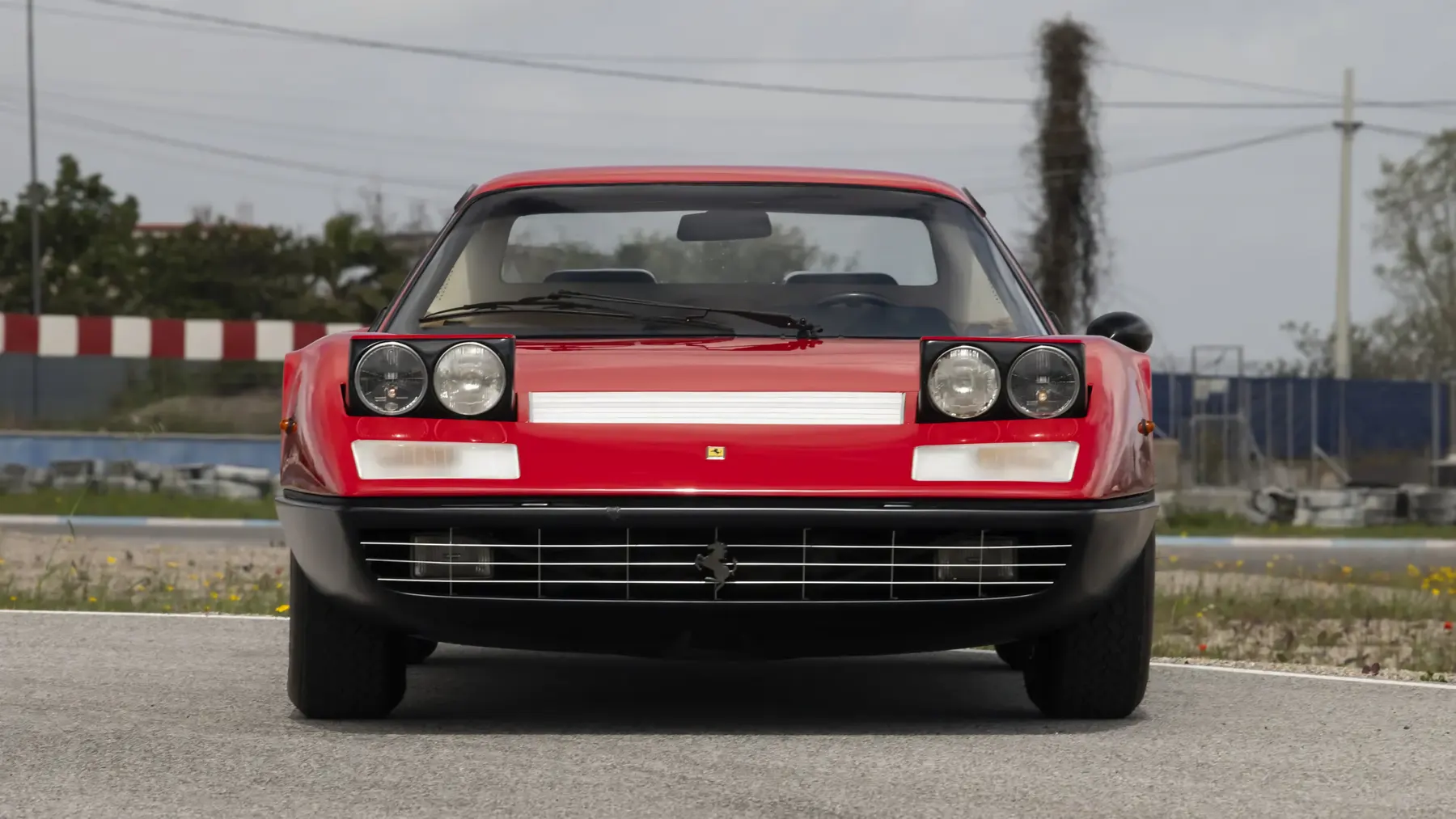
Revealed at the 1971 Turin Motor Show and entering production in 1973, the 365 GT4 BB was Ferrari’s first road car to feature a mid-mounted 12-cylinder engine. This layout had been extensively tested in Ferrari’s racing cars, including Formula One and endurance prototypes. The result was a car that combined race-proven technology with road-going usability.
At the heart of the 365 GT4 BB lay its Tipo F102A engine, a 4.4-liter flat-12 capable of producing 380 horsepower at 7,500 rpm. While often referred to as a “boxer” engine, it was technically a 180-degree V12, as opposing pistons shared crankpins rather than moving independently like in true boxer engines. This configuration allowed for a lower center of gravity, improving handling without compromising power delivery.
The engine drew heavily from Ferrari’s Formula One expertise, incorporating dual overhead camshafts and four triple-barrel Weber carburetors. Paired with a five-speed manual transaxle positioned beneath the engine, this setup optimized weight distribution and packaging. The result was exhilarating performance: a top speed of 302 km/h and acceleration from 0 to 100 km/h in just over five seconds,figures that placed it among the fastest cars of its era.
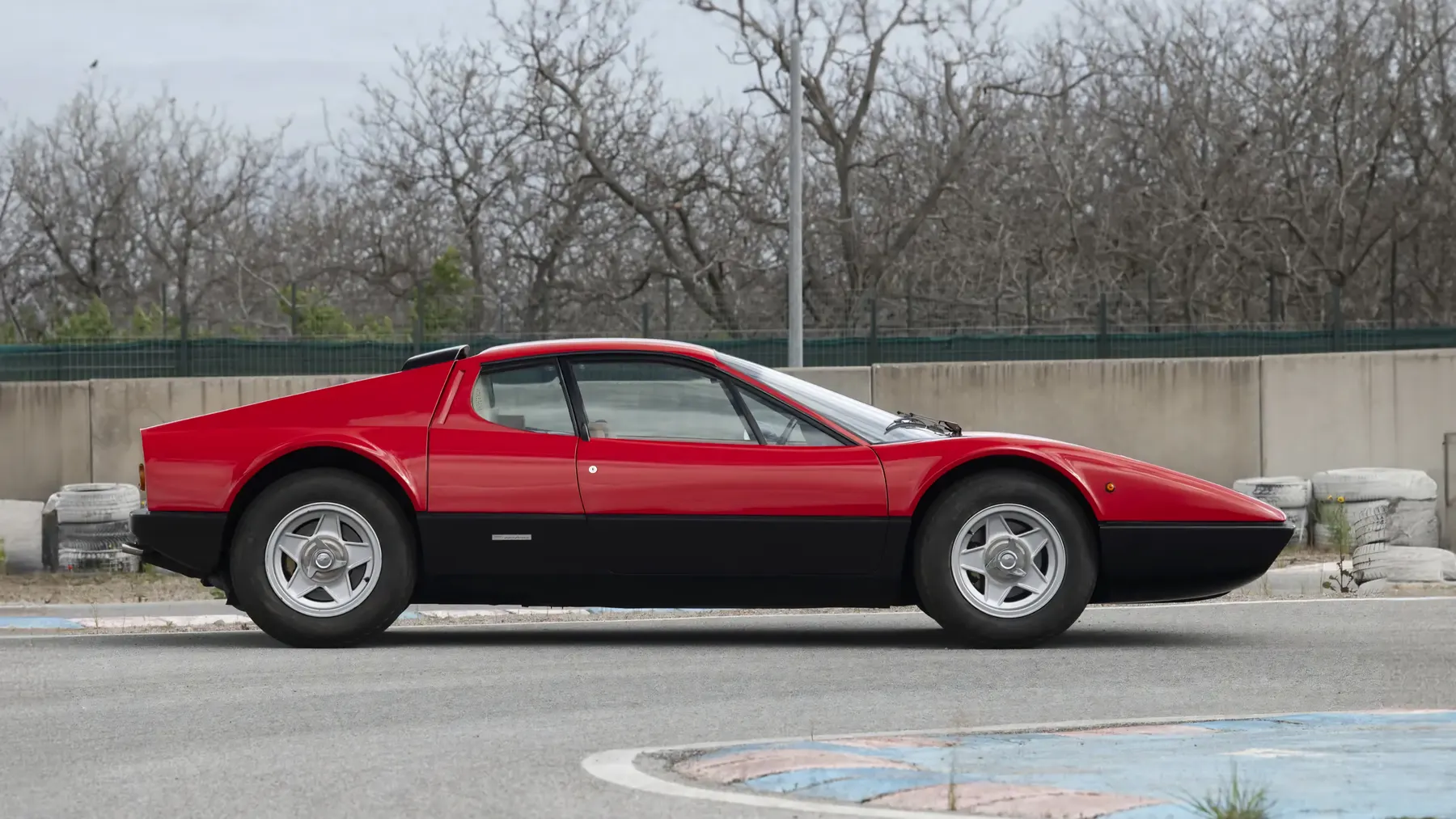
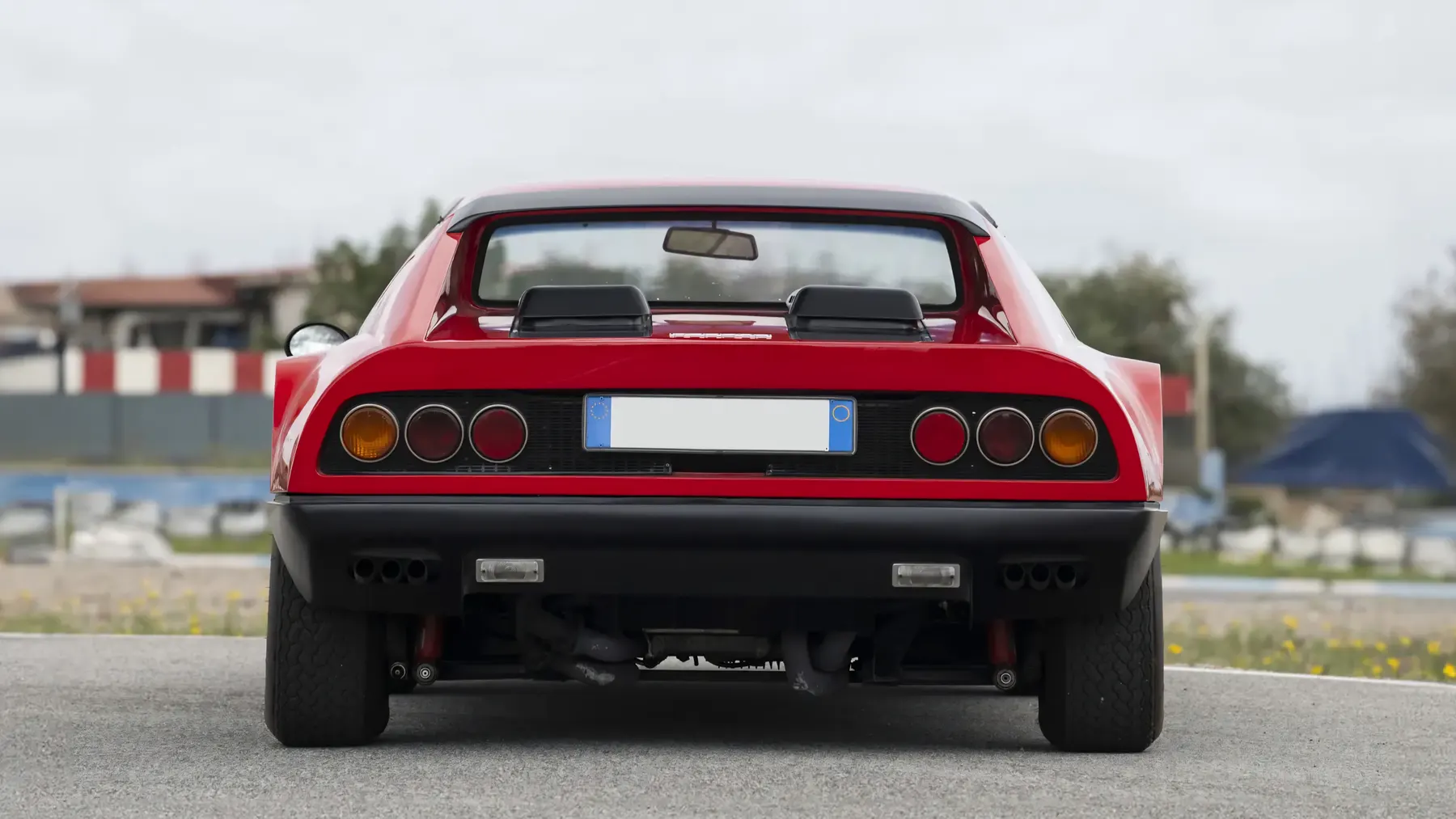
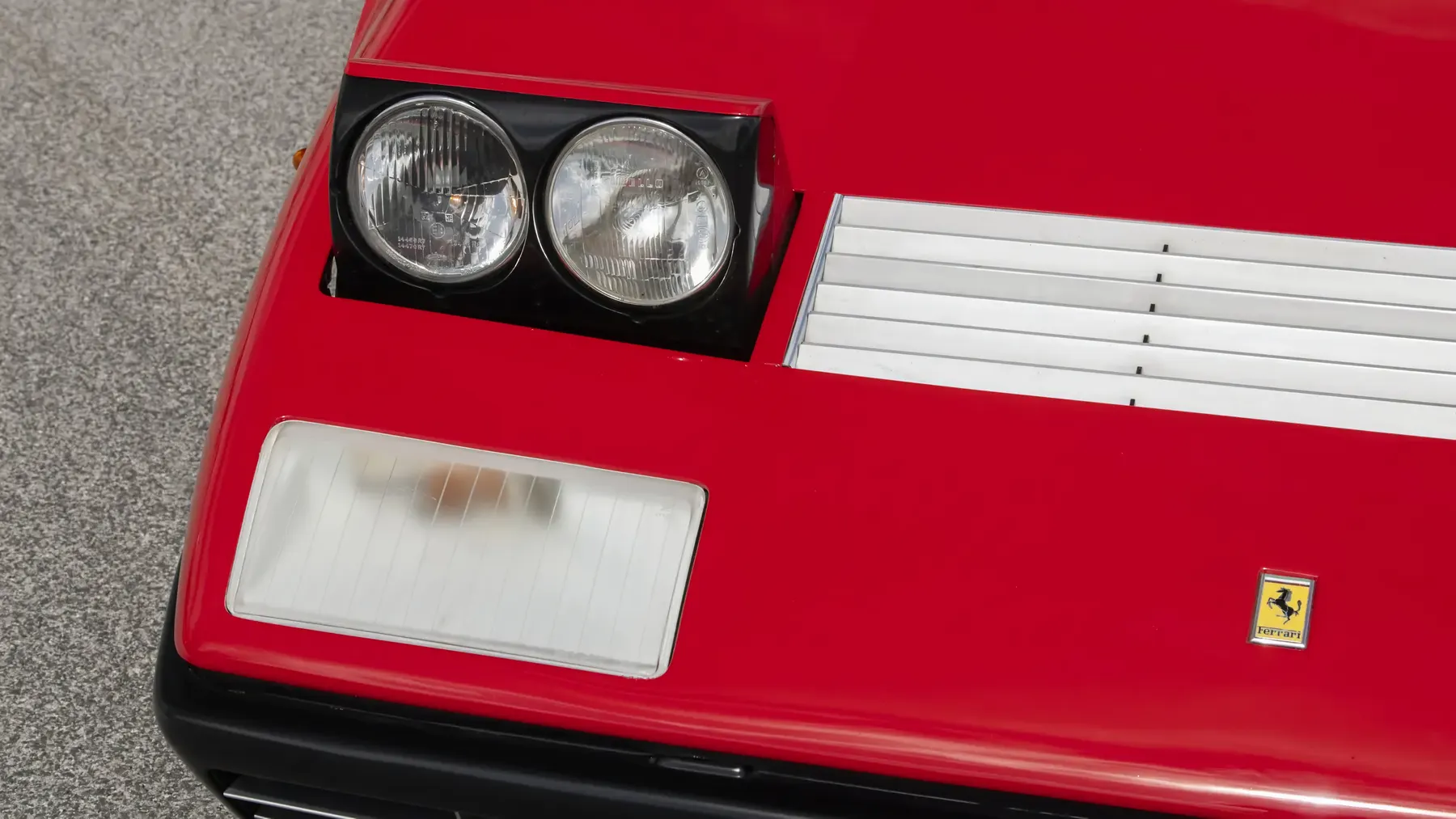
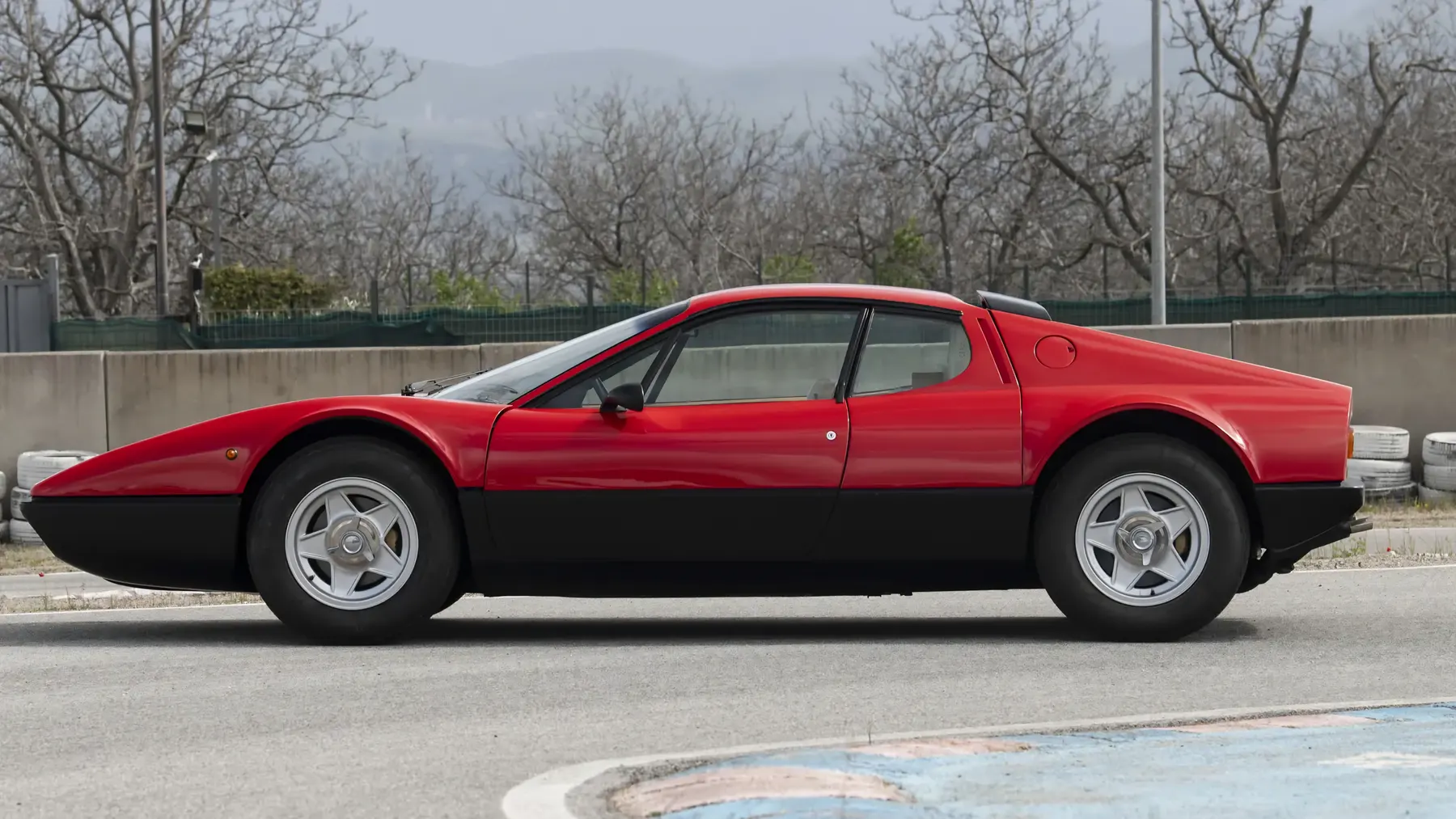
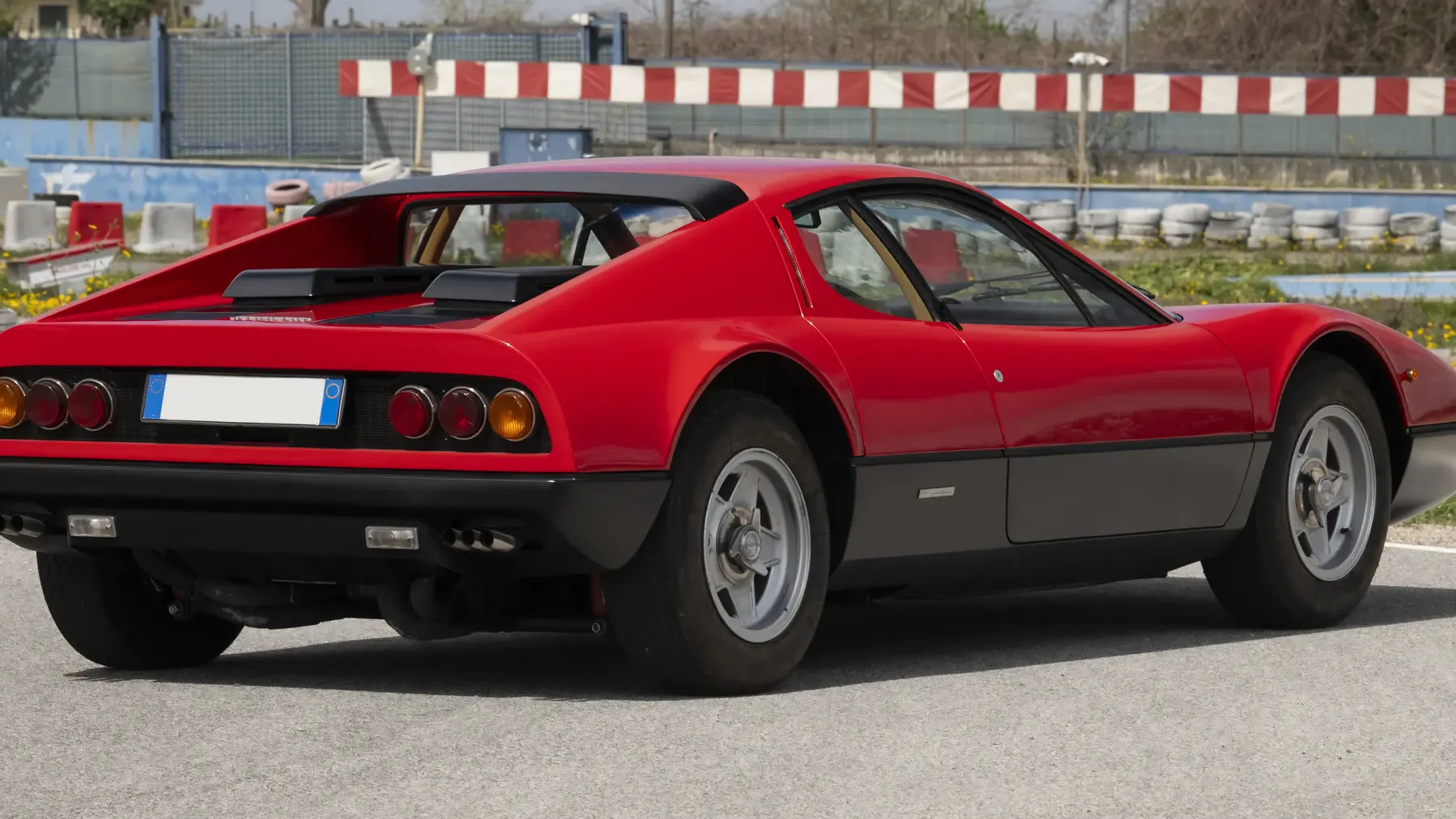
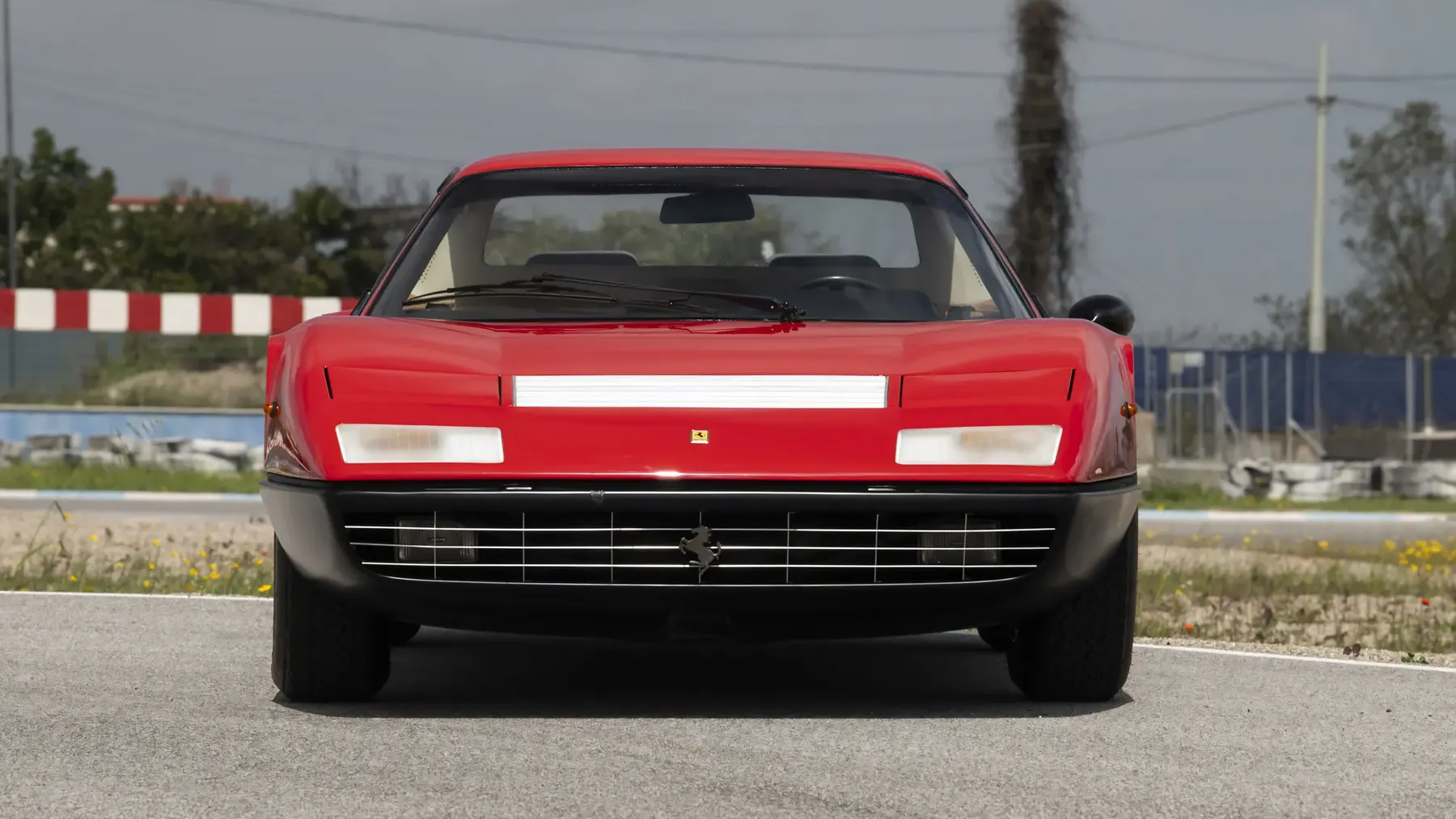
The exterior design of the 365 GT4 BB was nothing short of revolutionary. Pininfarina’s wedge-shaped body work reflected the aerodynamic principles of the time while maintaining Ferrari’s signature elegance. The low nose, retractable headlights, and wide rear gave the car an aggressive yet refined stance.
One of its most distinctive features was its two-tone paint scheme: satin black for the lower body and vibrant colors for the upper section. This visual trick reduced the car’s perceived height and emphasized its sleek proportions. Six round taillights and six exhaust tips further accentuated its width and performance pedigree.
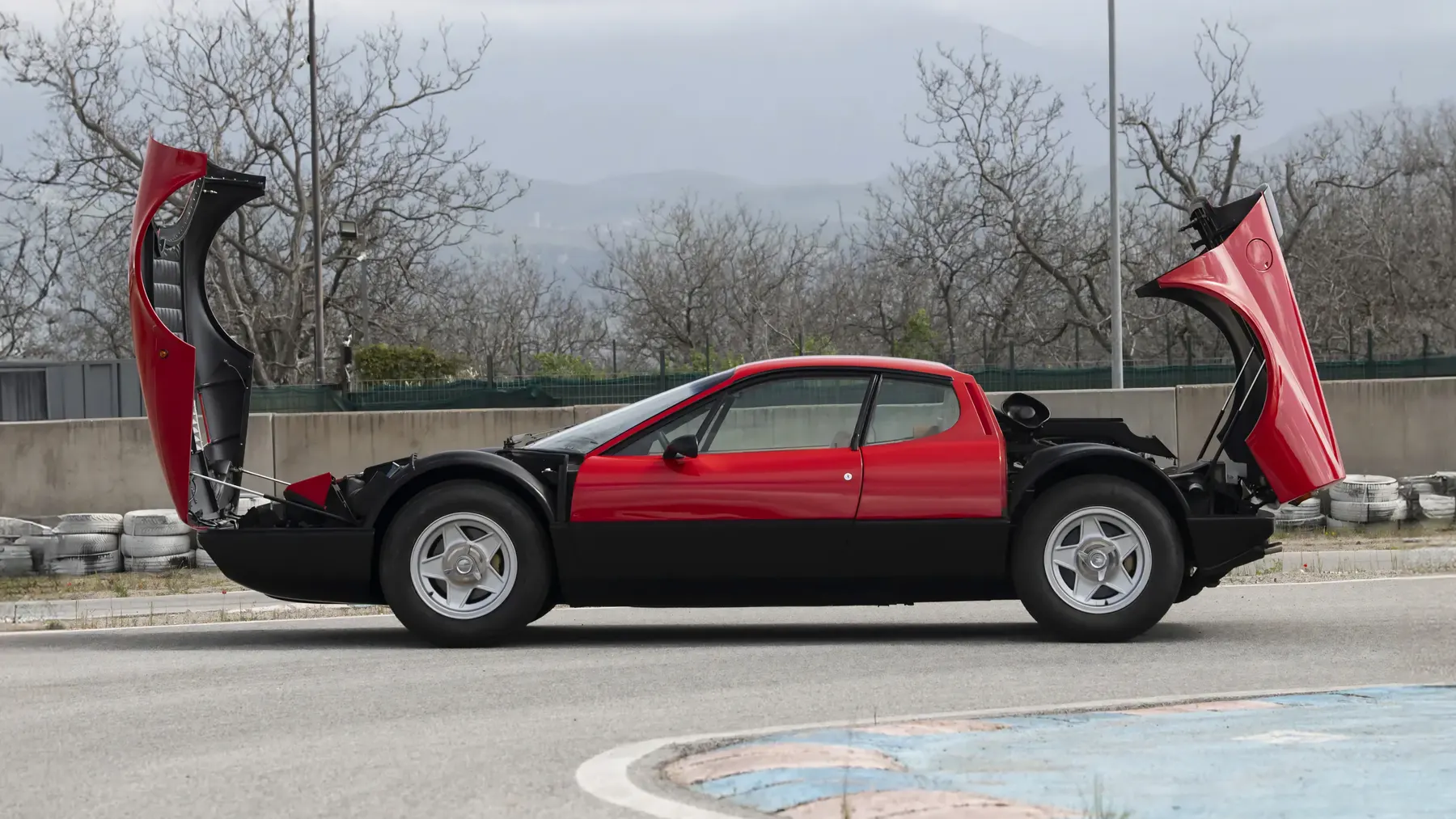
The body was primarily constructed from steel, with aluminum panels for weight savings. Scaglietti’s craftsmanship ensured every detail was executed to perfection, from the clamshell-style engine cover to the integrated NACA ducts that cooled the brakes.
Inside, the cockpit reflected Ferrari’s focus on performance. The dashboard featured Veglia instruments arranged for maximum visibility, with a large tachometer taking center stage. Leather upholstery added a touch of luxury, while options like air conditioning catered to comfort-conscious buyers.
Despite its supercar credentials, the interior was relatively spacious and practical for its class. The seats provided excellent support for spirited driving while remaining comfortable enough for long journeys,a nod to Ferrari’s grand touring heritage.
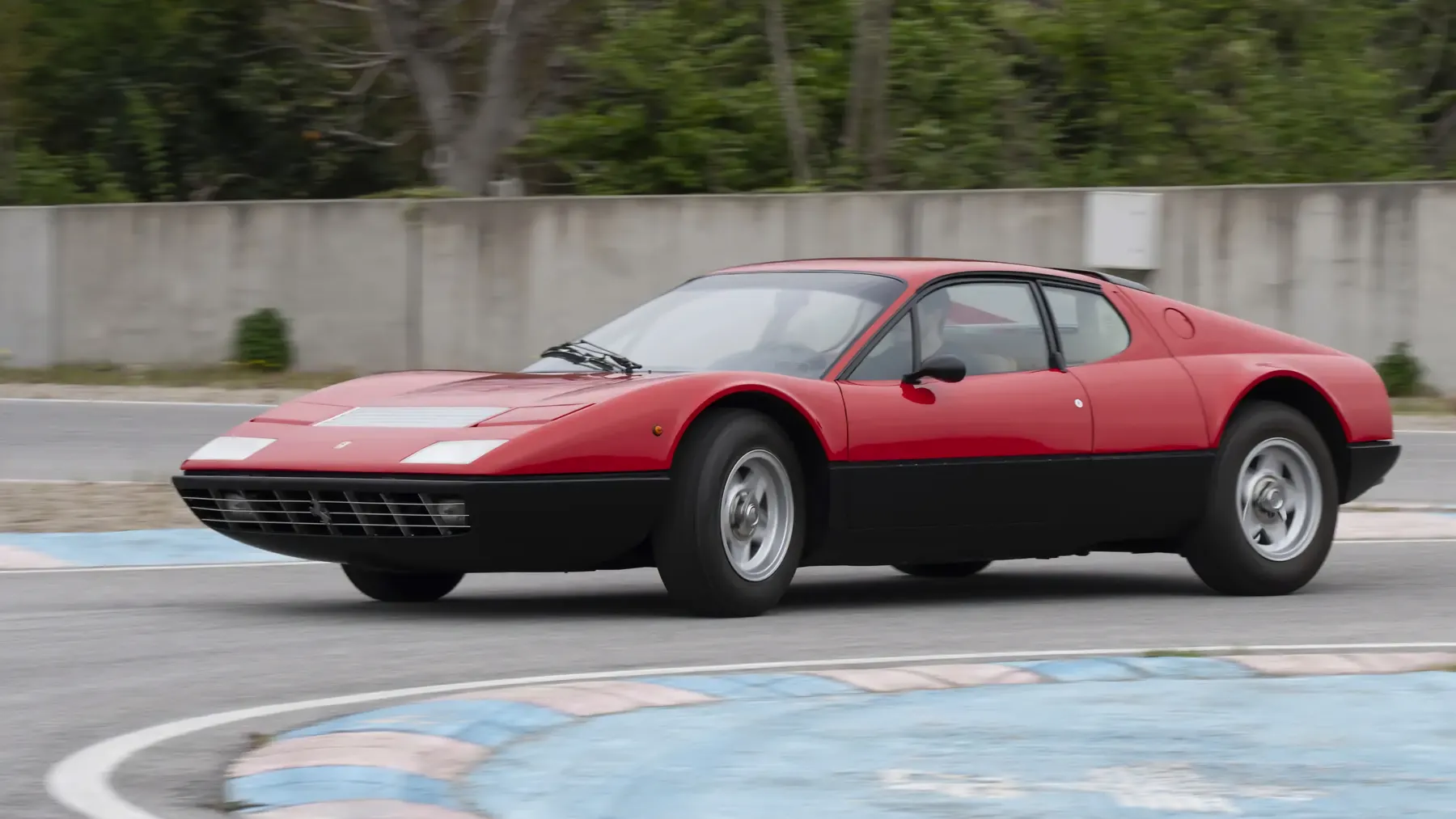
Driving the 365 GT4 BB was an experience that demanded respect. Its mid-engine layout provided exceptional balance and agility compared to its front-engined predecessors. However, this configuration also required skillful handling at high speeds or on uneven surfaces; sudden throttle adjustments could unsettle the car’s weight distribution.
The suspension system featured double wishbones at all four corners, paired with coil springs and hydraulic shock absorbers. Ventilated disc brakes ensured stopping power matched its performance capabilities. On open roads or mountain passes, the 365 GT4 BB came alive, delivering an intoxicating combination of speed, precision, and mechanical symphony.
When it debuted at the Paris Motor Show in 1973, the 365 GT4 BB faced challenges due to timing,it coincided with the global oil crisis. Initial demand was modest; only 387 units were produced between 1973 and 1976, making it the rarest model in Ferrari’s Berlinetta Boxer series.
Despite limited production numbers, contemporary reviews praised its performance and design. Publications like Road & Track lauded its top speed and handling dynamics, cementing its reputation as one of the most advanced supercars of its time.
The Berlinetta Boxer series evolved into the larger-displacement BB 512 and later into fuel-injected variants like the BBi before giving way to the iconic Testarossa in 1984. Yet, it is the original 365 GT4 BB that remains most revered among enthusiasts for its purity and groundbreaking status.
Today, the Ferrari 365 GT4 BB is highly sought after by collectors due to its historical significance and rarity. Its status as Ferrari’s first mid-engine flagship ensures it occupies a special place in automotive history. Original examples with matching numbers or unique features,such as rare color combinations or period-correct interiors,command premium prices at auctions.
For many enthusiasts, owning a 365 GT4 BB is about more than just rarity or investment potential; it represents a pivotal moment when Ferrari embraced modernity while staying true to its legacy of performance and innovation.
In the end, the Ferrari 365 GT4 BB is more than just a beautiful, fast car. It’s a testament to Ferrari’s ability to evolve and innovate while staying true to its core values of performance, exclusivity, and emotional appeal. It represents a moment when Ferrari embraced the future of supercar design, creating a machine that continues to captivate enthusiasts nearly five decades after its introduction.
Join the discussion
Comments
Loading comments…
Leave a comment
Share a detail, memory, or perspective. Every comment is reviewed before publication.