1974 Trojan T101

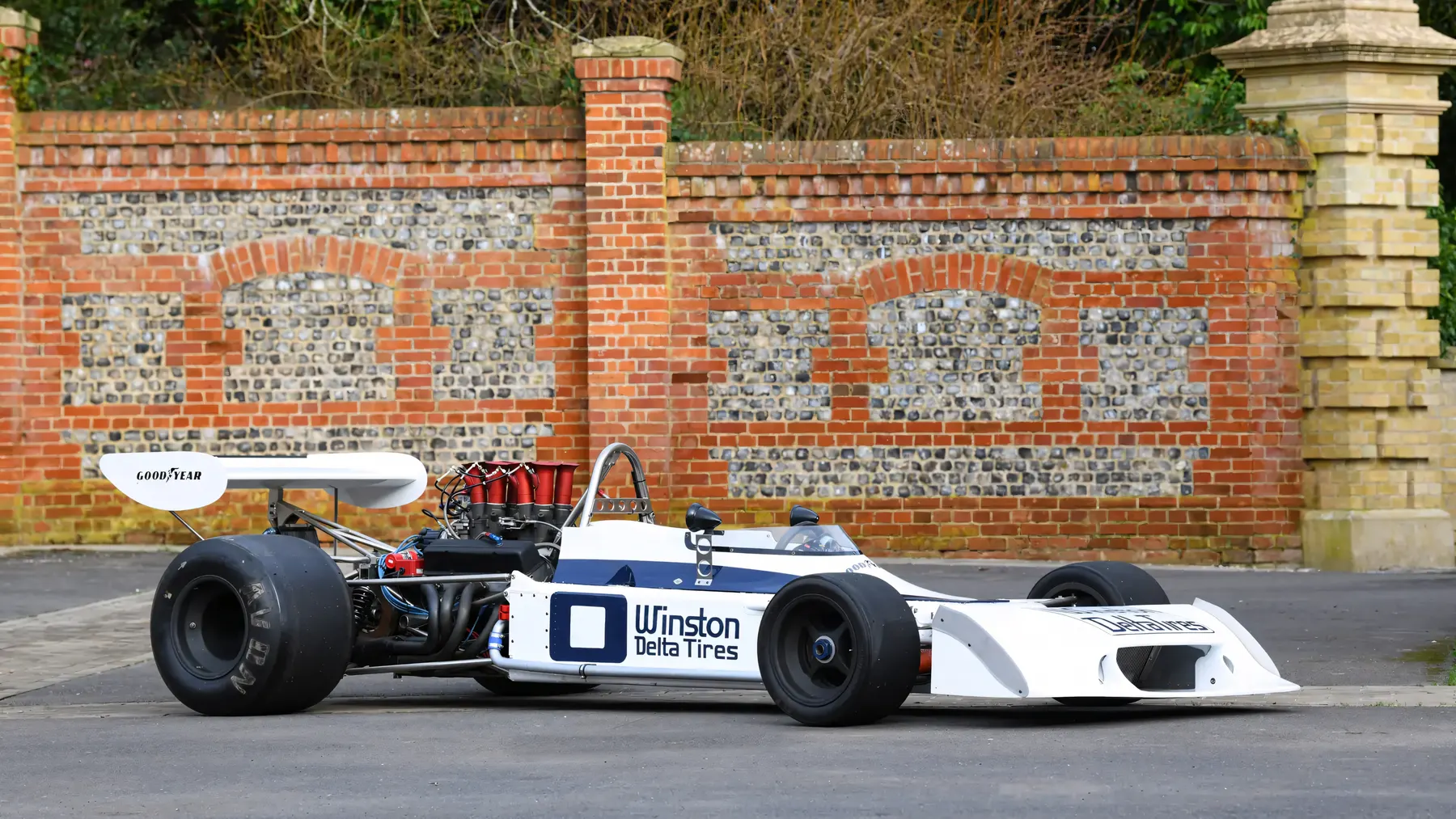
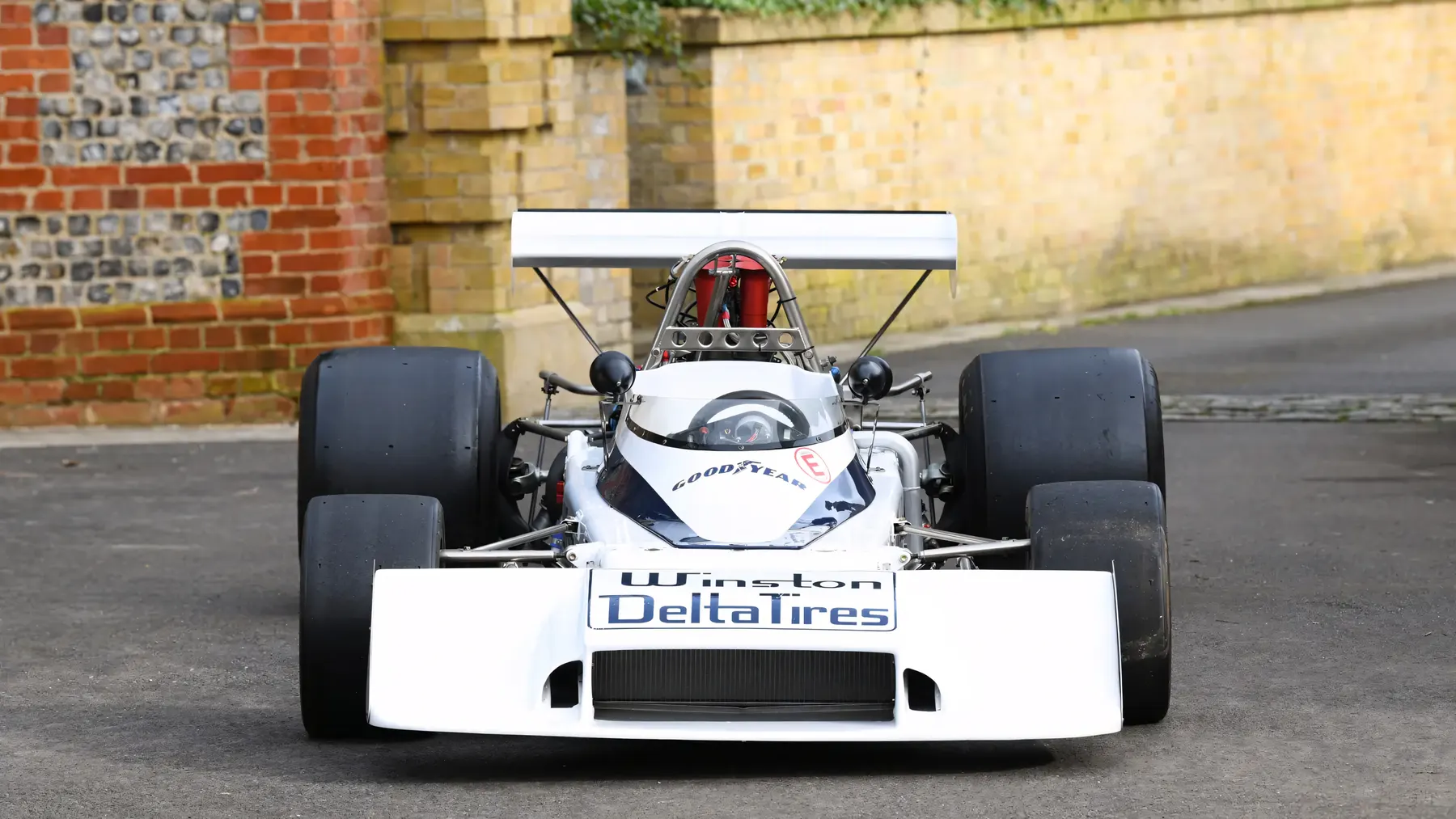
In the early 1970s, as Formula One teams spiraled into costly technological arms races, a plucky British manufacturer dared to redefine accessibility in open-wheel racing. The Trojan T101, a snarling Formula 5000 car built around a thundering Chevrolet V8, became an unlikely hero of an era that prized raw power and driver skill over aerodynamics and budgets. Crafted by Ron Tauranac,the engineering mind behind Brabham’s rise,the T101 embodied a golden age when backyard ingenuity could still topple factory giants.
Trojan’s origins were decidedly unglamorous. Founded in 1914 as a producer of economy cars and delivery vans, the British firm found new life in the 1960s under Peter Agg, an entrepreneur known for importing Lambretta scooters. Agg steered Trojan into motorsport by acquiring Elva Sports Cars and manufacturing McLaren’s customer race cars. By 1973, eager to step out of McLaren’s shadow, Agg tapped Ron Tauranac, freshly departed from Brabham, to design Trojan’s first standalone race car: the T101.
The project aligned perfectly with Formula 5000’s rise. This budget-friendly open-wheel series allowed 5.0-liter production-based engines, offering F1-level speeds without the astronomical costs. For Trojan, it was an opportunity to carve a niche in an era of excess.
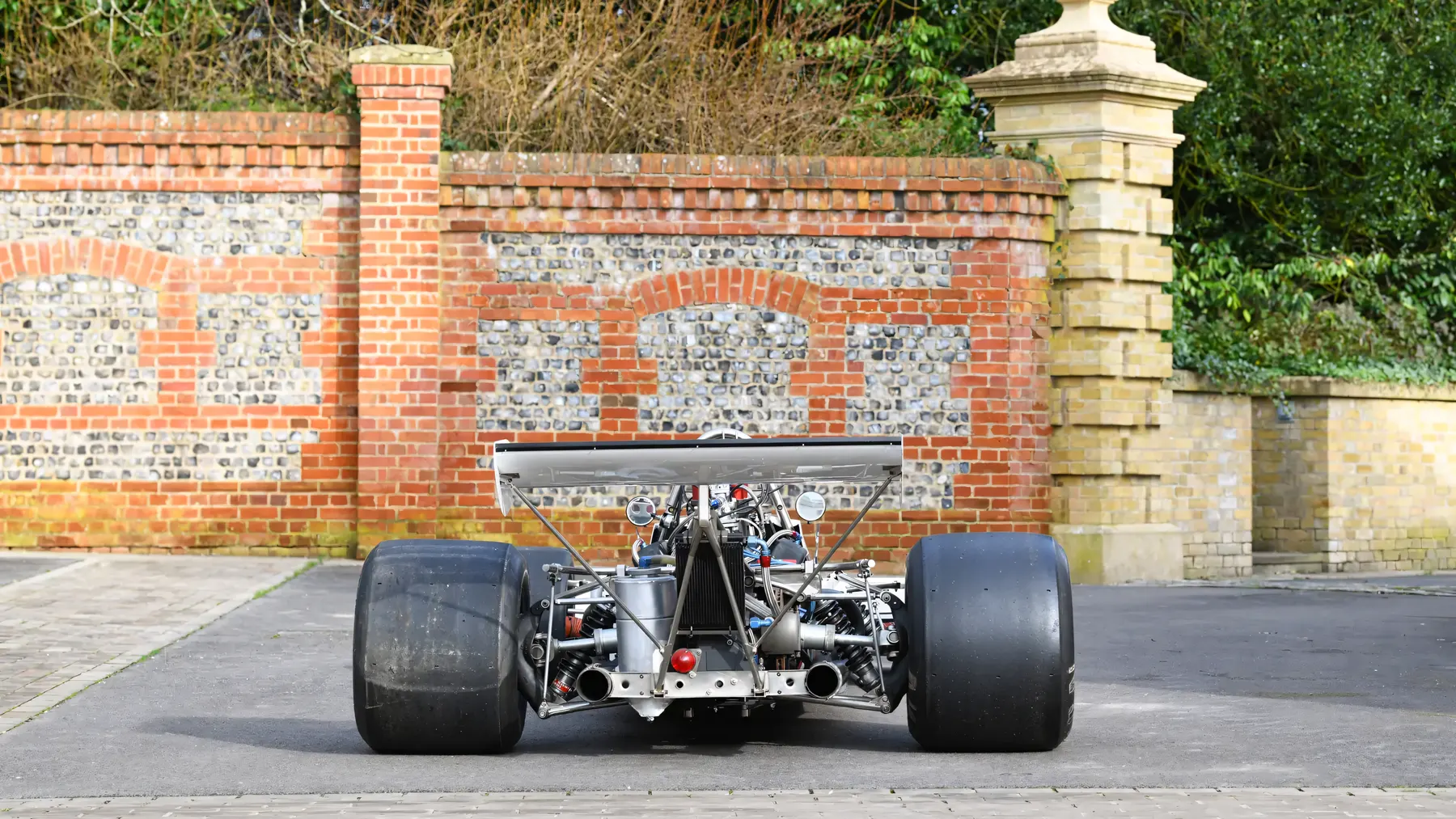
Tauranac’s philosophy was “simplicity with purpose.” The T101’s aluminum monocoque drew inspiration from his Brabham BT40 but borrowed aerodynamics from McLaren’s M21 Formula Two car. The chassis, though conventional, prioritized rigidity and serviceability,a stark contrast to F1’s fragile composite experiments.
Suspension followed a classic double-wishbone setup at the front, paired with a multi-link rear to tame the Chevrolet V8’s 500 horsepower. The 5.0-liter small-block, sourced from Detroit’s production line, was detuned to 7,000 rpm for reliability, mated to a bulletproof Hewland DG300 gearbox. Bodywork was rudimentary,a wedge nose and boxy side pods,but effective, channeling airflow to the rear wing and cooling the radiator without drag-inducing complexity.
“We didn’t need wind tunnels,” Tauranac later quipped. “We had common sense and a slide rule.”
On track, the T101 was a paradox: civilized enough for a gentleman driver yet wild enough to challenge pros. The Chevy V8’s torque curve allowed drivers to powerslide out of corners, while its 3.5-second 0-60 mph acceleration rivaled contemporary F1 machines. At road courses like Laguna Seca or Brands Hatch, the T101 shone, its balanced chassis forgiving mid-corner adjustments.
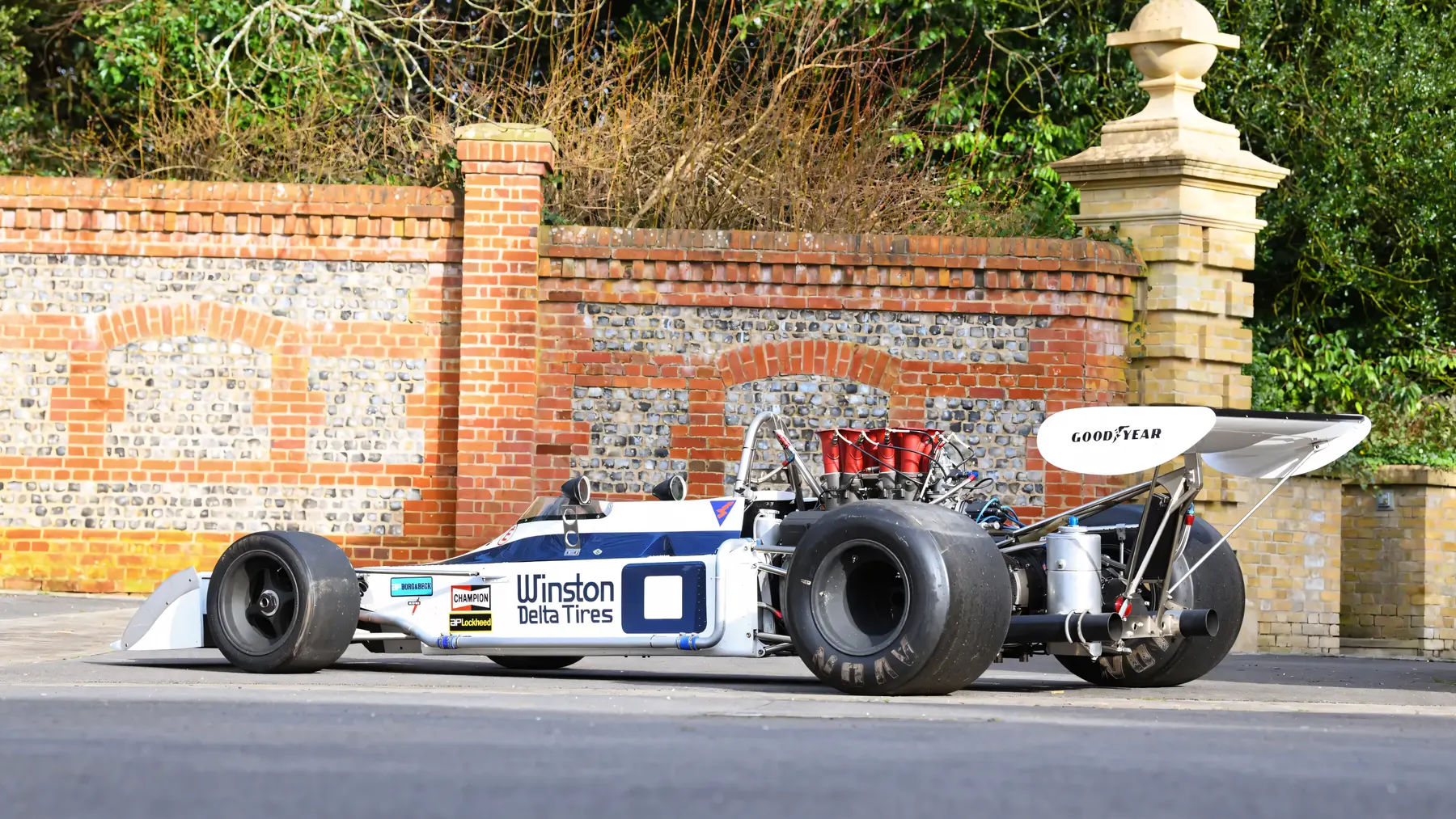
Jody Scheckter, then a rising star, weaponized the T101 in 1973’s SCCA L&M Championship. His strategy? Attack early. “The Chevy ate tires, so I’d build a lead in five laps, then coast,” he recalled. The approach netted multiple wins, including a dominant victory at Riverside, where Scheckter lapped all but two competitors.
In Europe, the T101 found similar success. At the 1973 Oulton Park Gold Cup, David Hobbs fended off F1 guest drivers in a rain-soaked duel, proving the car’s versatility.
The T101’s defining traits lay in its unapologetic simplicity and adaptability. At its core roared the burly Chevrolet V8, an engine more akin to a freight train than a thoroughbred race unit. Though heavier than the Cosworth DFV used in Formula One, its iron-block construction and 400 lb-ft of torque allowed drivers to bully their way out of corners while preserving tires,a tactical advantage in endurance races. Cost efficiency became its silent weapon. Priced at $25,000, the T101 offered privateers a budget gateway to podium contention, with engines that could be rebuilt using off-the-shelf parts from any speed shop. This accessibility was magnified by Trojan’s modular design philosophy: the T101 could be reconfigured for Formula Libre or Can-Am racing with factory-supplied kits, broadening its appeal to drivers and teams craving versatility. These elements combined to create a car that prioritized function over flair, proving that ingenuity could trump extravagance.
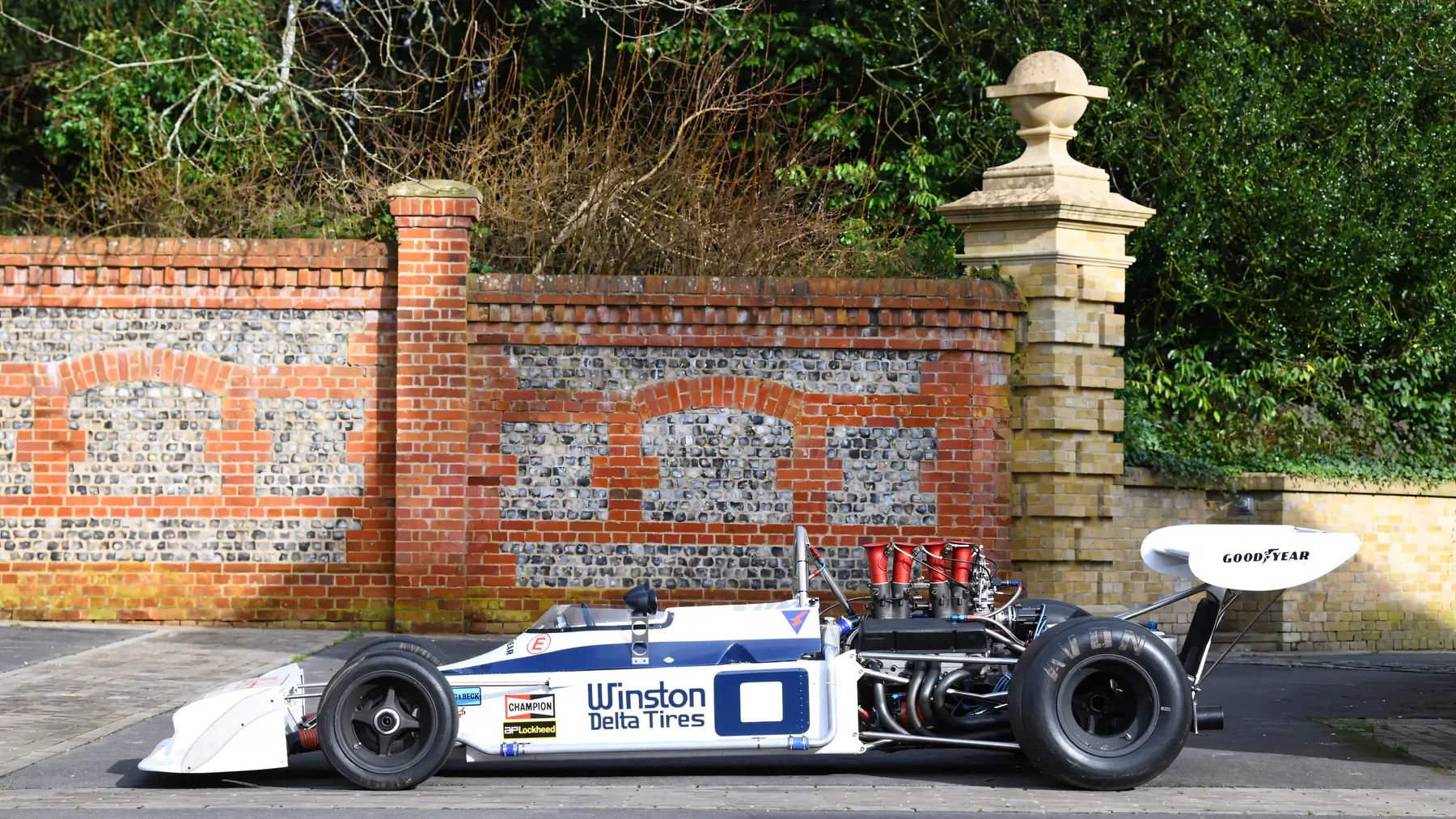
Initially dismissed as a “parts bin special,” the T101 won over skeptics. Mechanics praised its ease of repair,a crumpled nose could be hammered straight trackside. Drivers loved its visceral feedback; without ground effects or downforce aids, success hinged on throttle control and bravery.
Media dubbed it the “Working Man’s Ferrari.” Road & Track noted in 1974: “The T101 isn’t pretty, but it’s honest. It reminds us that racing used to be fun.”
Trojan built only six T101s,four raced in-period, two as spares. Yet their impact endures. The T101 helped legitimize Formula 5000 as North America’s premier open-wheel series in the mid-1970s, drawing crowds that rivaled IndyCar.
Today, surviving T101s are darlings of historic racing. At Goodwood Revival, their Chevy engines shake grandstands, a raucous counterpoint to the whistling turbos of later eras. Collectors prize their simplicity; restorers joke that “every bolt is available at Ace Hardware.”
Ron Tauranac’s design philosophy also left fingerprints on future icons. The T101’s focus on reliability and driver-centric dynamics echoed in his later designs for Ralt, proving that in racing, sanity sometimes trumps genius.
The Trojan T101 wasn’t groundbreaking,and that’s its triumph. In an age of technical overreach, it celebrated accessibility, rewarding skill over budget. It’s a testament to a time when racing was as much about passion as precision, and a reminder that sometimes, the best ideas are the simplest. As vintage racer Bobby Rahal notes: “Driving a T101 feels like wrestling a bear. But if you survive, you’ll never stop grinning.”
**
Join the discussion
Comments
Loading comments…
Leave a comment
Share a detail, memory, or perspective. Every comment is reviewed before publication.