1975 Ferrari 400i 'Prototipo'

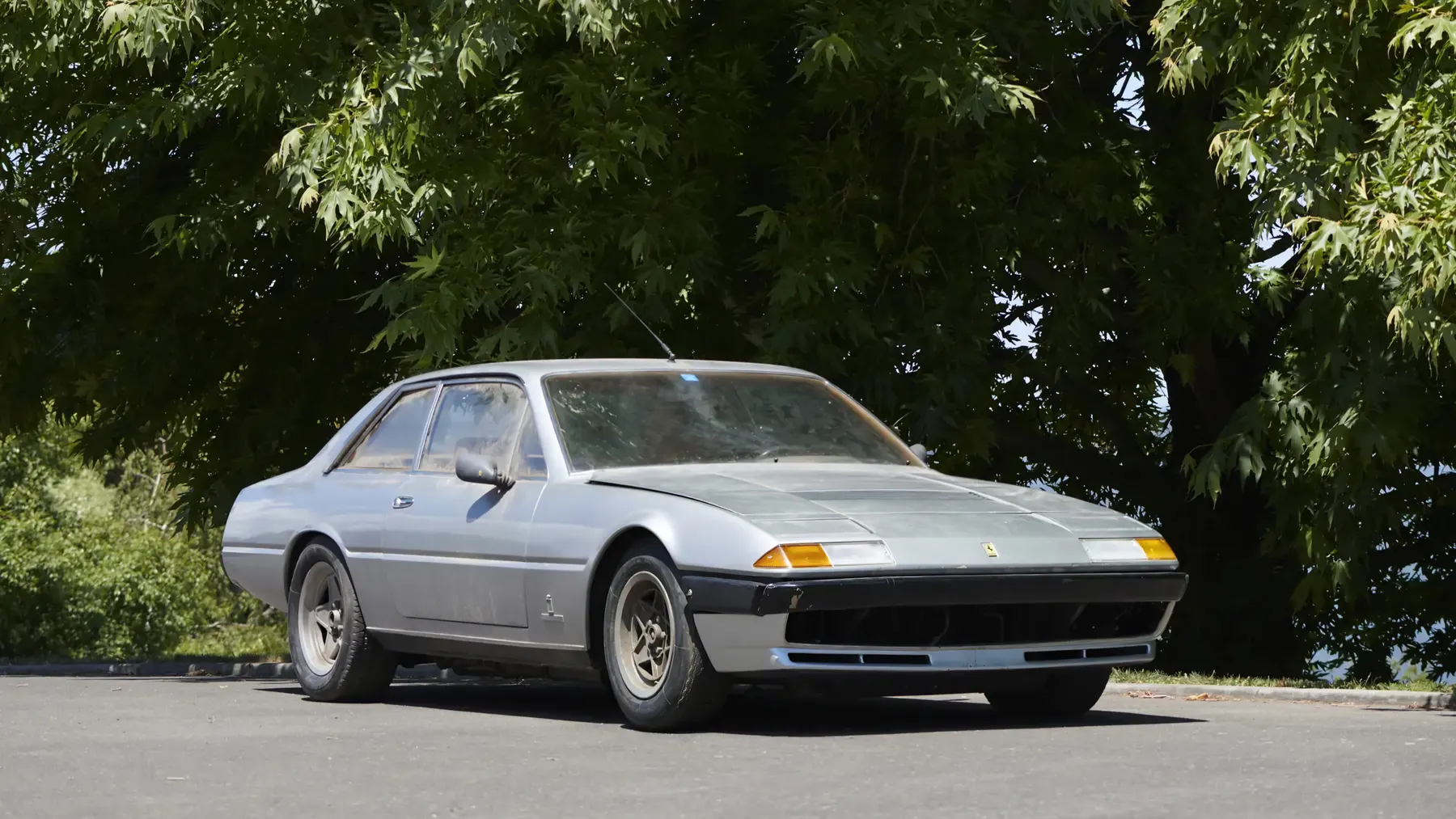
Hidden away in Ferrari’s development facilities during the mid-1970s, a silver grand tourer designated as an “Esperianza” car was quietly helping shape the future of Maranello’s flagship touring models. This vehicle,the Ferrari 400i ‘Prototipo’,represents a fascinating transitional moment in Ferrari history, bridging the gap between the company’s traditional carbureted engines and the fuel-injected future that loomed on the horizon. While most enthusiasts focus on Ferrari’s mid-engined sports cars, this front-engined prototype tells a different but equally compelling story about how Ferrari navigated changing emissions regulations while maintaining its commitment to grand touring excellence.
The story begins in 1975, when Ferrari pulled a 365 GT4 2+2 from the production line and designated it for special duty. Finished in elegant Argento Metallizzato (silver metallic) with a beige interior, this car would spend the next five years as a rolling laboratory, helping Ferrari engineers develop what would eventually become the 400i,the company’s first V12 model with fuel injection.
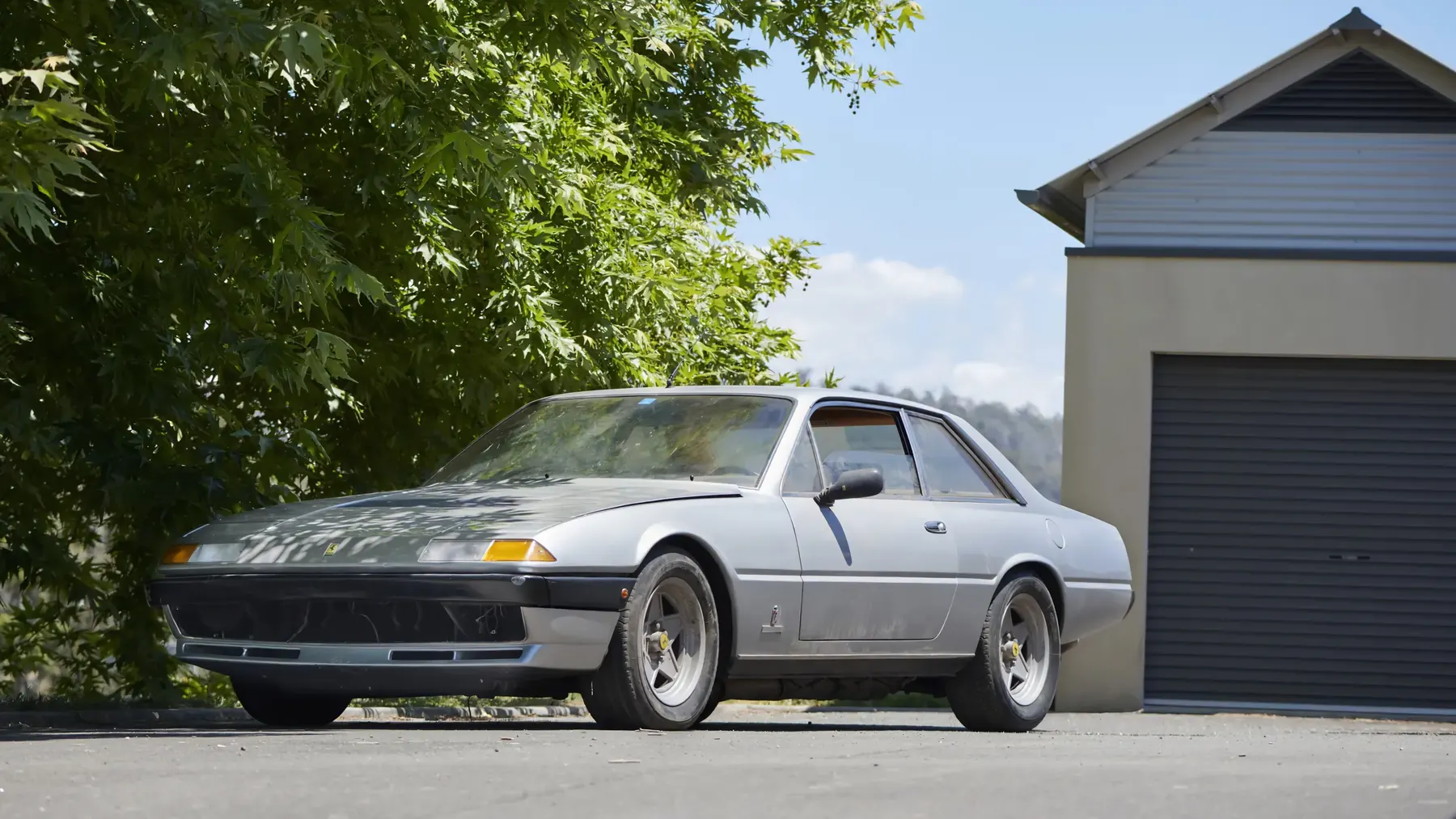
What makes this prototype particularly significant is its engine: numbered 00001, it represents the very first implementation of Bosch K-Jetronic fuel injection in Ferrari’s flagship grand tourer. This wasn’t merely a production car with some testing equipment bolted on; it was a purpose-built development vehicle that evolved alongside Ferrari’s engineering team.
According to factory documentation, the car may have been driven by Formula 1 champion Niki Lauda during its testing phase,a tantalizing connection to Ferrari’s racing program. While Lauda is primarily associated with Ferrari’s Formula 1 efforts, top drivers were occasionally called upon to evaluate road car development, providing valuable feedback from individuals with superhuman sensitivity to vehicle dynamics.
To understand the significance of the 400i ‘Prototipo,’ we need to examine the model line it helped develop. The Ferrari 400 series began with the 365 GT4 2+2 in 1972, designed to replace the 365 GTC/4. This family of front-engined V12 grand tourers would eventually become Ferrari’s longest-running production series, continuing through the 400, 400i, and 412 models until 1989,an impressive 17-year span.
The design came from Leonardo Fioravanti at Pininfarina, who created a three-box shape that marked a clear departure from the fastback styling of its predecessor. The clean, angular lines featured Fioravanti’s characteristic swage line dividing the body into upper and lower halves,a design element he had previously employed on the legendary 365 GTB/4 Daytona.
Perhaps most controversially, the 400 became the first Ferrari available with an automatic transmission,a three-speed GM Turbo-Hydramatic unit. This option, while sacrilegious to purists, acknowledged the changing nature of the luxury GT market, especially as Ferrari eyed American customers (though the car was never officially imported to the US).
By the late 1970s, emissions regulations were tightening worldwide, and Ferrari needed to adapt. The carbureted 400, introduced in 1976, gave way to the fuel-injected 400i in 1979. This transition wasn’t simply a matter of bolting on some injectors,it required extensive development and testing, which is precisely where our ‘Prototipo’ played its crucial role.
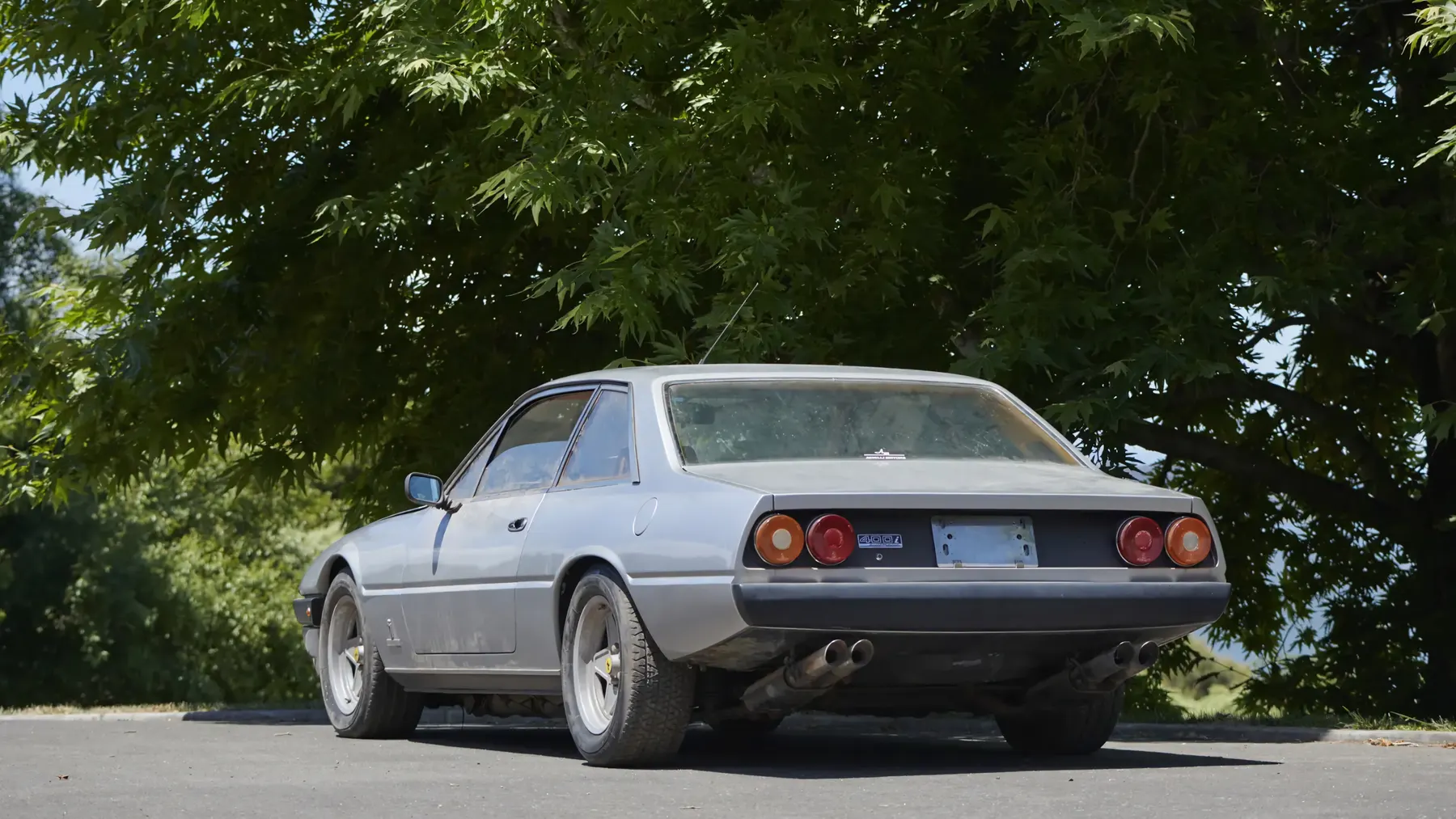
The prototype began life with a carbureted engine before being converted to the Bosch K-Jetronic mechanical fuel injection system. This continuous injection system was cutting-edge technology at the time, offering more precise fuel delivery and improved emissions compliance. However, as with many early fuel-injected engines, there was a tradeoff: power decreased from 340 to 310 horsepower, though driveability and cold-starting improved significantly.
The ‘Prototipo’ allowed Ferrari engineers to fine-tune this system, working through the inevitable teething issues that come with new technology. Its status as an extended development vehicle,kept by the factory from 1975 to 1980,suggests that creating a properly functioning fuel-injected V12 was no simple task.
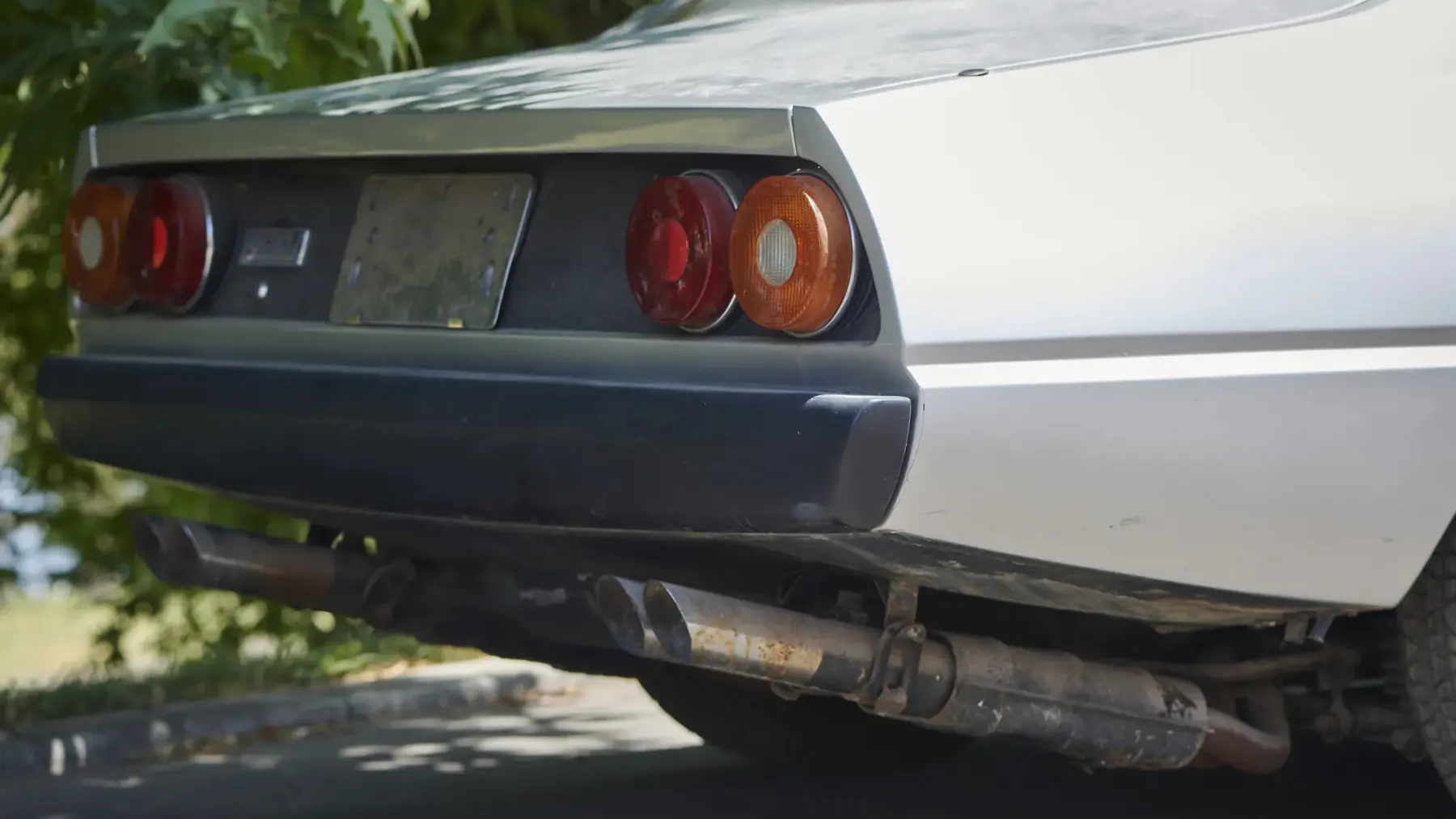
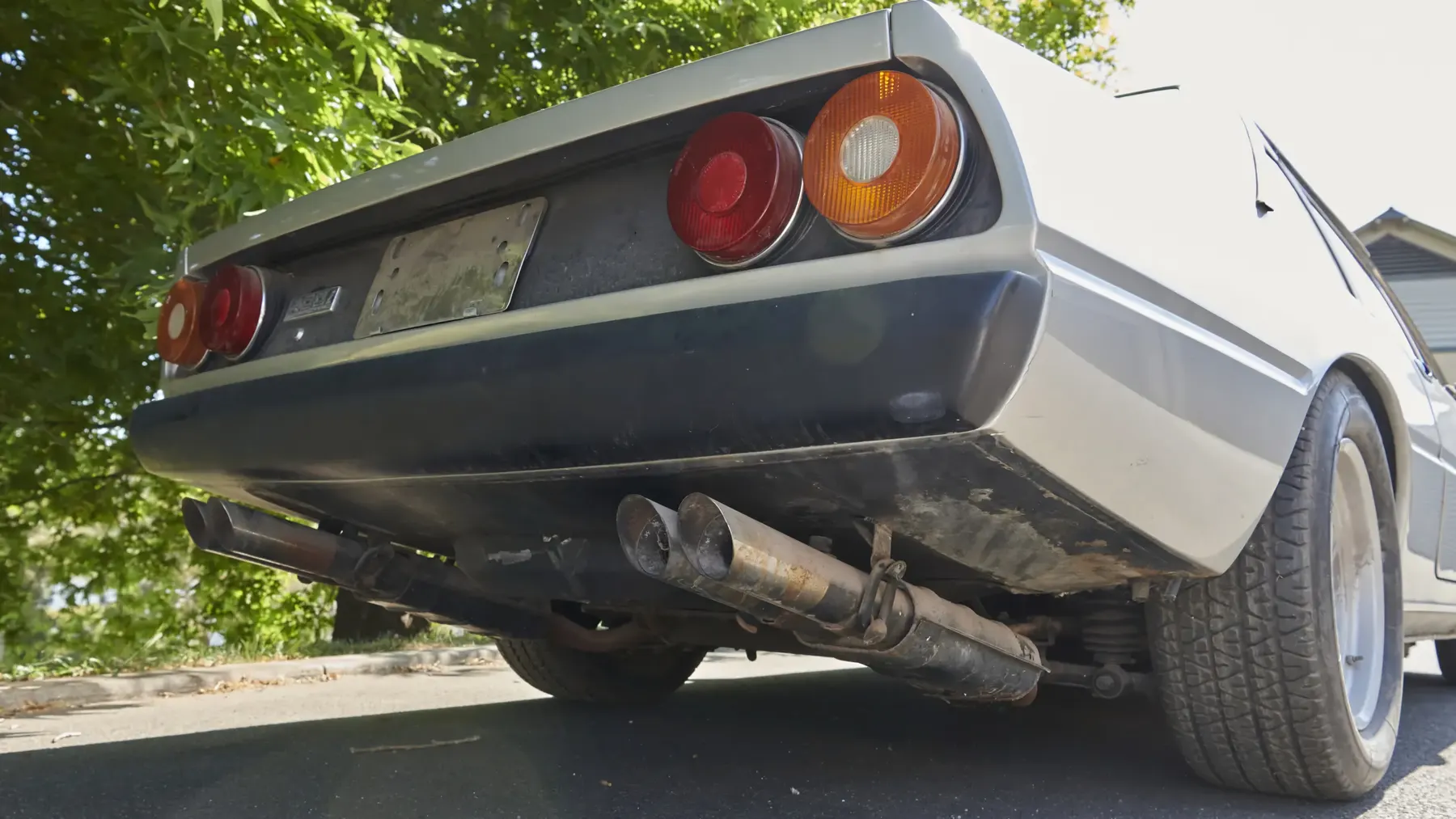
What makes the 400i ‘Prototipo’ particularly interesting to marque enthusiasts are the special features not found on production models. The roof-mounted stereo system suggests engineers were experimenting with interior configurations, while the third rear ashtray indicates this was a car where comfort and convenience were being carefully considered from every angle.
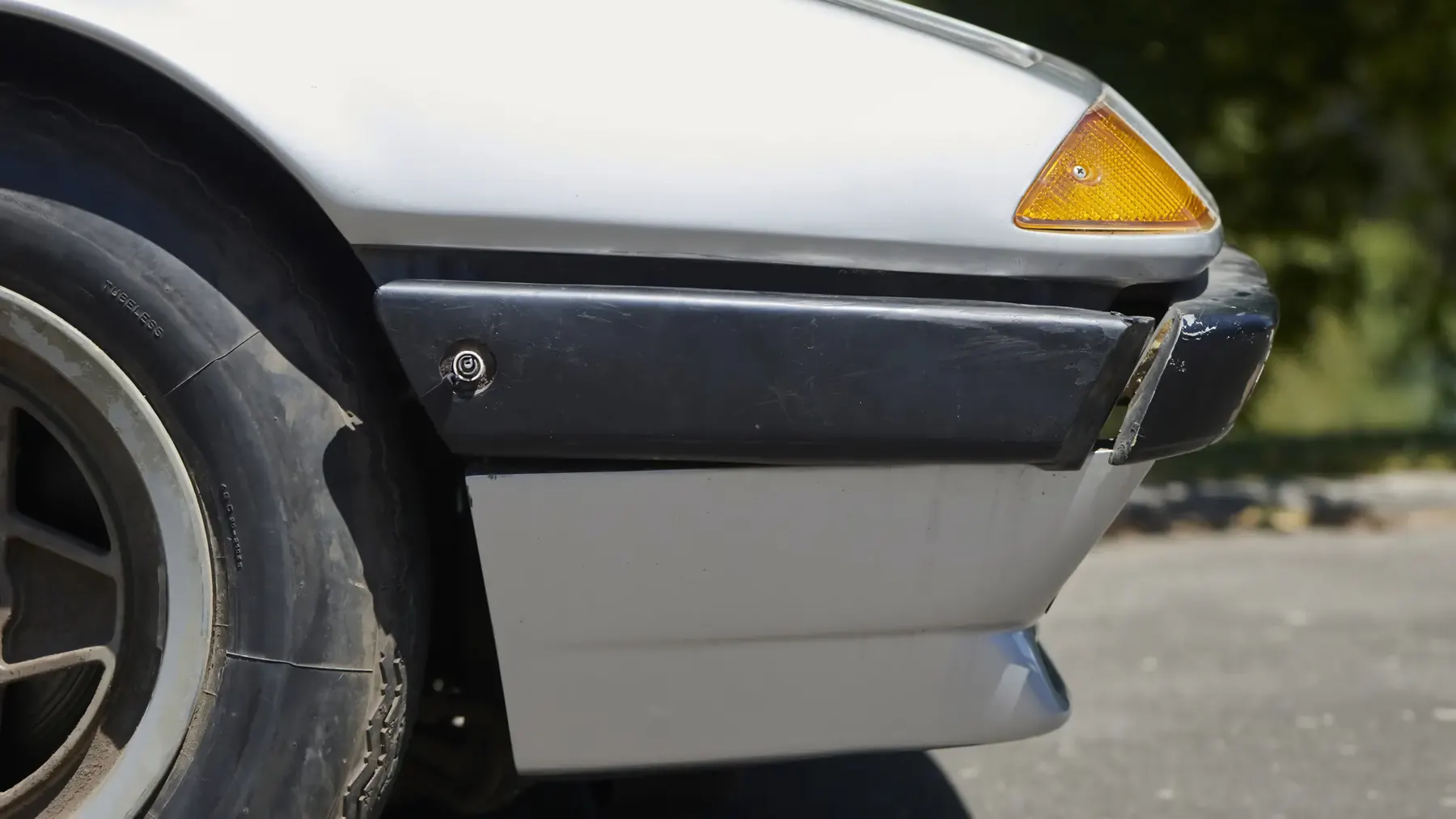
The prototype retained the elegant proportions of the production 400 series, with its long hood housing the front-mounted V12, spacious cabin capable of seating four adults, and clean, understated tail. The metric-sized alloy wheels were another forward-looking feature, as Ferrari worked to modernize every aspect of its flagship grand tourer.
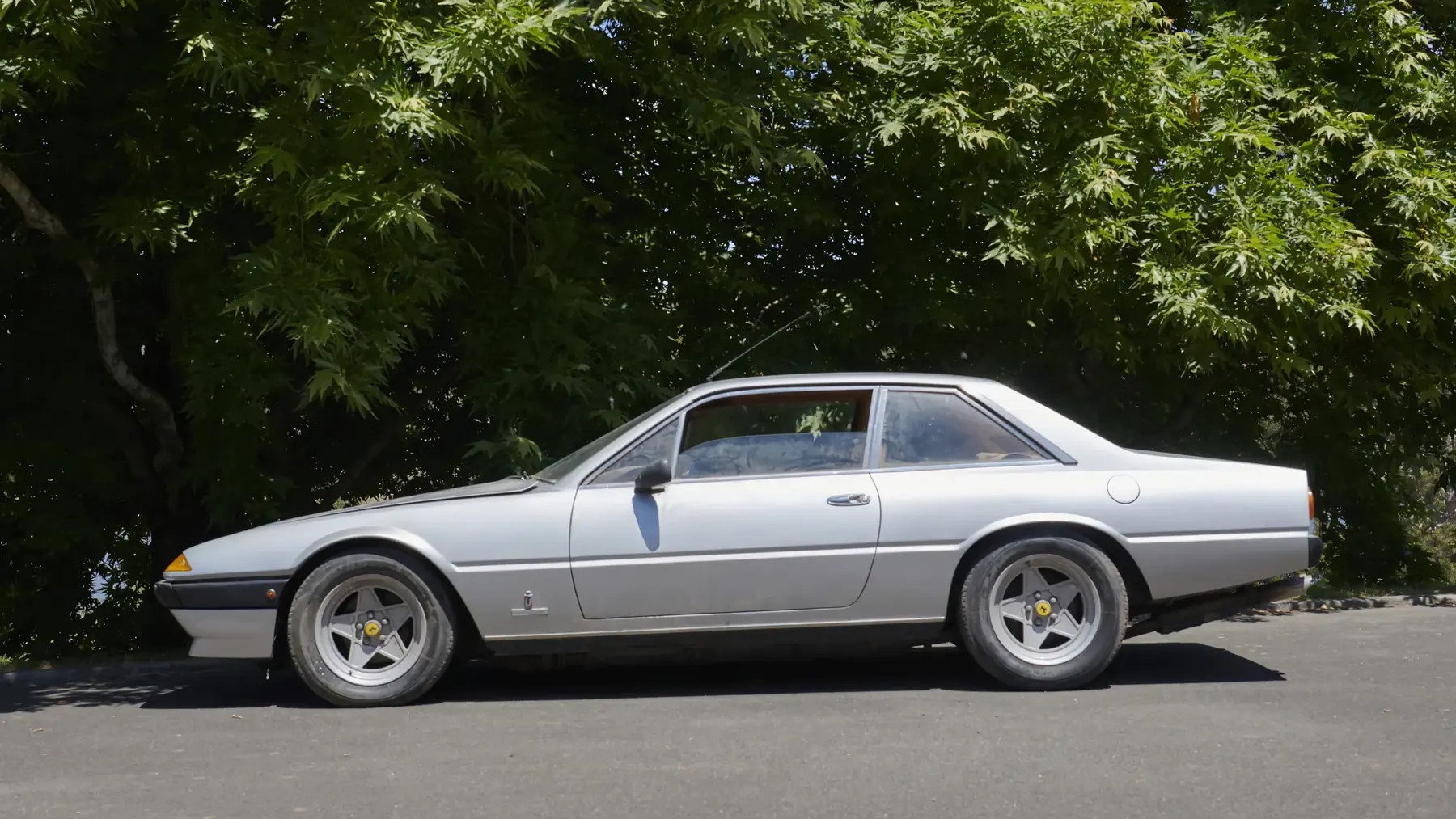
Inside, the beige interior featured the 400’s characteristic combination of leather and wood, creating an ambiance appropriate for long-distance touring. The large, airy greenhouse provided excellent visibility,a practical consideration for a car designed to cross continents at high speed.
While the introduction of fuel injection reduced outright power, the 400i still delivered impressive performance. The production version could reach 100 km/h in around 7.1 seconds and achieve a top speed of 240 km/h,respectable figures for a four-seat luxury car weighing nearly 1,800 kilograms.
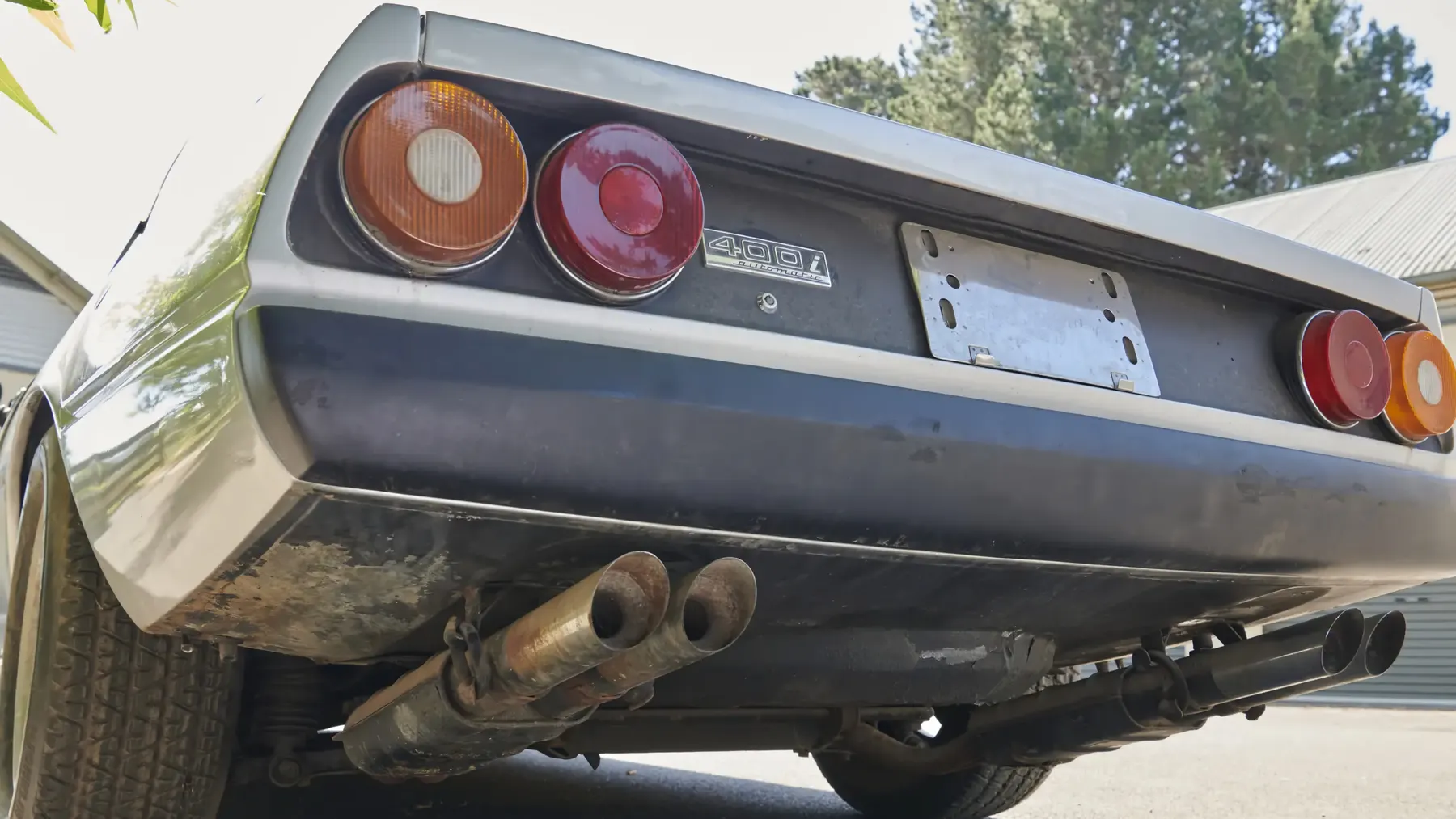
The prototype would have driven similarly, though possibly with some rougher edges as engineers worked to refine the fuel injection system. The automatic transmission,controversial among enthusiasts but perfect for the car’s grand touring mission,provided smooth shifts and relaxed cruising, even if it dulled some of the V12’s sporting character.
Contemporary road tests praised the 400i’s stability at high speeds and its ability to shrink distances on long journeys. The compliant suspension absorbed road imperfections while still providing confident handling, though this was clearly a GT rather than a sports car. The sonorous V12 maintained Ferrari’s reputation for magical engine notes, even in fuel-injected form.
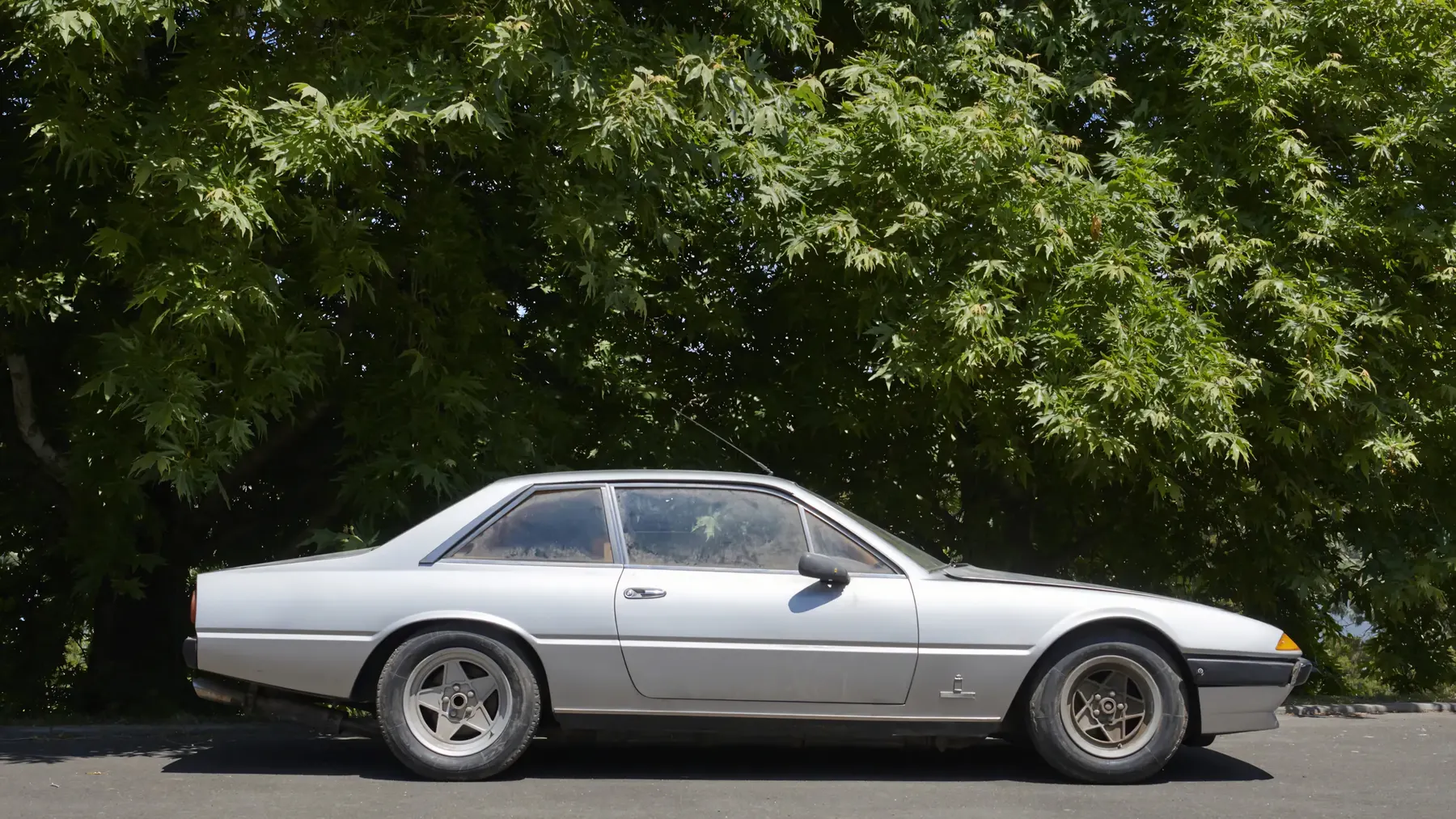
The 400 series has always divided opinion. In period, many traditionalists lamented the move to fuel injection and the availability of an automatic transmission, seeing both as dilutions of Ferrari’s sporting heritage. Jeremy Clarkson famously described the 400 as “awful in every way” on Top Gear, and it even earned a dubious place in the BBC’s book of “Crap Cars.”
Yet there have been equally passionate defenders. The respected British automotive journalist L.J.K. Setright considered it “one of the few most beautiful, and one of the two most elegant, bodies ever to leave the lead of Pininfarina’s pencilling vision.” Today, many collectors have come to appreciate the 400 series for what it was: a sophisticated grand tourer that prioritized long-distance comfort over outright sportiness.
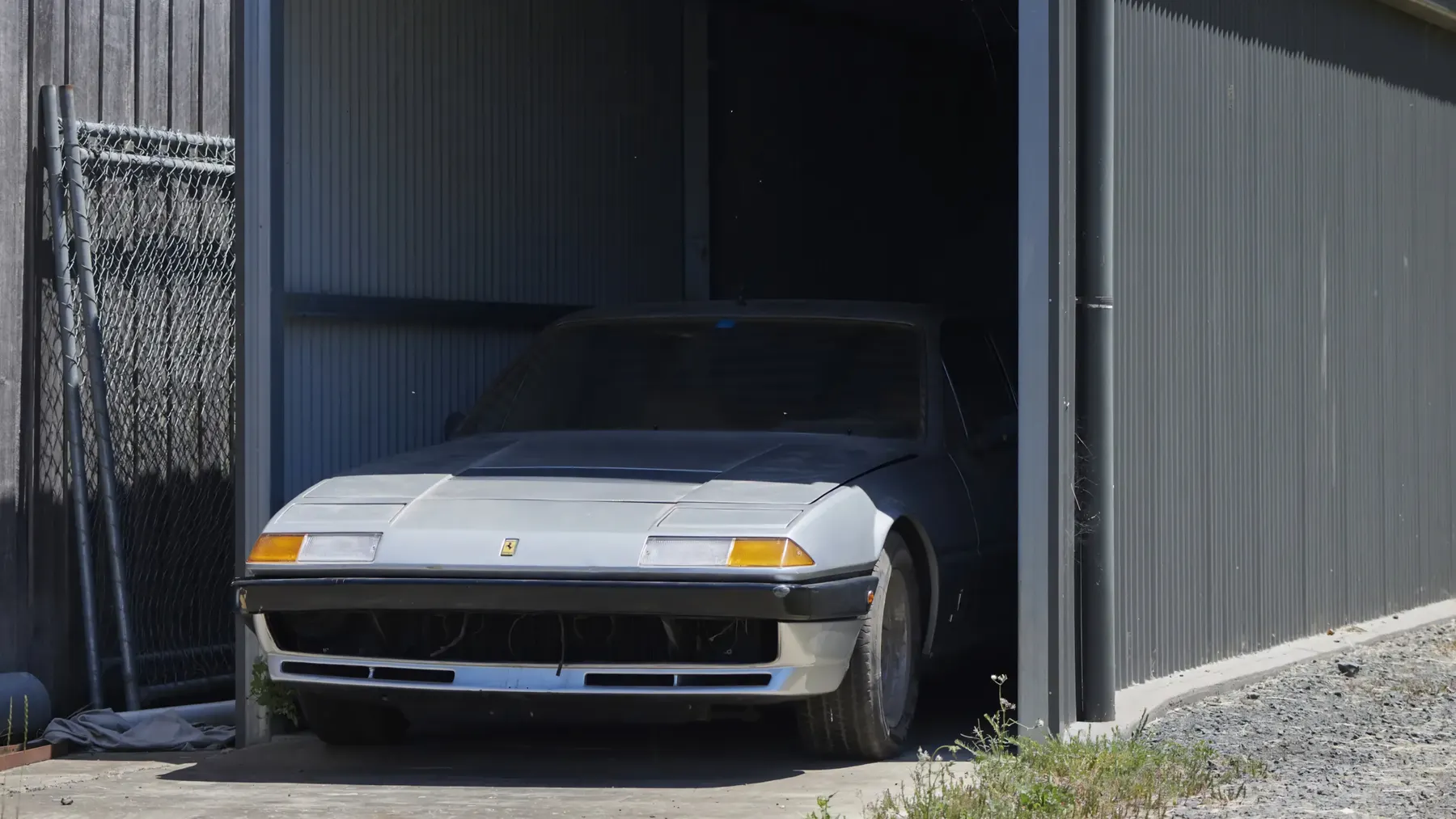
The 400i ‘Prototipo’ represents something more specific: a tangible link to Ferrari’s development process during a pivotal transitional period. As documented by marque expert Marcel Massini, this car’s unique history and features make it an important artifact for understanding how Ferrari navigated the changing automotive landscape of the late 1970s.
While Ferrari’s racing cars rightfully capture much of the attention directed at the storied Italian manufacturer, development prototypes like the 400i ‘Prototipo’ offer a different but equally valuable perspective on the company’s history. These working vehicles reveal how Ferrari engineers solved problems, tested new technologies, and refined their creations before delivering them to customers.
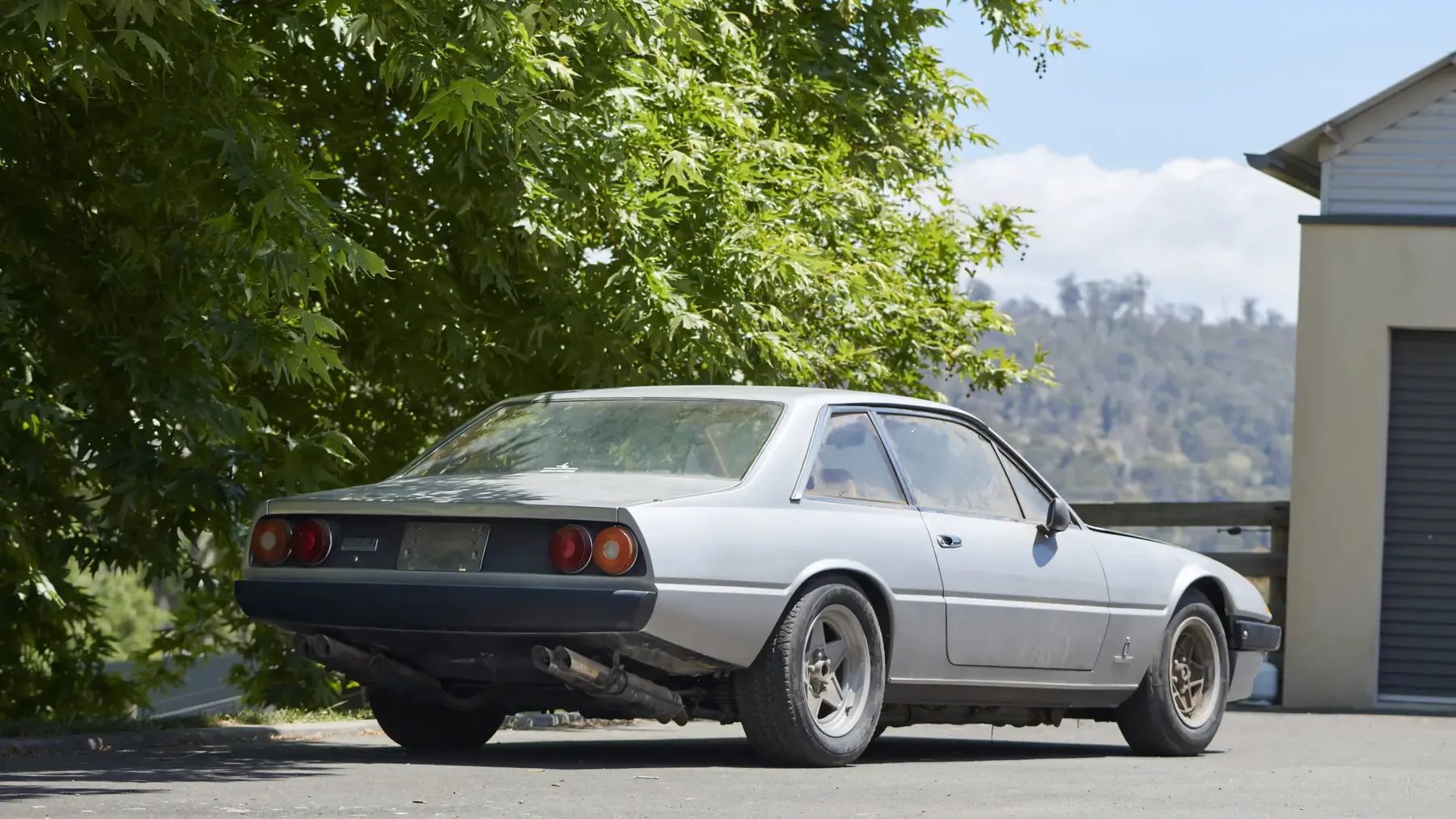
The 400i ‘Prototipo’ stands as a physical reminder that even Ferrari’s most elegant grand tourers underwent extensive testing and development. Its evolution from carbureted 365/400 to fuel-injected 400i parallels Ferrari’s own evolution during this period,adapting to changing regulations while striving to maintain the performance and character that made its cars special.
For collectors and historians, cars like the ‘Prototipo’ provide irreplaceable insights into how iconic vehicles came to be. Beyond its value as a rare Ferrari, this development car tells a story about automotive engineering during a time of significant technological change,a story written in metal, leather, and the careful notations of test engineers working to perfect one of the world’s most prestigious grand tourers.
Join the discussion
Comments
Loading comments…
Leave a comment
Share a detail, memory, or perspective. Every comment is reviewed before publication.