1975 Lancia Stratos HF Stradale by Bertone

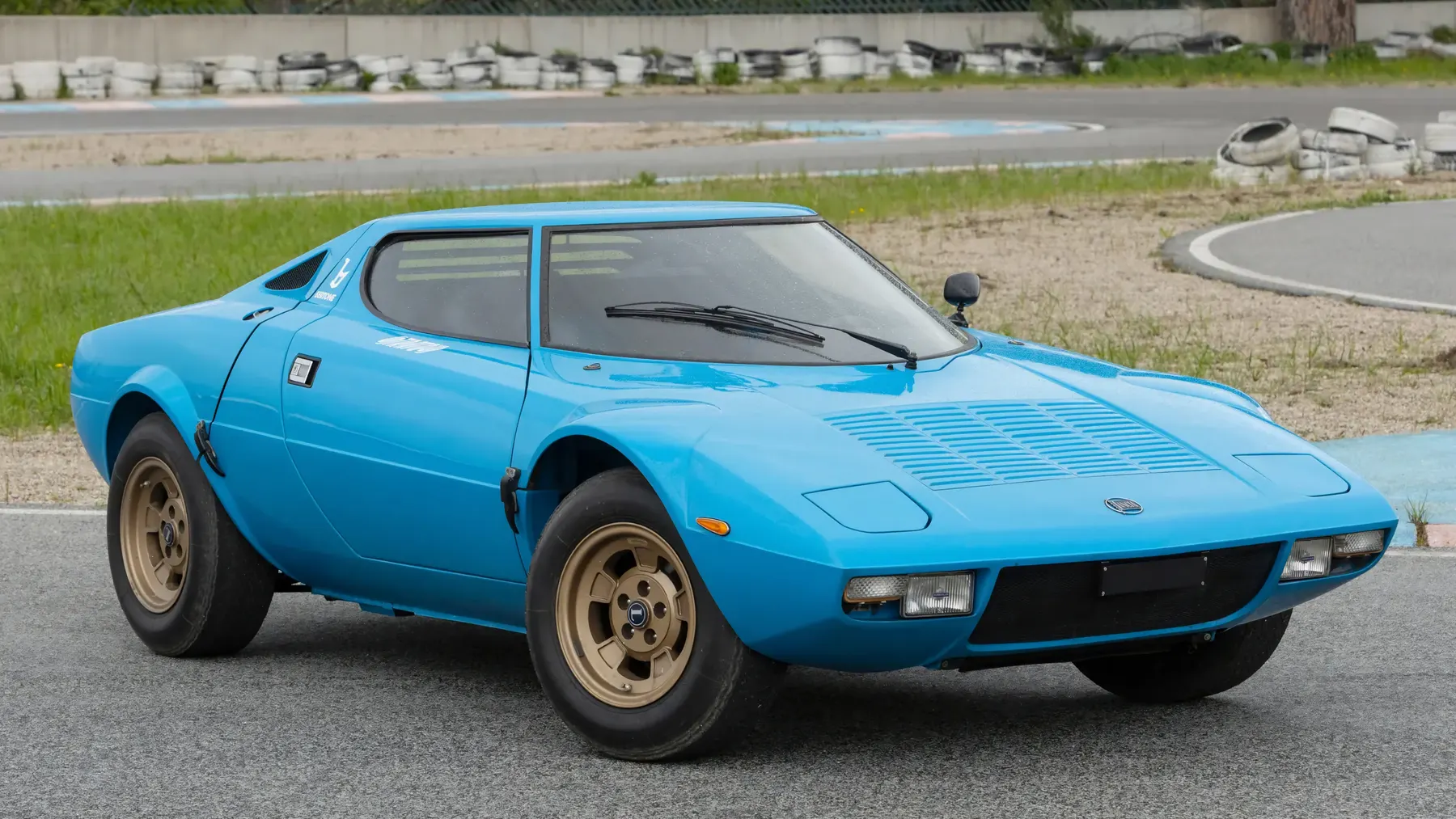
When the Lancia Stratos HF Stradale first rolled onto rally stages in the early 1970s, it looked like nothing else on the road,or the track. But this wasn’t a futuristic concept car designed to gather dust at auto shows. Built by a small Italian team with a reputation for innovation, the Stratos was a radical machine that turned conventional car design upside down. It wasn’t just fast; it was a statement. A few years later, that statement became a roar as it dominated rally championships, proving that sometimes the wildest ideas are the ones that work best.
The Stratos didn’t start as a practical racing project. Its story begins with a show car. In 1970, Bertone, the Italian design house, unveiled the Stratos Zero at the Turin Motor Show. The car was a neon-orange wedge so low-slung that the driver had to climb through the windshield to get inside,a dramatic exercise in style over function. But Lancia’s motorsport boss, Cesare Fiorio, saw potential in its daring shape. Rallying was changing, and Fiorio knew the brand’s aging Fulvia coupes couldn’t keep up with newer competitors. He wanted a car built purely for racing, and Bertone’s wild concept sparked an idea.
There was just one problem: engines. Lancia’s existing motors were too weak, and developing a new one would take years. The solution came from an unlikely source,Enzo Ferrari. After months of negotiation, Ferrari agreed to supply 500 of his Dino V6 engines, the same ones used in his mid-engined sports cars. The catch? Ferrari would only hand them over once production of his own Dino models ended. For Lancia, it was a gamble: they’d have to design a car around an engine they couldn’t fully test yet.
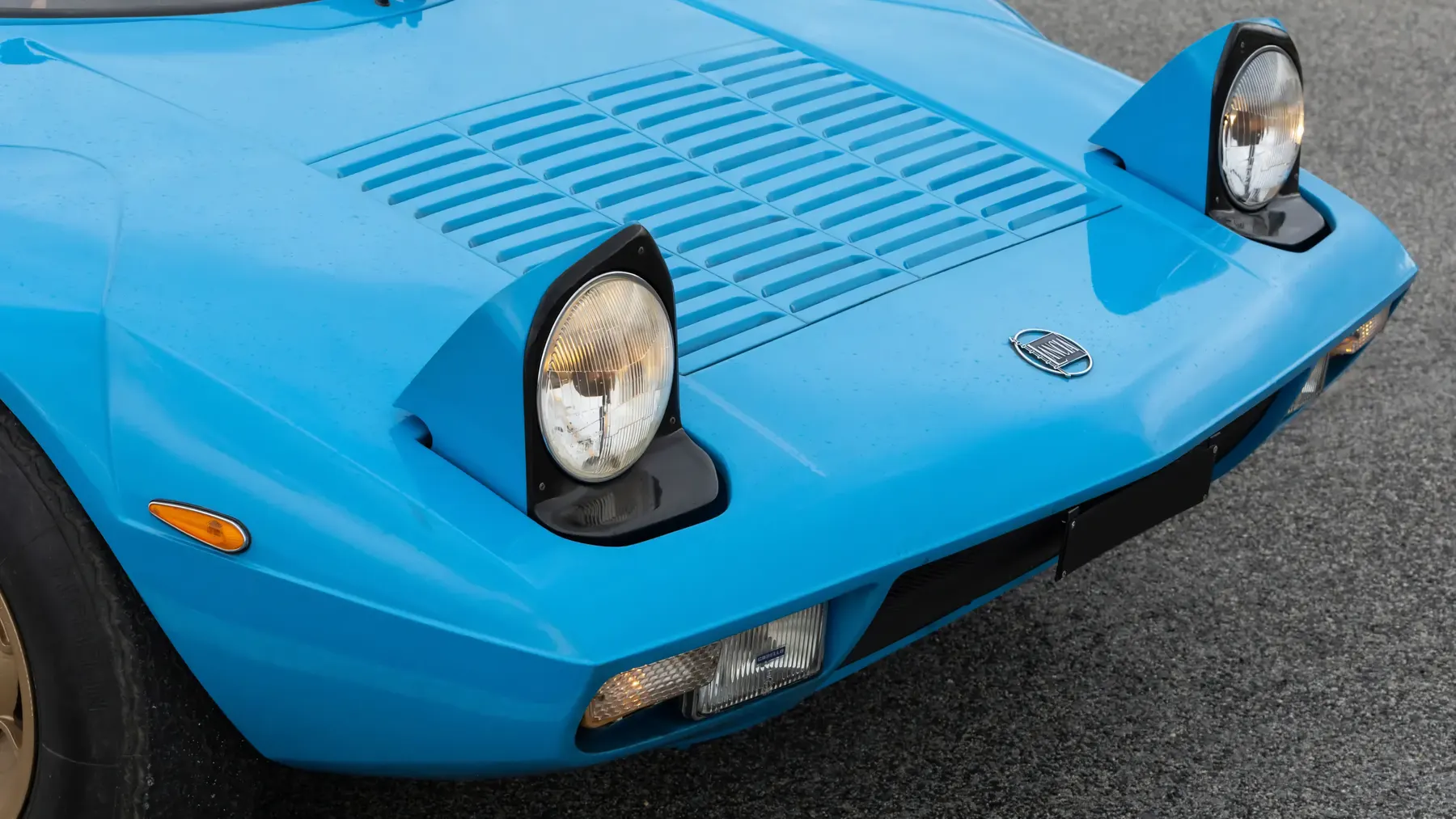
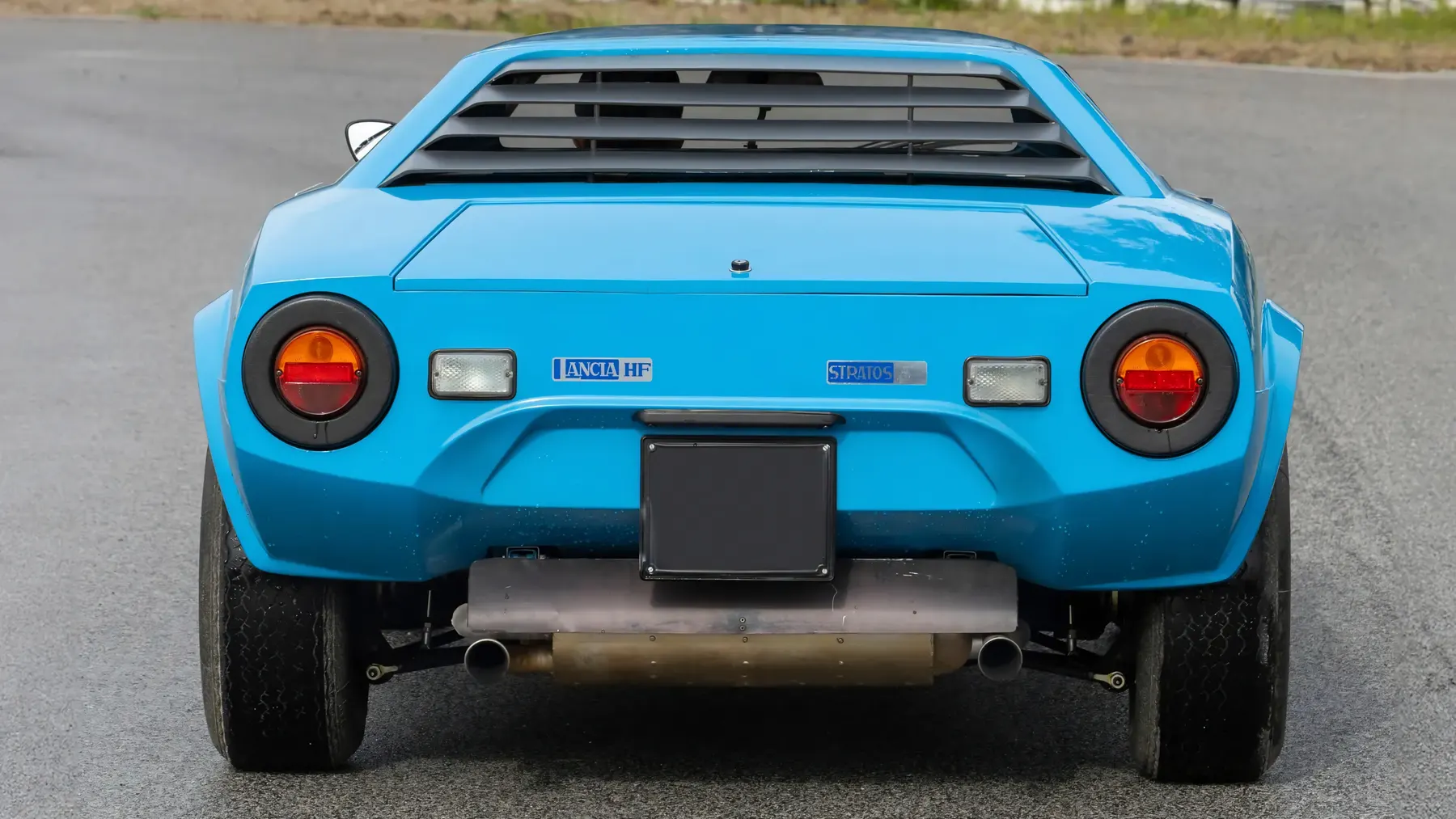
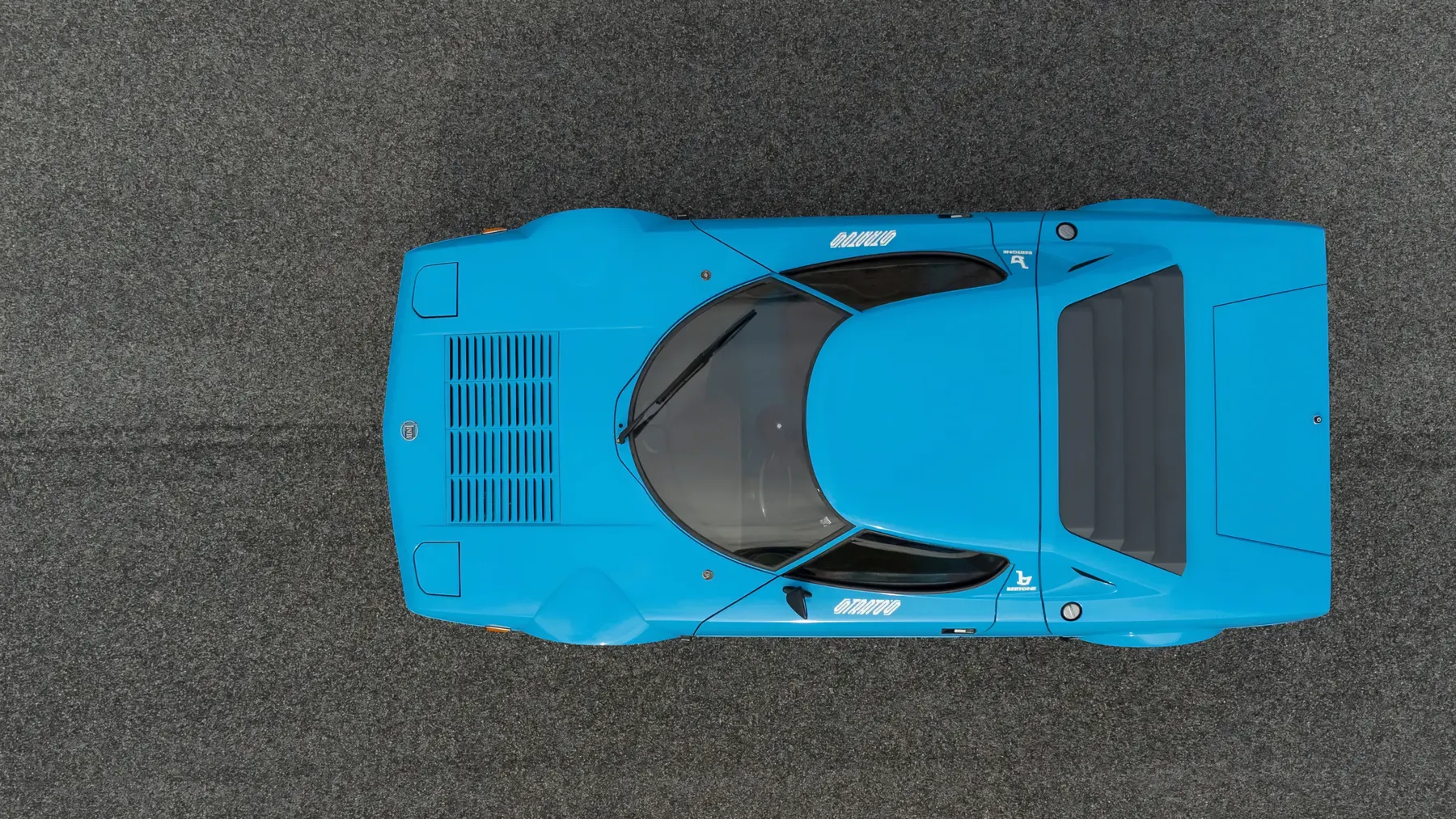
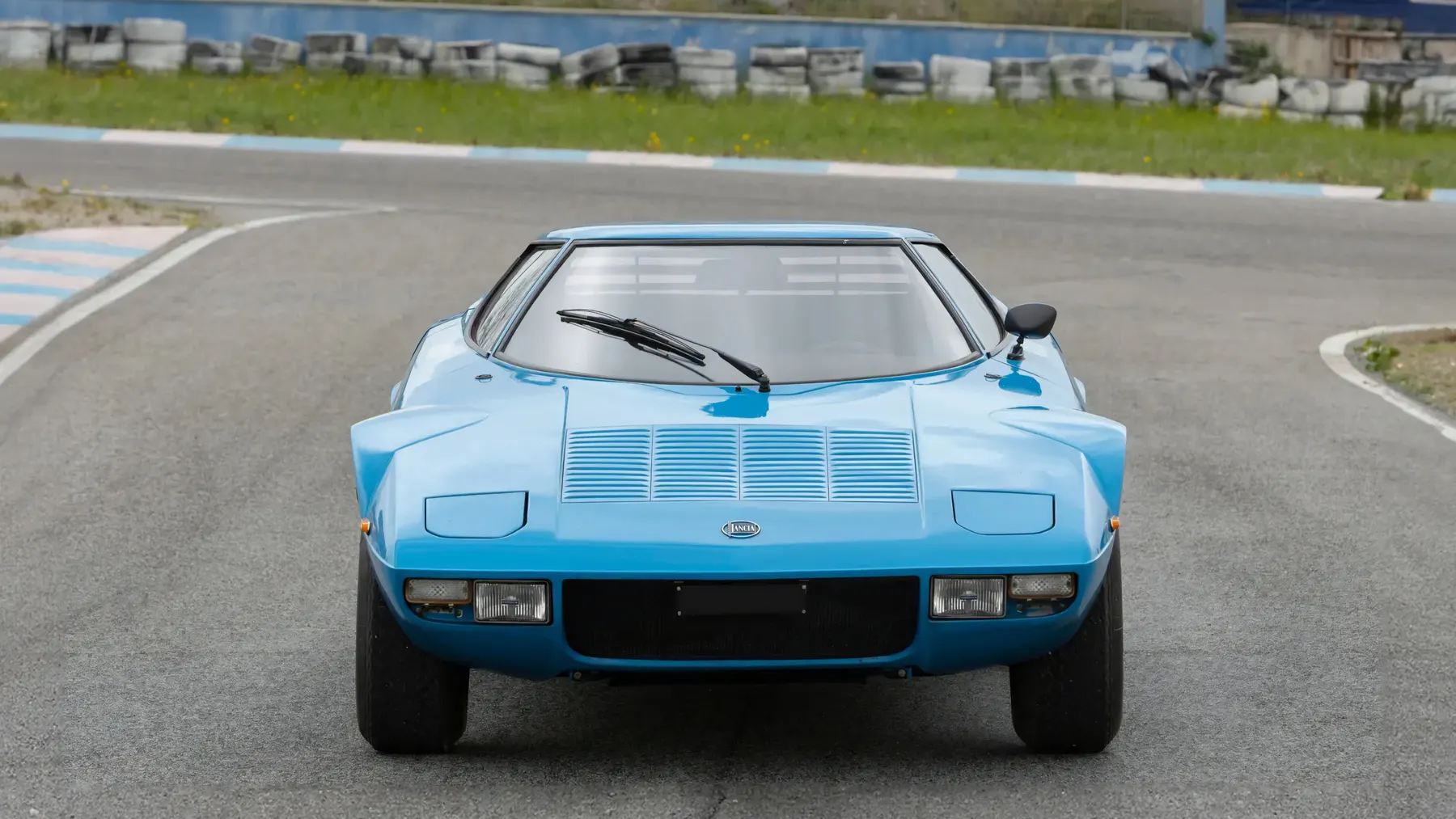
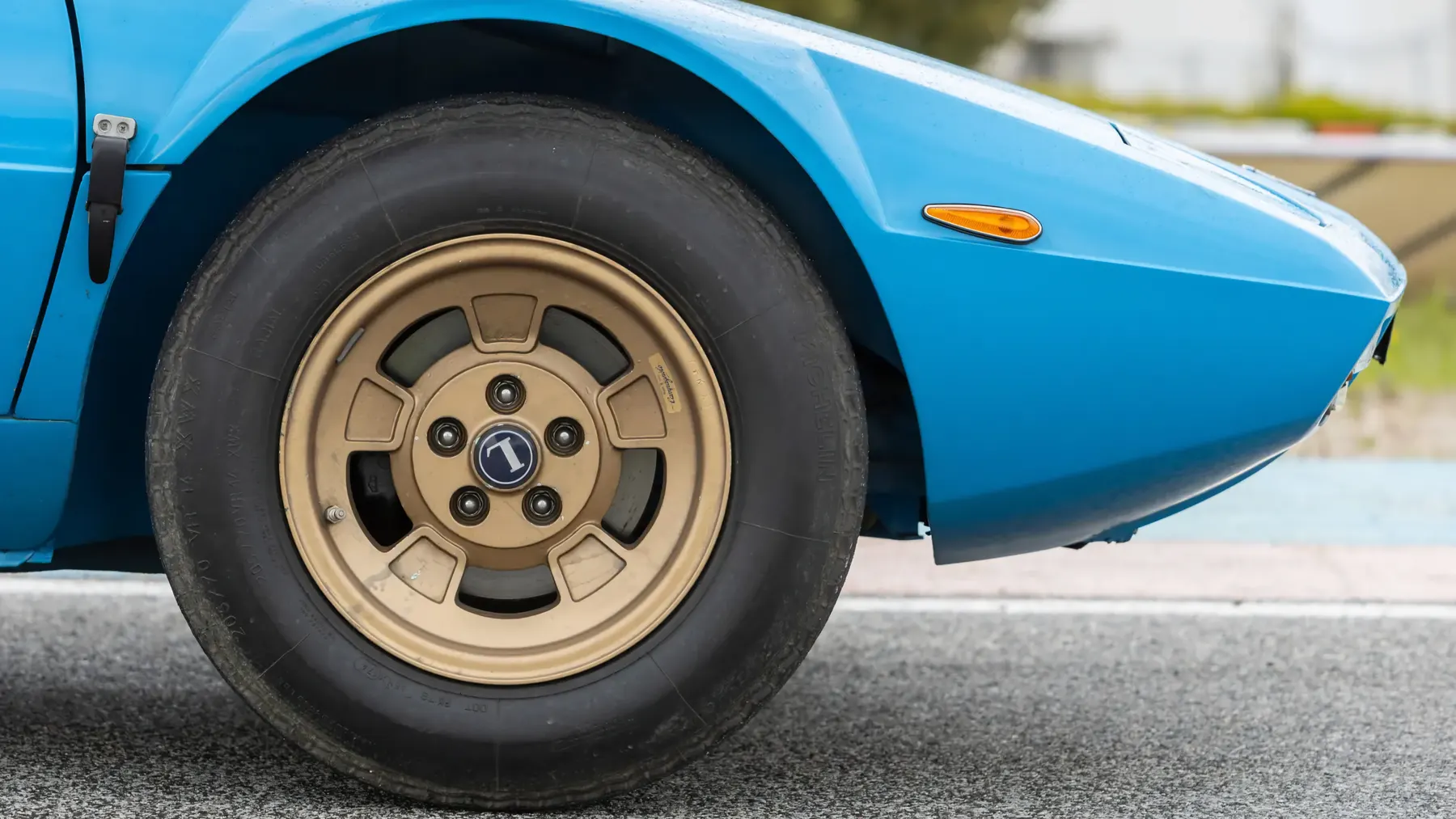
The production Stratos looked like the Zero concept after a growth spurt. Marcello Gandini, Bertone’s star designer (who also penned the Lamborghini Miura), reshaped the Zero into something functional but still radical. The body was a fiberglass wedge, 3.71 meters long and 1.75 meters wide, with a wheelbase shorter than a Fiat 500’s. The car’s shape wasn’t just for show,every angle served a purpose. The steeply raked windshield wrapped around the driver’s head, offering panoramic visibility crucial for spotting turns on chaotic rally stages. The rear fenders flared aggressively to house fat tires, while removable front and rear clamshells let mechanics swap parts quickly during races.
Inside, the Stratos made no apologies for its racing roots. The cockpit was cramped, with the driver’s seat inches off the floor and legs stretched toward a pared-down dash. A single cluster of dials faced the driver, dominated by a tachometer that redlined at 8,000 rpm. Early models lacked air conditioning, radios, or even carpet,it was all about saving weight. The mid-mounted Ferrari V6 sat sideways behind the seats, its growl echoing through a bare metal cabin.
Lancia’s engineers obsessed over weight distribution. The Ferrari engine’s rear placement, combined with a fuel tank ahead of the rear axle, gave the Stratos a near-perfect 43/57 front-rear balance. At just 980 kilograms, the car was lighter than a modern Mini Cooper, and the 2.4-liter V6’s 190 horsepower (in road trim) made it explosive. Rally-tuned versions pumped out 280 horsepower, propelling the Stratos from 0 to 100 km/h in 6.3 seconds,blistering for the 1970s.
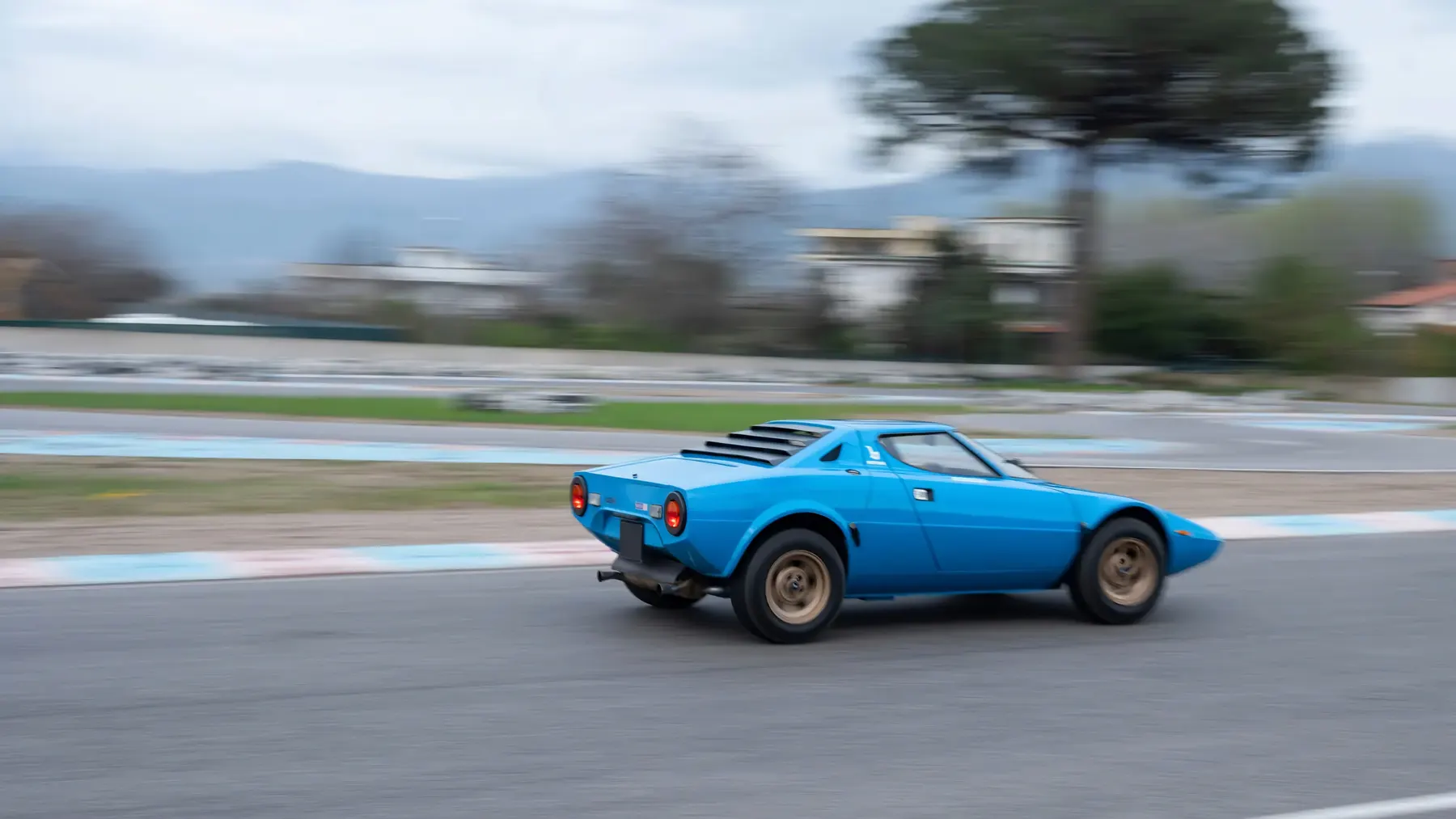
Suspension was another masterstroke. MacPherson struts with long travel soaked up rough terrain, while the steering,sharp and unassisted,gave drivers surgical precision. The Stratos’ short wheelbase made it twitchy at high speeds but nimble on tight corners, letting drivers flick it through hairpins like a go-kart.
The Stratos’ competition debut in 1973 was a shock to the rally world. Here was a car that looked like a spaceship but performed like a sledgehammer. In 1974, it clinched the World Rally Championship, followed by back-to-back titles in 1975 and 1976. Sandro Munari, its most famous driver, became a legend, winning three Monte Carlo Rally victories. On icy mountain passes or sun-baked tarmac, the Stratos adapted.
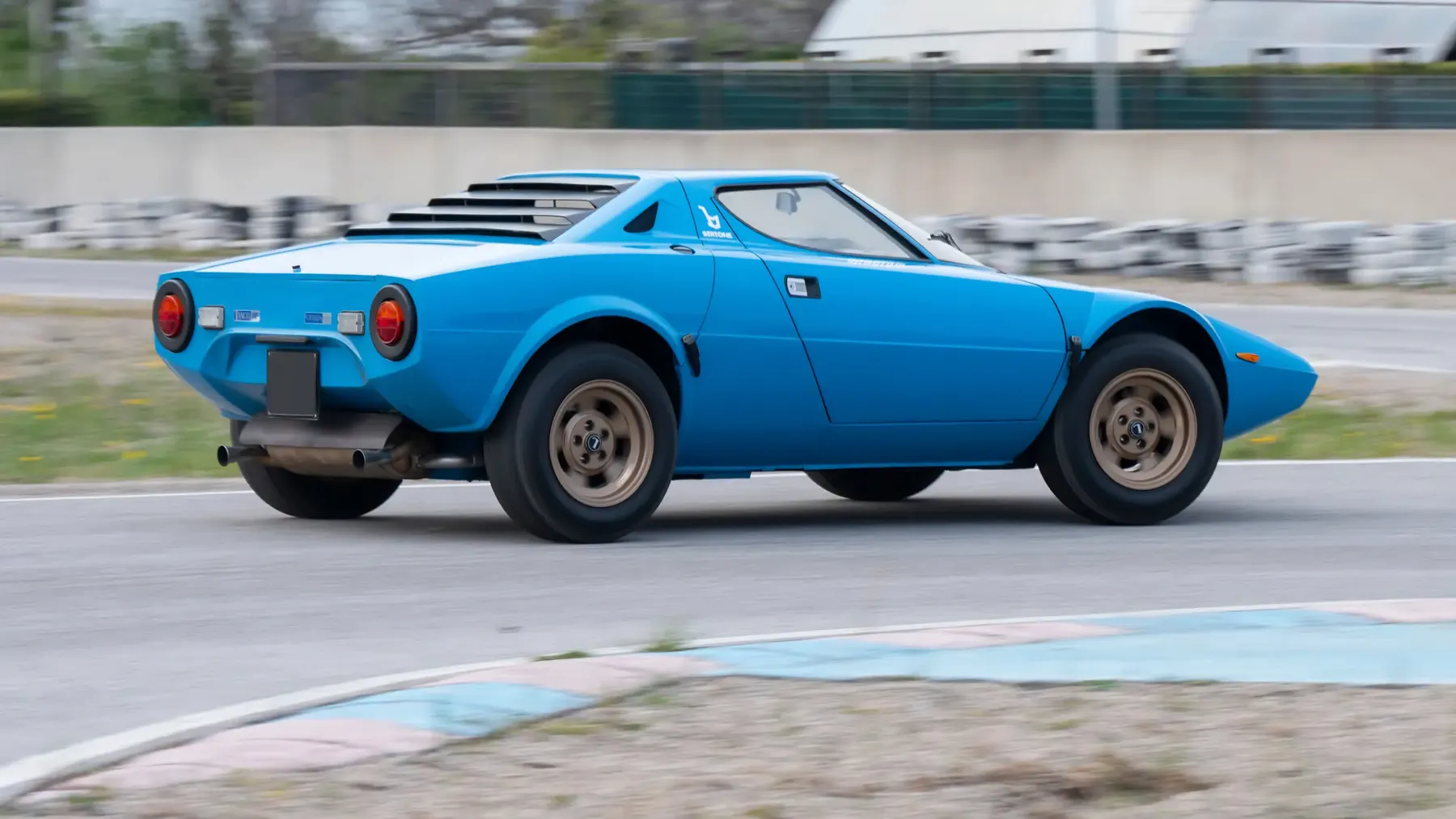
One key to its success was versatility. The car’s lightweight body and adjustable suspension let teams tweak setups for snow, gravel, or asphalt. During the 1975 Swedish Rally, Munari carved through snow banks with studded tires, while Björn Waldegård used its precise throttle response to drift through African desert stages. Even when battered,doors dented, headlights shattered,the Stratos kept going. Mechanics loved its simplicity: the clamshell body panels meant engines could be yanked out in minutes.
The road-going Stradale faced skepticism. Journalists questioned its harsh ride and impracticality,getting in required clambering over wide sills, and the tiny trunk fit only a spare tire. The rearview mirror showed more sky than road, and engine heat often seeped into the cabin.
But drivers forgave its flaws. The Ferrari V6’s snarl turned heads, and the car’s grip felt supernatural. “It wasn’t comfortable, but it connected you to the road,” recalled one owner. “Like the car was an extension of your body.”
Only 492 Stradales were built, many sold incomplete to meet homologation rules. Dealers later added parts like seats or dashboards, resulting in quirks,some cars had mismatched switches or improvised wiring. Yet these flaws became part of its charm.
When Fiat (Lancia’s parent company) shifted focus to the boxy 131 Abarth in 1978, the Stratos’ factory support dried up. But privateers kept racing it, scoring wins into the 1980s. Its influence lingered: the Audi Quattro’s turbocharged aggression and the Peugeot 205 T16’s mid-engine layout owe debts to the Stratos.
Today, the Stratos is a collector’s holy grail. Pristine examples sell for over $600,000, and replicas fetch six figures. Enthusiasts praise its purity,a car designed without committees or focus groups, built to win. Even Enzo Ferrari, initially wary of sharing engines with a rival, reportedly warmed to it after seeing its success.
The Lancia Stratos HF Stradale wasn’t built to be sensible. It was built to break rules,and it did. By ignoring convention, Lancia created a car that redefined rallying and became a design icon. Its legacy isn’t just in trophies, but in proving that radical ideas, when executed with passion, can triumph. Over 50 years later, the Stratos still feels alive,a reminder that great cars aren’t just machines, but manifestations of daring.
Join the discussion
Comments
Loading comments…
Leave a comment
Share a detail, memory, or perspective. Every comment is reviewed before publication.