1975 Porsche 911 Carrera 2.7 MFI

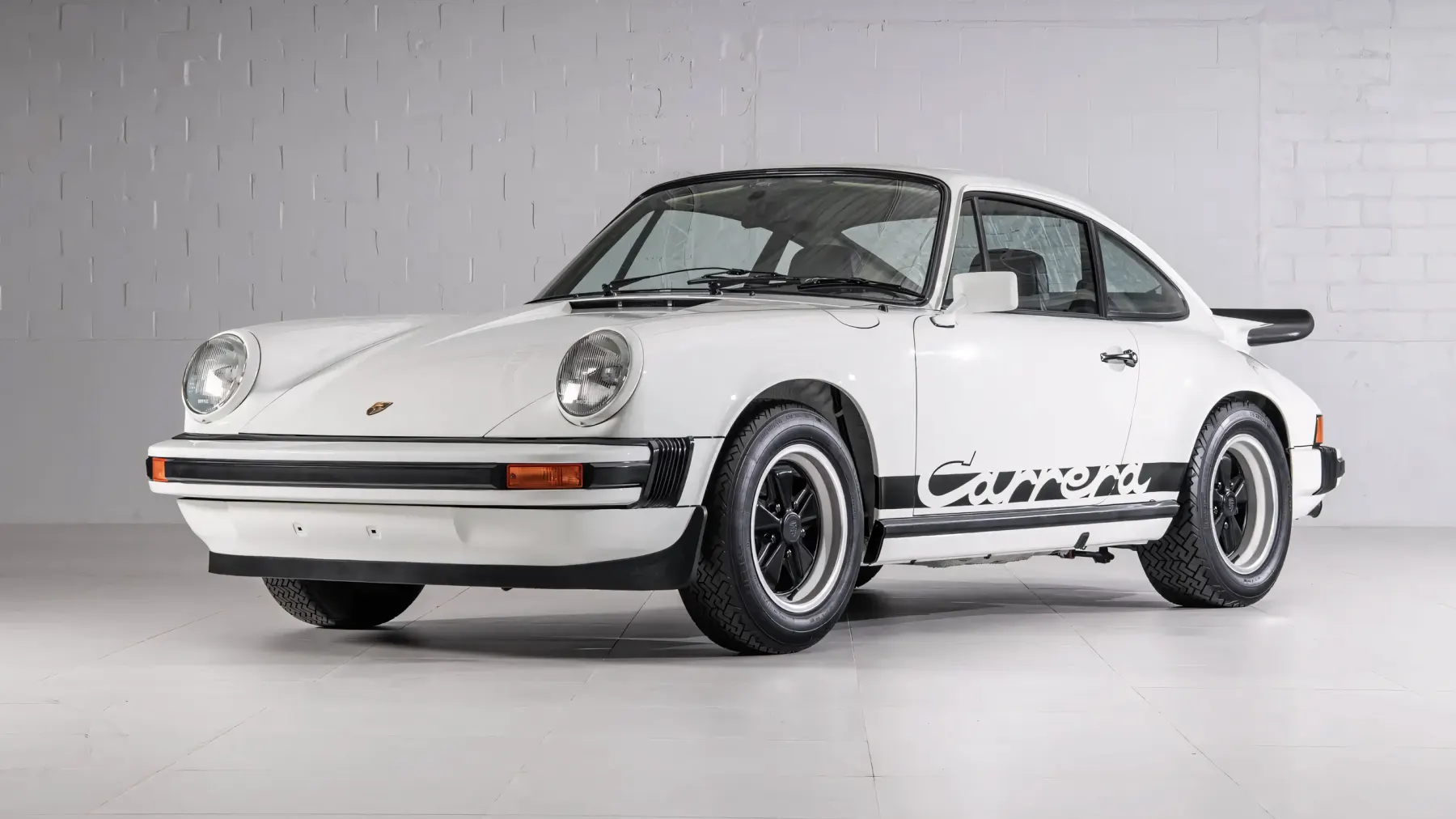
In the storied lineage of the Porsche 911, the Carrera 2.7 MFI stands out as a brilliant confluence of raw performance and engineering finesse. Introduced in 1974 and produced until 1976, this model captures the essence of Porsche’s racing heritage while offering a thrilling driving experience on the road.
The Porsche 911, an iconic nameplate that first debuted in 1964, has been synonymous with performance and innovation. Its rear-engine, air-cooled design became a hallmark of the brand, contributing to its reputation as one of the most successful competition cars ever built. The Carrera 2.7 MFI is a direct descendant of this tradition, representing a high point in the early evolution of the 911.
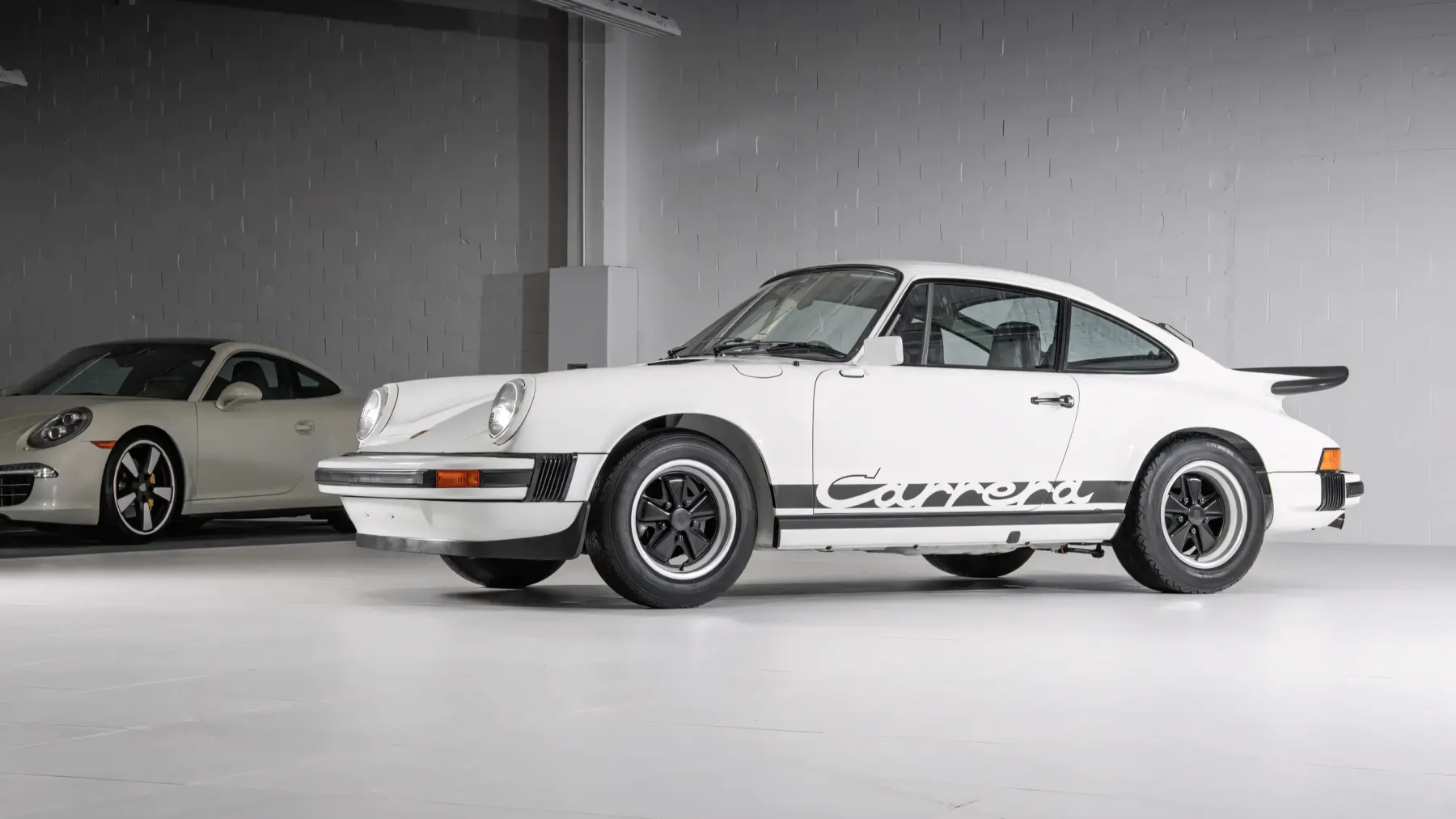
At the heart of the Carrera 2.7 MFI lies the 2.7-liter MFI (Mechanical Fuel Injection) engine, which was initially derived from the legendary 1973 Carrera RS. With a power output of 210 PS (150 kW; 210 hp), this engine was a marvel of its time, boasting precision and responsiveness that set it apart from its contemporaries. The Carrera 2.7 MFI’s engine was mechanically identical to that of the 1973 RS, reflecting Porsche’s commitment to performance excellence.
The Carrera 2.7 MFI’s impressive acceleration and top speed were complemented by its well-balanced chassis. The car could achieve 0–60 mph in approximately 6.0 seconds, a testament to its potent engine and refined engineering. With a curb weight of 1,075 kg (2,370 lb), the Carrera 2.7 MFI maintained the agility and driving dynamics Porsche enthusiasts had come to expect.
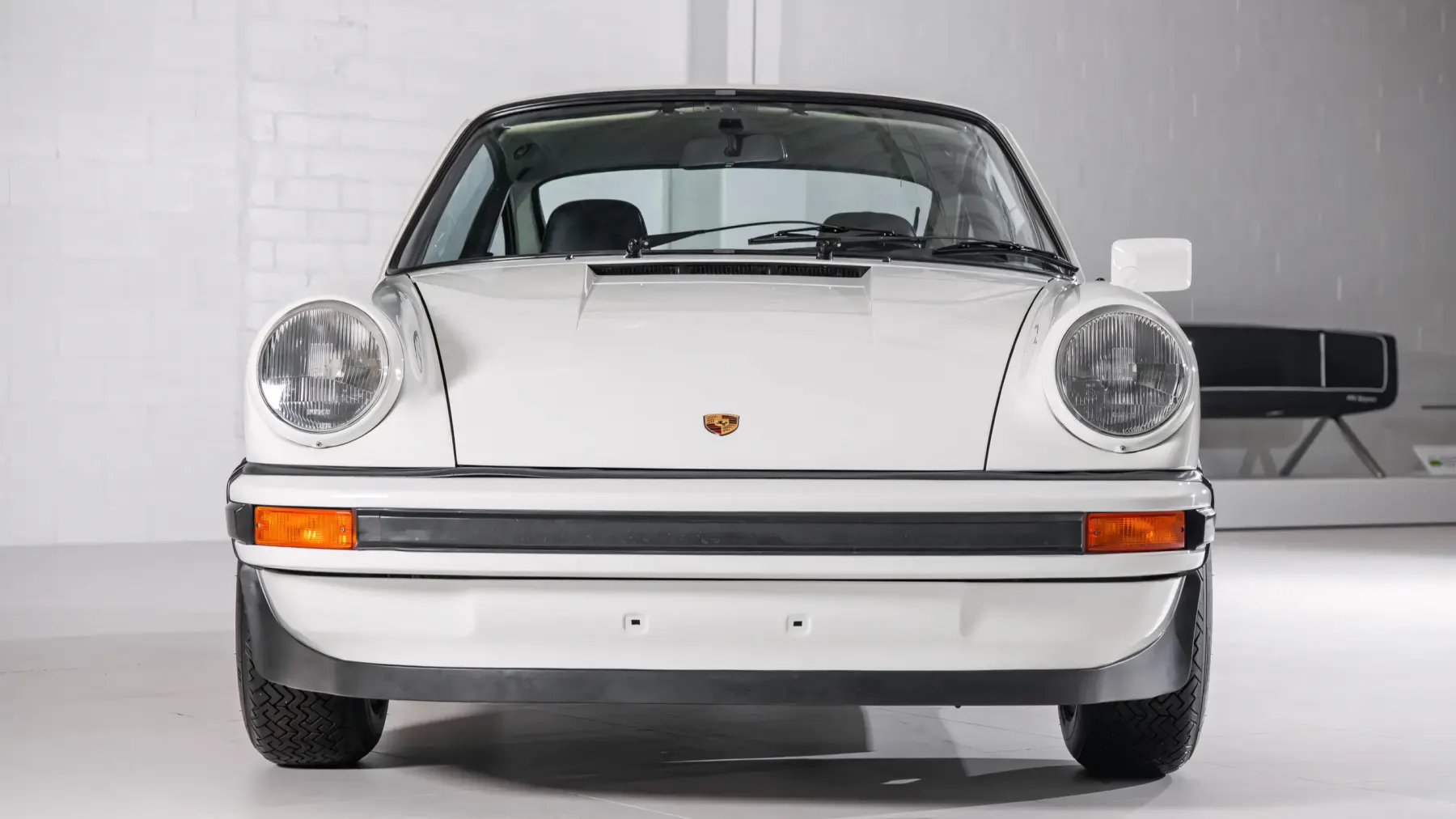
Externally, the Carrera 2.7 MFI inherited many of the distinctive features of the 1973 RS, including the iconic “ducktail” rear spoiler, which was standard in North American markets. This aerodynamic feature, combined with the wide RS rear wings, not only enhanced the car’s performance but also contributed to its distinctive look.
For the German market, however, the ducktail was not permitted due to TÜV regulations. As a result, the whale tail spoiler became an option for the Carrera 2.7 models in other markets. The car was available in both coupe and Targa body styles, offering a choice between the enclosed driving experience of the coupe and the open-air freedom of the Targa.
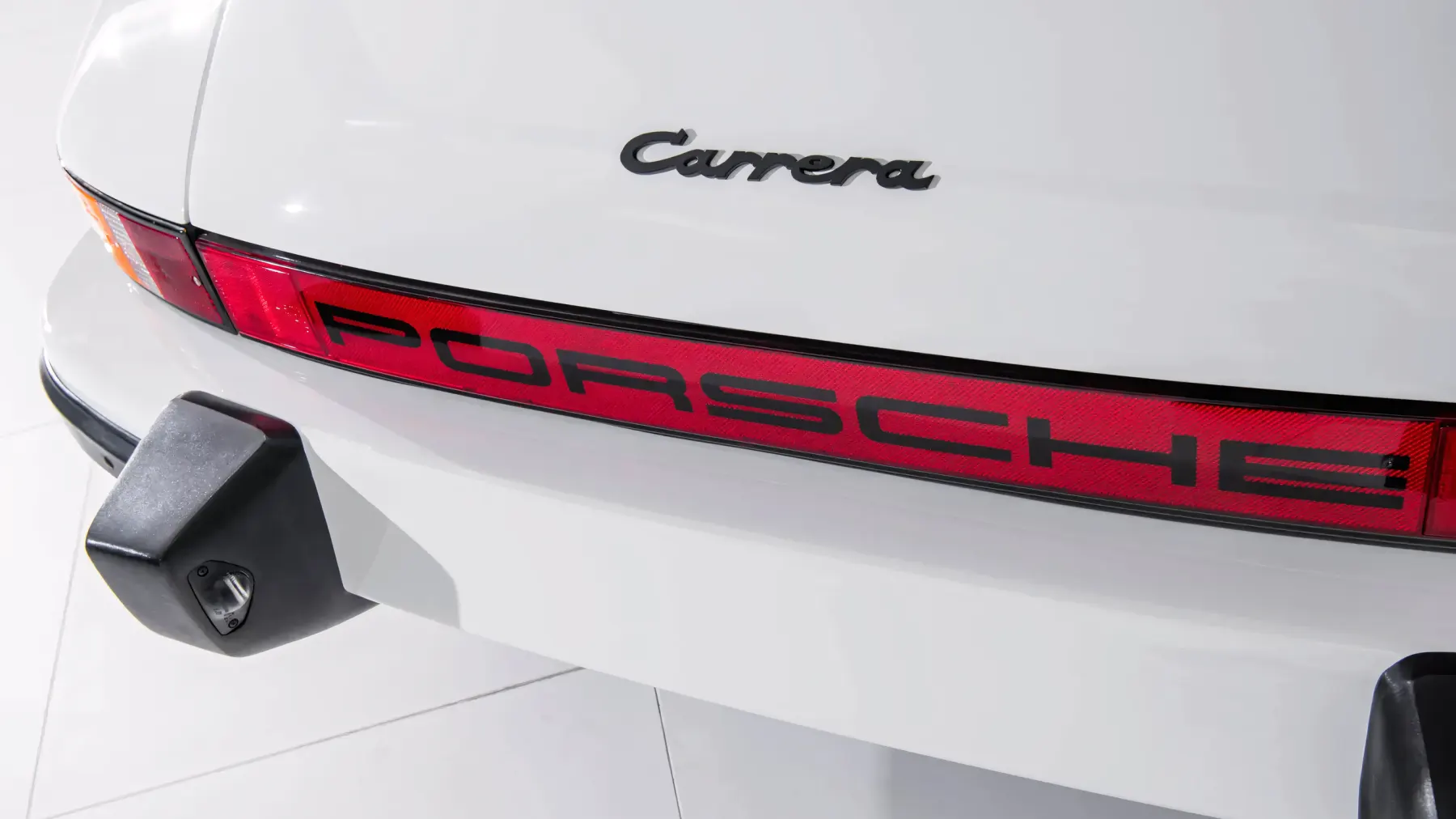
The Carrera 2.7 MFI was produced with some notable variations depending on the market. For the North American market, the Carrera 2.7 was equipped with the 2.7 K-Jetronic engine, which was less potent due to emission regulations, producing 175 hp (130 kW; 177 PS). This version, though mechanically different from the MFI, still carried the spirit of the Carrera name.
The final production run of the Carrera 2.7 MFI, in 1976, saw the creation of a limited number of special models. Porsche produced 113 MFI coupes for the German market and an additional 20 narrow-bodied Targas for the Belgian Gendarmerie. These models were essentially the last of the mechanically fuel-injected 911s, bridging the gap between the 2.7 and the subsequent Carrera 3.0.
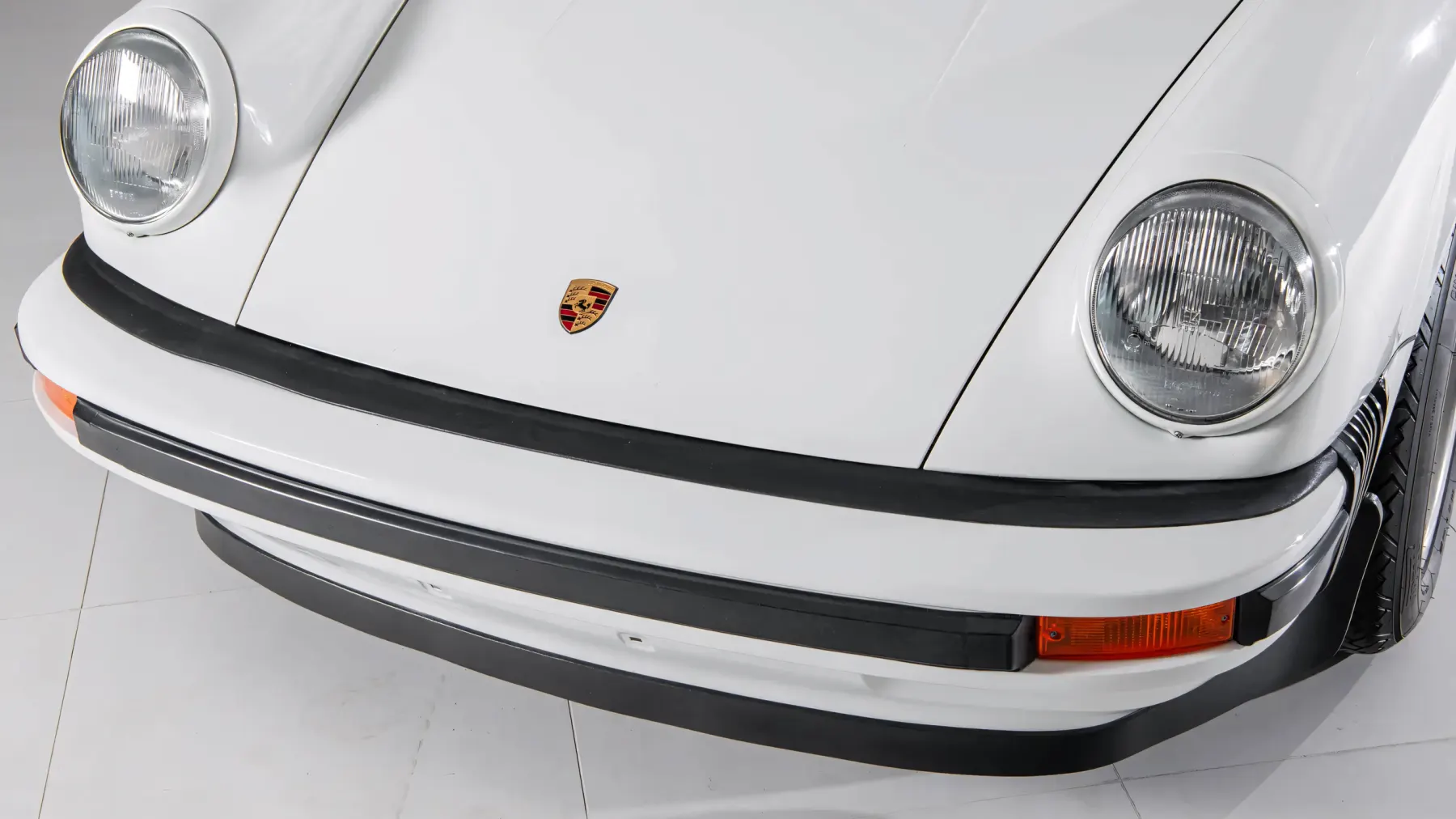
Today, the Porsche 911 Carrera 2.7 MFI is a coveted classic among collectors and enthusiasts. Its blend of engineering excellence, performance capability, and historic significance makes it a standout model in the 911 lineage. Whether admired for its racing heritage or enjoyed for its exhilarating driving experience, the Carrera 2.7 MFI remains a shining example of Porsche’s dedication to crafting exceptional sports cars.
Join the discussion
Comments
Loading comments…
Leave a comment
Share a detail, memory, or perspective. Every comment is reviewed before publication.