1975 Tyrrell 007

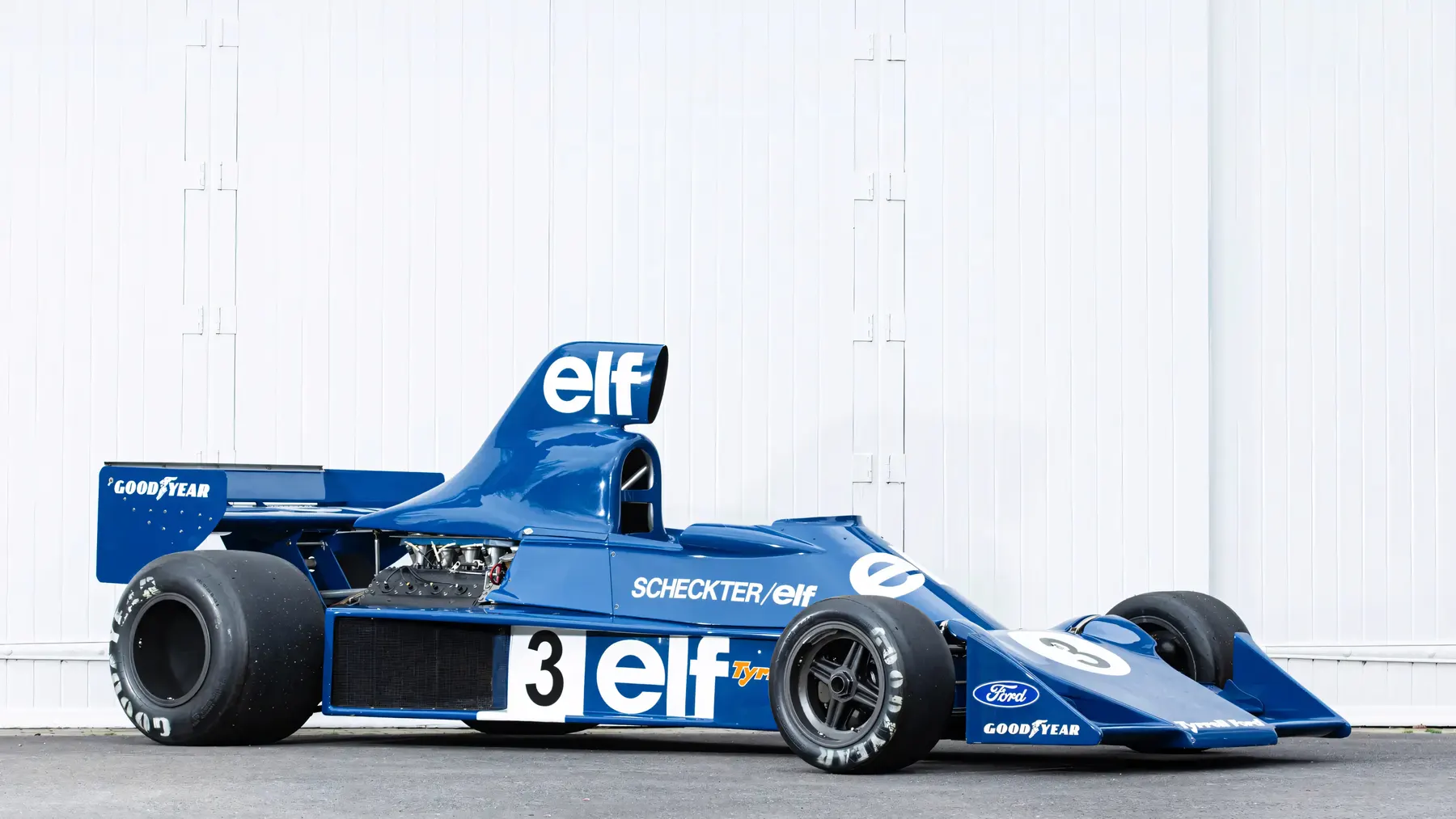
When Ken Tyrrell faced the 1974 Formula One season, his team was at a crossroads. Jackie Stewart, the three-time world champion who’d been the face of Tyrrell Racing, had retired. François Cevert, Stewart’s protegé and planned successor, died tragically at the previous season’s final race in the United States. Tyrrell needed a car that could carry two new drivers,rookie Jody Scheckter and Patrick Depailler,through a season of uncertainty. The answer came in the form of the Tyrrell 007, a machine that bridged the gap between past glory and future innovation.
Derek Gardner, Tyrrell’s chief designer, didn’t chase radical changes for the 007. Instead, he focused on smoothing out the edges of its predecessor, the Tyrrell 006. The most notable tweak was stretching the wheelbase by 100 mm, a modification Stewart himself had advocated before retiring. The longer chassis softened the 006’s twitchy handling, making the 007 more predictable when pushed to its limits,a safety net for Tyrrell’s young driver lineup.
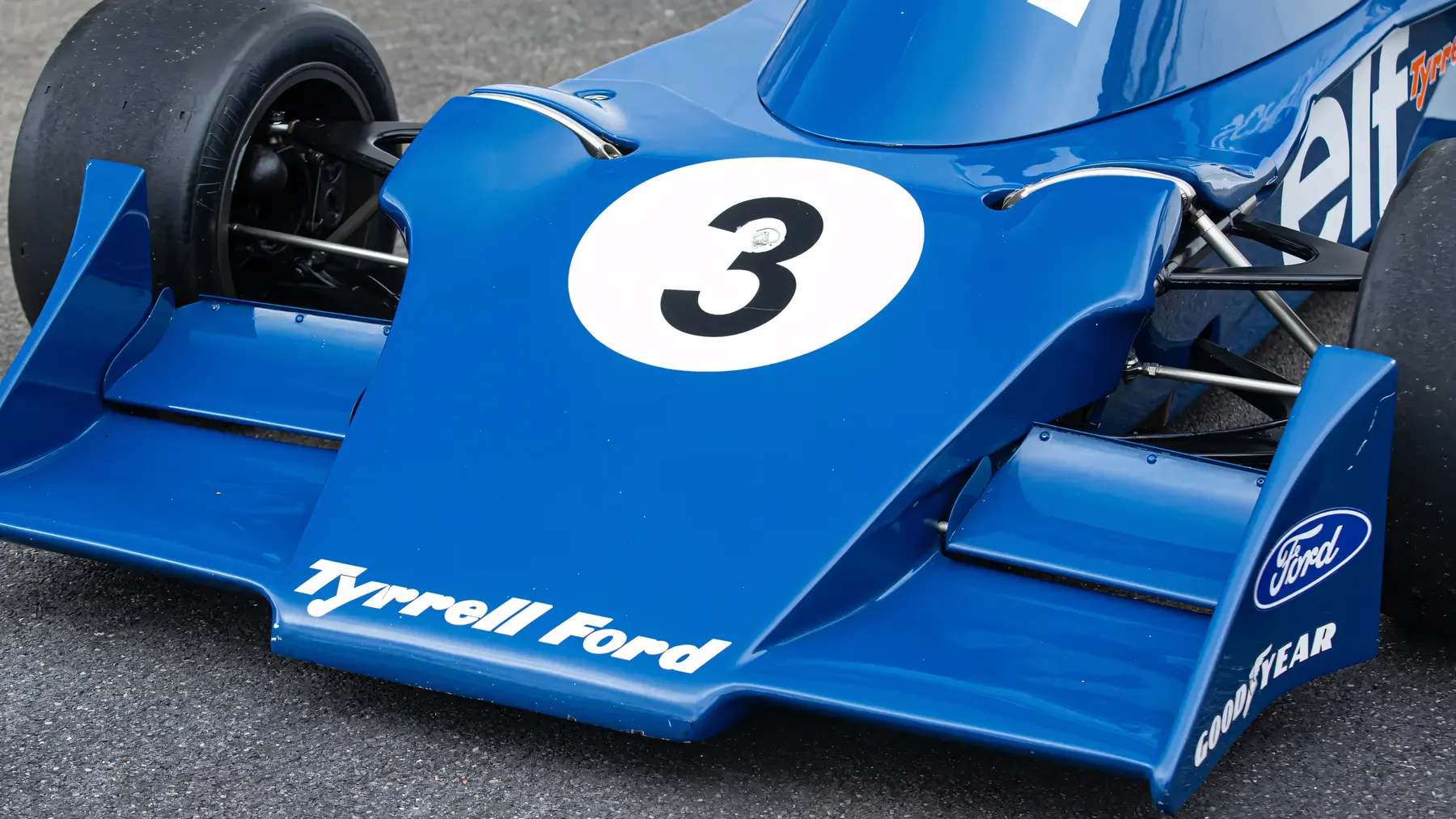
Visually, the 007 shed the 006’s broad, slab-like nose for a tapered front end, improving airflow without sacrificing structural rigidity. The car’s profile retained Tyrrell’s signature clean lines, a reflection of Gardner’s belief that complexity didn’t equal competence. Underneath, an aluminum monocoque,lightweight at 595 kg,housed the workhorse Ford-Cosworth DFV V8 engine. This 3.0-liter powerplant, producing around 485 horsepower, wasn’t the strongest on the grid, but its reliability became Tyrrell’s secret weapon in endurance races.
The 007 debuted at the 1974 Spanish Grand Prix, where Scheckter finished fifth. Early growing pains were evident: Depailler stuck with the older 006 chassis for two more races. But by the Belgian Grand Prix, both drivers were in 007s, and the car’s potential began to surface. Scheckter grabbed third in qualifying at Zolder, trailing only the Ferraris of Clay Regazzoni and Niki Lauda.
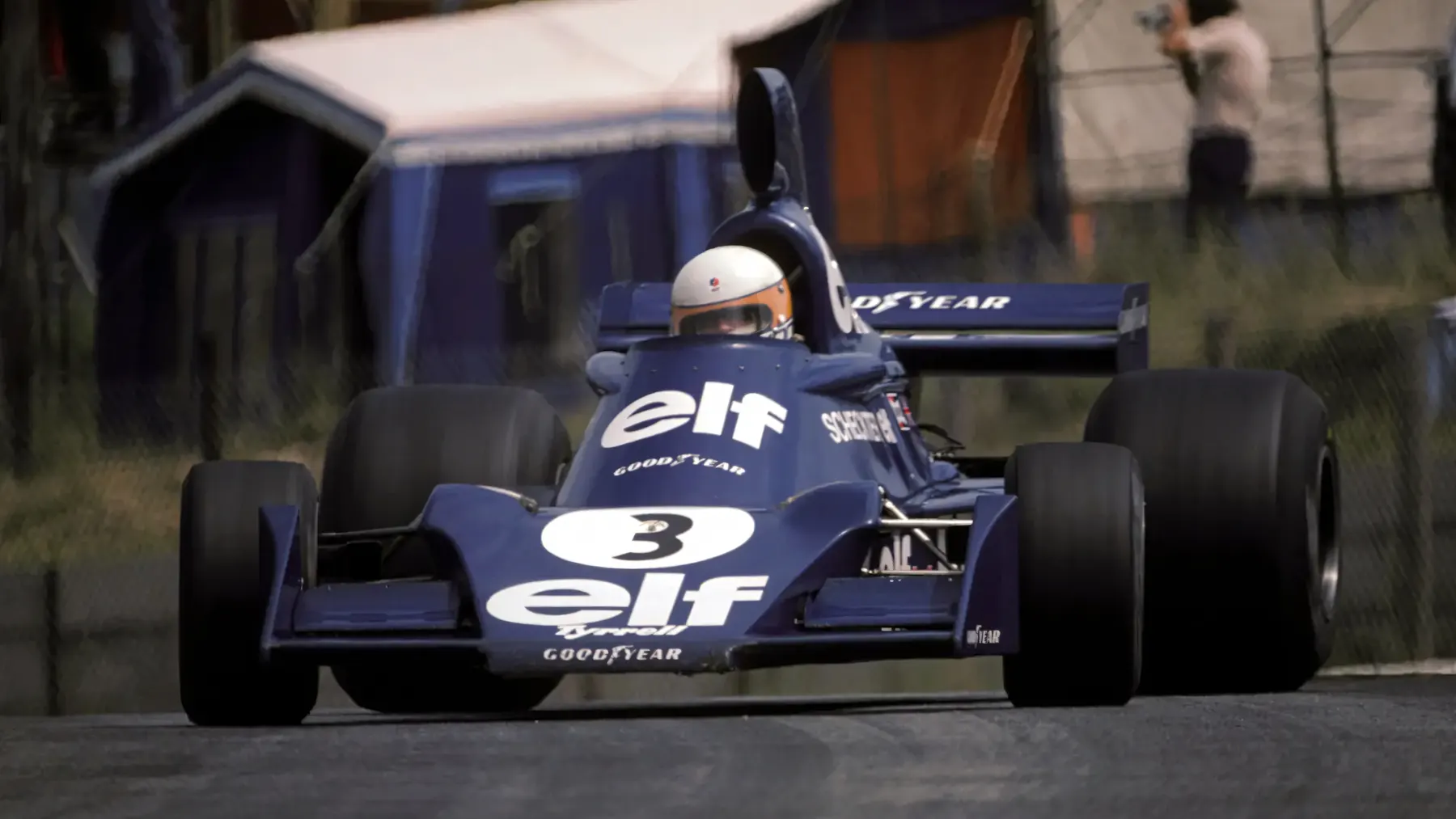
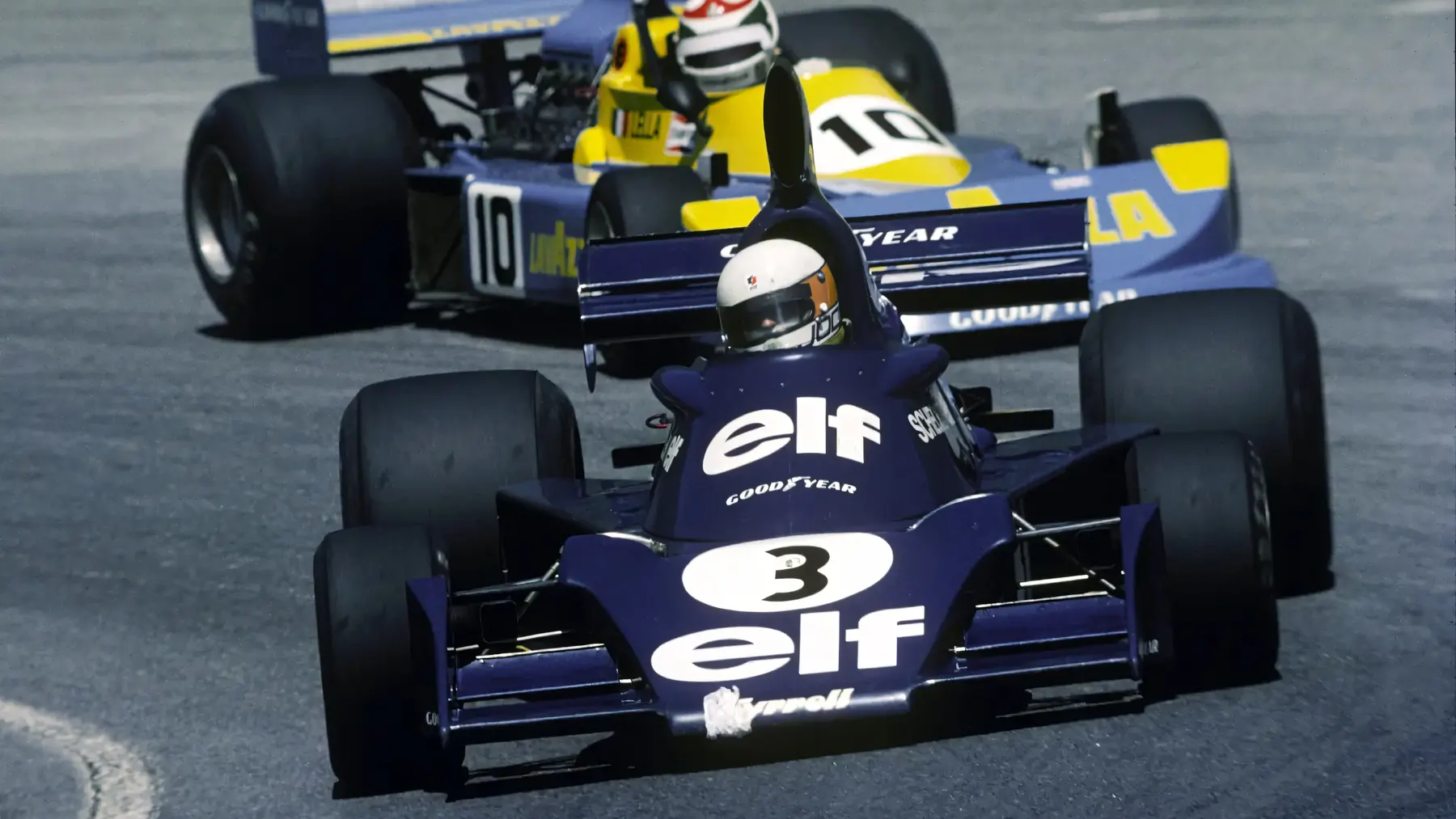
The car’s breakthrough came at the Swedish Grand Prix. Scheckter dominated the Anderstorp circuit, winning by over 14 seconds. Depailler, in the sister 007, secured a 1-2 finish for Tyrrell,a poignant comeback after the team’s traumatic offseason. Scheckter followed this with another win at Brands Hatch, mastering the British track’s fast sweeps thanks to the 007’s planted rear end.
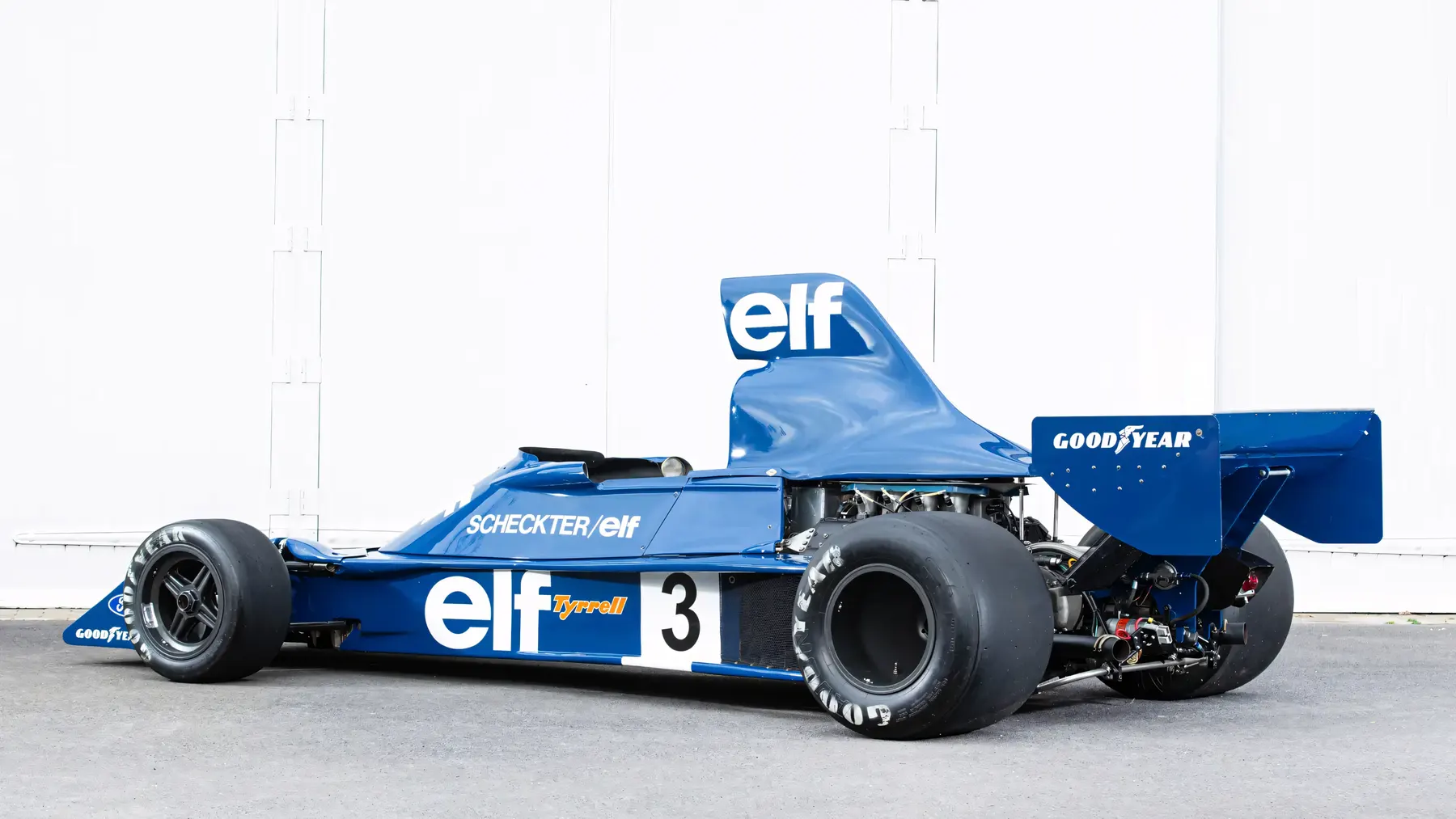
Gardner’s design choices reflected pragmatism. The 007 initially used inboard front brakes,mounted inside the chassis,to reduce unsprung weight. While this improved handling on smooth circuits, it caused overheating during hard braking. By 1975, Tyrrell moved the brakes outboard, trading a minor weight penalty for better cooling and easier maintenance. Suspension upgrades followed, with revised wishbones and dampers fine-tuned for circuits like Monaco, where Depailler’s aggressive style tested the car’s responsiveness.
Aerodynamics stayed simple by today’s standards. The 007 lacked the ground-effect tunnels that would revolutionize F1 later in the decade. Instead, Gardner relied on a sleek undertray and a modest rear wing to generate downforce. This no-frills approach worked: the 007 remained stable at high speeds, hitting 290 km/h on straights while rival cars like the Ferrari 312B3 bucked and weaved.
In 1974, Tyrrell faced factory teams with deep pockets. Ferrari’s flat-12 engines growled with 500 horsepower, while McLaren’s M23,driven by Emerson Fittipaldi,boasted razor-sharp handling. Yet the 007 held its own, claiming third in the Constructors’ Championship. Scheckter’s consistency stood out: seven podiums in 15 races. His driving style,smooth inputs paired with late braking,synced perfectly with the 007’s balanced chassis.
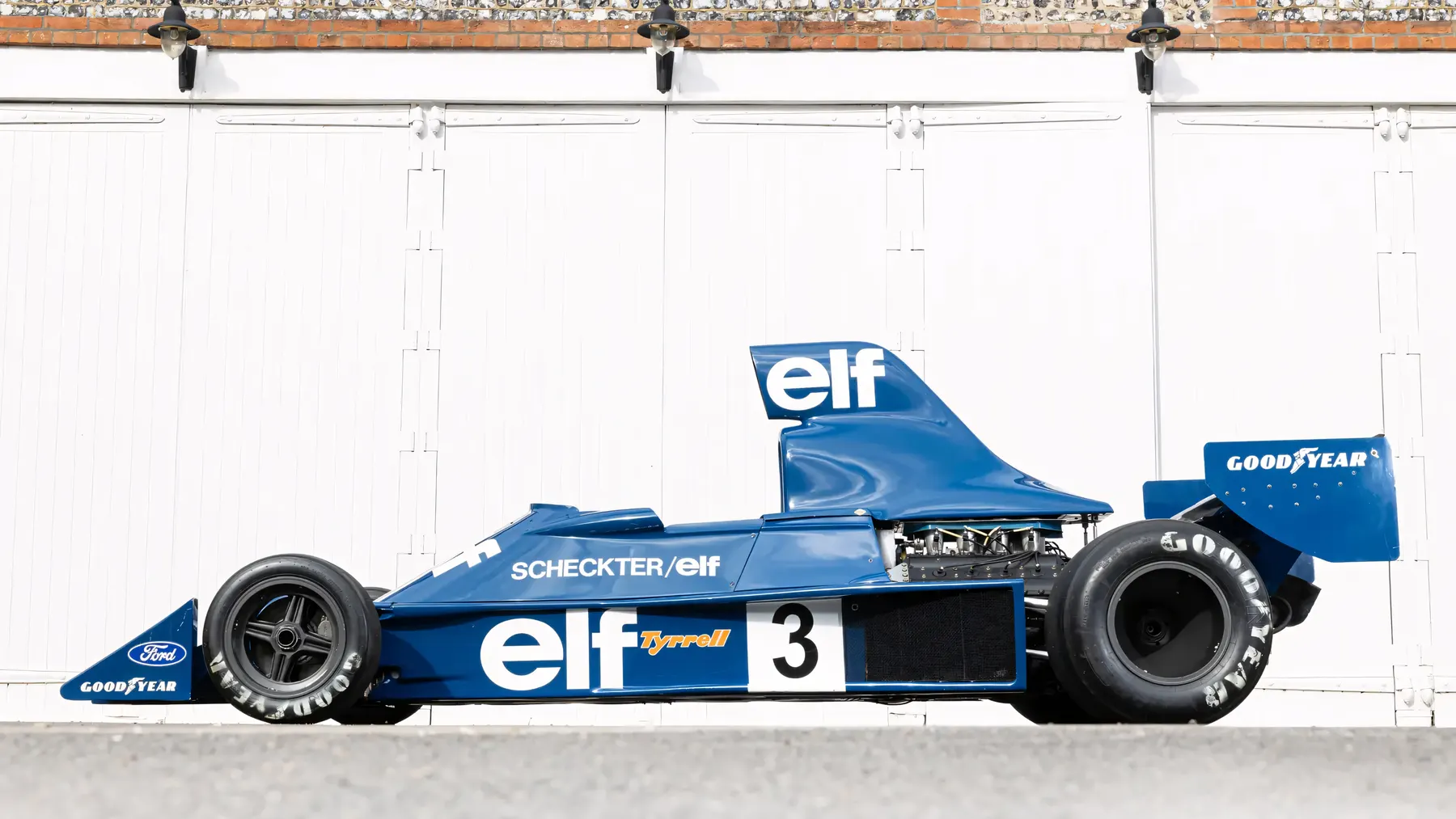
The car’s adaptability shone across diverse tracks. At the Nürburgring’s 22.8 km Nordschleife, a circuit nicknamed “The Green Hell,” the 007’s predictable handling helped Depailler navigate blind crests and hairpins. In Monaco, Scheckter weaved through barriers with inches to spare, the car’s tight steering rack allowing pinpoint corrections.
The 007’s final act came in 1976, as Tyrrell phased it out for the six-wheeled P34. But its influence lingered. The car proved that evolutionary design could compete with revolution,a philosophy modern teams like Red Bull still embrace. For Scheckter, the 007 was a springboard; his 1979 World Championship with Ferrari owed much to lessons learned in Tyrrell’s vanquished underdog.
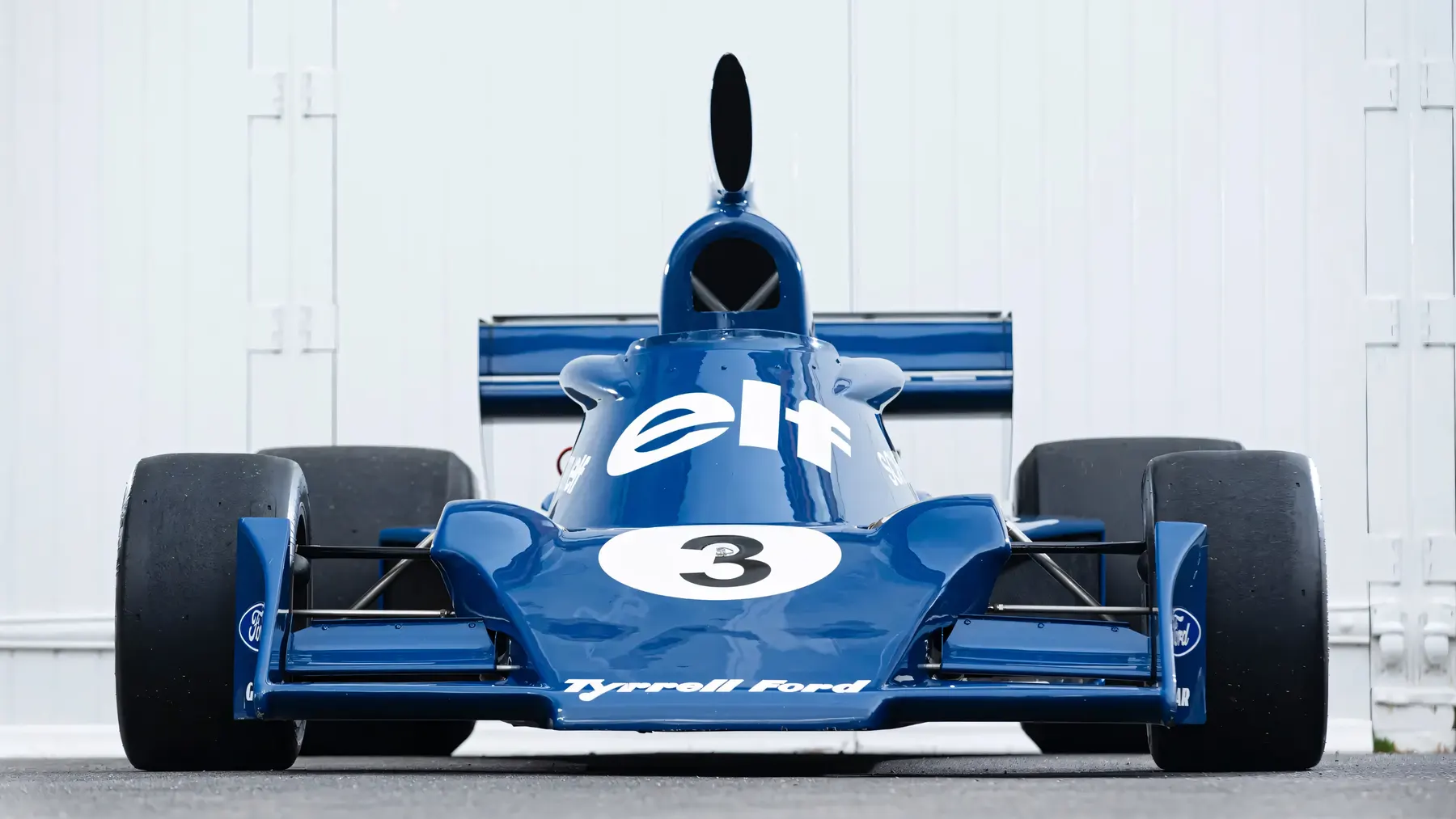
Today, surviving 007s are stars of historic racing. At Goodwood Revival, their blue-and-white Elf liveries,splashed with the orange of French giant ELF,evoke an era when sponsorships felt like partnerships. The DFV’s metallic wail, a sound synonymous with 1970s F1, still draws crowds. Collectors prize the 007 not for trophies but for approachability: unlike temperamental ground-effect cars, it’s a machine mere mortals can pilot without spinning into oblivion.
The Tyrrell 007 never wore a championship crown, but it carved a legacy through grit and simplicity. In an age where F1 teams increasingly leaned on aerodynamics and exotic materials, Gardner’s design trusted mechanical grip and driver skill. It’s a reminder that progress doesn’t always mean reinvention,sometimes, it’s about refinement. For Tyrrell, a small team punching above its weight, the 007 wasn’t just a car. It was a statement that in racing, heart and smarts could still outmuscle budgets.
Join the discussion
Comments
Loading comments…
Leave a comment
Share a detail, memory, or perspective. Every comment is reviewed before publication.