1977 Wolf WR1

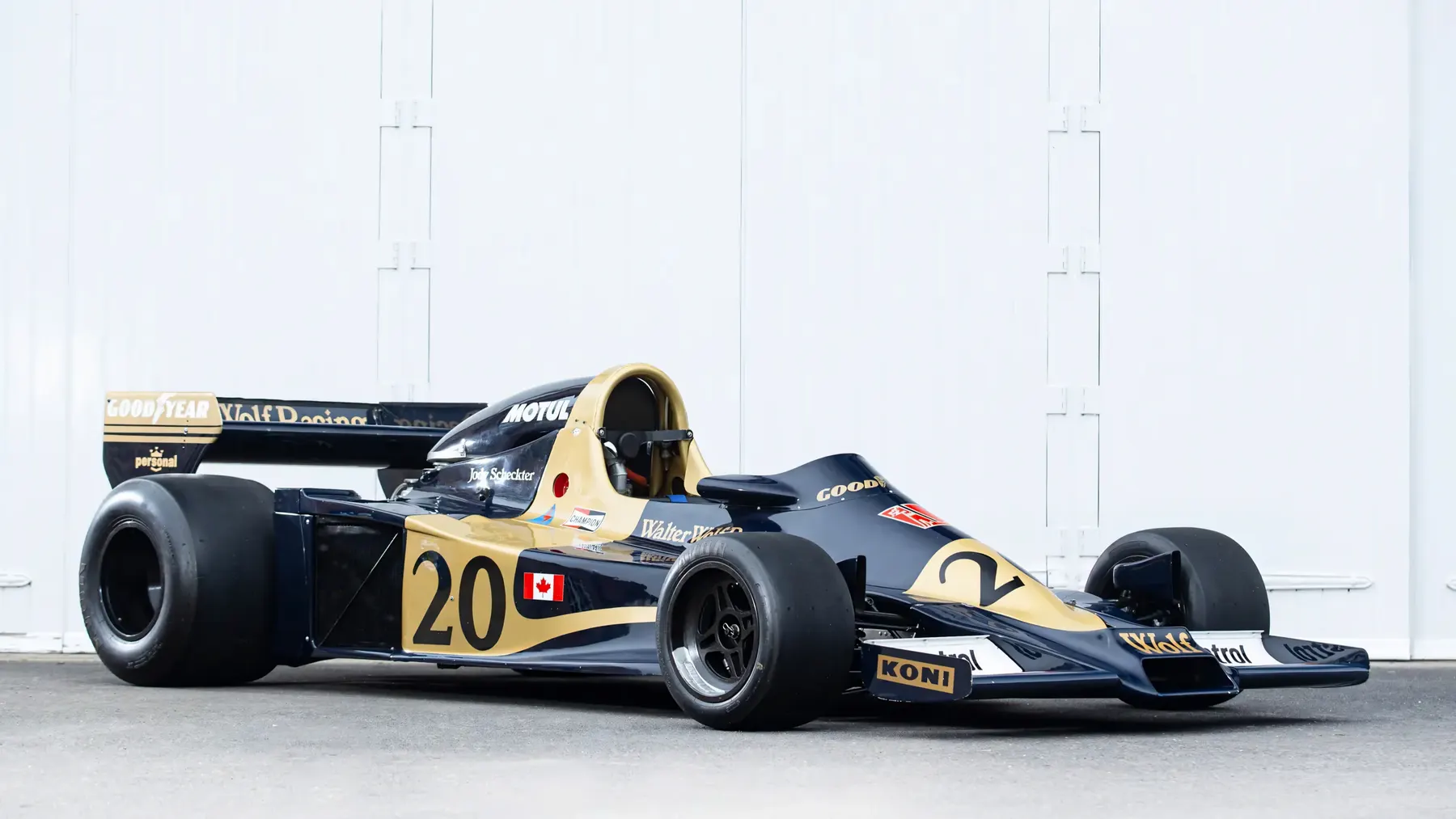
In 1977, Formula 1 witnessed one of the most unexpected success stories in its history. The Wolf WR1, a car built by a team that didn’t exist a year earlier, stormed onto the grid and won its very first race. This wasn’t just a lucky break,it was the result of sharp engineering, bold leadership, and a driver at the top of his game. For a brief moment, Walter Wolf Racing, a newcomer owned by a Canadian oil magnate, outshone legends like Ferrari and McLaren. Here’s how a car named after a businessman became a legend.
Walter Wolf’s journey into Formula 1 began with a gamble. In 1976, the Slovenian-Canadian millionaire bought a majority stake in Frank Williams’ struggling team. Wolf, made wealthy by oil and gas ventures, saw potential where others saw a money pit. The team had limped through the 1976 season using a rebadged Hesketh car, finishing ninth in the constructors’ championship. But Wolf wasn’t content to stay at the back. When Williams left to start his own team (now known as Williams F1), Wolf doubled down. He kept the factory in Reading, England, and set out to build a car from scratch.
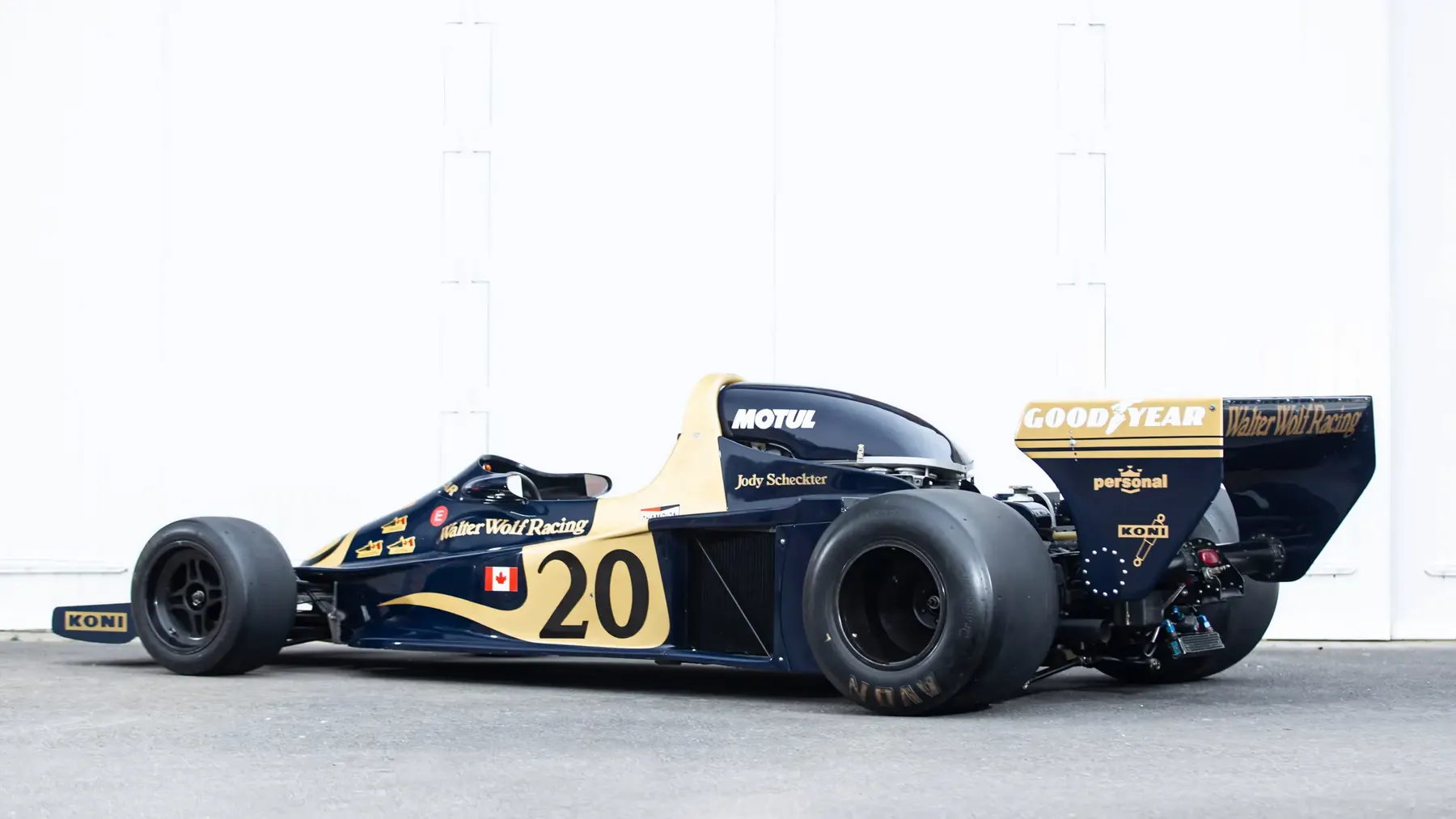
Wolf’s first masterstroke was hiring Harvey Postlethwaite, a 32-year-old engineer who’d cut his teeth at Hesketh Racing. Postlethwaite, known for his no-nonsense approach, was given free rein to design a car that prioritized reliability over gimmicks. He recruited a young Patrick Head (later a Williams legend) as his deputy and a 22-year-old machinist named Ross Brawn, who’d go on to shape Benetton, Ferrari, and Mercedes. Together, this trio built the Wolf WR1 in just six months,miraculous speed even by 1970s standards.
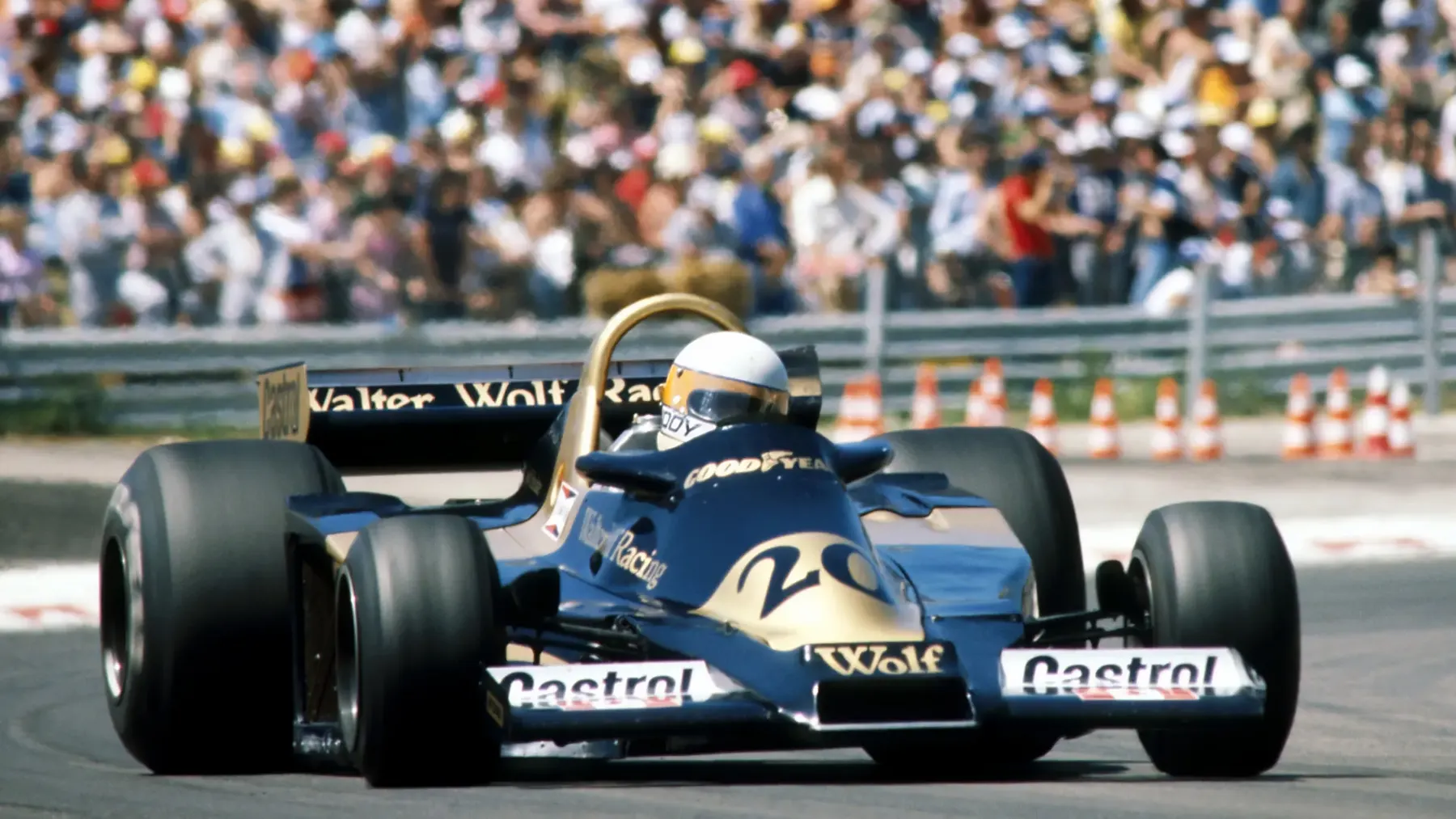
The WR1 didn’t look revolutionary. Its wedge-shaped body, painted in Wolf’s signature red, resembled the era’s typical Cosworth-powered cars. Underneath, though, Postlethwaite had made clever choices. The car used a standard Ford-Cosworth DFV V8 engine, producing around 362 kW (485 hp), paired with a Hewland FG400 gearbox. These were the same components as half the grid, but Postlethwaite’s chassis made the difference.
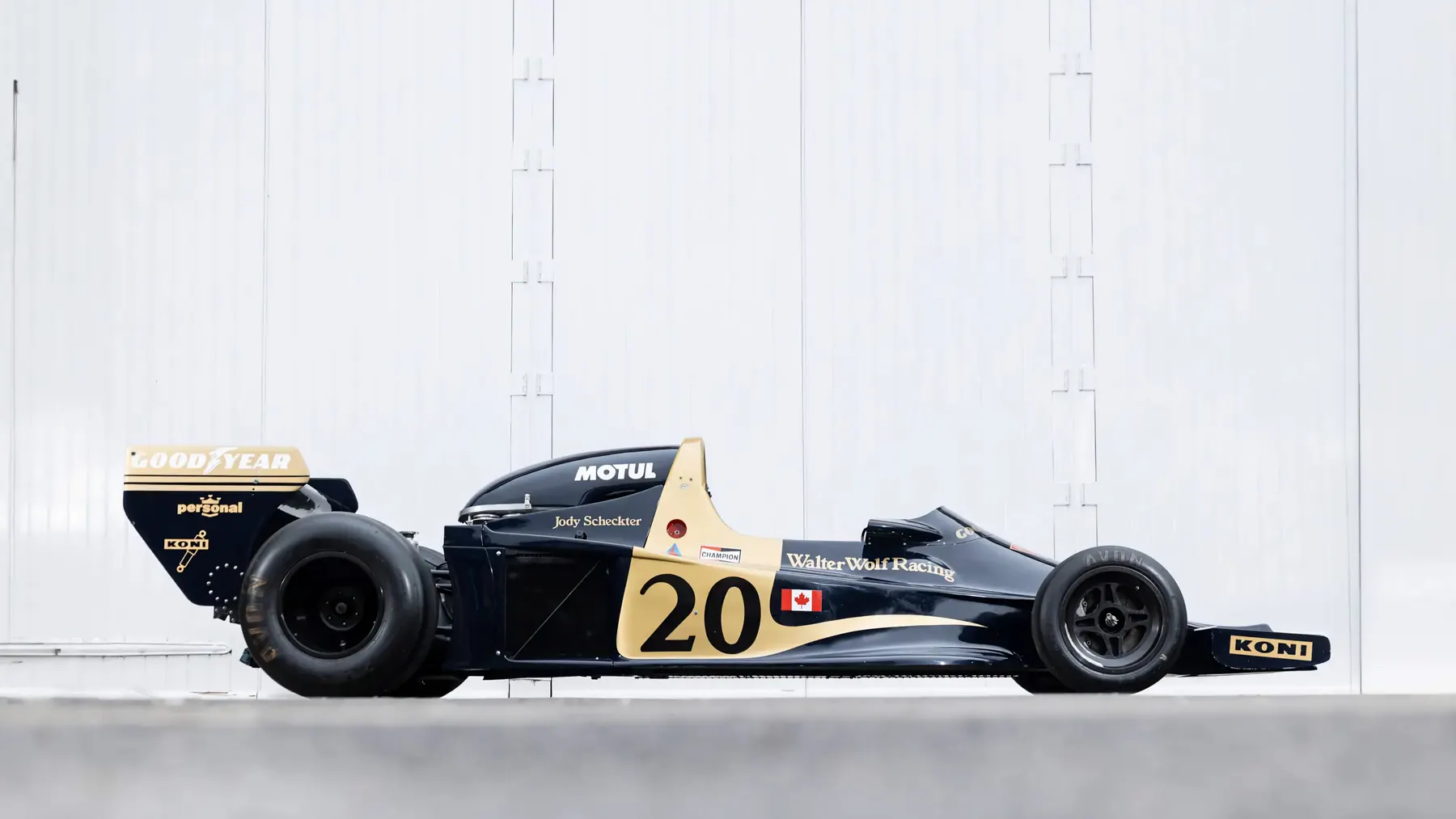
Two features set the WR1 apart. First, its adaptable wheelbase. By adjusting suspension mounting points, mechanics could stretch or shorten the wheelbase depending on the track. At twisty circuits like Monaco, a shorter setup improved agility. On high-speed tracks like Silverstone, a longer wheelbase boosted stability. This flexibility cost Wolf’s team countless nights in the workshop but gave driver Jody Scheckter a versatile machine.
Second, the WR1 was light,just 575 kg dry weight. Postlethwaite used aerospace-grade aluminum for the monocoque, trimming fat wherever possible. “We didn’t have time for experiments,” he later said. “Every part had to earn its place.” The car’s aerodynamic profile was equally lean. Unlike Lotus, who were toying with ground effects, Wolf kept it simple: a front wing for downforce, a rear wing for balance, and clean airflow over the body.
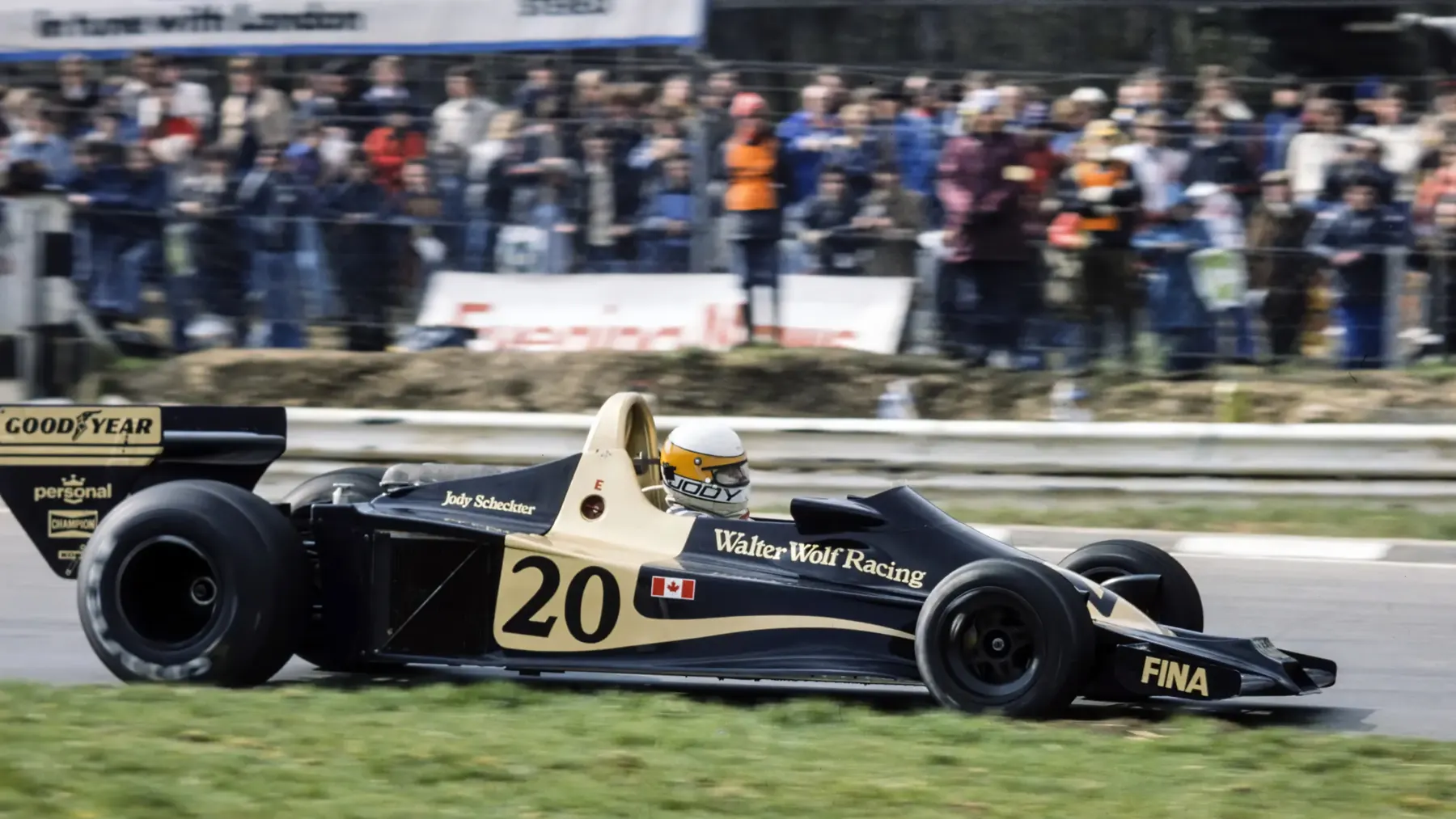
When the WR1 debuted at the 1977 Argentine Grand Prix, few took notice. Established teams like Ferrari and Lotus dismissed Wolf as a vanity project. Scheckter, a South African known for his gritty driving style, qualified fourth. By lap 32, he’d carved through the field, passing Niki Lauda’s Ferrari and James Hunt’s McLaren. When the checkered flag dropped, Wolf Racing had its first win,in its first race.
The season unfolded like a dream. At Monaco, Scheckter weaved through the harborfront streets, nursing fading brakes. His engineer, David York, radioed warnings (a novelty at the time), but Scheckter held on, winning by 2.3 seconds. In Canada, Wolf’s home race, torrential rain turned Mont-Tremblant into a skating rink. Scheckter, driving by feel as the WR1’s gauges fogged up, took victory by half a minute.
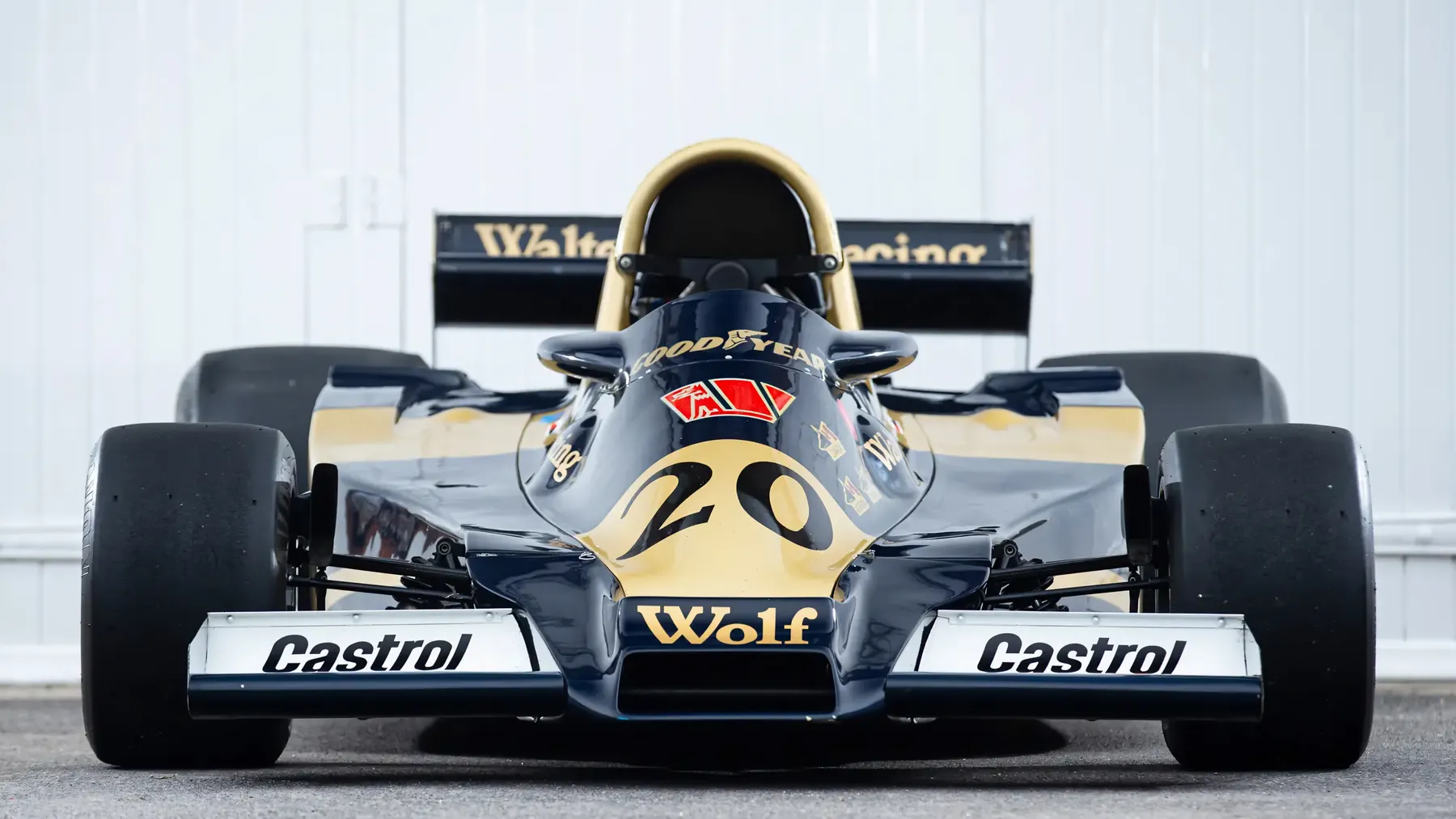
By year’s end, Scheckter had three wins, six podiums, and second in the drivers’ championship. The WR1 itself competed in 10 of 17 races, netting all three of Wolf’s victories. Not bad for a car built in half a year.
The WR1’s success wasn’t just about engineering,it was about culture. Walter Wolf ran his team like a startup, eschewing Formula 1’s stuffy hierarchies. Mechanics had direct access to Postlethwaite, and Scheckter often joined debriefs still in his race suit. “No one wore ties,” Brawn recalled. “We worked until the job was done, then had a beer together.”
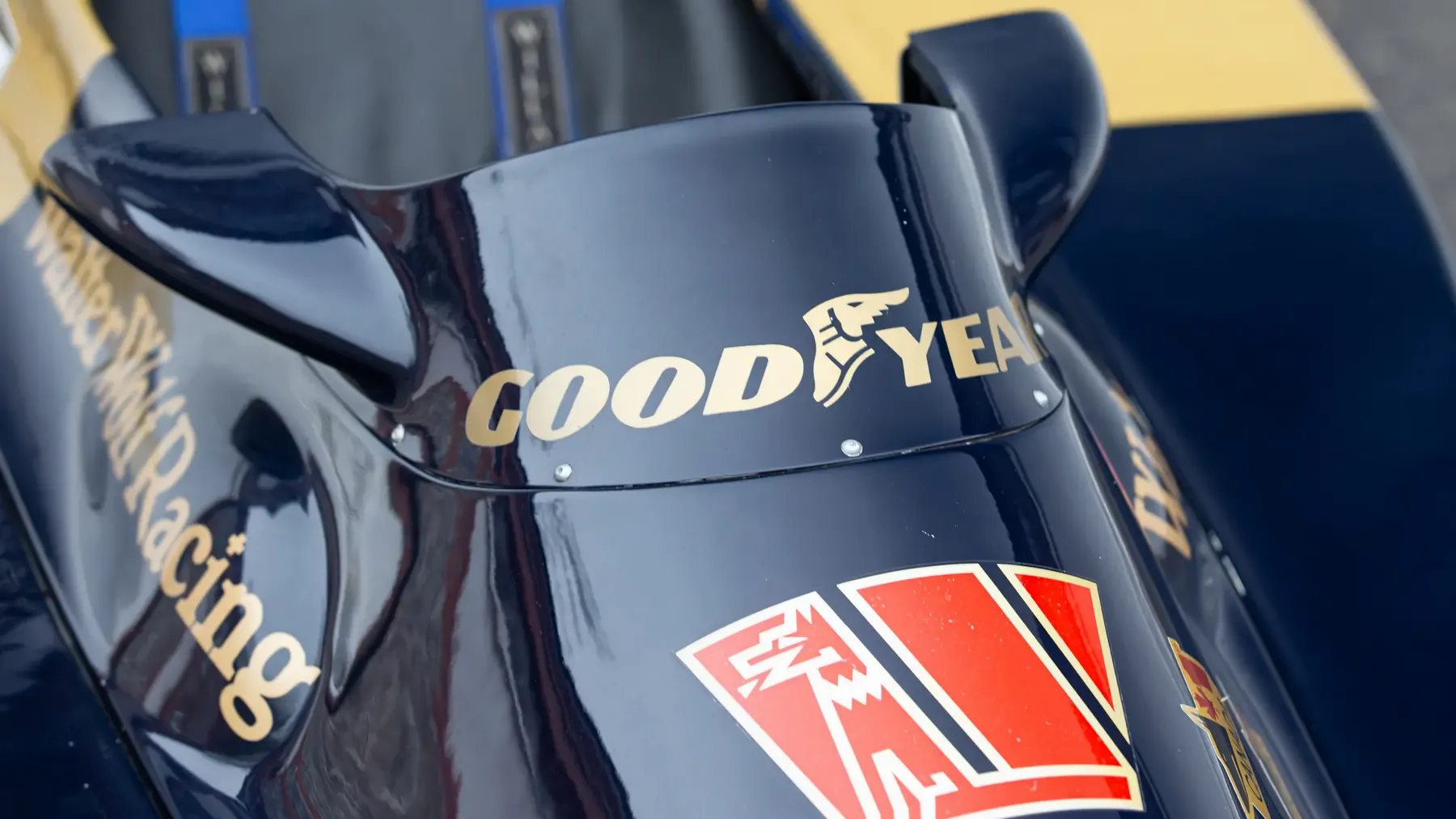
This collegial spirit paid off during crises. At the Spanish Grand Prix, Scheckter’s engine failed in practice. The crew, led by Brawn, swapped it in 47 minutes,a record for the time. When the WR1’s innovative water-cooled brakes overheated at Brands Hatch, Postlethwaite redesigned the ducts overnight using sheet metal from a local hardware store.
For all its triumphs, the WR1’s downfall came swiftly. In 1978, teams like Lotus introduced ground-effect cars, which generated immense downforce via underbody tunnels. The WR1, designed before this trend, couldn’t adapt. Wolf’s 1978 car, the WR5, tried to mimic the technology but handled like a “shopping cart on ice,” according to Scheckter. The team slipped to seventh in the standings, and Wolf sold up in 1979.
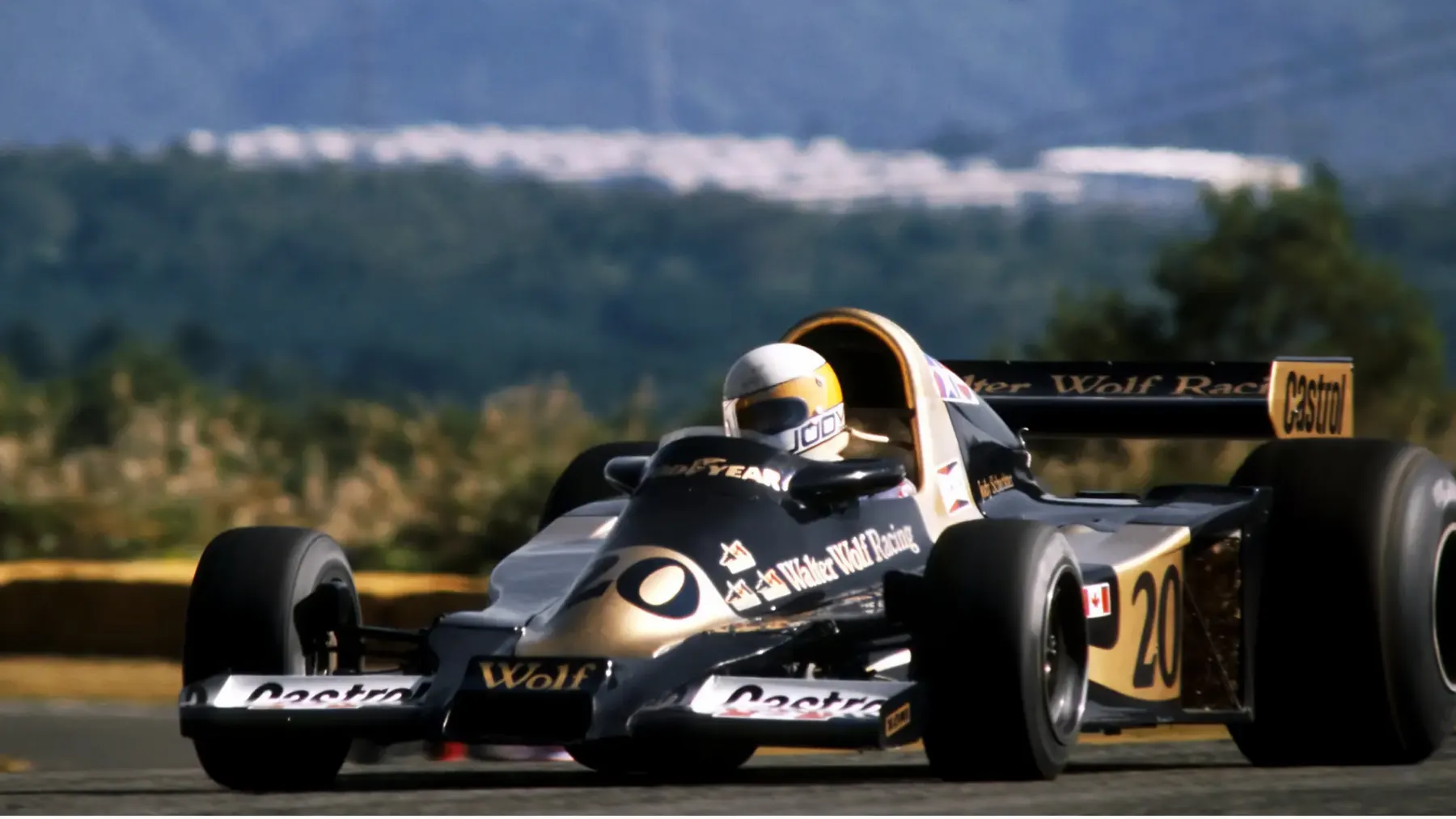
Yet the WR1’s legacy endured. Postlethwaite went to Ferrari, masterminding their 1980s resurgence. Patrick Head co-founded Williams’ dynasty. Brawn became Formula 1’s most sought-after engineer. All credited their Wolf years as pivotal.
Today, three WR1s survive. Chassis WR1-02, Scheckter’s Monaco winner, headlines historic races like Goodwood Revival. In 2019, it lapped Monaco again, its Cosworth engine echoing off the same buildings Scheckter passed in 1977. Collectors value WR1s at $2–3 million,not bad for a car once deemed a billionaire’s folly.
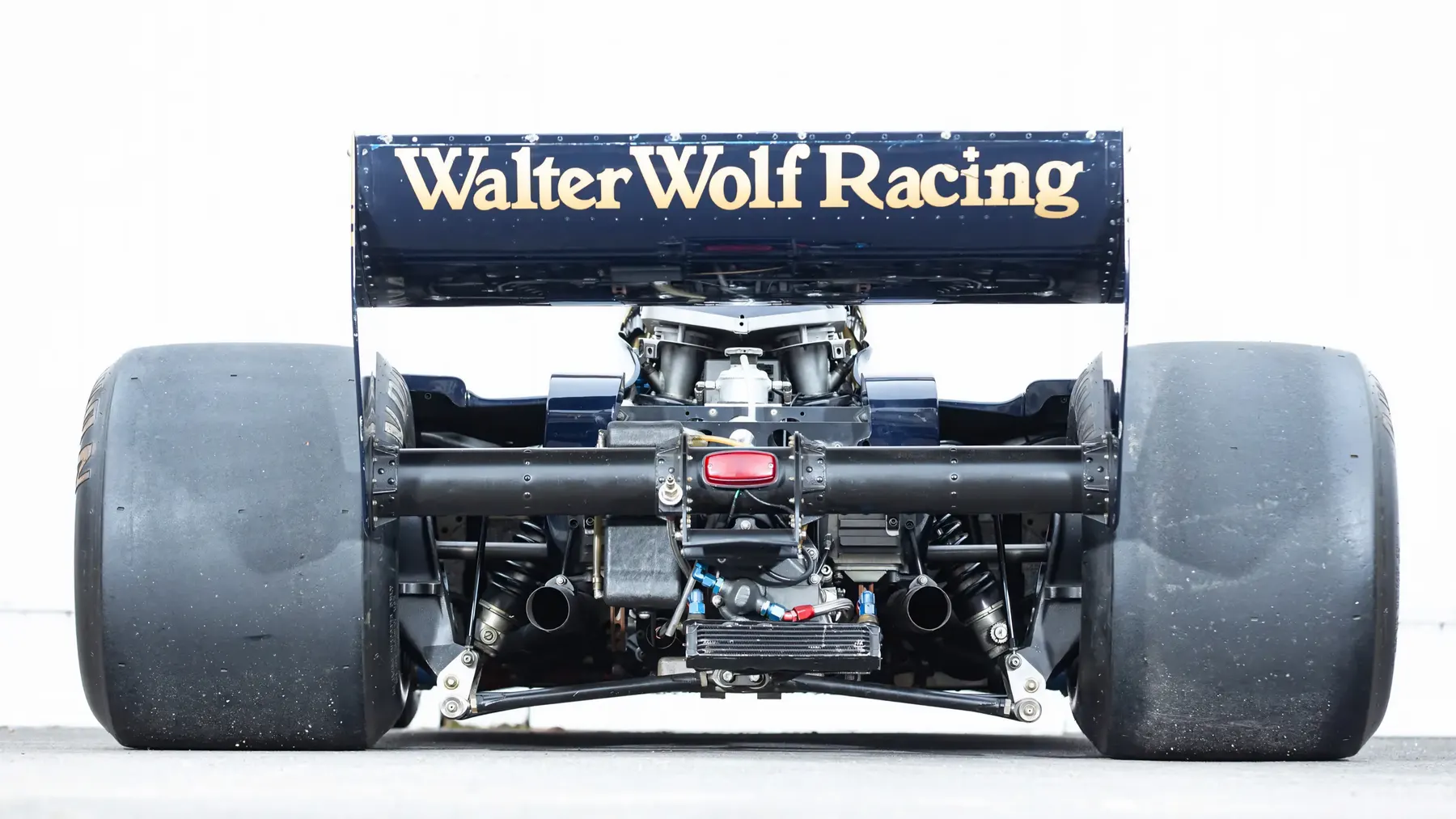
At 87, Walter Wolf still owns WR1-01, the Argentine GP victor. He reportedly serves guests coffee in the car’s original aluminum fuel cans. “They make great mugs,” he’s said to joke.
The Wolf WR1’s story is more than nostalgia. It’s a case study in how to disrupt an established industry. Hire the best talent. Trust them to innovate. Stay lean. When current teams like Haas or Aston Martin struggle, they’d do well to study Wolf’s playbook.
But perhaps the WR1’s greatest lesson is about timing. It arrived as Formula 1 teetered between eras,after aerodynamic wings but before computer-aided design. In that narrow window, a group of underdogs proved that heart, hustle, and a little luck could beat the giants.
So next time someone claims Formula 1 has no room for independents, point them to 1977.
Join the discussion
Comments
Loading comments…
Leave a comment
Share a detail, memory, or perspective. Every comment is reviewed before publication.