1979 Ferrari 312 T4

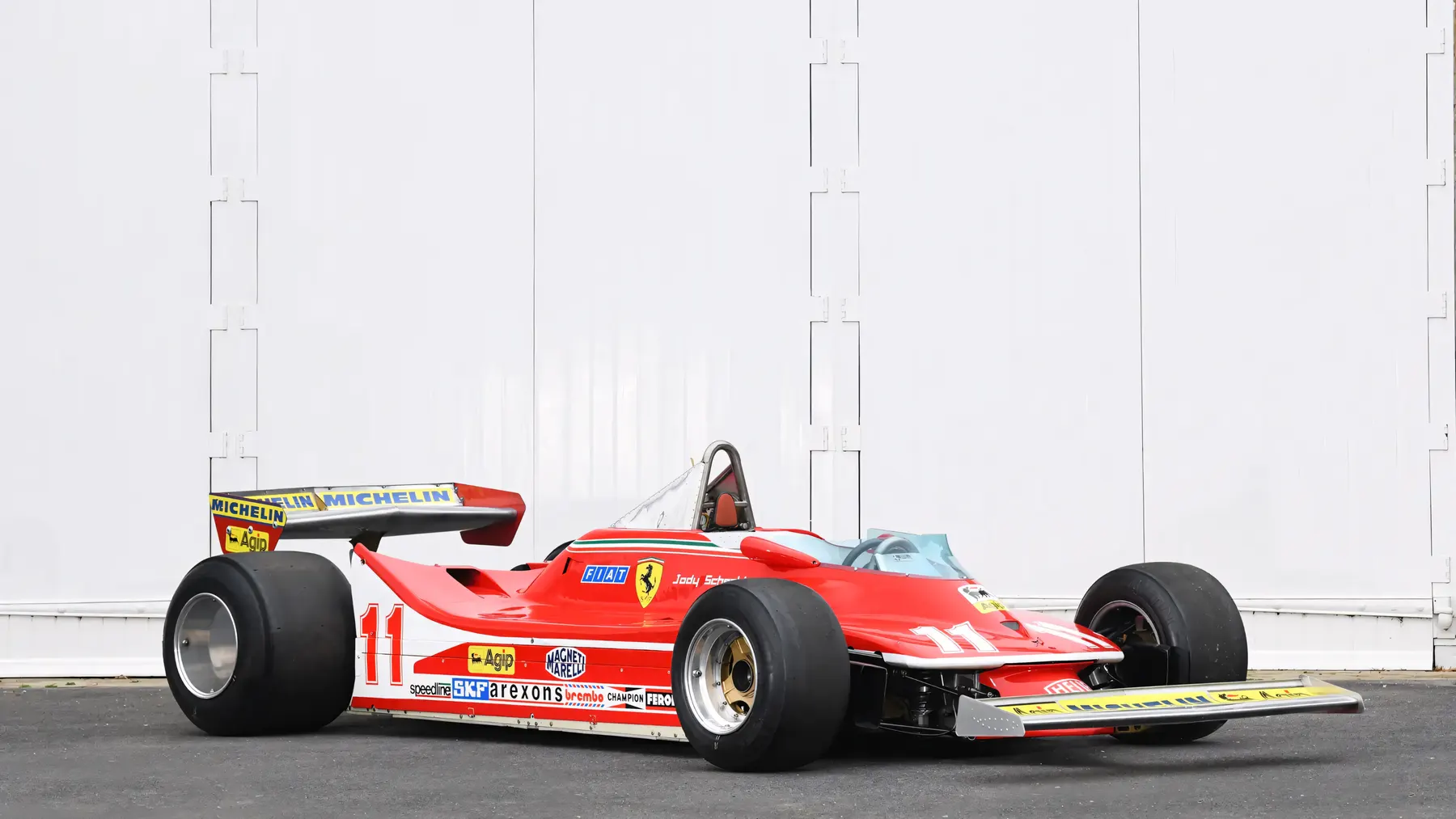
In 1979, Formula 1 stood at a crossroads. Lotus had unleashed the ground-effect revolution with their Type 79, carving through corners with unprecedented grip thanks to aerodynamic wizardry. Ferrari, armed with their venerable flat-12 engine, faced a dilemma: adapt or become irrelevant. The result was the 312 T4, a machine that blended Ferrari’s mechanical heritage with radical aerodynamics,a car that didn’t just keep pace with the future but won championships on its own terms. This is the story of how Ferrari turned compromise into triumph.
When Colin Chapman’s Lotus 79 dominated 1978 using ground effects,downforce generated by shaped underbodies and sliding skirts,Ferrari’s technical director Mauro Forghieri knew the Scuderia couldn’t ignore the trend. But there was a problem: Ferrari’s beloved 3.0-liter flat-12 engine. Its wide, horizontally opposed cylinders occupied precious space where Lotus’s slender Ford-Cosworth V8 left room for deep venturi tunnels.
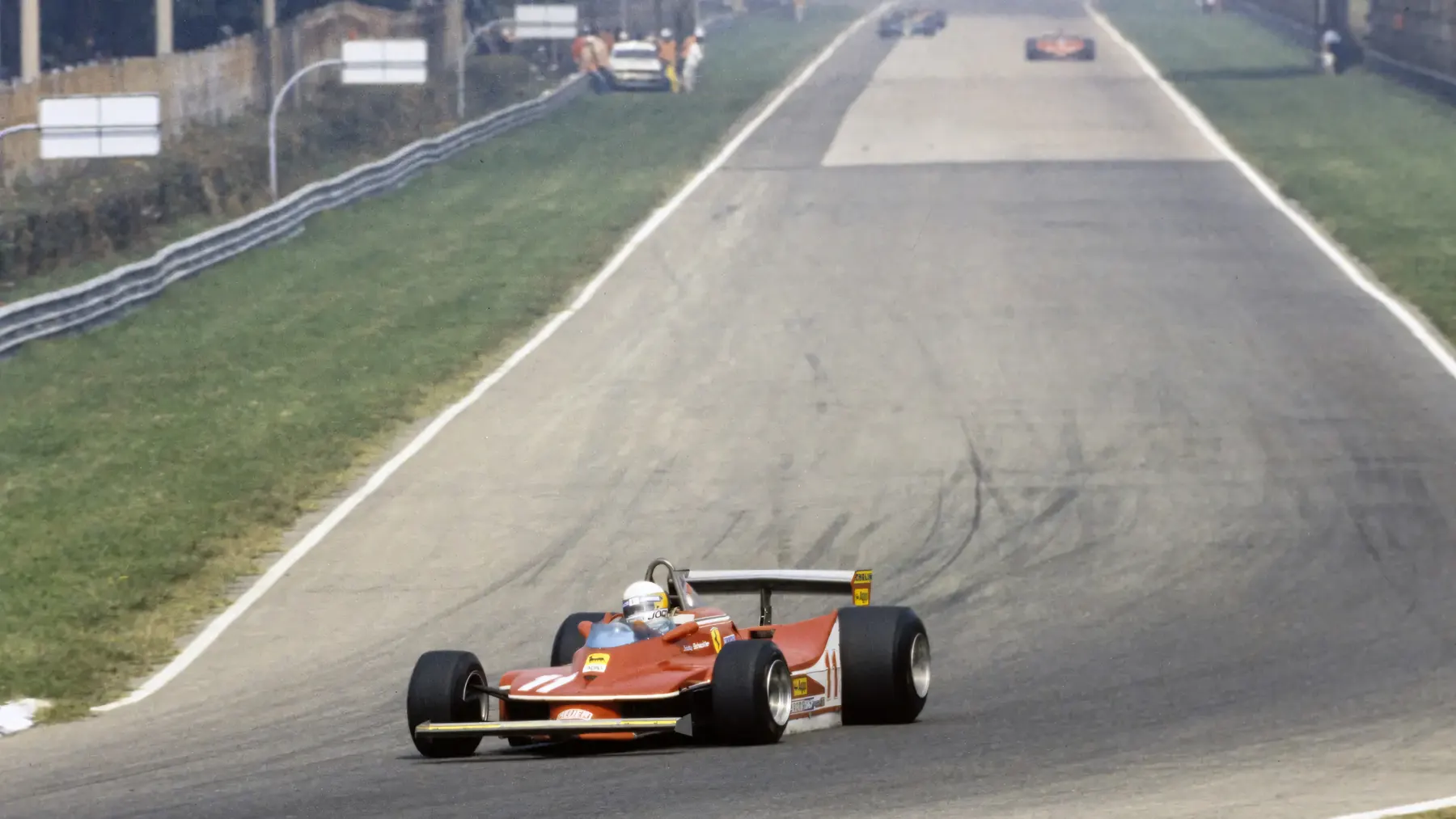
Forghieri’s solution was a masterclass in ingenuity. The 312 T4’s chassis narrowed as much as possible around the engine, creating stubby side pods with partial ground-effect channels. Skirts along the sides sealed the low-pressure zone under the car, generating downforce. While not as efficient as Lotus’s full tunnels, the T4 compensated with raw power. The flat-12 pumped out 515 hp at 12,300 rpm,45 hp more than the Cosworth DFV. “We had to play to our strengths,” Forghieri later admitted. “Our engine was a beast. If we couldn’t match Lotus in the corners, we’d blast past them on the straights.”
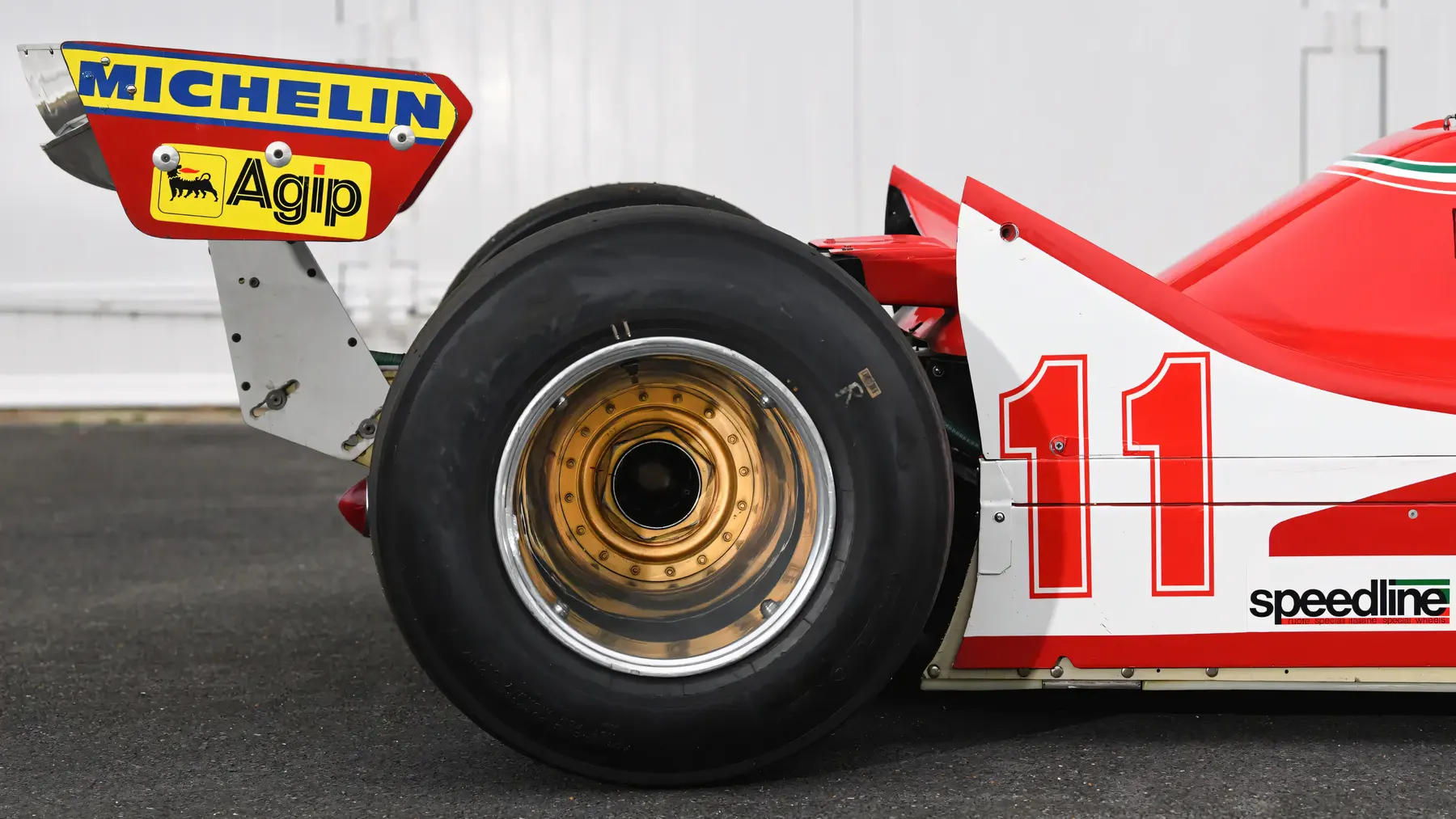
At its core, the 312 T4 was a study in balance. The aluminum monocoque, weighing just 595 kg, housed Ferrari’s Tipo 015 engine,a masterpiece of mechanical theatre. Twelve cylinders laid flat like a pair of fists, lowering the center of gravity. Power went through a transverse five-speed gearbox (the “T” in T4 stood for trasversale), tucked behind the engine to centralize mass. This layout, debuted in 1975’s 312T, gave the T4 razor-sharp turn-in, crucial for maximizing its hybrid aero approach.
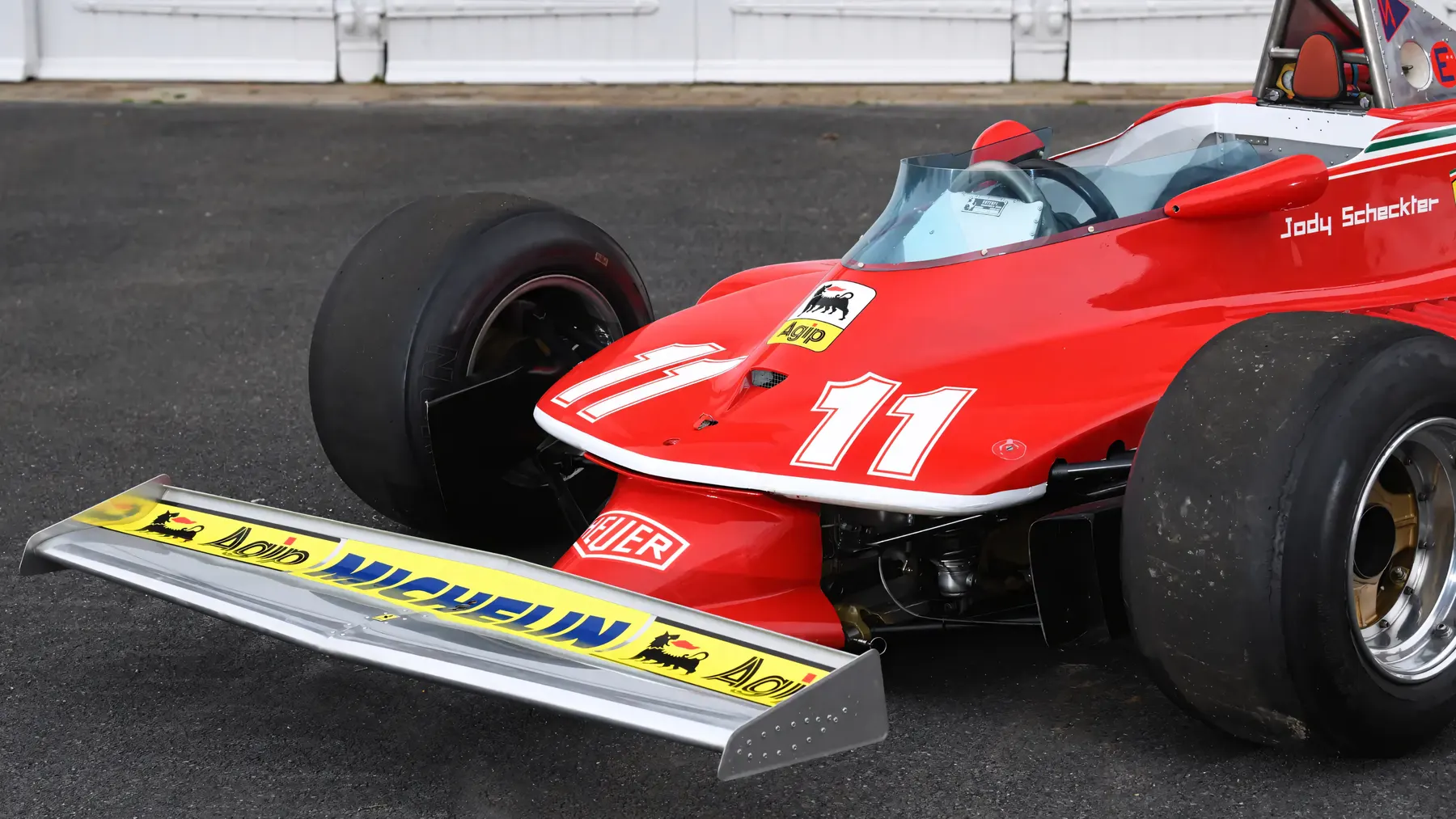
Suspension borrowed from earlier T-series cars but with critical tweaks. Double wishbones front and rear worked with adjustable Koni dampers to maintain ride height,vital for consistent ground effects. Michelin’s radial tires, still novel in F1, offered better heat management than Goodyear’s bias-ply rubber, though they demanded precise setup. “You could feel the Michelins bite,” recalled Jody Scheckter. “But get it wrong, and the car understeered like a truck.”
The T4’s debut at South Africa’s Kyalami circuit set the tone. Scheckter finished second, while teammate Gilles Villeneuve charged from 11th to fourth. Reliability became their weapon; while Lotus and Williams suffered retirements, Ferrari’s bulletproof flat-12s kept scoring.
At Monaco,a track where ground effect meant less,Villeneuve danced the T4 through the chicane to win. In Belgium, Scheckter outdueled Alan Jones’ Williams, exploiting Ferrari’s power advantage up the Kemmel Straight. But the zenith came at Monza. Villeneuve, in front of Ferrari’s tifosi, fended off René Arnoux’s Renault in a wheel-banging duel immortalized as “the race of the century.”
By season’s end, Ferrari racked up six wins (three each for Scheckter and Villeneuve) and only one mechanical retirement. Scheckter claimed the drivers’ title; Ferrari took the constructors’ crown. It was Formula 1’s last hurrah for naturally aspirated engines before turbos took over,and Enzo Ferrari’s final championship before his 1988 passing.
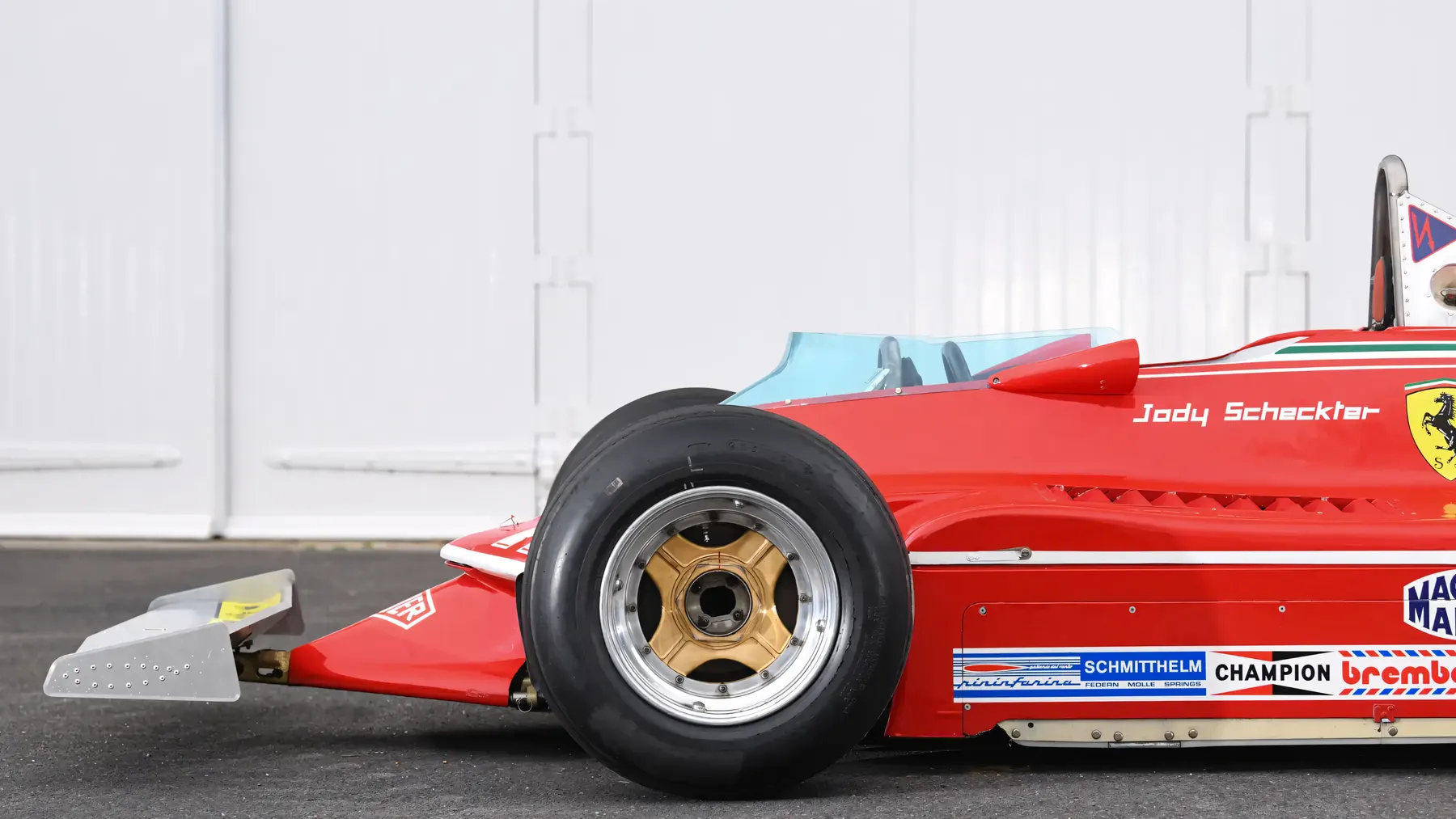
The T4’s genius lay in balancing old-school engineering with emerging tech. While Lotus’s Type 79 was a dedicated ground-effect missile, Ferrari’s car excelled everywhere. The flat-12’s torque smoothed out slow corners, while its bellowing top end devoured straights. At Watkins Glen, the T4 hit 315 kph,20 kph faster than the Lotus.
Even maintenance played a role. The T4’s semi-monocoque chassis, while heavier than a full monocoque, could be repaired trackside. Lotus’s delicate aluminum tubs often required factory fixes. “We’d bend a wishbone at practice, weld it overnight, and be ready for quali,” said mechanic Nigel Stepney. “Try that with a Lotus.”
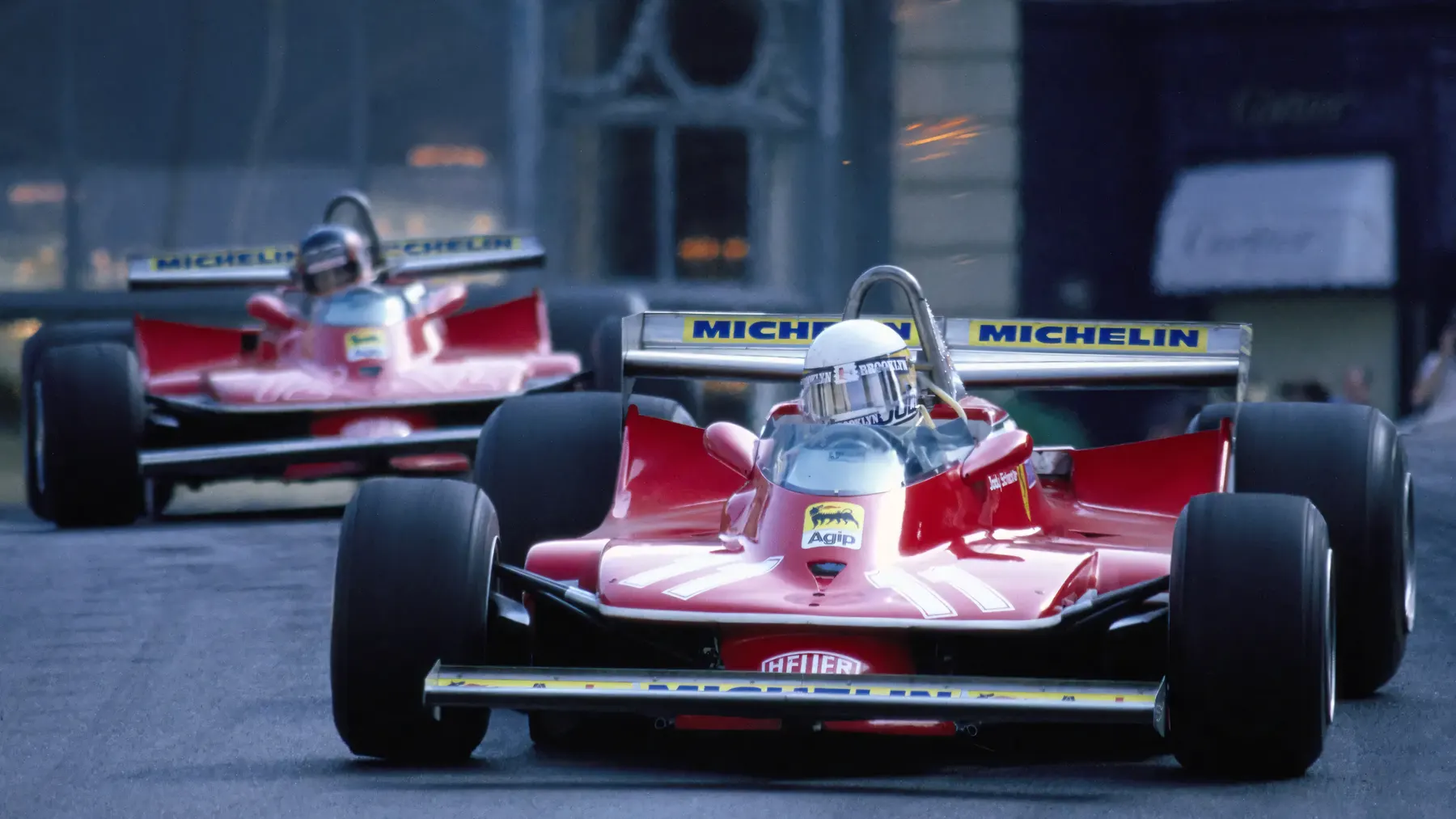
Fans adored the T4’s swagger. Its angular nose, chiseled side pods, and roaring flat-12 made it a sensory icon. Critics carped about its “half-baked” ground effects, but results silenced them. “It wasn’t the prettiest,” admitted Villeneuve, “but it had figa,all the right curves in the right places.”
The car’s legacy solidified post-retirement. Scheckter kept his title-winning chassis, occasionally firing it up at events like the 2010 Bahrain GP. At Goodwood Festival of Speed, the T4’s wail still drowns out modern hybrids. Collectors covet its hybrid DNA,a bridge between analog racing and the tech-heavy ‘80s.
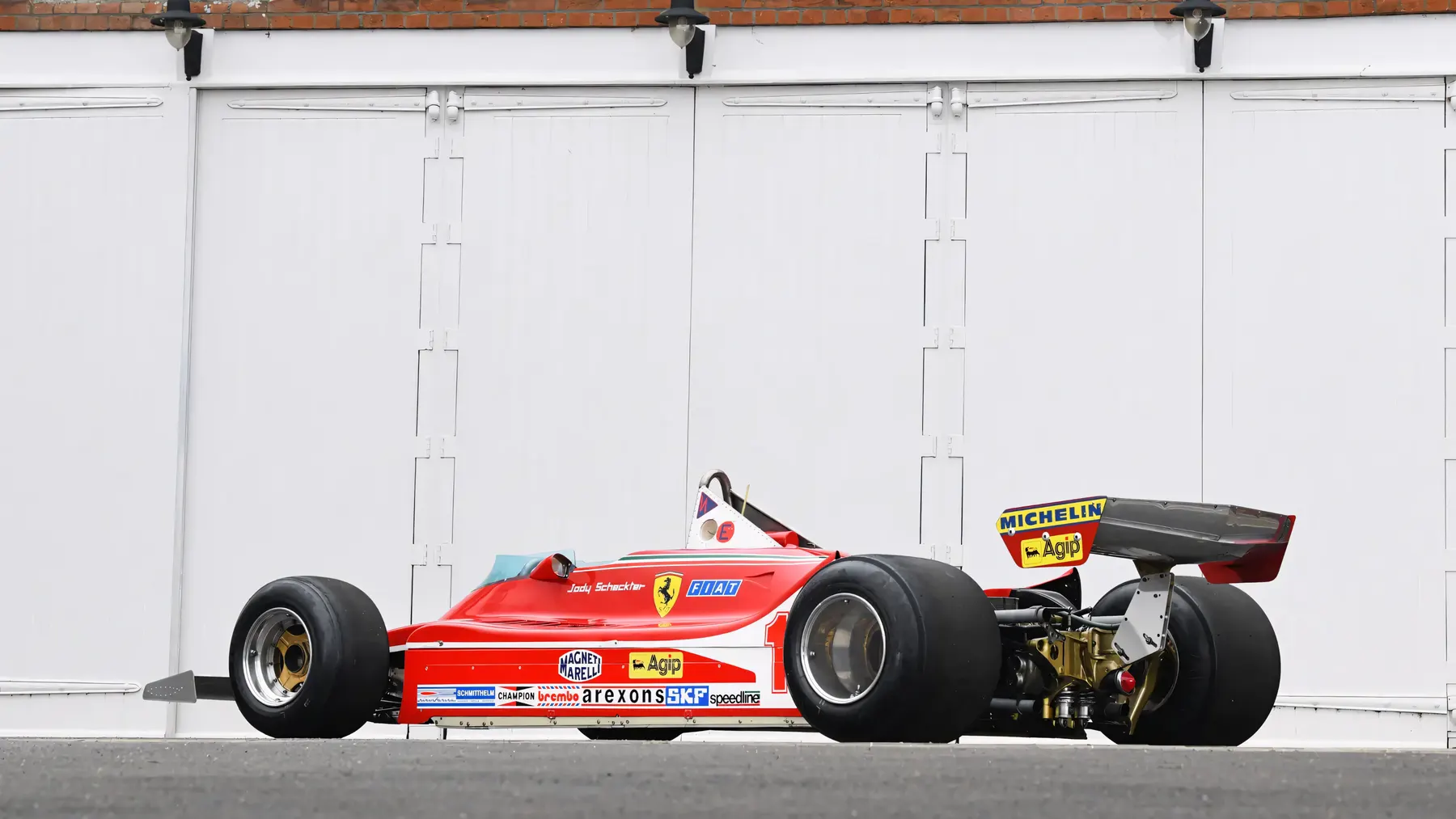
The 312 T4’s 1979 triumph wasn’t just about titles; it affirmed Ferrari’s ability to evolve. Faced with Chapman’s aero revolution, Forghieri didn’t copy,he adapted. The T4’s mix of brute force and clever aero became a template for ‘80s icons like the Williams FW07.
Today, the T4 symbolizes a golden age. Before turbos and telemetry, success hinged on mechanical empathy,drivers balancing throttle and skirts, engineers tweaking cambers by eye. In Scheckter’s words: “That car didn’t just respond to setup. It responded to feel.”
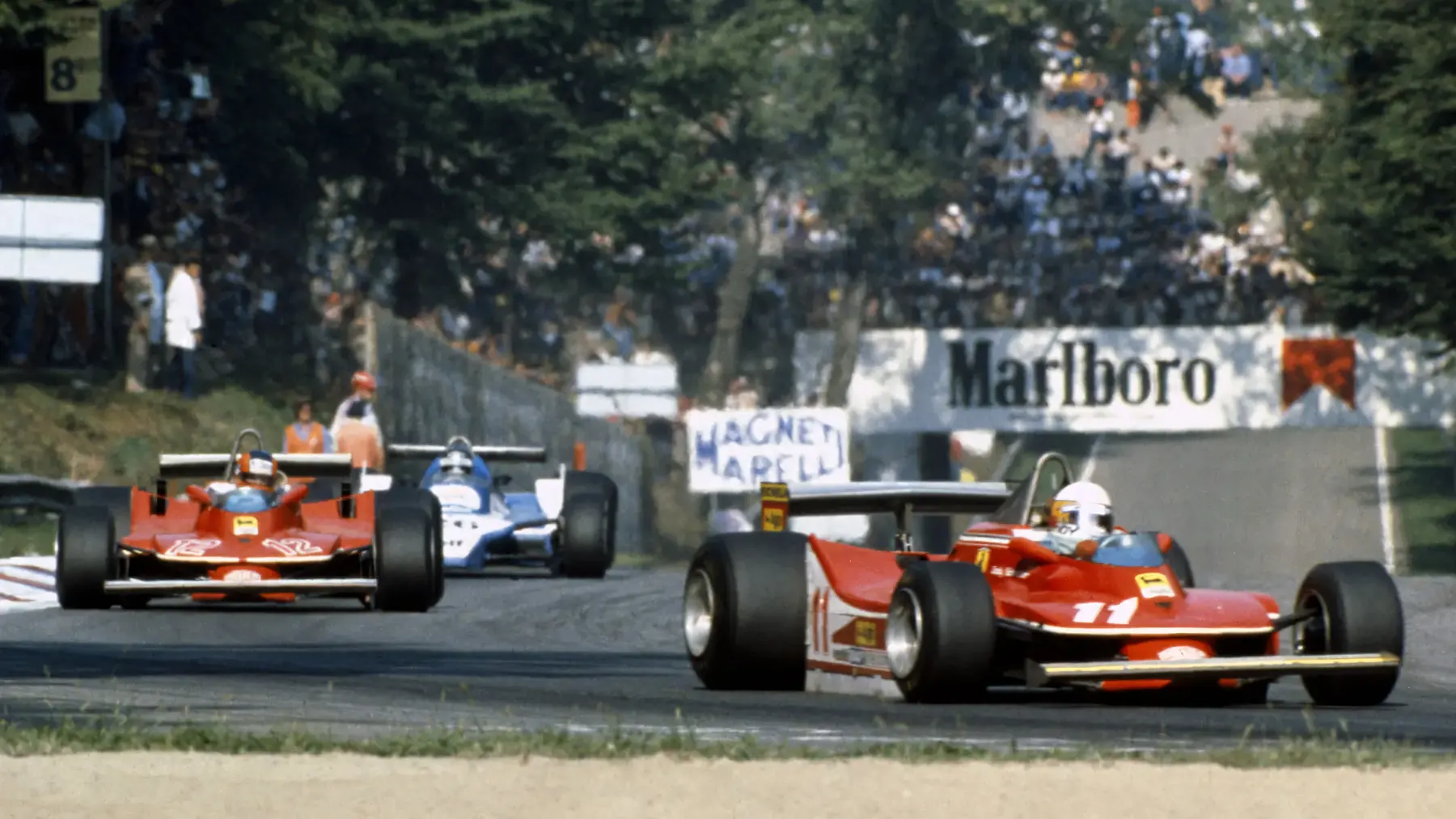
In museums, the T4 looks almost humble beside its wedge-shaped rivals. But on track, even now, it barks a reminder: Ferrari’s greatest innovations often come from bending the rules, not breaking them.
Join the discussion
Comments
Loading comments…
Leave a comment
Share a detail, memory, or perspective. Every comment is reviewed before publication.