1979 Mercedes-Benz 450 SLC 5.0 'Rallyewagen'

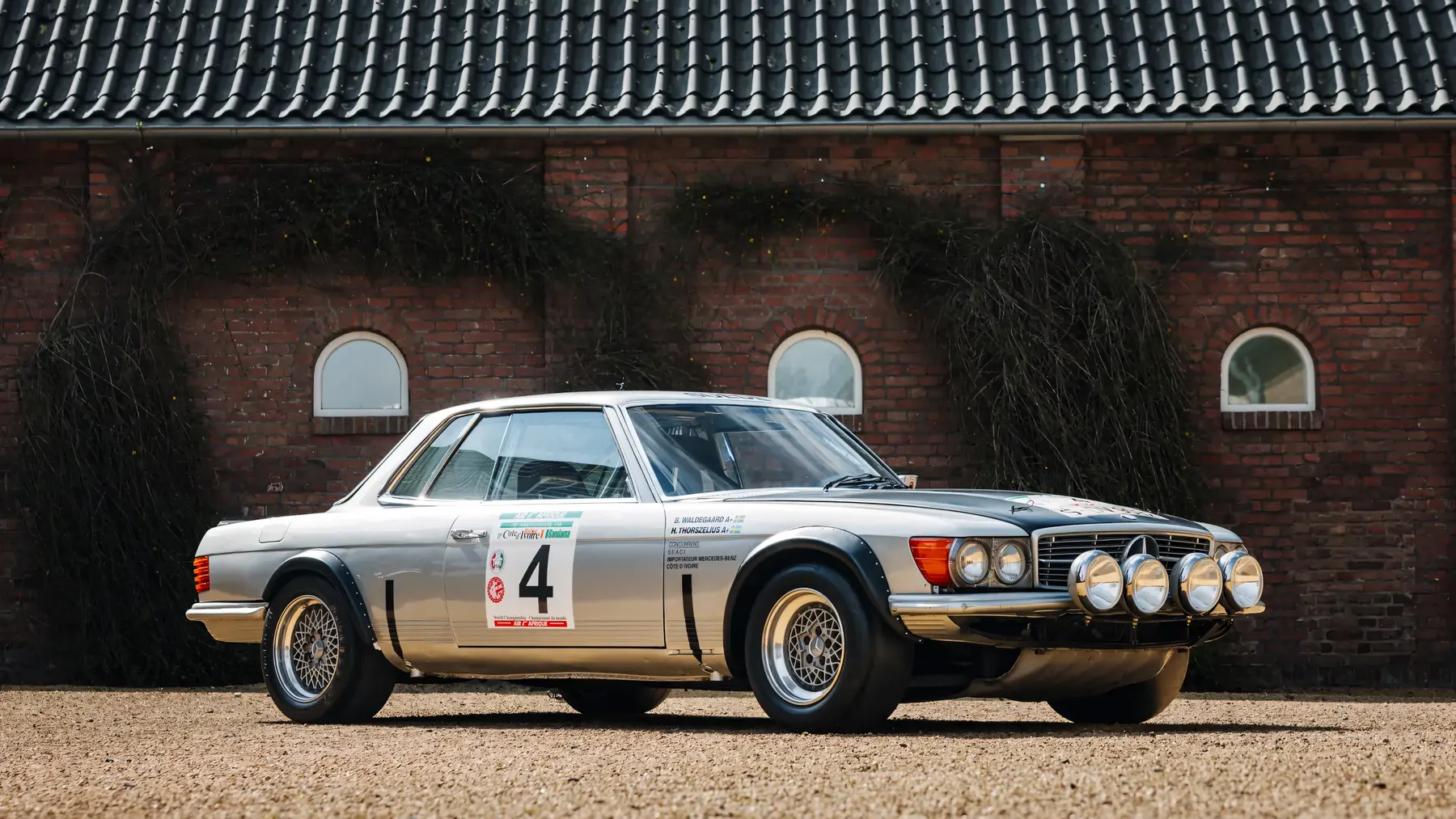
In the late 1970s, as rally racing shifted from nimble compacts to powerful endurance machines, Mercedes-Benz engineered an unlikely contender,the 450 SLC 5.0 ‘Rallyewagen’. This grand tourer-turned-rally weapon blended Teutonic luxury with competition-grade engineering, forging a unique chapter in both Mercedes’ motorsport history and the evolution of rally car design.
The Rallyewagen emerged from Mercedes’ need to homologate its SLC coupé for Group 4 rally regulations, requiring production of at least 400 street-legal units. Engineers under Dr. Erich Waxenberger took the luxurious C107 platform,a pillarless hardtop coupé based on the R107 SL roadster,and transformed it into a rally-ready machine. The project aimed to prove Mercedes’ engineering prowess in endurance events while maintaining the car’s grand touring character.
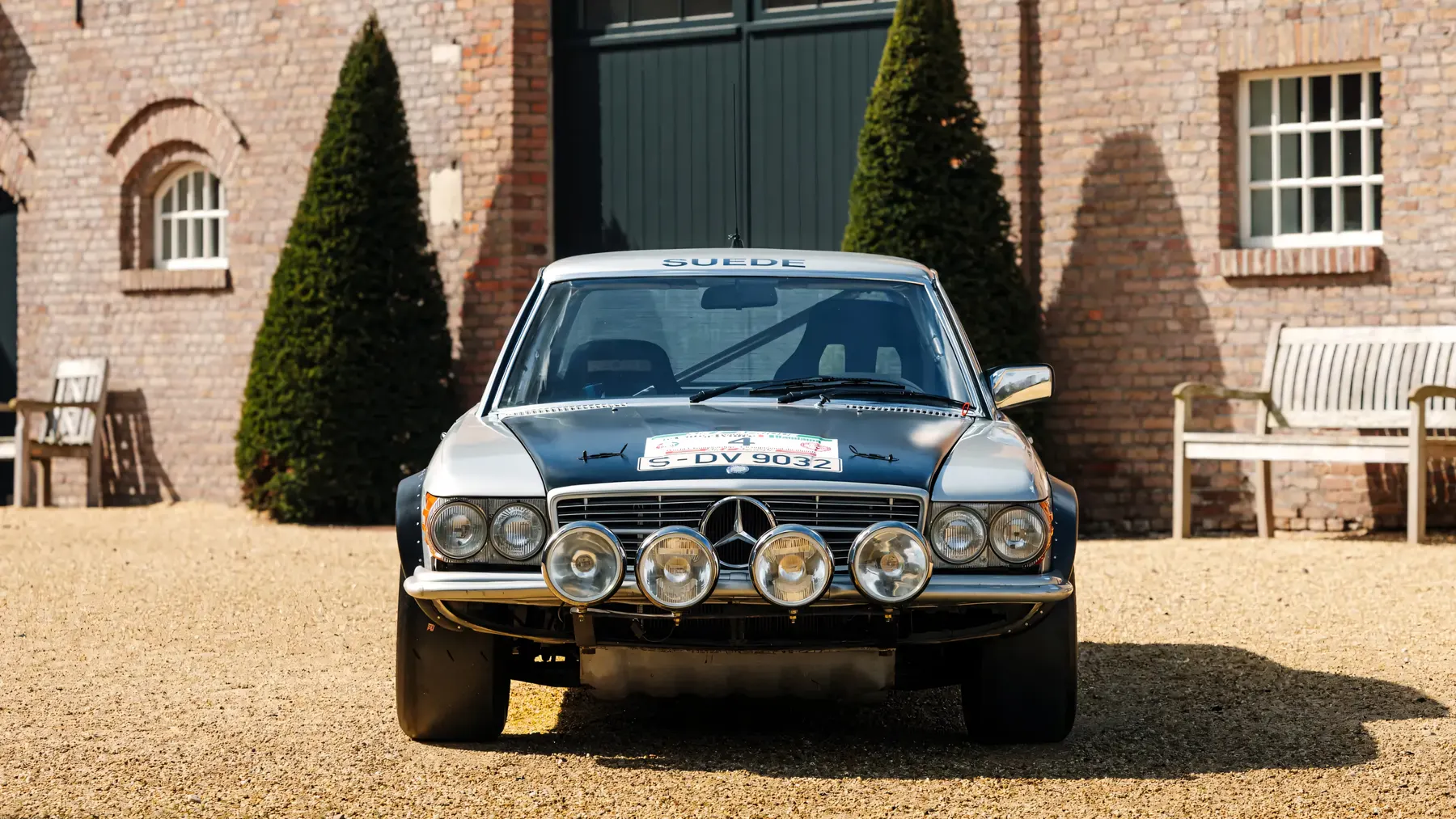
At the Rallyewagen’s core sat a hand-built 5.0-liter V8, its aluminum block and heads reducing weight by 80 kg compared to the standard 4.5-liter engine. This power plant produced 240 horsepower in road trim (300+ in race spec), paired with a unique three-speed automatic transmission chosen for its durability in harsh conditions. Aluminum body panels replaced steel on the hood and trunk, while reinforced steel doors and underbody skid plates protected vital components.
The suspension received radical revisions,taller springs, reinforced strut mounts, and rally-specific König adjustable dampers allowed 220 mm of wheel travel. Engineers developed a dual cooling system with auxiliary radiators front and rear, crucial for African desert stages. Inside, the plush leather interior gave way to stripped-down essentials: bucket seats, roll cage, and a 120-liter fuel cell where rear seats once resided.
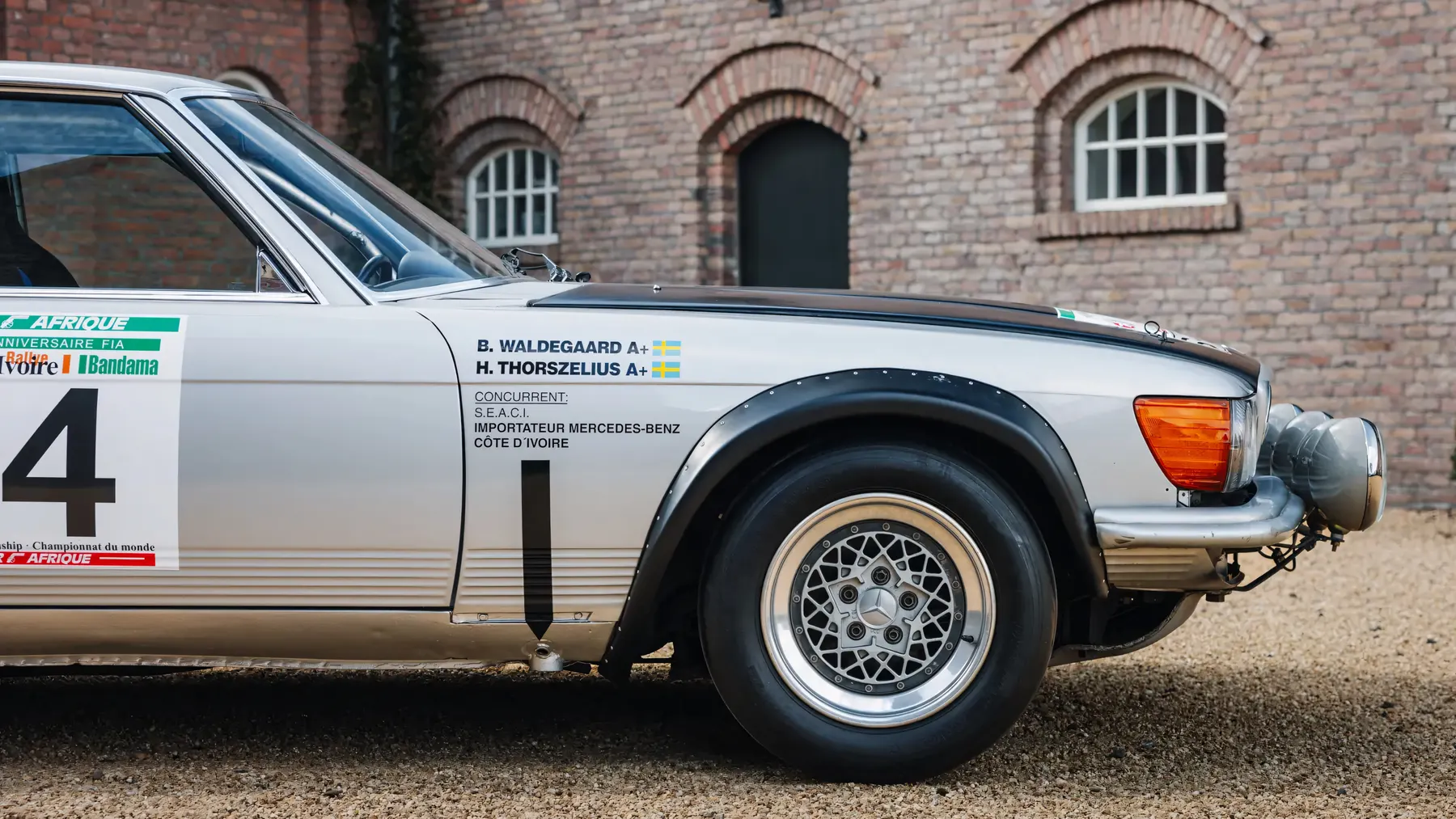
The Rallyewagen’s competition debut at the 1978 Vuelta a la América del Sud proved its mettle. Covering 30,000 km across South America’s toughest terrain, Andrew Cowan’s factory entry claimed victory, outpacing purpose-built rally cars. Subsequent success came at the 1979 Bandama Rally in Ivory Coast, where Hannu Mikkola’s SLC dominated, averaging 114 km/h over 4,200 km of jungle tracks.
Key to its success was the automatic transmission,unorthodox in rallying,that allowed seamless power delivery through river crossings and rocky ascents. The V8’s broad torque curve (392 Nm at 3,200 rpm) proved ideal for maintaining momentum in deep sand, while the long wheelbase (2,820 mm) enhanced high-speed stability on African savannah stretches.
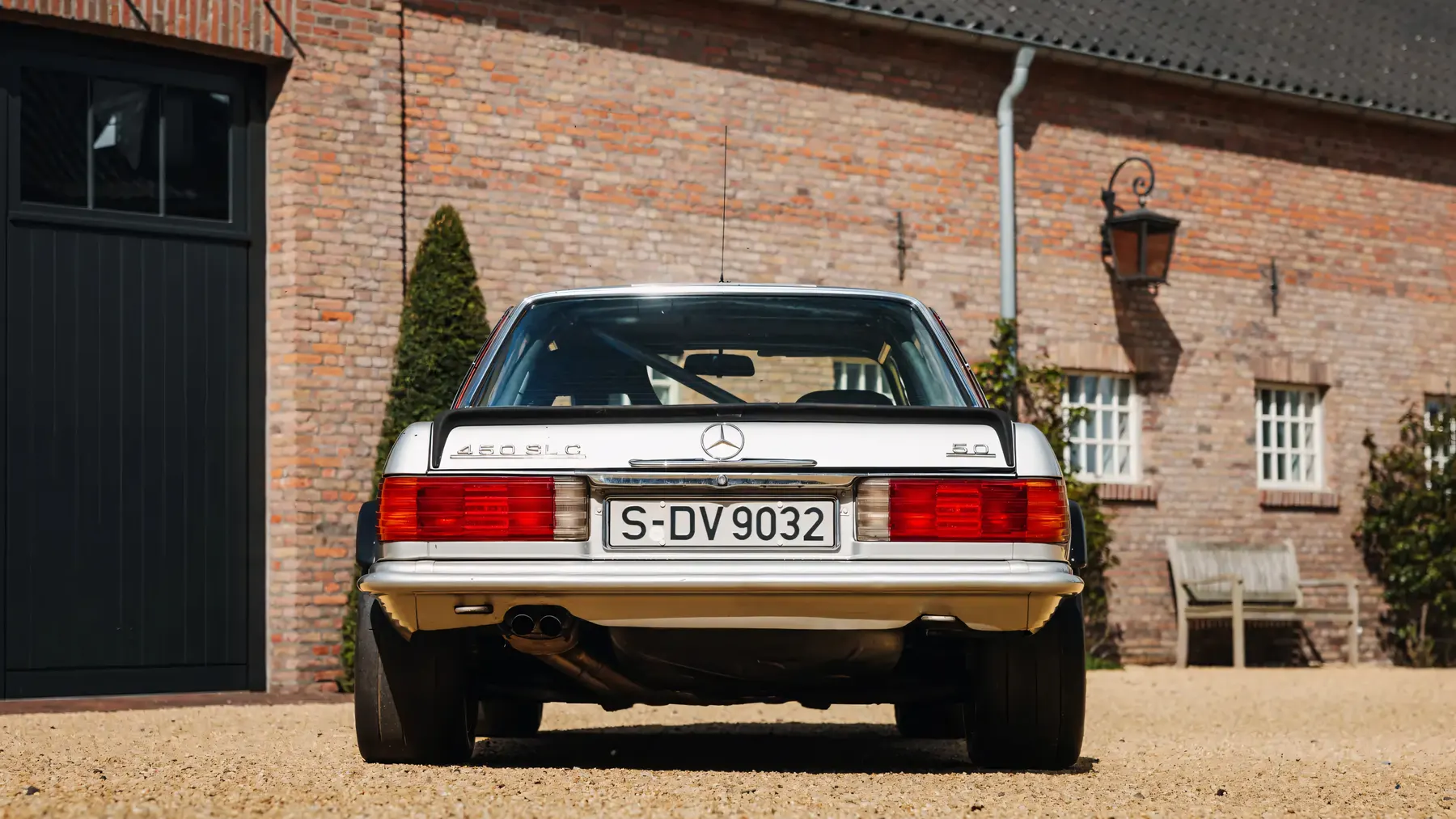
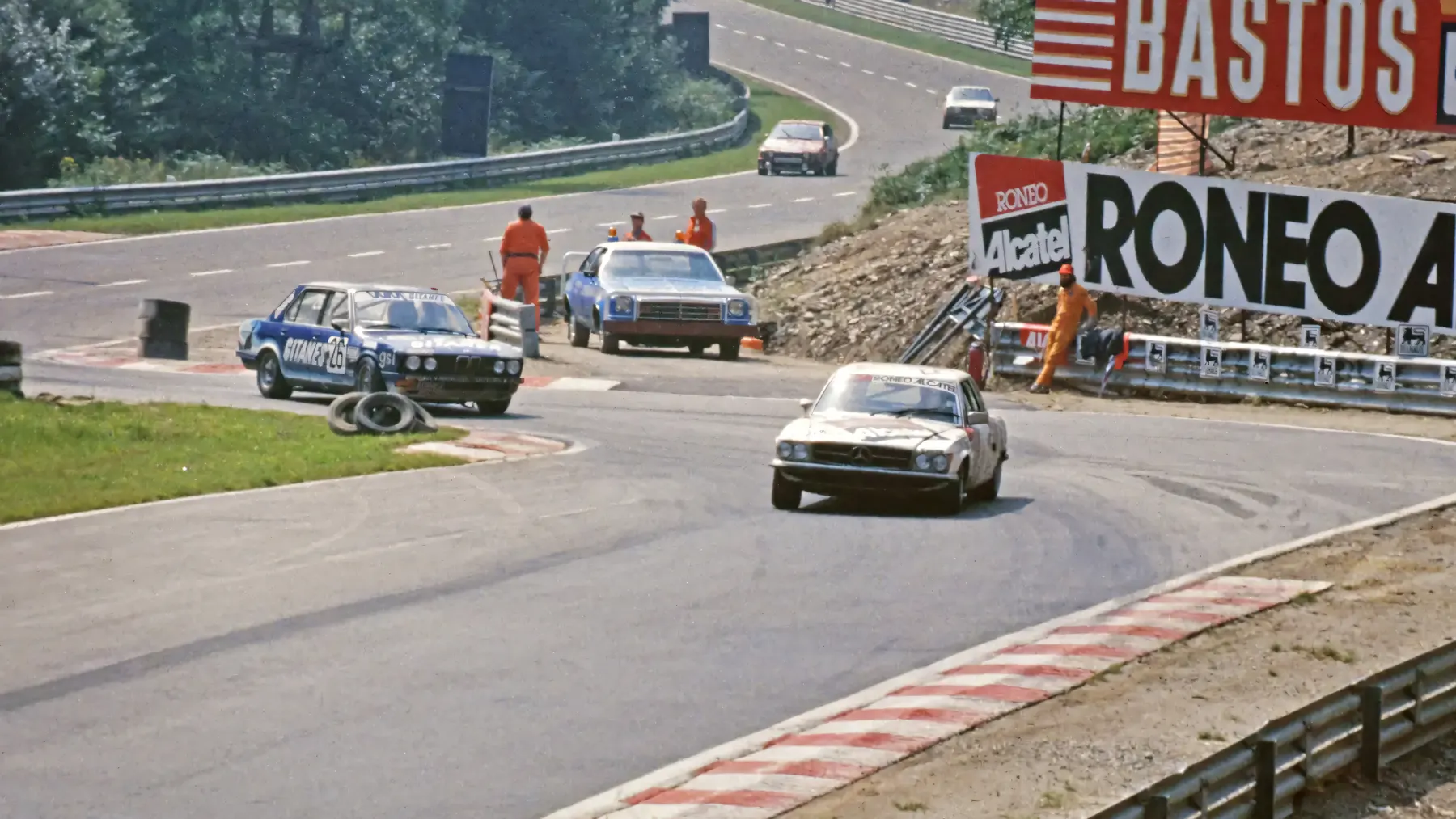
After Mercedes withdrew factory support in 1980, privateers reimagined the Rallyewagen for tarmac. Albert Pfuhl’s team converted six cars for the 1984 Paris-Dakar Rally, adding turbochargers that boosted output to 400 horsepower. Though unsuccessful in desert racing, these cars found new life in European endurance events. At the 1985 Spa 24 Hours, a modified SLC 5.0 finished 14th overall, outpacing newer BMW 635CSis through Eau Rouge’s sweeping curves.
The Rallyewagen’s most innovative feature was its adaptive aerodynamics package. A front air dam redirected airflow to cool brakes, while NACA ducts on the rear pillars fed the transmission cooler. Engineers developed a quick-release system for the aluminum hood, allowing rapid engine access during service stops,a feature later adopted in Dakar trucks.
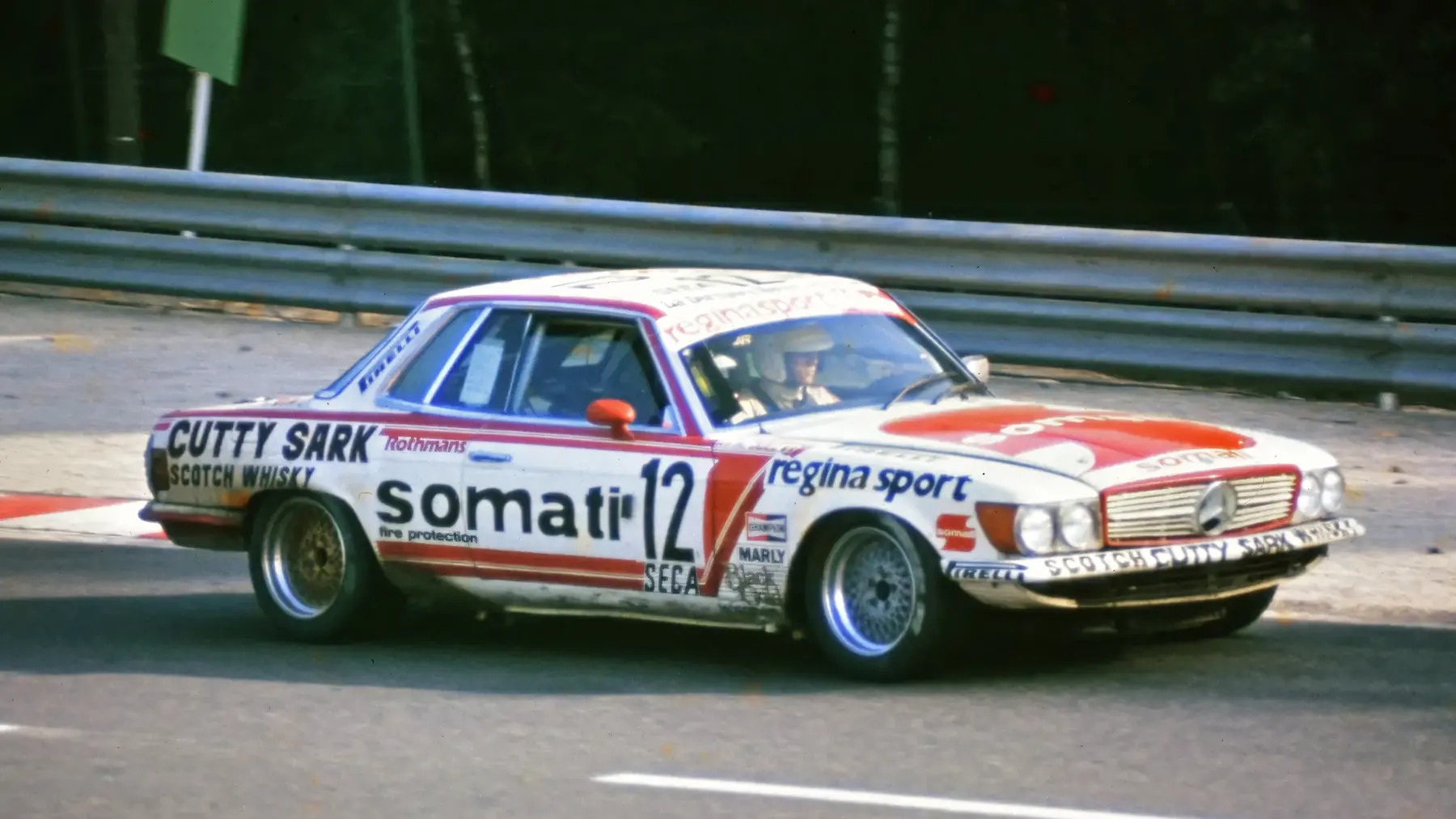
The fuel system showcased Mercedes’ meticulousness: twin electric pumps with redundancy circuits prevented vapor lock, while a patented swirl pot design ensured consistent fuel delivery during extreme angles. These innovations made the SLC 5.0 exceptionally reliable,teams often completed multi-day rallies without major mechanicals.
Only 2,769 road-going 450 SLC 5.0s were built between 1977-1981, with fewer than 50 modified for competition. Today, these cars bridge classic Mercedes collectors and rally historians. Pristine examples command six-figure sums, while ex-works cars like Mikkola’s Bandama winner are museum pieces.
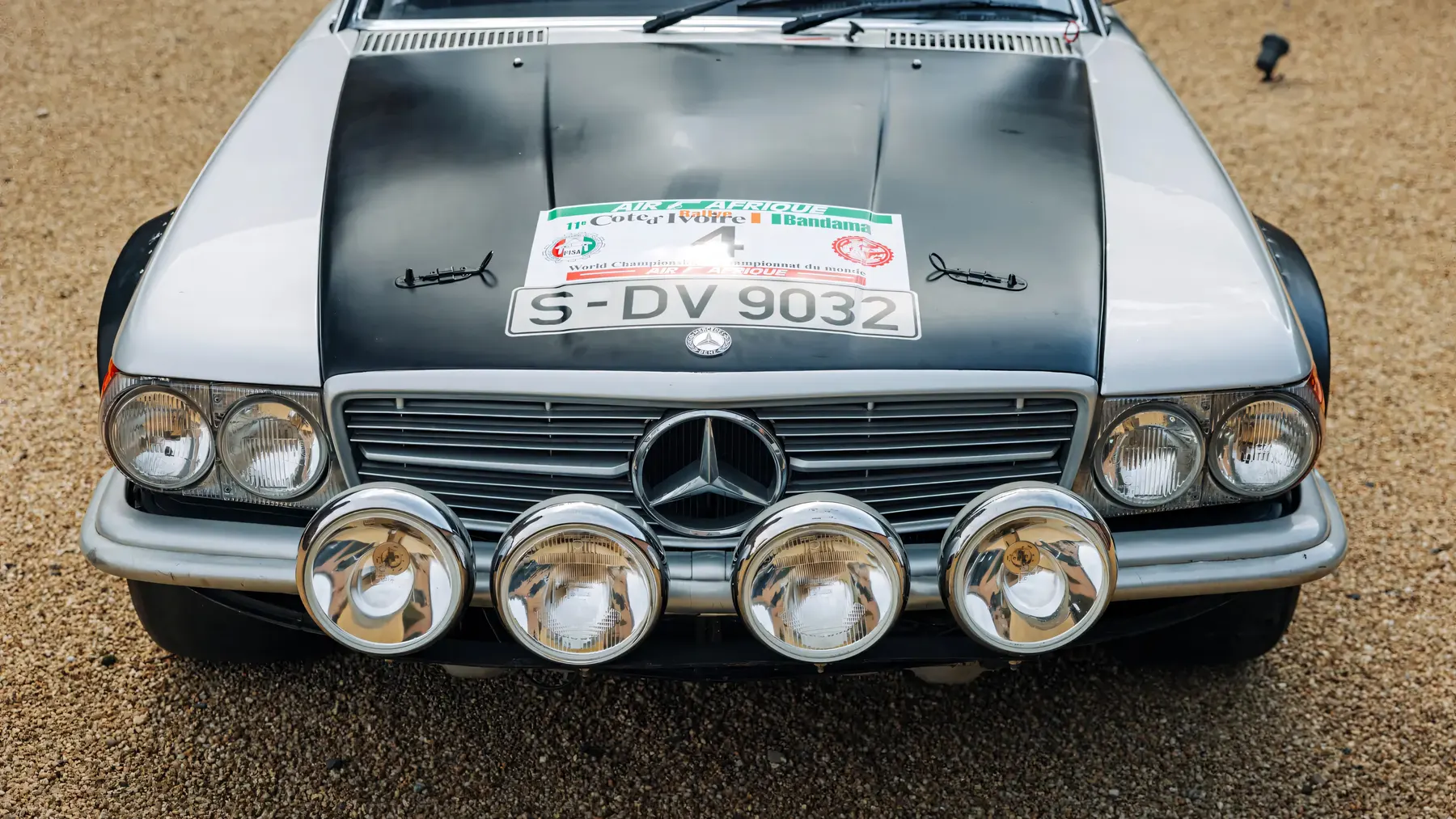
Restorations focus on preserving unique rally adaptations,reinforced subframes, handwritten service markings, and period-correct Pirelli CN36 tires. The automatic transmission remains a talking point; modern owners report its smooth shifts and torque multiplication give surprising pace on historic rally stages.
The 450 SLC 5.0 ‘Rallyewagen’ represents a fleeting moment when luxury automakers dared to reimagine grand tourers as competition tools. Its success proved that advanced engineering could overcome weight and size disadvantages, influencing later rally specials like the Lancia Delta Integrale. For Mercedes, it became a technological testbed,lessons from its aluminum engine and adaptive cooling directly informed the 500E’s development.
More than a curiosity, the Rallyewagen stands as testament to innovation under constraint. It defied expectations, turned automatic transmissions into assets, and demonstrated that even the most refined machines could conquer the world’s toughest roads,a philosophy that continues to define Mercedes-AMG’s most daring creations.
Join the discussion
Comments
Loading comments…
Leave a comment
Share a detail, memory, or perspective. Every comment is reviewed before publication.