1981 Porsche 924 GTS Club Sport 'Group B'

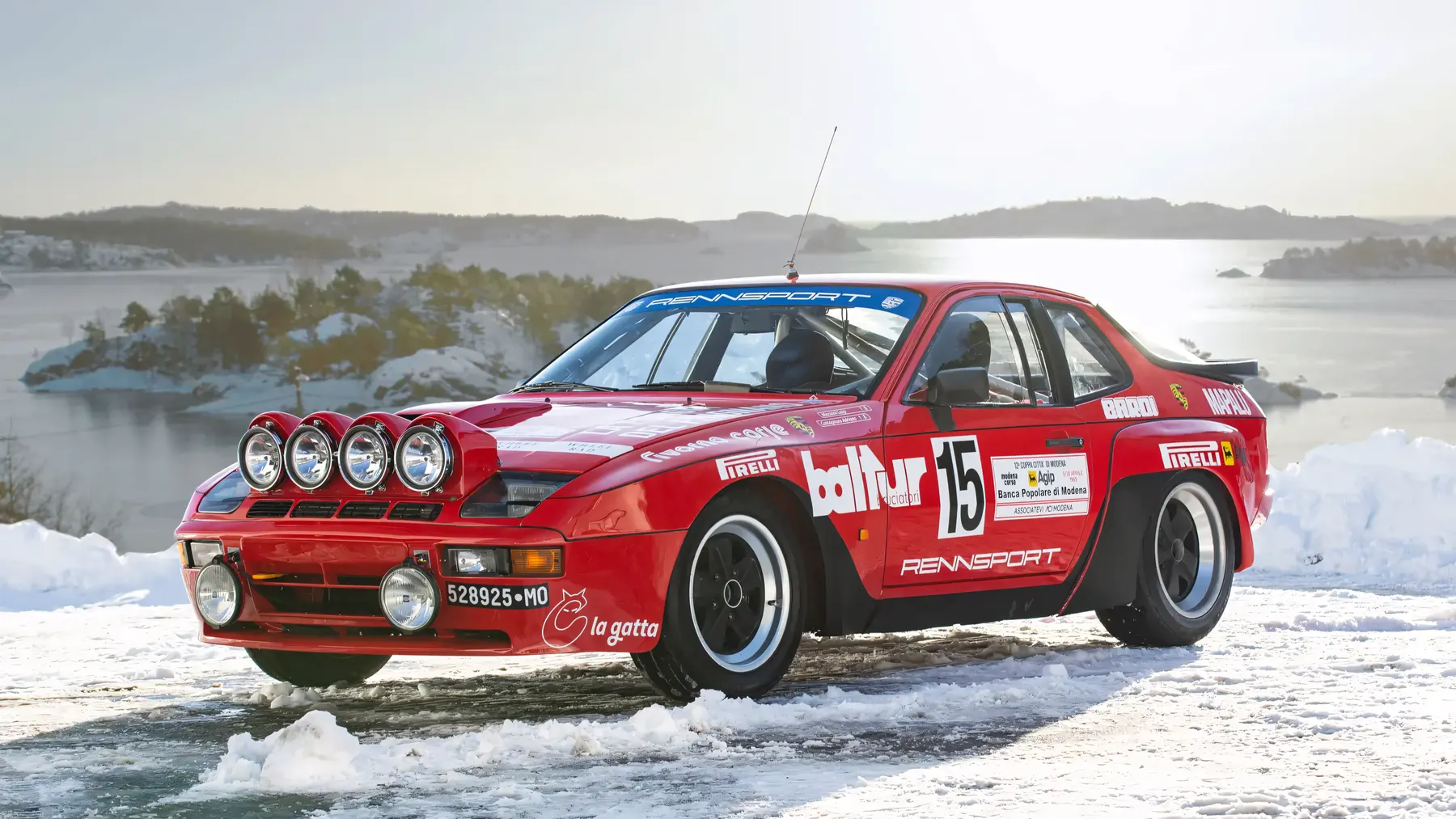
In the early 1980s, as motorsport’s wildest era, Group B, began to redefine automotive extremes, Porsche unveiled a rare and ferocious machine: the 924 Carrera GTS Club Sport. Born from the need to homologate a racing variant for competition, this limited-production model distilled Porsche’s engineering prowess into a street-legal weapon. With only 15 units ever built, the GTS Club Sport remains a pinnacle of Porsche’s ambition during the Group B era,a blend of raw performance, motorsport innovation, and exclusivity that continues to captivate enthusiasts and collectors alike.
The GTS Club Sport’s origins trace back to the Porsche 924, a front-engine, rear-wheel-drive coupé initially developed as a joint venture with Volkswagen. While the standard 924 faced criticism for its modest power, Porsche’s motorsport division saw potential in its balanced chassis. In 1980, the 924 Carrera GT emerged as a homologation special for Group 4 racing, featuring a turbocharged 2.0-liter engine and aggressive styling. Building on this foundation, Porsche pushed further with the 924 Carrera GTS in 1981, creating a lighter, more powerful variant for Group B homologation.
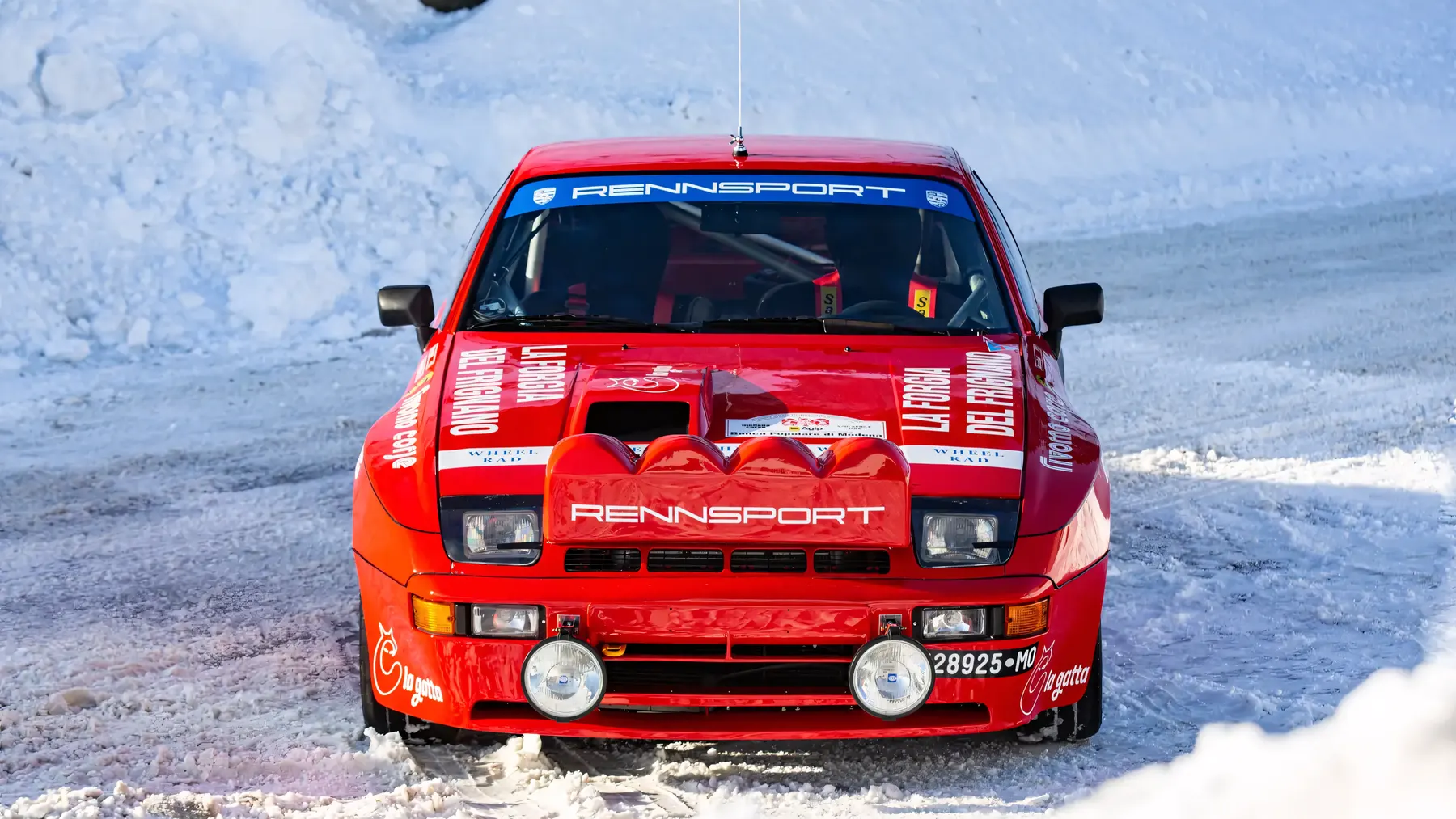
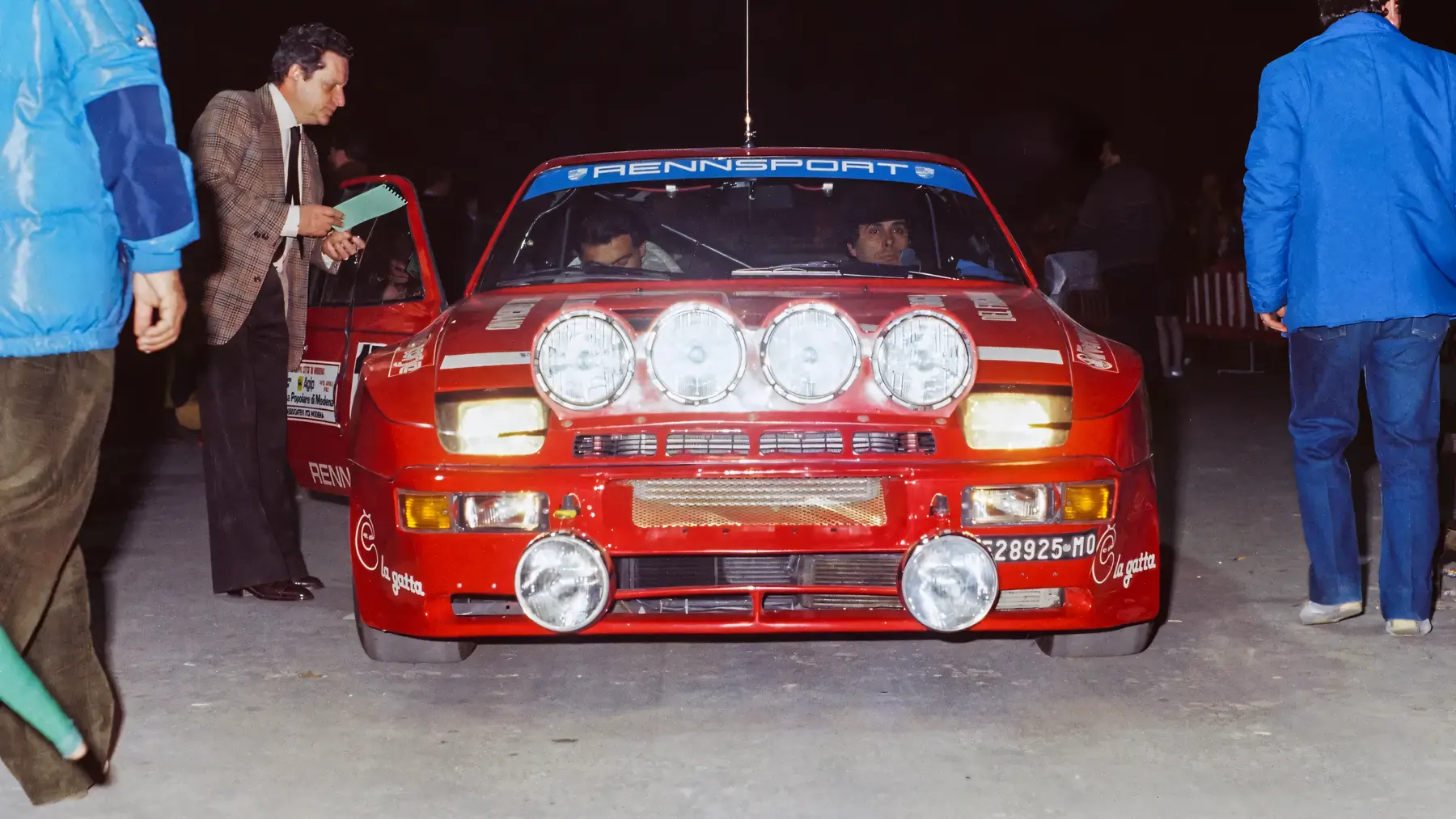
The GTS Club Sport, handbuilt at Porsche’s Weissach facility, was the ultimate evolution. Only 15 examples were produced, each meticulously crafted to meet Group B’s requirement for road-legal race cars. Designed to compete in rallying and endurance events, the Club Sport embodied Porsche’s commitment to bridging the gap between production cars and full-fledged racers.
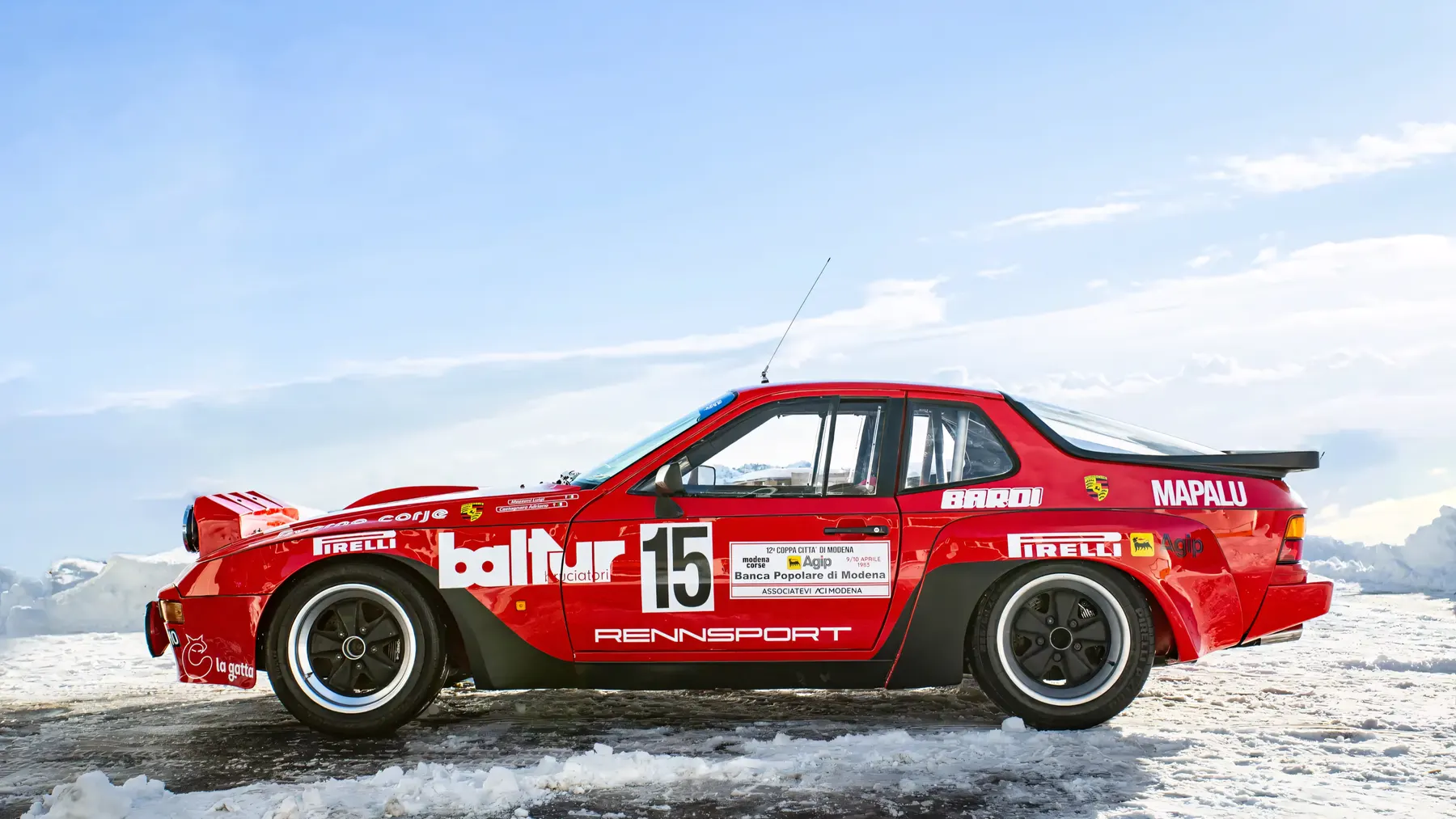
The GTS Club Sport’s design was a masterclass in purpose-driven aesthetics. To reduce weight, Porsche replaced steel body panels with polyurethane plastic, including flared wheel arches and a front spoiler. The pop-up headlights of the Carrera GT were swapped for fixed units under Perspex covers, improving aerodynamics and durability. A massive rear spoiler and top-mounted intercooler scoop underscored its racing pedigree, while widened fenders accommodated larger wheels and tires.
Inside, the cabin was stripped to essentials. A Matter roll cage reinforced the chassis, and Recaro racing seats with 935-style harnesses replaced luxury trim. Carpets, sound insulation, and even the rear seats were discarded, slashing the curb weight to just 1,060 kg (2,337 lbs),over 130 kg lighter than the Carrera GT. The result was a Spartan yet focused environment, where every component served a performance purpose.
At the heart of the GTS Club Sport lay a revised 2.0-liter inline-four turbocharged engine, equipped with an air-to-air intercooler and running 1.1 bar of boost. Output surged to 280 horsepower, a staggering figure for its displacement, paired with a five-speed manual transmission. This powertrain propelled the Club Sport to a top speed of 260 km/h (162 mph), making it Porsche’s fastest production car at the time,outpacing even the 911 SC.
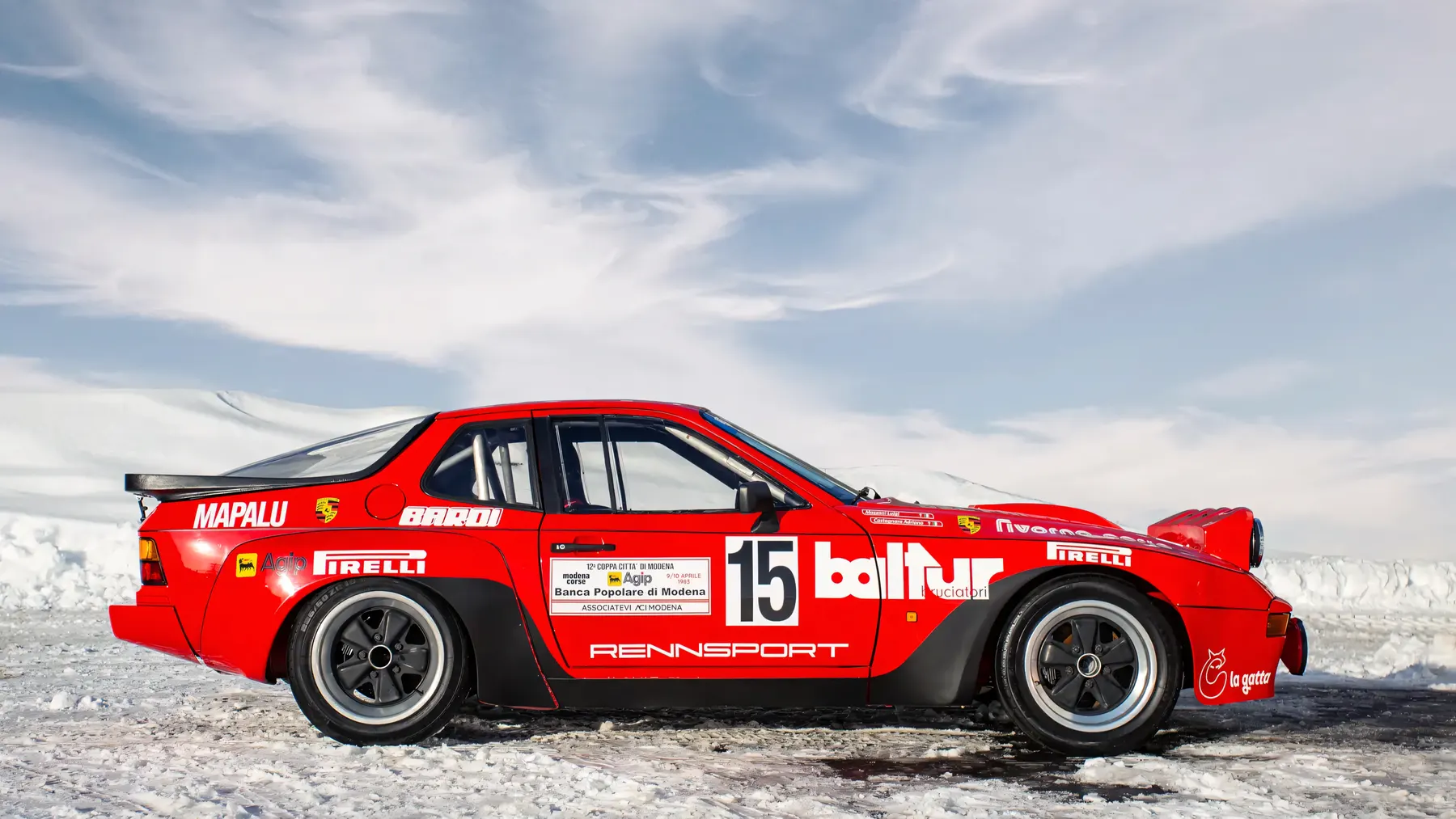
The chassis borrowed heavily from Porsche’s racing arsenal. Upgraded 911 Turbo brakes provided stopping power, while a limited-slip differential and reinforced suspension ensured razor-sharp handling. The rear-wheel-drive layout, combined with near-perfect weight distribution, delivered a driving experience that was both visceral and precise, demanding skill but rewarding with unmatched agility.
The GTS Club Sport’s brilliance lay in its uncompromising details. The engine’s sodium-filled valves and forged internals were derived from Porsche’s endurance racing programs, ensuring reliability under extreme stress. Magnesium alloy wheels further reduced unsprung weight, and a dual-mass flywheel smoothed power delivery. Even the fuel tank was repositioned for better weight distribution during long races.
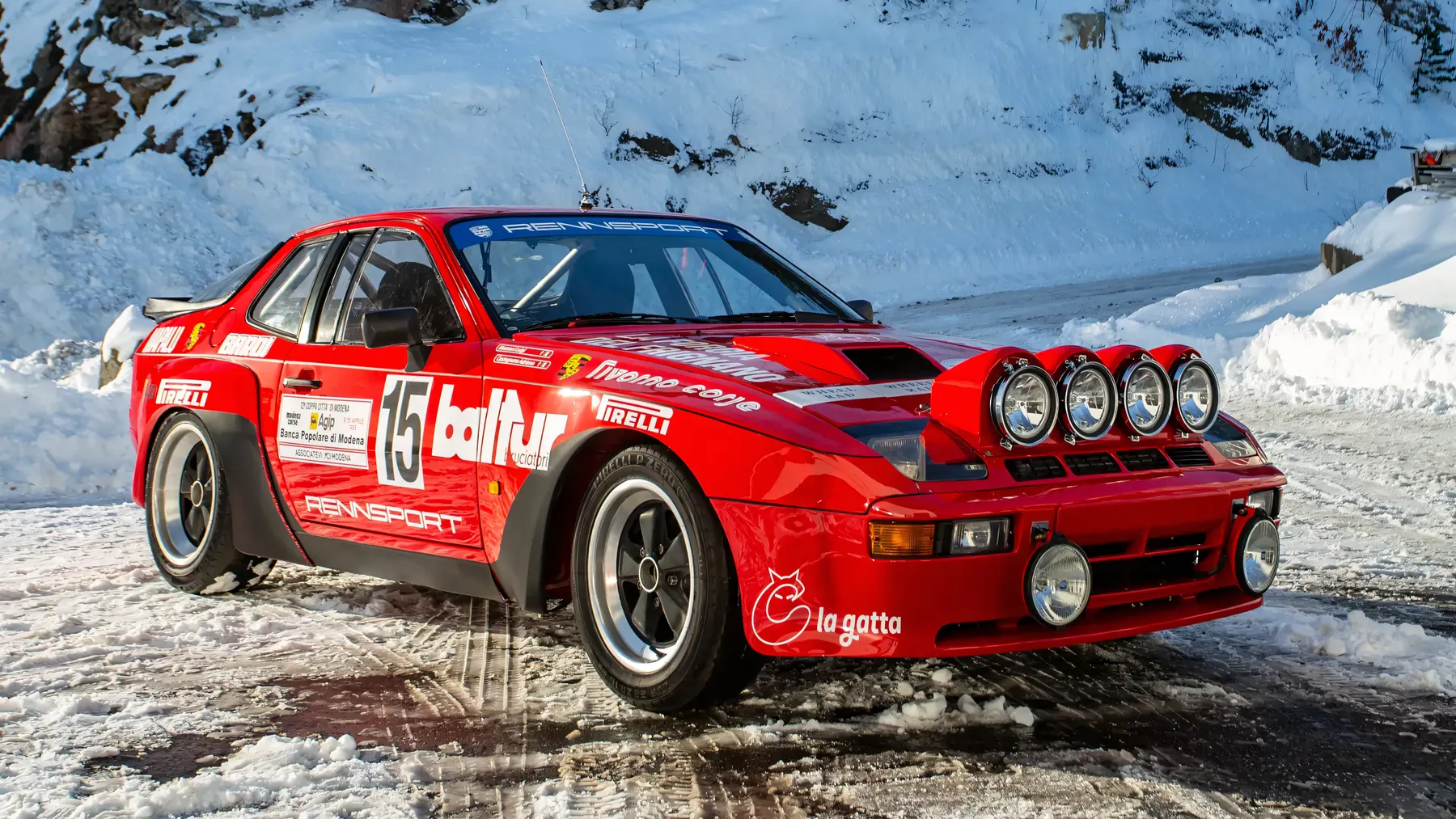
Aerodynamic tweaks, such as a flush-mounted windshield and redesigned underbody panels, minimized drag and increased stability at high speeds. These modifications weren’t merely cosmetic,they were battle-tested in events like the Monte Carlo Rally and the 24 Hours of Le Mans, where privateer teams campaigned the GTS Club Sport with notable success.
Upon its debut, the GTS Club Sport polarized purists. Critics questioned the audacity of a turbocharged four-cylinder Porsche, but the car’s performance silenced skeptics. Contemporary reviews praised its “telepathic steering” and “explosive acceleration,” while its motorsport achievements,including class wins in European rallies,proved its competitive mettle.
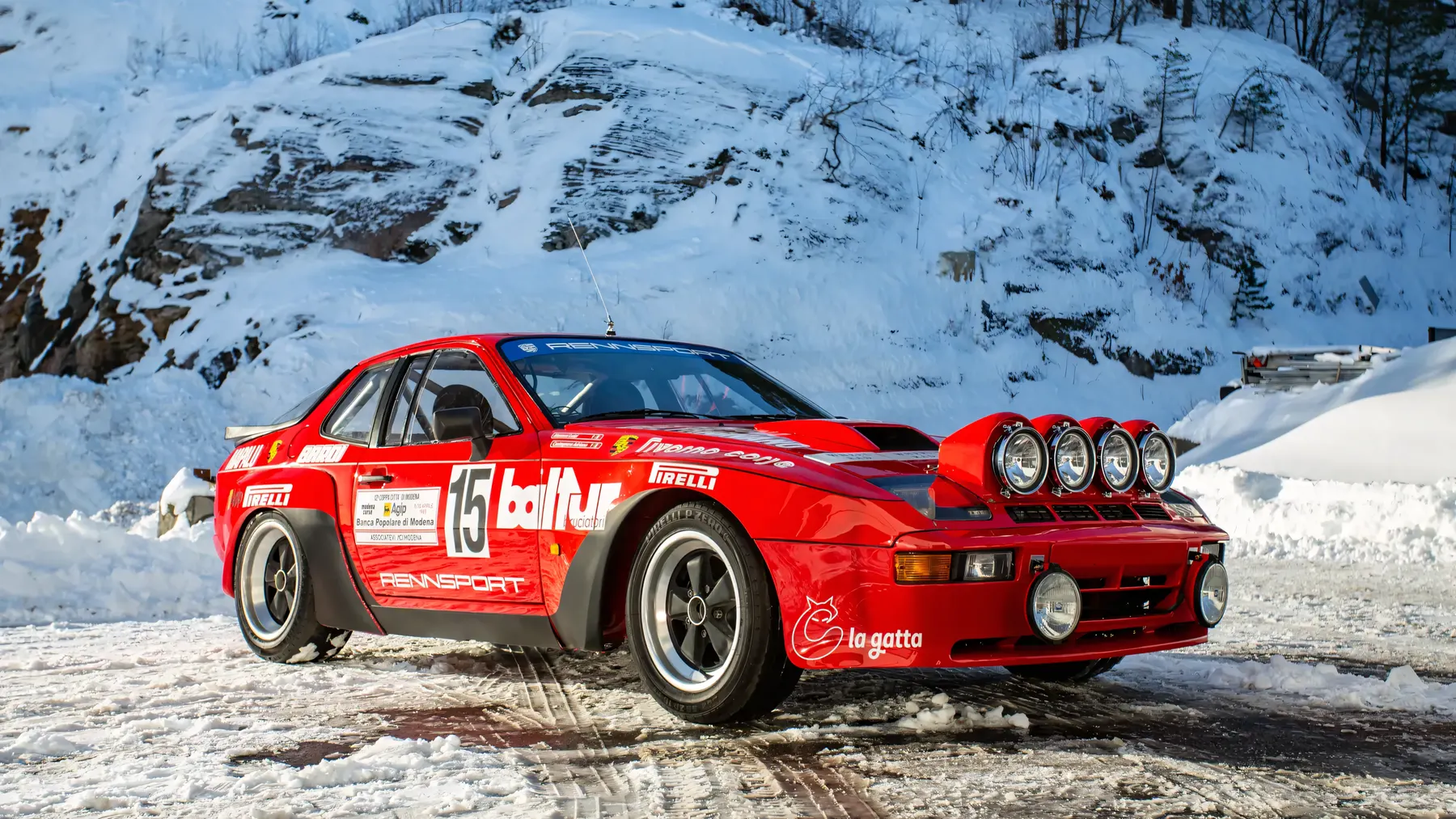
Yet its astronomical price and limited availability kept it out of mainstream attention. Only seasoned collectors and racing teams could justify its cost, cementing its reputation as a niche marvel. Today, the GTS Club Sport is revered as a symbol of Porsche’s engineering daring during Group B’s golden age. Its rarity and provenance have made it a crown jewel in collections, with well-preserved examples fetching seven-figure sums at auction.
The GTS Club Sport’s influence extended beyond its brief competition career. Its aerodynamic innovations and turbocharging expertise paved the way for the 944 Turbo and 959. Moreover, it demonstrated Porsche’s ability to extract race-winning performance from unconventional platforms, a philosophy later echoed in models like the Cayman GT4.
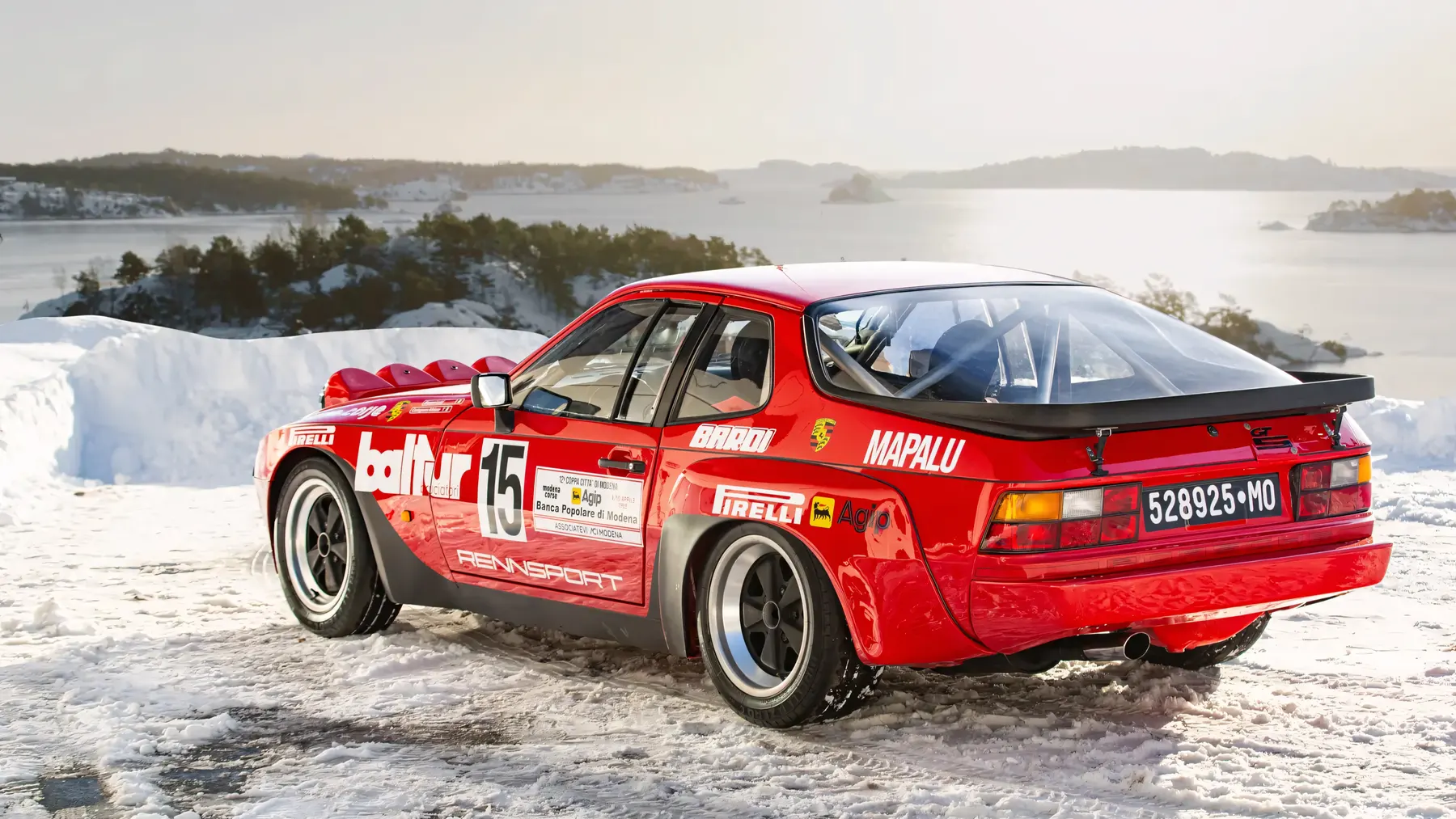
As Group B’s regulations faded into history, the GTS Club Sport became a poignant reminder of an era when homologation specials pushed boundaries. For Porsche enthusiasts, it represents a fleeting moment when the brand’s racing ambitions collided with road-car pragmatism,and the result was nothing short of extraordinary.
The Porsche 924 Carrera GTS Club Sport ‘Group B’ is a testament to motorsport’s transformative power. Its blend of audacious engineering, exclusivity, and competition pedigree ensures its place among Porsche’s most legendary creations. For those fortunate enough to experience it, the GTS Club Sport isn’t just driven,it’s unleashed, a roaring relic of a time when rules were bent, limits were shattered, and every kilometer was a battle against the impossible.
Join the discussion
Comments
Loading comments…
Leave a comment
Share a detail, memory, or perspective. Every comment is reviewed before publication.